Platycodon grandiflorus
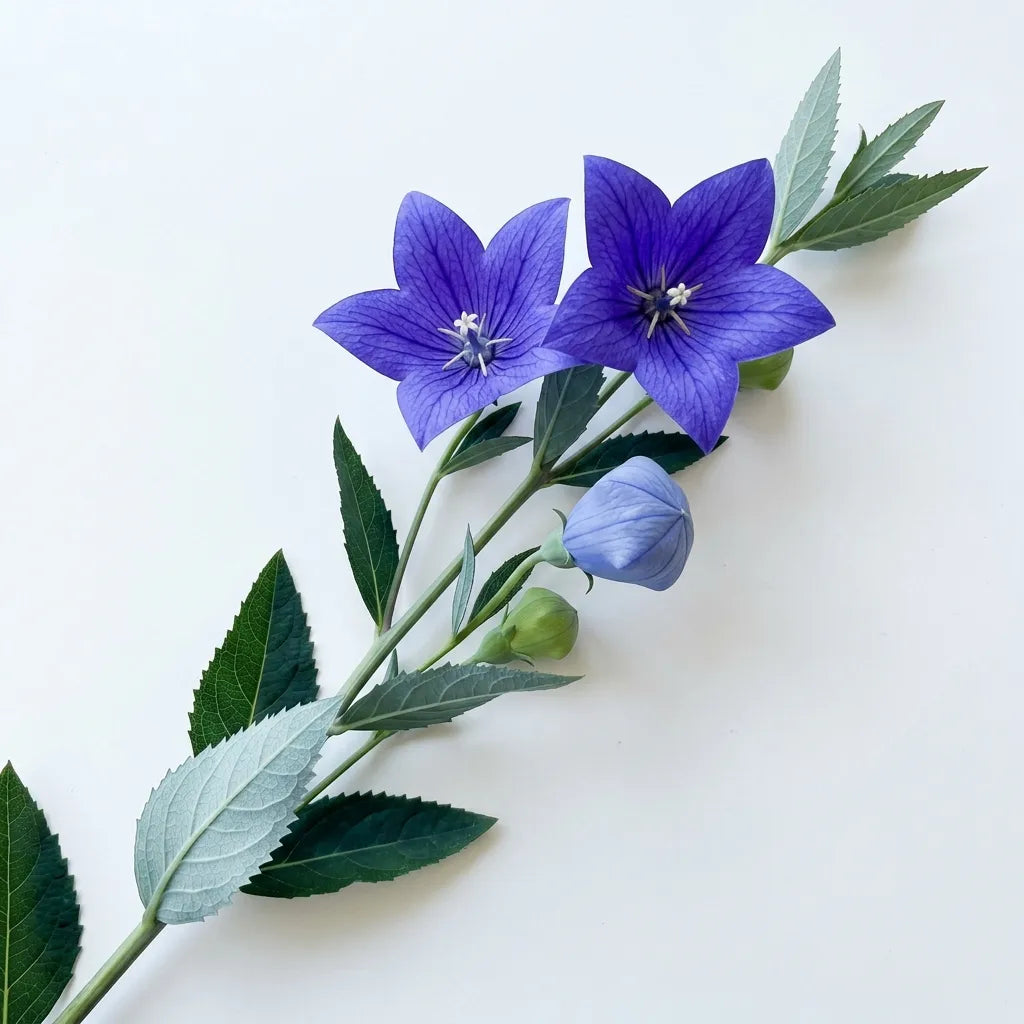
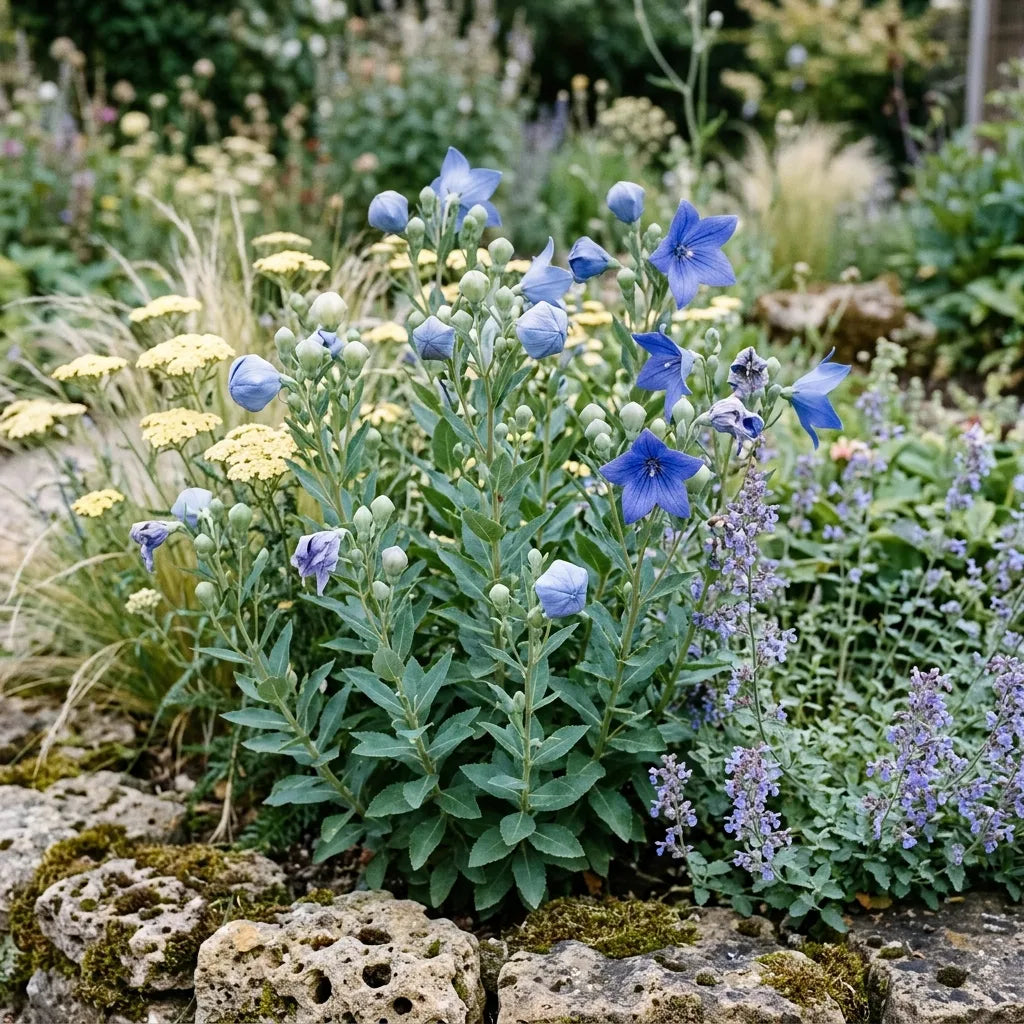
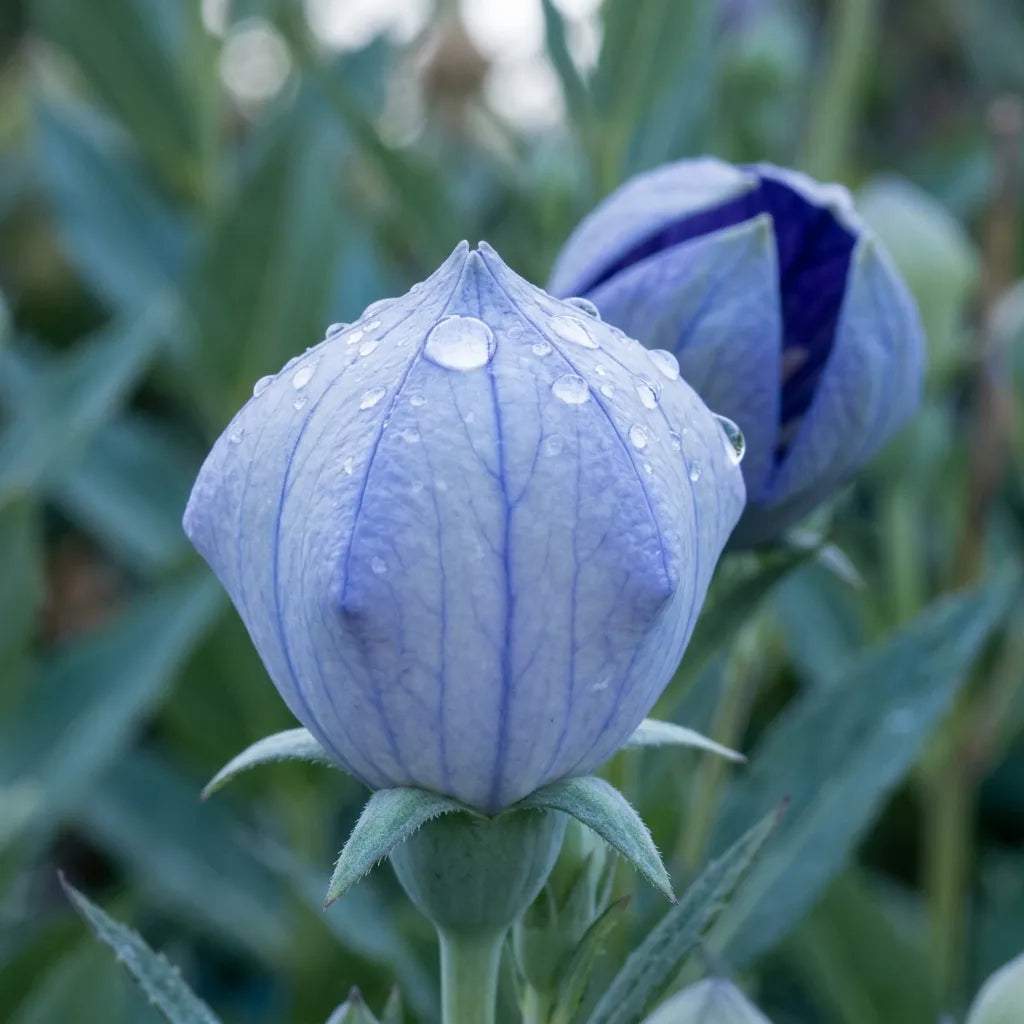
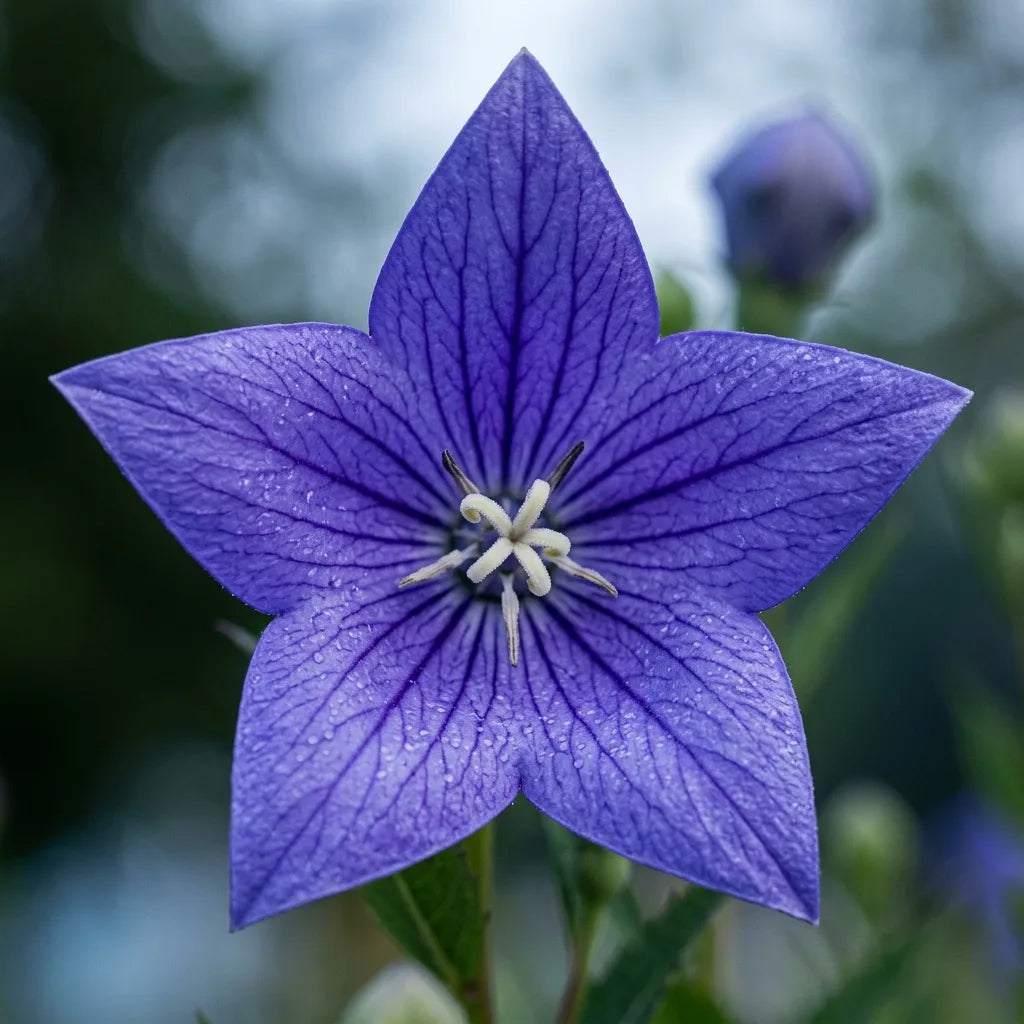
Platycodon, balloon flower, Chinese bellflower, large-flowered bellflower: its nickname, “balloon flower,” comes from a phenomenon that fascinates young and old alike — before opening, each bud fills with air like a blue hot-air balloon, then suddenly bursts open into a broad five-pointed star. A plant to place where you pass often, so you don't miss a moment of the spectacle.
Characteristics:
-
Balloon buds: they swell before opening, then burst into broad, deep-blue stars.
-
Colorful foliage: dark bluish-green, toothed oval leaves that are highly decorative.
-
Long-lived perennial: once established, it returns faithfully for many years.
Sowing advice:
-
Exposure: full sun to light partial shade.
-
Soil: light, deep, moist and well drained, preferably neutral to slightly acidic. Key point: its fleshy root rots in heavy, waterlogged soil in winter — this is the main cause of failure. In clay soil, plant it on a mound or in a pot.
-
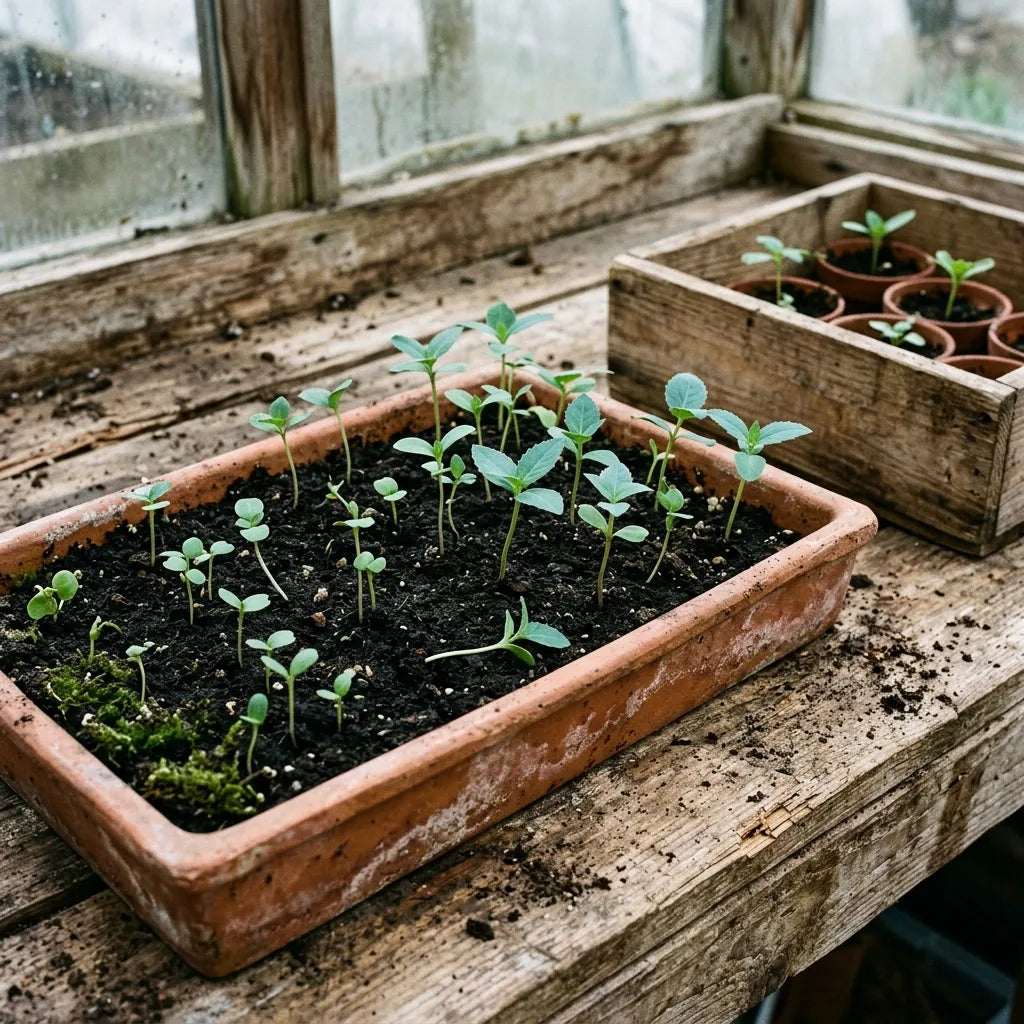
Method: sow in spring, on the surface or barely covered, as the seeds need light, at 15–20 °C. A short period of cold improves even germination. Be patient: flowering often occurs in the second year. See how to sow your seeds.
Planting advice:
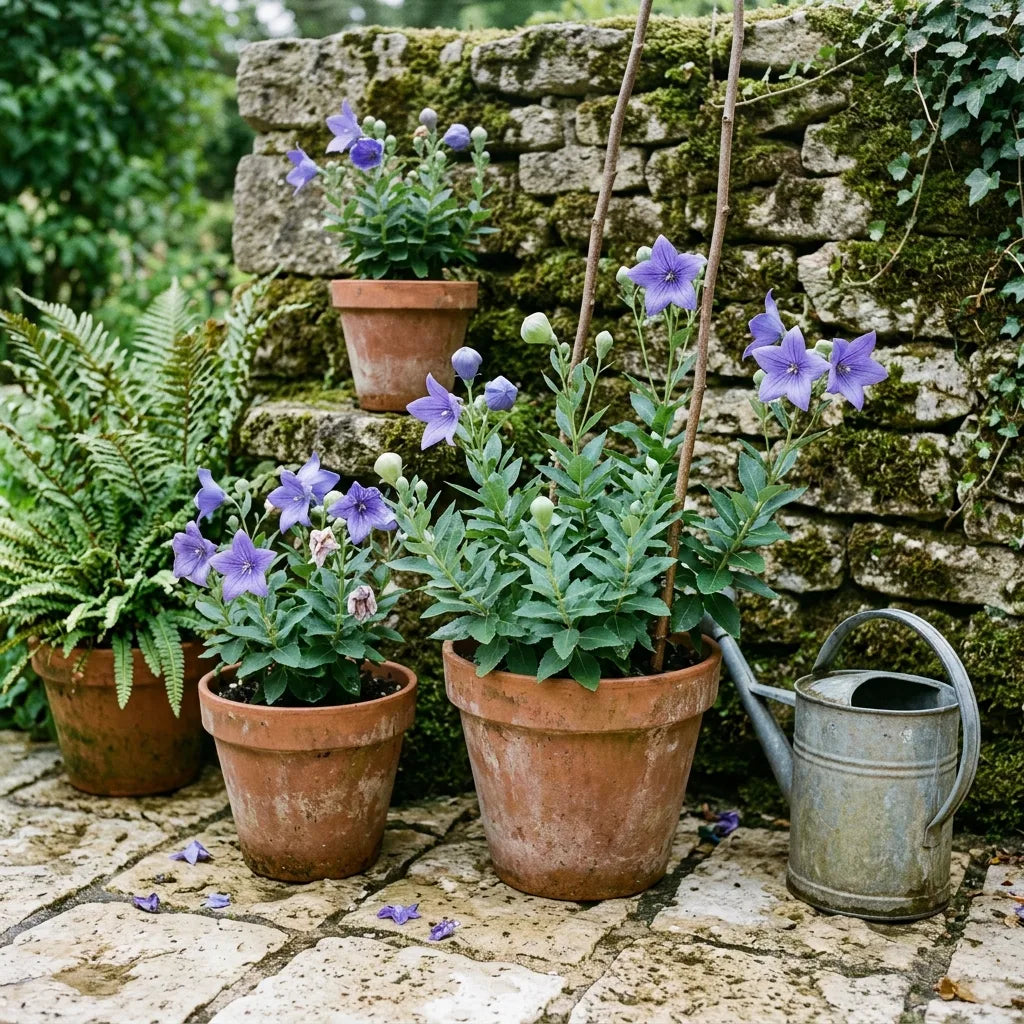
- Transplant while young to its final location, spacing plants 30 cm apart: its fleshy taproot is very sensitive to disturbance afterward. It also grows very well in pots or planters.
Care advice:
- Water moderately. Cut the plant back in autumn to about 10 cm from the base to encourage abundant flowering the following year.
- Mark its location: it starts growing again very late in spring, and people often think they have lost it before accidentally digging it up.
Beneficial combinations:
Benefits for biodiversity:
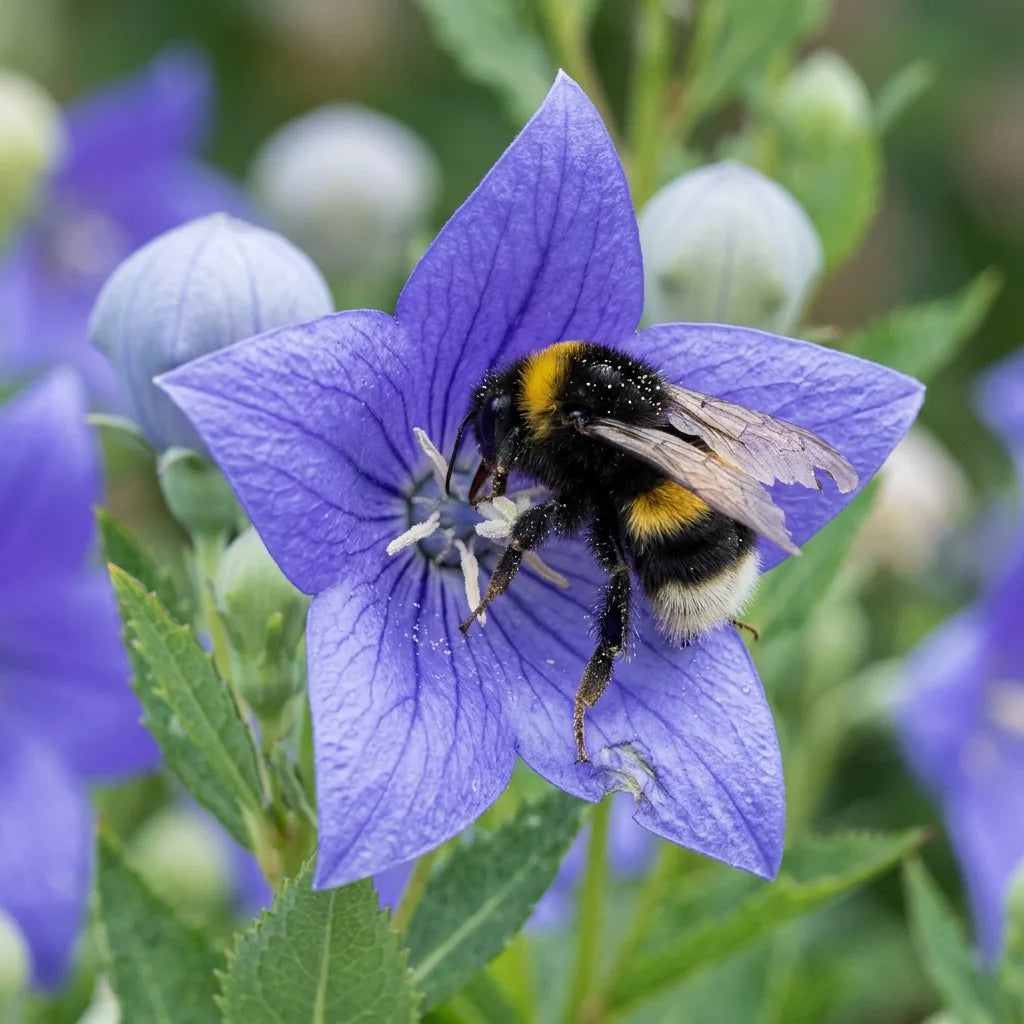
- Its broad open corollas provide highly accessible pollen for bees and bumblebees over a long summer period.
- Its late flowering extends the garden's resources at the end of the season.
Uses:
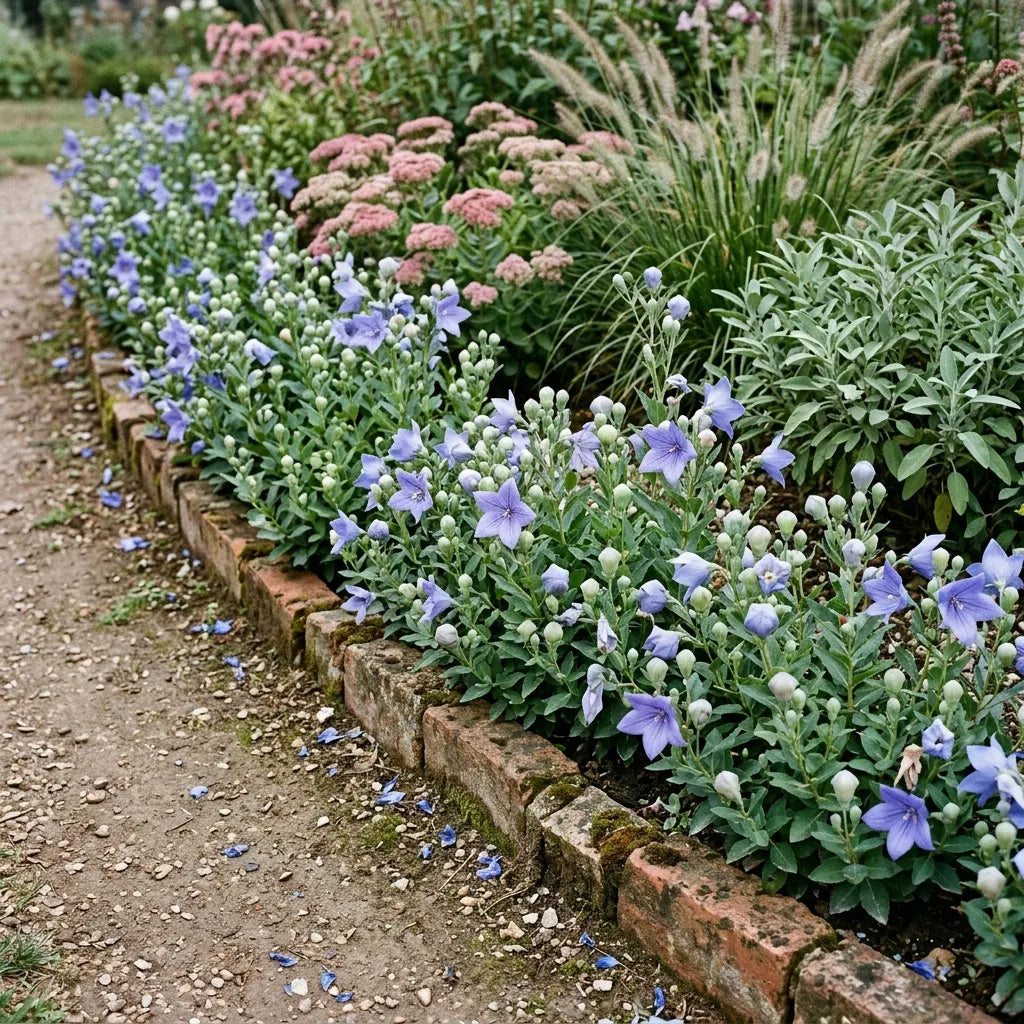
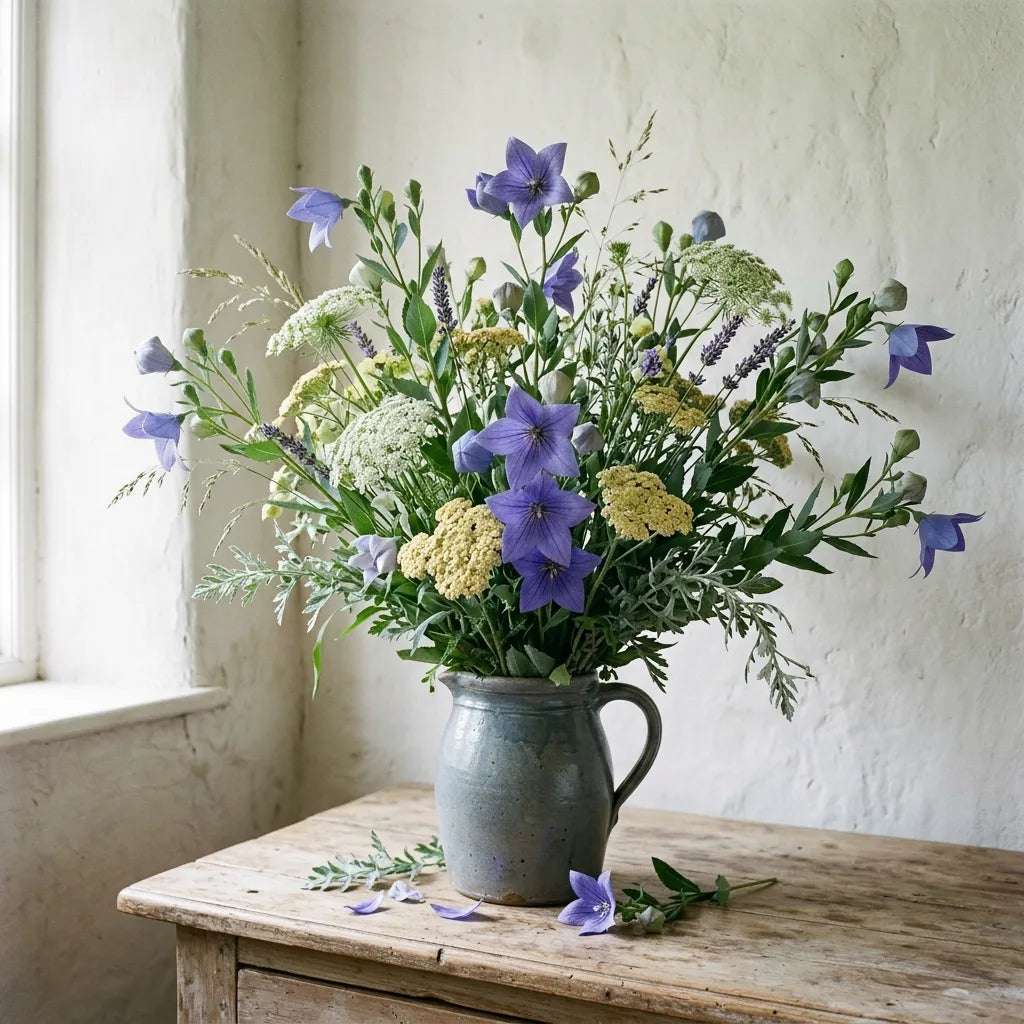
- Perennial borders, edging, rock gardens, pots and planters. Its flowers hold up well in bouquets, provided the cut stem is cauterized.
- Its root, called doraji, is a traditional Korean vegetable, and the plant has been used for centuries in East Asia. See our medicinal plants to sow.
Harvesting your own seeds:
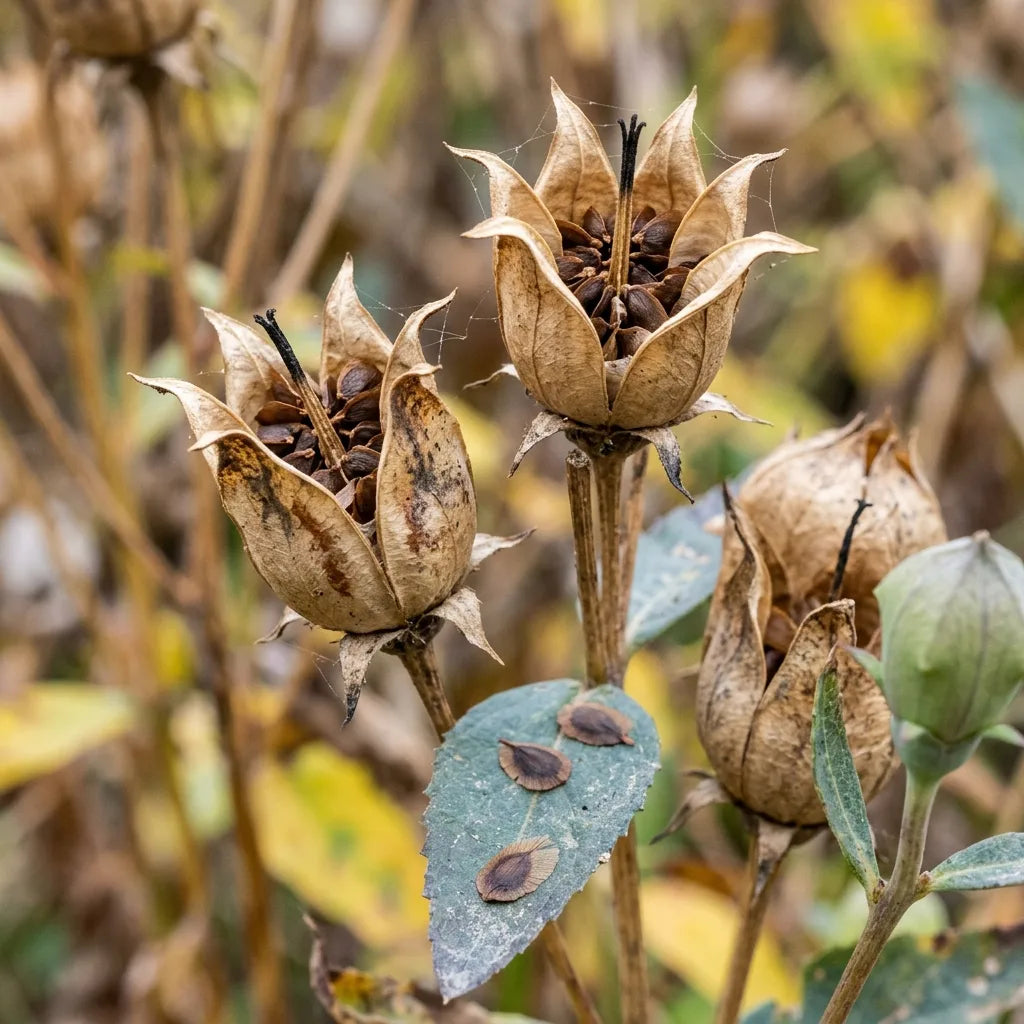
Allow a few flowers to form their upright seed capsules, then harvest them once they are brown and dry, before they open at the top. Turn them upside down over a container. See how to store your seeds.
Commitment to Quality: at SemiSauvage - Permaculture, we grow and select our seeds with respect for all living things as our guiding principle. Based near the Volcanoes of Auvergne, we choose open-pollinated, non-hybrid varieties, tested for their germination rate, carefully sorted and packaged, with no chemical treatment. Our belief: to give gardeners back the ability to resow, year after year, seeds that truly belong to them.
Treat yourself to the spectacle of balloon buds bursting into blue stars.