Aquilegia vulgaris
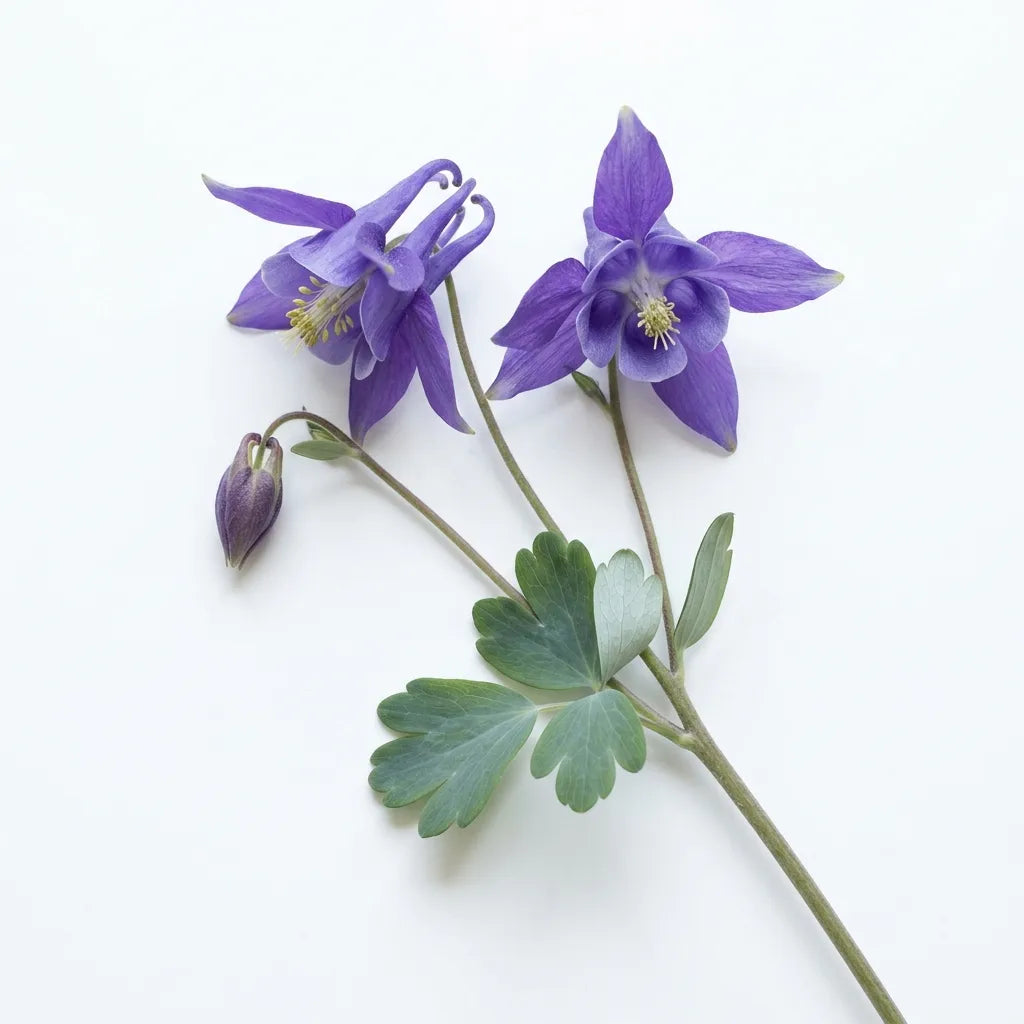
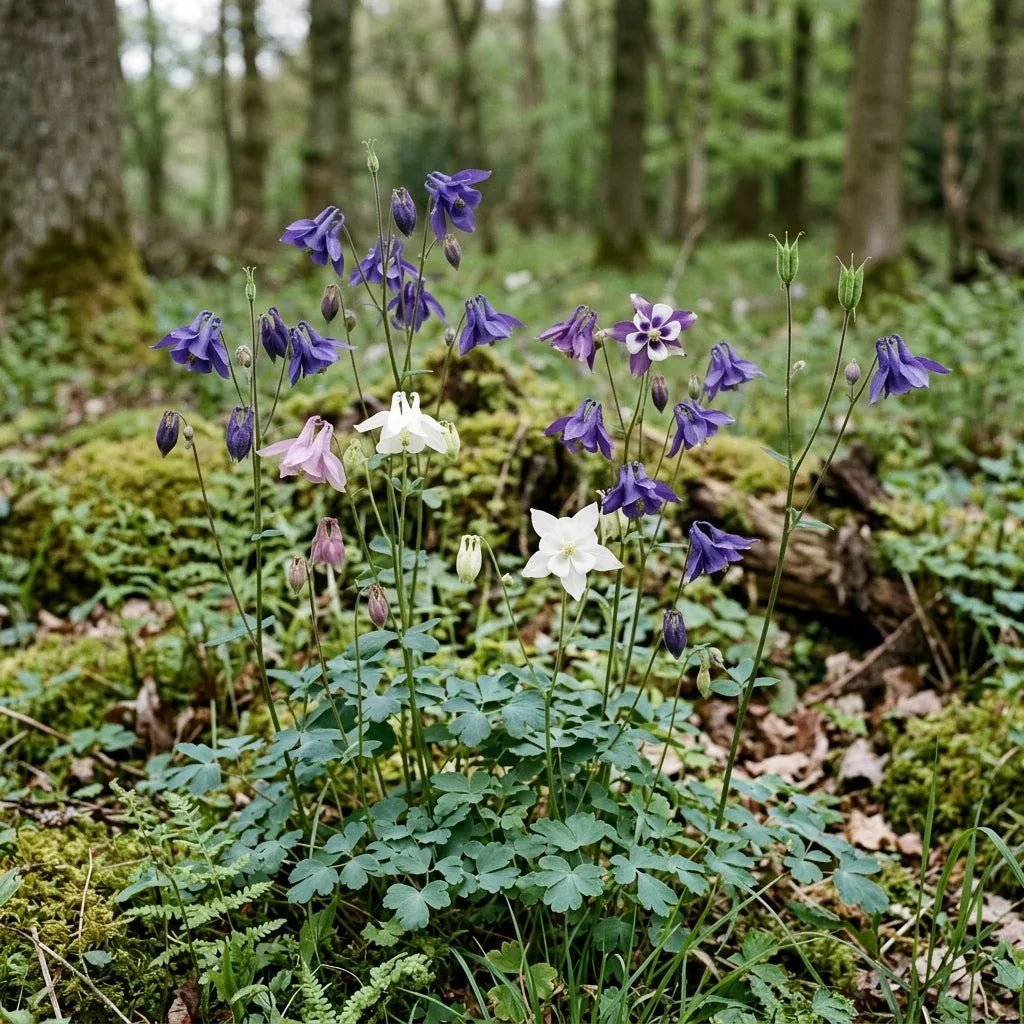
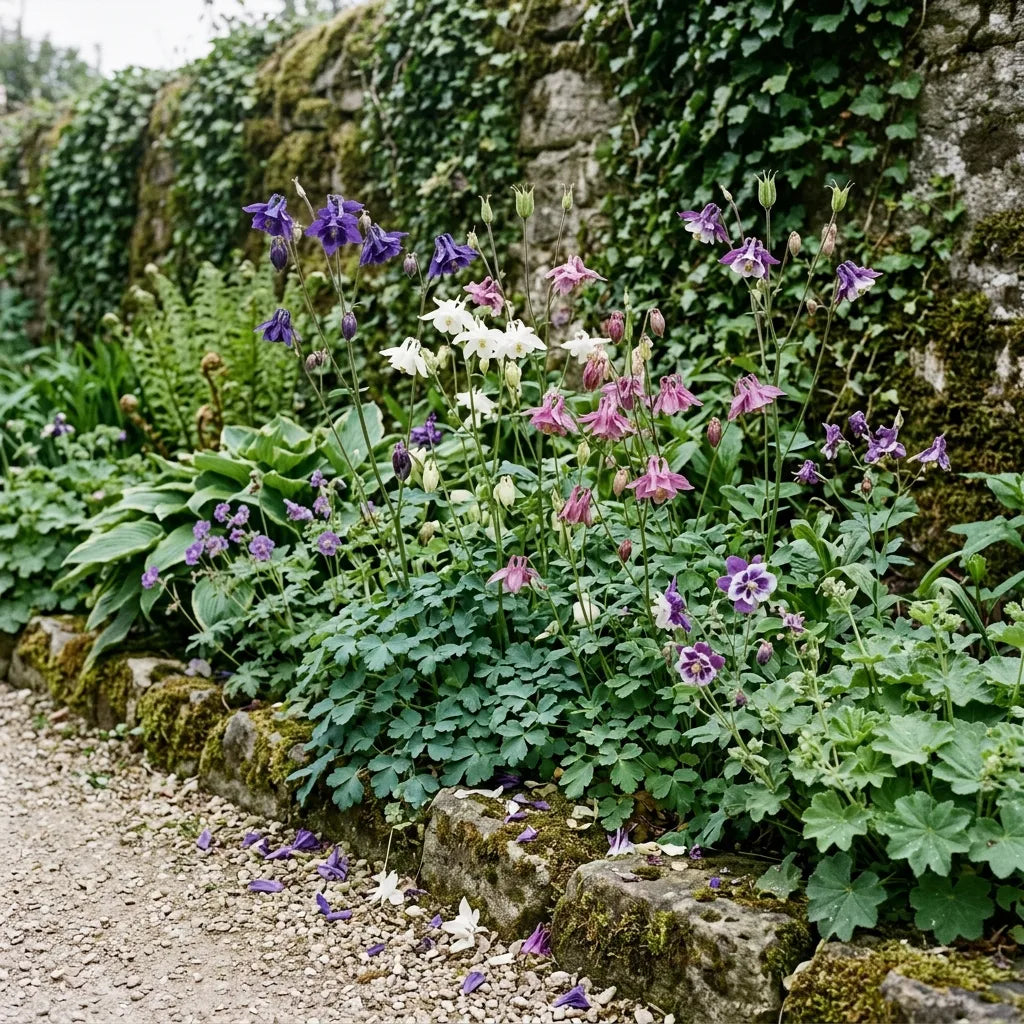
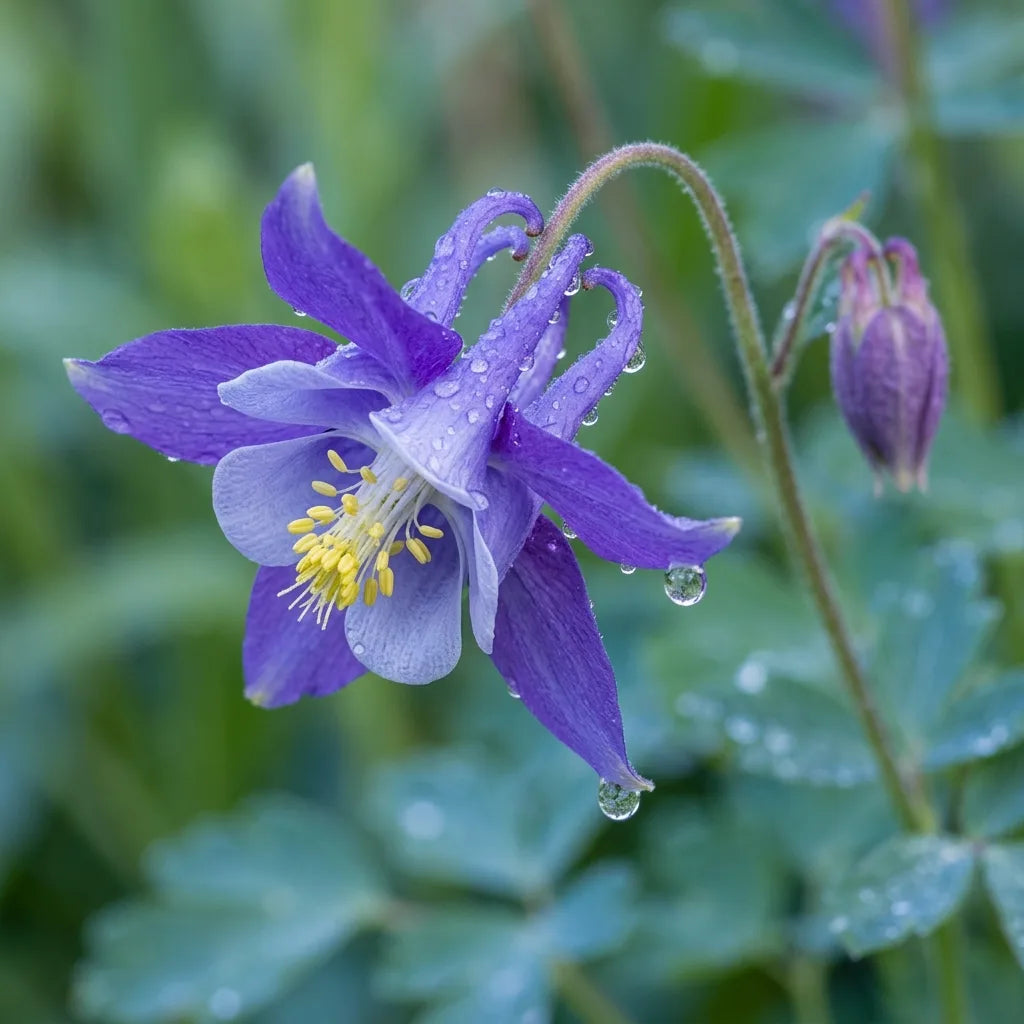
Garden columbine, Our Lady’s glove, grandmother’s bonnet, dove flower: this last name comes from the Latin columba, meaning dove — seen in profile, the flower’s five curved spurs resemble a circle of birds drinking together. A quintessential cottage garden plant, it self-seeds and cross-pollinates freely, offering new colors every year.
Characteristics:
-
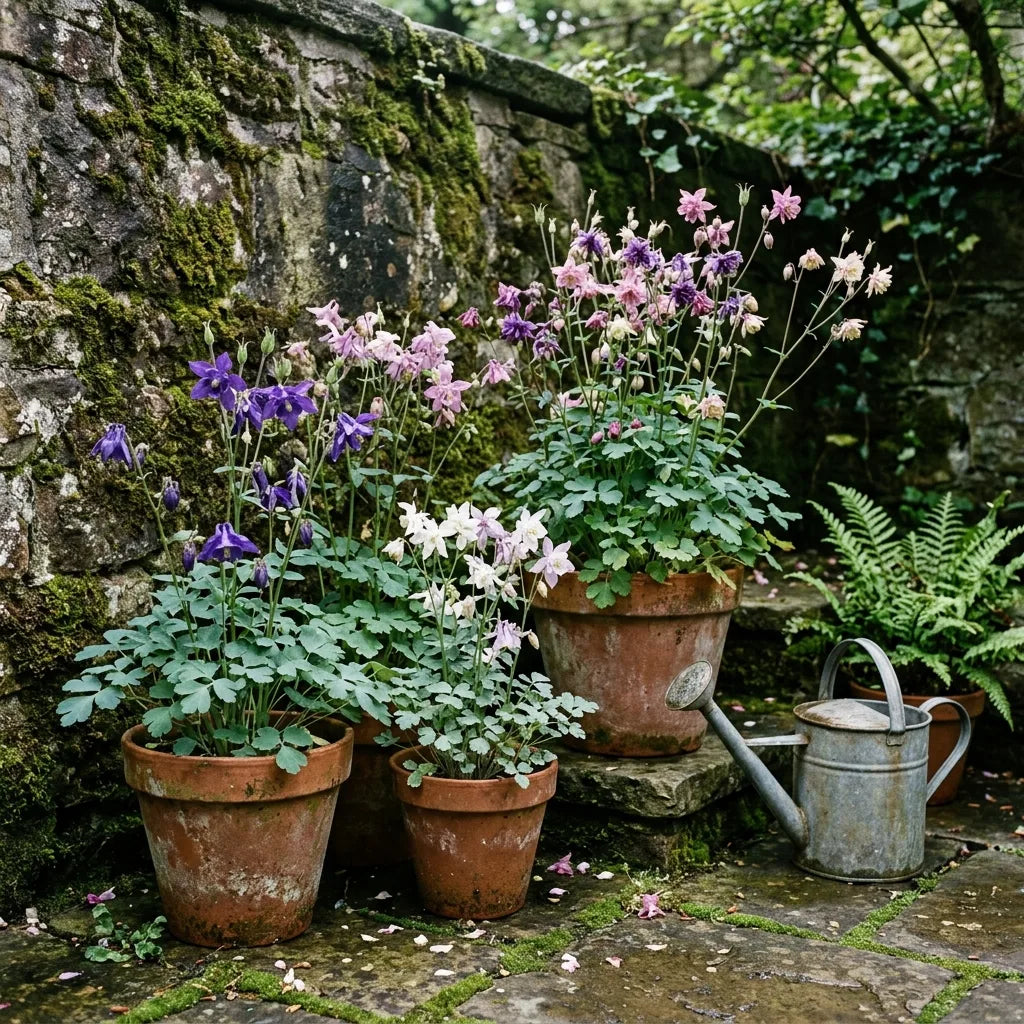
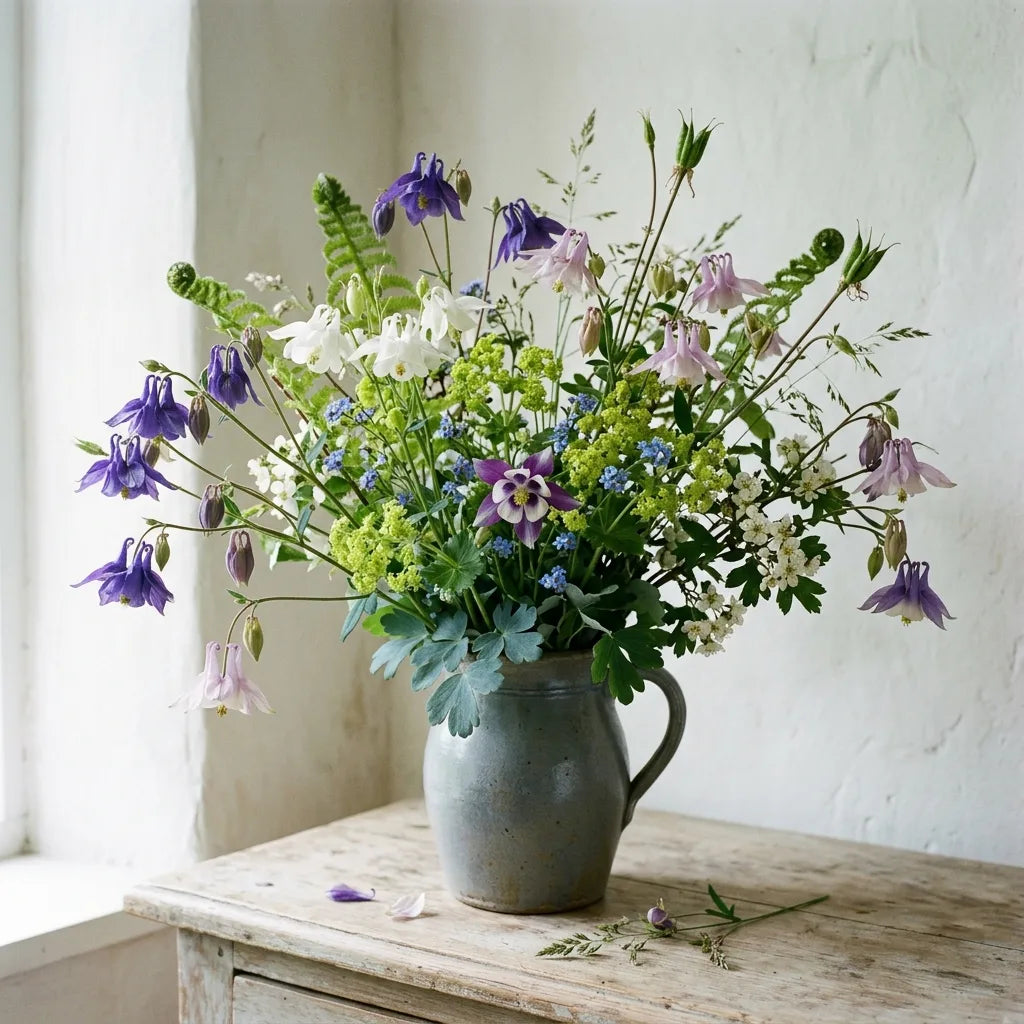
Spurred flowers: a unique silhouette in blue, violet, mauve, pink, or white, from May to June.
-
Great diversity: it cross-pollinates naturally and produces ever-changing colors over the years.
-
Very hardy perennial: it withstands harsh winters without protection.
Precautions:
- All parts of the plant, especially the seeds, are toxic if ingested. Do not consume them and keep them out of reach of children and pets.
Sowing advice:
-
Exposure: full sun or light shade; in hot regions, partial shade is preferable.
-
Soil: moist, relatively rich, and above all well drained. It enjoys woodland-edge soils, rich in humus and never allowed to dry out in summer, but dislikes standing moisture in winter. Adding compost is beneficial.
-
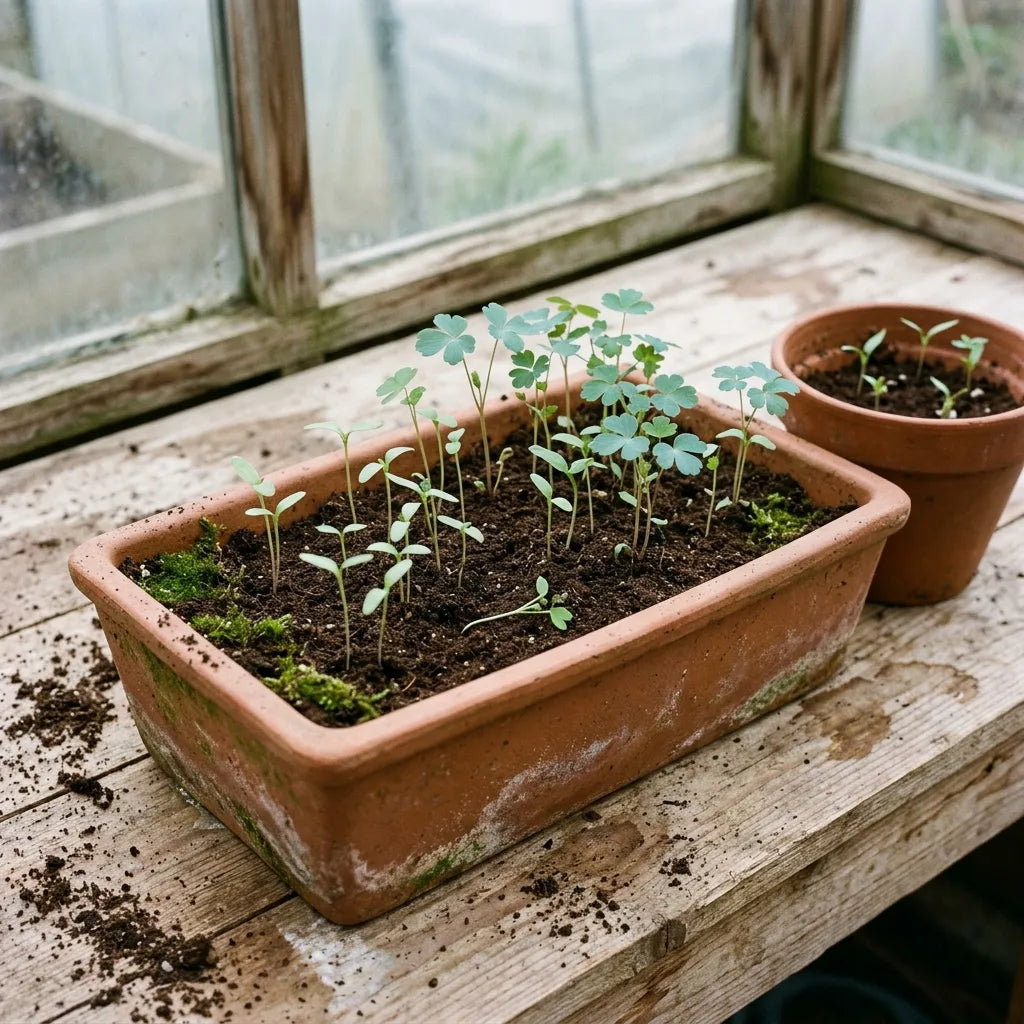
Method: Cold stratification significantly improves germination. Then sow in spring, on the surface or barely covered, as the seeds need light. Be patient: flowering generally occurs in the second year.
Planting advice:
- Transplant young plants into beds, rock gardens, borders, or balcony containers, spacing them 30 cm apart: their taproot does not tolerate late transplanting well.
Care advice:
- Water regularly but moderately, keeping the soil moist without waterlogging it.
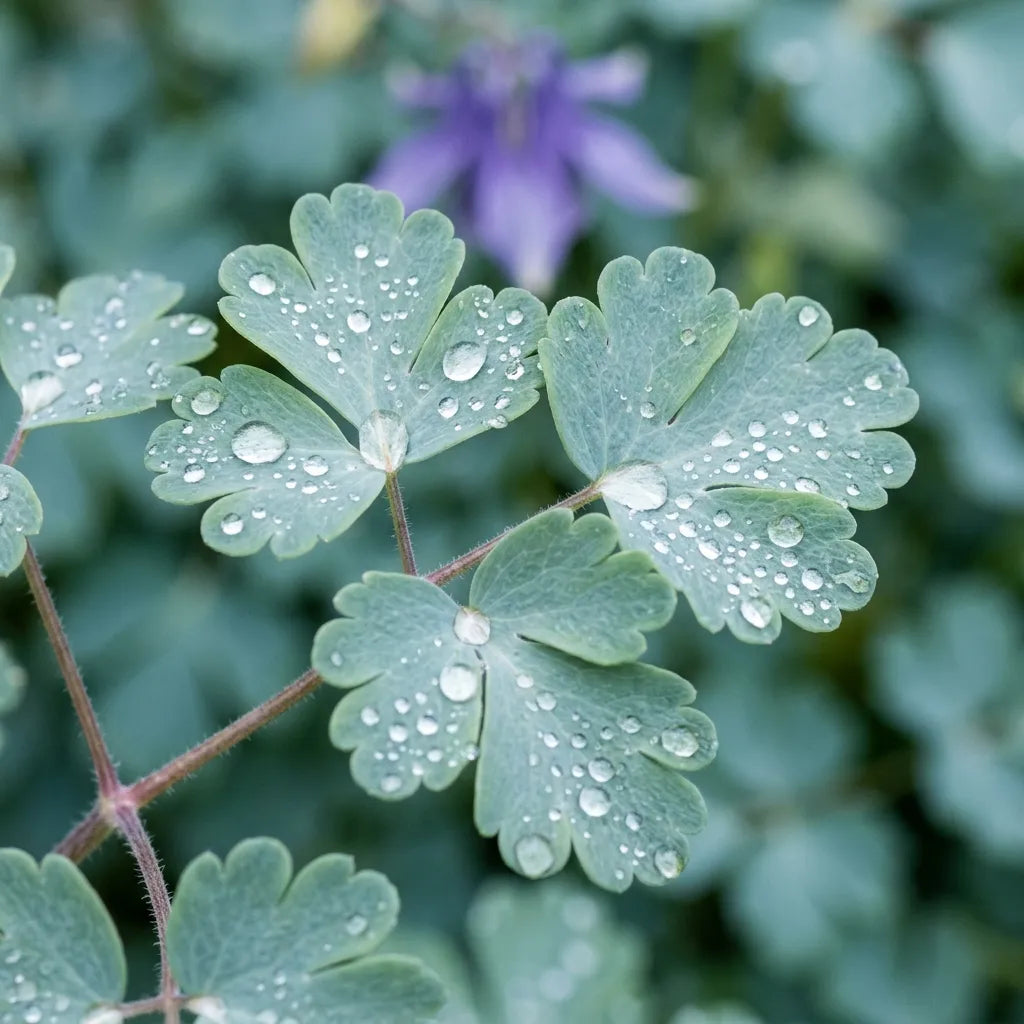
- Cut back after flowering to encourage fresh foliage, or leave a few flower stems to go to seed for natural self-sowing.
Beneficial pairings:
- It combines well with other partial-shade perennials such as honesty and forget-me-nots, with which it shares spring flowering and a preference for cool conditions.
Benefits for biodiversity:
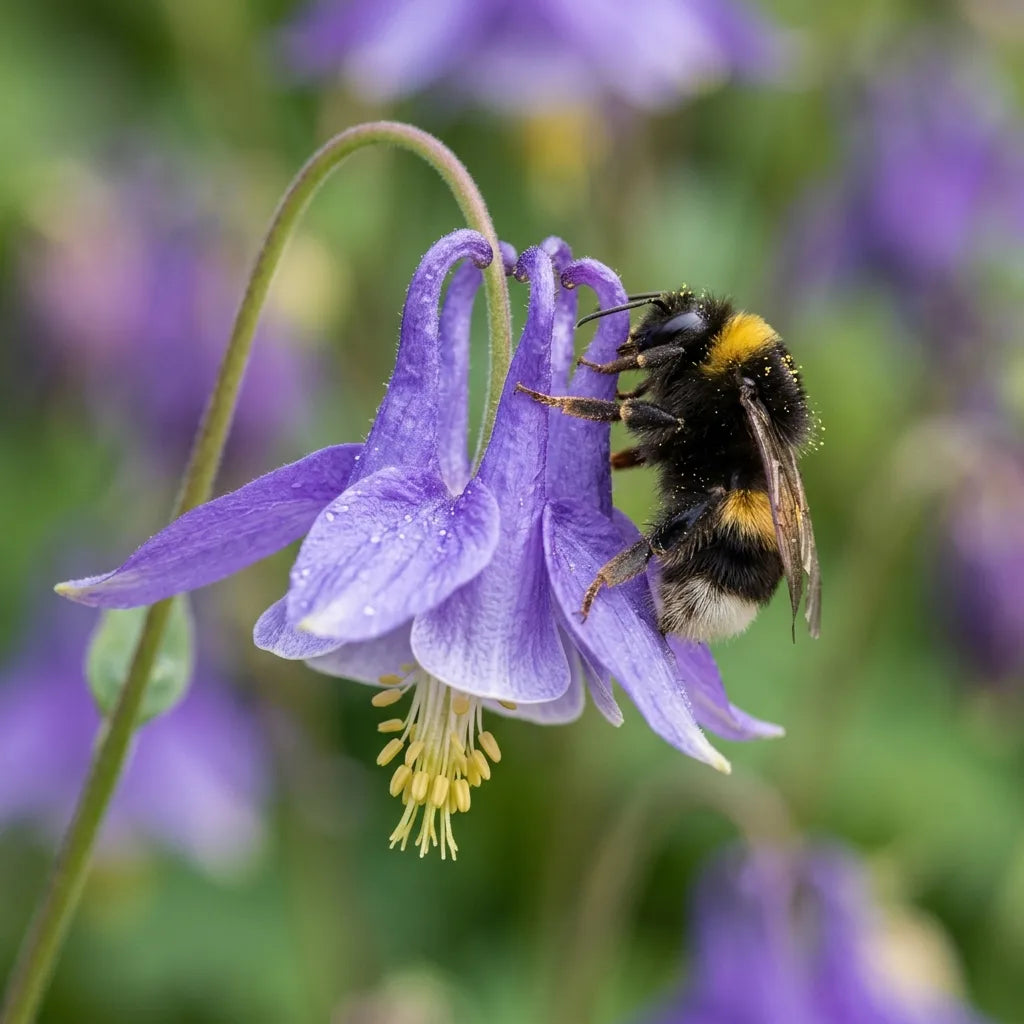
- Its long nectar-filled spurs are reserved for long-tongued insects: bumblebees are its preferred visitors. Some, with tongues that are too short, even pierce the spur at its base to steal the nectar — a behavior that can be observed in the garden.
- Its spring flowering occurs at a time when food resources are still limited.
Uses:
- Strictly ornamental: beds, rock gardens, borders, balcony containers, and cottage gardens. Its flowers hold up well in bouquets.
Symbolism:
A flower of medieval gardens, columbine appears in numerous tapestries and illuminated manuscripts. Its five dove-shaped spurs have given it a rich spiritual symbolism.
Harvesting your own seeds:
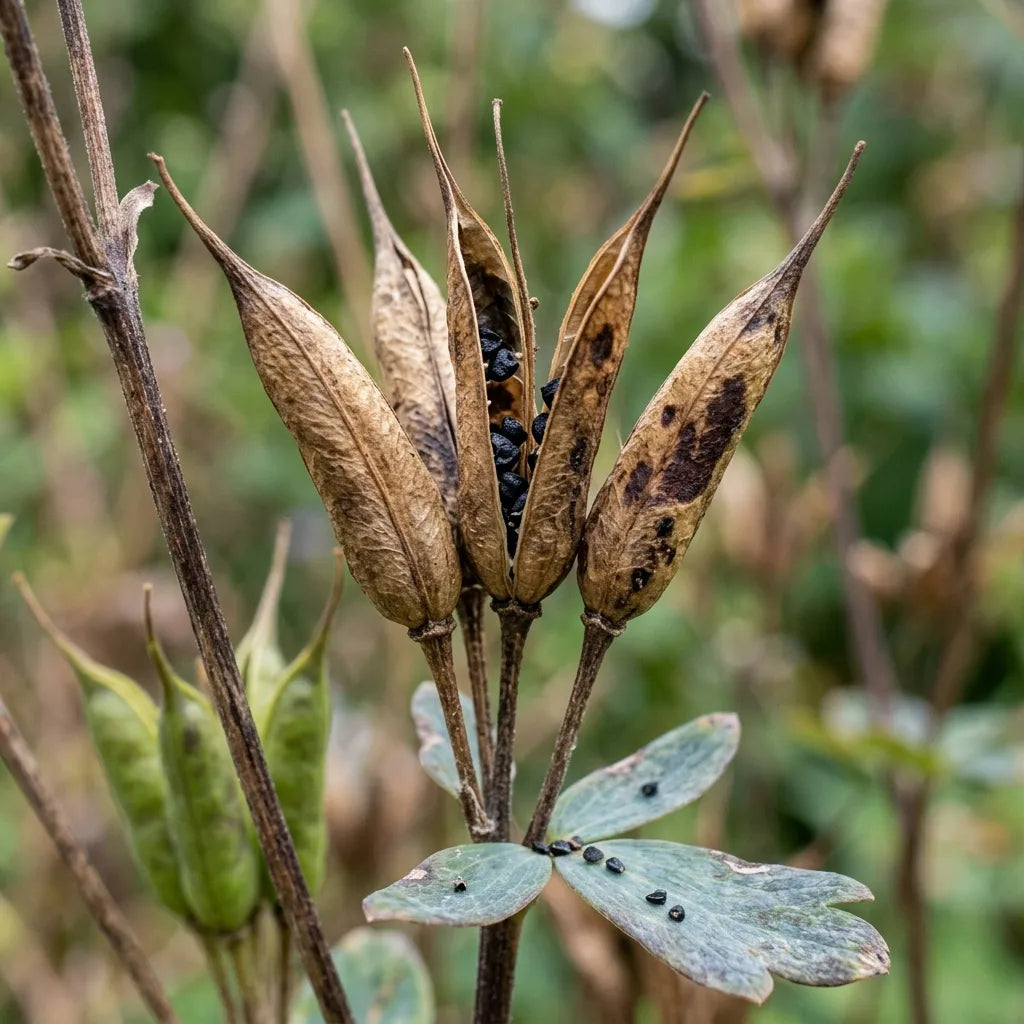
Let a few flowers develop their upright follicles, then harvest them as soon as they turn brown and before they open at the top. Take care: columbines cross-pollinate very easily with one another, so your seedlings will produce surprise colors, which is also part of their charm. See storing your seeds.
Commitment to Quality: at SemiSauvage - Permaculture, we grow and select our seeds with respect for all living things as our guiding principle. Based near the Auvergne Volcanoes, we choose open-pollinated, non-hybrid varieties, test them for germination rates, and carefully sort and package them without any chemical treatment. Our conviction: to give gardeners back the ability to resow, year after year, seeds that truly belong to them.
Add a touch of old-world charm to your garden with these garden columbine seeds.