Picea jezoensis
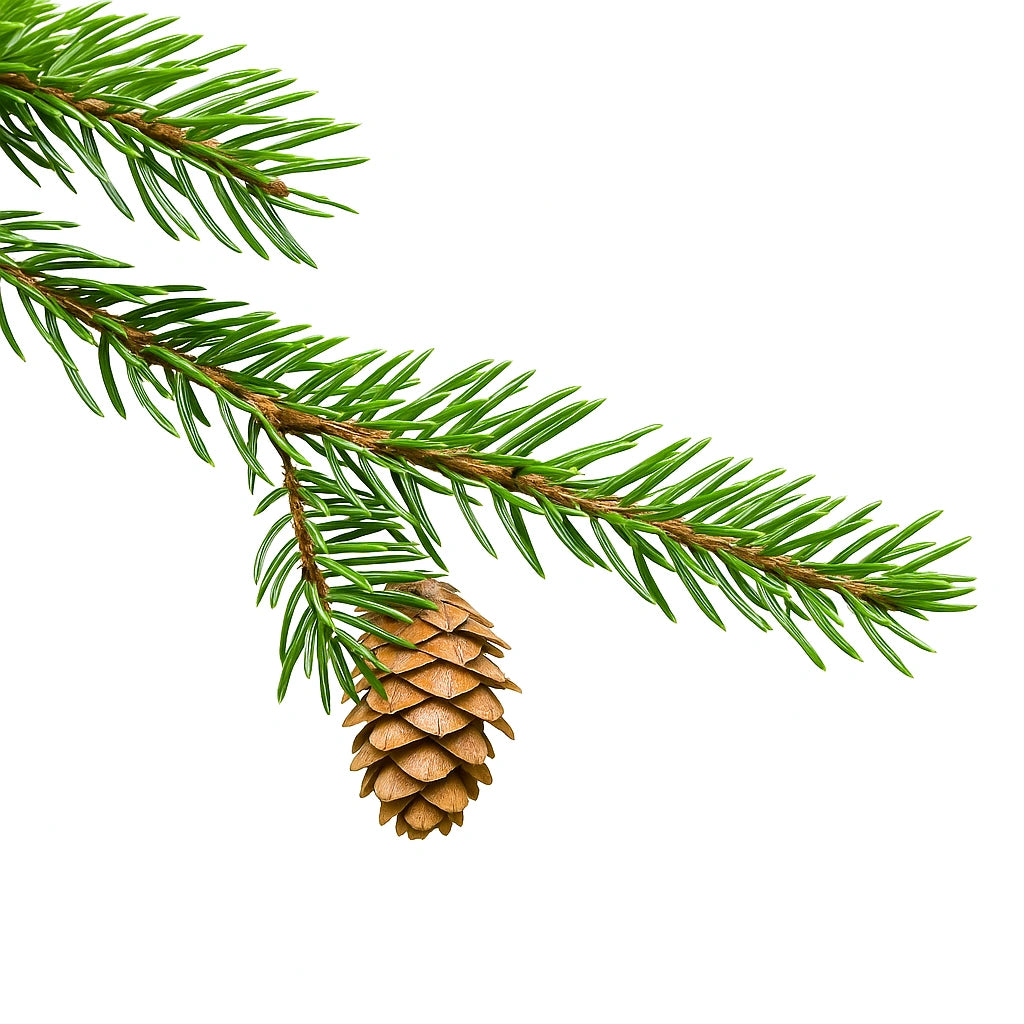
Japanese spruce, Jezo spruce, Hokkaido spruce, Japanese fir, ezo-matsu: this majestic conifer comes from the cold forests of northern Japan and Sakhalin Island. Its flat needles have a distinctive feature that makes it immediately recognizable: dark green on top, they are marked with two white bands underneath, giving the foliage a silvery-blue sheen when the wind turns it over.
Characteristics:
-
Bluish foliage: blue-green needles with silvery undersides, dense and evergreen.
-
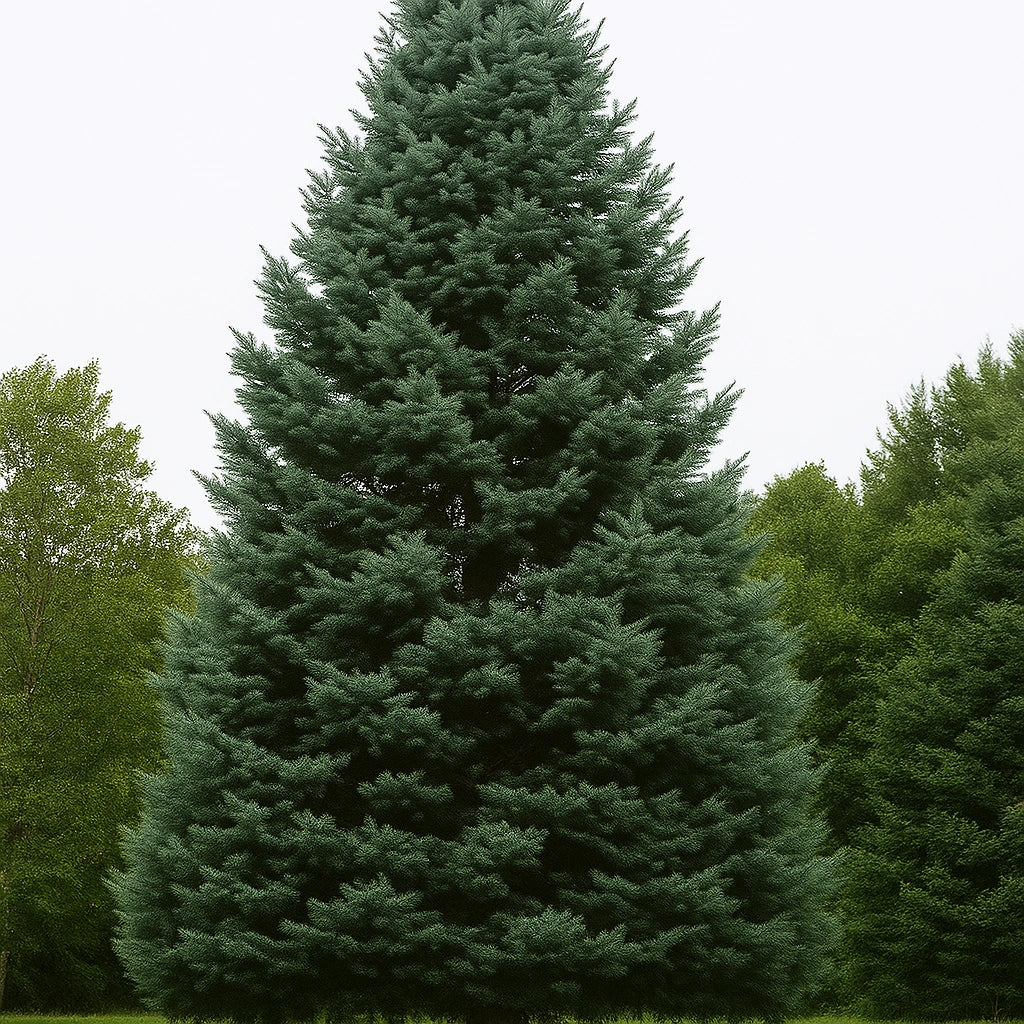
Slender habit: regular conical silhouette, reaching 30 to 50 meters in its natural habitat.
-
Remarkable hardiness: it tolerates temperatures as low as -30 °C without difficulty.
Precautions:
- Anticipate its mature spread: this is not a tree for a small garden. Give it plenty of space, or train it as a bonsai if your land is limited.
- It dislikes hot, dry summers: cultivation is difficult in Mediterranean climates.
Sowing advice:
-
Exposure: full sun to partial shade, in a cool location.
-
Soil: cool to moist, deep, preferably acidic and well drained. Unlike many conifers, it appreciates soil moisture and even tolerates heavy, cool soils — it is a boreal forest tree. However, it dislikes summer drought and lime-rich soils.
-
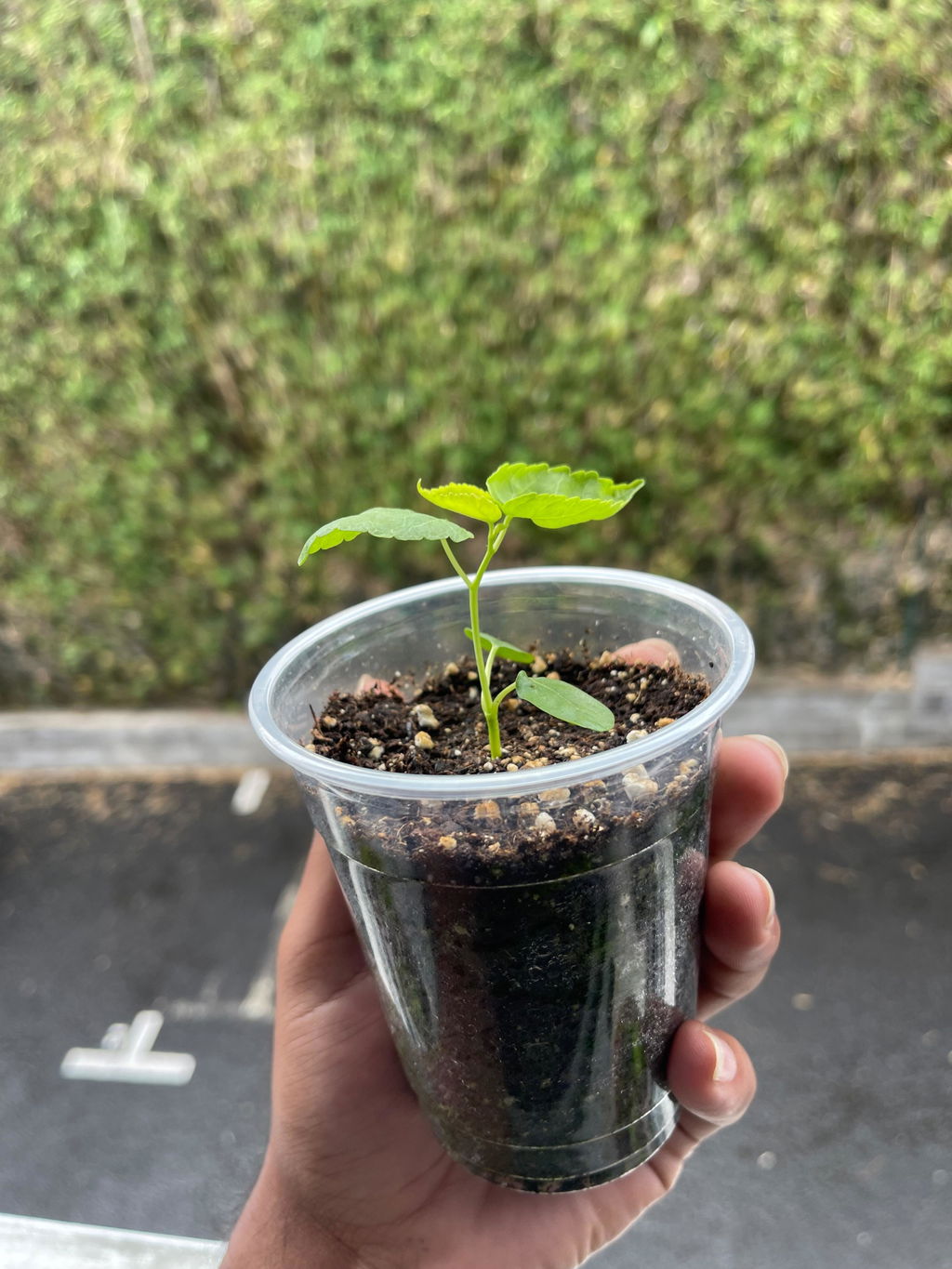
Method: the seeds require 6 to 8 weeks of cold stratification. Then sow them in pots or a nursery in spring, in light, well-drained potting soil. Keep them moist without excess and place them in partial shade until germination.
Planting advice:
- Transplant into the ground once the young plants are well rooted, using a deep pot to accommodate their root system.
- It is particularly well suited to bonsai, thanks to its short needles and fine branching — see our guide creating a bonsai from a seed.
Care advice:
- Water regularly during the first few years and mulch around the base to maintain soil moisture: this is the key to its success in our climates.
Beneficial combinations:
- It creates a beautiful Japanese garden scene with the Japanese maple, whose red autumn foliage contrasts with its persistent bluish-green foliage, or with ferns planted at its base.
Benefits for biodiversity:
- Its dense, evergreen foliage provides winter shelter and nesting sites highly valued by birds.
- Its winged seeds feed squirrels, crossbills, and tits.
- In ecological woodland planting, it is particularly suitable for cool, damp soils tolerated by few tree species.
Uses:
- An ornamental tree for large gardens and parks, avenues, windbreak hedges in cold regions, and bonsai. Its light, resonant wood is highly valued in Japanese woodworking, particularly for musical instrument making.
Symbolism:
In Japanese culture, it symbolizes resilience in the face of cold and the wisdom of Hokkaido's ancient forests, where it forms almost untouched stands.
Harvesting your own seeds:
Harvest the hanging cones as soon as they turn brown, before they fully open, then let them dry in a warm, dry place: their scales will separate on their own and release the winged seeds. See storing your seeds.
Commitment to Quality: at SemiSauvage - Permaculture, we grow and select our seeds with respect for living things as our guiding principle. Based near the Auvergne Volcanoes, we choose reproducible, non-hybrid varieties, tested for their germination rate, carefully sorted and packaged, without any chemical treatment. Our conviction: to give gardeners back the ability to sow, year after year, seeds that truly belong to them.
Sales reserved for home gardeners seeking quality and authenticity.