Cercis chinensis
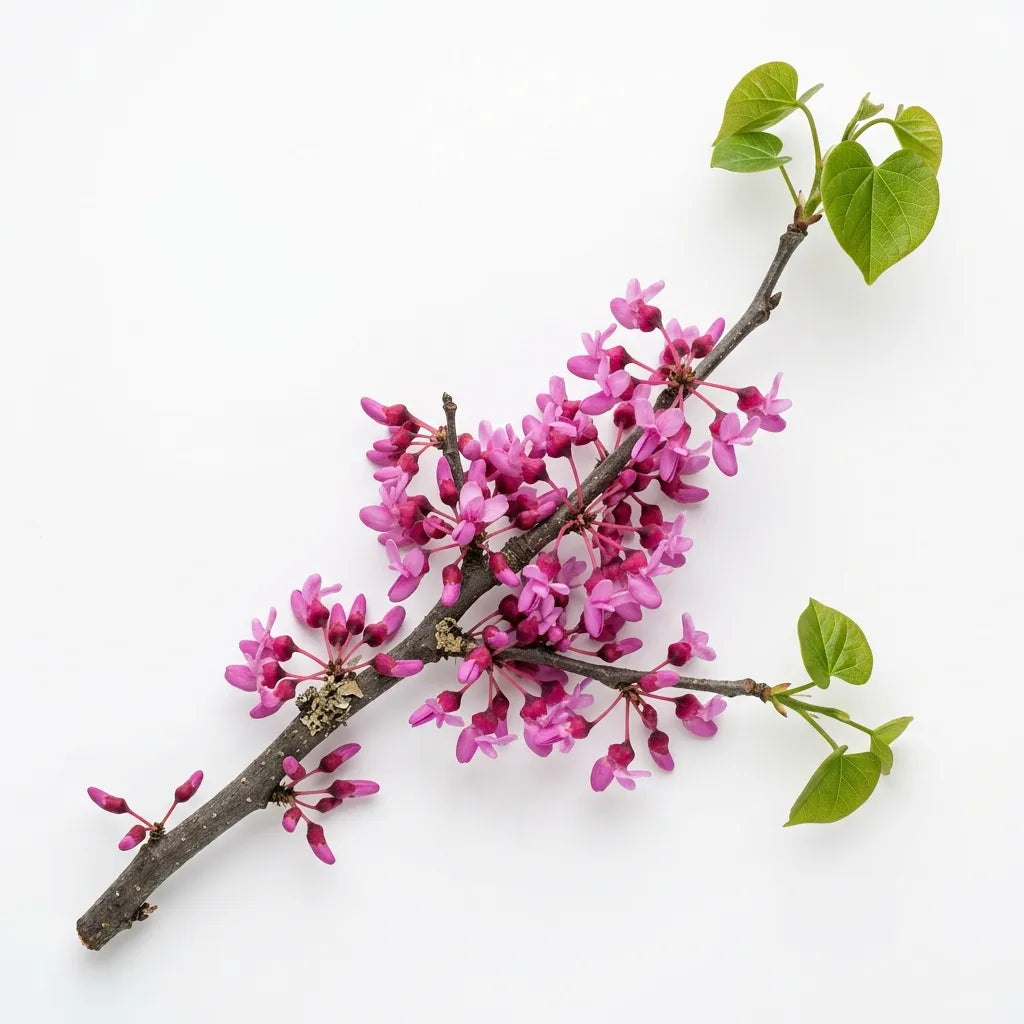
Chinese redbud, Chinese Judas tree, Sichuan redbud: at the beginning of spring, this tree puts on a striking display—its purplish-pink flowers burst forth directly from the trunk and old branches, even before the leaves appear. This phenomenon, known as cauliflory, is extremely rare in our climates and gives the impression that the wood itself is flowering.
Characteristics:
-
Flowering on the wood: clouds of purplish-pink flowers directly on the branches, before the leaves emerge.
-
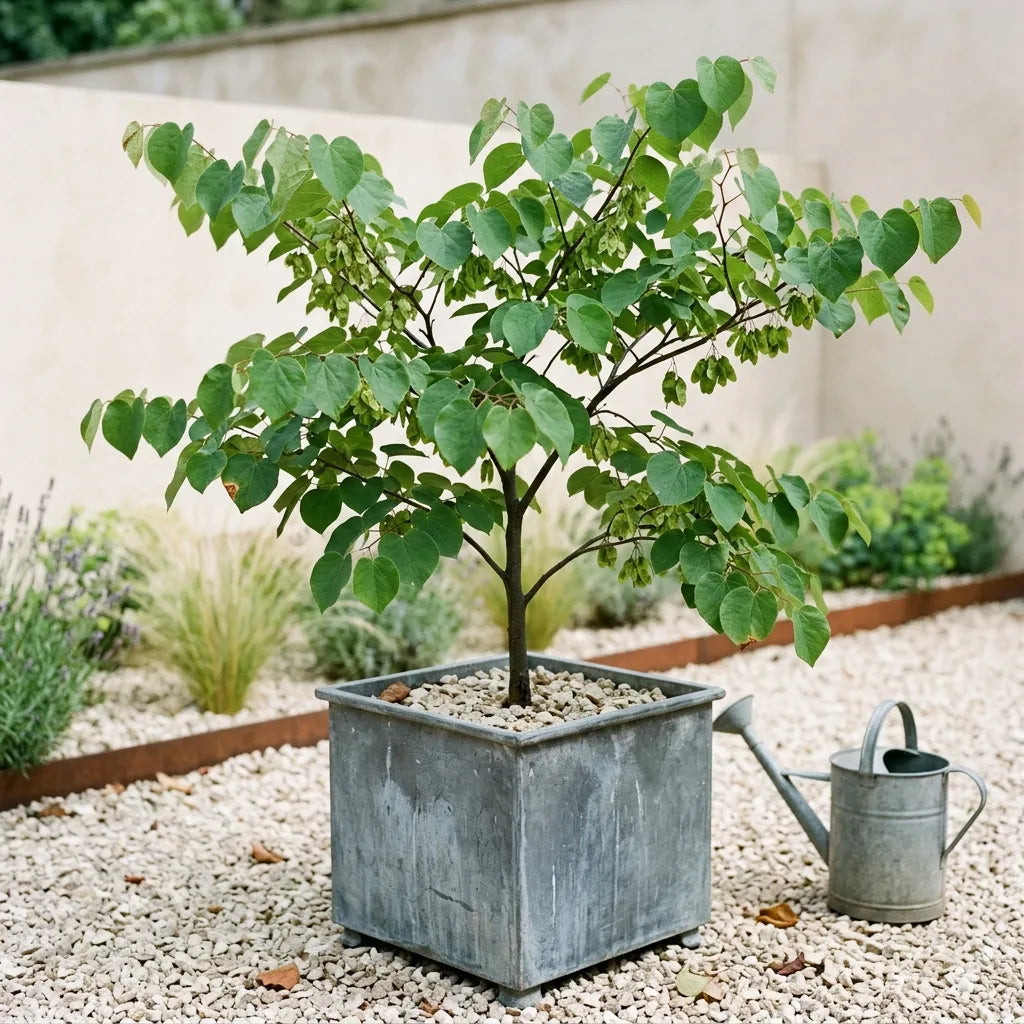
Heart-shaped leaves: broad, glossy green cordate leaves that turn yellow in autumn.
-
Small tree: 3 to 5 metres tall at maturity, with a rounded shape and slow growth.
Sowing advice:
-
Exposure: full sun to partial shade, sheltered from cold winds that can damage its early flowering.
-
Soil: moist but well drained, slightly acidic to neutral. It does not tolerate strongly chalky soils or stagnant moisture well. Deep soil encourages its slow but steady growth.
-
Method: 2 to 3 months of cold stratification is necessary (damp sand or paper towel in the refrigerator, at 2–5 °C). Pre-soaking for 24 hours in lukewarm water further improves germination, as the seed coat is hard. Then sow in pots or directly in place, 1 cm deep.
Planting advice:
- Transplant it while young to its permanent location: like all redbuds, it does not tolerate transplantation well once established.
- It is remarkably well suited to floral bonsai—see our guide creating a bonsai from a seed.
Care advice:
- Water regularly during the first few years. Prune minimally, only after flowering: it flowers on old wood, and winter pruning would remove future buds.
Beneficial combinations:
- Its very early flowering pairs well with summer-flowering shrubs, such as Hibiscus syriacus, extending the garden’s appeal throughout the season.
Benefits for biodiversity:
- Its ultra-early flowering provides one of the year’s first sources of nectar and pollen, at a time when bees are emerging from winter dormancy and have very little to forage on.
- As a legume, it naturally enriches the surrounding soil with nitrogen.
Uses:
- Ornamental tree as a standalone specimen, in an informal hedge or as a floral bonsai. Its flowers are edible and make a lovely decoration for spring salads.
Symbolism:
Like the Judas tree, the redbud evokes rebirth and renewal. In China, it symbolises family harmony: legend tells that three brothers decided to remain united after seeing the tree in their courtyard wither when their separation was announced.
Harvesting your own seeds:
After flowering, the tree produces long, flat pods that turn brown in autumn and often persist throughout the winter. Harvest them when dry, open them and store the seeds in a dry place until stratification. See storing your seeds.
Commitment to Quality: at SemiSauvage - Permaculture, we grow and select our seeds with respect for living things as our guiding principle. Based near the Volcanoes of Auvergne, we choose open-pollinated, non-hybrid varieties, tested for their germination rate, carefully sorted and packaged, with no chemical treatment. Our belief: to give gardeners back the ability to resow, year after year, seeds that truly belong to them.
Sales reserved for amateur gardeners seeking quality and authenticity.