


April is the month when we make the most mistakes in the vegetable garden — precisely because it inspires us to get started. The first fine days arrive, we take out the seed packets, and sow varieties that will not germinate for three weeks, if they germinate at all.
The cause is always the same: we sow according to the air temperature, when it is the soil temperature that determines everything. In April, the gap between the two is at its widest of the year.
The rule of the month: read the soil, not the calendar
A soil thermometer costs a few euros and replaces all calendars. Place it 5 cm deep and check the temperature in the morning, not in the afternoon.
| Soil temperature | What germinates |
|---|---|
| 5-8°C | Peas, broad beans, spinach, radishes, lamb's lettuce, early carrots |
| 8-12°C | Lettuce, beets, onions, leeks, cabbage, parsnips, turnips |
| 12-15°C | Beans, corn, squash, zucchini, cucumbers |
| 18°C and above | Tomatoes, peppers, eggplants, basil, melons — under cover only in April |
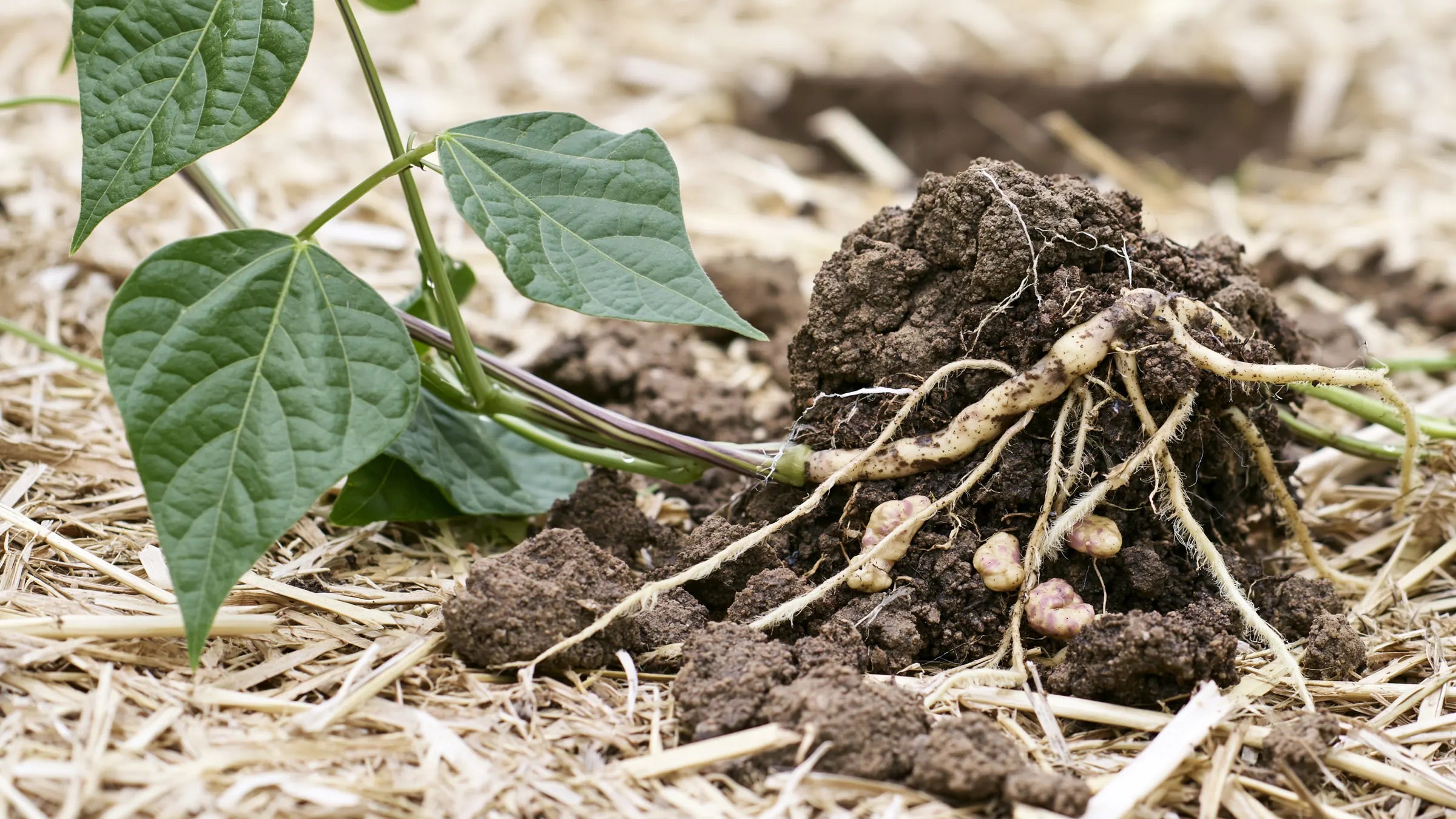
The month's classic mistake: sowing beans on the first fine weekend. The air reads 20°C, the soil is at 9°C, and the seeds rot without germinating. Wait until the end of the month, or even May. A bean sown ten days later catches up within a week.
Details of the sowing methods can be found in How to sow your seeds.
What to sow in the ground
From the beginning of the month
- Radishes — 18 to 25 days. Sow a short line every two weeks rather than a whole row: that's the principle of succession sowing.
- Carrots — sow thinly in finely crumbled soil, then be patient: three weeks to germinate. Sow a few radishes in the same furrow to mark the row.
- Spinach, cut-and-come-again lettuce, arugula, watercress — short cycles, harvest from May.
- Peas and broad beans — if you haven't already sown them in autumn.
- Beets, turnips, parsnips — parsnips are slow to germinate; don't despair before three weeks have passed.
- Onions, shallots — from sets.
Toward the end of the month
- Dwarf beans — only if the soil reaches 12°C, and in mild regions.
- Squash, zucchini, cucumbers — in groups under fleece, or better yet: in pots to transplant in May.
- Flowers — marigold, borage, cosmos, nasturtium. Sow them now so they are in flower when the aphids arrive — it's a question of timing, not decoration. See Combining flowers in the vegetable garden.
- Green manures — phacelia on beds that will not be occupied until June.
What to sow under cover
April is the last useful time to start long-cycle fruiting vegetables.
- Tomatoes — if you did not do it in March, sow now. They need 18–20 °C and, above all, plenty of light as soon as they emerge. See Heirloom tomato seeds.
- Peppers, chilies, eggplants — it is already late: their growing cycle is longer than the tomato's. Sow without delay, in a warm place.
- Basil — 18–20 °C minimum. See Basil seeds.
- Squash and cucumbers — sow in pots three weeks before planting. Do not sow too early: an overdeveloped squash plant recovers poorly.
The trap with April indoor sowings: keeping the seedlings warm after they emerge. Warmth is useful for germination, while light is needed for growth. As soon as the cotyledons emerge, lower the temperature and provide as much light as possible — otherwise you will get leggy seedlings that will never catch up.
The late-frost trap
April gives a false sense of security. Late frosts are common until mid-May in much of France, and they occur especially on a clear, windless night — the night after a beautiful day.
- Do not plant anything frost-sensitive until the risk has passed: tomatoes, zucchini, basil, beans. A frost-damaged plant is lost, not merely delayed.
- Keep a frost cloth close at hand — it raises the temperature by 2 to 4 °C, which is enough in most cases.
- Beware of hollows and the bottoms of slopes, where cold air accumulates at night. See Planning according to zones and exposure.
- Harden off your plants one week before planting: take them outside for a few hours each day, sheltered from the wind. A plant moved directly from the house into the open air loses two weeks.
Other jobs for the month
- Destroy winter green manures — mow before they set seed and leave them in place as mulch. Allow two to three weeks before sowing on this bed. See Sowing green manures.
- Thin the March seedlings — it's thankless but crucial. Cut them with scissors rather than pulling them out.
- Mulch as soon as the soil has warmed up — but not before: mulch applied too early keeps the soil cold and delays everything.
- Install supports before the plants need them.
- Watch for slugs—April is their month. Collect them in the evening, use dry barriers, and above all provide shelter for ground beetles, which help control them.
The five mistakes to avoid in April
- Sowing according to the air temperature. The soil lags several weeks behind the atmosphere. A thermometer settles the matter.
- Sowing everything at once. Twenty radishes every two weeks are better than a hundred on the same day.
- Taking the plants outside too early. A late-April frost can destroy a month’s worth of seedlings.
- Working waterlogged soil. Wait until it has drained: a squeezed handful should not release water and should crumble when you open your hand. Walking on saturated soil compacts it for the season.
- Mulching too early. Let the sun warm the soil first.
Frequently asked questions
Is it too late to sow tomatoes in April?
No, but this is the last comfortable window. You will harvest two to three weeks later than from a March sowing, which is still more than sufficient. For peppers and eggplants, however, it is truly too late.
Can you sow directly instead of transplanting?
For anything with a taproot—carrots, parsnips, radishes, and beets—it is even essential. For fruiting vegetables, sowing in pots remains preferable in April: you can control the temperature.
How can I tell whether the soil is warm enough?
Use a soil thermometer at a depth of 5 cm in the morning. Failing that, use an old indicator: when dandelions are blooming profusely, the soil is around 10°C; when lilacs bloom, it is approaching 15°C.
Should I water in April?
Yes, water newly sown seeds with a fine, regular spray: a seed that swells and then dries out will die. Established crops rarely need watering—the soil’s winter reserves are still there.
What should I do if it freezes after I sow?
Seeds in the ground are generally not at risk. It is the newly emerged seedlings that suffer. Cover them with a row cover, cardboard, or an upside-down bucket in the evening, and remove it in the morning.
Key points
Rely on soil temperature rather than the calendar, sow in batches rather than all at once, and keep a row cover close at hand until mid-May. April rewards patience: the ten days you think you lose by waiting are made up in a week of growth.
To go further
- The month-by-month sowing calendar
- How to sow seeds in cotton, pots, or directly in the ground
- Autumn kitchen garden: what to sow and when to harvest?
- The best vegetable combinations for the kitchen garden
Discover our collection of spring sowings, our vegetable seeds, and our bee-friendly plants.

Jätä kommentti
Tämä sivu on suojattu hCaptcha-tunnistuksella, ja hCaptchan tietosuojakäytäntöjä ja käyttöehtoja sovelletaan.