
Tässä artikkelissa 9
Kiertävät yhdistelytaulukot kopioivat toisiaan vuosikymmenten ajan, ja monet niistä perustuvat väitteisiin, joita ei ole koskaan tarkistettu. Yhden uuden listan sijaan tämä opas lähtee liikkeelle todellisista mekanismeista, joiden avulla kaksi kasvia auttaa toisiaan. Kun nämä mekanismit on ymmärretty, voit rakentaa omat kasviyhdistelmäsi — myös vihanneksilla, joita ei löydy yhdestäkään taulukosta.
Ohjelmassa: viisi toimivaa mekanismia, käyttöön otettavat kasviparit, tuholaisten torjunta kumppanikasveilla, kalleimmat virheet sekä menetelmä, jonka avulla voit suunnitella itse istutuksen tyhjälle kasvualustalle.
Viisi todella toimivaa mekanismia
1. Tilan täydentävä käyttö
Kaikista luotettavin ja vähiten näyttävä. Kaksi kasvia, jotka eivät hyödynnä samaa maaperän tilavuutta eivätkä samaa ilmakerrosta, voivat jakaa saman alan kilpailematta keskenään.
- Paalujuuret + pinnanmyötäiset juuret — alaspäin kasvava porkkana ja kymmenen ylimmän senttimetrin alueella pysyvä salaatti.
- Korkea kasvutapa + maanpeite — maissi tai auringonkukka kasvavan kurpitsan yläpuolella; kurpitsa peittää maan ja suojaa sitä haihtumiselta.
- Lyhyt kasvukierto + pitkä kasvukierto — retiisi korjataan kolmessa viikossa, ennen kuin samanaikaisesti kylvetty porkkana tarvitsee tilaa. Tämä on ainoa yhdistelmä, joka lisää mekaanisesti neliömetrin satoa.

2. Hajuhämmennys
Monet hyönteiset löytävät isäntäkasvinsa hajun perusteella, joskus jopa useiden kymmenien metrien päästä. Vahvasti aromaattinen väliin istutettu kasvi sekoittaa tämän kemiallisen signaalin ja viivästyttää tai jopa estää muninnan.
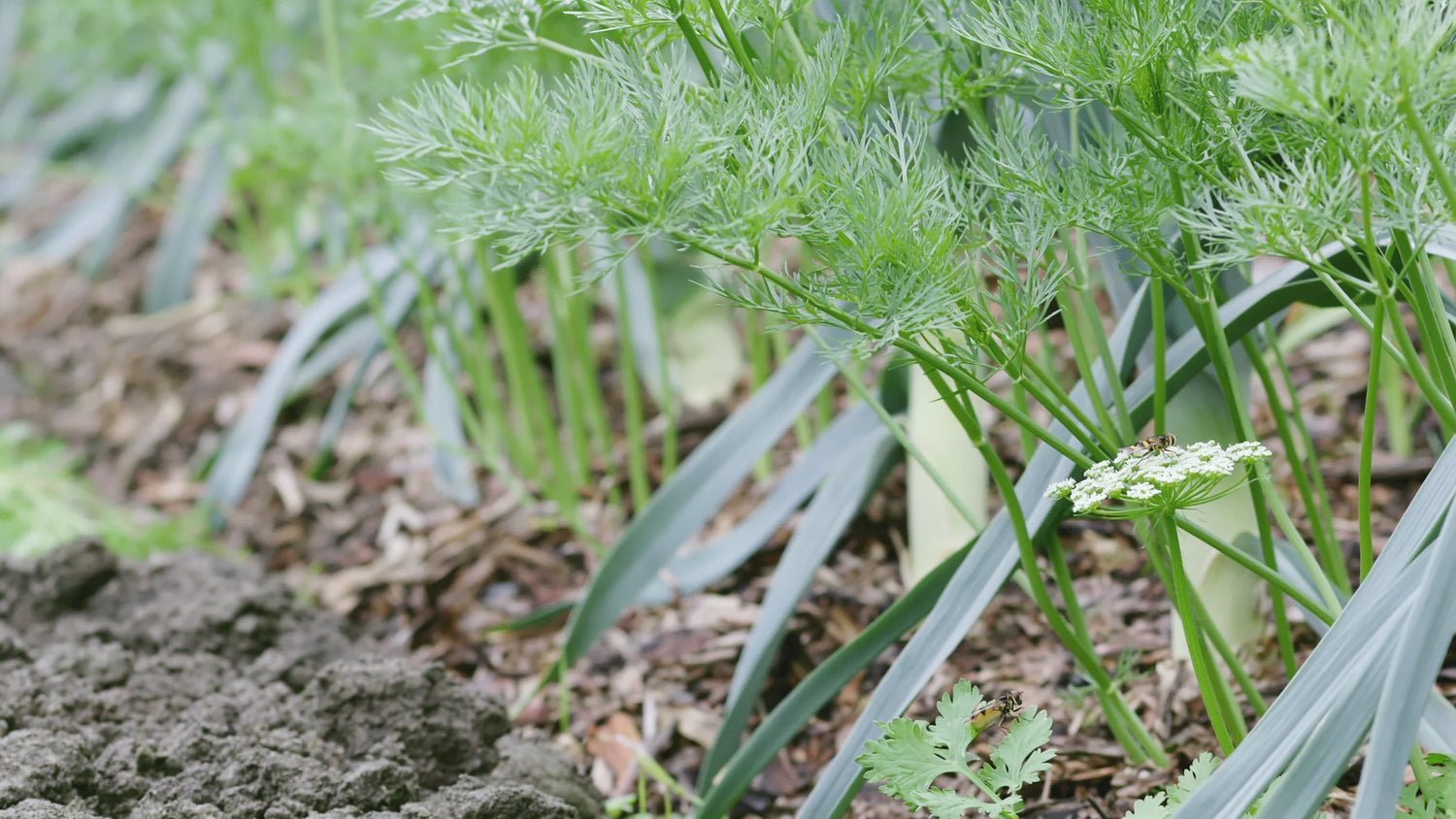
Parhaiten tunnettu yhdistelmä on porkkana ja purjo: porkkanakärpänen ja purjokoi löytävät kumpikin isäntäkasvinsa hajun perusteella, ja kumpikin viljelykasvi peittää toisen tuoksun. Jotta tämä toimisi, rivit on vuoroteltava, ei asetettava kahta kasvualustaa vierekkäin — se on yleisin virhe, ja se kumoaa vaikutuksen täysin.
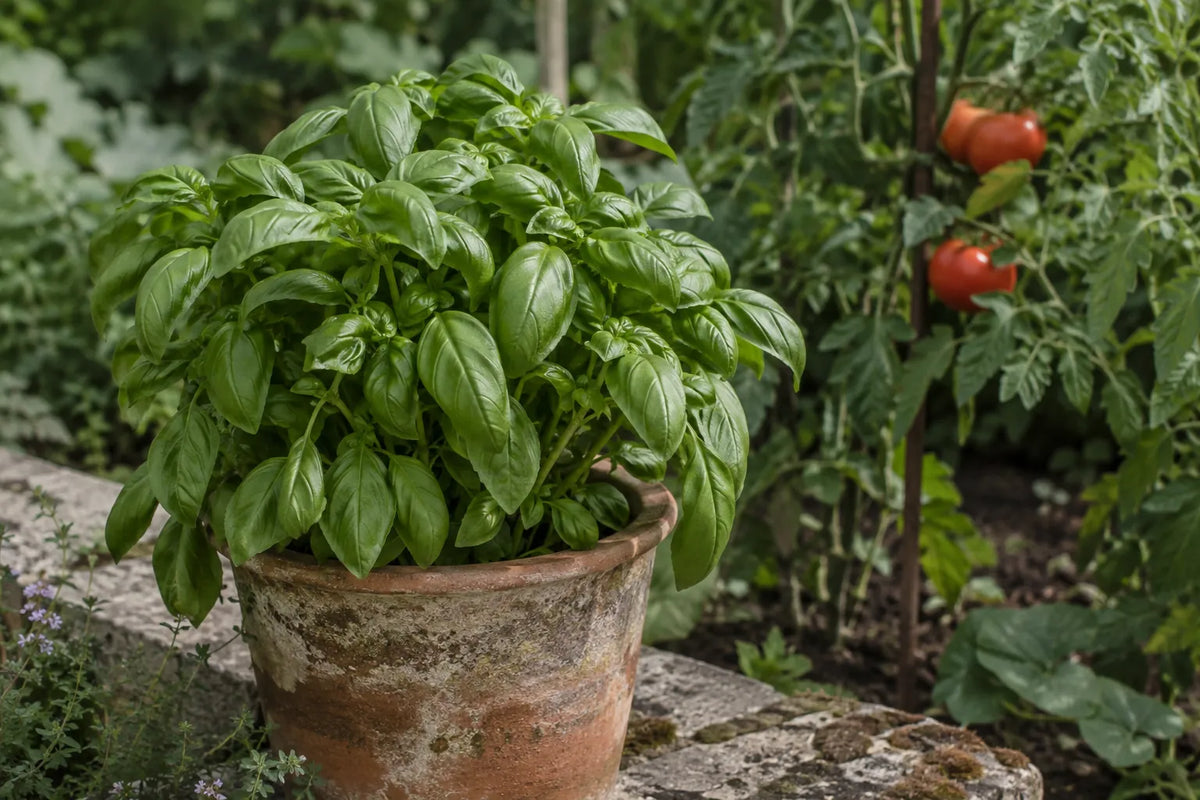
Sama periaate pätee eteerisiä öljyjä sisältäviin maustekasveihin — basilika, timjami, kynteli, minttu, tilli — joita istutetaan hedelmävihannesten väliin tai kasvualustan reunalle.
3. Ansakasvi
Vastoin intuitiota mutta tehokasta: istutetaan tarkoituksella laji, joka on houkuttelevampi kuin suojattava viljelykasvi. Krassi houkuttelee runsaasti mustia kirvoja, jotka jättävät härkäpavut ja viereiset kesäkurpitsat rauhaan. Sinappi houkuttelee kirpat pois retiiseistä ja kaaleista.
Ymmärrä tämä: ansarikasvi ei karkota tuholaisia, vaan se uhrataan. On hyväksyttävä, että se peittyy kirvoihin — se on merkki toimivuudesta. Älä käsittele sitä torjunta-aineilla, äläkä varsinkaan kitke sitä pois: päästäisit yhdyskunnan muun kasvualustan kasveille.
4. Hyötyeliöiden elinympäristö
Tehokkain pitkäkestoinen mekanismi, ja samalla eniten laiminlyöty. Leppäkertut, kukkakärpäset, harsokorennot ja loispistiäiset syövät valtavia määriä kirvoja — mutta vain toukkavaiheessa. Aikuiset puolestaan käyttävät ravinnokseen . Ilman lähellä olevia kukkia ne eivät asetu paikalle eivätkä muni, joten toukkia ei koskaan synny.
Tehokkaimpia heimoja ovat sarjakukkaiskasvit (tilli, korianteri, kukkivaksi kasvanut porkkana, fenkoli), joiden litteät sarjat tarjoavat kukkakärpäsille helpon pääsyn mettä imemään, sekä mykerökukkaiset (kehäkukka, kosmoskukka, ruiskaunokki). Muutaman korianteri- tai persiljayksilön päästäminen kukkaan on yksi kasvimaasi parhaista päätöksistä.
Tutustu mesikasveihimme ja artikkeliin Kukkien yhdistäminen kasvimaalla.
5. Typensidonta
Palkokasvit — herne, papu, härkäpapu, apila, sinimailanen — tarjoavat juurinystyröissään elinympäristön Rhizobium-suvun bakteereille, jotka sitovat ilmasta typpeä ja muuttavat sen kasveille käyttökelpoiseen muotoon.
Tärkeä vivahde, joka usein unohtuu: sidottu typpi hyödyttää ensin itse palkokasvia. Se hyödyttää naapurikasveja todella vasta juurten hajottua. Siksi hyvä käytäntö on: sadonkorjuun aikaan katkaise pavut ja herneet maanrajaan ja jätä juuret paikoilleen. Niissä lannoite piilee.
Toteutettavat yhdistelmät

| Yhdistelmä | Mekanismi | Toteutus |
|---|---|---|
| Porkkana + purjo | Ristikkäinen hajuhämmennys | Vuorottelevat rivit, 25–30 cm:n väli |
| Retiisi + porkkana | Kasvukiertoero | Kylvetään yhdessä samaan vakoon; retiisi merkitsee rivin, ja se korjataan ensin. |
| Tomaatti + basilika + samettikukka | Tuoksusekoitus + hyötyeliöt | 1 basilika 2 tomaattia kohden, samettikukkia reunalle |
| Kesäkurpitsa + krassi | Ansakasvi | Krassit metrin etäisyydelle vallitsevan tuulen yläpuolelle |
| Maissi + köynnöspapu + kurpitsa | Tila + typpi + maanpeite | «Kolme sisarta»: maissi kylvetään 3 viikkoa ennen, papu sen jälkeen ja kurpitsa viimeisenä |
| Salaatti + tomaatti | Hyödyllinen varjostus | Salaatit tomaattien juurella kesällä kasvavat hitaammin kukkiviksi |
| Kaali + tilli tai korianteri | Hyötyeliöt (kukkakärpäset) | Anna lähellä olevan sarjakukinnon kukkia |
| Peruna + samettikukka tai pellava | Osittainen karkotusvaikutus + hyötyeliöt | Kasvulavan reunalle |
| Mansikka + valkosipuli tai ruohosipuli | Sarjakukkaisten sienikasvua estävä vaikutus | Muutama sipulikasvi rivin väliin |
Sana «kolmesta sisaresta»
Alkuperäiskansojen viljelyperinteestä periytyvää maissin, pavun ja kurpitsan yhdistelmää mainitaan usein, mutta se onnistuu harvoin. Kaksi ehtoa eivät ole neuvoteltavissa: kylvä maissi kolme viikkoa ennen papua — muuten papu tukahduttaa maissin ennen kuin se ehtii kasvaa korkeaksi — ja valitse vahvavartinen maissilajike. Moderni makea maissi, jolla on lyhyt varsi, ei kestä satoa tuottavan köynnöspavun painoa.
Kumppanuuskasvit tuholaisia vastaan
Tämä on kumppanuuskasvien käytön tavoitelluin hyöty, ja siihen liittyy eniten epäilyttäviä väitteitä. Tässä tuholaisittain, mikä toimii — ja millä mekanismilla.

Kirvoja vastaan
- Krassi — tehokkain ansakasvi. Istuta viljelyksen reunalle, ei koskaan suojattavan kasvuston keskelle.
- Tilli, korianteri, fenkoli — tarjoavat elinympäristön kukkakärpäsille, joiden toukat syövät kukin useita satoja kirvoja.
- Tarhakesäkynteli — perinteisesti härkäpavun kumppanina mustaa kirvaa vastaan. Karkotusvaikutus on vähäinen mutta todellinen, ja tarhakesäkyntelillä on muitakin käyttötarkoituksia.
Porkkanakärpästä vastaan
Purjo vuorotellen riveihin istutettuna on edelleen varma valinta. Sipuli ja ruohosipuli toimivat samalla periaatteella. Hyödyllinen tarkennus: kärpänen lentää matalalla, alle 60 cm:n korkeudella maanpinnasta. Yksinkertainen hyönteisharso tai korkea kasvireunus täydentää yhdistelmää erittäin tehokkaasti.
Nematodeja vastaan
Samettikukka (Tagetes patula) on ainoa tapaus, jonka vaikutus on hyvin dokumentoitu: sen juuret erittävät aineita, jotka häiritsevät joidenkin sukkulamatojen elinkiertoa. Vaikutus edellyttää kuitenkin tiheää maanpeitettä, ei kolmea koristekasvia reunalle. Koko penkin viljeleminen viherlannoituksena tuottaa mitattavan tuloksen; muutama kasvi ei.
Kirppoja ja kaaliahmaa vastaan
Kaaliahmat tunnistavat kaalit hajun perusteella. Minttu, timjami, salvia ja tomaatti lähistöllä sekoittavat signaalia. Sinappi toimii ansakasvina kirpoille — mutta varo: se on kaalin tavoin ristikukkainen. Se sijoitetaan etäälle ja hävitetään ennen kuin siitä tulee tautien levittäjä.
Etanoita vastaan
Mikään kasvi ei karkota etanoita tehokkaasti — suhtaudu vastakkaisiin väitteisiin varauksella. Sen sijaan sitkeiden kasvien reunukset (valkosipuli, ruohosipuli, fenkoli) hidastavat niitä, ja ennen kaikkea karabidien ja siilien elinympäristönä toimiva villi alue tekee paljon enemmän kuin mikään kumppanikasvi.
Kuusi virhettä, jotka vesittävät kaiken
- Kasvien sijoittaminen vierekkäin vuorottelun sijaan. Porkkanapenkin sijoittaminen purjopenkin viereen ei aiheuta minkäänlaista hämäysvaikutusta. Rivien on oltava sekoitettuina.
- Ansakasvin käsitteleminen. Kirvojen peittämä köynnöskrassi tekee juuri tehtävänsä. Sen käsitteleminen tai kitkeminen levittää yhdyskunnan.
- Usko siihen, että yhteisviljely korvaa viljelykierron. Ne vaikuttavat kahdella eri tasolla — katso jäljempänä.
- Kasvien yhdistäminen ottamatta huomioon vedentarvetta. Päivittäin kasteltavan hedelmävihanneksen juurelle istutettu Välimeren alueen yrtti kuihtuu. Viljely-yhteensopivuus on teoreettista yhteensopivuutta tärkeämpää.
- Liian tiheään istuttaminen yhteisviljelyn nimissä. Kaksi yhteensopivaa kasvia ovat silti kaksi kasvia: jos niiltä puuttuu valoa tai ravinteita, mikään mekanismi ei korjaa tilannetta.
- Taulukon kopioiminen ymmärtämättä sitä. Jos et pysty nimeämään, mikä viidestä mekanismista on kyseessä, yhdistelmä on todennäköisesti peräisin tarkistamattomasta lähteestä.
Mitä on parempi välttää — ja miksi
Kaikkialla luetelluissa ”yhteensopimattomuuksissa” sekoitetaan kolme hyvin erilaista asiaa. Niiden erottaminen auttaa välttämään perusteettomien kieltojen toistamista.
- Suora kilpailu — kaksi samat tarpeet omaavaa, tiheään istutettua kasvia yksinkertaisesti haittaavat toisiaan. Kyse on ravinteista ja valosta, ei mystisestä antagonismista.
- Haigustekitajate jagamine — tõeline probleem. Tomatid ja kartulid on mõlemad vastuvõtlikud lehemädanikule: kõrvuti kasvades nakatab üks teise. Sama kehtib kõrvitsaliste ja jahukaste või kõigi ristõieliste ja kapsanuutri puhul.
- Allelopaatia — taime eritatavad kasvu pärssivad ained. Nähtus on tõeline ja hästi dokumenteeritud pähklipuul (jugloonil) ja päevalillel. Sageli süüdistatava apteegitilli puhul on mõju palju ebaselgem — pealegi meelitab see kasulikke organisme, mis tasakaalustab mõju täielikult. Selle õitsema jätmine peenra servas on kasulikum kui selle välistamine.
Koos kasvatamine ei asenda külvikorda
Kaks mõistet, mida sageli segi aetakse. Kooslus toimib ruumis, samal kasvuperioodil. Külvikord toimib ajas, aastast aastasse. Kumbki ei asenda teist: täiuslikult sobitatud peenar, mida korratakse muutmata kujul, koondab haigustekitajaid aastast aastasse.
Lihtne ja töökindel nelja-aastane külvikord:
- Lehtköögiviljad, mis vajavad palju lämmastikku (kapsad, salatid, spinat)
- Viljaviljad, mis vajavad kõike palju (tomatid, kõrvitsad, suvikõrvitsad)
- Vähenõudlikud juurviljad (porgandid, peedid, naerid)
- Liblikõielised, mis annavad lämmastikku tagasi (herned, oad, põldoad)
Seejärel alustame uuesti. Kui peate meelde jätma vaid ühe reegli: ärge kunagi kasvatage samas kohas kaks aastat järjest sama botaanilise sugukonna taimi. Isegi lihtne külvikorra märkmik aitab seda järge pidada.
Oma koosluste loomine
Neli küsimust, mida tühja peenra ees endalt küsida:
- Sama botaaniline sugukond? Kui jah, ärge neid koos kasvatage — konkurents ja ühised haigustekitajad.
- Sama juurekiht? Kui jah, jätke rohkem ruumi; kui ei, võib taimed tihedamalt istutada.
- Kasvavad samas tempos? Kui jah, jääb üks kahest kaotajaks; kui ei, on kooslus edukas.
- Kas peenral on vähemalt üks õitsev taim? Kui ei, lisage üks — just see meelitab kasulikud organismid kohale ja hoiab neid seal.
Viies küsimus, mis on sageli otsustav: kas mõlemal taimel on samasugused vee- ja päikesevajadused? See on kõige konkreetsem ühilduvuse näitaja, mida ükski tabel ei maini.
Usein kysyttyä
Kuinka kauan vaikutuksen näkymiseen menee?
Tilaan liittyvät vaikutukset — sato ja maan pinta-alan hyödyntäminen — näkyvät jo ensimmäisenä kasvukautena. Tuhohyönteisiin kohdistuvat vaikutukset vaativat kahdesta kolmeen vuotta: sen ajan, että hyötyeliöpopulaatiot vakiintuvat puutarhaan ja löytävät sieltä talvehtimispaikkoja.
Pitääkö kaikki sekoittaa?
Ei. Kokonaan sekoitettu kasvimaa muuttuu hallitsemattomaksi: kylväminen, kitkeminen ja sadonkorjuu vaikeutuvat, ja viljelykiertoa on mahdotonta seurata. Tehokkainta on pitää rivit selkeinä ja lomittaa kukkia ja yrttejä muutaman rivin välein.
Toimiiko tämä myös ruukussa tai istutuslaatikossa?
Osittain. Hajuhämmennys toimii — esimerkiksi ruukkuun istutettu basilika tomaatin juurella. Sen sijaan juuristokilpailu on pienessä tilassa paljon ankarampaa: rajoita yhteen astiaan kaksi lajia. Katso Parveke-kasvimaa.
Samettikukat ankeroisia vastaan, myytti vai totuus?
Totta, mutta vain jos sen tekee kunnolla: vaikutus liittyy juurten erittämiin aineisiin ja edellyttää tiheää maanpeitettä koko kasvukauden ajaksi. Muutamilla koristekasveilla ei ole mitattavaa vaikutusta ankeroisiin — hyötyeliöille ne ovat kuitenkin edelleen hyödyllisiä.
Entä kumppanuuskasvatus hedelmäpuiden kanssa?
Se perustuu samoihin mekanismeihin. Valkoapilakasvusto hedelmäpuiden juurella sitoo typpeä ja suojaa maaperää; kukkivat sarjakukkaiset houkuttelevat kirvoja ja hedelmäkääriäisiä torjuvia hyötyeliöitä. Vältä ainoastaan viljelyä aivan rungon juurella, missä kilpailu on voimakkainta.
Muista
Hyvä yhdistelmä perustuu aina tunnistettavaan mekanismiin: tilaan, tuoksuun, ansaan, hyötyeliöihin tai typpeen. Jos et osaa sanoa, mikä näistä viidestä on toiminnassa, yhdistelmä on todennäköisesti peräisin jostakin uudelleen kopioidusta taulukosta — ja voit huoletta jättää sen huomiotta.
Jos haluat tietää enemmän
- Tomaattien ja basilikan yhdistäminen: myytti vai totuus?
- Kukkien yhdistäminen kasvimaalla
- Miten perustaa permakulttuurinen kasvimaa?
- Kylvökalenteri kuukausi kuukaudelta
Yhdistelmien luomiseen: vihanneskasvien siemenemme, yrttimme ja mesikasvimme, jotka houkuttelevat hyötyeliöitä.

Jätä kommentti
Tämä sivu on suojattu hCaptcha-tunnistuksella, ja hCaptchan tietosuojakäytäntöjä ja käyttöehtoja sovelletaan.