Allium cepa
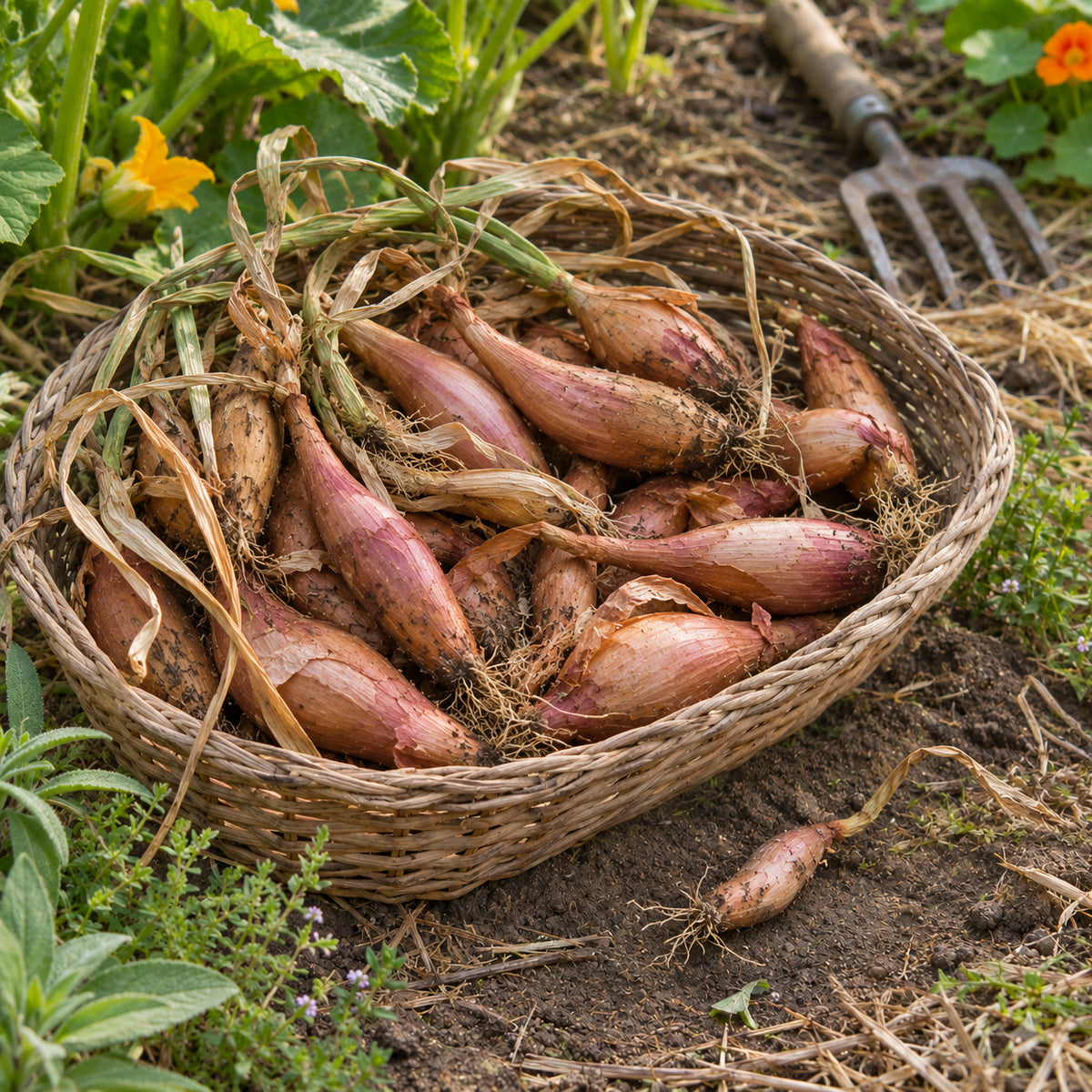
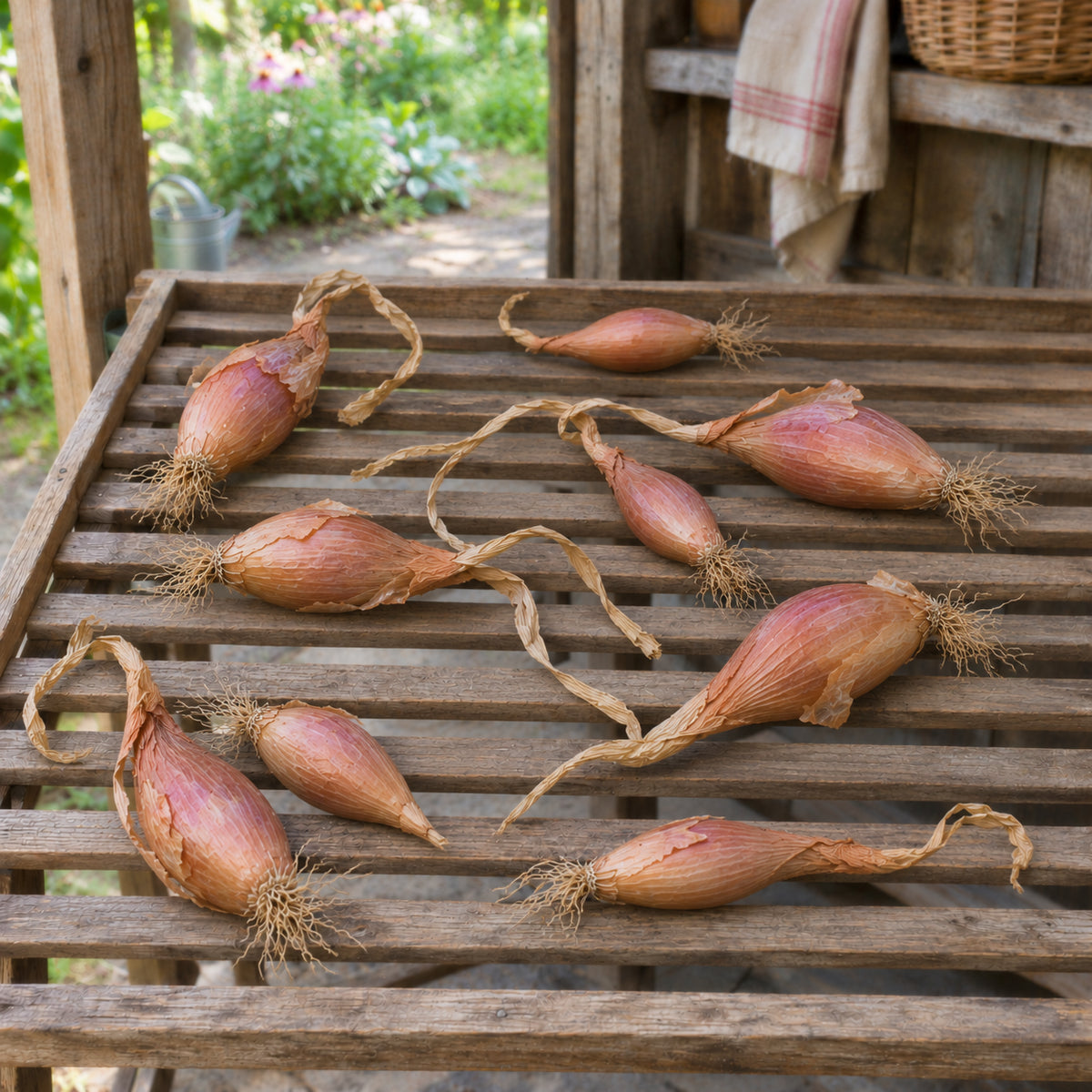
Zébrune is known for its slender bulb, wrapped in a coppery pink skin. This shallot-like onion is grown from seed and produces bulbs during the season with a flavor reminiscent of shallots. Its elongated shape makes it easy to slice evenly, whether for a vinaigrette or for slow-roasting whole until tender and caramelized. In the vegetable garden, success depends on well-drained soil, keeping weeds at bay, and carefully drying the harvest.
Characteristics:
- Slender bulb with copper-colored skin and pale flesh.
- Grown from seed; bulbs are harvested during the season.
- Reproducible seeds for growing the crop and harvesting your own seeds.
Sowing tips:
-
Sunlight and soil: choose a sunny spot with light, well-drained soil.
-
Timing: sow from March to April. Adjust the schedule to the conditions in your region.
-
Method: Cover the seeds with about 1 cm of fine soil, in rows spaced 25 cm apart. Keep the soil evenly moist without waterlogging it. Germination time varies with temperature and humidity. Find the basic steps in our guide to sowing in pots or directly in the ground.
Thinning and care:
- Thin the plants to leave about 10 cm between them, giving each one enough room for its bulb to develop.
- Weed regularly to limit competition around young plants.
- Water during dry spells, then reduce watering as the bulbs approach maturity.
Harvesting tips:
Harvest is generally in late summer, around August–September for spring sowing, depending on the climate. Pay particular attention to the foliage: it turns yellow and falls over naturally. Do not bend it over by hand. Carefully lift the bulbs, then spread them out in a dry, well-ventilated place to dry before storing. Store the harvest in a cool, dry, well-ventilated place.
Uses:
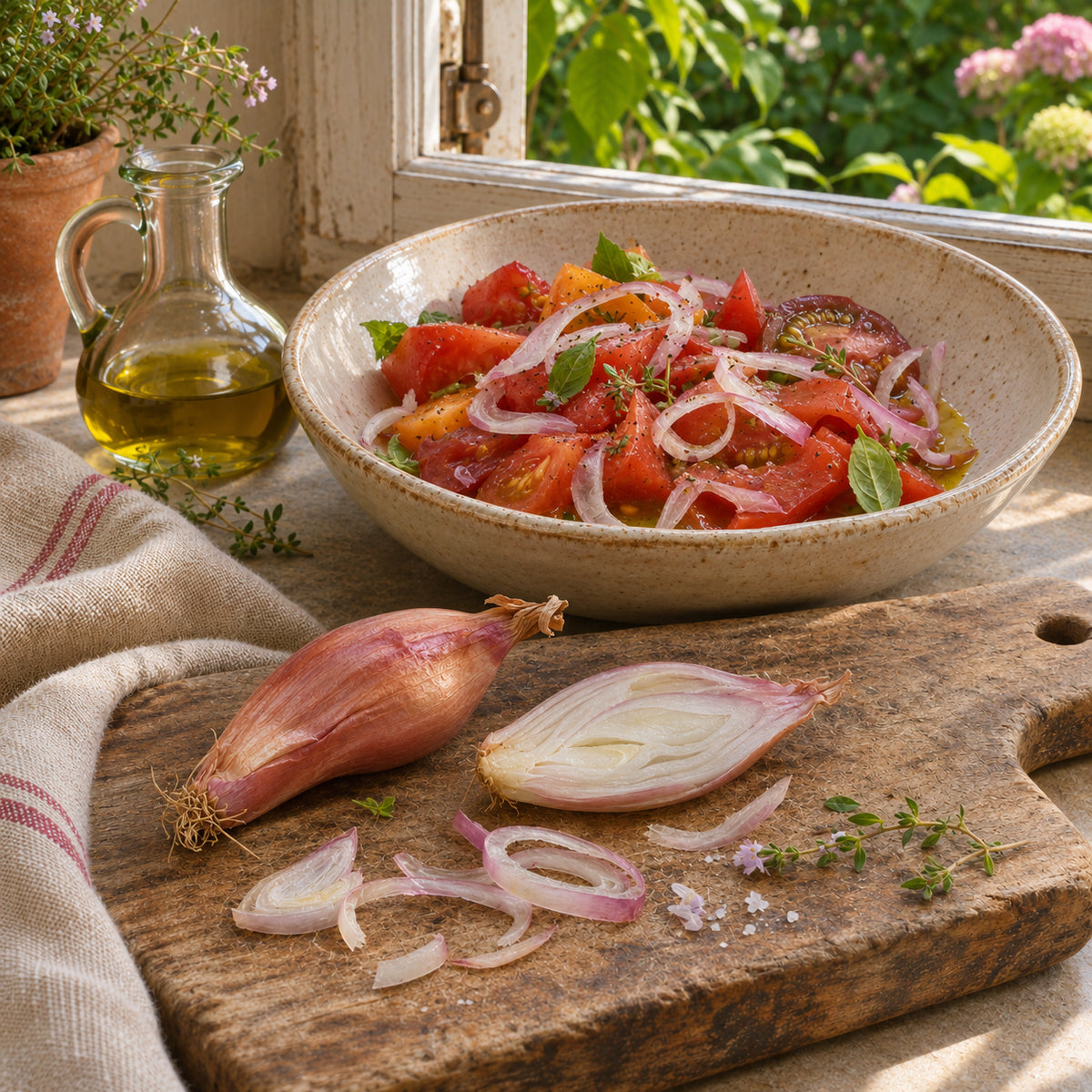
Thinly slice the raw bulb to add flavor to a salad or vinaigrette. Cooked, it goes well with roasted vegetables, sauces and slow-cooked dishes; it can also be confit. For a homemade sauce, pair its flavor with the flesh of San Marzano tomatoes.
Harvesting your own seeds:
Set aside several healthy bulbs to replant and let flower the following year. The flower stalks bear umbels, rounded clusters of small flowers. After pollination, capsules form: start harvesting when they begin to open and reveal the black seeds. Cut the heads over a container, finish drying them out of the rain, then gently rub them and sort out the debris. Onions of the same species flowering nearby may cross-pollinate: provide suitable isolation to preserve Zébrune’s characteristics. See our tips for storing your seeds.
Commitment to Quality:
At SemiSauvage, we offer open-pollinated seeds to grow and replenish your vegetable garden. This packet contains at least 250 seeds, packaged in France. Store the seeds in a cool, dry place away from light; sow them within two years if possible. This guideline is indicative and depends on storage conditions; germination capacity decreases over time.
With Zébrune, grow an elongated bulb from seed, to use both raw in dressings and oven-confit.