Stevia rebaudiana
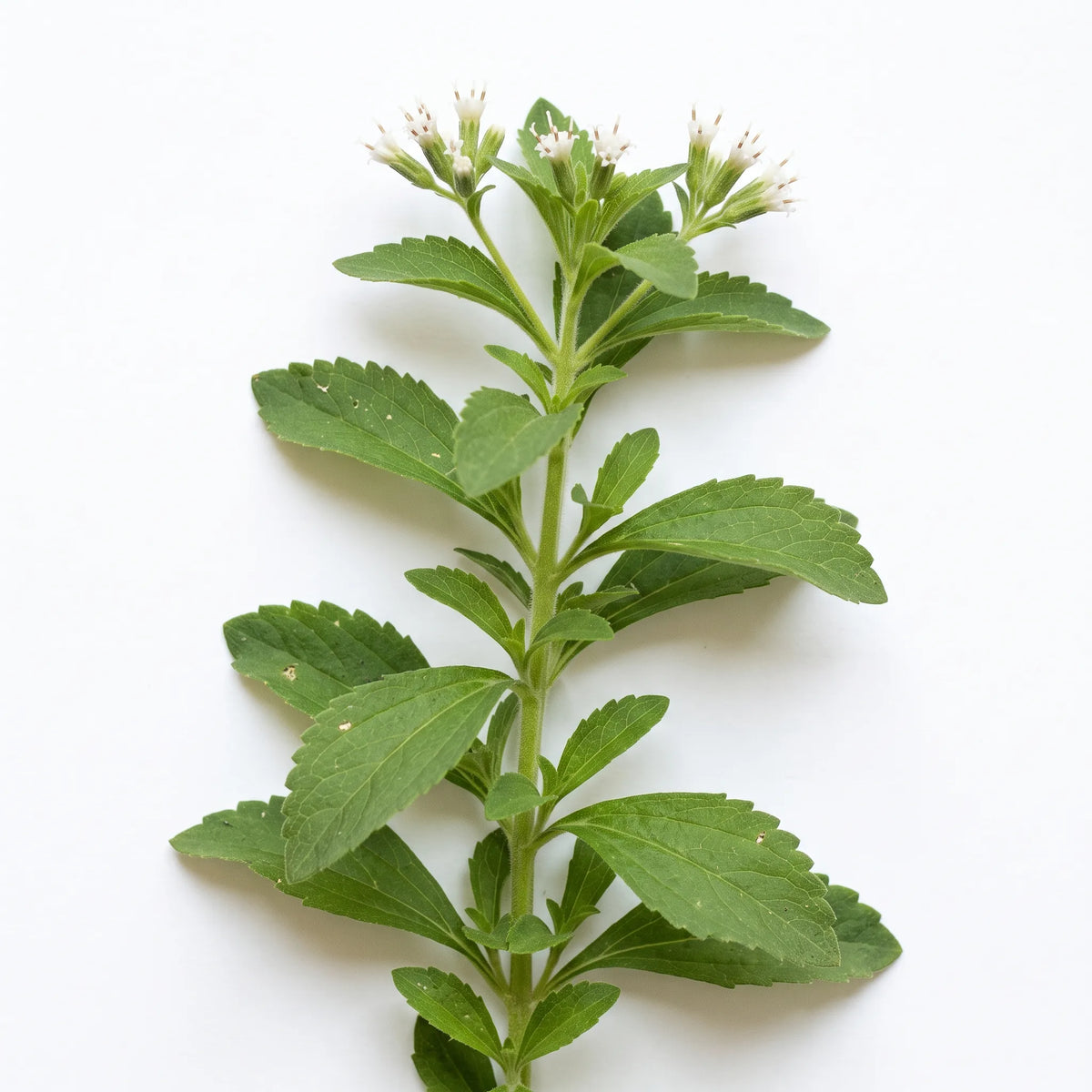
Stevia, sweet herb of Paraguay, sugar leaf, ka'a he'ẽ: the Guarani people of Paraguay have used it for centuries to sweeten their mate infusions. One freshly chewed leaf is enough to understand: its sweetening power is spectacular, without any sugar. A botanical curiosity as astonishing to grow as it is to taste.
Characteristics:
-
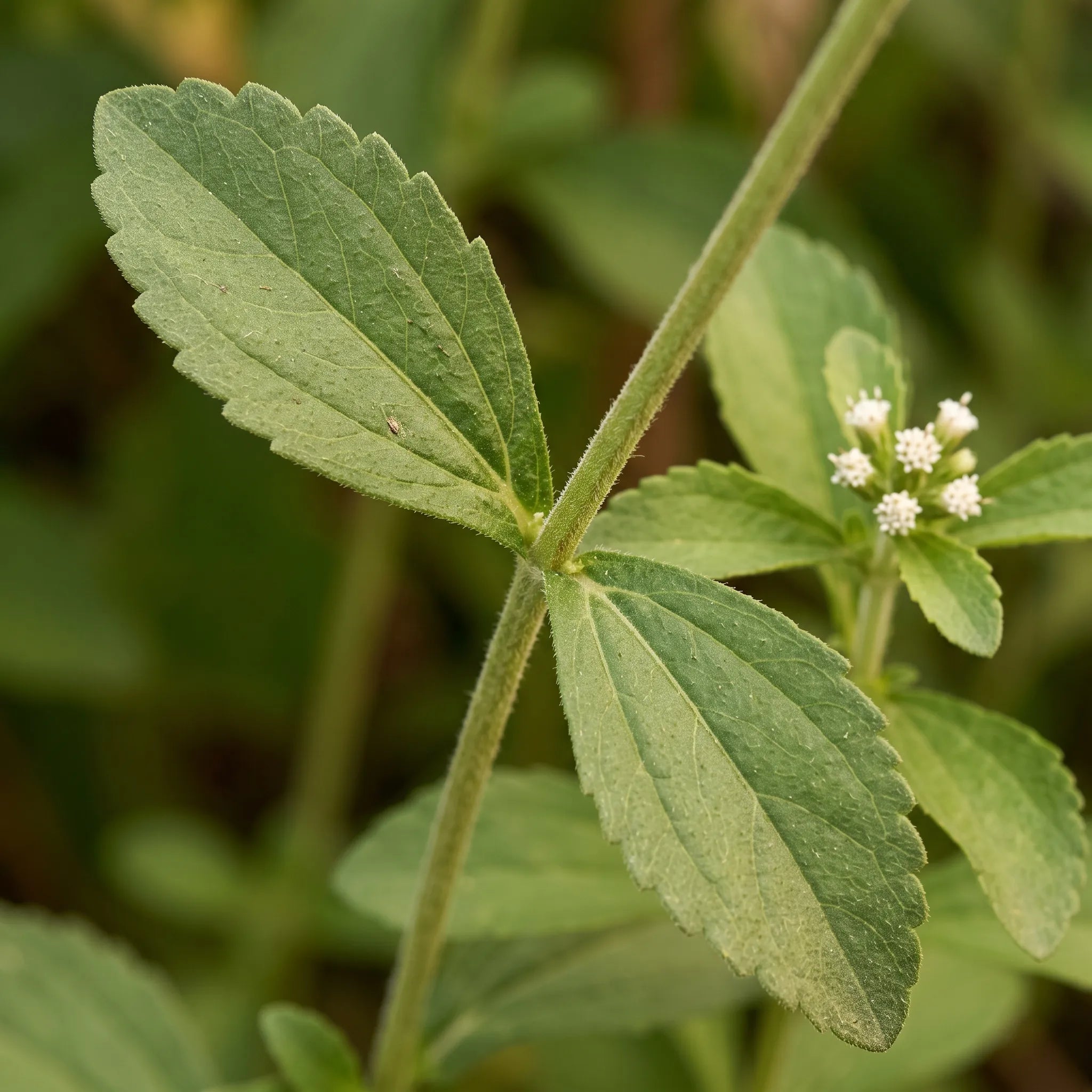
Naturally sweet leaves: sweetness out of all proportion to their size.
-
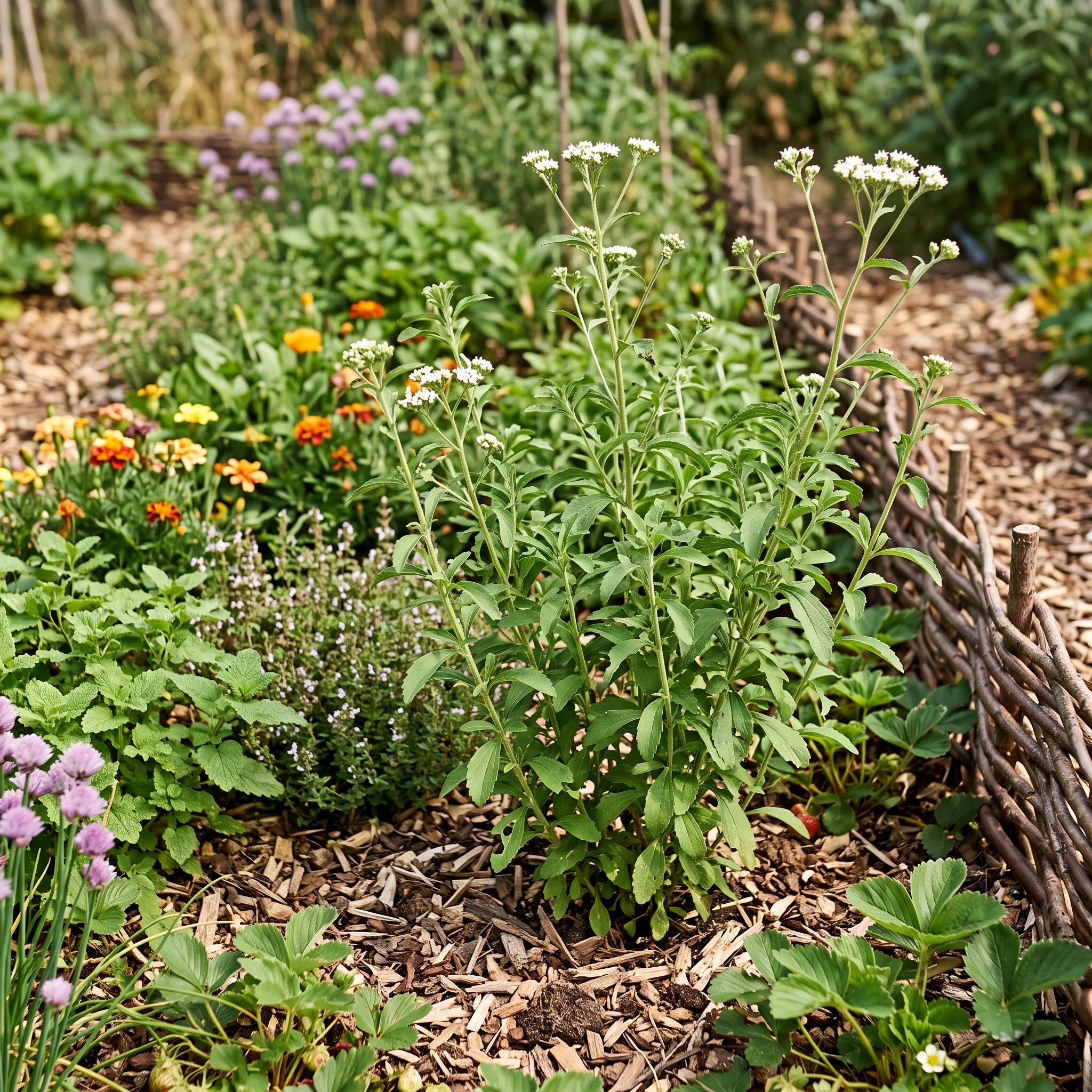
Bushy growth: 40 to 80 cm, forming a lovely bush with soft green foliage.
-
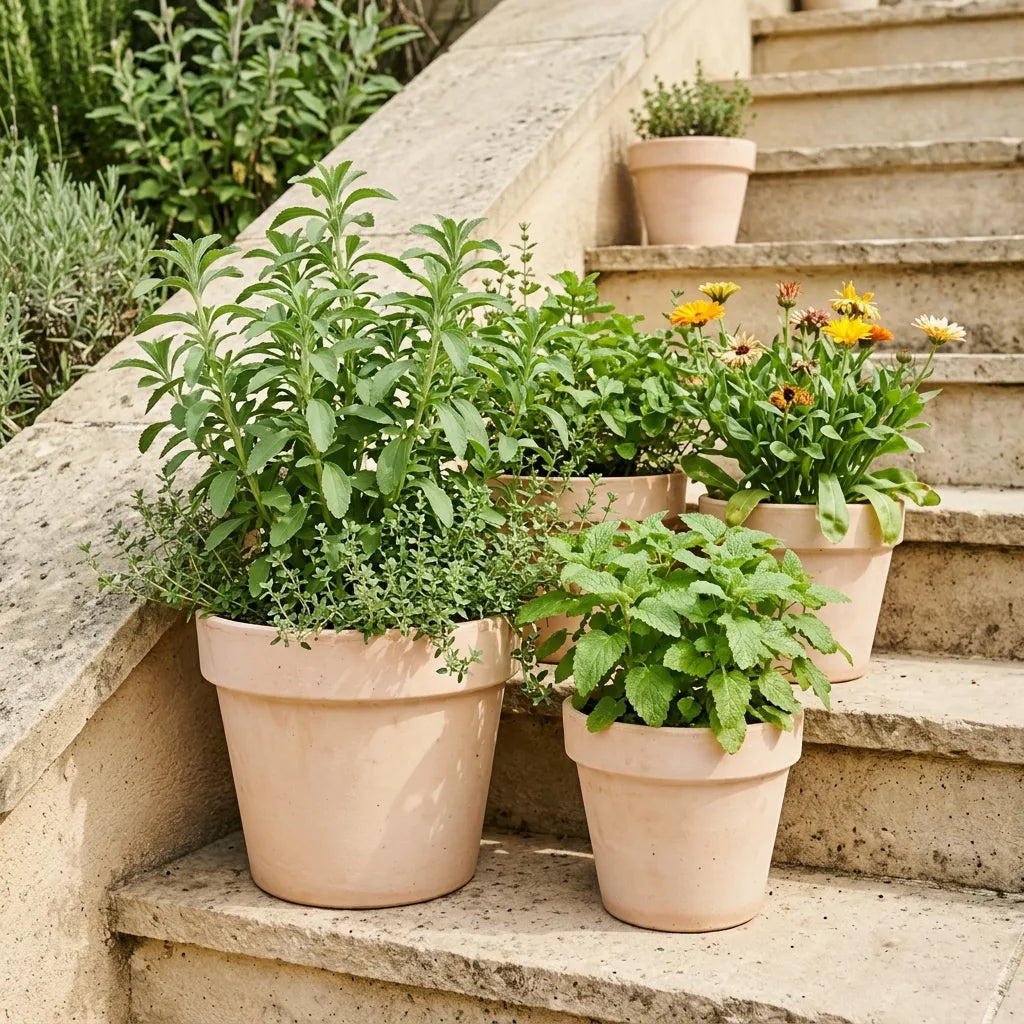
Easy to grow: in a pot, planter, or in the ground, indoors or outdoors.
-
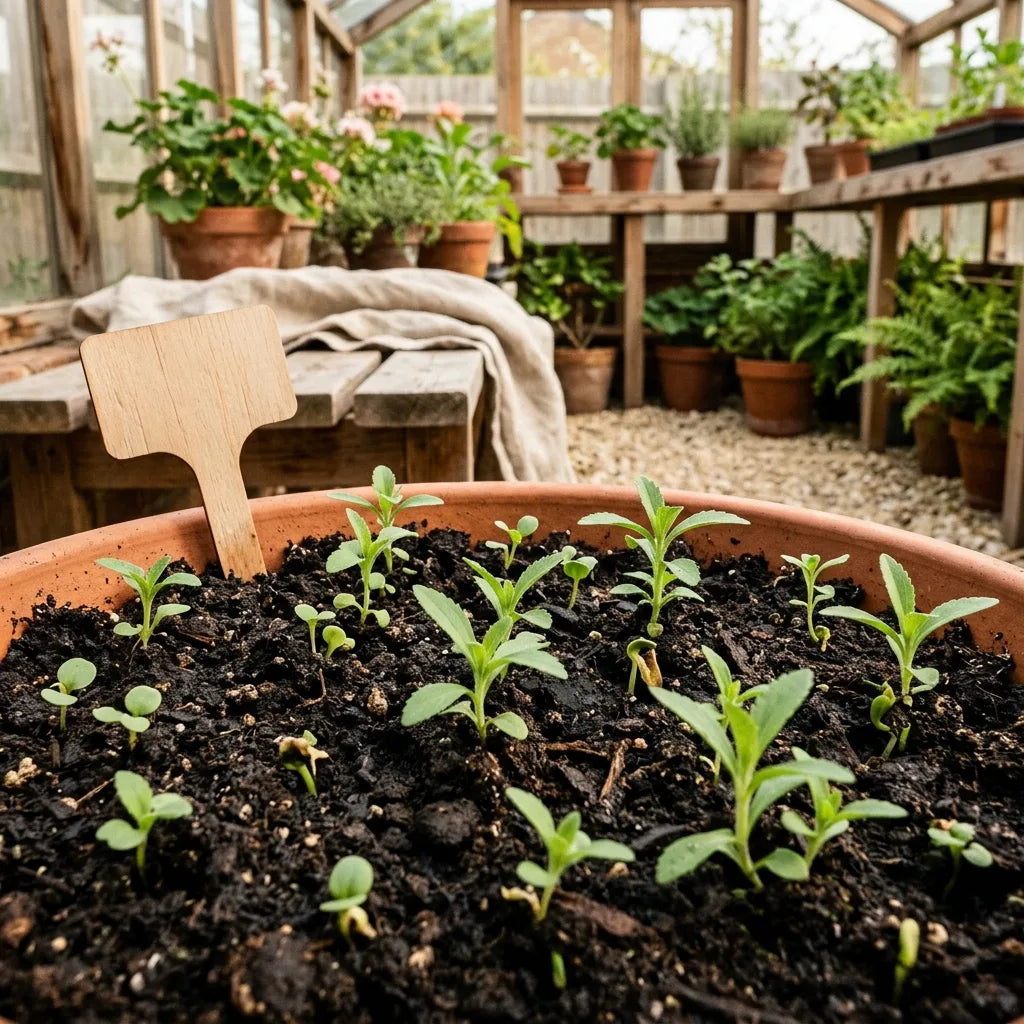
Equipped packet: each packet contains a wooden label for marking your seedlings, along with growing instructions on the back.
Precautions:
-
Frost-tender plant: native to the subtropical regions of South America, it cannot tolerate frost. In our climates, grow it in a pot so you can bring it indoors before the first frosts, or treat it as an annual. This is the key to keeping it from one year to the next.
Sowing advice:
-
Position: sunny and warm — stevia appreciates light and dislikes the cold.
-
Soil: light potting soil, rich in organic matter and well drained. It likes a substrate that stays slightly moist without ever becoming waterlogged: standing water causes its roots to rot.
-
Method: sow on the surface without covering — the seeds are tiny and need light to germinate. Sow indoors from March at 20–25 °C, or outdoors from May onward. Germination is erratic and the naturally moderate germination rate of this species means you should sow generously. See how to sow seeds.
Planting advice:
- Transplant into a pot at least 25 cm wide, or into the ground after the last frosts, spacing plants 40 cm apart. A pot remains the best option for overwintering.
Care advice:
- Keep the substrate moist without waterlogging it, watering regularly and sparingly each time.
-
The key step: pinch out the stems regularly and remove flower buds as soon as they appear. The plant branches out, produces many more leaves, and they remain noticeably sweeter — flowering causes their sweetness to drop.
- Overwinter indoors in a bright spot above 10 °C, reducing watering.
Harvesting advice:
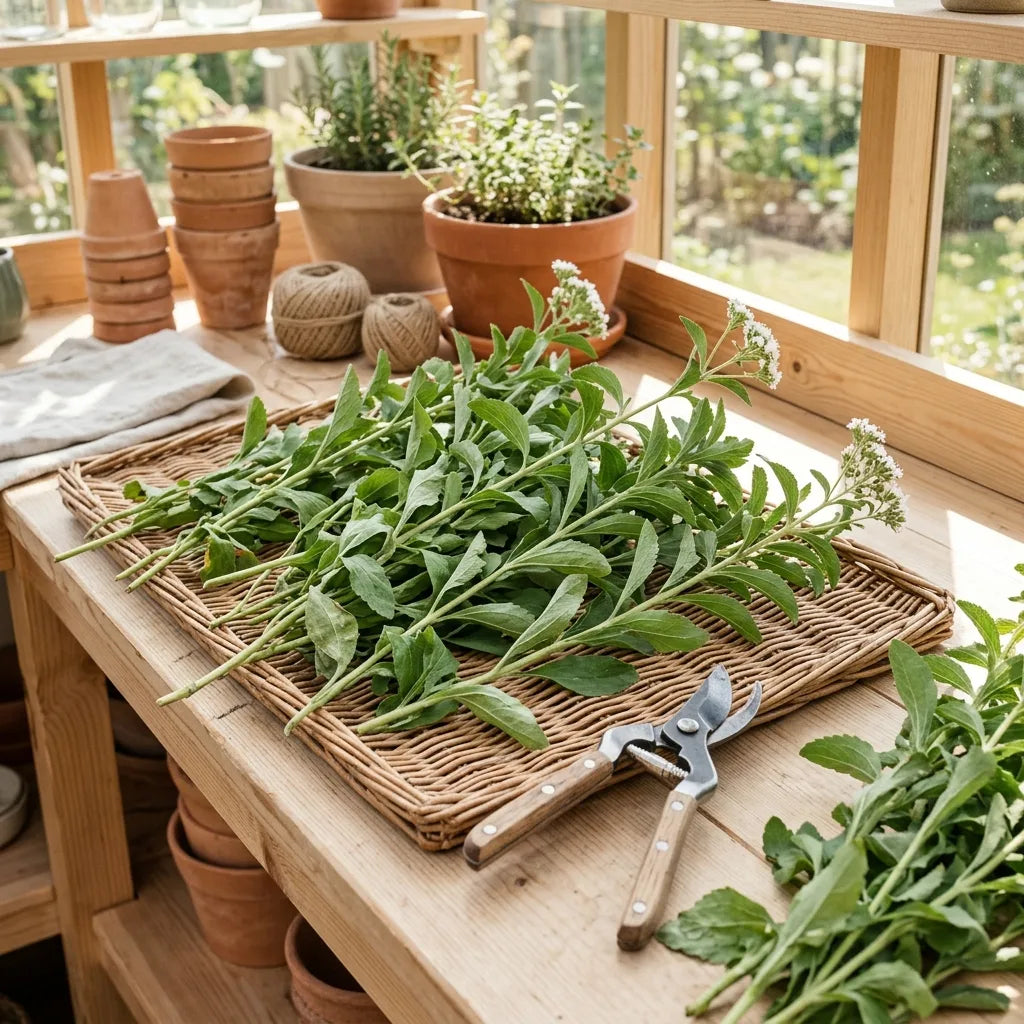
- Pick the leaves as needed once they are well developed. The main harvest takes place just before flowering, at the end of summer: this is when the leaves are sweetest.
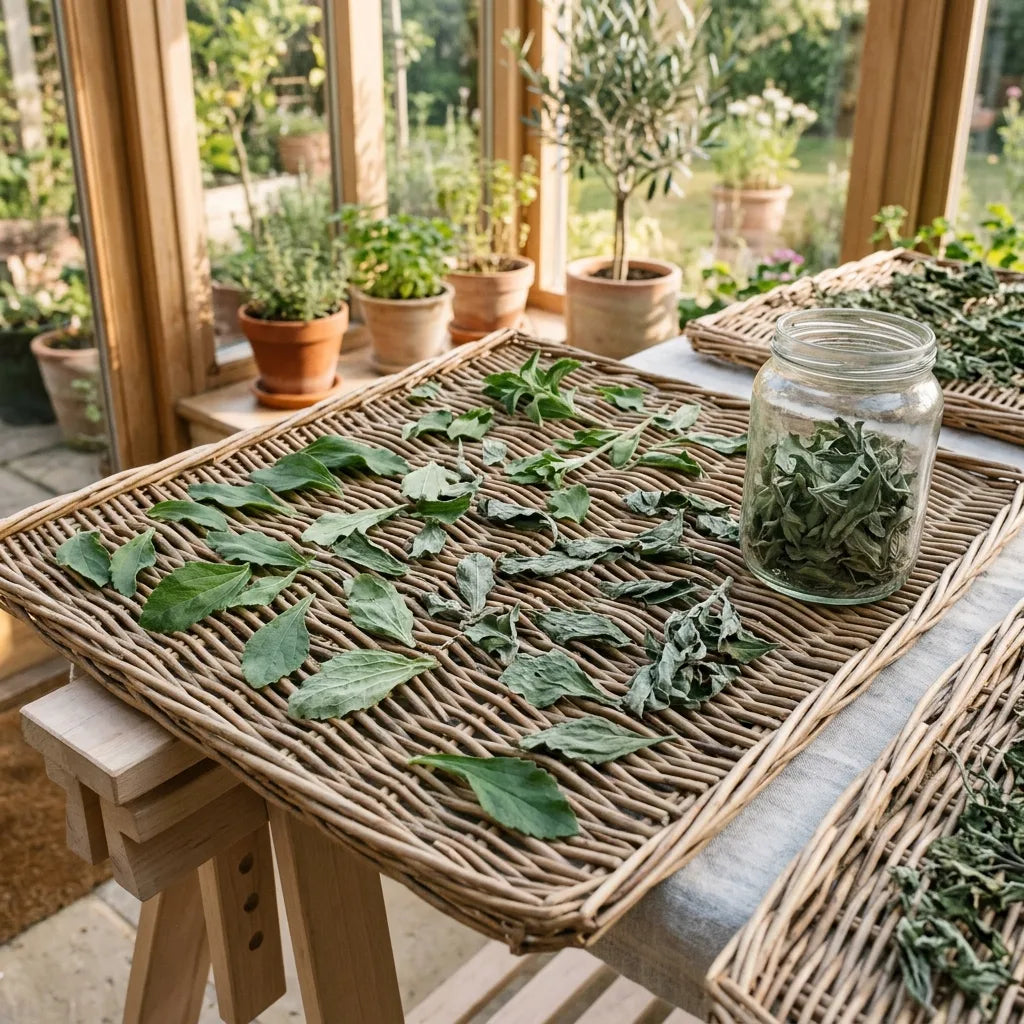
- They can be used fresh or dried. Drying them in the shade with good ventilation preserves their sweetening power very well, making them available all year round.
Beneficial combinations:
- It shares the basil's and holy basil's need for warmth, making it suitable for a potted herb garden that can be brought indoors for winter.
Benefits for biodiversity:
- Its small white flowers, if you allow one plant to flower at the end of the season, are visited by bees and small pollinators.
- It grows very well without any treatments, making it perfectly suited to a garden grown without external inputs.
Uses:
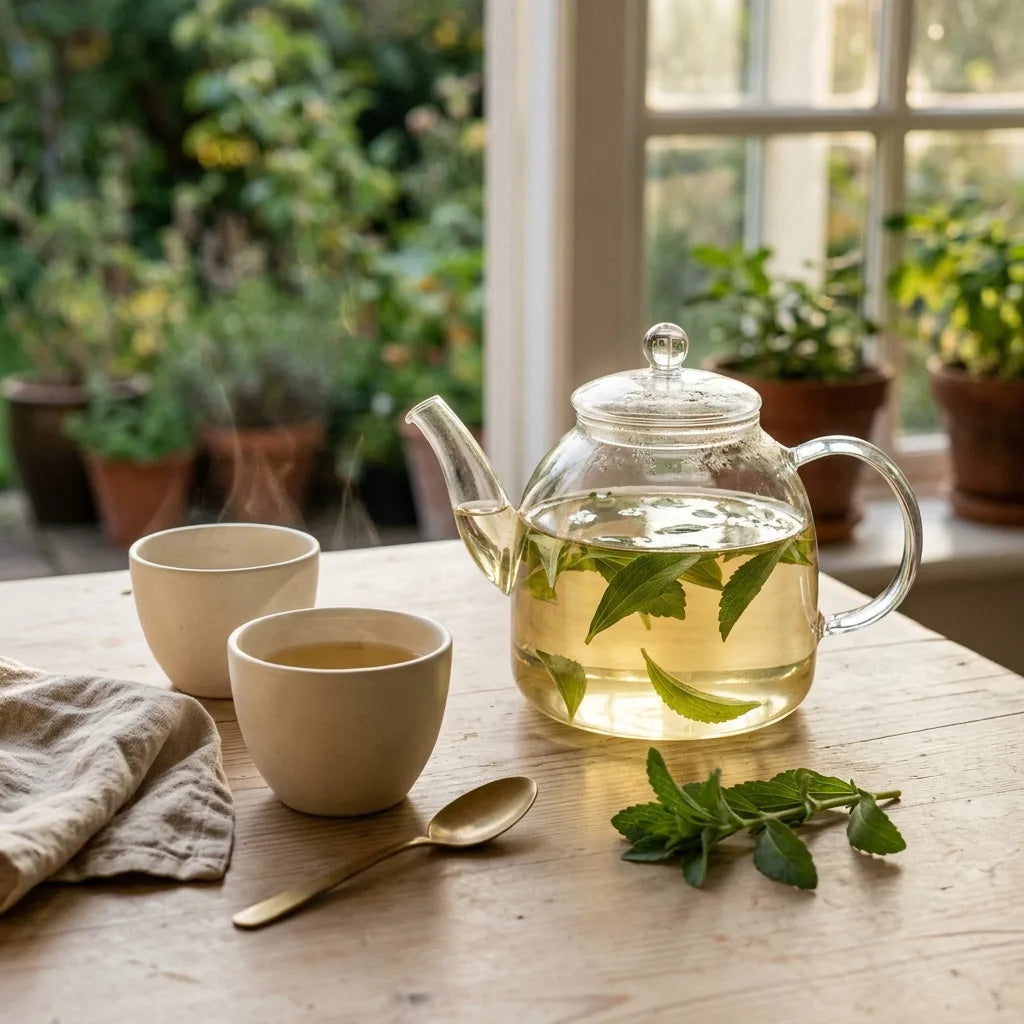
- Fresh or dried leaves to flavor infusions, teas, drinks, and desserts. One whole leaf infused in a herbal tea is generally enough.
- Dried and ground into powder, they keep for months in an airtight jar.
Symbolism:
Known to the Guarani long before the arrival of Europeans, stevia remained a local plant until its botanical description at the beginning of the 20th century. It embodies the passing down of traditional plant knowledge.
Harvesting your own seeds:
Leave a few flower spikes to dry completely on the plant, then collect the feathery achenes. Note: stevia seeds naturally have a low germination rate, so sow them fresh and generously. See how to store your seeds.
Commitment to Quality: at SemiSauvage - Permaculture, we grow and select our seeds with respect for all living things as our guiding principle. Based near the Auvergne Volcanoes, we choose reproducible, non-hybrid varieties, tested for their germination rate, carefully sorted and packaged, without any chemical treatment. Our belief: to give gardeners back the ability to resow, year after year, seeds that truly belong to them.
Grow your own sugar plant, a botanical curiosity to taste.