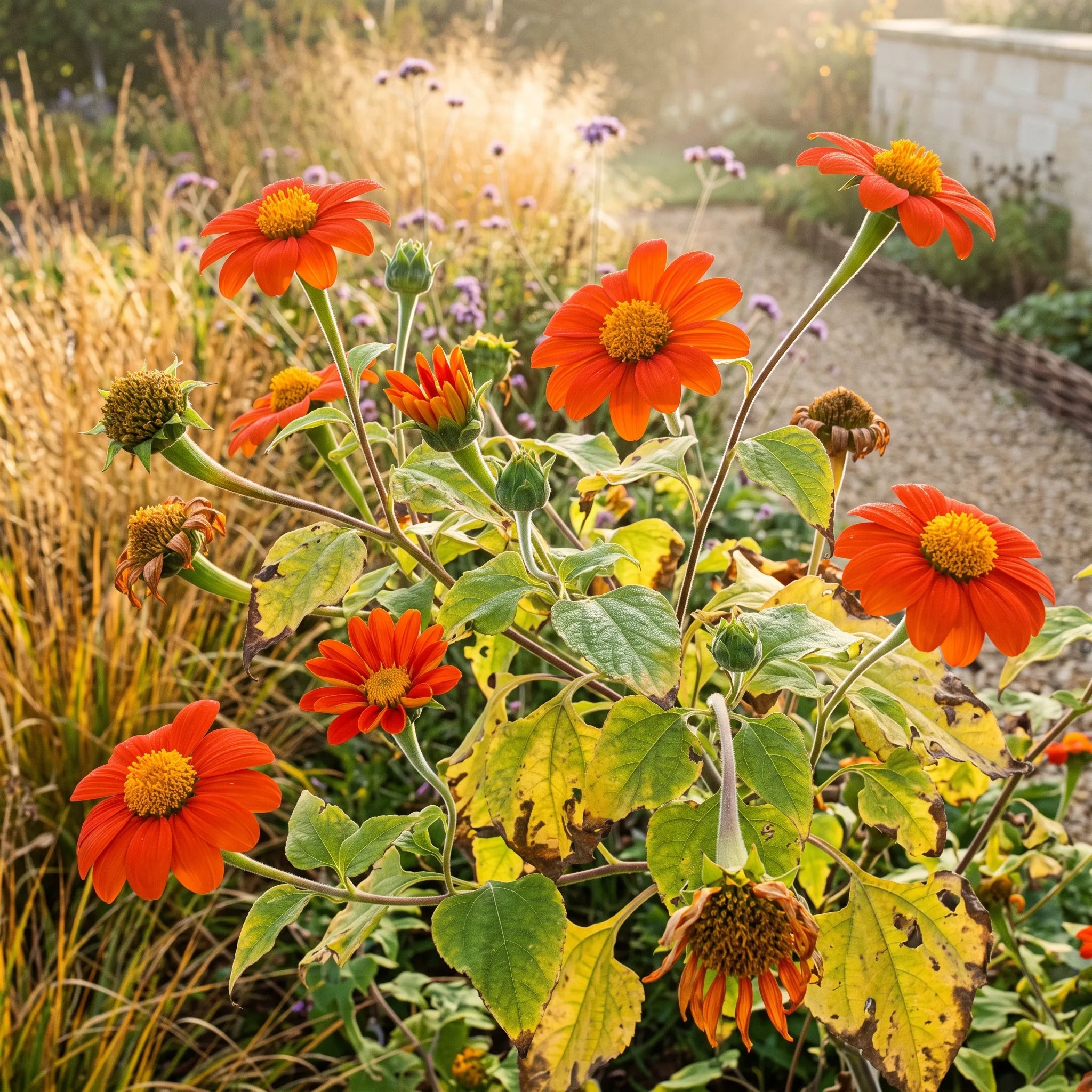
Tithonia rotundifolia
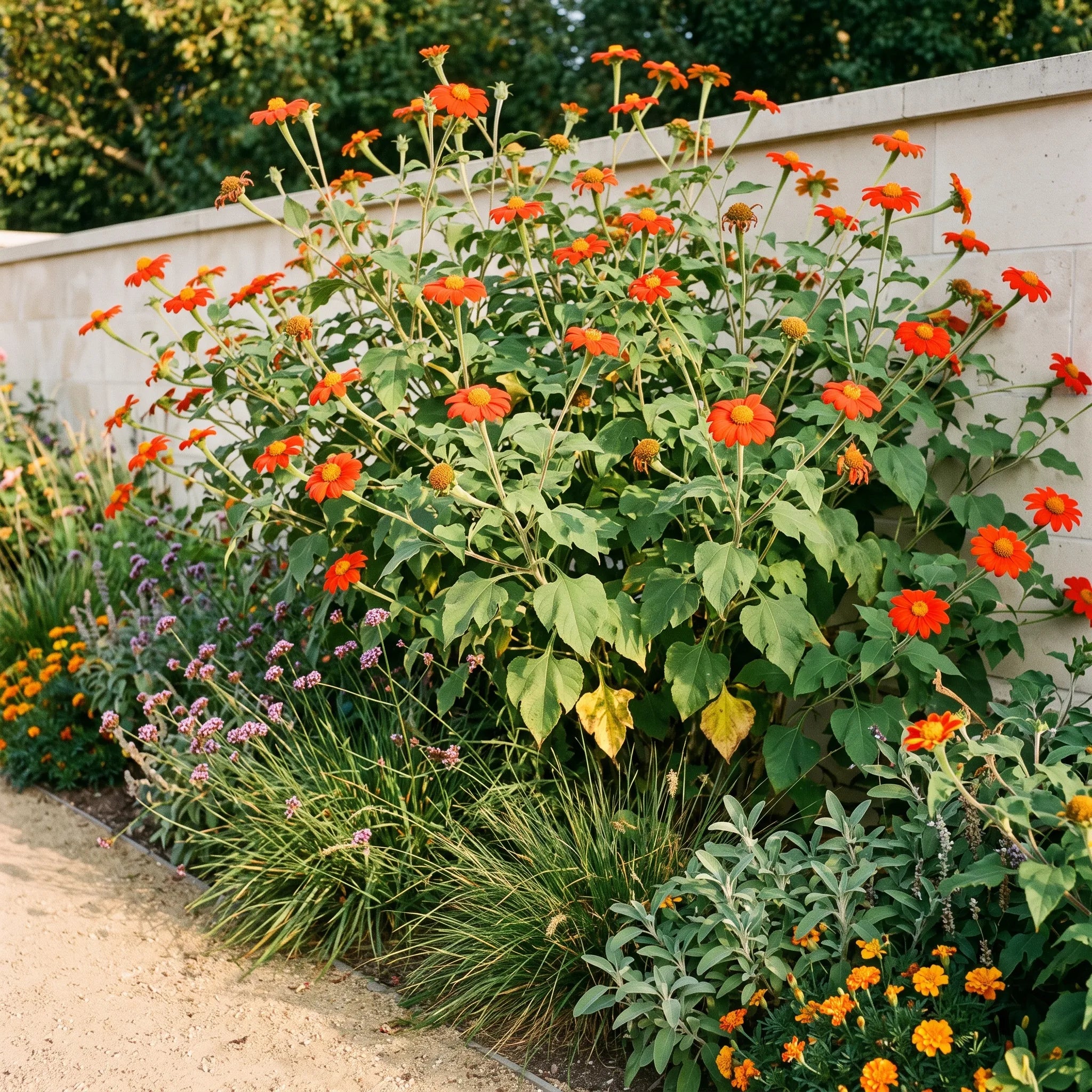
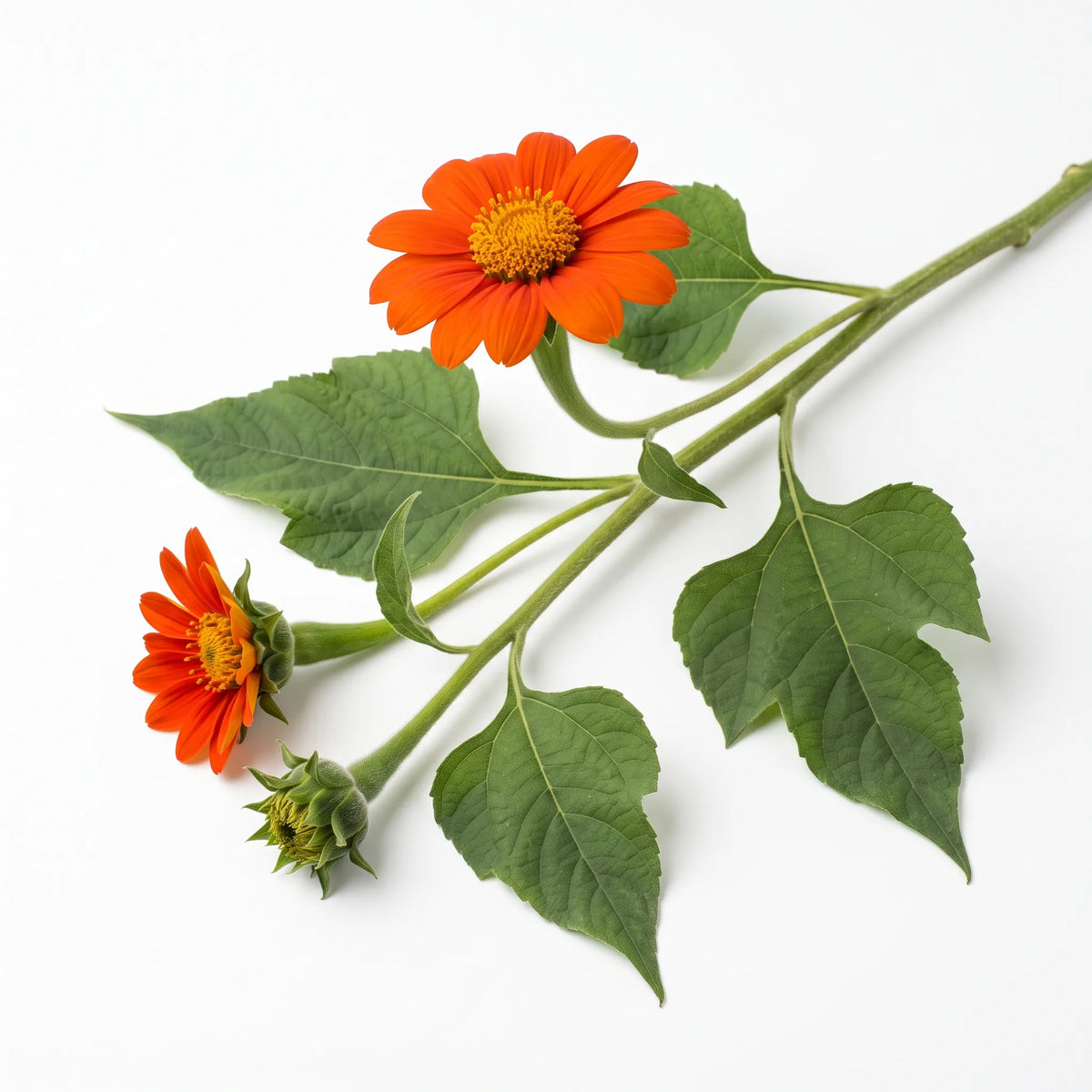
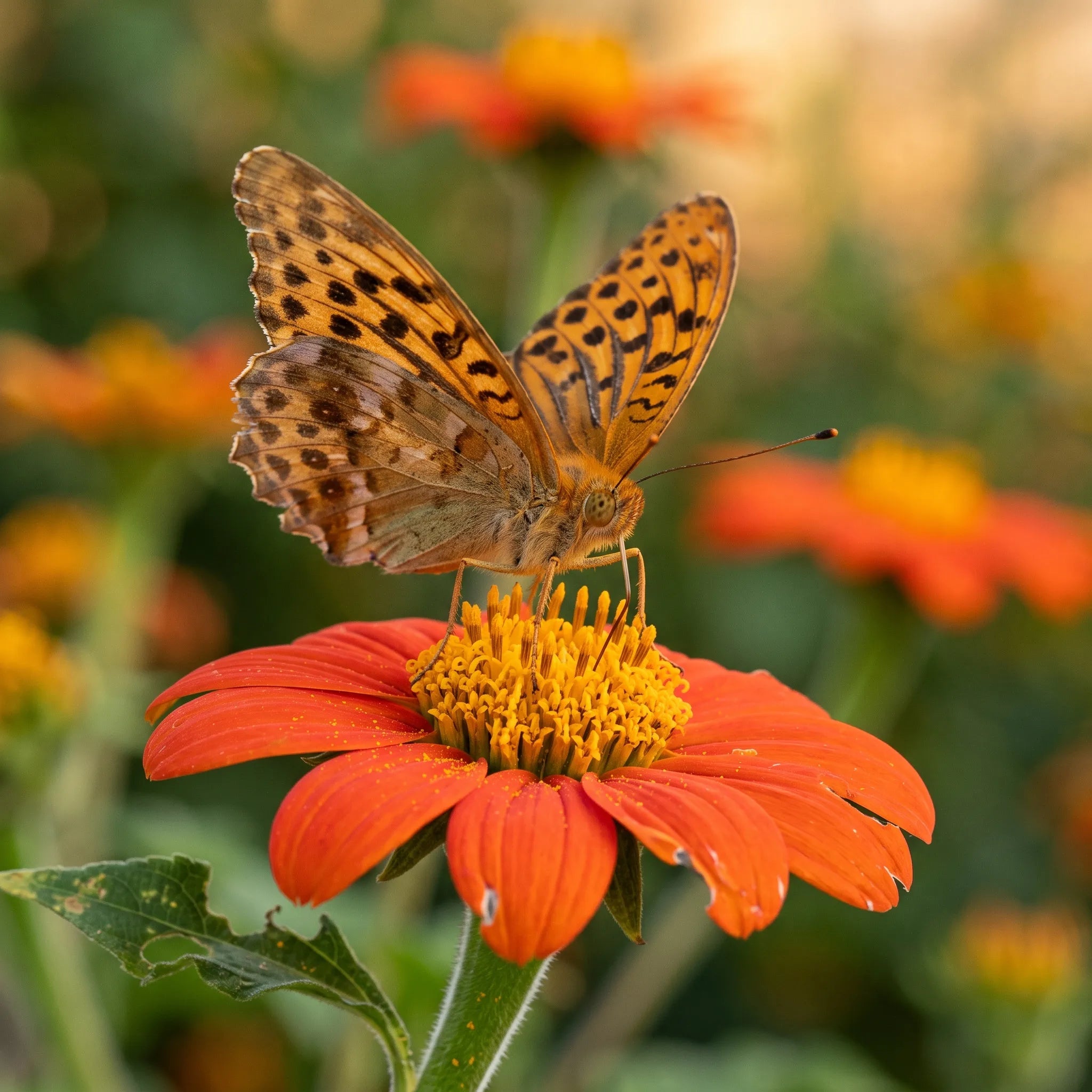
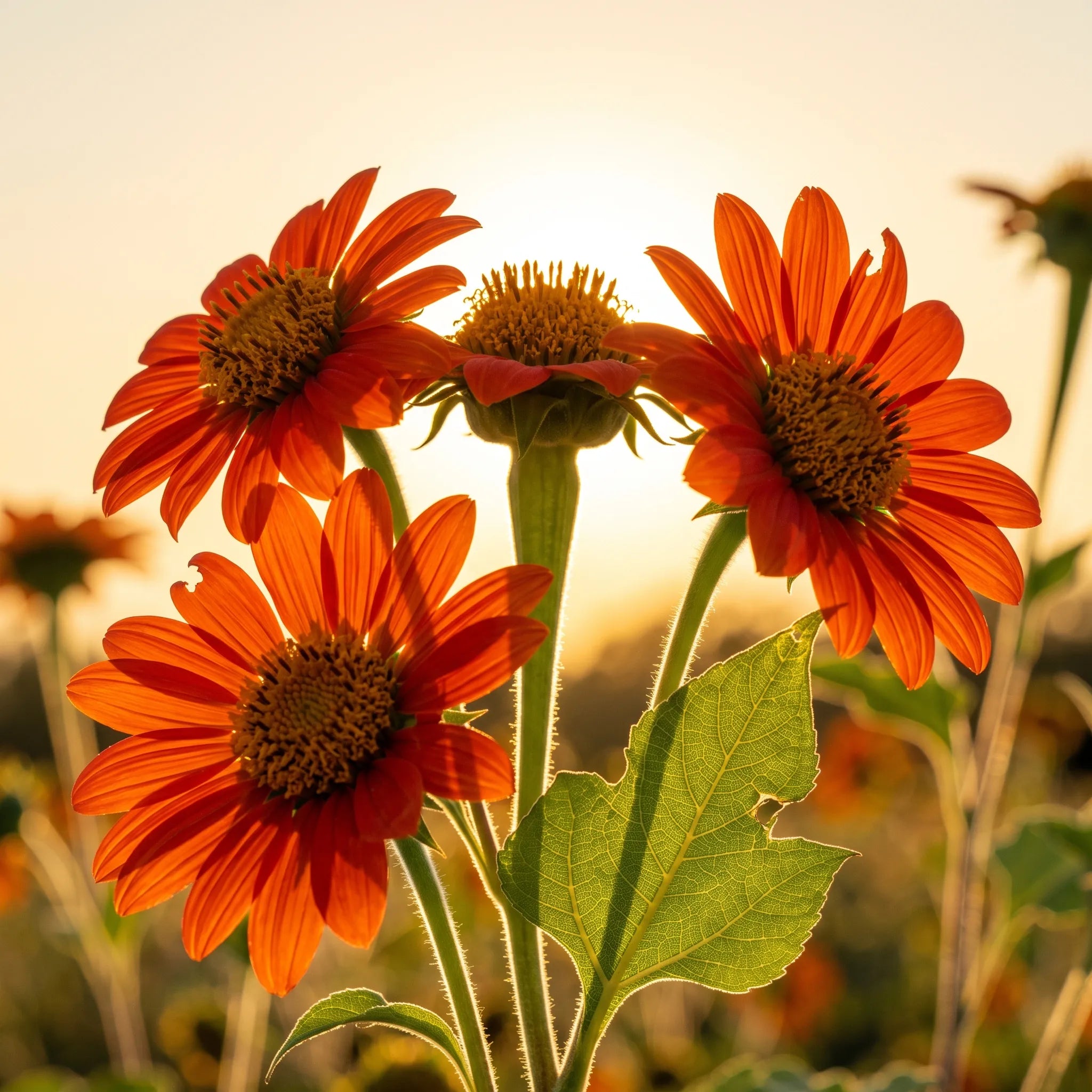
Mexican sunflower, tithonia, Mexican sun: despite its name, it is not a true sunflower but an even more flamboyant cousin, with bright orange flowers that are almost fluorescent. Native to Central America, it has become one of the favorite plants of gardeners who want to attract butterflies: few flowers exert such a strong attraction on them.
Characteristics:
-
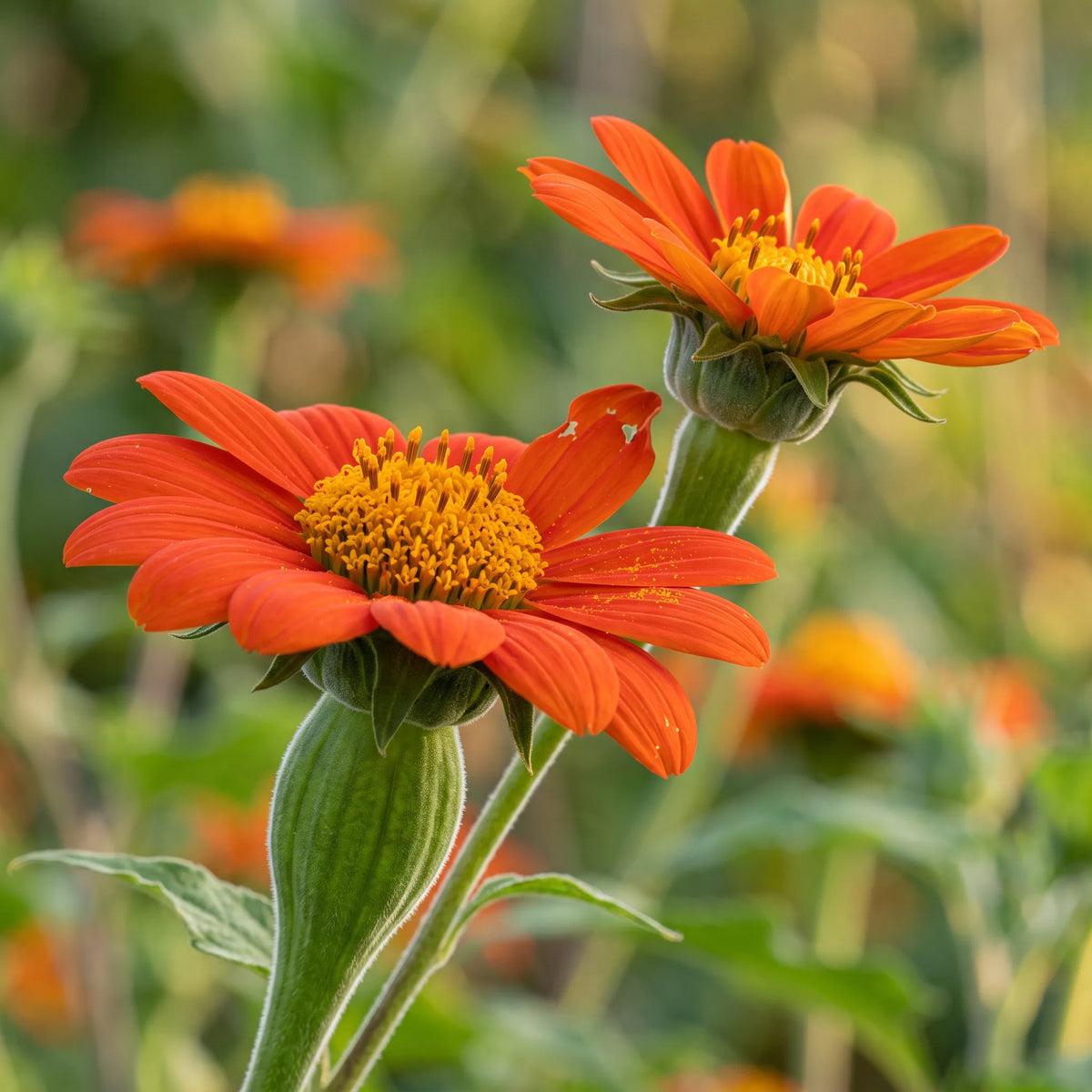
Flamboyant flowering: large orange flower heads with yellow centers, from summer until the first frosts.
-
Impressive growth: a bushy and vigorous plant, often reaching 1.5 to 2 meters in a single season.
-
Hardy and easy: it tolerates heat and drought better than most annual bedding plants.
Precautions:
- Frost-tender plant: perennial in its native range, it is grown as an annual in our climates, as the first frosts destroy it.
- Its seeds are intended for sowing, not consumption: unlike common sunflower seeds, tithonia seeds are not edible.
Sowing advice:
-
Exposure: full sun, as warm as possible — this is a tropical-climate plant.
-
Soil: ordinary soil, even poor and stony, provided it is well drained. Important point: soil that is too rich or watered too heavily produces exuberant foliage and few flowers, with stems that flop. Do not fertilize.
-
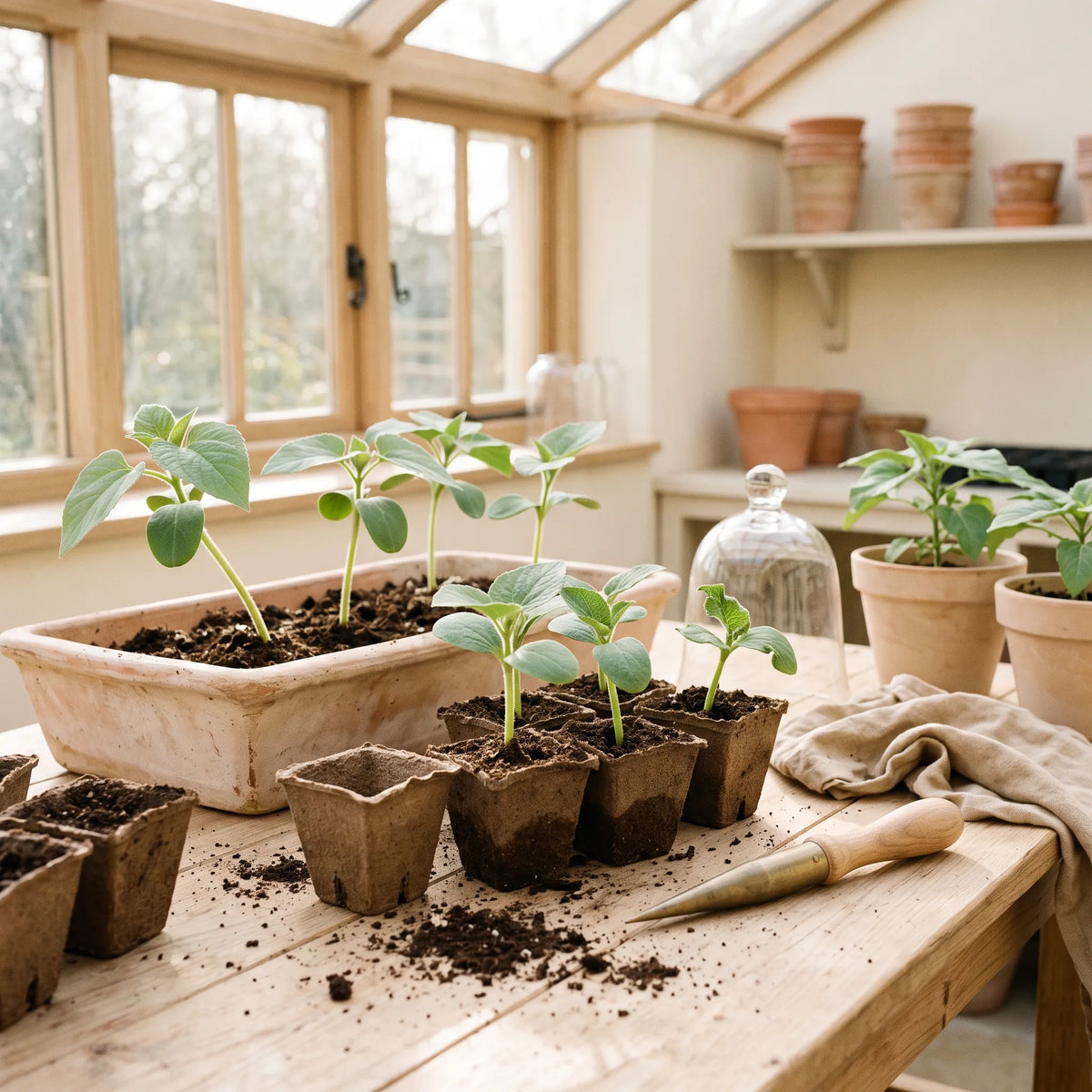
Method: sow in pots under cover from March to April (20 °C), or directly in the ground after the last frosts. Cover the seeds lightly. Do not soak or stratify. See how to sow your seeds.
Planting advice:
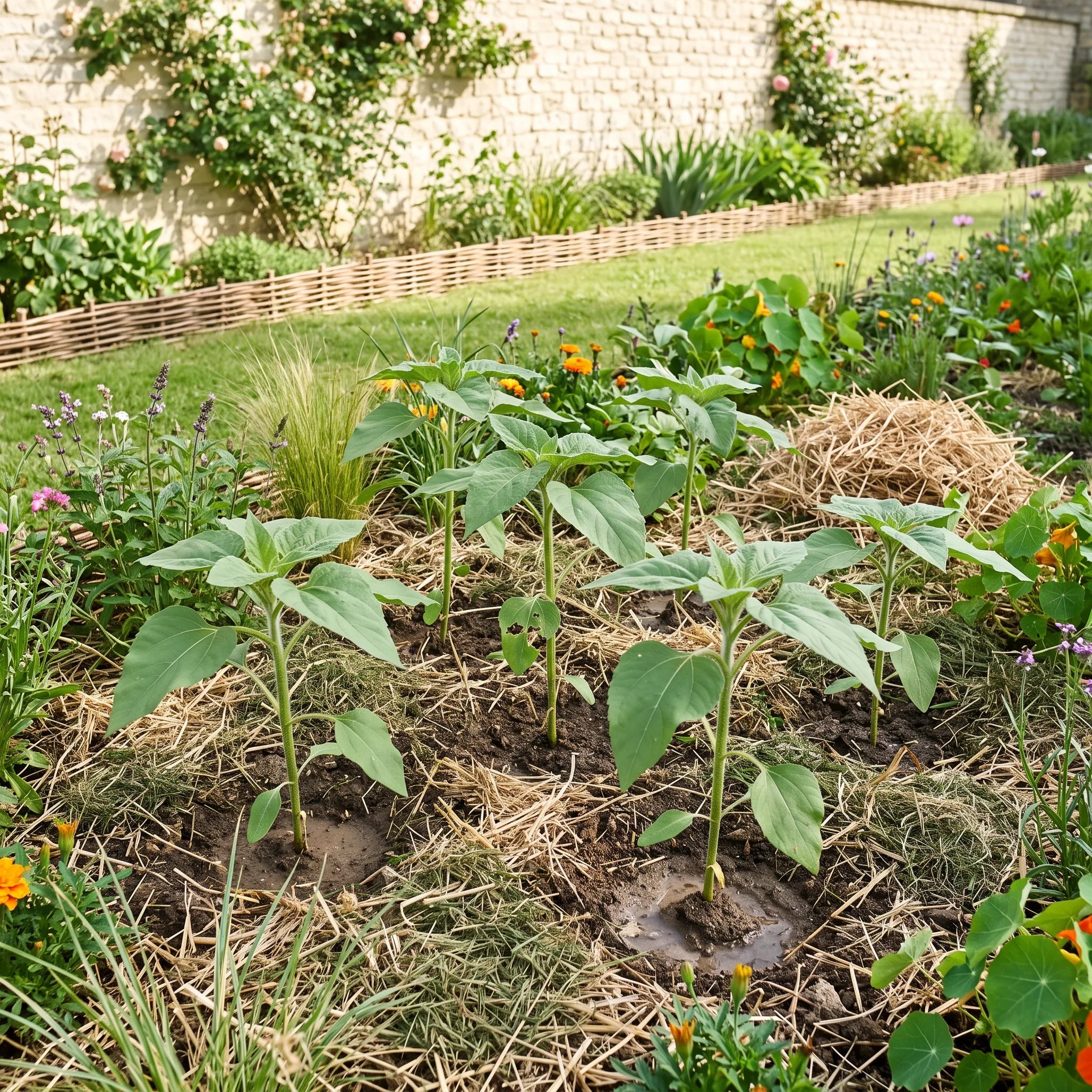
- Transplant after the frosts, spacing plants 50 to 60 cm apart: the plant becomes large. Provide a stake or a spot sheltered from the wind, as the hollow stems are brittle.
Care advice:
- Water sparingly only; it tolerates drought very well. Remove faded flowers to encourage flowering until the frosts.
Beneficial combinations:
Benefits for biodiversity:
- It is one of the best butterfly plants: its large, flat flower heads and abundant nectar make it a magnet for swallowtails, red admirals, and painted ladies all summer long.
- Its seeds, left standing in autumn, feed seed-eating birds.
- Its heat resistance makes it a good candidate for water-wise gardens.
Uses:
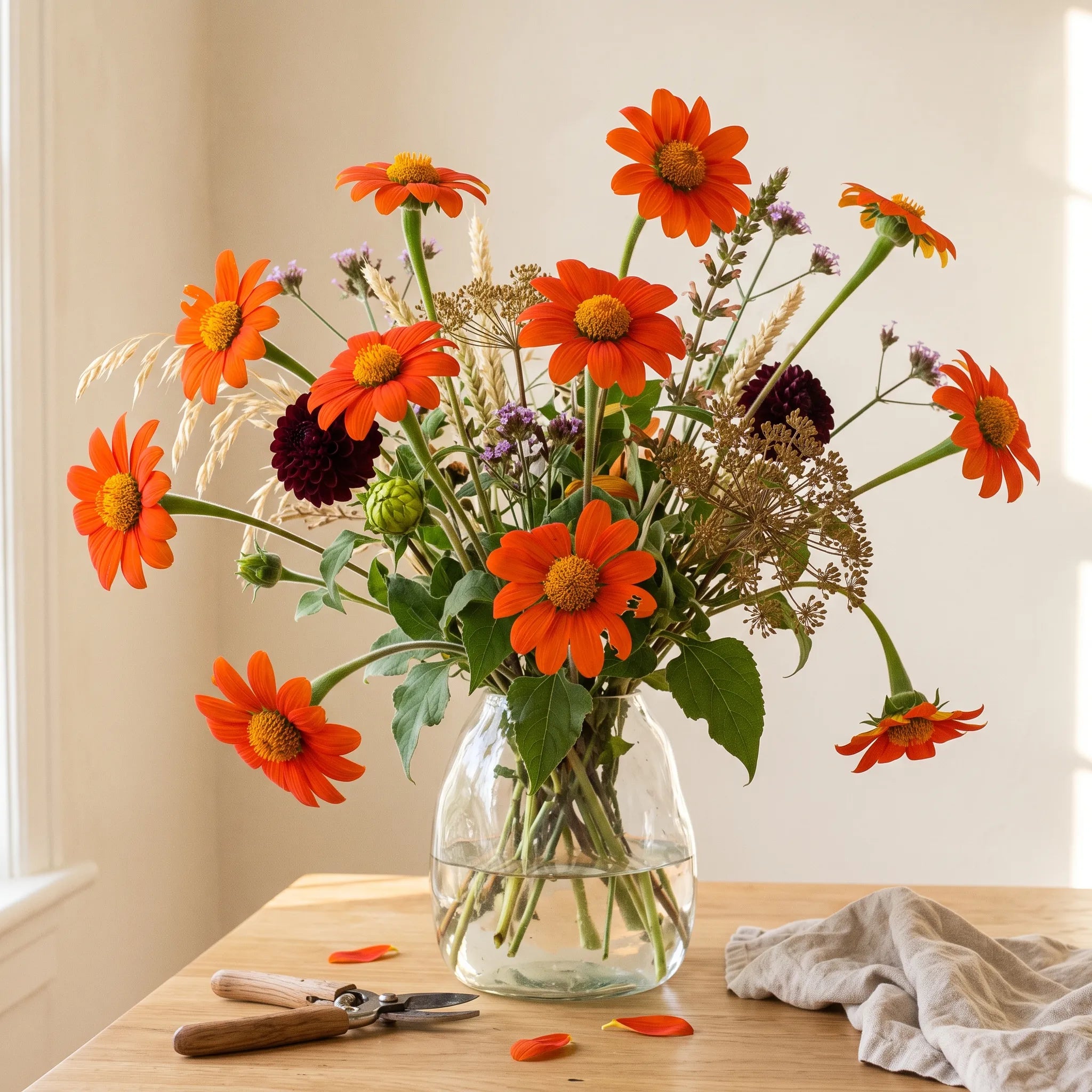
- Back of a flower bed, temporary summer hedge, vegetable garden border, or cut flower: cut the stems at the end of the day; they last well in a vase.
Harvesting your own seeds:
Leave a few flower heads to dry completely on the plant until they turn brown and crumble, then rub them by hand to release the seeds: the elongated, angular seeds detach easily. See storing your seeds.
Commitment to Quality: at SemiSauvage - Permaculture, we grow and select our seeds with respect for all living things as our guiding principle. Based near the Auvergne Volcanoes, we choose open-pollinated, non-hybrid varieties, tested for their germination rate, carefully sorted and packaged, with no chemical treatment. Our belief: to give gardeners back the ability to resow, year after year, seeds that truly belong to them.
Sales reserved for amateur gardeners seeking quality and authenticity.