Dahlia pinnata
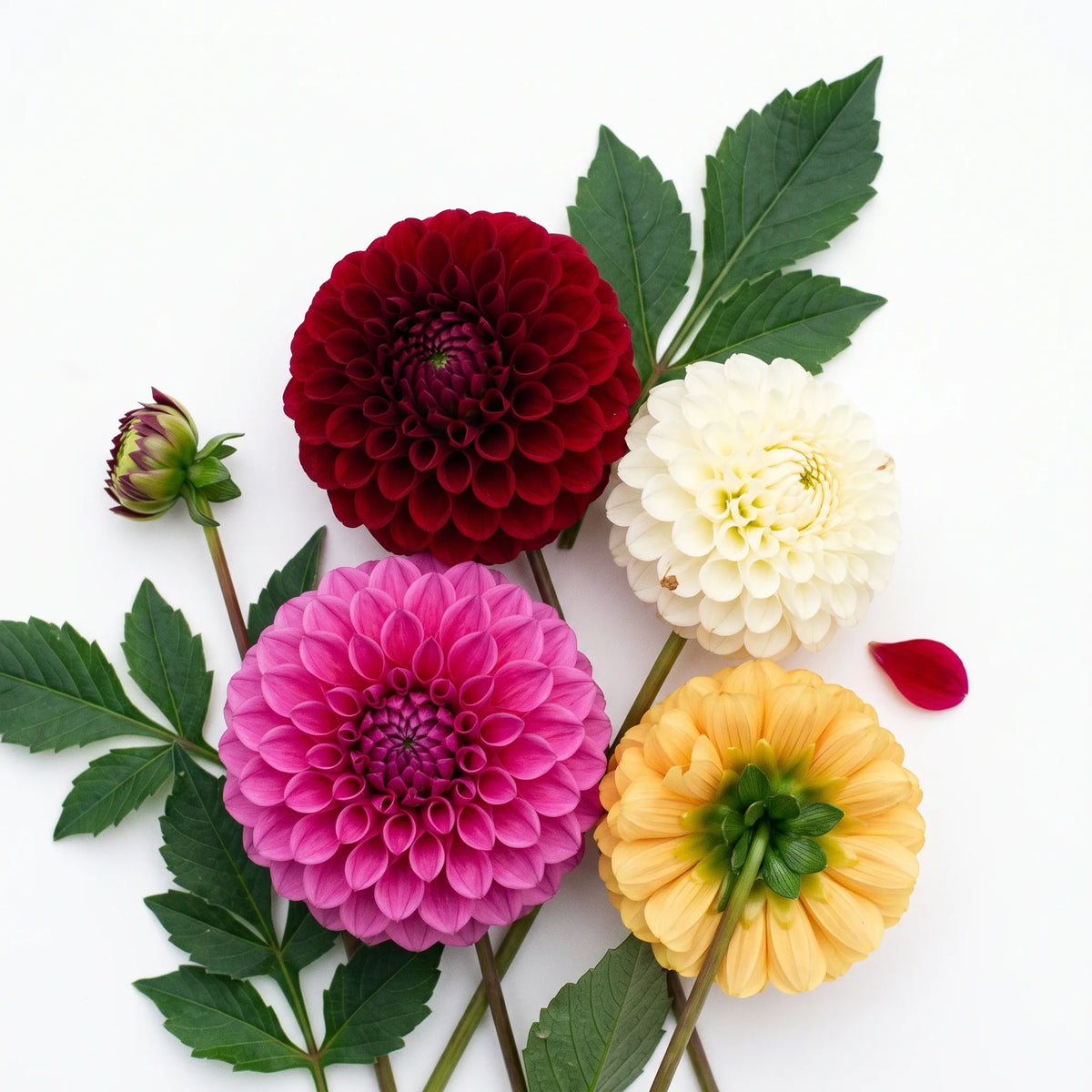
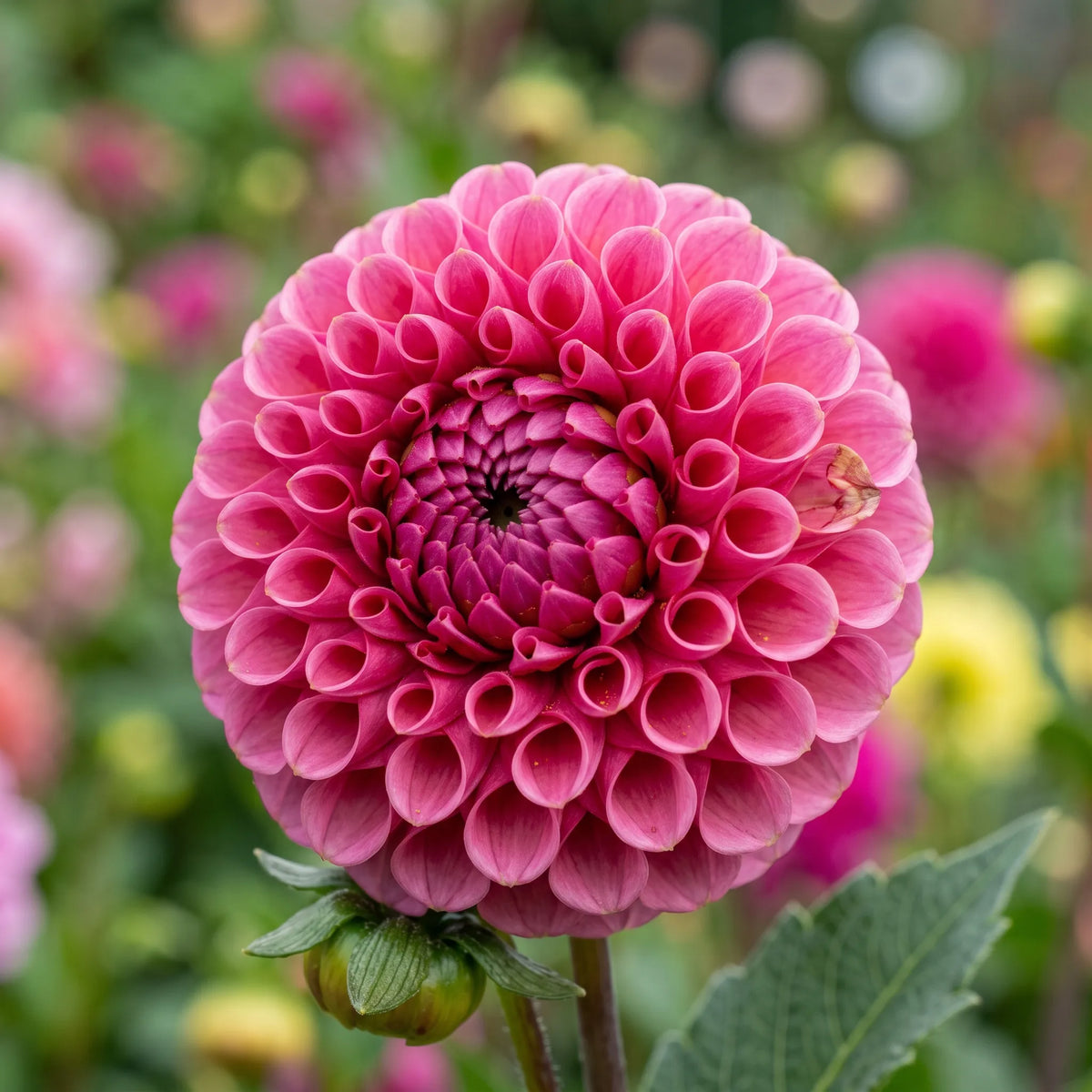
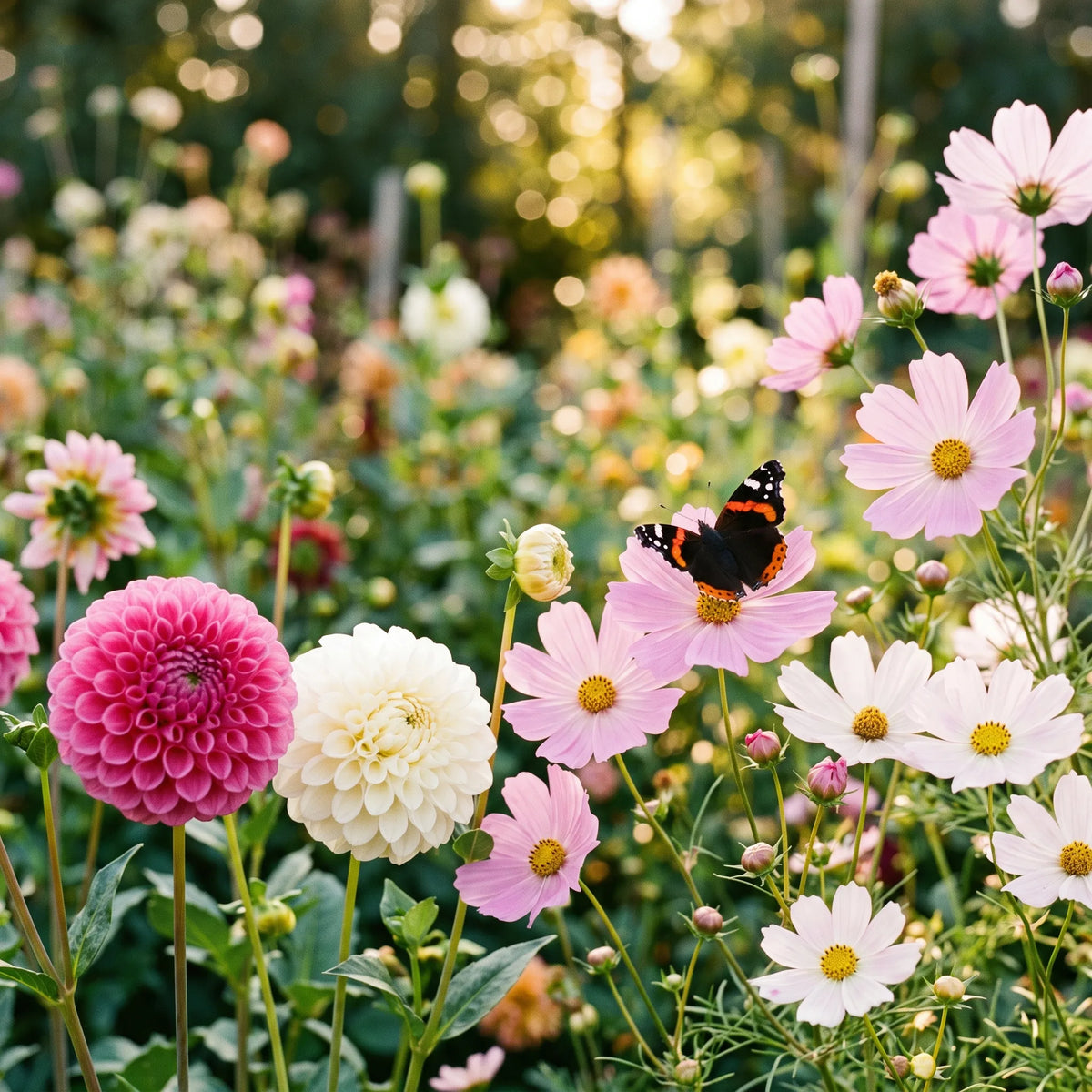
Pompom dahlia, ball dahlia: these perfectly spherical flowers, with petals rolled into tubes and arranged in a spiral, are among the most geometric forms in the plant kingdom. Native to Mexico, where the Aztecs were already cultivating it, the dahlia is now the national flower of that country.
Characteristics:
-
Globular flowers: perfectly round and dense, in a palette of vibrant colors, from summer until the first frosts.
-
Vigorous and floriferous: the more you cut it, the more buds it produces.
-
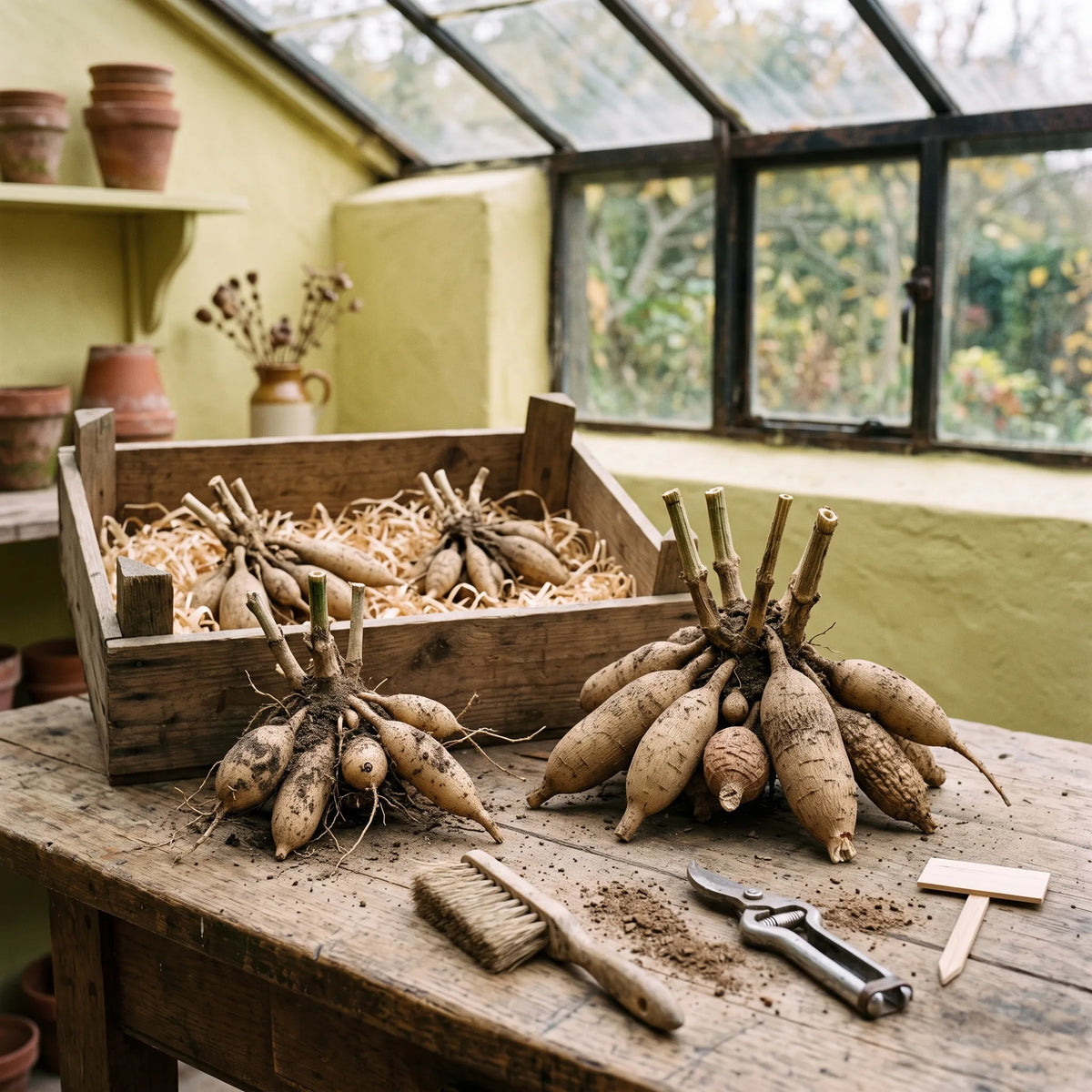
Tubers to store: grown from seed, they can be lifted in autumn and replanted the following year.
Sowing advice:
-
Exposure: full sun, essential for abundant flowering.
-
Soil: rich, deep, moist and well drained. Unlike many annual flowers, it is a hungry plant: adding compost at planting time really benefits it. However, it dislikes standing water, which causes the tubers to rot.
-
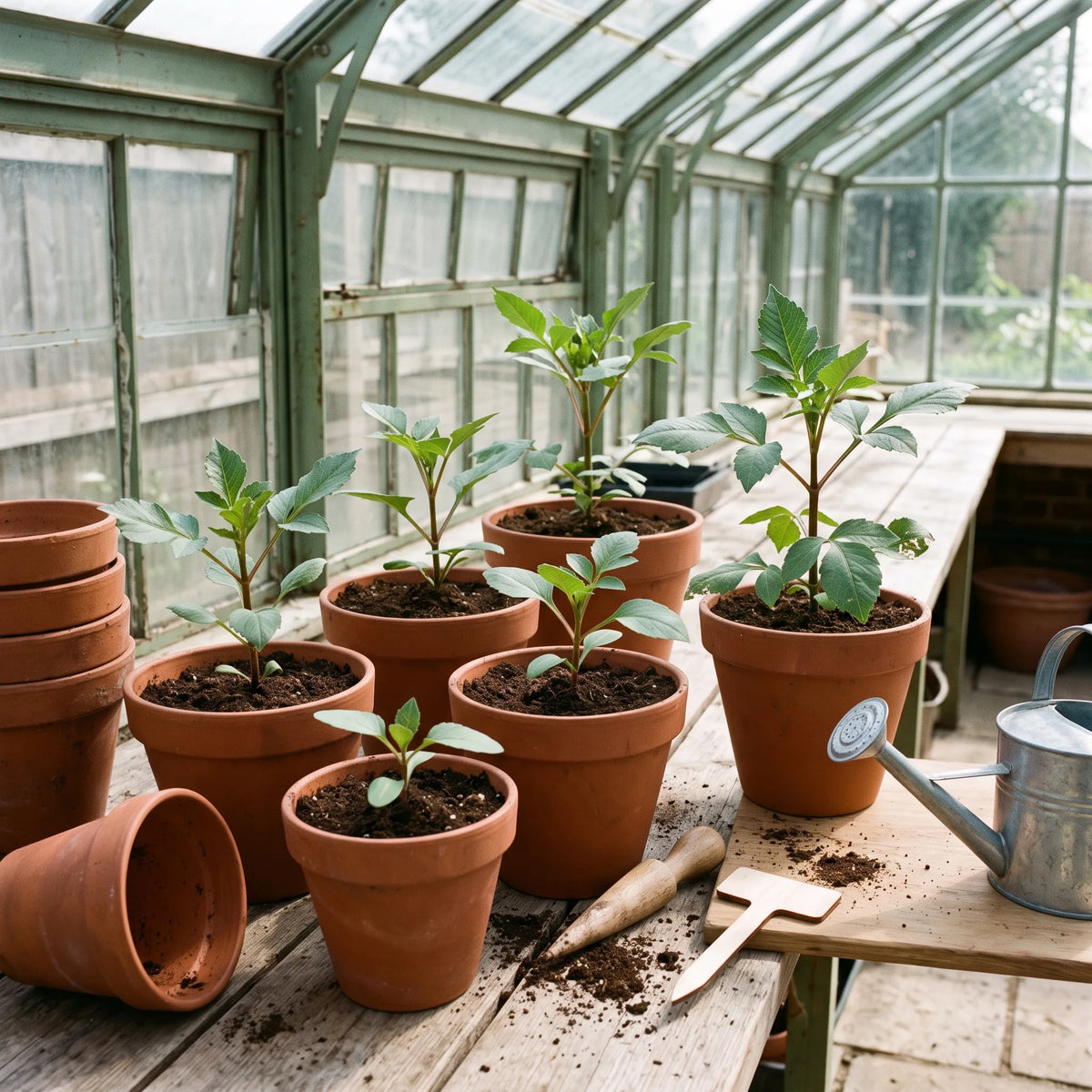
Method: sow indoors in pots from March (18–20 °C), covering lightly, then transplant outdoors after the last frosts. Do not soak or stratify. See how to sow your seeds.
Planting advice:
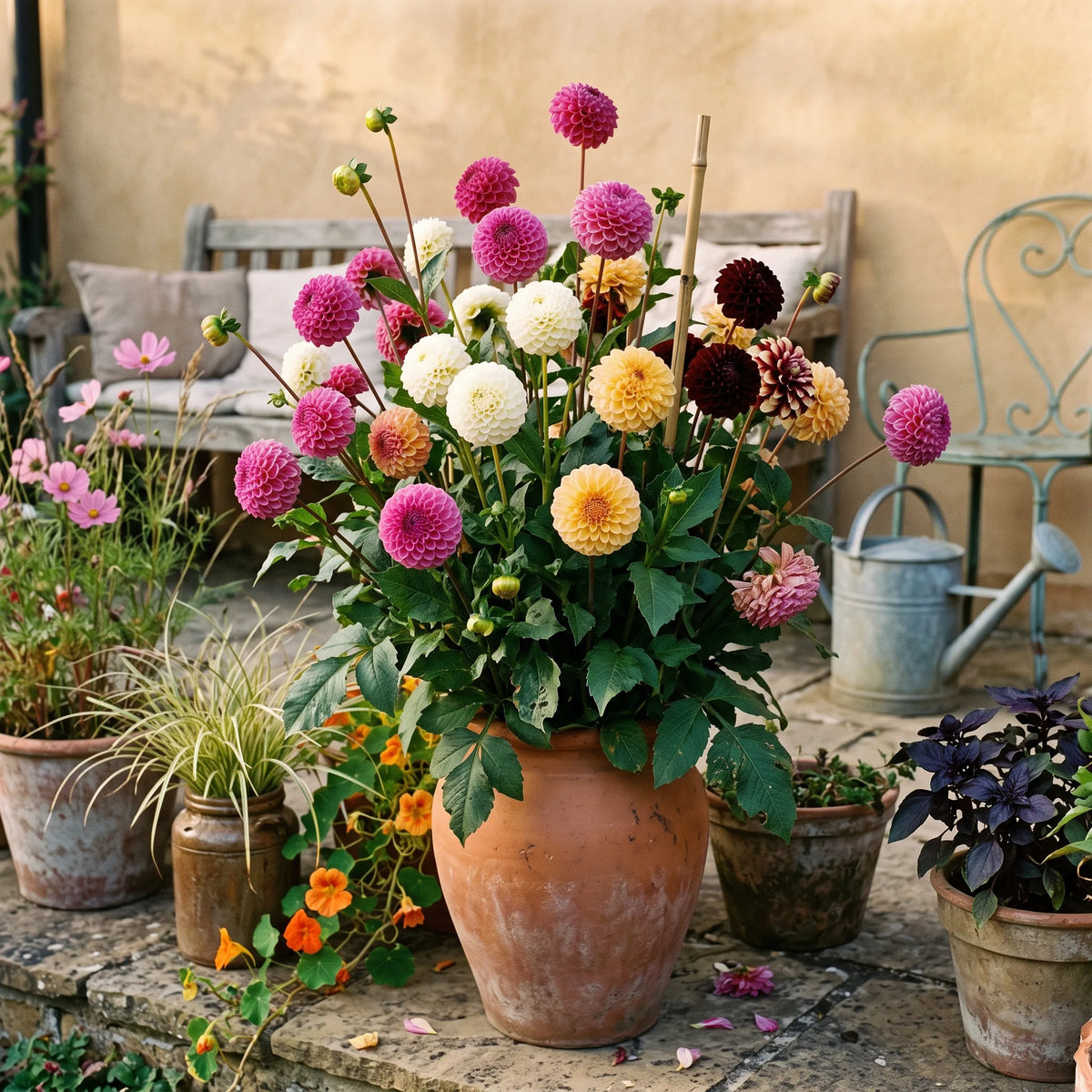
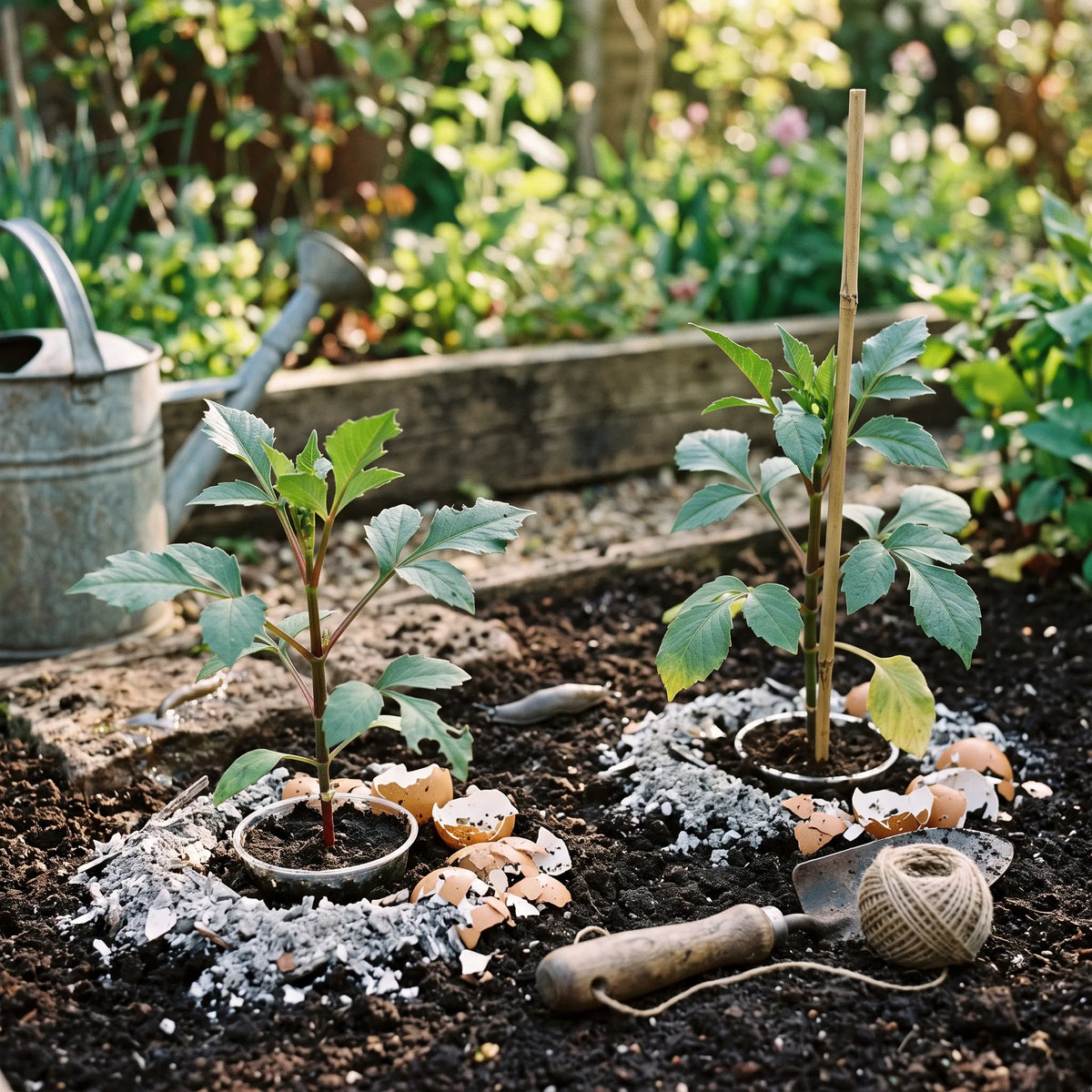
- Transplant after the frosts, spacing plants 40 to 50 cm apart. Protect young plants from slugs, which are very fond of their tender shoots.
Care advice:
- Water regularly and generously in summer. Remove faded flowers to encourage further blooming.
- In cold regions, lift the tubers after the first frosts and store them in a dry, frost-free place until the following spring.
Benefits for biodiversity:
- Double-flowered varieties such as pompom dahlias are less accessible to pollinators than single-flowered dahlias: to help pollinators, combine them with open-centered flowers such as cosmos. See combining flowers in the vegetable garden.
Uses:
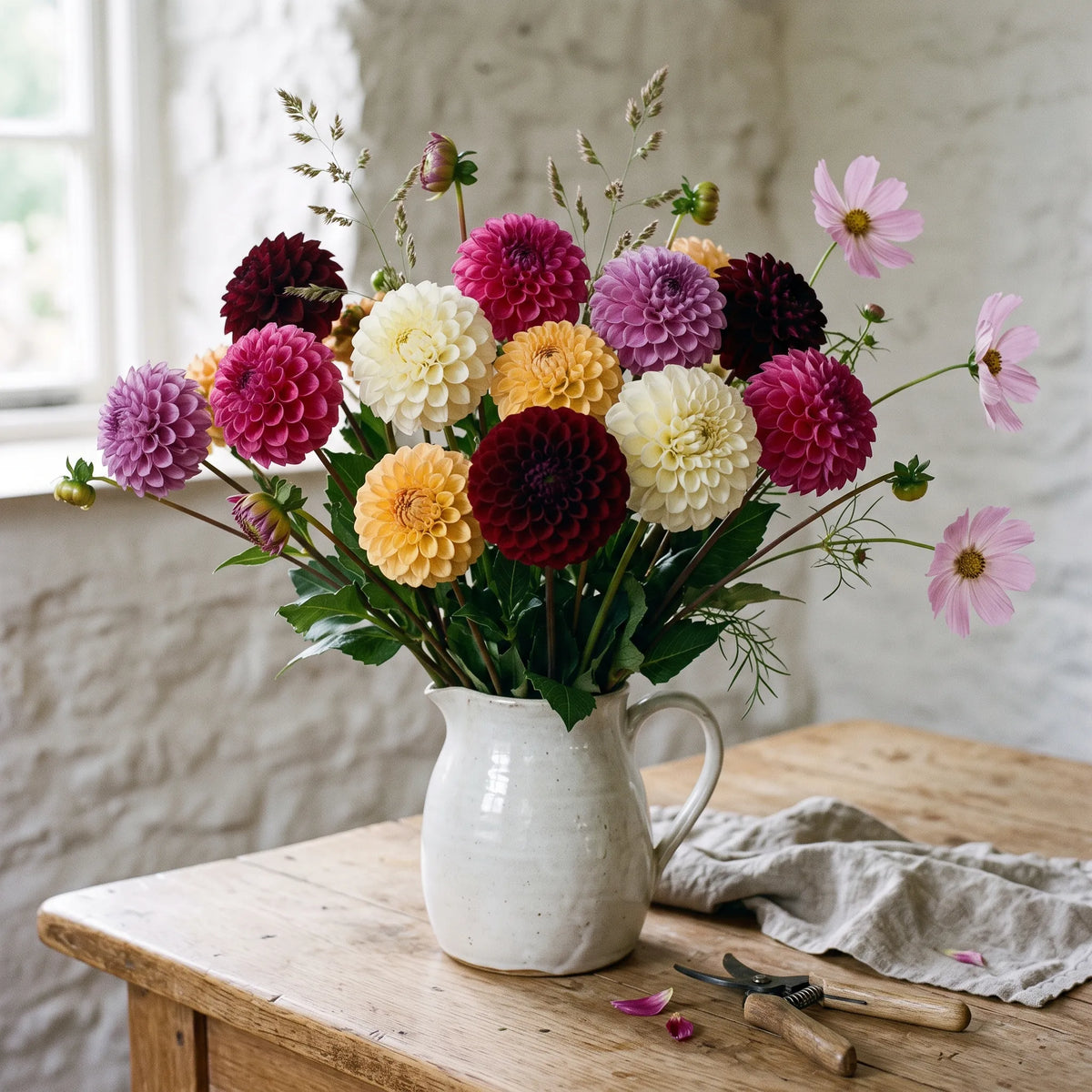
- Beds, borders and especially bouquets: cut flowers last a long time in a vase. Pick them in the morning, when the bud has just opened.
Symbolism:
The national flower of Mexico, the dahlia was cultivated by the Aztecs under the name acocoxochitl. In Europe, it was first introduced in the 18th century as a vegetable plant for its tubers, before its beauty established it as an ornamental plant.
Harvesting your own seeds:
Leave a few faded flowers to dry completely on the plant until the flower head turns brown, then open it to collect the elongated seeds. Note that dahlias cross-pollinate very easily: seedlings often produce surprises in color and form. See how to store your seeds.
Commitment to Quality: at SemiSauvage - Permaculture, we grow and select our seeds with respect for all living things as our guiding principle. Based near the Auvergne Volcanoes, we choose reproducible, non-hybrid varieties, tested for their germination rate, carefully sorted and packaged, with no chemical treatment. Our belief: to restore gardeners' ability to resow, year after year, seeds that truly belong to them.
Sales reserved for home gardeners seeking quality and authenticity.