Melissa officinalis
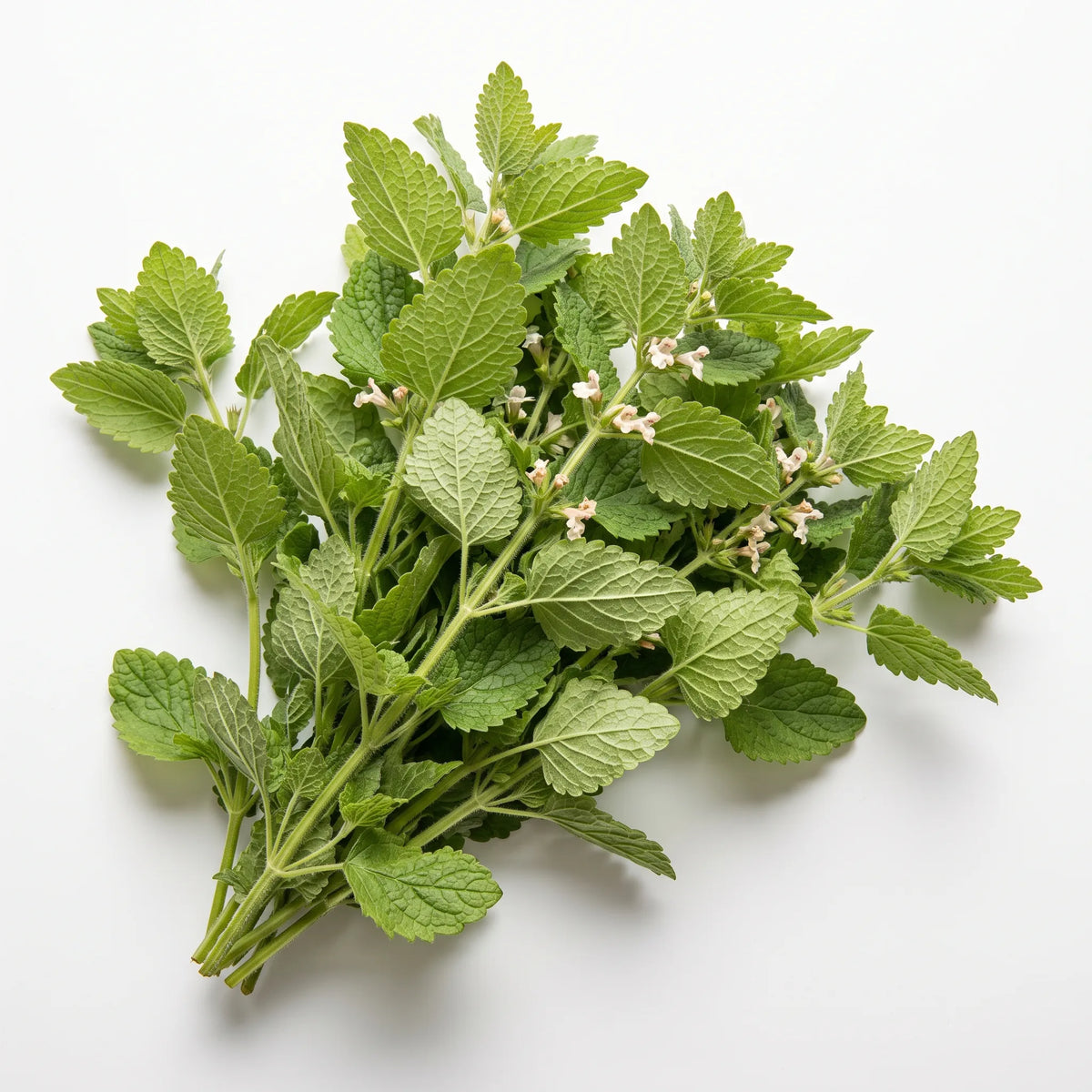
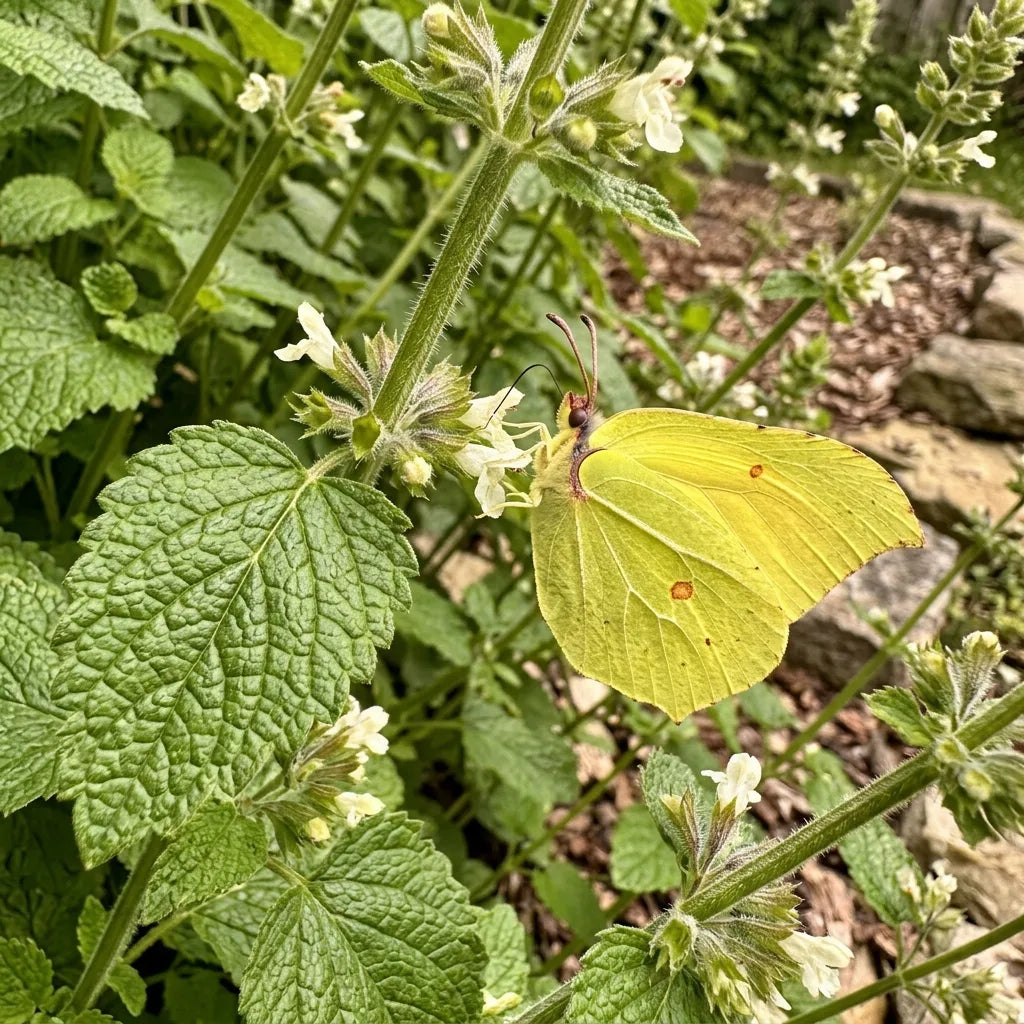
Lemon balm, citronella, bee balm, lemon herb: its name comes from the Greek melissa, meaning bee — beekeepers in antiquity rubbed it inside hives to encourage swarms to settle there. Crush a leaf and you will understand its other nickname: it gives off a remarkably fresh lemon scent.
Characteristics:
-
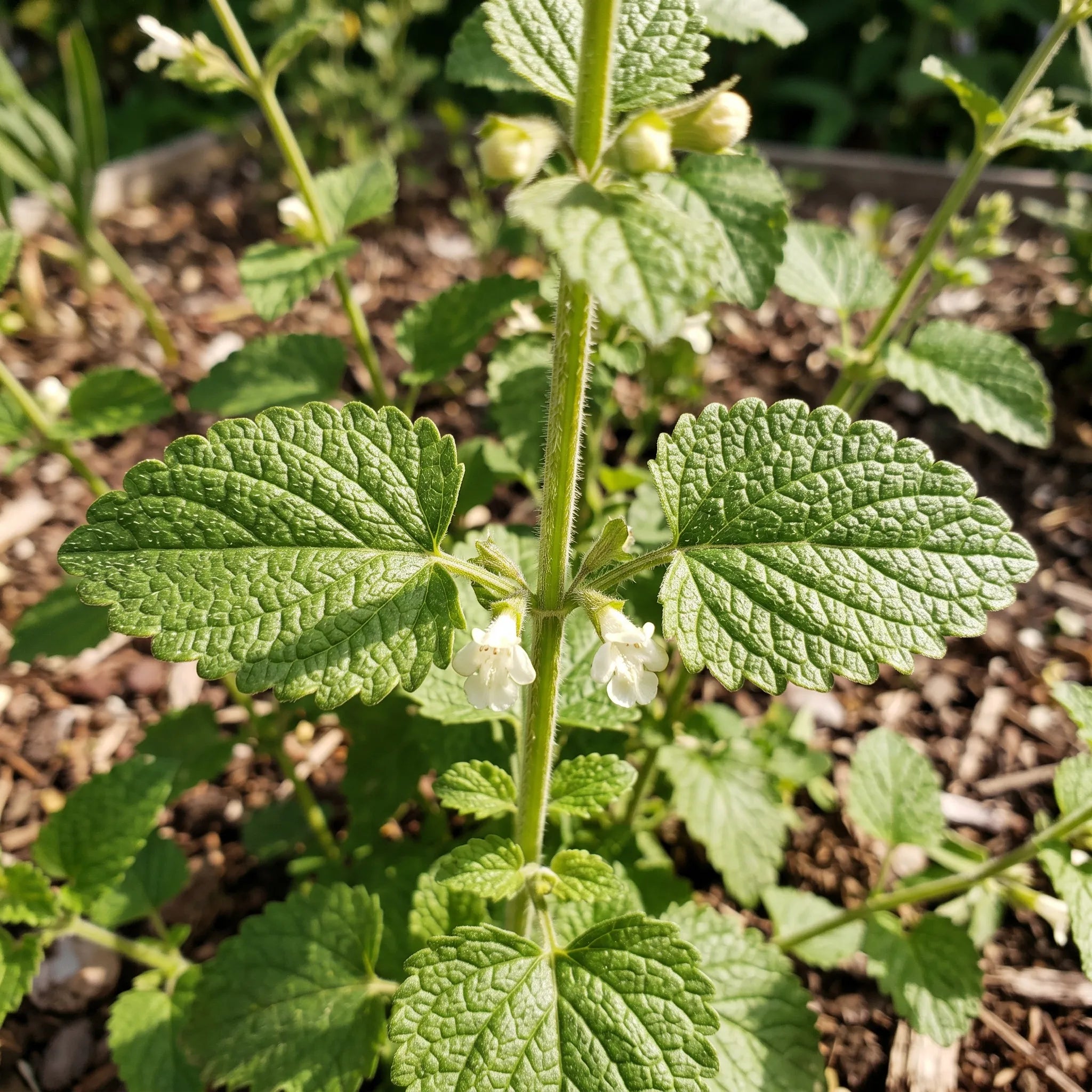
Lemon fragrance: highly aromatic, quilted leaves with an immediate freshness when crushed.
-
Remarkably hardy perennial: it returns every spring for years without any care.
-
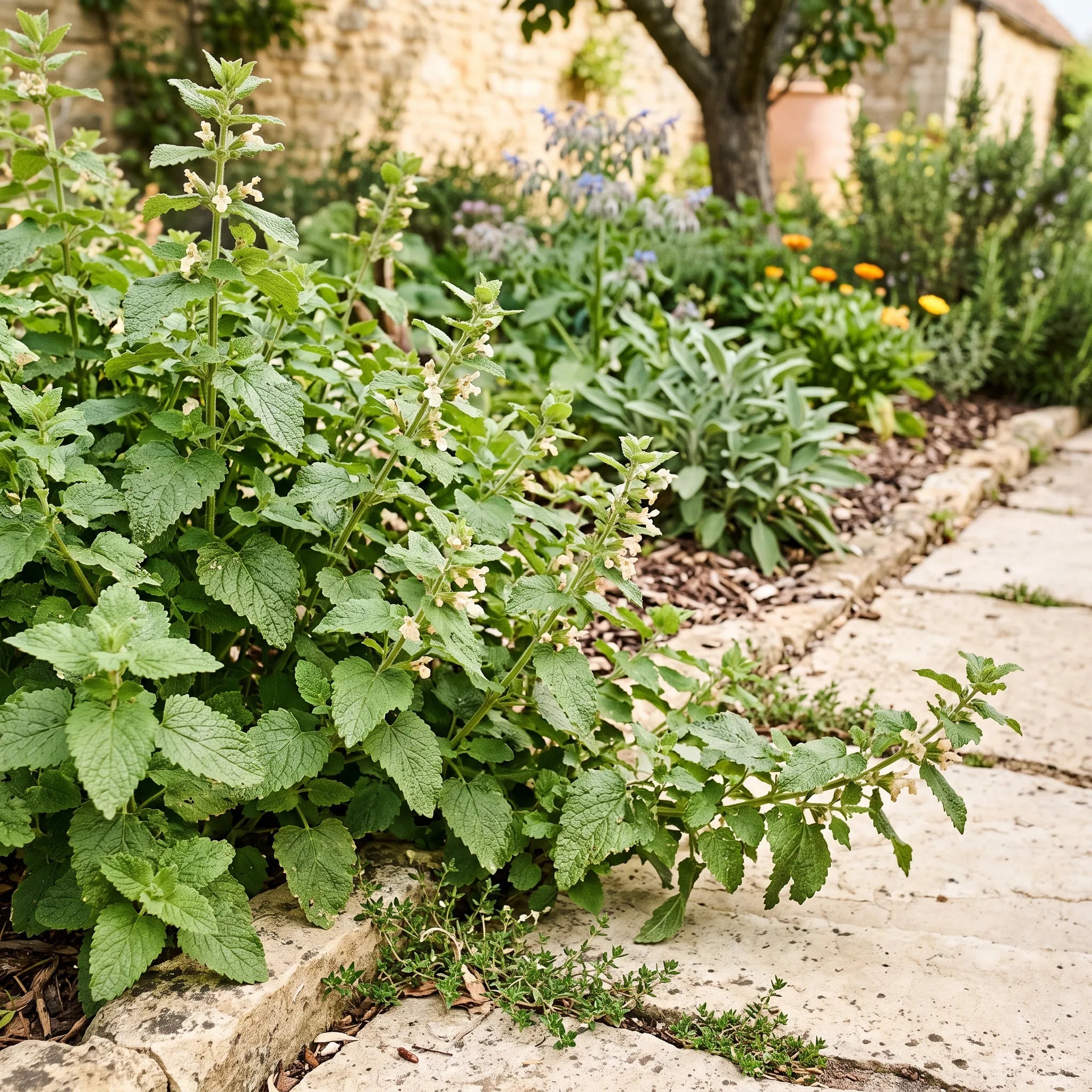
Highly attractive to bees: its small white flowers attract large numbers of bees.
-
Adaptable: it tolerates full sun as well as partial shade and a range of soils.
Precautions:
- It is spreading and reseeds abundantly: left unchecked, it can colonize an entire flower bed in two or three seasons. Give it a defined space, grow it in a container, or cut the flower stalks before they set seed if you do not want it to spread.
Sowing advice:
-
Position: full sun or partial shade — partial shade suits it very well in hot regions.
-
Soil: moist, fertile, light and slightly clayey, although it adapts to most soils. Soil that stays moist produces larger, more tender leaves.
-
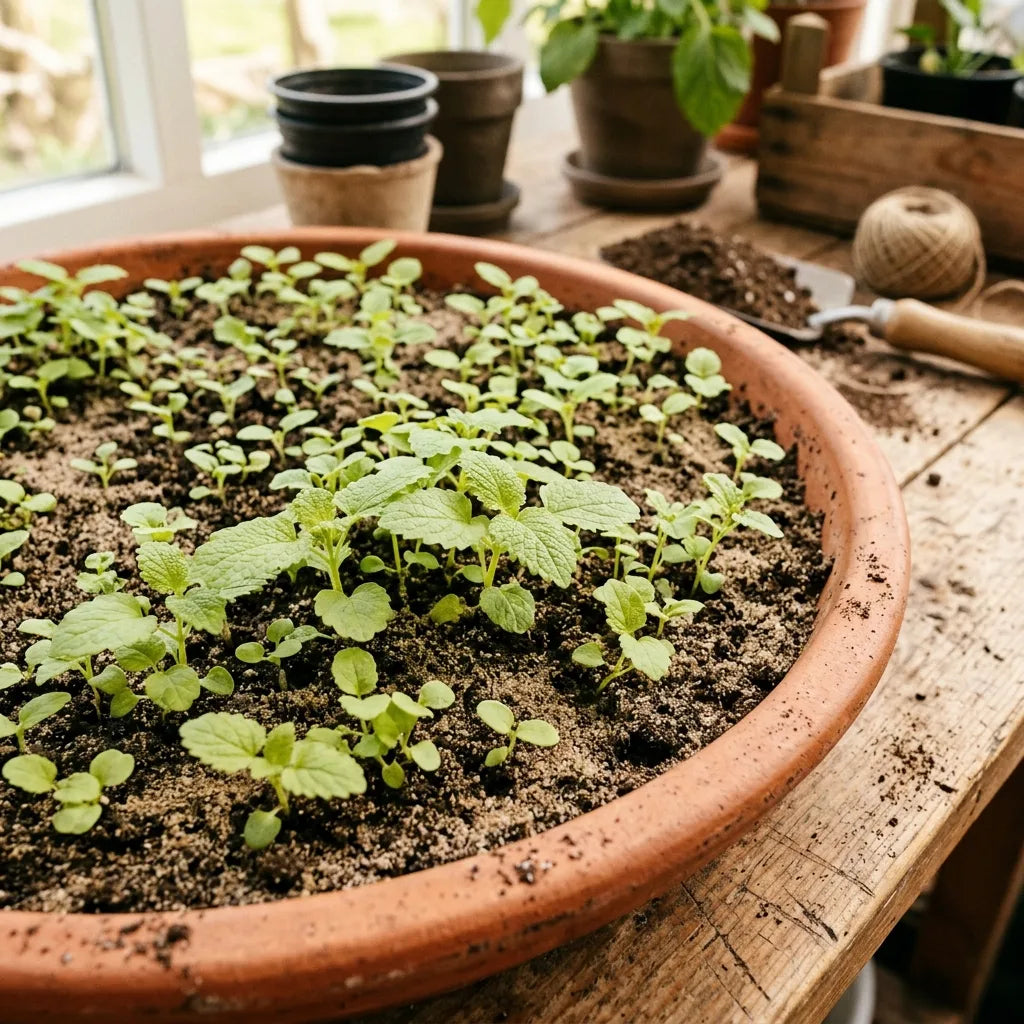
Method: sow in spring, on the surface without covering: its tiny seeds need light to germinate. Simply firm them down and keep them moist. See how to sow seeds.
Planting advice:
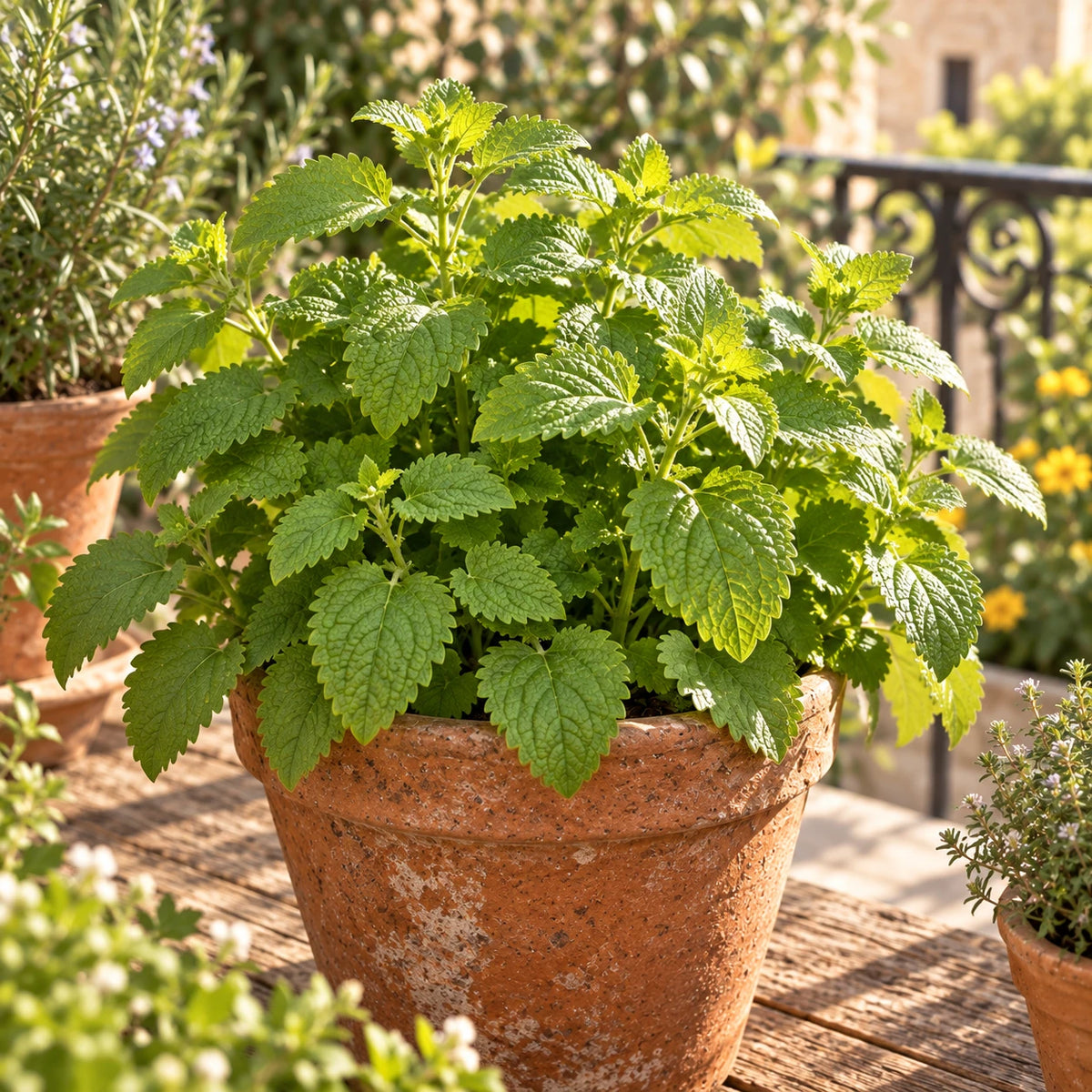
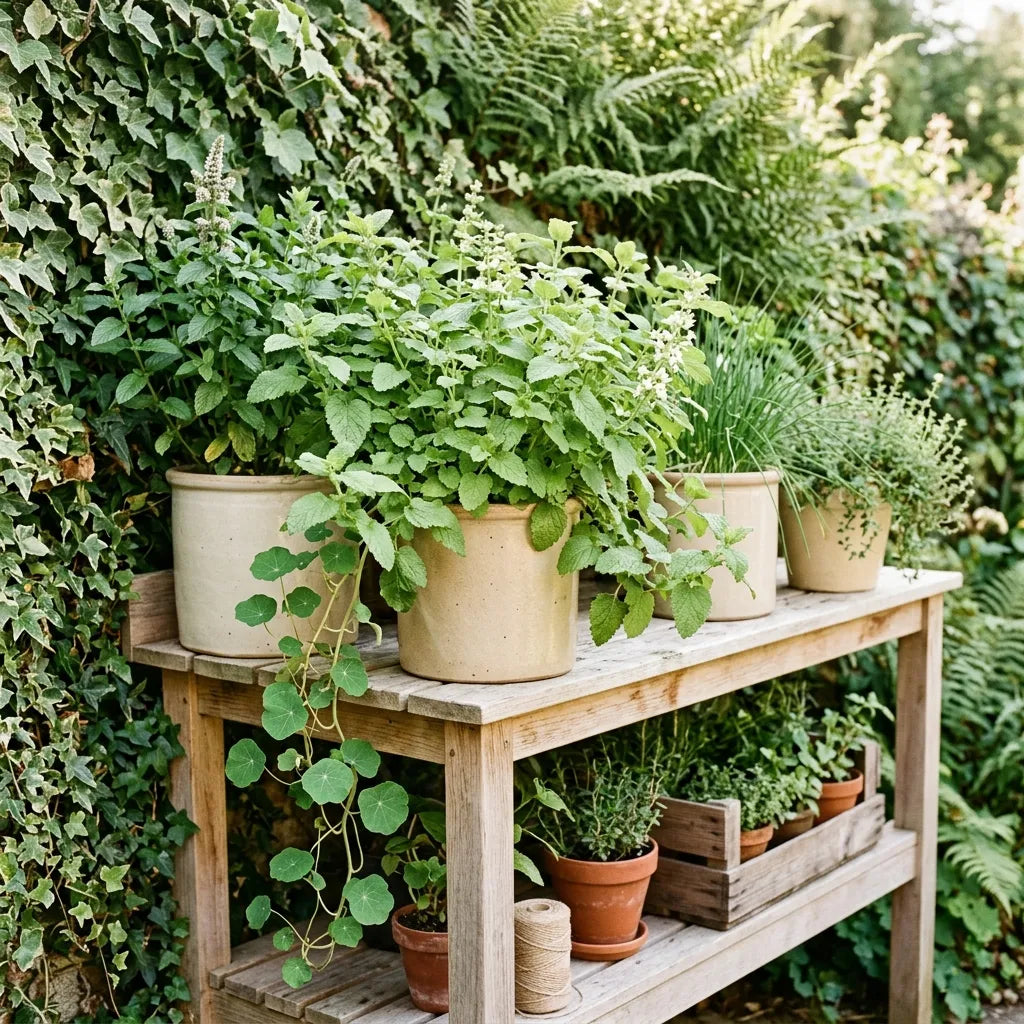
- Transplant 40 cm apart, in a border, herb garden or pot. In a pot, divide the clump regularly to prevent it from smothering its neighbours.
Care advice:
- Water during dry periods. Cut the clump back after flowering: it will produce fresh foliage that is much more fragrant.
- Divide every 3 to 4 years to rejuvenate it.
Harvesting advice:
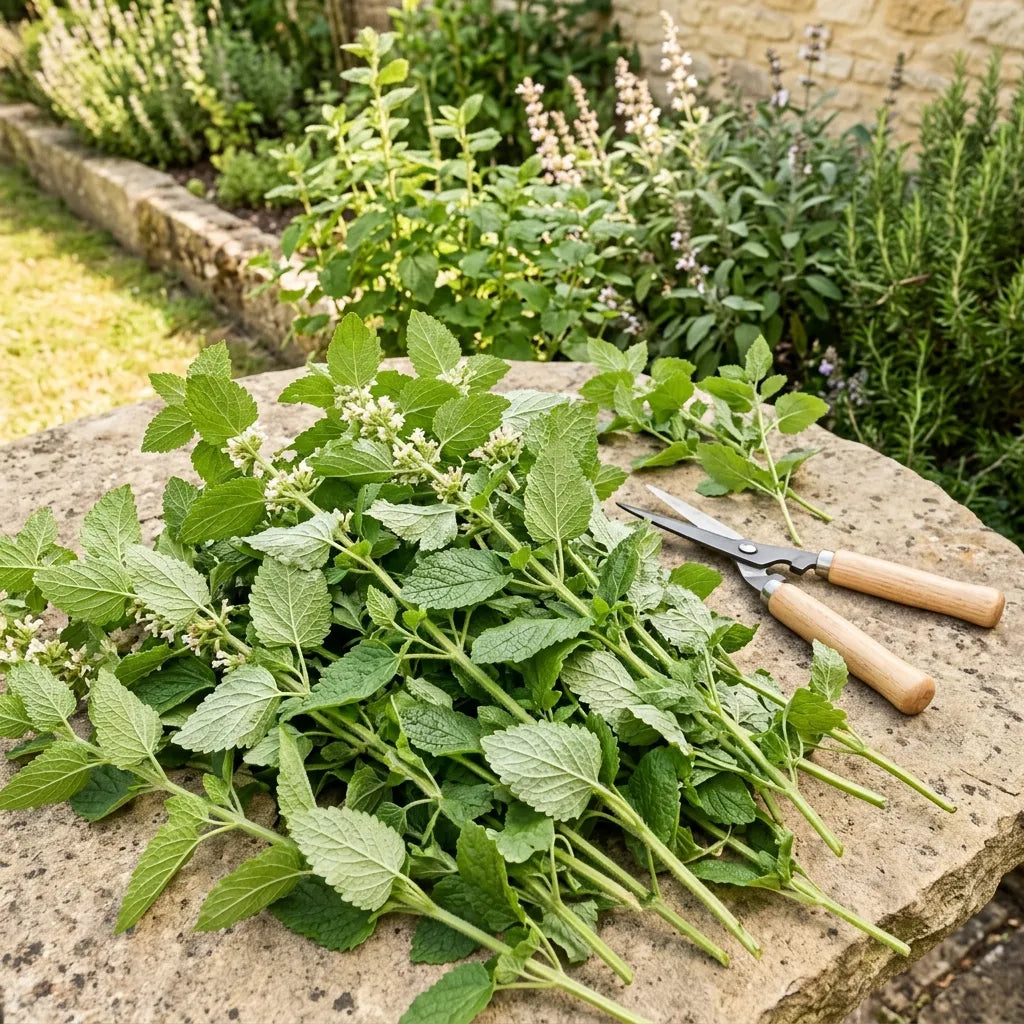
- Pick the leaves before flowering, in dry weather: this is when their lemon fragrance is most intense. It fades considerably after flowering.
- It freezes better than it dries, as drying causes it to lose much of its aroma.
Beneficial combinations:
- Its lemon fragrance is reputed to repel mosquitoes: plant it near areas where you eat outdoors in summer, or make bouquets for the table. See our repellent plants.
Benefits for biodiversity:
- It is one of the most attractive plants for bees — its Latin name says it all. Let it flower in a corner of the garden rather than cutting everything back.
- Its long flowering period, from June to September, makes it a reliable resource for much of the season.
Uses:
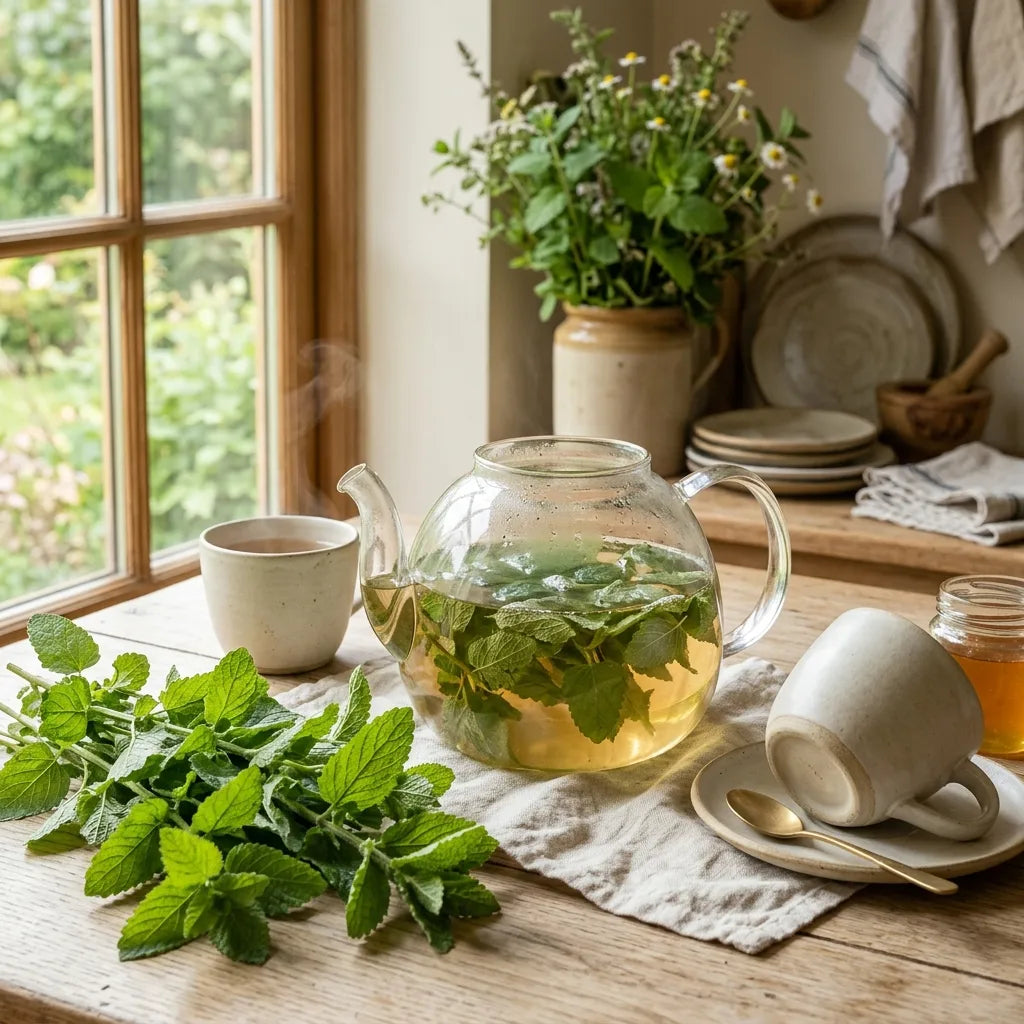
- Fresh leaves in infusions, fruit salads, summer drinks, desserts and with fish. It also adds excellent flavour to homemade syrup.
- A major traditional medicinal plant, listed in the French Pharmacopoeia and grown in herb gardens since the Middle Ages. See our medicinal plants to sow.
Harvesting your own seeds:
Leave a few flower stalks to dry completely on the plant, then crush them over a container: the seeds are extremely fine. In practice, lemon balm reseeds so readily on its own that harvesting is rarely necessary. See storing your seeds.
Commitment to Quality: at SemiSauvage - Permaculture, we grow and select our seeds with respect for all living things as our guiding principle. Based near the Auvergne Volcanoes, we choose reproducible, non-hybrid varieties, tested for their germination rate, carefully sorted and packaged, with no chemical treatment. Our conviction: to give gardeners back the ability to resow, year after year, seeds that truly belong to them.
The bees’ plant, with a lemon fragrance close at hand all summer long.