Humulus lupulus
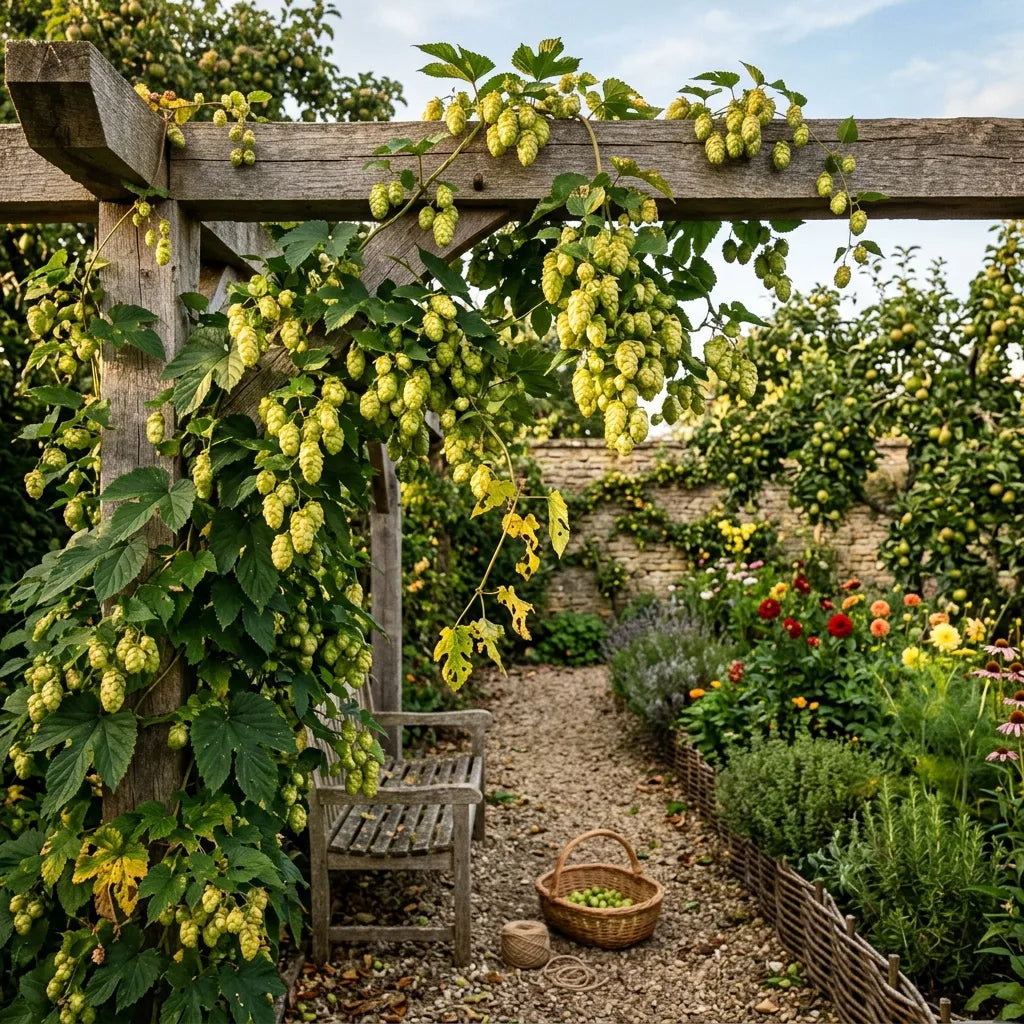
Northern vine, bindweed, devil's wood: hops have collected as many nicknames as they have uses. This perennial vine can climb more than 6 meters in a single season, one of the most spectacular growth rates in the temperate plant kingdom—enough to cover a pergola in a few weeks, long before you even think about beer.
Characteristics:
-
Vigorous climber: its twining stems wind themselves around their support, with explosive growth in spring.
-
Perennial with a long-lived rootstock: the above-ground growth dies back in winter, but the rootstock comes back even more vigorously each spring, for decades.
-
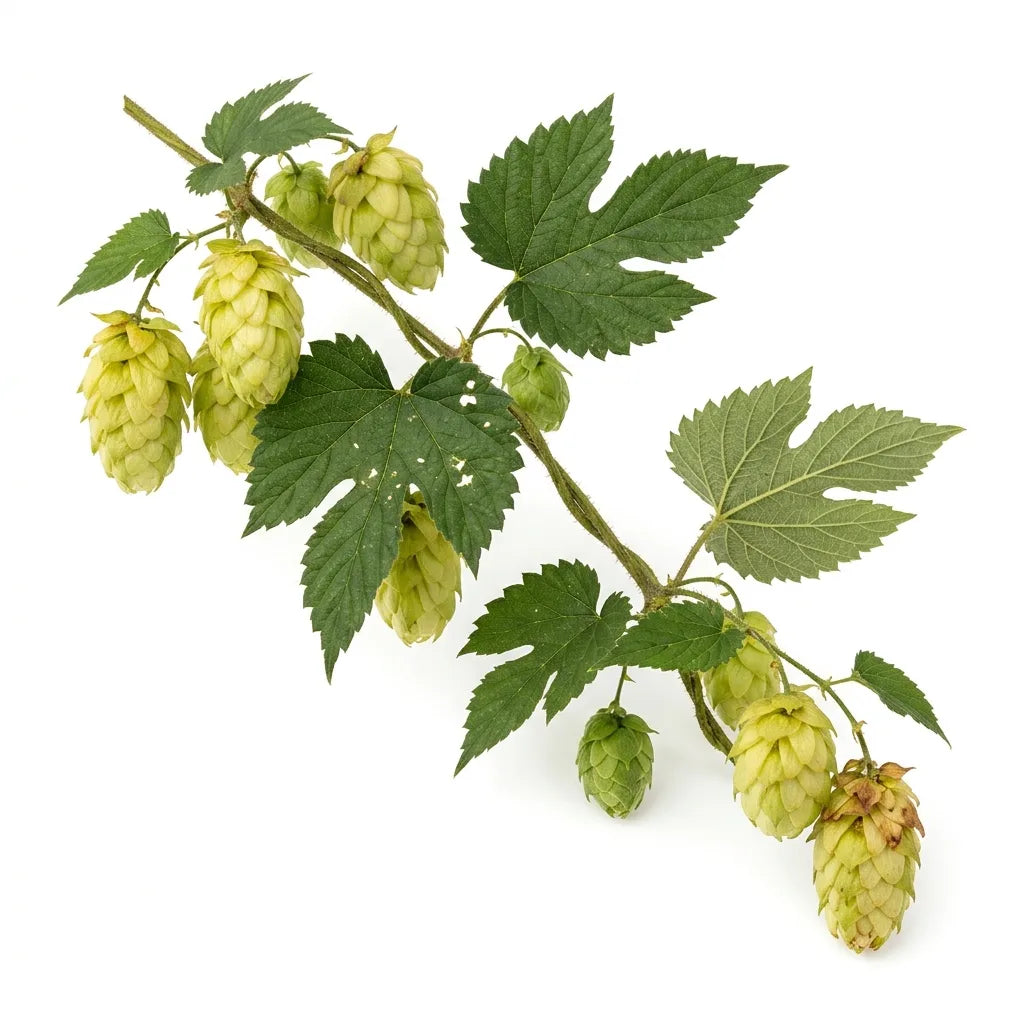
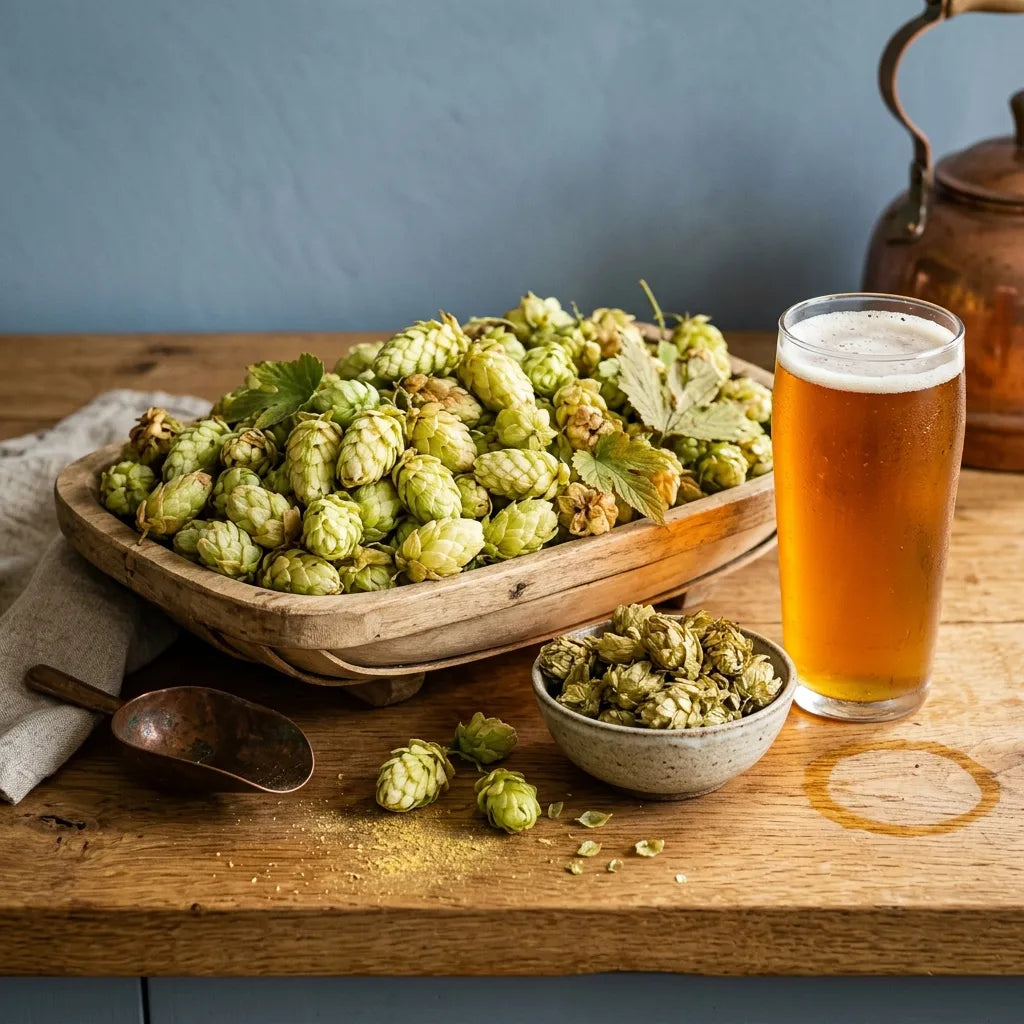
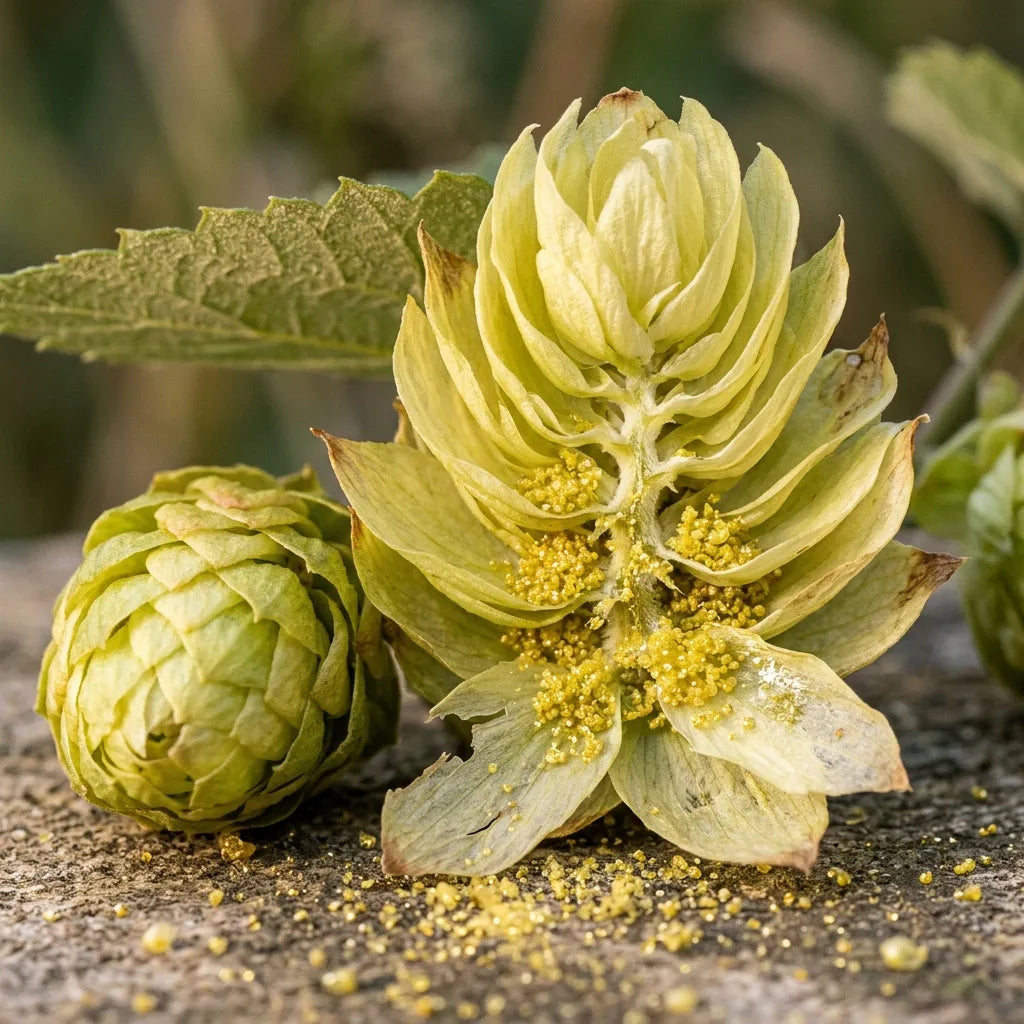
Fragrant cones: only female plants produce the aromatic cones used in brewing, in summer.
Sowing advice:
-
Exposure: full sun to partial shade, with the base in the shade and the top in the sun, as with clematis.
-
Soil: rich, deep, moist and well-drained. This is a hungry and thirsty plant: adding compost at planting time and ensuring the soil does not dry out completely are essential. It does not tolerate very poor or scorching soils well.
-
Method: the seeds require 1 to 2 months of cold stratification to break dormancy. Then sow them in pots under cover, for transplanting the following spring.
Planting advice:
- Plant at the base of a tall, sturdy support (pergola, taut wire, trellis): stems laden with cones are heavy at the end of the season.
- Note that sowing produces male or female plants at random: only the latter will produce cones.
Care advice:
- Water regularly in summer and apply a thick mulch. Cut the dry stems back to ground level at the end of winter: the rootstock will regrow on its own.
Harvesting advice:
- Harvest the cones at the end of summer, when they become papery and slightly sticky to the touch, then dry them quickly in the shade.
Benefits for biodiversity:
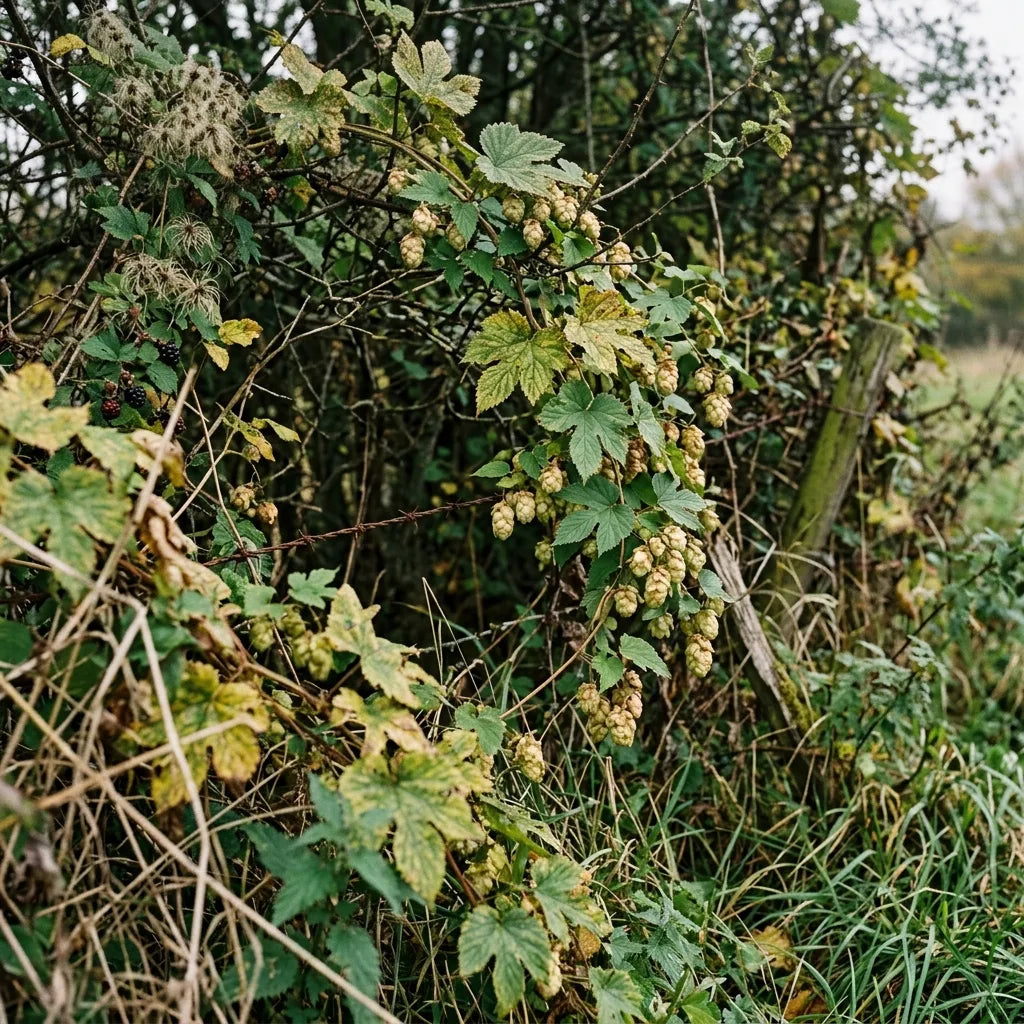
- Its dense foliage provides shelter and a favored nesting site for birds, as well as refuge for many insects.
- It is the host plant of several butterfly caterpillars, including the Comma and Red Admiral, which lay their eggs on it.
Uses:
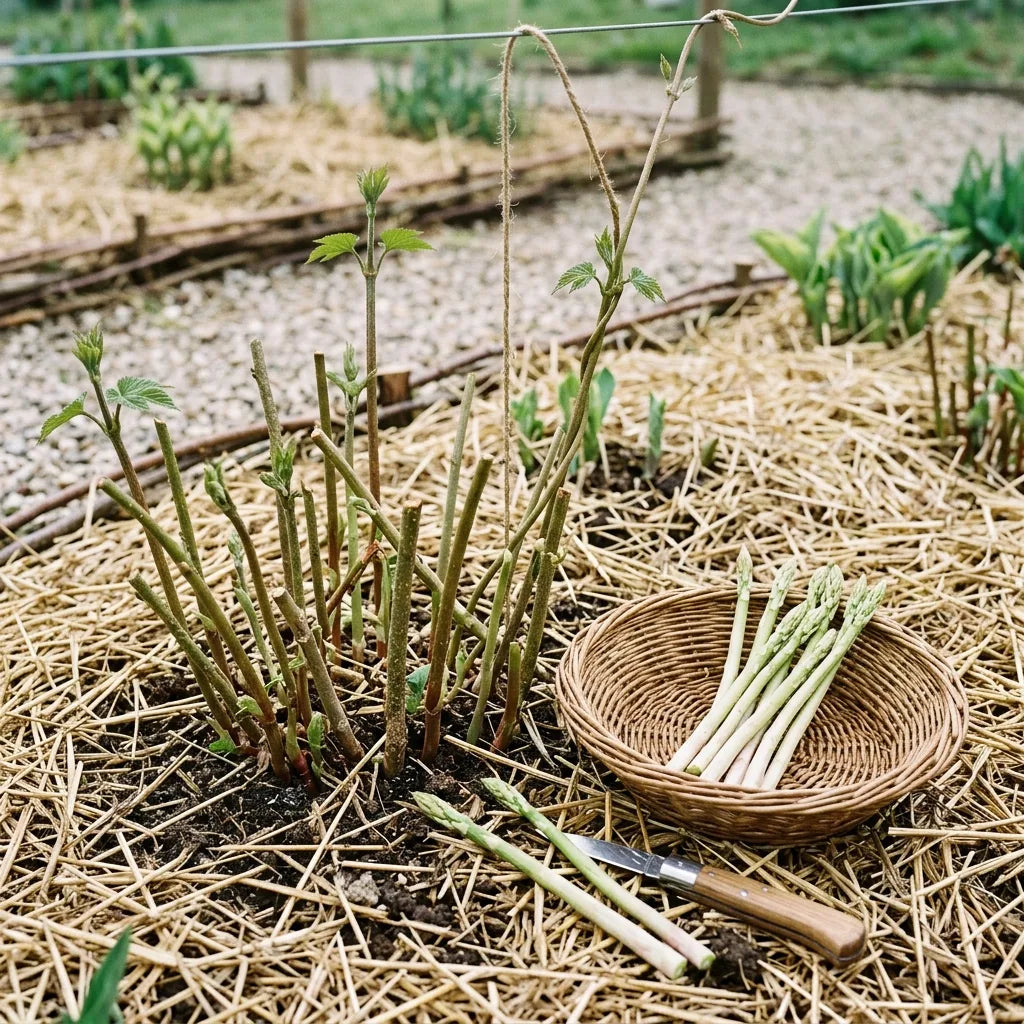
- In brewing, the cones provide beer's characteristic bitterness and aromas. Young spring shoots, known as hop shoots, can also be eaten like asparagus.
Harvesting your own seeds:
Leave a few cones to fully ripen on the plant until they turn brown, then crumble them to release the small, round seeds. Please note: growing from seed produces varied plants, whereas brewers generally propagate their varieties by rhizome cuttings. See saving your seeds.
Commitment to Quality: at SemiSauvage - Permaculture, we grow and select our seeds with respect for living things as our guiding principle. Based near the Auvergne Volcanoes, we choose open-pollinated, non-hybrid varieties, tested for their germination rate, carefully sorted and packaged, with no chemical treatment. Our belief: to restore gardeners' ability to resow, year after year, seeds that truly belong to them.
Add a touch of hardiness and authenticity to your garden with these climbing hop seeds.