Calluna vulgaris
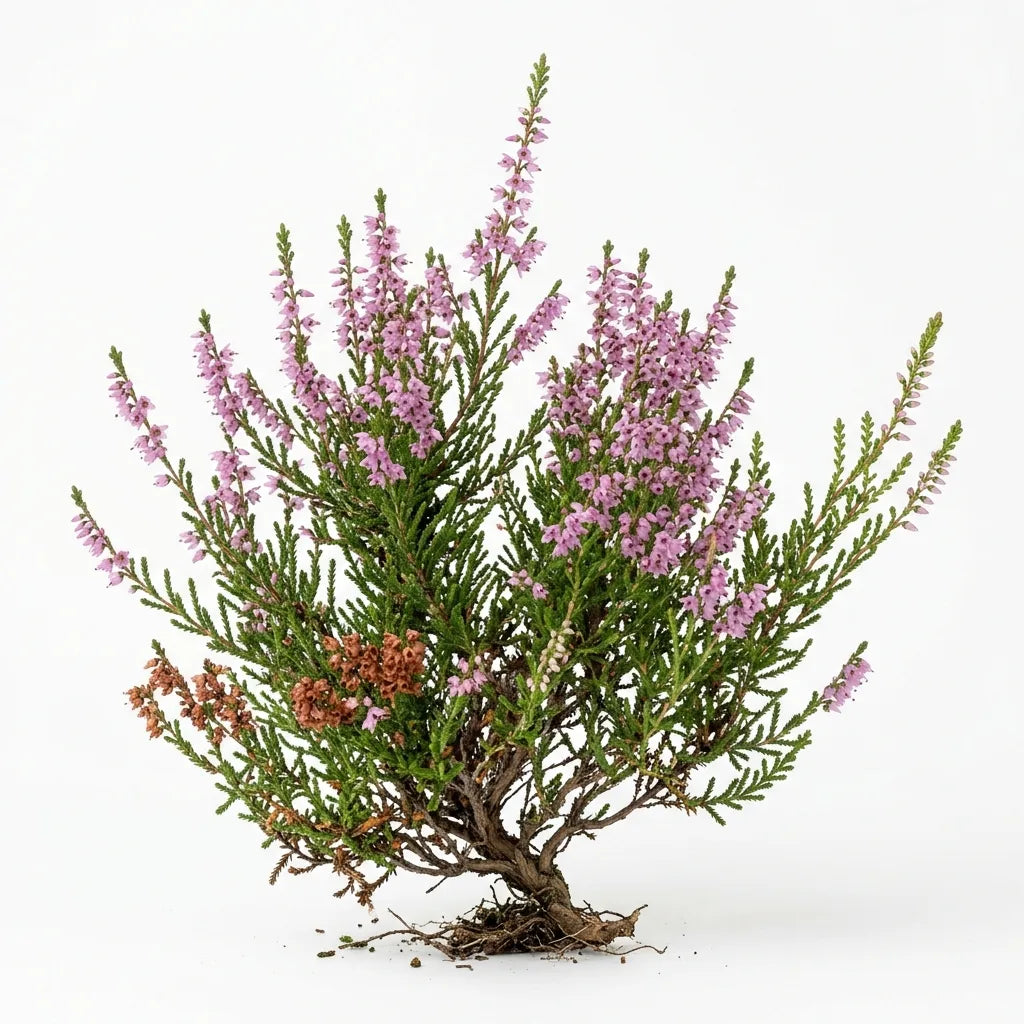
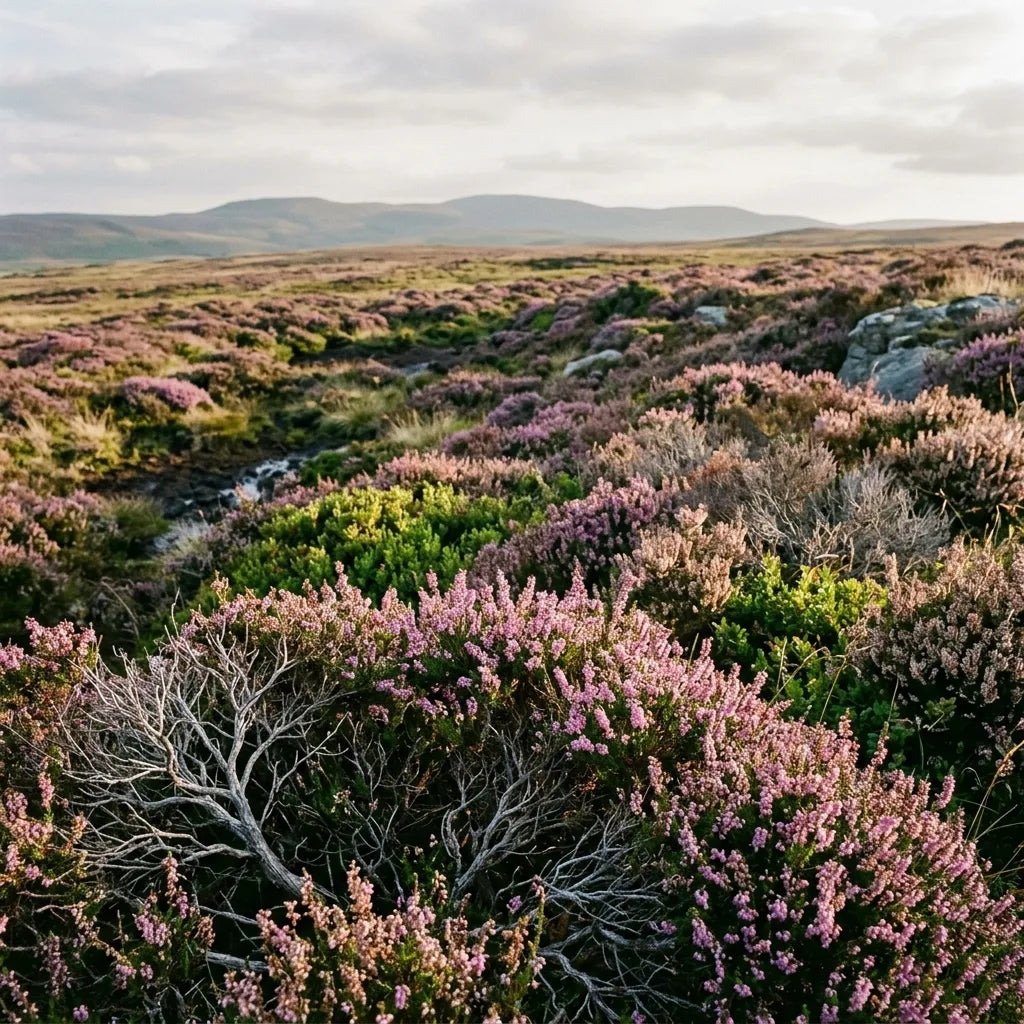
Common heather, ling, heath: this is the flower of Atlantic heathlands and peat bogs, the one that tints the hills of Scotland and Brittany mauve at the end of summer. Despite its delicate appearance, it is a woody subshrub of remarkable hardiness, capable of living for several decades in soils where almost nothing else grows.
Characteristics:
-
Late flowering: from July to September, in spikes of tiny pink, mauve, or white bells, at a time of year when few plants are still flowering.
-
Evergreen foliage: it forms dense, decorative carpets all year round, sometimes tinged bronze in winter.
-
Long-lived subshrub: once established, it occupies the ground for many years.
Sowing advice:
-
Exposure: sunny to partially shaded; in hot climates, prefer partial shade.
-
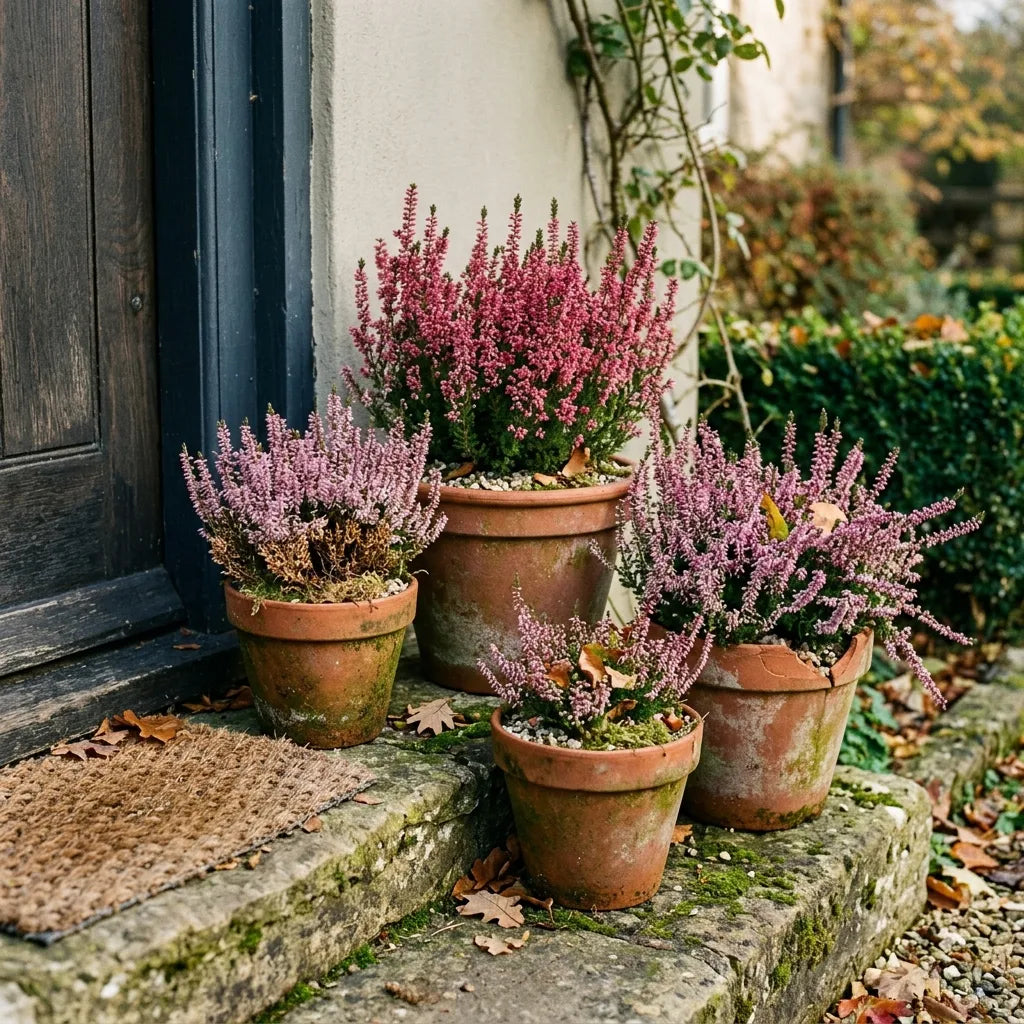
Soil: acidic is essential (pH 4.5 to 6), poor, sandy, well-drained, and kept moist — this is THE key to success. In calcareous soil, it turns yellow and dies: in that case, grow it in a pot with ericaceous soil. Do not add fertilizer; it dislikes rich soils. A pine-bark mulch helps maintain acidity and moisture.
-
Method: the seeds require cold stratification. Then sow in spring, on the surface without covering: they are tiny and need light. Keep the substrate moist; germination is slow.
Planting advice:
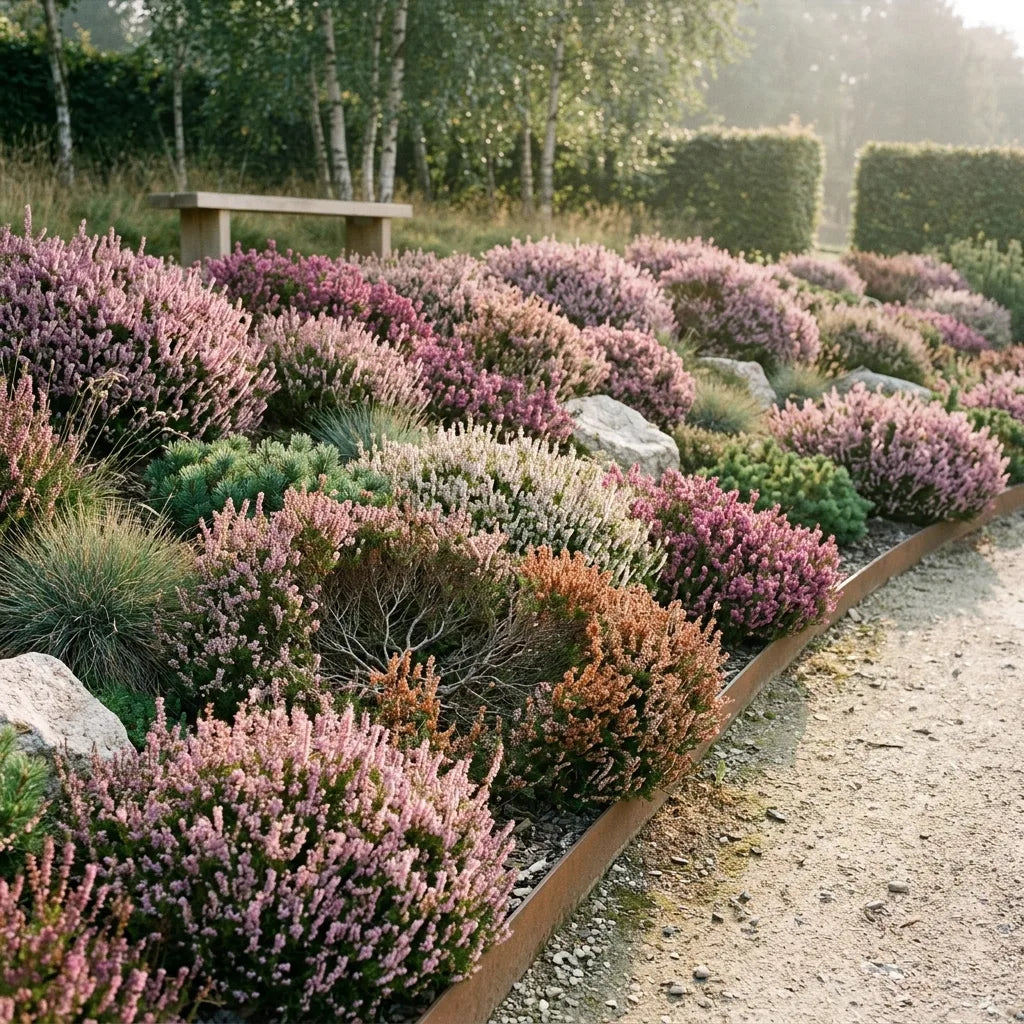
- Transplant into beds, rock gardens, as ground cover, in low hedges, borders, or planters, spacing plants 30 to 40 cm apart.
Care advice:
- Prune lightly after flowering, never cutting into old wood: this is what prevents the plant from becoming bare as it ages.
- Water with rainwater rather than tap water, which is often calcareous.
Benefits for biodiversity:
- A major nectar plant, it flowers during a crucial period when bees are building up their winter reserves: its dark brown honey, with a powerful caramel flavor, is highly prized for gingerbread.
- Its evergreen carpets shelter a variety of small wildlife and provide insects with winter refuge.
Uses:
- Ornamental in beds or planters, its flowers are also well suited to dried bouquets. Traditionally harvested at the beginning of flowering for herbal infusions.
Symbolism:
An emblem of the Scottish Highlands, white heather is reputed to bring good luck there — a belief said to date back to a Celtic legend. It also symbolizes solitude and the beauty of wild landscapes.
Harvesting your own seeds:
Allow the flower spikes to dry completely on the plant until they turn brown, then shake them over a sheet of paper: the seeds are practically dust, so handle them away from the wind. See saving your seeds.
Commitment to Quality: at SemiSauvage - Permaculture, we grow and select our seeds with respect for living things as our guiding principle. Based near the volcanoes of Auvergne, we choose open-pollinated, non-hybrid varieties, tested for their germination rate, carefully sorted and packaged, without any chemical treatment. Our belief: to give gardeners back the ability to resow, year after year, seeds that truly belong to them.
Bring the colors of wild heathlands to your garden with these common heather seeds.