Betula pendula (eş anlamlısı: Betula verrucosa)
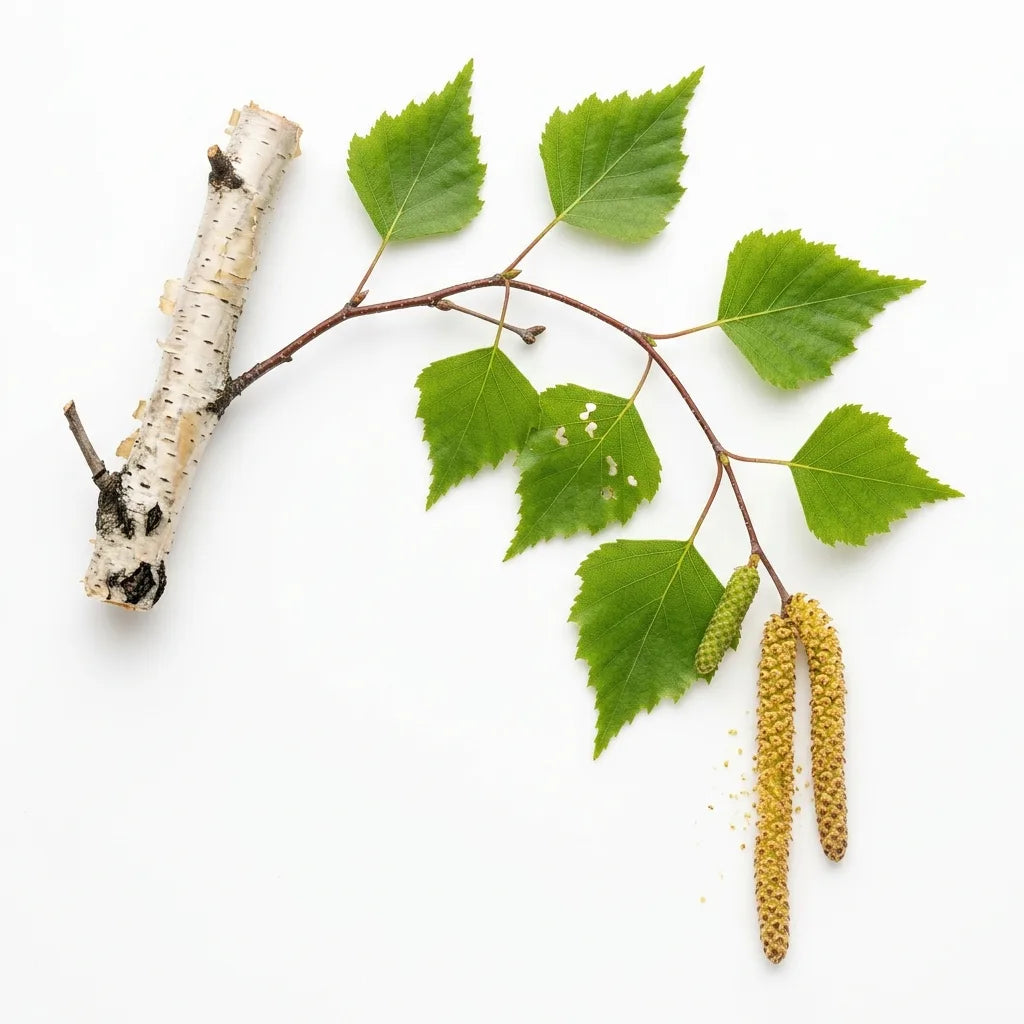
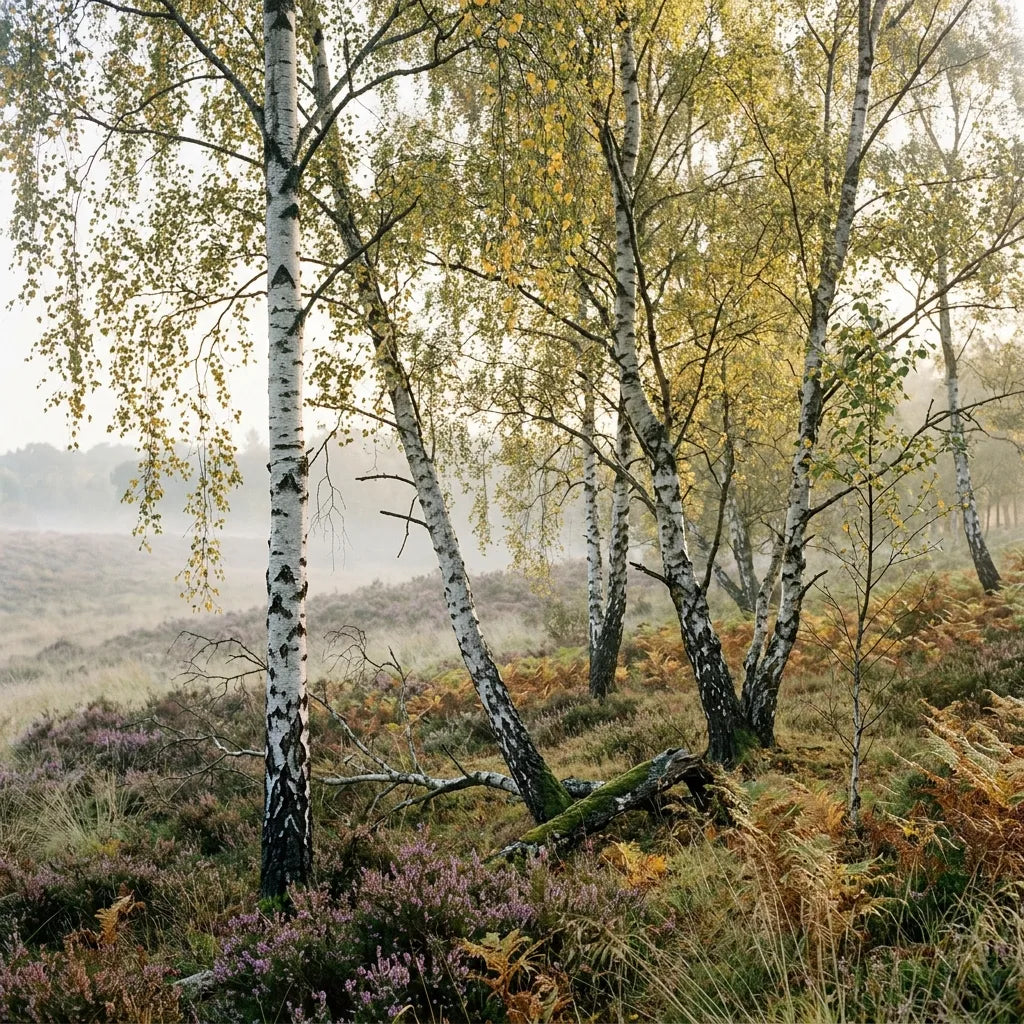
Sarkık huş, siğilli huş, Avrupa huşu, beyaz huş: beyaz kabuğu ince kâğıt tabakaları hâlinde dökülür. Bu özellik, binlerce yıldır kaplar, kanolar ve hatta Orta Asya'nın en eski el yazmalarını yapmak için kullanılmıştır. Aynı zamanda öncü ağaçların en tipik örneğidir; çıplak arazileri yeniden kolonileştiren ilk ağaçtır.
Özellikleri:
-
Parlak beyaz kabuk: tüm yıl boyunca ışıldayan ve kışın özellikle göz alıcı olan ayırt edici özelliğidir.
-
Sarkık gelişim: aşağı doğru sarkan dalları ona kendine özgü bir zarafet ve hafiflik kazandırır.
-
Hafif yaprak örtüsü: yazın açık yeşil, sonbaharda altın sarısı olur ve ışığın geçmesine izin verir.
-
Orta boy: olgunlukta 10 ila 15 metreye ulaşır; ilk yıllarda hızlı büyür.
Ekim önerileri:
-
Işık: tam güneşten yarı gölgeye kadar.
-
Toprak: hafif, drenajı iyi, tercihen asidik ila nötr; fakir veya kumlu topraklarda da yetişir — öncü bir türdür, verimsiz topraklara bile yerleşir. Nemli toprakları iyi tolere eder; ancak yüzeysel kökleri nedeniyle belirgin kireçli topraklardan ve uzun süreli kuraklıktan kaçınılmalıdır.
-
Yöntem: 60 ila 90 günlük bir soğuk katlama önerilir. Ardından yüzeye, üzerini örtmeden ekin; küçük ve kanatlı tohumlarının çimlenmek için ışığa ihtiyacı vardır. 15-20 °C'de 2 ila 4 haftada çimlenir.
Dikim önerileri:
- Kalıcı yerine gençken şaşırtın: huş, geliştikten sonra dikimden fazla zarar görür. Tek başına, üçlü bir grup hâlinde veya sıra boyunca dikilebilir.
- Beyaz kabuğu ve zarif gelişimi onu sevilen bir bonsai türü yapar — tohumdan bonsai yetiştirme rehberimize bakın.
Bakım önerileri:
- Yerleşme döneminde ölçülü sulayın; sonrasında oldukça kendi kendine yeterli hâle gelir. Kök çevresini malçlayın: yüzeysel kökleri kurak yazlardan zarar görür.
- İlkbaharda budamayın: özsuyunu bol miktarda “ağlatır”. Yaz sonunda veya sonbaharda budayın.
Faydalı eşlikçiler:
- Kara mürver gibi diğer yerel türlerle birlikte orman kenarlarında mükemmeldir; asidik toprakları sevmesi bakımından, hafif gölgeyi seven fundalık gibi yer örtücülerle de hoş bir kontrast oluşturur.
-
Permakültür ipucu: öncü bir tür olarak fakir toprakları yapılandırır ve daha karmaşık orman sistemlerine doğru bitkisel bir süreci başlatır. Hafif gölgesi, ilk yıllardan itibaren alt bitki katmanının oluşmasına olanak tanır. Permakültürün temellerine bakın.
Biyoçeşitlilik açısından önemi:
- Huş, Avrupa'da ilişkili biyoçeşitlilik bakımından en zengin ağaç türlerinden biridir: aralarında çok sayıda kelebek tırtılının da bulunduğu yüzlerce böcek türü ona bağlıdır.
- Tohumları kış boyunca çulha kuşlarını, saka kuşlarını ve baştankaraları besler.
- Aralarında çeşitli bolet mantarlarının da bulunduğu pek çok mantarla mikoriza birliktelikleri oluşturur — canlı toprağın temellerine bakın.
Kullanım:
- Bahçeler, ağaçlı yollar ve sulak alanlar için süs ağacıdır. Açık renkli ve hafif odunu hafif marangozlukta, torna işlerinde ve oymacılıkta tercih edilir. İlkbaharda toplanan özsuyu, Kuzey Avrupa'da geleneksel bir içecektir.
Sembolizm:
Kuzey Avrupa'nın tamamında yenilenmenin, saflığın ve ışığın simgesi olan huş, dayanıklılıkla ilişkilendirilir: çıplak veya yanmış bir araziyi yeniden kolonileştiren çoğu zaman ilk ağaçtır.
Kendi tohumlarınızı toplamak:
Dişi kedicikler yaz sonunda kahverengileşir kahverengileşmez, dağılmadan önce toplayın; ardından bir kabın üzerinde ufalayın: kanatlı tohumlar çok küçük ve sayısızdır. Tohumlarınızı saklama rehberine bakın.
Kalite taahhüdü: SemiSauvage - Permaculture olarak tohumlarımızı, yaşamı korumayı temel alarak yetiştiriyor ve seçiyoruz. Auvergne Yanardağları yakınlarında yer alan işletmemizde, yeniden üretilebilen ve hibrit olmayan çeşitleri tercih ediyor; çimlenme oranları test edilmiş, özenle ayıklanıp paketlenmiş ve hiçbir kimyasal işlem görmemiş tohumlar sunuyoruz. İnancımız şu: bahçıvanlara, her yıl gerçekten kendilerine ait olan tohumları yeniden ekme becerisini geri kazandırmak.
Öncü ağaçların en seçkin örneğini dikin ve çıplak toprakta yaşamı başlatın.