Hippophae rhamnoides
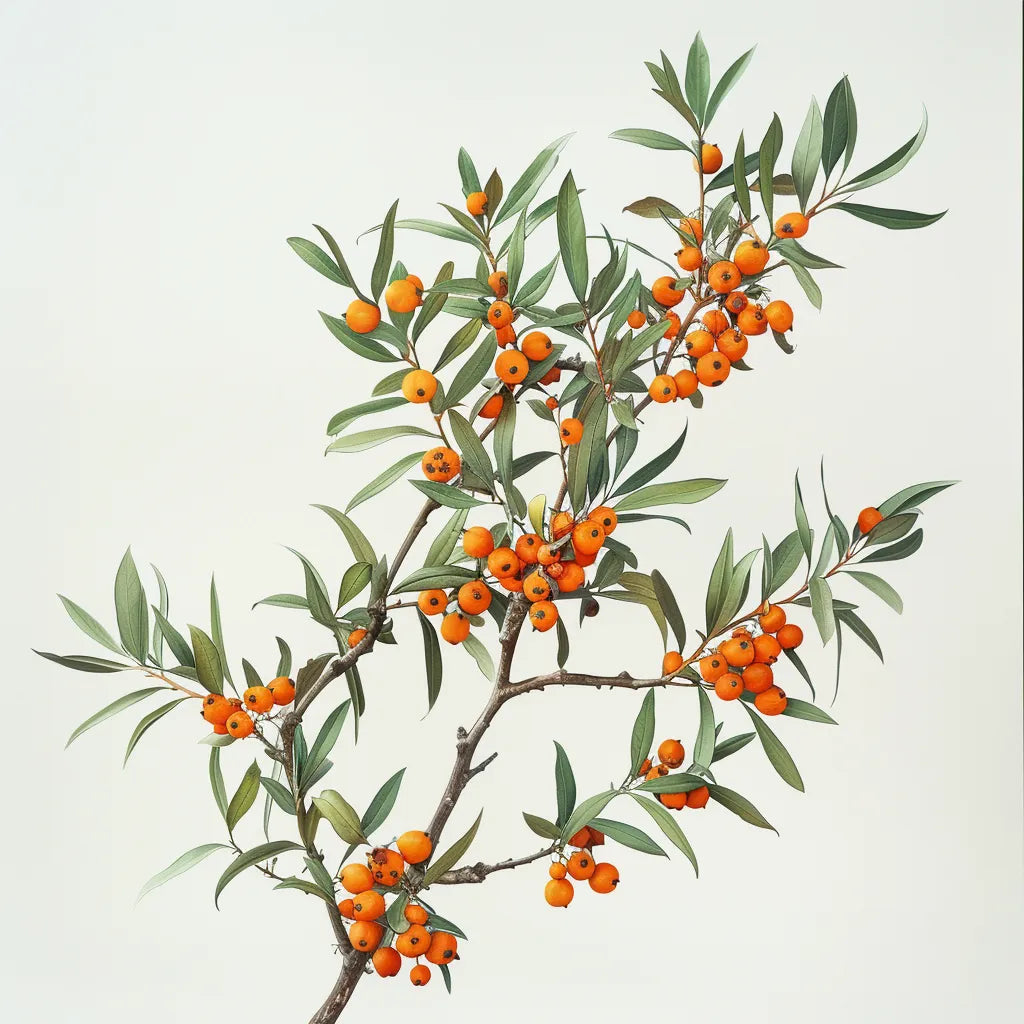
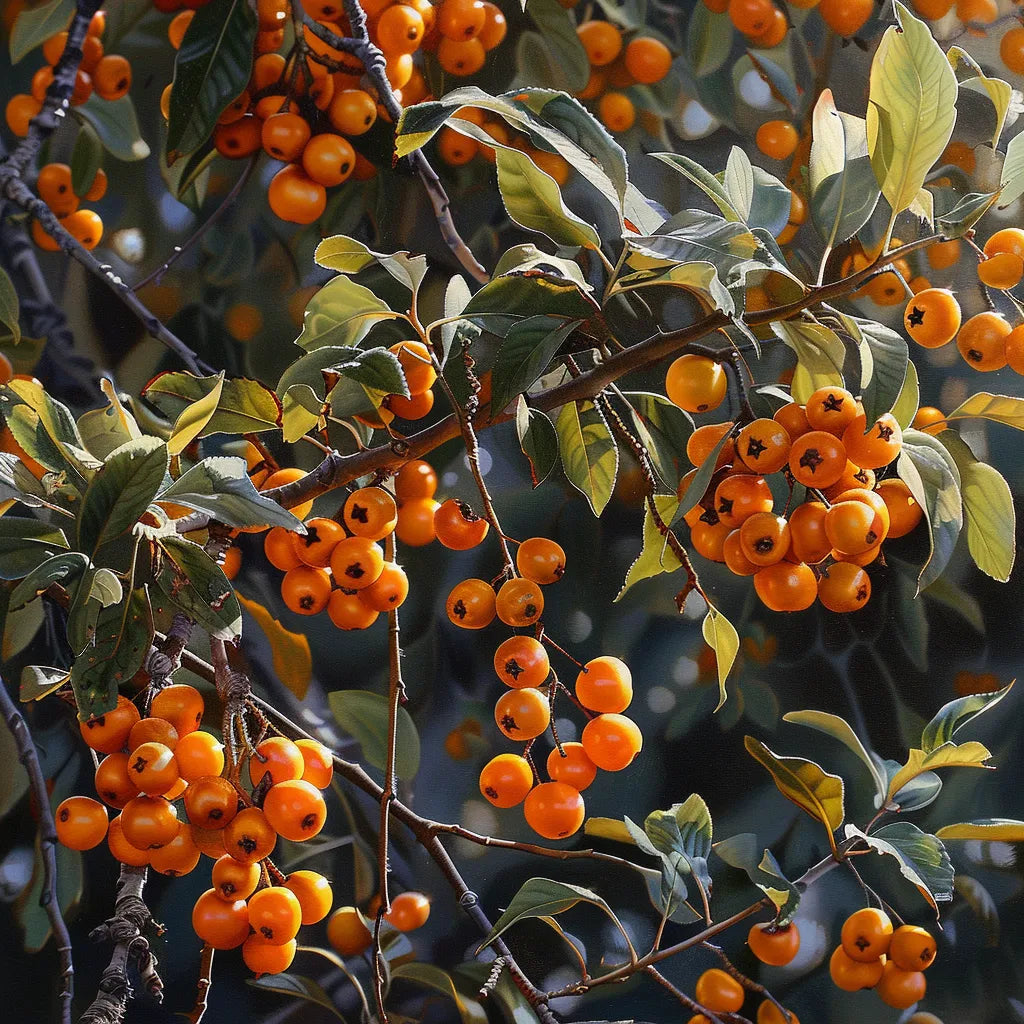
Sea buckthorn, shiny thorn, thorny willow, Siberian pineapple: this last nickname comes from the surprisingly exotic fragrance of its orange berries, which remain attached to the branches until the heart of winter. It is one of the few shrubs capable of colonizing dunes, scree and the most inhospitable soils — while enriching them.
Characteristics:
-
Bright orange berries: very tart, they persist on the branches throughout the winter and brighten up the garden.
-
Thorny shrub: ideal for a defensive hedge, with highly decorative silvery foliage.
-
Nitrogen fixer: its root nodules naturally enrich even the poorest soils.
-
Extremely hardy: it tolerates temperatures down to -30 °C, sea salt and strong winds.
Important — sea buckthorn is dioecious:
- Male and female plants are separate, and only female plants bear fruit. To harvest berries, you therefore need both.
- The practical rule: one male plant for six to eight female plants, planted upwind, as pollination is by wind. Sow generously: the sex cannot be distinguished until the first flowering, at around three or four years old.
Precautions:
- Its branches bear long, sharp thorns: thick gloves are essential for pruning and harvesting.
- It spreads vigorously through root suckers: plan for a rhizome barrier or regular monitoring if you do not want it to spread.
Sowing advice:
-
Position: full sun, without compromise.
-
Soil: virtually any type, including sandy, stony, poor or saline soils, provided they are well drained. As a nitrogen fixer, it needs no amendments and thrives where almost nothing else grows. It only dislikes heavy, waterlogged soils.
-
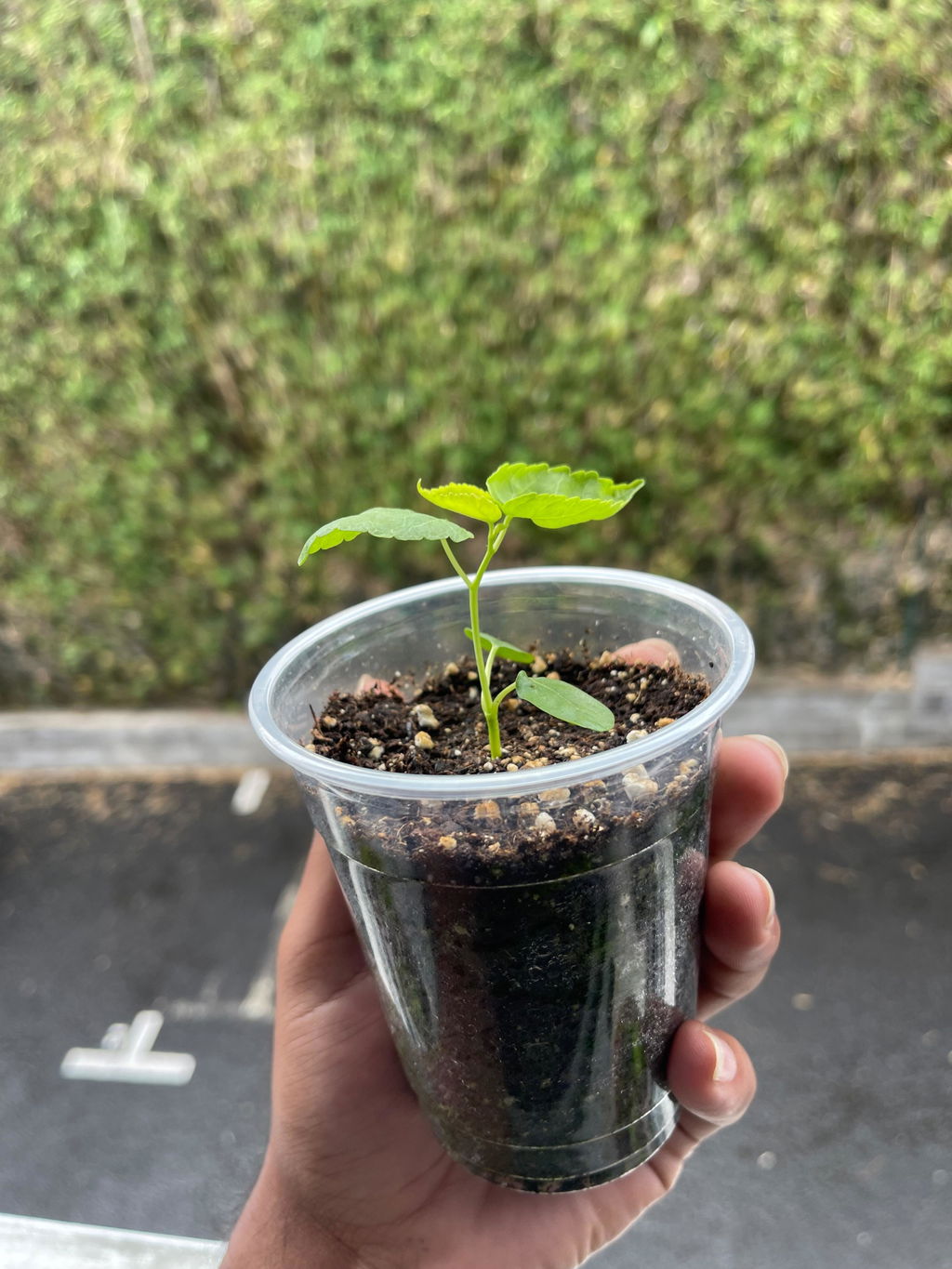
Method: cold stratification for 4 to 6 weeks is necessary to break dormancy. Then sow in spring, in a deep pot or directly in the ground, at a depth of 1 cm.
Planting advice:
- Transplant with 1.50 to 2 metres of spacing in a hedge. Choose the location carefully from the outset: its spreading roots make transplantation difficult afterward.
Care advice:
- Water only during the first two years; afterward, the shrub becomes completely self-sufficient. No fertilization is needed.
- Prune at the end of winter with thick gloves, and check for root suckers every year.
Harvesting advice:
- The berries are fragile and firmly attached among the thorns. The traditional method: cut off fruit-laden branches, freeze them, then shake them — the frozen berries will come off on their own, intact.
- Harvest after the first frosts, which soften their pronounced acidity.
Beneficial combinations:
Benefits for biodiversity:
- Its persistent berries feed blackbirds, thrushes and warblers in the depths of winter, the most critical season for birds.
- Its thorny thicket provides an impregnable nesting refuge, protected from predators.
- Its root nodules fix atmospheric nitrogen and restore degraded soils — it is widely used to stabilize dunes and embankments. See living soil.
Uses:
- Berries for jams, jellies, syrups and juices — their pronounced acidity generally means they need to be sweetened. They freeze very well.
- Defensive hedges, windbreaks, soil stabilization and restoration of degraded land.
- A traditional medicinal plant, also used in cosmetics. See our medicinal plants to sow.
Symbolism:
Its genus name, Hippophae, means “shining horse” in Greek: in ancient times, it was said that horses fed on its foliage developed a glossy coat, which earned it a place in stories about the mounts of Alexander the Great.
Harvesting your own seeds:
Crush fully ripe berries in a little water, rinse to separate the seeds from the pulp, then dry them before winter stratification. See saving your seeds.
Commitment to Quality: at SemiSauvage - Permaculture, we grow and select our seeds with respect for all living things as our guiding principle. Based near the Auvergne Volcanoes, we choose reproducible, non-hybrid varieties, tested for their germination rate, sorted and carefully packaged, without any chemical treatment. Our conviction: to give gardeners back the ability to resow, year after year, seeds that truly belong to them.
The shrub that brings barren lands back to life and feeds birds in winter.