
Tässä artikkelissa 7
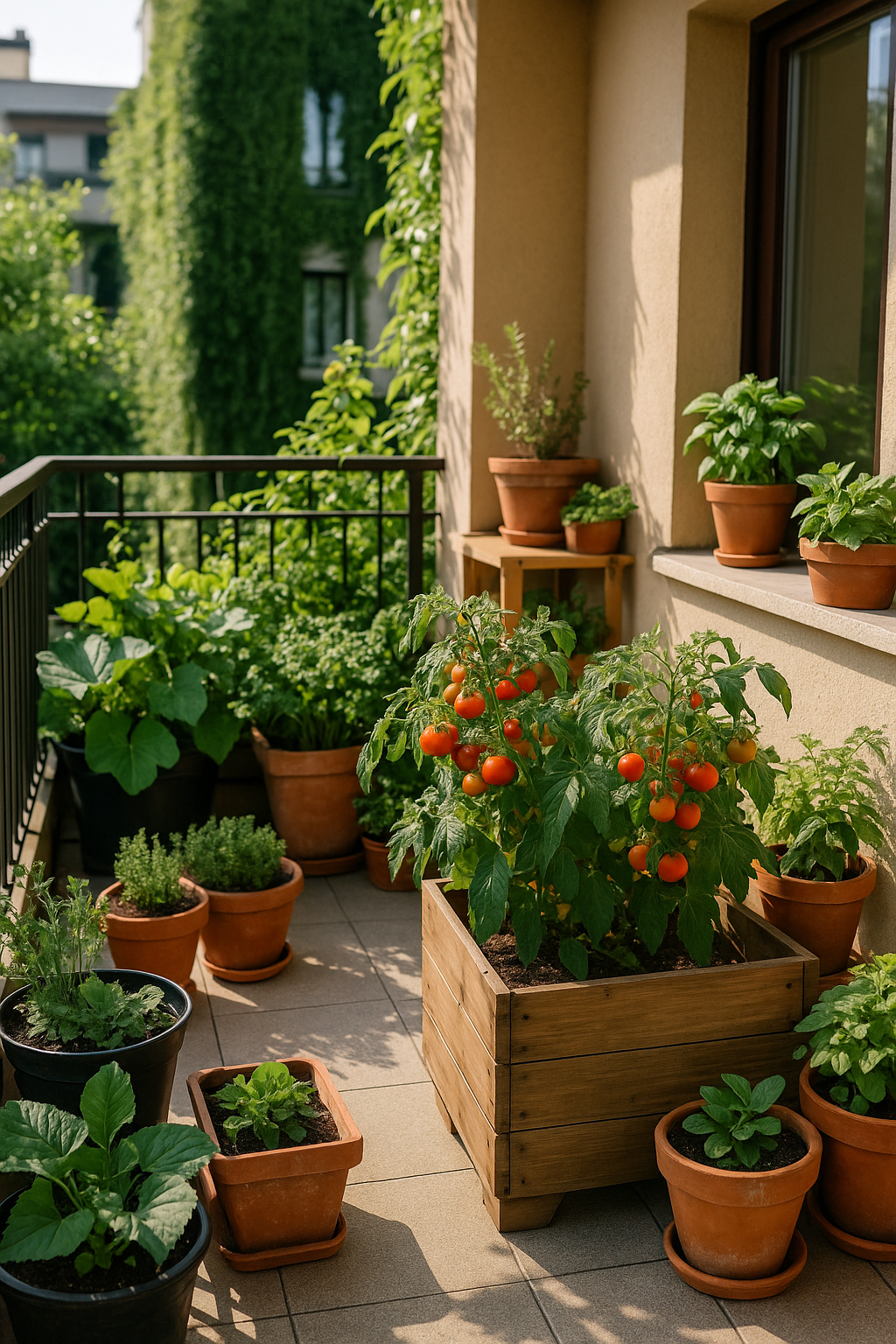
Parvekkeella viljely ei ole pienennetty versio kasvimaasta, vaan erilainen harjoitus omine rajoitteineen. Päärajoite ei ole pinta-ala eikä valo, vaan kasvualustan tilavuus. Avomaalla kasvi tutkii maaperää, kompensoi ja etsii vettä sekä kivennäisaineita sieltä, missä niitä on. Ruukussa sillä on täsmälleen vain se, minkä sille annatte — ja kun varasto on käytetty loppuun, apua ei ole saatavilla.
Kaikki seuraava johtuu tästä rajoitteesta: mitoita astia reilusti, sekoita koko kasvukauden kestävä kasvualusta, kastele sen mukaisesti ja valitse lajeja, jotka pärjäävät rajallisessa tilassa.
Astioiden mitoitus
Tämä on rakenteellisesti merkittävin päätös, ja tässä optimismi johtaa useimmin virhearvioon. Liian pieni ruukku tuomitsee viljelyn epäonnistumaan heti alusta: mikään hoito ei korjaa liian pientä tilavuutta.
| Kasvi | Vähimmäistilavuus | Syvyys |
|---|---|---|
| Yrtit (basilika, ruohosipuli, persilja) | 3–5 l | 15-20 cm |
| Salaatit, rucola, vuonankaali | 5 l | 15-20 cm |
| Retiisi, pinaatti, uudenseelanninpinaatti | 10 l | 20-25 cm |
| Kirsikkatomaatti, paprika, chili | 15–20 l | 30 cm |
| Suurimhedelmäinen tomaatti, kesäkurpitsa, munakoiso | 30–40 l | 40 cm |
| Pensaspapu, herne | 15 l | 25-30 cm |
| Porkkana, palsternakka | — | Vähintään 40 cm |
Kolme yksityiskohtaa, jotka muuttavat kaiken
- Vedenpoistoreiät aina. Reiätön astia muuttaa pohjan hapettomaksi alueeksi, jossa juuret mätänevät. Jos käytät jotakin esinettä uuteen tarkoitukseen, poraa siihen reiät.
- Mieluiten vaalea väri. Etelänpuoleisella paikalla mustan ruukun juuristo voi lämmetä yli 40 °C:een, jolloin juuret lakkaavat toimimasta ja vaurioituvat. Vaalea saviruukku tai ruukun varjostaminen toisella ruukulla ratkaisee ongelman.
- Aluslautanen vain kesällä. Se toimii helteillä hyödyllisenä pienenä vesivarastona, mutta talvella se hukuttaa juuret ja edistää jäätymistä.
Saman tilavuuden tapauksessa leveä ja matala ruukku kuivuu paljon nopeammin kuin kapea ja syvä ruukku: pienempi paljaana oleva pinta-ala tarkoittaa vähemmän haihtumista. Lisäksi syvyys antaa juurille mahdollisuuden kasvaa alaspäin, missä kasvualusta pysyy viileänä.
Kasvualusta: pieni elävä maaperä
Pelkkä kaupasta ostettu kasvualusta kuluu loppuun kahdessa kuukaudessa ja tiivistyy: sen rakenne perustuu hajoaviin kuituihin, eikä mikään korvaa niitä. Koko kasvukauden kestävä seos:
- 60 % laadukasta kasvuturvetta — perusta
- 20 % kypsää kompostia — ravinnevarasto ja ennen kaikkea mikrobielämä, joka tekee ravinteet kasveille käyttökelpoisiksi
- 20 % kuivatusta lisäävästä aineksesta — kookoskuitua, perliittiä, hienoa hohkakiveä tai karkeaa hiekkaa
Jotkut lisäävät hieman savea (bentoniittia) parantamaan vedenpidätyskykyä: se toimii, kun sitä käytetään kohtuudella.
Katteita myös ruukkuihin
Tämä on parvekkeen tuottoisin toimenpide, ja lähes kukaan ei tee sitä. Kahden senttimetrin kate hamppukuidusta, pellavasta, kaakaonkuorista tai yksinkertaisesti kuivista lehdistä vähentää haihtumista huomattavasti, estää kasvualustan pinnan kuorettumista ja tasaa lämpötilan vaihteluita.
Ylläpidä kasvualustan ravinteikkuutta
Ruukussa ei ole ravinnevarastoa: ravinteet huuhtoutuvat pois kasteluveden mukana. Lisää kompostia tai matokompostia kuuden–kahdeksan viikon välein paljon ravinteita vaativille kasveille (tomaatille, kesäkurpitsalle ja paprikalle), mutta harvemmin Välimeren alueen yrteille, jotka suosivat niukempaa kasvualustaa. Asunnossa käytettävä matokompostori sulkee kierron: keittiöjätteet palaavat ruukkuihin.
Mitä kasvattaa kasvupaikan valoisuuden mukaan
Etelään, vähintään 6 tuntia aurinkoa
Kaikki on mahdollista, mutta rajoite liittyy enemmän lämpöön kuin valon määrään. Suosi kirsikkatomaatteja, paprikoita, chilejä, munakoisoja sekä Välimeren alueen yrttejä — timjamia, oreganoa ja kynteliä — jotka viihtyvät melko kuivassa ja niukkaravinteisessa kasvualustassa. Järjestä heinä–elokuun kuumimmille tunneille kevyt varjostus.
Itään tai länteen, 4–6 tuntia aurinkoa
Se on itse asiassa parvekeviljelylle paras suuntaus: aamu- tai ilta-aurinkoa ja huomattavasti vähemmän veden aiheuttamaa stressiä. Salaatteja, mangoldia, retiisejä, pensaspapuja, mansikoita, basilikaa sekä kesäkurpitsaa suuressa ruukussa.
Pohjoiseen tai varjoon, alle 4 tuntia aurinkoa
Rajoittava, mutta ei mahdoton tilanne. Persiljaa, ruohosipulia, minttua, suolaheinää, vuonankaalia, pinaattia, rucolaa sekä kesäsalaatteja, jotka varjossa kukkivat huomattavasti hitaammin. Luovu sen sijaan hedelmiä tuottavista vihanneksista: ilman riittävää valoa ne kasvattavat lehtiä mutta eivät tuota satoa, ja menetät kasvukauden turhaan odottaessasi.
Hyödynnä pystysuuntainen tila
Kolmen neliömetrin parvekkeella on usein käytettävissä kuusi neliömetriä seinäpintaa. Säleiköt tuoksuherneille ja köynnöspavuille, porrastetut hyllyt, jotta ruukut eivät varjosta toisiaan, seinätaskut yrteille ja riippuruukut riippuville kirsikkatomaateille sekä kääpiönasturtseille.
Huomioi paino. Märällä mullalla täytetty 40 litran laatikko painaa noin 30 kiloa. Vanhalla parvekkeella jaa kuorma kantavan seinän viereen mieluummin kuin reunoille, ja selvitä epäselvissä tapauksissa sallittu kuormitus.
Kastelu: todellinen haaste
Tämä saa useimmat parvekekasvimaat epäonnistumaan, ja molempiin suuntiin: vedenpuute tappaa nopeasti, liika vesi hitaasti mutta varmasti juurten tukehtumisen vuoksi.
- Testaa sormella 3 cm:n syvyydeltä ennen jokaista kastelua. Pinnan tumma kasvualusta voi olla alta kuiva, ja vaalea kasvualusta voi olla edelleen kosteaa. Myös ruukun nostaminen ja sen painon arvioiminen on hyvä mittari.
- Kastele runsaasti, kunnes vettä valuu rei'istä, ja anna kasvualustan kuivua osittain ennen seuraavaa kastelua. Pienet, usein toistuvat vesimäärät kastelevat vain ruukun yläosan ja pitävät juuret pinnassa.
- Aikaisin aamulla tai illalla, ei koskaan lehtien ollessa suorassa auringonpaisteessa.
- Kuivuessaan kasvualusta muuttuu vettä hylkiväksi: se kutistuu, vesi valuu pitkin reunoja ja tulee ulos rei'istä kastelematta paakkua. Upota ruukku tällöin vatiin 20 minuutiksi, kunnes kuplia ei enää muodostu.
- Varaudu poissaoloihin. Heinäkuussa 20 litran ruukussa kasvava tomaatti tarvitsee vettä joka päivä. Siirrä ruukut varjoon ennen lähtöä, lisää kate kaksinkertaiseksi tai asenna ajastimella toimiva tippukastelu — se on luotettavin ratkaisu yli kolmen päivän poissaoloihin.
Tuuli, aliarvioitu haaste
Korkealla tuuli kuivattaa nopeammin kuin aurinko ja katkoo varsia. Harva tuulensuoja — esimerkiksi ruokomatto, säleikkö tai rivi kestäviä kasveja — on selvästi tehokkaampi kuin umpiseinä, joka aiheuttaa taakseen pyörteitä ja voi pahentaa ongelmaa. Tue hedelmiä tuottavat vihannekset järjestelmällisesti, myös kääpiölajikkeet, ja suosi ylemmissä kerroksissa painavia tai painotettuja astioita.
Usein kysyttyä
Voiko kasvualustaa käyttää uudelleen vuodesta toiseen?
Kyllä, kunhan kasvualusta uudistetaan: poista juuret ja suuret kasvinjätteet, sekoita joukkoon kolmannes uutta kompostia ja hieman salaojittavaa ainesta. Vaihda kasvualusta kokonaan, jos kasvilla on ollut juuritauti, ja vältä istuttamasta samaan ruukkuun saman kasviheimon kasveja kahtena peräkkäisenä vuonna — viljelykierto koskee myös ruukkukasvatusta.
Tarvitaanko pohjalle kevytsoraa?
Vastoin yleistä tapaa salaojituskerros pohjalla ei ole aina tarpeen. Se muodostaa maalajien välisen rajapinnan, joka voi pidättää vettä juuri sen yläpuolelle, missä sitä haluttiin välttää. Hyvin vettä läpäisevä kasvualusta ja hyvät tyhjennysreiät riittävät useimmiten; kevytsorakerroksesta on hyötyä lähinnä hyvin syvissä tai sivuilta rei'ittämättömissä astioissa.
Mitä talvella pitäisi tehdä?
Vuonankaali, pinaatti, rucola ja monivuotiset yrtit pärjäävät ulkona ongelmitta. Muista kaksi asiaa: ryhmittele ruukut seinän viereen ja pidä mielessä, että juuret jäätyvät ruukussa paljon nopeammin kuin maassa — talvisuojakangas tai pahvi on kiedottava ruukun ympärille, ei pelkästään lehtien suojaksi.
Maistuvatko parvekekasvikset vähemmän?
Ei, jos ravinteita ja kastelua on riittävästi. Lievä vesistressi jopa voimistaa makuja, etenkin tomaateissa — mutta toistuessaan se vähentää satoa huomattavasti ja halkaisee hedelmät.
Voiko parvekkeelta kerätä omia siemeniä?
Kyllä, ja itsepölytteisillä lajeilla se on jopa puutarhaa helpompaa: lähellä on vähemmän lajikkeita, joten risteytymisiä tapahtuu vähemmän. Tomaatit, pavut, salaatit ja basilika sopivat tähän erittäin hyvin. Katso Näin säilytät siemenesi.
Tärkeää muistaa
Valitse ruukut mieluummin reilun kokoisina, käytä katetta ja aloita kolmesta tai neljästä hyvin valitusta lajista kymmenen huonosti menestyvän sijaan. Hyvin hoidettu parveke tuottaa kaikki keittiön tarvitsemat yrtit ja lisäksi syötävää kesäaterioiden seuraksi — se on jo paljon kolmelta neliömetriltä.
Lue lisää
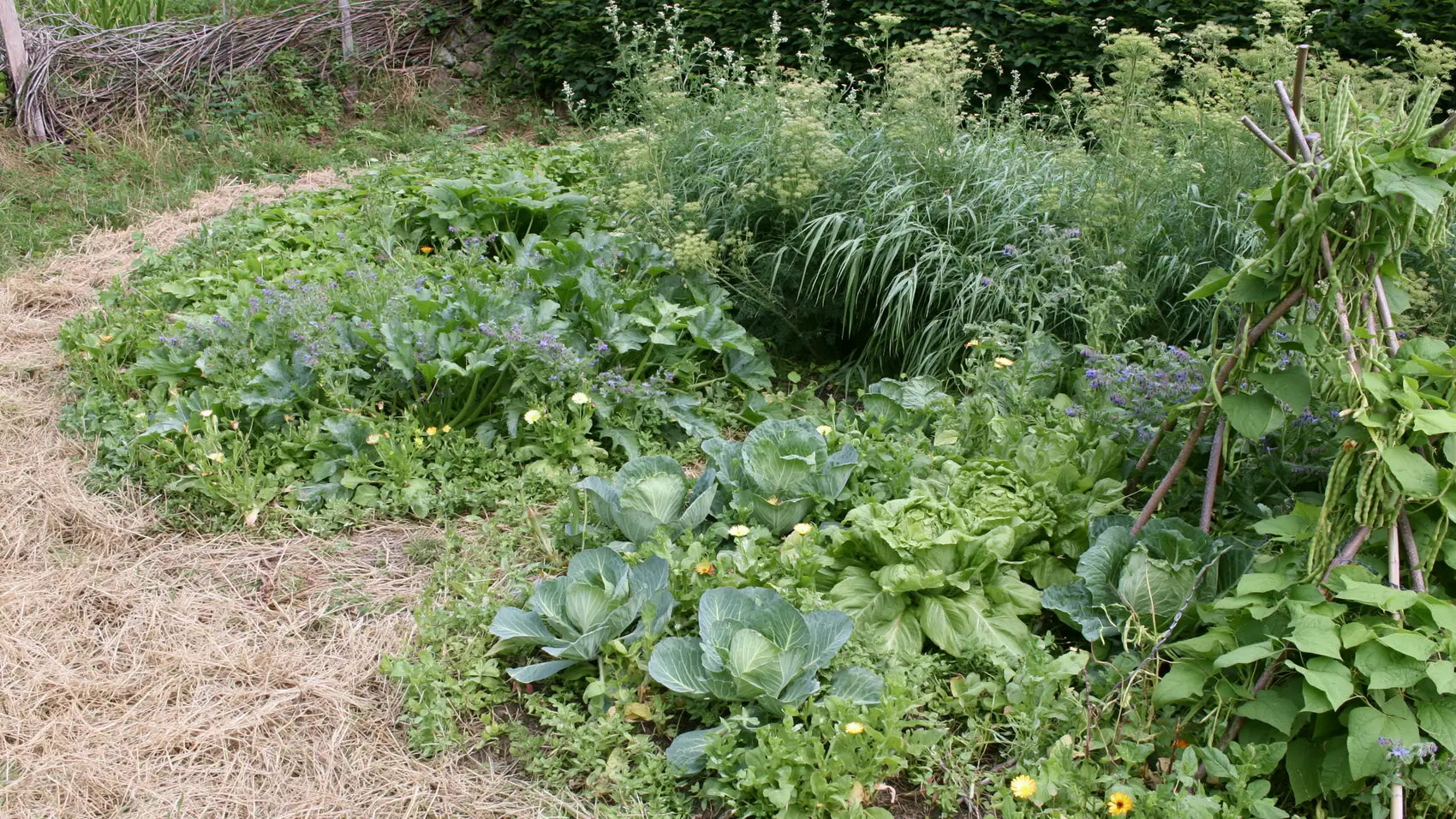
- Permakulttuuripuutarhan luominen pieneen tilaan
- Kylvökalenteri kuukausi kuukaudelta
- Basilikan siemenet: kylvö ja yhteensopivat kasvit
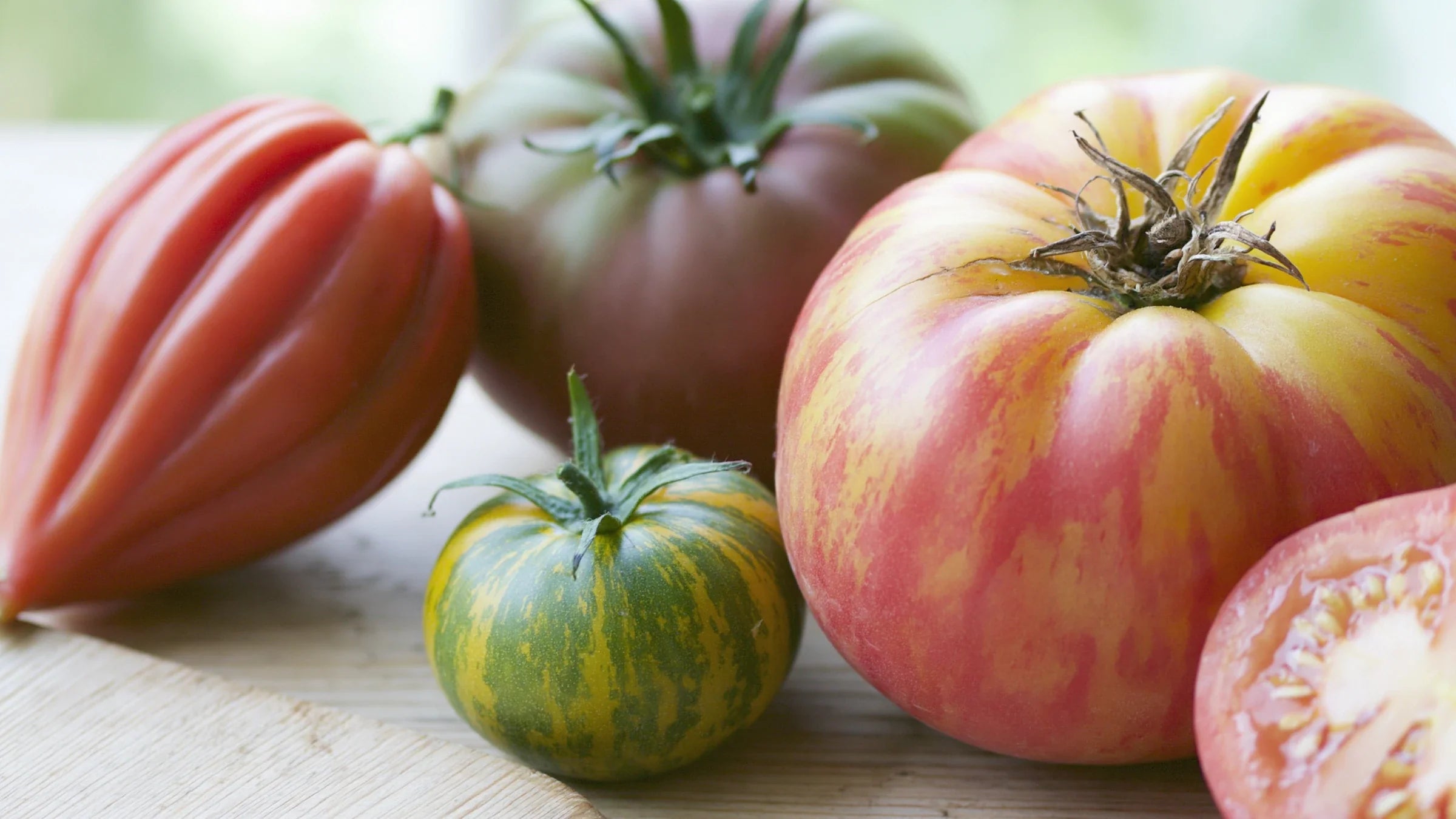
- Vanhojen tomaattilajikkeiden siemenet: lajikkeet, kylvö ja hoito
Kylvöksemme ympäri vuoden ja aromaattiset siemenemme soveltuvat erityisen hyvin ruukkukasvatukseen.

Jätä kommentti
Tämä sivu on suojattu hCaptcha-tunnistuksella, ja hCaptchan tietosuojakäytäntöjä ja käyttöehtoja sovelletaan.