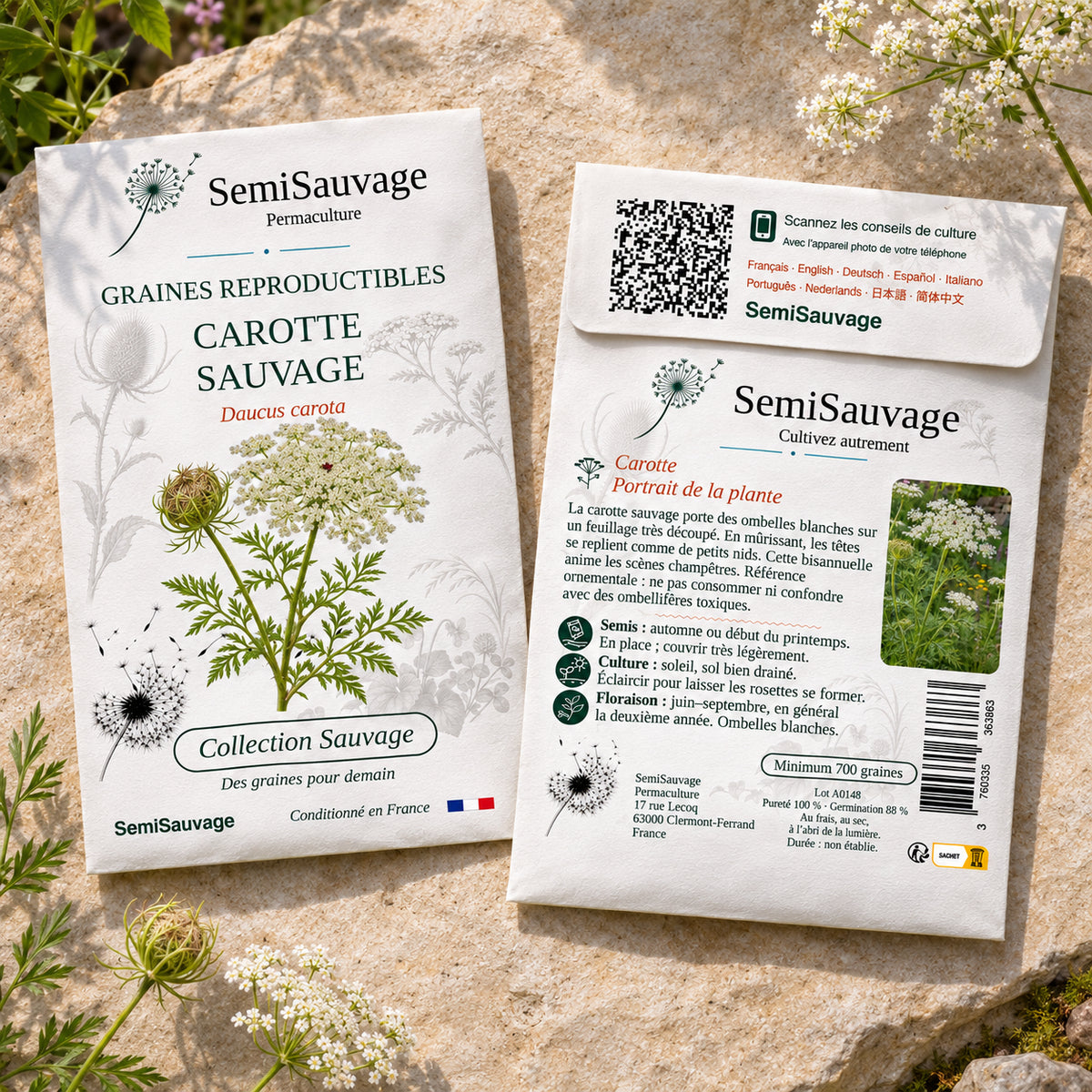
Daucus carota
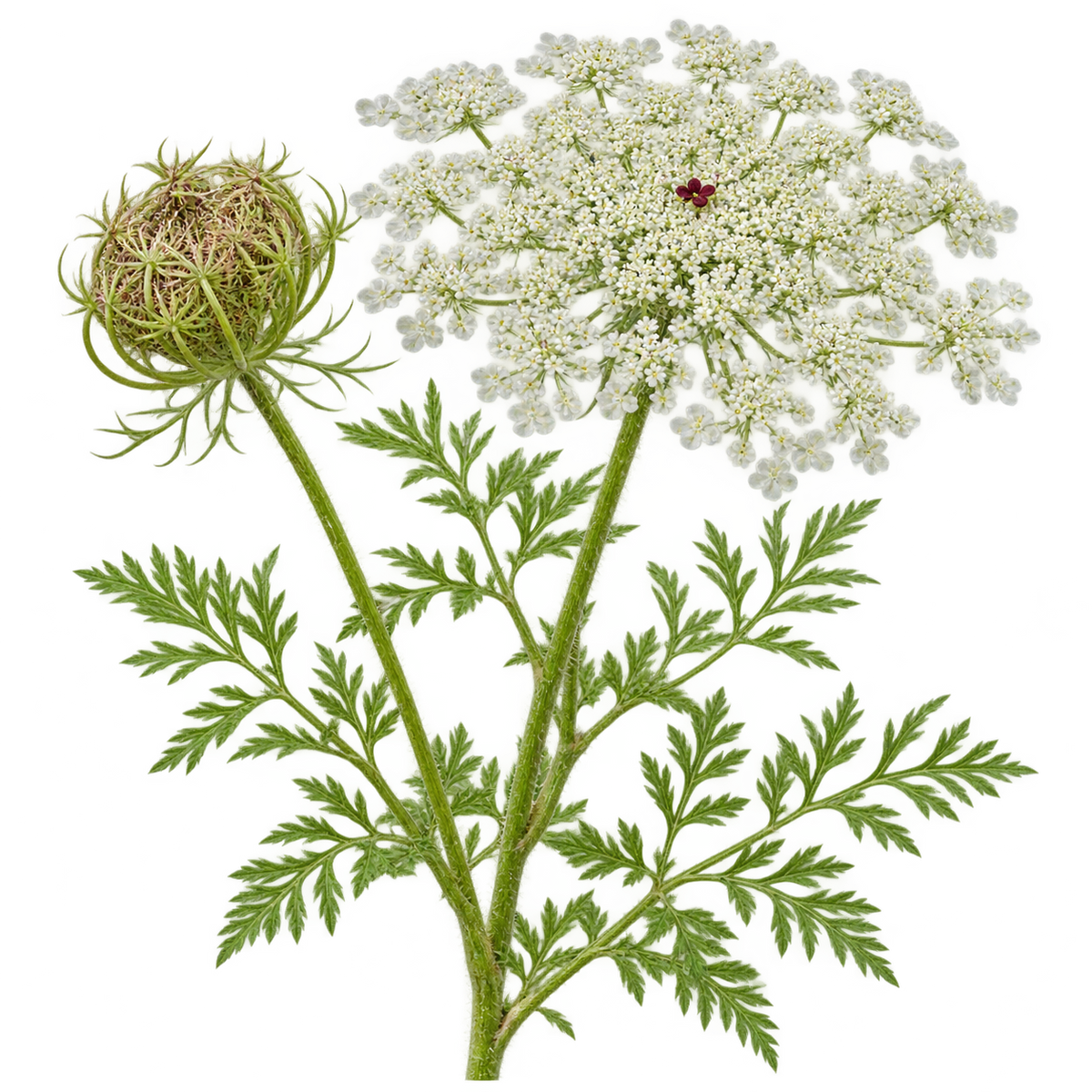
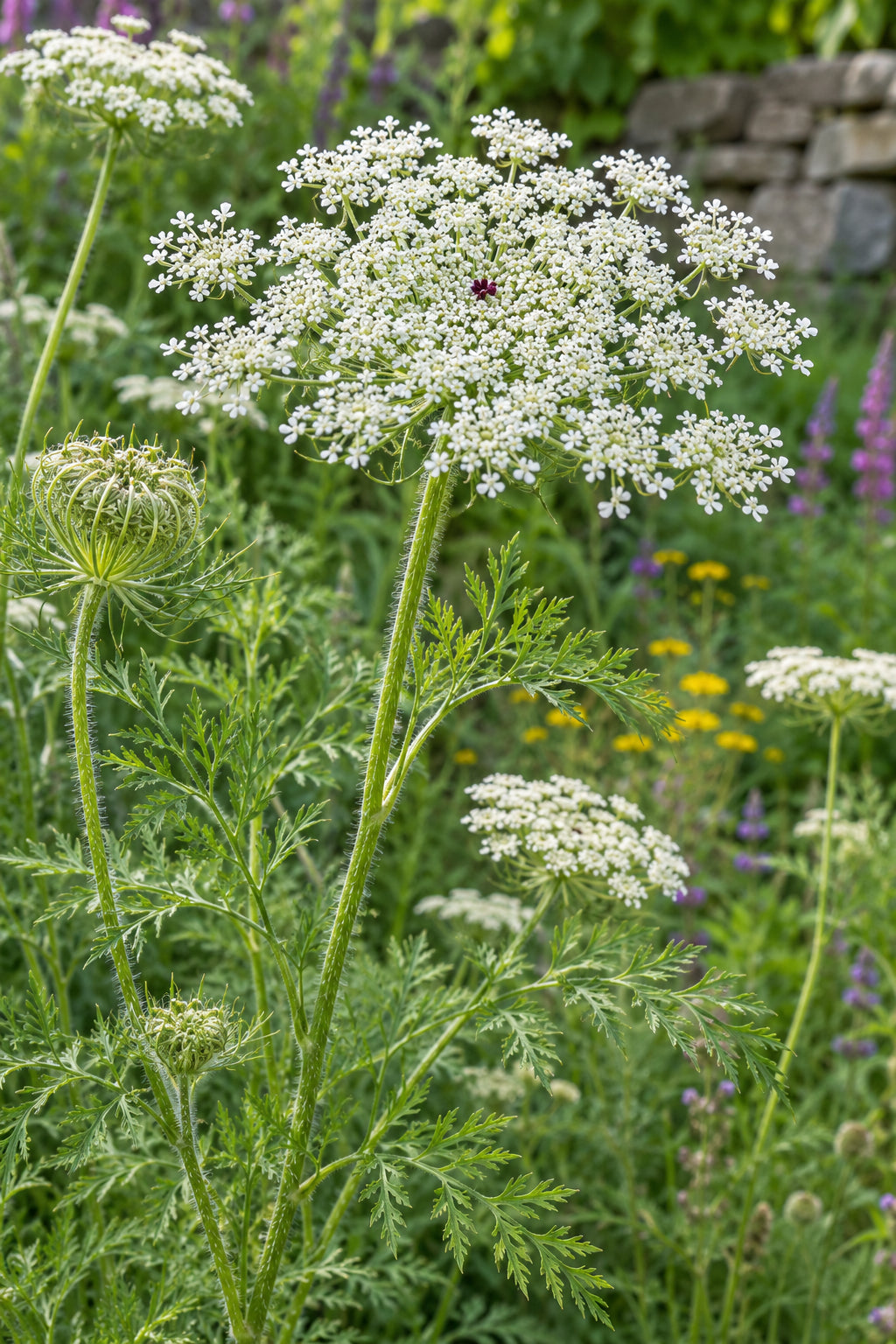
Wild carrot adds white umbels above finely divided foliage to cottage-style flower beds. It remains interesting after flowering: the heads curl inward as they mature, forming a small nest shape. This variety is grown for ornamental purposes, with a life cycle that gives the rosette time to establish before the flowering stems emerge.
Characteristics:
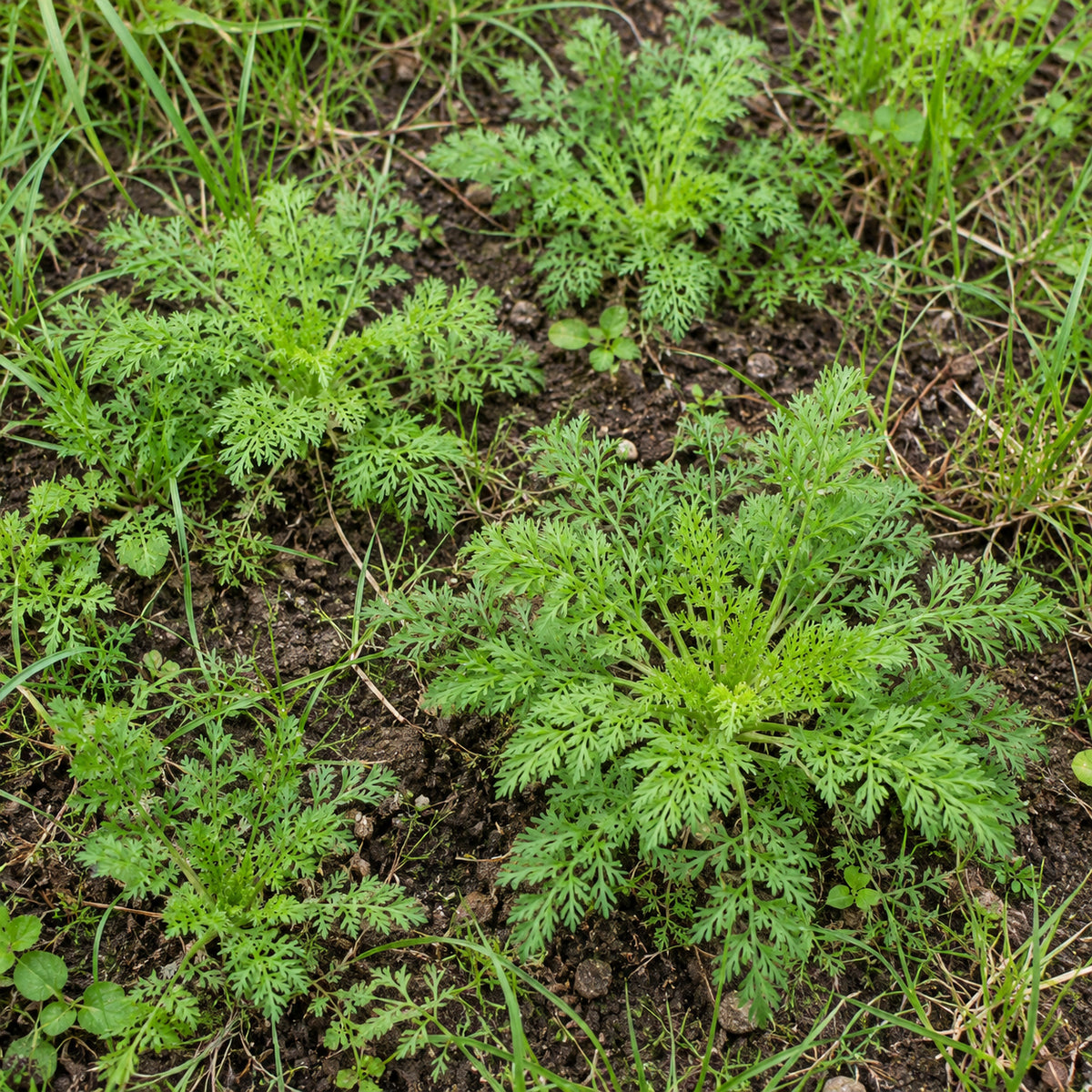
This biennial usually forms a rosette of leaves in the first year, then flowers in the second. In an umbel, small groups of flowers are borne on rays that spread from a single point. Wild carrot’s white umbels and finely divided foliage lend plantings a light, airy silhouette.
Sowing tips:
Sow directly in the chosen location, in autumn or early spring. Prepare a fine surface, scatter the seeds, then cover them very lightly. Keep the soil moist while they establish, without waterlogging it. A cold period can encourage germination. Direct sowing avoids disturbing the taproot during transplanting.
Find preparation instructions in our guide to sowing methods.
Growing and care:
Choose a sunny spot with well-drained soil. Thin the seedlings so the rosettes have room to grow, and weed carefully around young plants. Mark their location before working on the flower bed: not having a flowering stem in the first year is part of the normal life cycle.
Flowering and ornamental use:
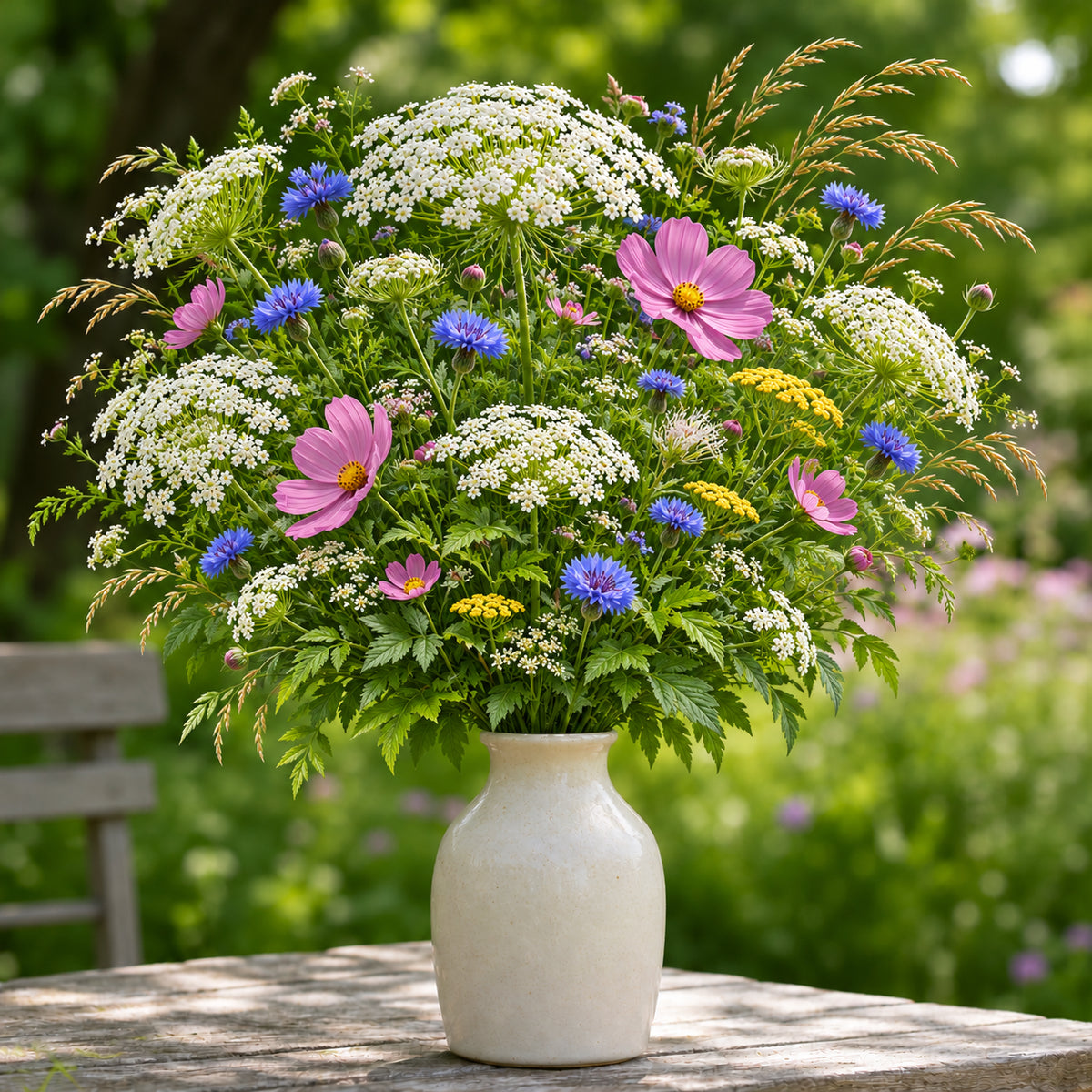
Flowering usually begins in the second year, from June to September depending on conditions. In the garden, pair the umbels with grasses and flowers of different shapes. In a wildflower bouquet, a few stems can complement cosmos, cornflowers and foliage: the umbels add a light touch to the arrangement. The packet contains only wild carrot seeds; the companion flowers in the bouquet illustrate a decorative pairing. Leave other flower heads on the plant to observe their development or produce seeds.
Benefits for biodiversity:
The flowers can attract pollinating insects. In a diverse flower bed, leave some flowers to bloom and avoid cutting all the stems at once. If you want to limit self-seeding, remove the flower heads before the seeds disperse, while keeping those intended for harvesting separate.
Harvesting your own seeds:
Wait until the umbels turn brown and dry, then cut them before the seeds disperse. Leave them to finish drying in a paper bag in a dry, well-ventilated place. Separate and sort the small dry fruits, which are the seeds for resowing. Harvest only from plants you have grown and identified. Cross-pollination with cultivated carrots left to flower is possible, so a garden harvest does not guarantee identical offspring. See our tips on storing harvested seeds.
Precautions for use:
Strictly ornamental variety: do not consume or identify a wild plant based on an image. Do not confuse it with other Apiaceae, some of which are poisonous. The illustrations in this listing show decorative use.
Commitment to Quality:
At SemiSauvage, we offer open-pollinated seeds to cultivate diversity in the garden. This packet contains at least 700 seeds, packaged in France. The dates given are guidelines to adapt to the climate and growing conditions.