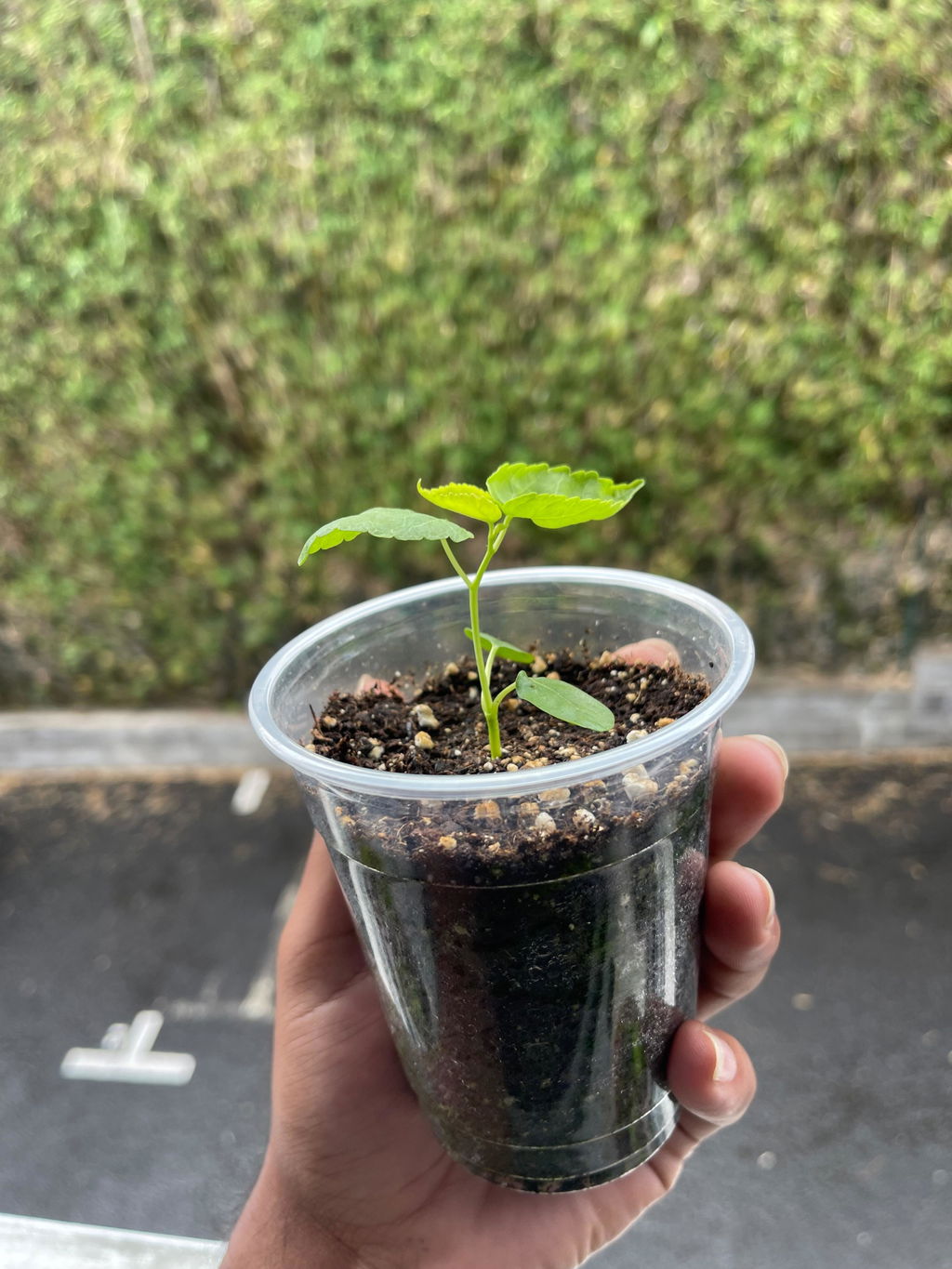
Valeriana officinalis
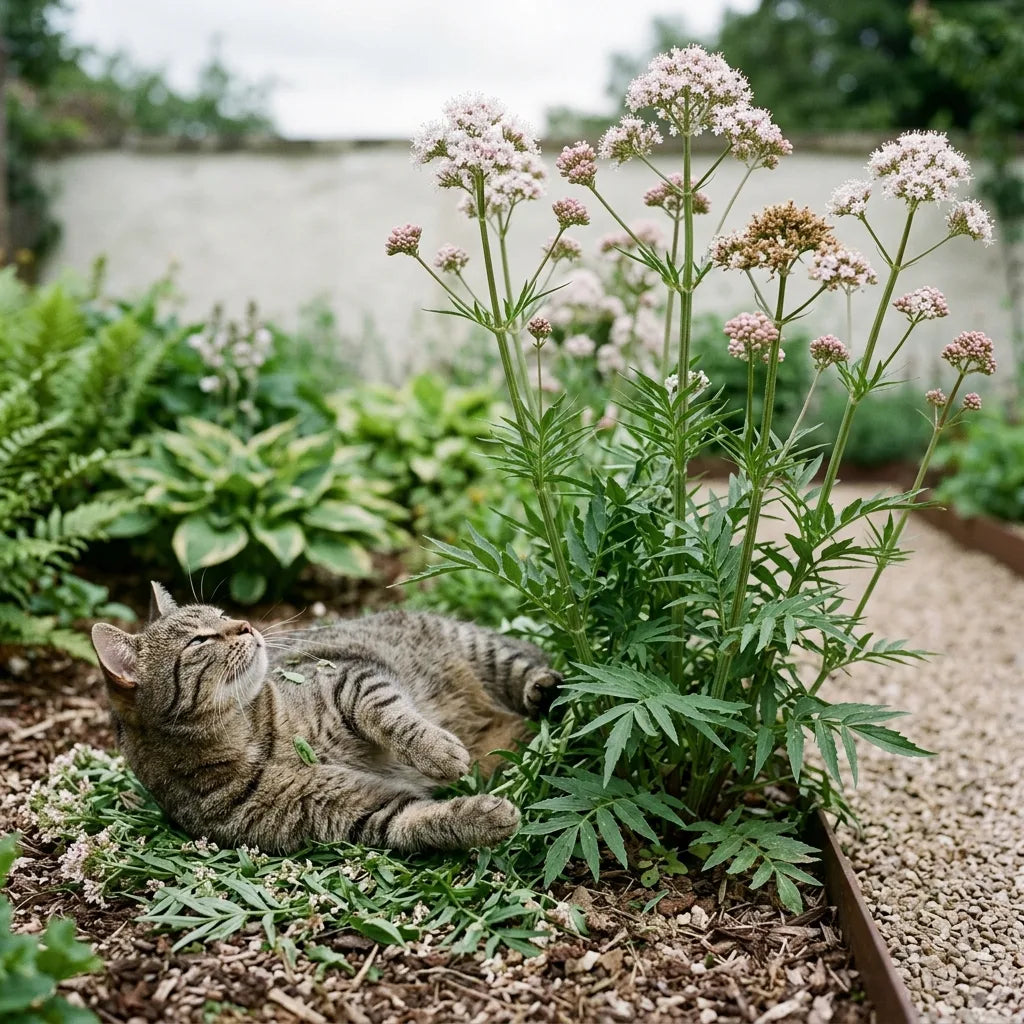
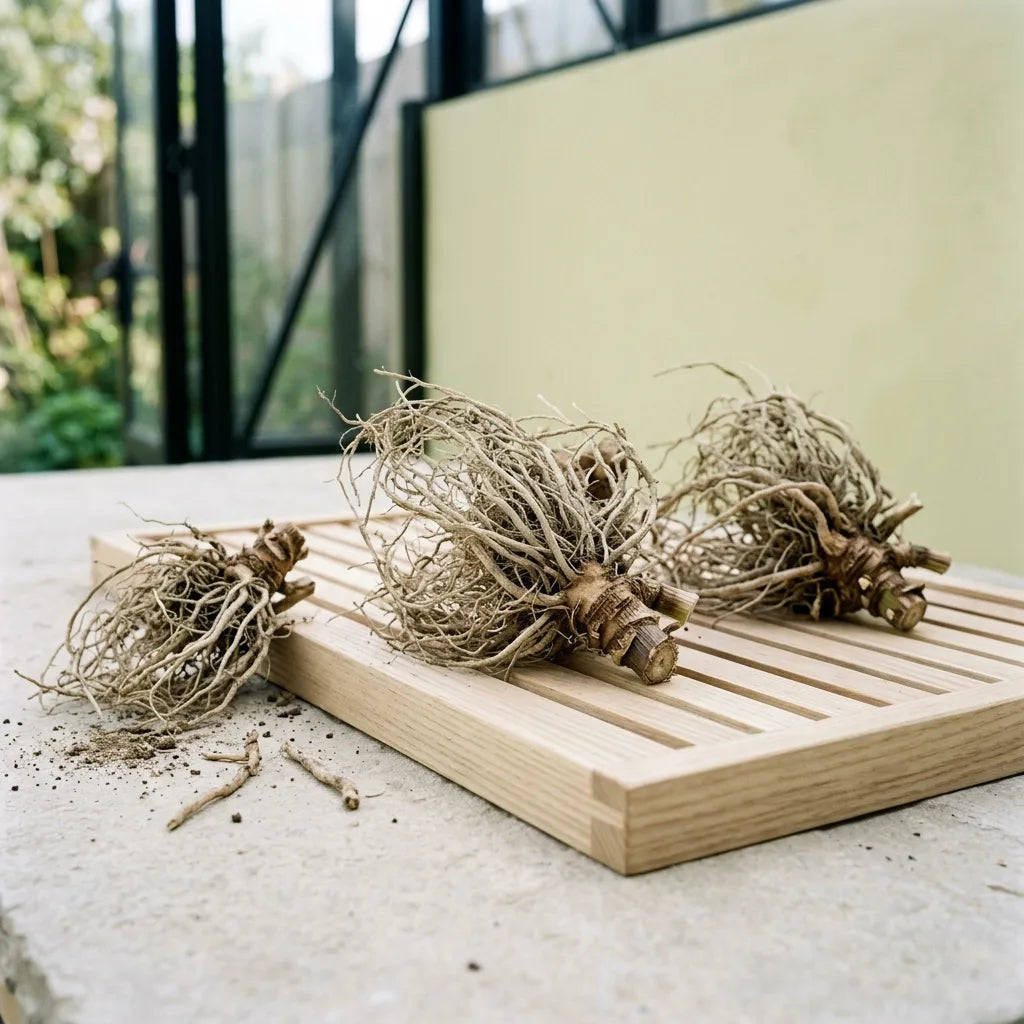
Valerian, cat herb, Saint George's herb, cure-all: the wealth of its common names reflects the place it has held in herb gardens since the Middle Ages. Its nickname, cat herb, is well deserved: the scent of its roots fascinates felines much like catnip does, to the point that young plants sometimes need to be protected from their attacks.
Characteristics:
-
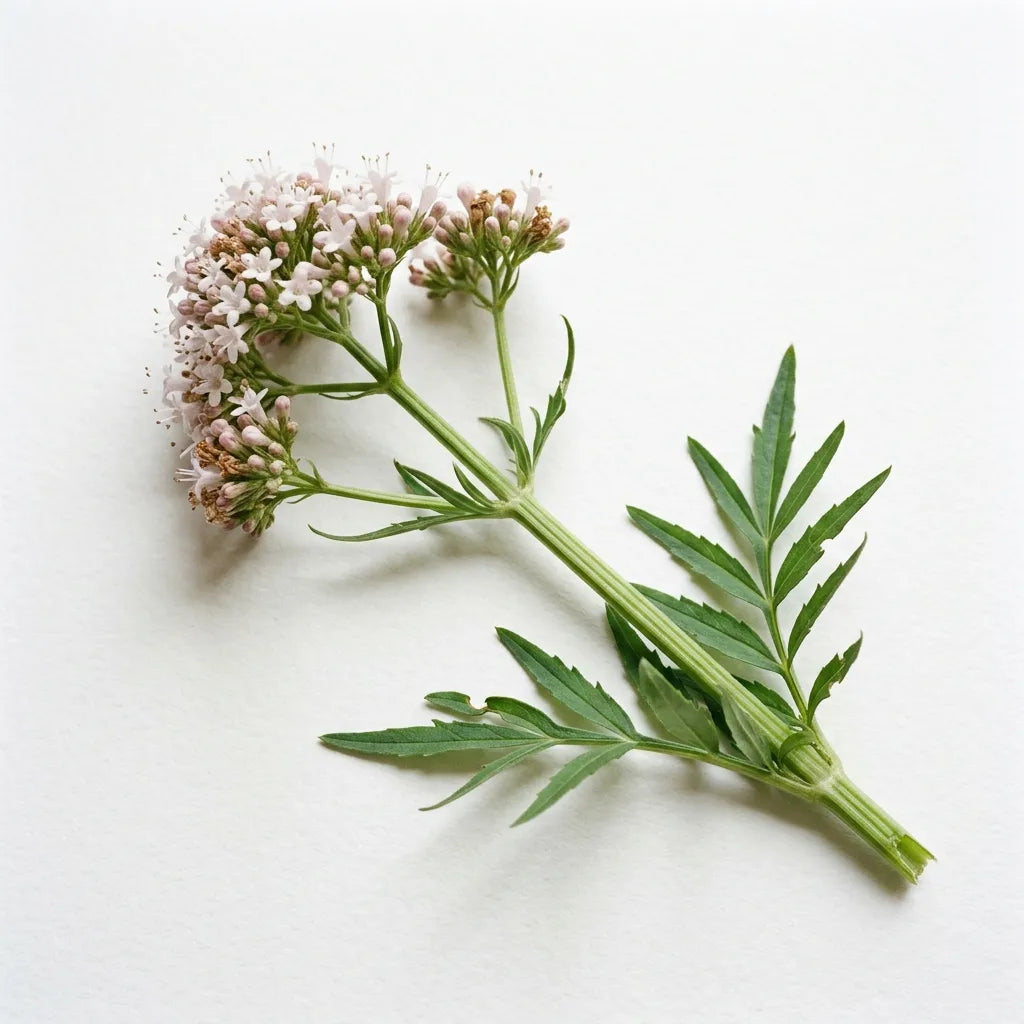
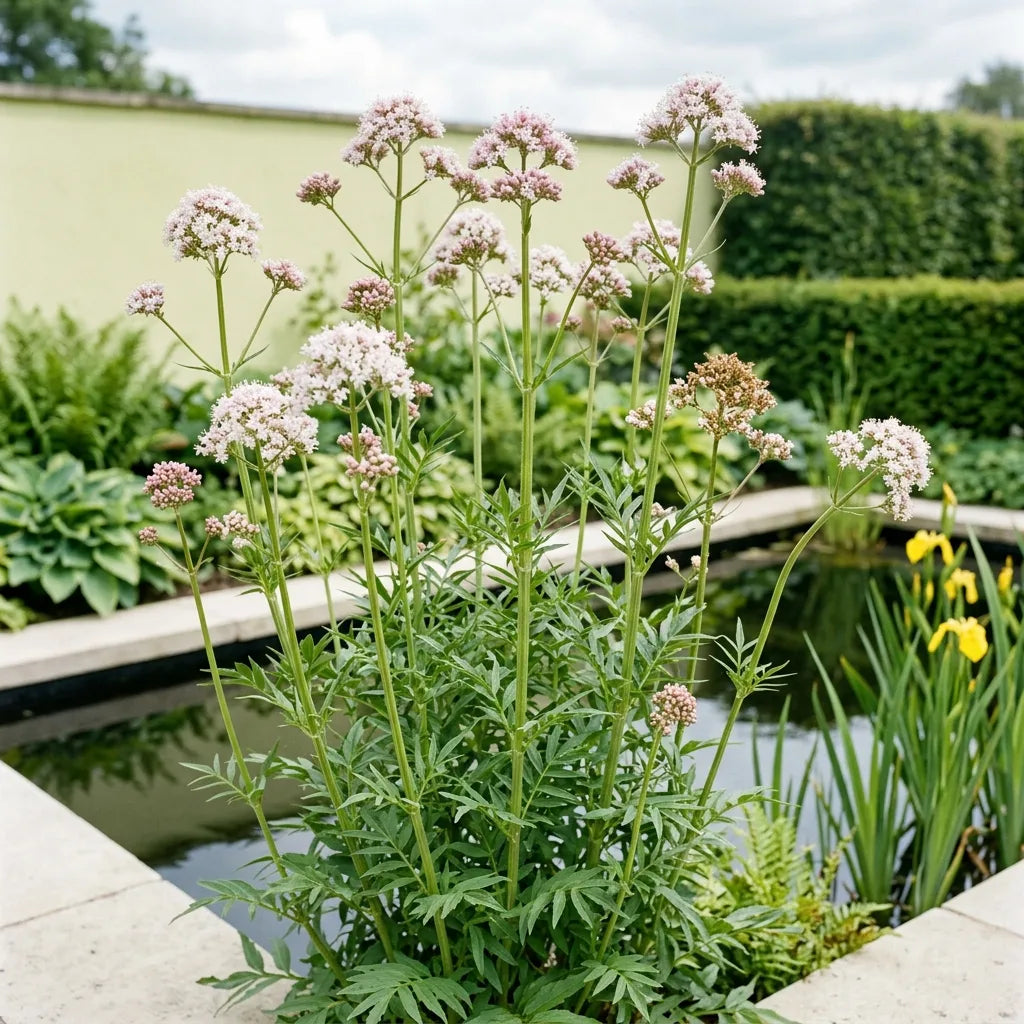
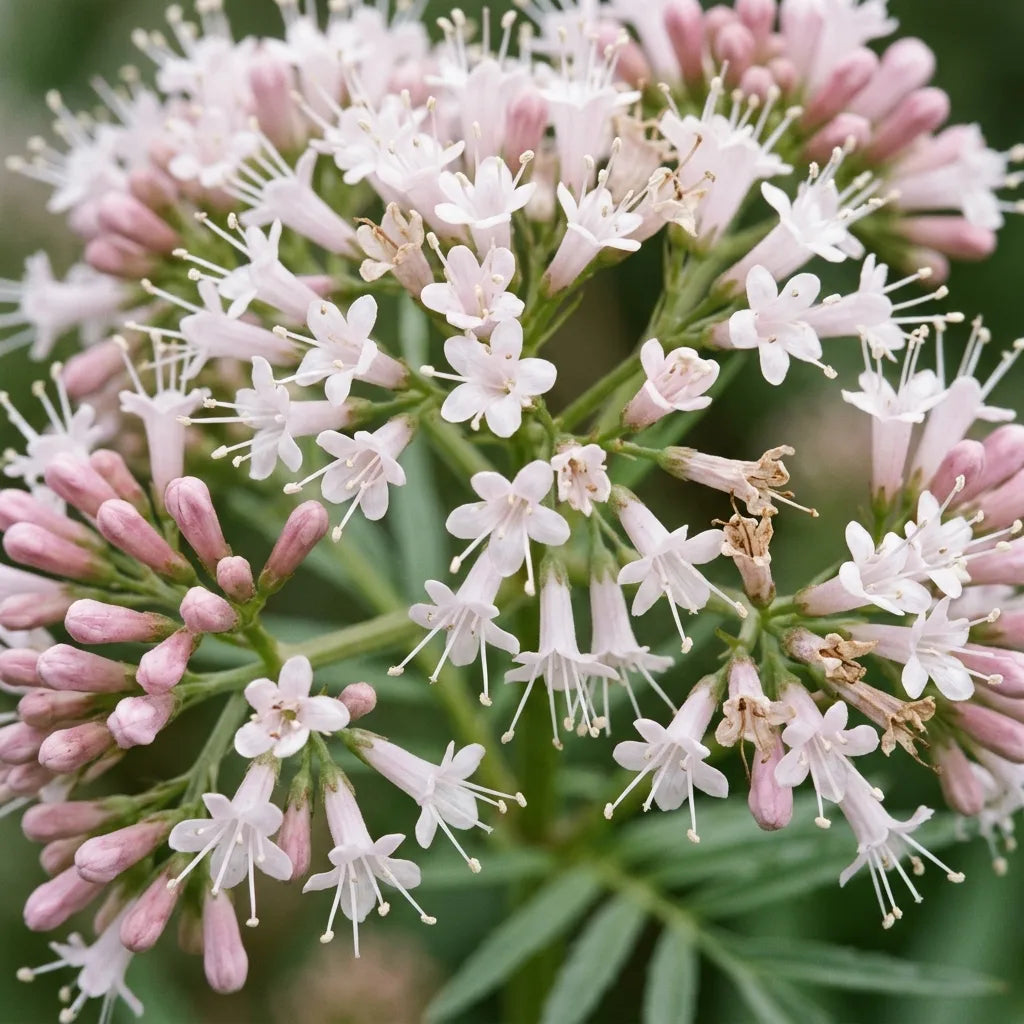
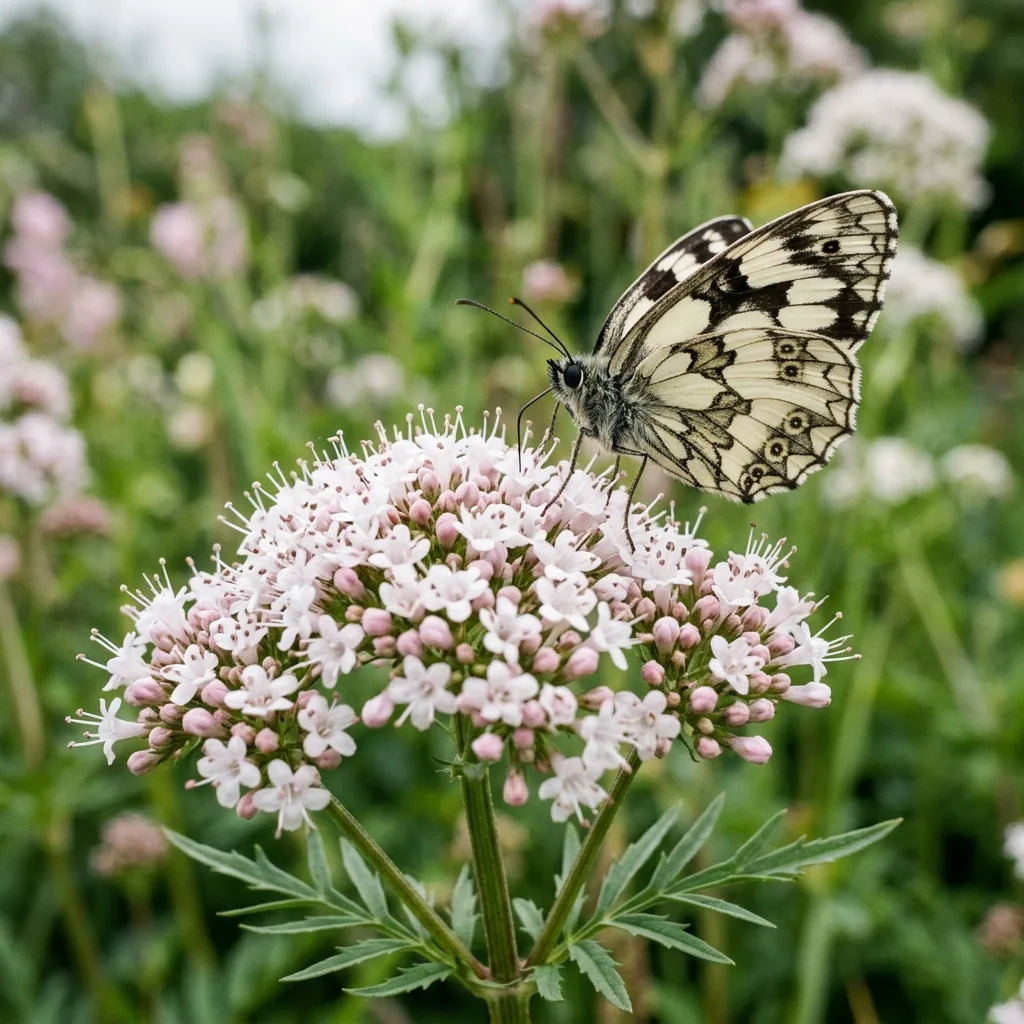
Tall, slender perennial: it reaches 1 to 1.5 m and bears umbels of small pinkish-white flowers in June and July.
-
Very hardy: it withstands cold well and requires little maintenance once established.
-
Wild appearance: its natural habit adds a country feel to flower beds and pond edges.
Sowing advice:
-
Exposure: partial shade is preferable, or full sun if the soil remains consistently moist.
-
Soil: cool to moist, deep, and rich in organic matter—it is a plant of stream banks and wet meadows and does not tolerate drought. Adding compost and a thick mulch benefits it, unlike most perennials in this catalogue.
-
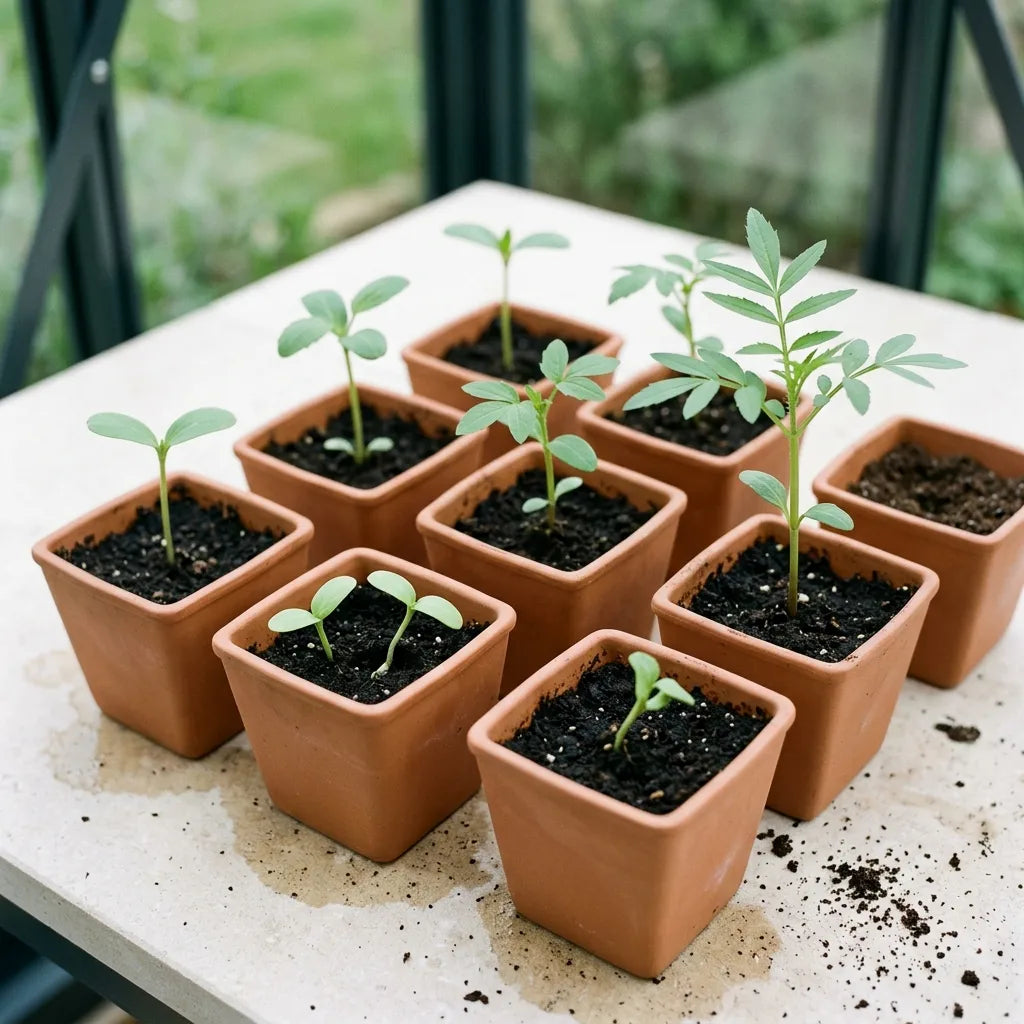
Method: the seeds require cold stratification and quickly lose their germination ability: sow them fresh, in spring, on the surface, as they need light to germinate.
Planting advice:
- Plant it at the back of a flower bed or along the edge of a pond or other water feature, spacing plants 50 cm apart: the clump becomes substantial.
- Protect young plants with wire mesh if cats visit the garden: they readily roll around on them and may destroy them.
Care advice:
- Keep the soil moist with regular watering in summer and good mulching. Cut back the stems after flowering.
Benefits for biodiversity:
- Its broad white umbels are frequently visited by butterflies, hoverflies, and many small short-tongued pollinators.
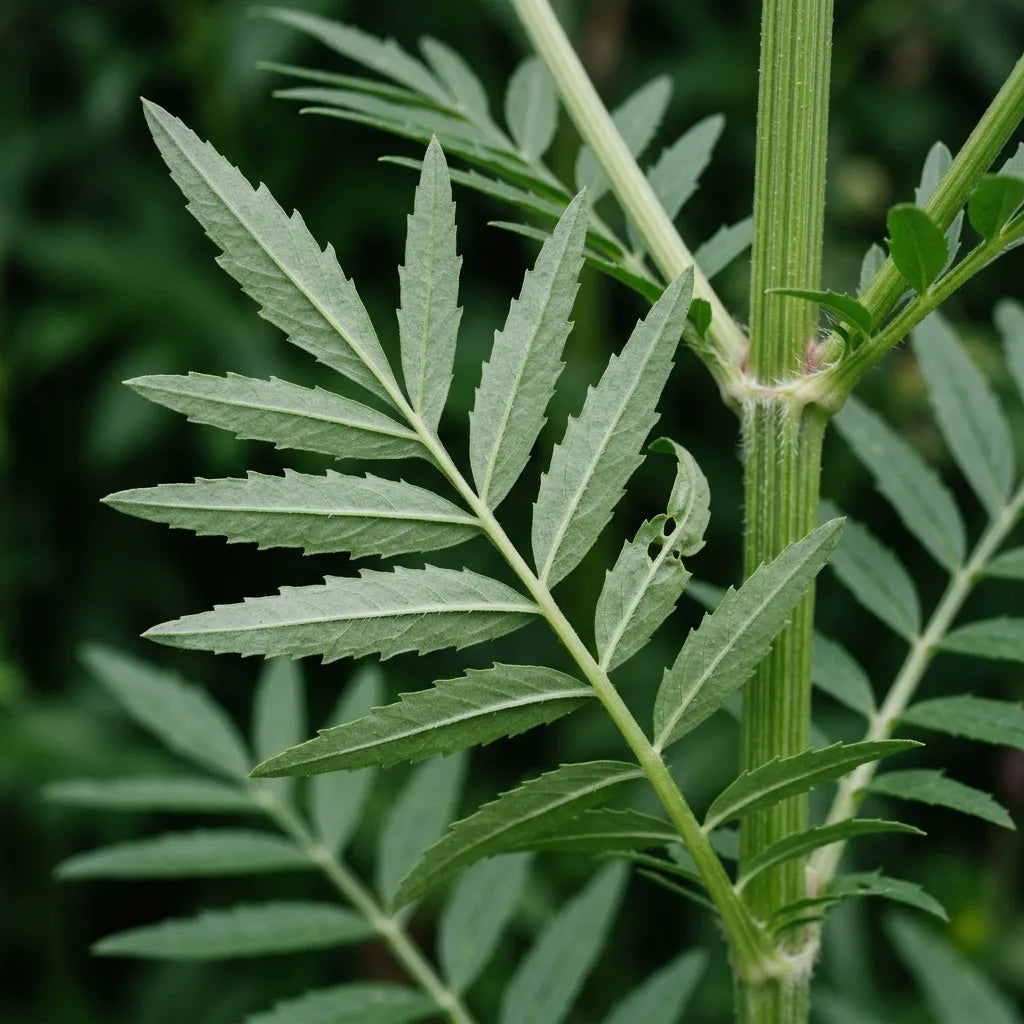
- It also attracts neighborhood cats, which come to roll around in its foliage—a well-known use among cat owners, who sometimes grow it for their pets.
Uses:
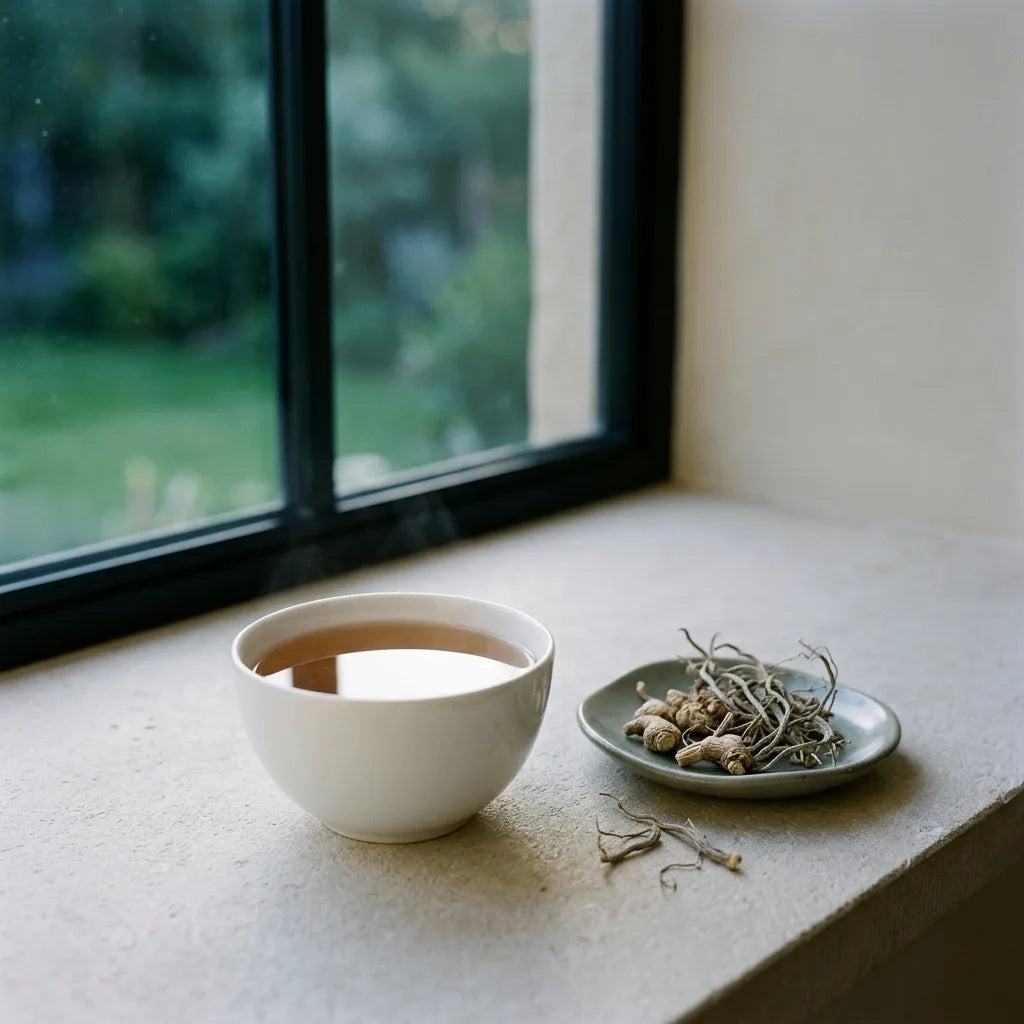
- A major medicinal plant in European herbal medicine, traditionally used since antiquity. See our medicinal plants to sow.
- Its dried roots are also used to make toys and cushions for cats.
Harvesting your own seeds:
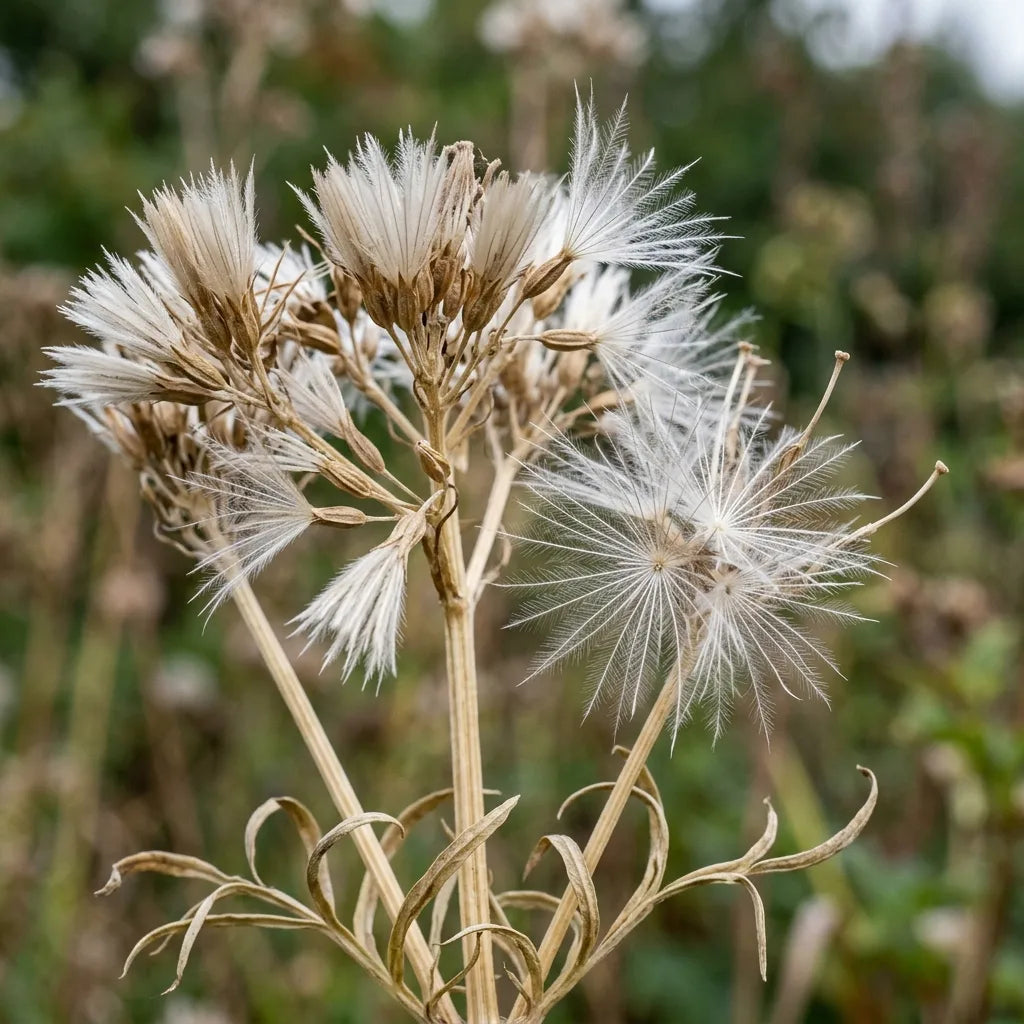
The seeds, topped with a feathery pappus, are carried away by the wind as soon as they mature: monitor the faded umbels and cut them as soon as they turn brown, before the seeds disperse, then leave them to dry in a paper bag. Sow them quickly, as their shelf life is short. See storing your seeds.
Commitment to Quality: at SemiSauvage - Permaculture, we grow and select our seeds with respect for all living things as our guiding principle. Based near the Auvergne Volcanoes, we choose open-pollinated, non-hybrid varieties, tested for their germination rate, carefully sorted and packaged, with no chemical treatment. Our conviction: to give gardeners back the ability to resow, year after year, seeds that truly belong to them.
Add a wild, country feel to your garden with these valerian seeds.