Buddleja davidii
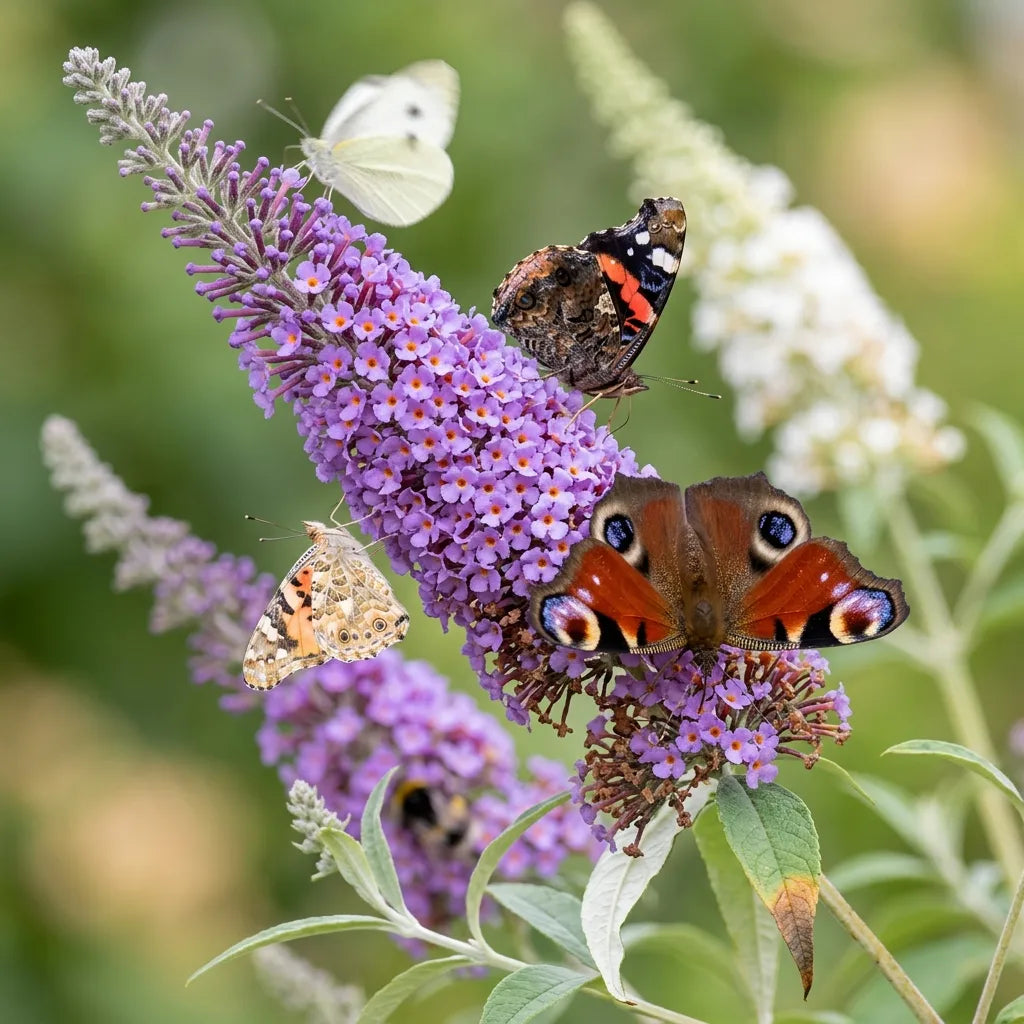
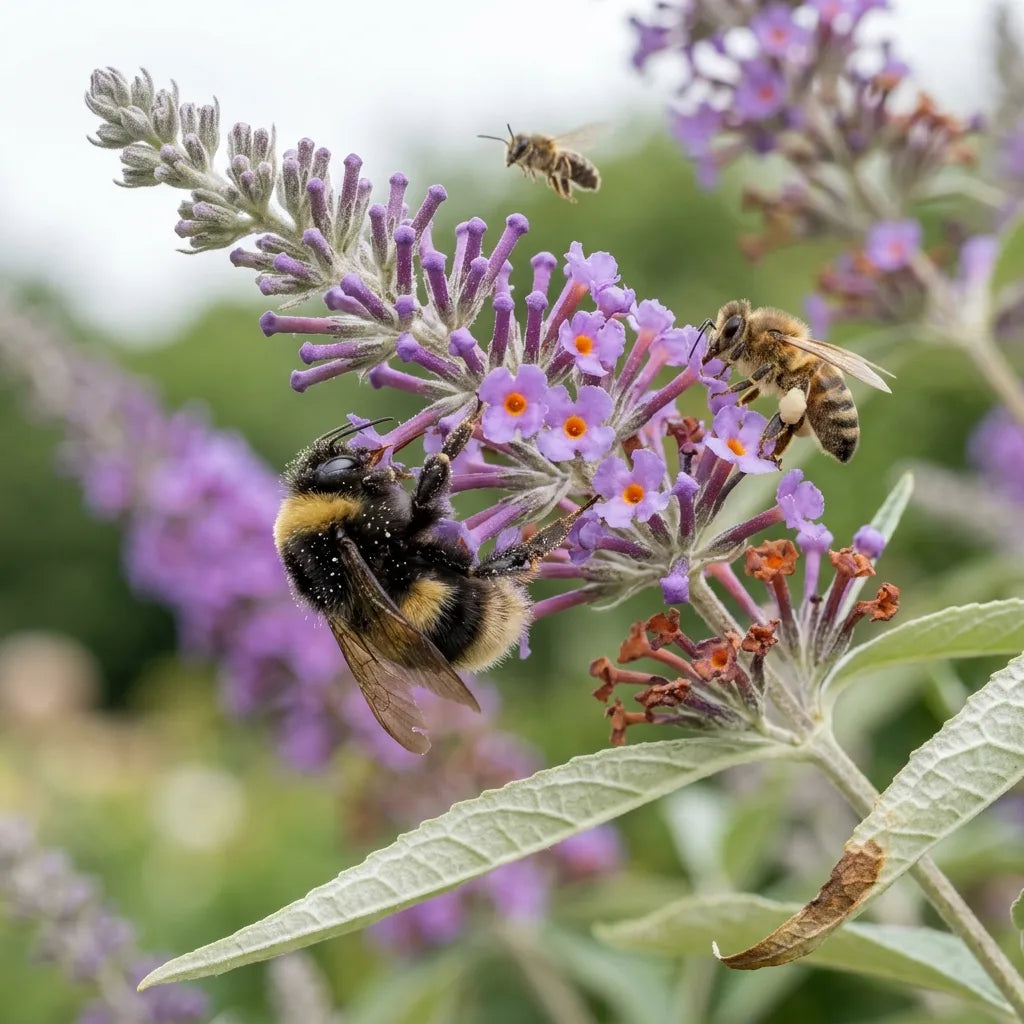
Butterfly bush, buddleia, summer lilac, butterfly tree: its name is well deserved. Its long panicles produce such abundant, fragrant nectar that a single flowering shrub can host dozens of butterflies at once — peacock butterflies, red admirals, painted ladies. Few plants offer such a lively spectacle.
Characteristics:
-
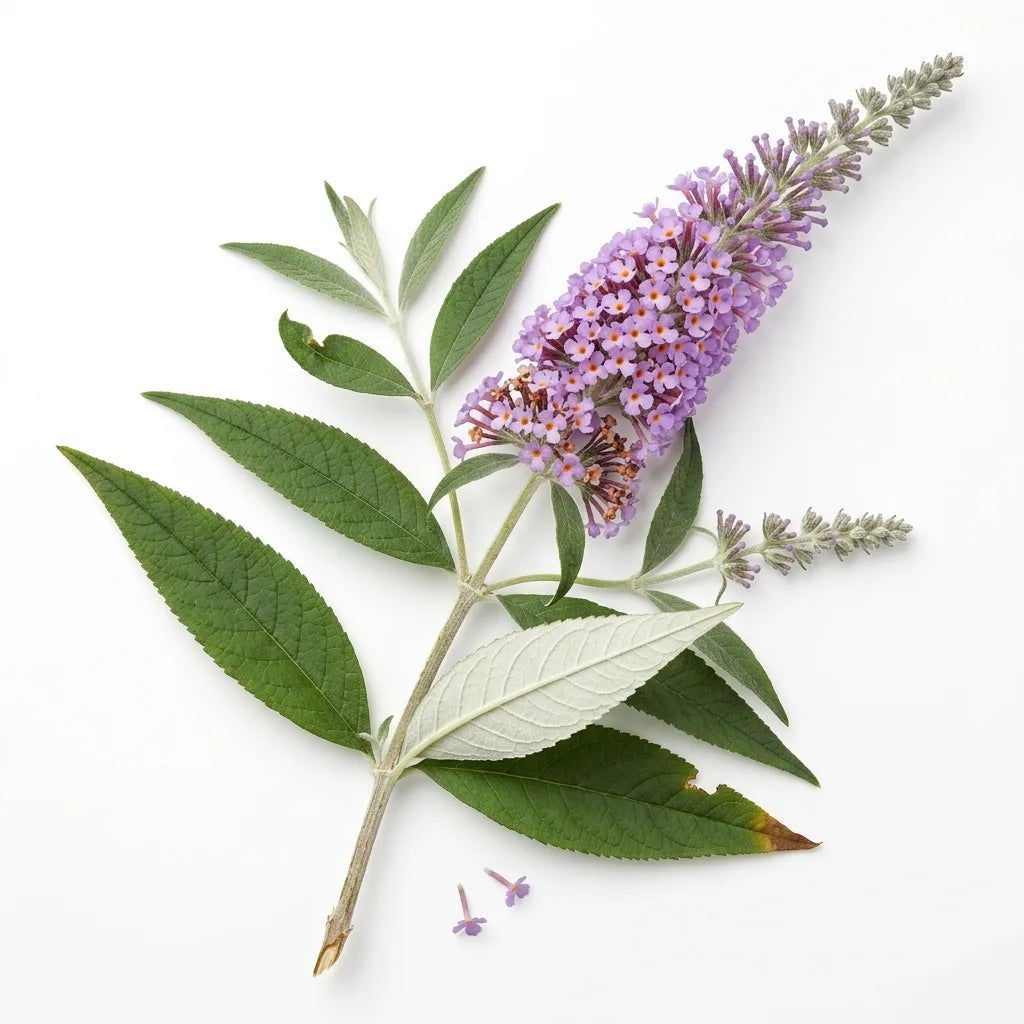
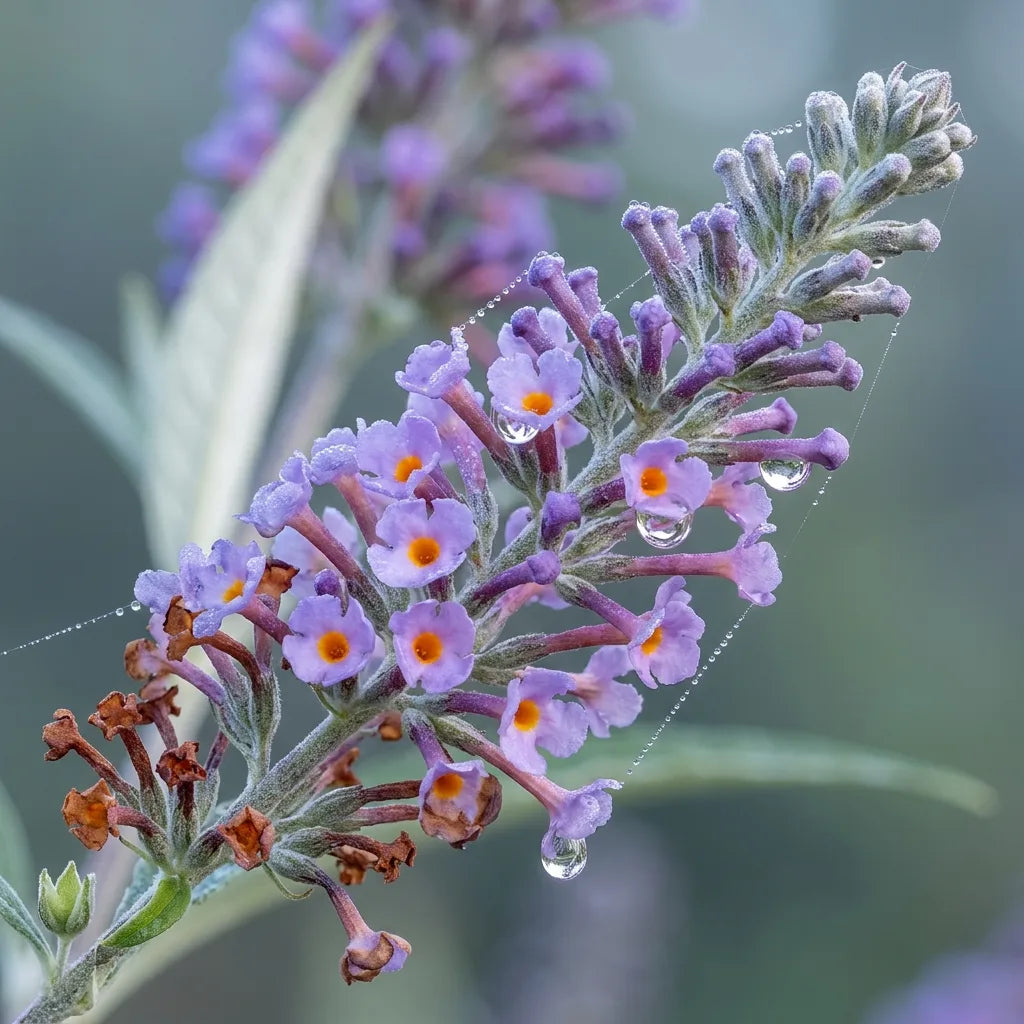
Panicle flowering: long, cone-shaped clusters ranging from white to red, including pink and purple, throughout the summer.
-
Highly fragrant nectar: one of the most attractive shrubs for butterflies.
-
Very rapid growth: it reaches 2 to 3 metres in just a few seasons and flowers from the first year.
Precautions — read before planting:
-
Invasive exotic species: buddleia produces tens of thousands of lightweight seeds dispersed by the wind, which rapidly colonise wastelands, embankments, railway verges and riverbeds. It appears on the invasive species lists of many French regions.
-
The action that makes all the difference: systematically cut off the panicles as soon as they fade, before seeds form. You will extend flowering and prevent dispersal. Do not plant it near natural areas, wastelands or waterways.
- It massively attracts adult butterflies, but is not a host plant for any of their caterpillars: pair it with native food plants for a genuine benefit.
Sowing advice:
-
Position: full sun, essential for abundant flowering.
-
Soil: deep and well drained, although it tolerates poor, alkaline or chalky soils perfectly well. Important point: do not enrich the soil. Soil that is too fertile encourages stems and leaves at the expense of flowers.
-
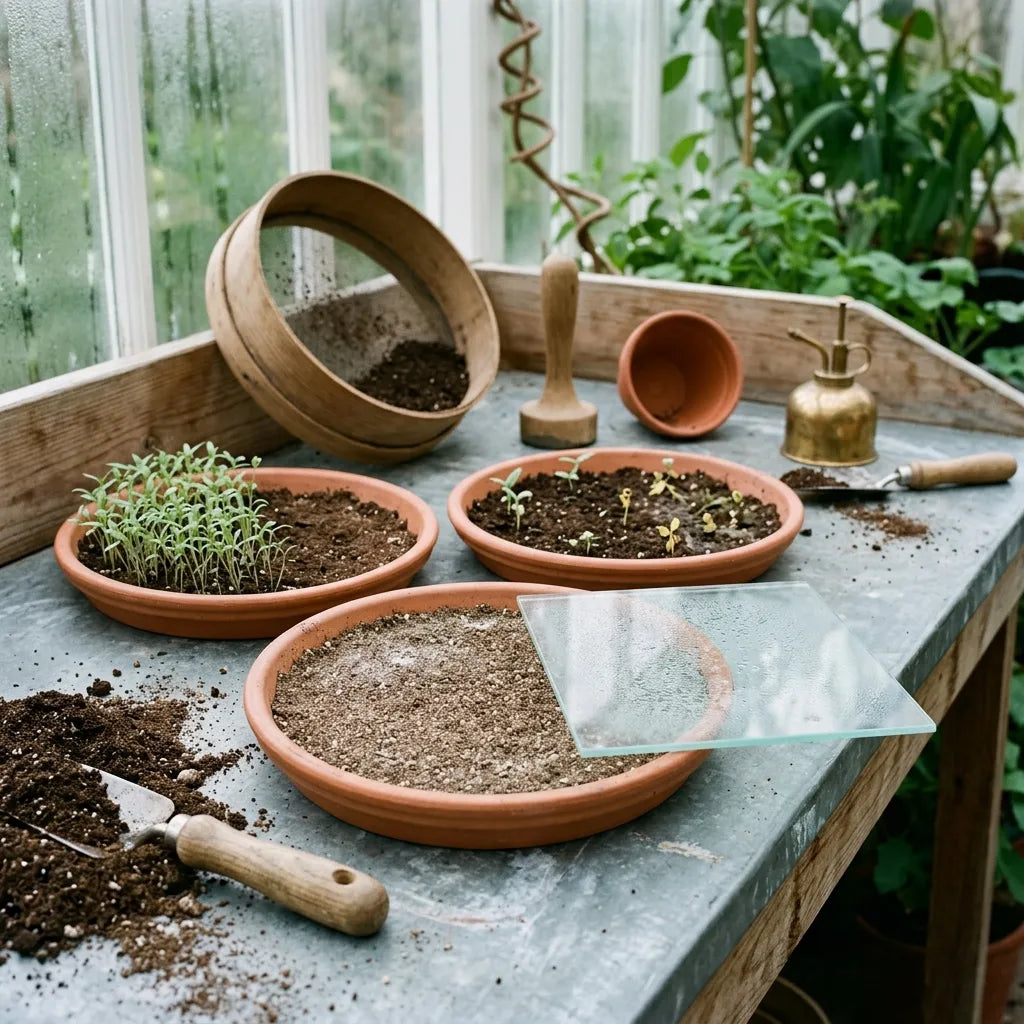
Method: cold stratification improves germination. Sow from spring to summer, on the surface without covering: the tiny seeds need light to germinate.
Planting advice:
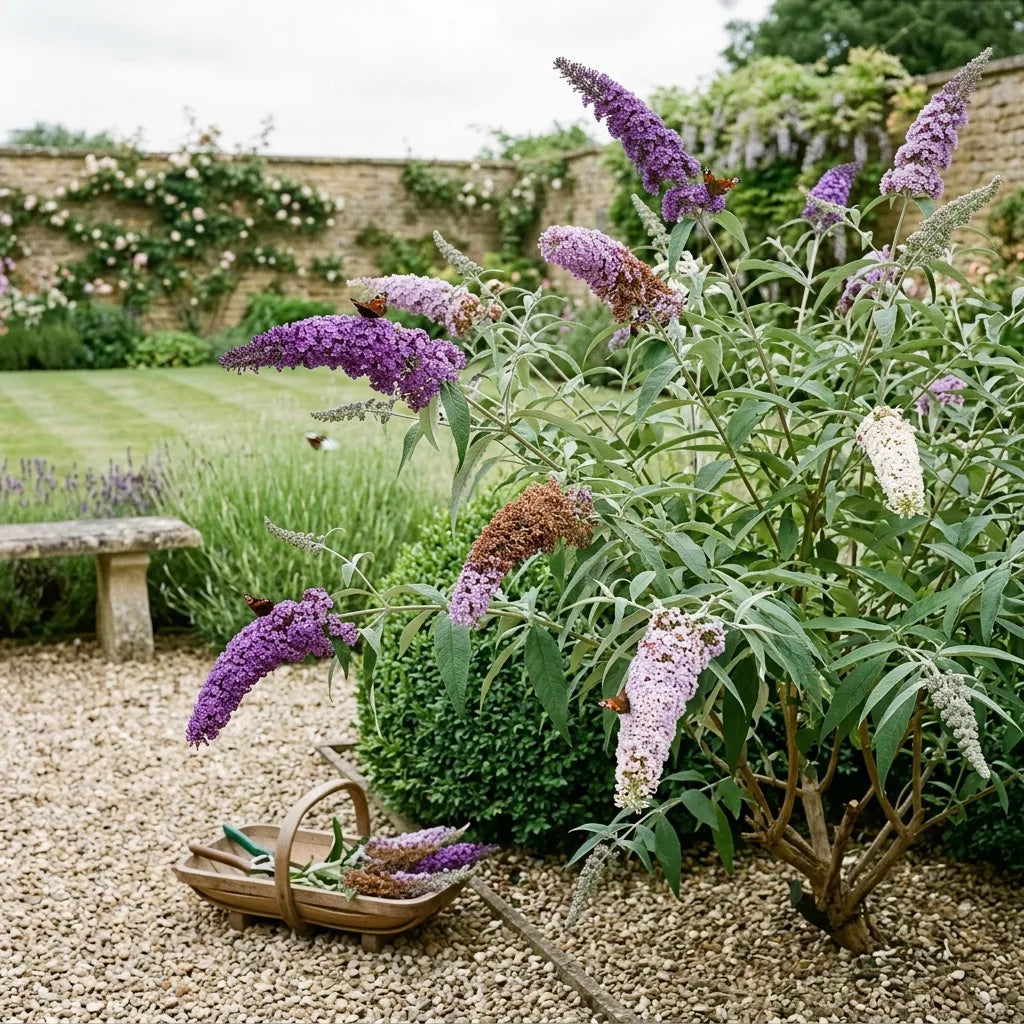
- Transplant into a bed, as a standalone plant or in a hedge, in a garden where you can monitor its self-sowing.
Care advice:
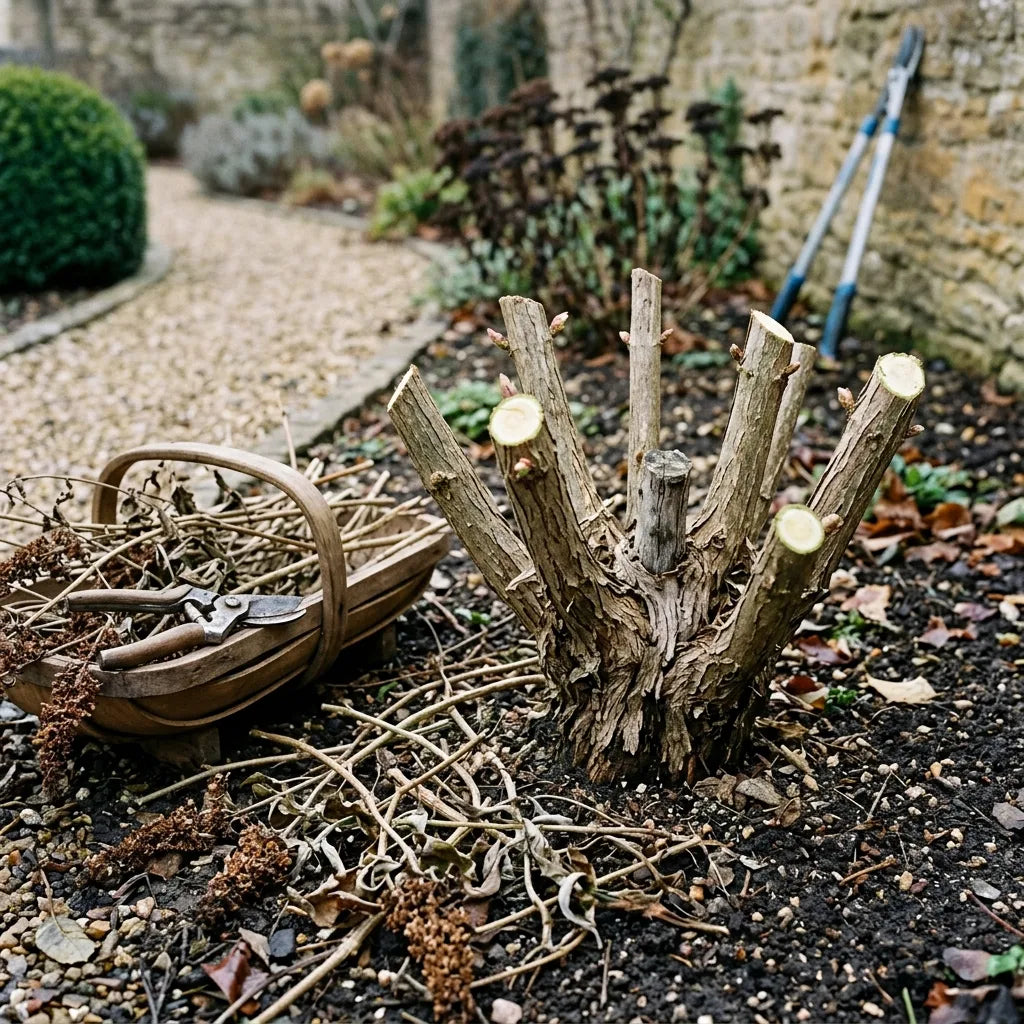
- Cut it back severely at the end of winter, to 30 cm above the ground: it flowers on new wood, and this radical pruning produces the finest panicles.
- Remove faded flowers throughout the summer: this both prolongs flowering and prevents dispersal.
Beneficial combinations:
Benefits for biodiversity:
- Its abundant nectar makes it a major resource for adult butterflies, bees and bumblebees in the heart of summer.
- Its tubular flowers are also suitable for hawk moths that feed at dusk.
Uses:
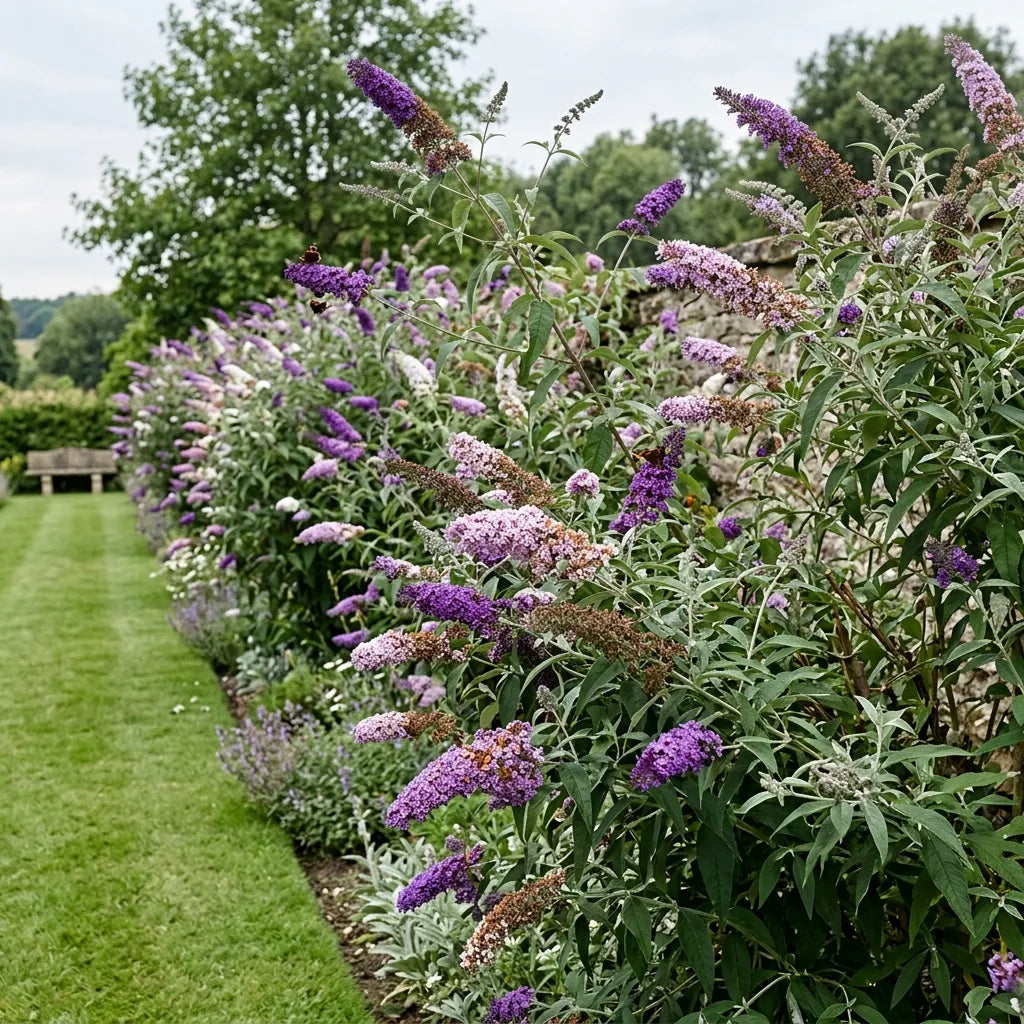
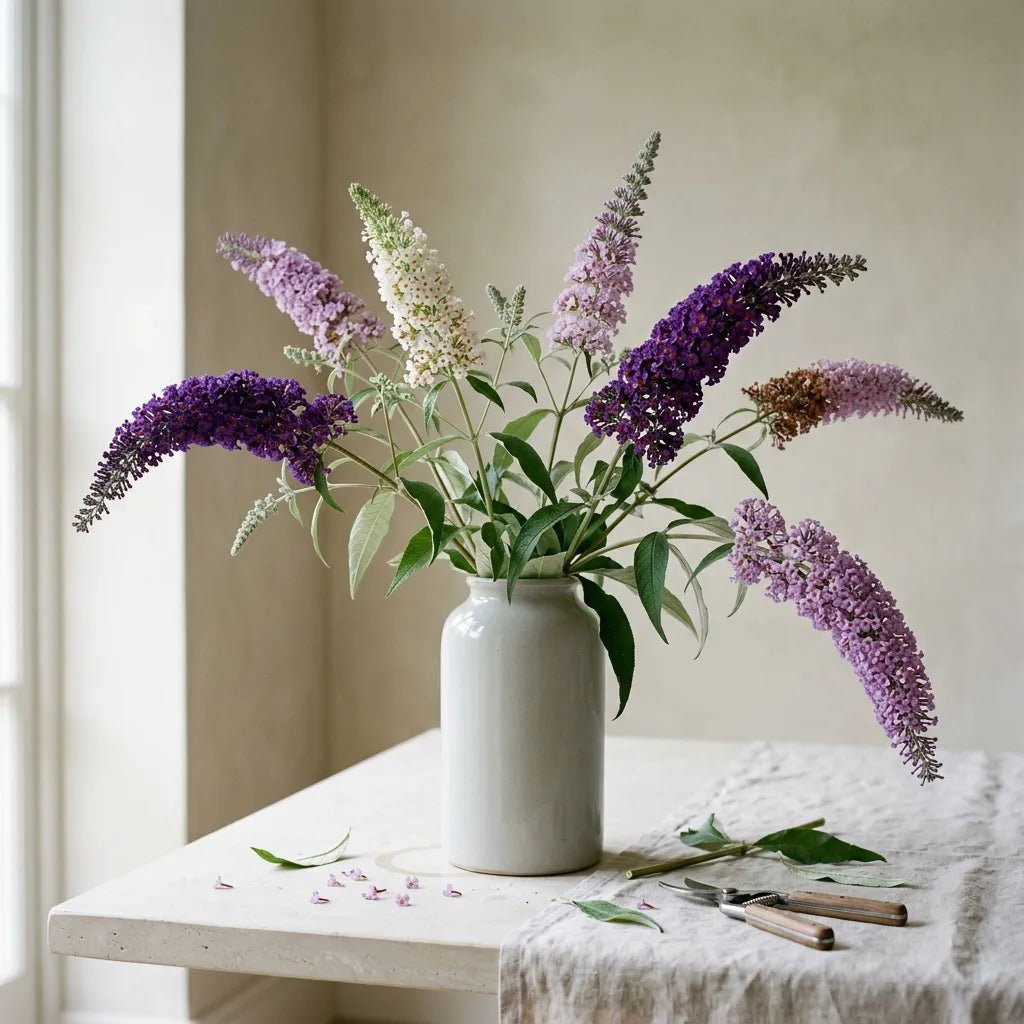
- Flower beds, standalone specimens, flowering hedges and plant screens. Its panicles make beautiful fragrant bouquets — and cutting them helps limit its dispersal.
Harvesting your own seeds:
If you wish to harvest some, leave a few panicles to turn brown and dry, then shake them over a sheet of paper, sheltered from the wind. A single flower spike contains thousands of seeds: never allow the others to go to seed. See storing your seeds.
Commitment to Quality: at SemiSauvage - Permaculture, we grow and select our seeds with respect for living things as our guiding principle. Based near the Auvergne Volcanoes, we choose reproducible, non-hybrid varieties, tested for their germination rate, carefully sorted and packaged, with no chemical treatment whatsoever. Our belief: to give gardeners back the ability to resow, year after year, seeds that truly belong to them.
Sale reserved for informed amateur gardeners capable of planting this shrub in a controlled setting.