Salvia coccinea
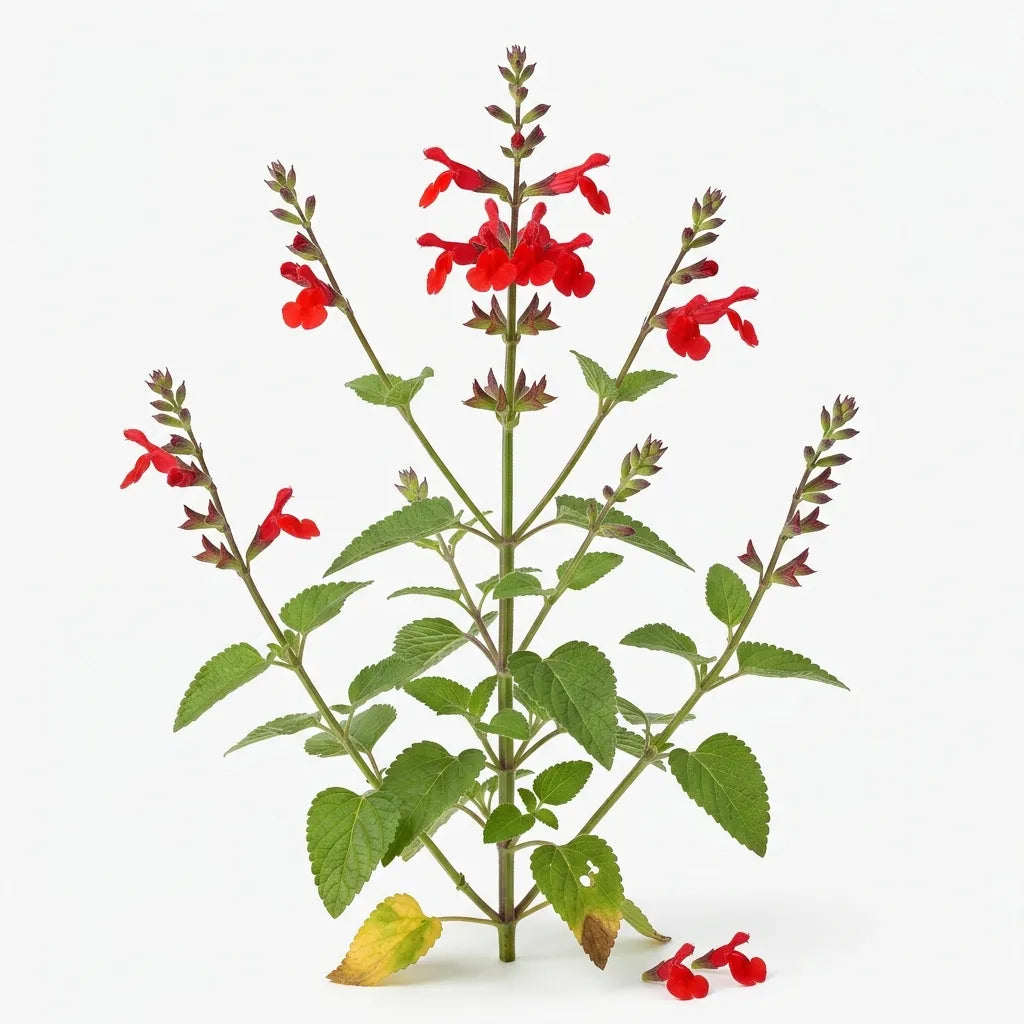
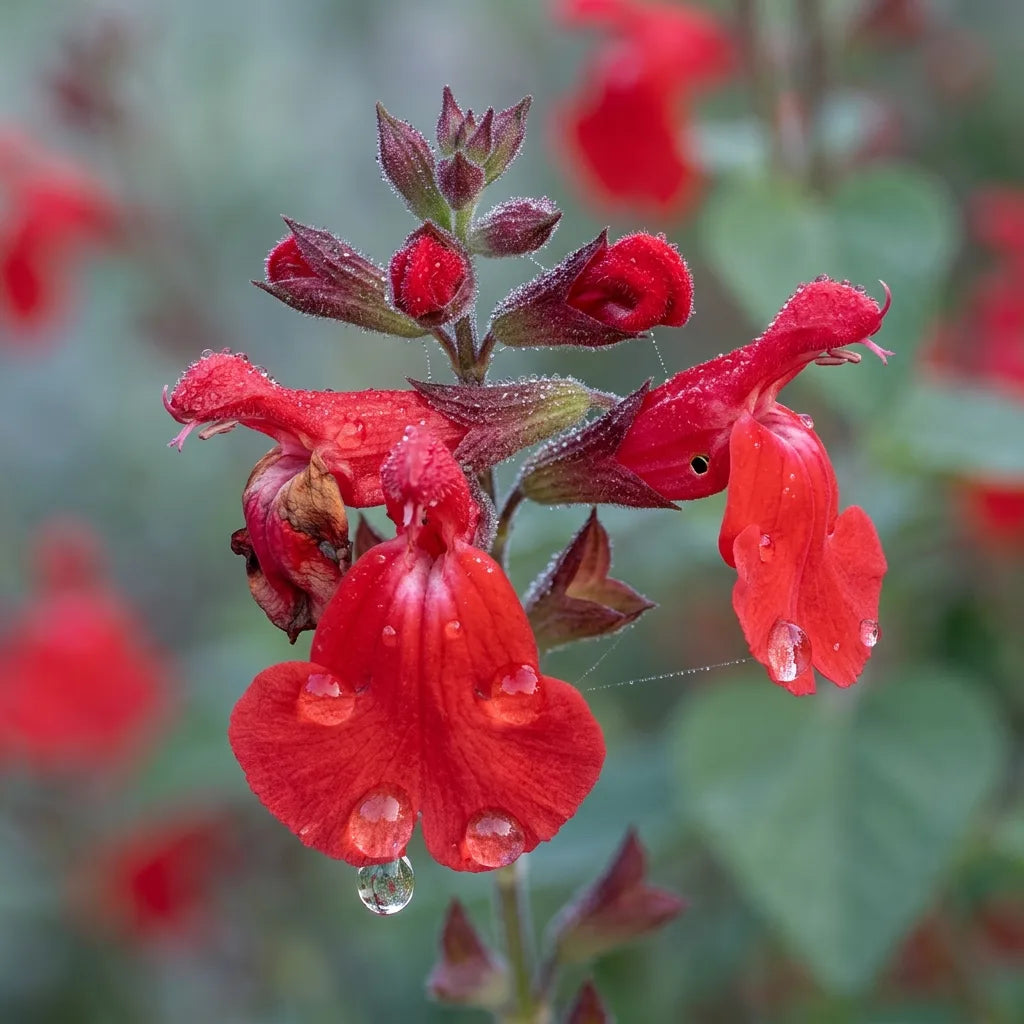
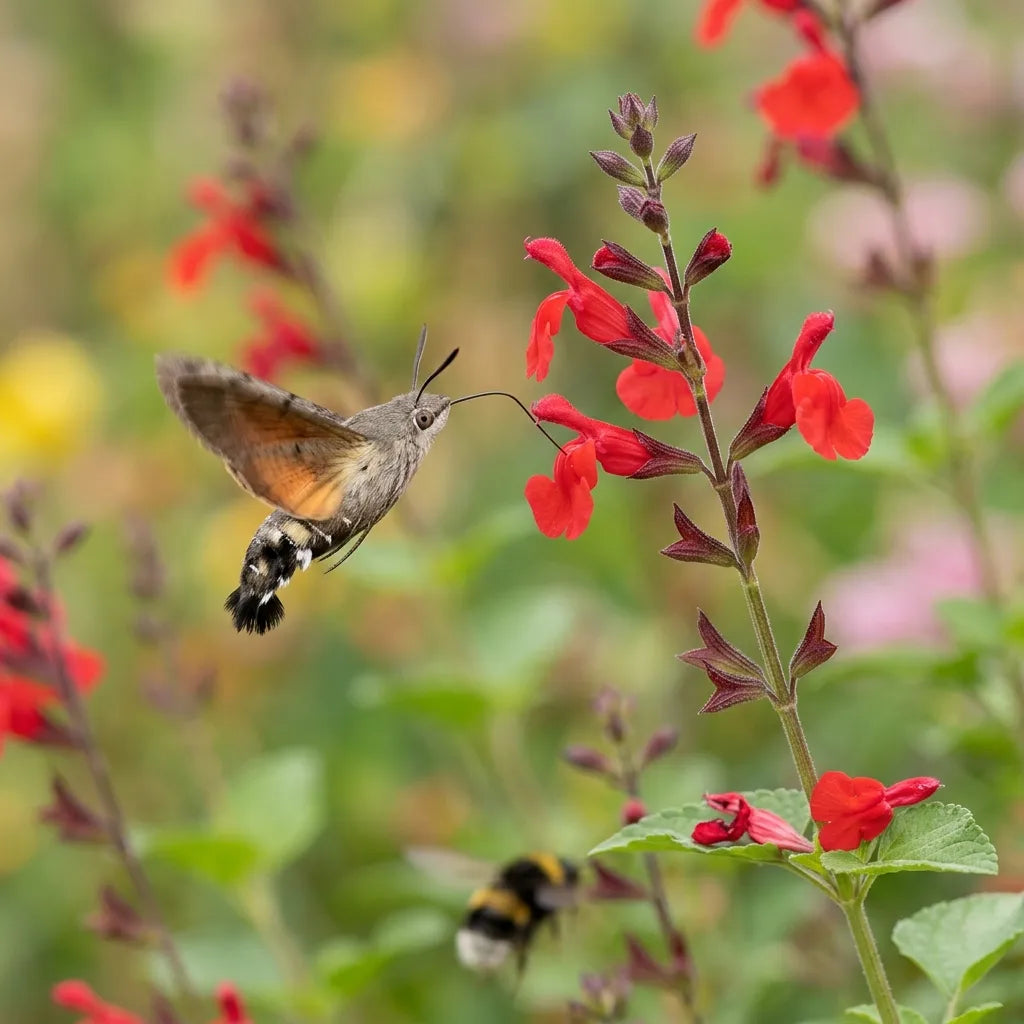
Scarlet sage, Texas sage, blood sage: its intensely red tubular flowers owe nothing to chance. This color and shape are the universal signal of hummingbird flowers in its native Americas—under our latitudes, butterflies and long-tongued bumblebees are the ones to benefit.
Characteristics:
-
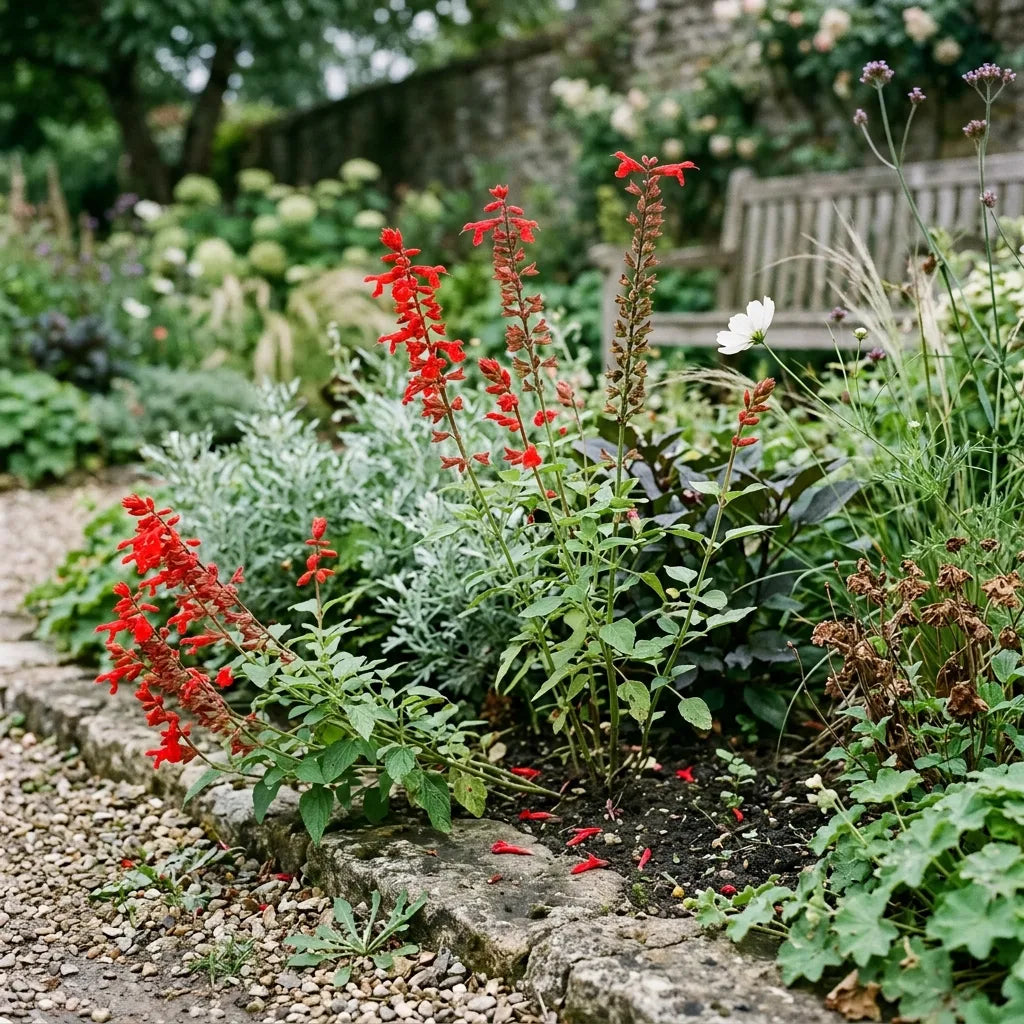
Long flowering period: spikes of bright red tubular flowers, from spring until frost, without interruption.
-
Aromatic foliage: decorative and fragrant when crushed, it extends the plant’s appeal.
-
Tender perennial: hardy only down to -4 to -5 °C, it is most often grown as an annual in our climates.
Sowing advice:
-
Position: sunny; it appreciates warmth and tolerates light partial shade in very hot climates.
-
Soil: ordinary, light, and well drained. It is particularly sensitive to stagnant winter moisture, which causes it to rot well before the cold itself. No fertiliser is needed.
-
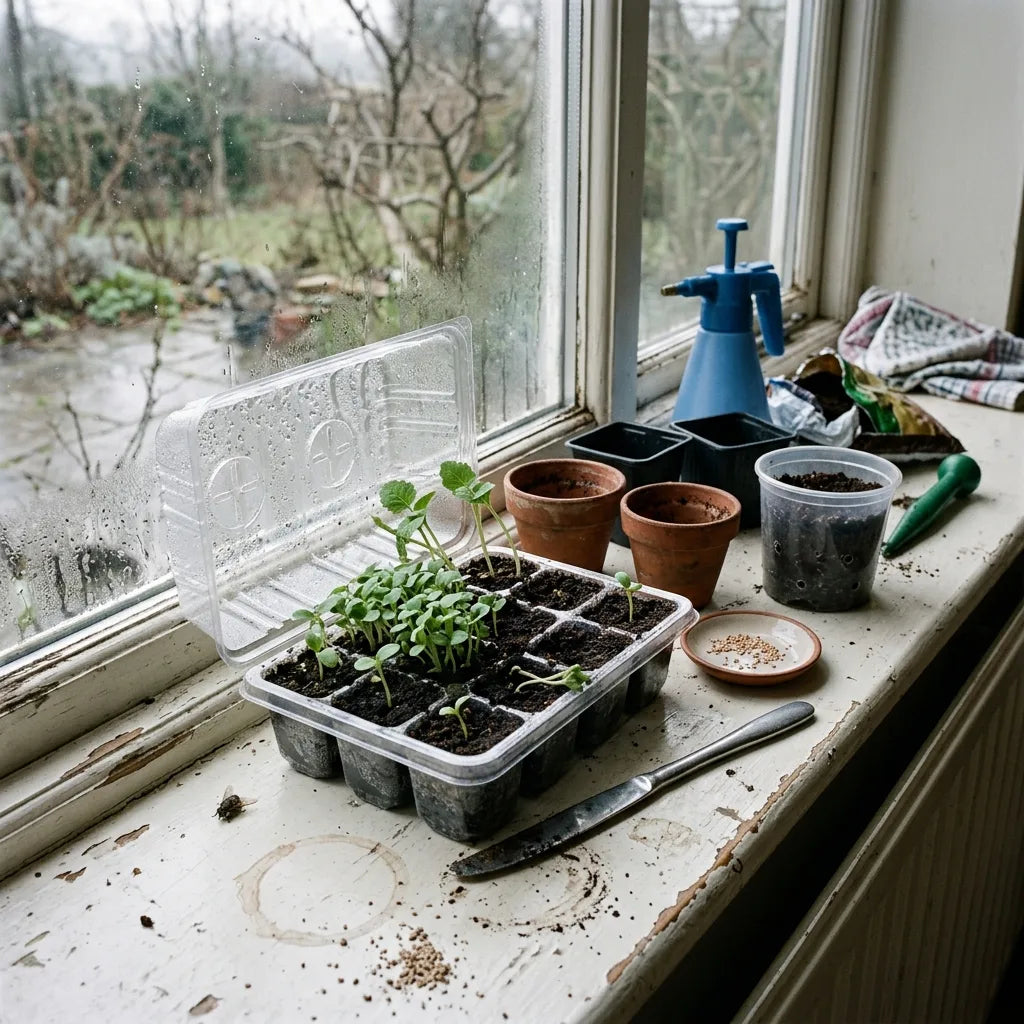
Method: sow in pots under cover from February–March (18–20 °C), on the surface because the seeds need light to germinate, then transplant after the frosts. No soaking or stratification. See how to sow seeds.
Planting advice:
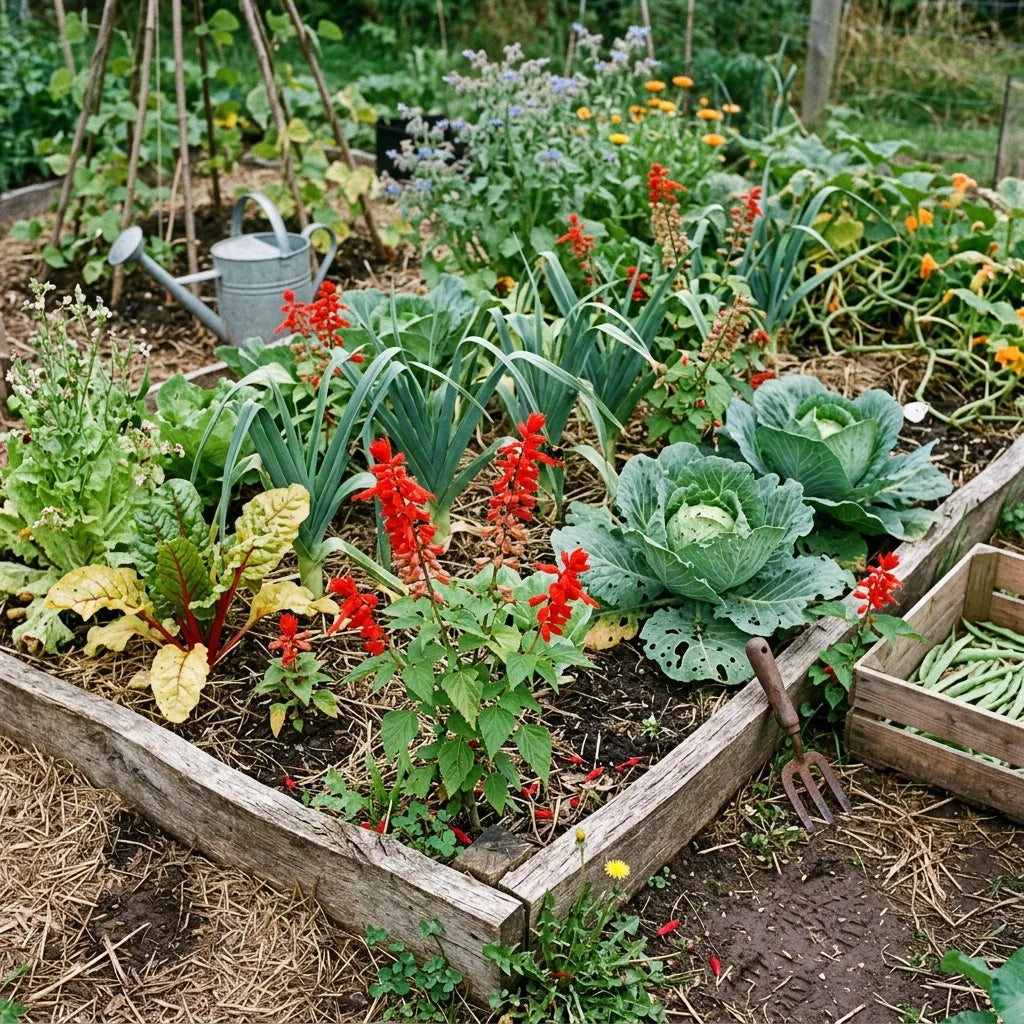
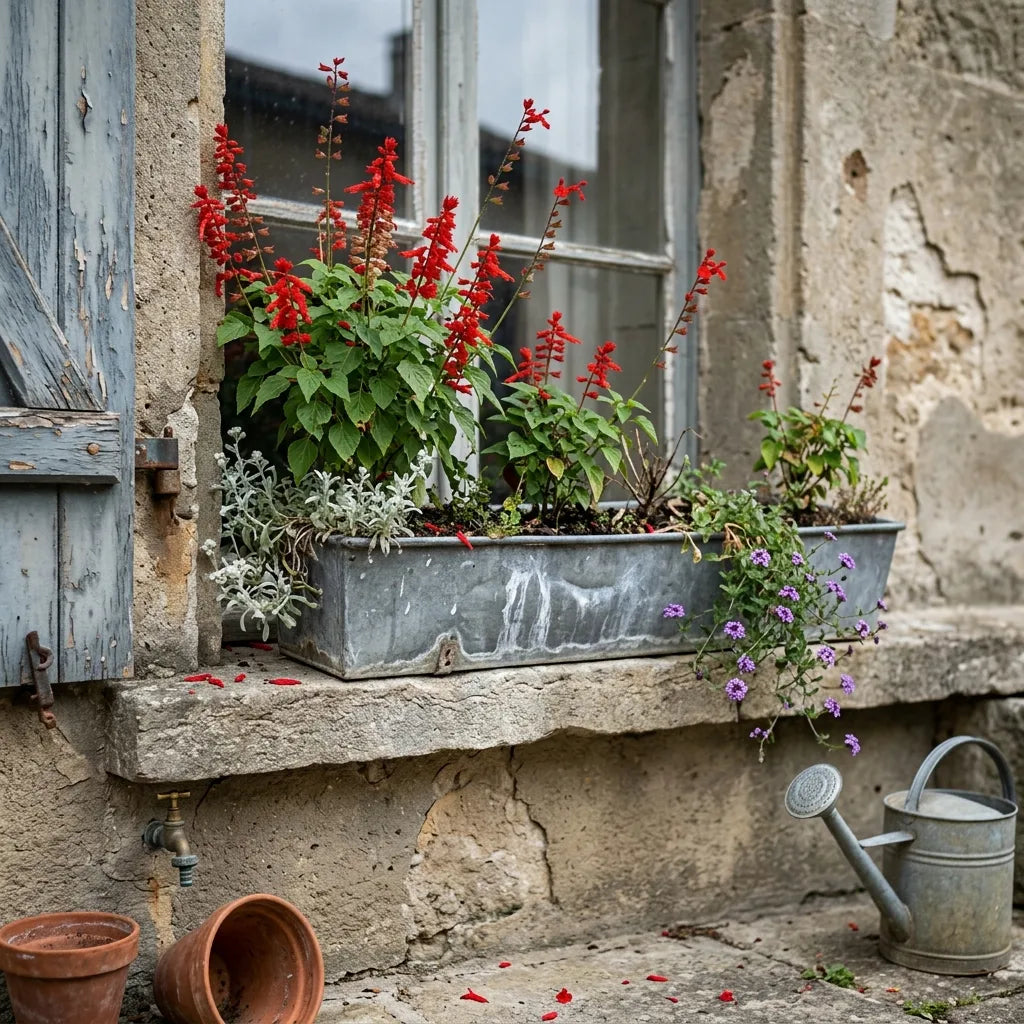
- Transplant into beds, borders, flowerbeds, pots, or planters, spacing plants 30 to 40 cm apart.
- In cold regions, grow it in a pot so you can bring it under cover for the winter and keep it from one year to the next.
Care advice:
- Remove faded flower spikes to encourage further flowering. Water moderately; once established, it tolerates dry periods well.
Benefits for biodiversity:
- Its tubular flowers are full of nectar and particularly sought after by butterflies and long-tongued bumblebees, which can reach the bottom of the corolla.
- Its uninterrupted flowering until frost makes it one of the season’s last nectar sources.
Harvesting your own seeds:
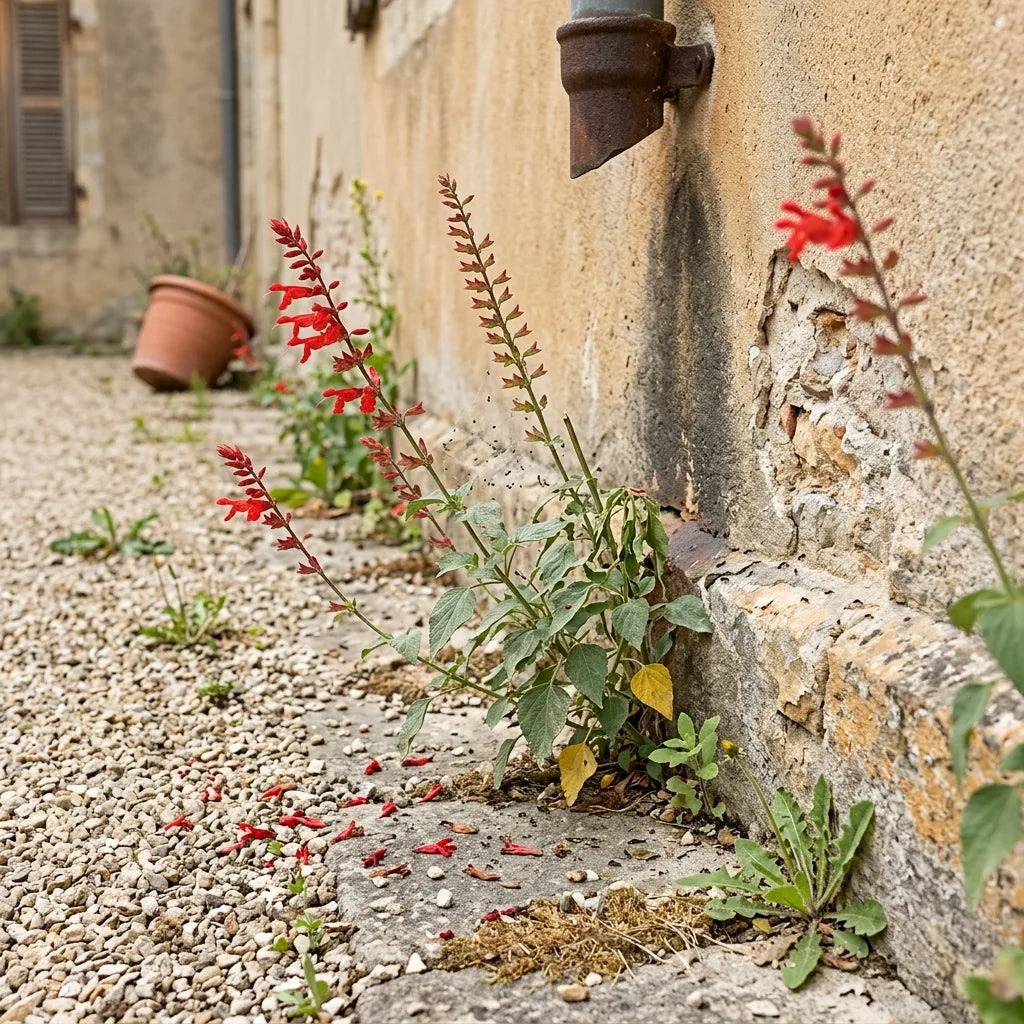
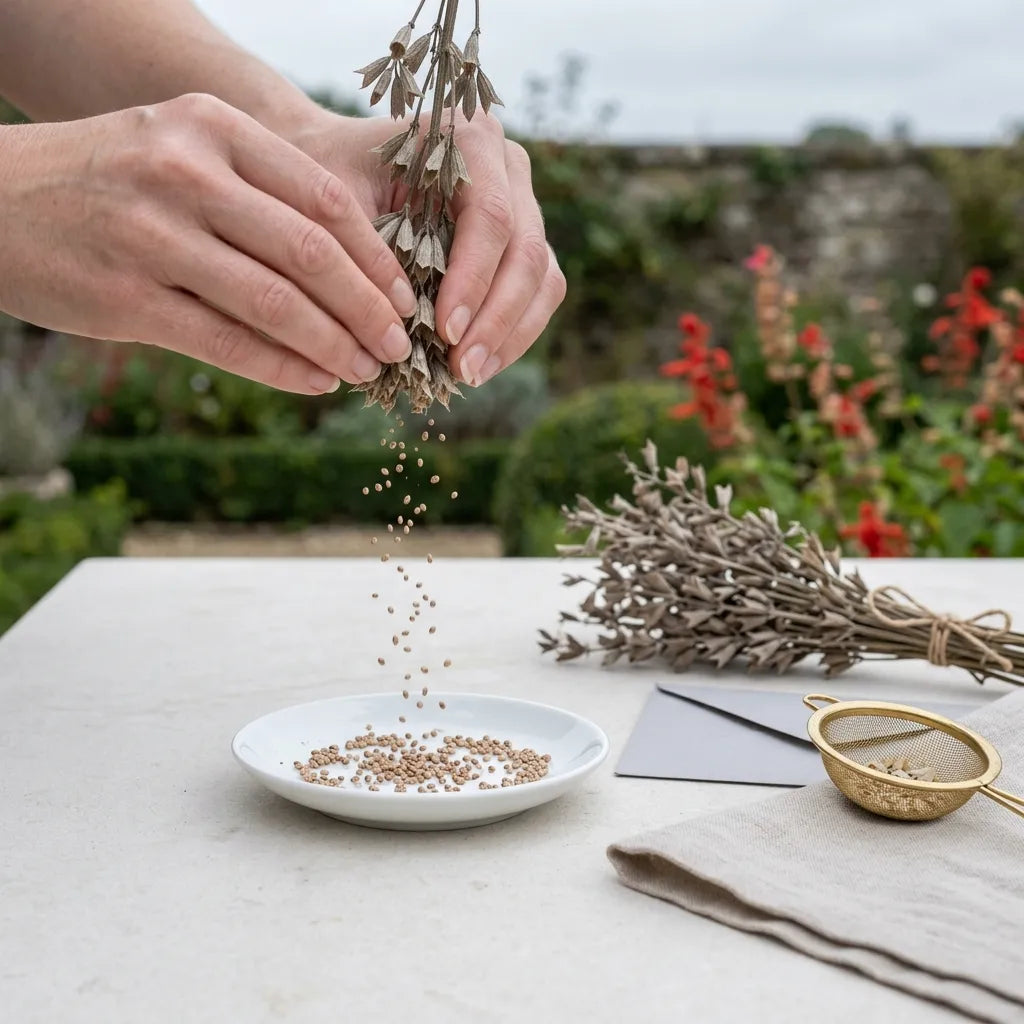
Leave a few faded flower spikes to dry on the plant: the small brown seeds settle at the bottom of the calyces and fall easily when you shake the stem over a container. Scarlet sage also readily self-seeds in mild climates. See how to store your seeds.
Commitment to Quality: at SemiSauvage - Permaculture, we grow and select our seeds with respect for living things as our guiding principle. Based near the Auvergne Volcanoes, we choose reproducible, non-hybrid varieties, tested for their germination rate, carefully sorted and packaged, with no chemical treatment whatsoever. Our conviction: to give gardeners back the ability to resow, year after year, seeds that truly belong to them.
An explosion of red and life in your garden, from spring until the first frosts.