Malope trifida « Grandiflora »
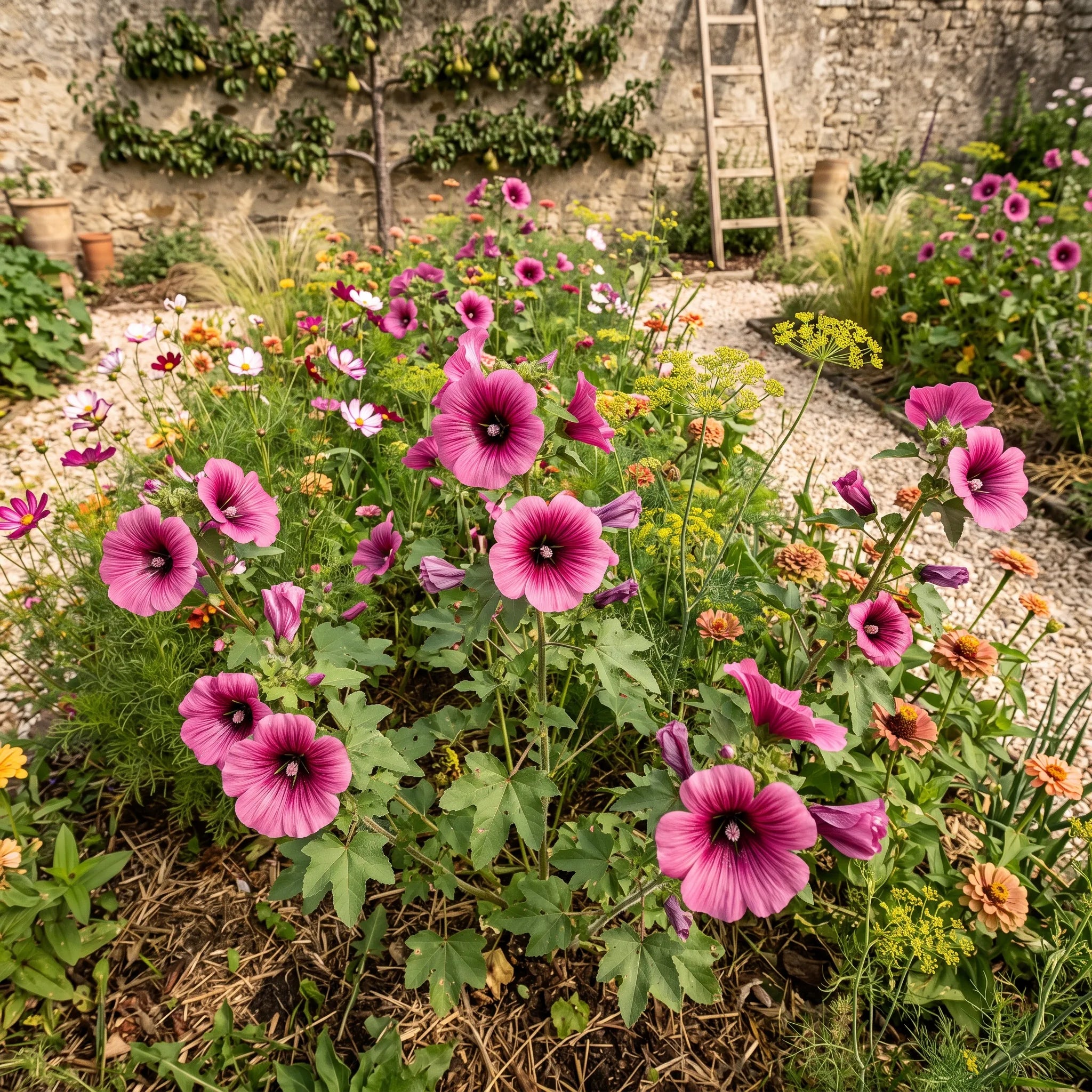
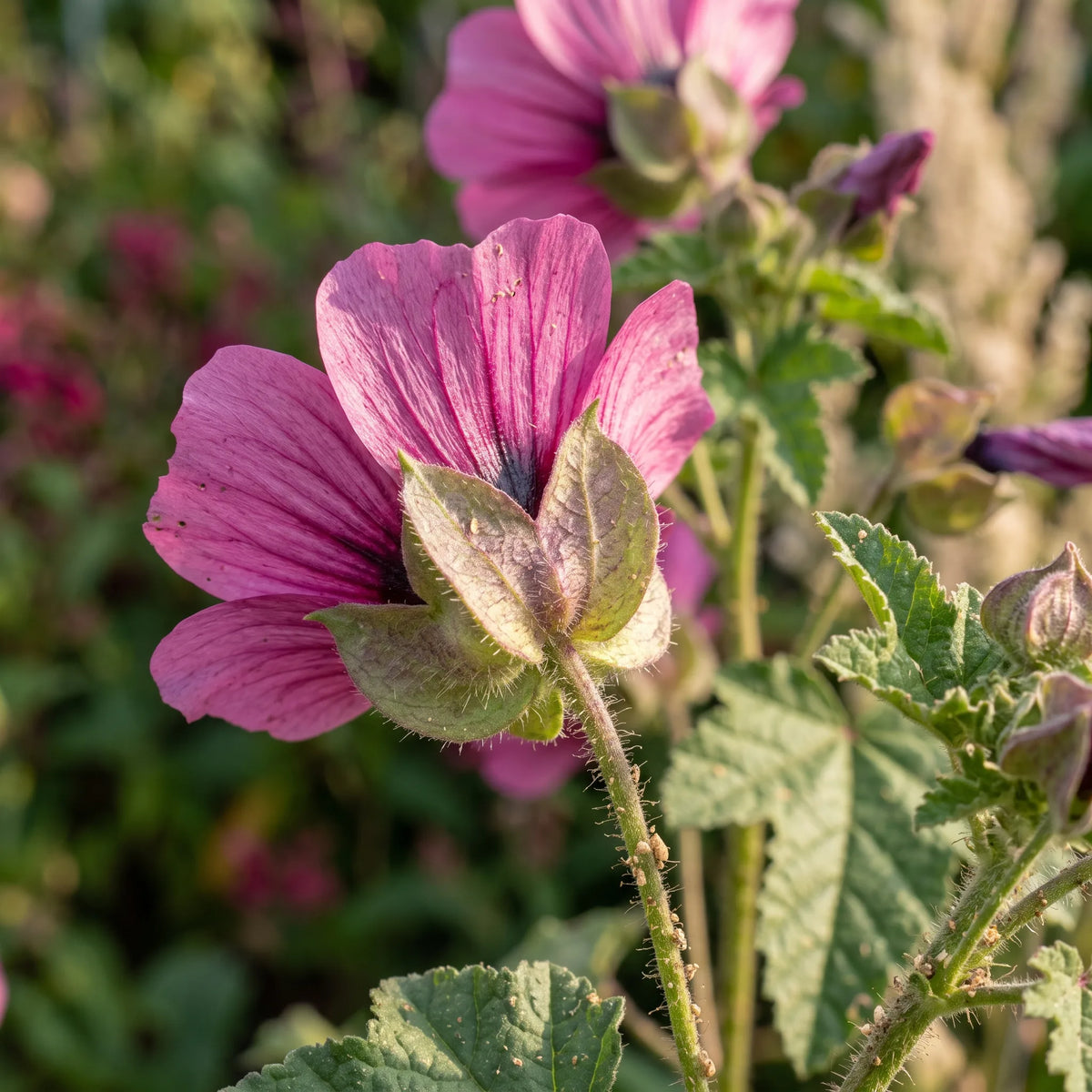
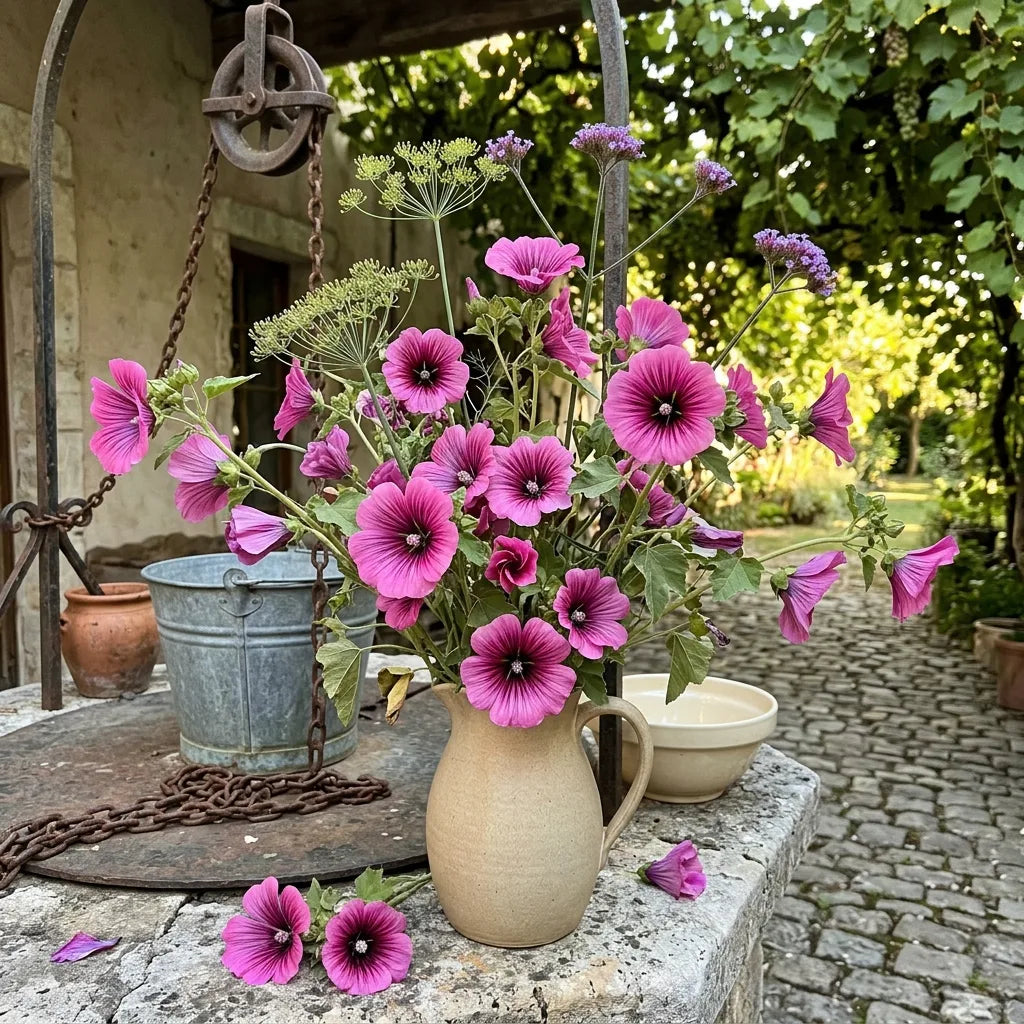
Malope, üçparçalı ebegümeci, büyük çiçekli malope: Ebegümecigillerin akrabası olan bu bitki, onların huni biçimli büyük taç yapraklarına sahiptir; ancak çok daha yoğun tonlarda çiçek açar — gün batımında neredeyse floresan görünen parlak macenta pembesi, az sayıda tek yıllık bitkinin eşlik edebileceği bir renktir. Akdeniz Havzası kökenli olan malope, bahçeye hem romantik hem de doğal bir hava katar.
Özellikleri:
-
Parlak renkli büyük çiçekler: Yaz boyunca beyazdan yoğun mora, macenta pembesinden geçerek açan huni biçimli taç yapraklar.
-
Güzel boy: 80 ila 100 cm uzunluğunda, dallanan gövdeleriyle çiçek tarhlarının arka sıraları için idealdir.
-
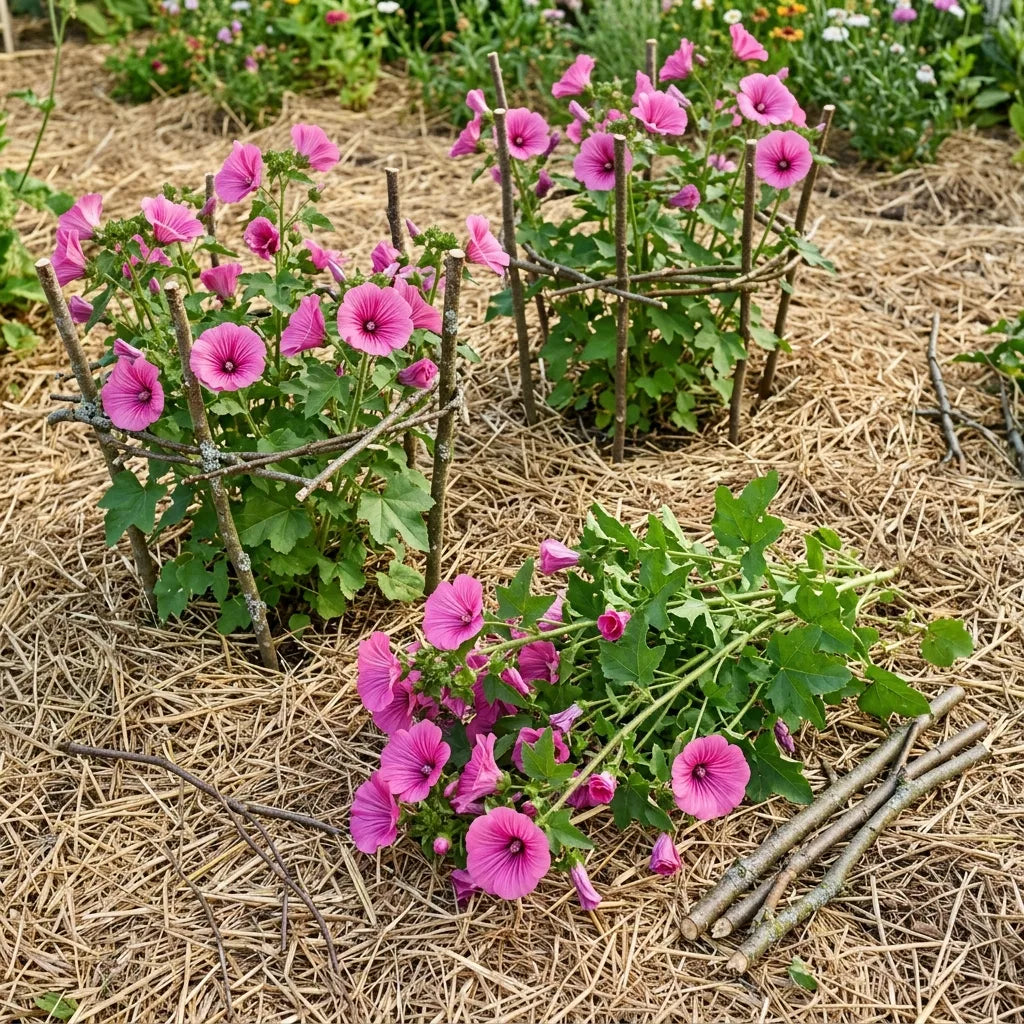
Kesme çiçek olarak mükemmel: Uzun çiçek sapları, onu dikkat çekici bir buket çiçeği yapar.
Tohum ekimi önerileri:
-
Konum: Güneşli.
-
Toprak: Hafif, iyi drene olan, normal ila fakir toprak. Akrabası olduğu ebegümecigiller gibi, besince zengin topraklara kıyasla fakir toprakta daha iyi çiçek açar; zengin toprakta ise çoğunlukla yaprak geliştirir. Gübre kullanmayın.
-
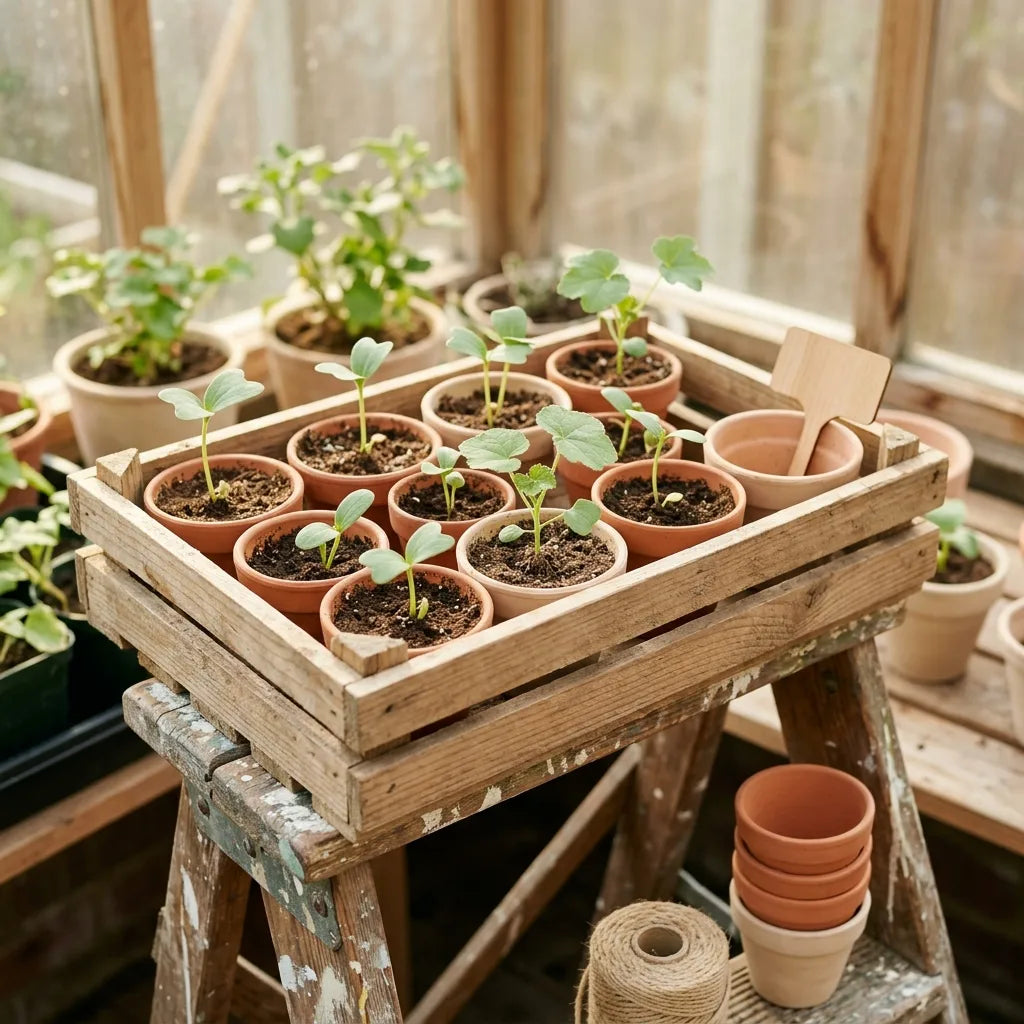
Yöntem: Katlama gerekmez. Nisan ayından itibaren doğrudan açık toprağa veya marttan itibaren korunaklı bir yerde saksılara ekerek mayısta dikim yapın. Tohumların üzerini hafifçe örtün ve 7 ila 14 gün içinde çimlenene kadar nemli tutun. Tohumların nasıl ekileceğini görün.
Dikim önerileri:
- Bitkiler arasında yaklaşık 25 ila 30 cm mesafe bırakın. Gövdeleri uzun olduğundan, rüzgârlı yerlerde göze batmayan bir destek faydalı olabilir.
Bakım önerileri:
- Orta düzeyde sulayın. Çiçeklenmeyi donlara kadar uzatmak için solmuş çiçekleri temizleyin.
Faydalı birliktelikler:
Biyoçeşitlilik açısından değeri:
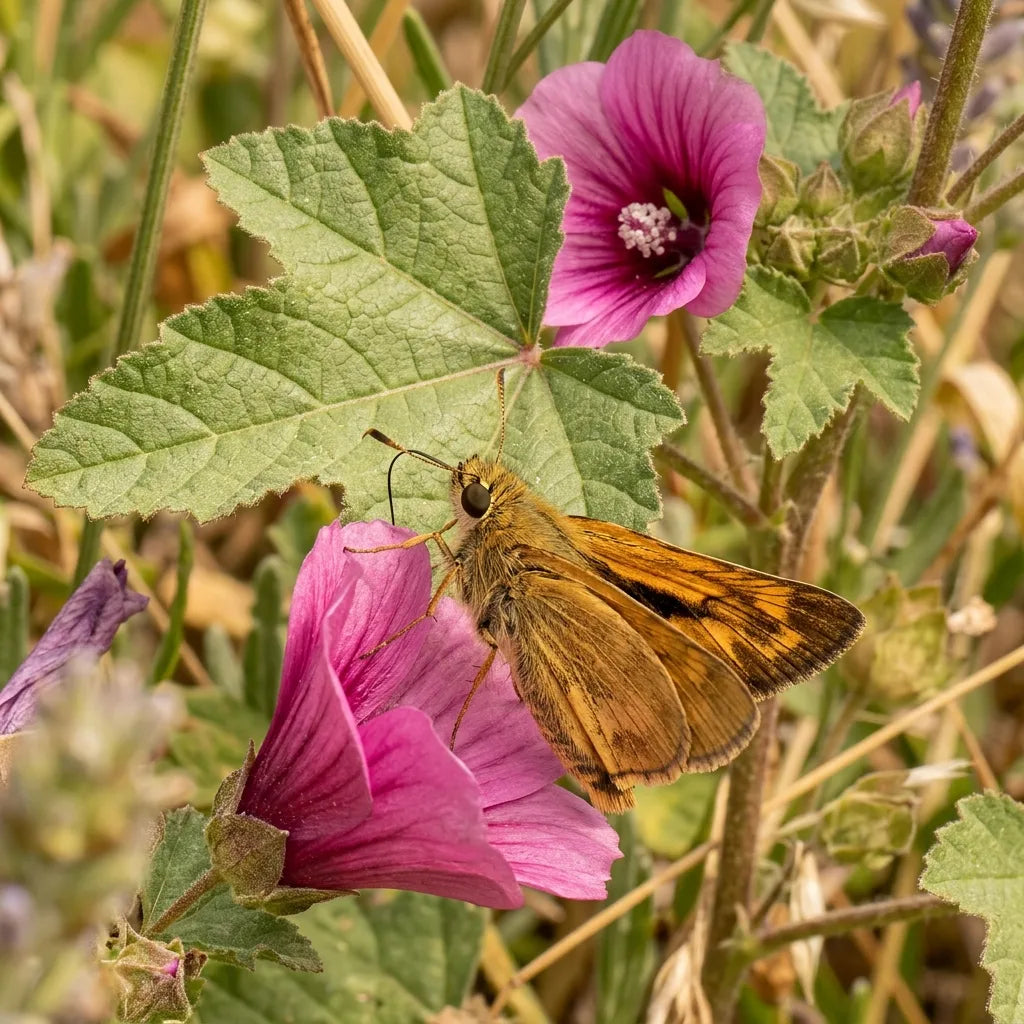
- Açık ve büyük taç yaprakları polen ile nektara kolay erişim sağlar: Arılar, bombus arıları ve kelebekler bütün yaz boyunca çiçeklerine üşüşür.
- Diğer ebegümecigiller gibi, yaprakları kelebek tırtıllarına ev sahipliği yapabilir.
Kullanım:
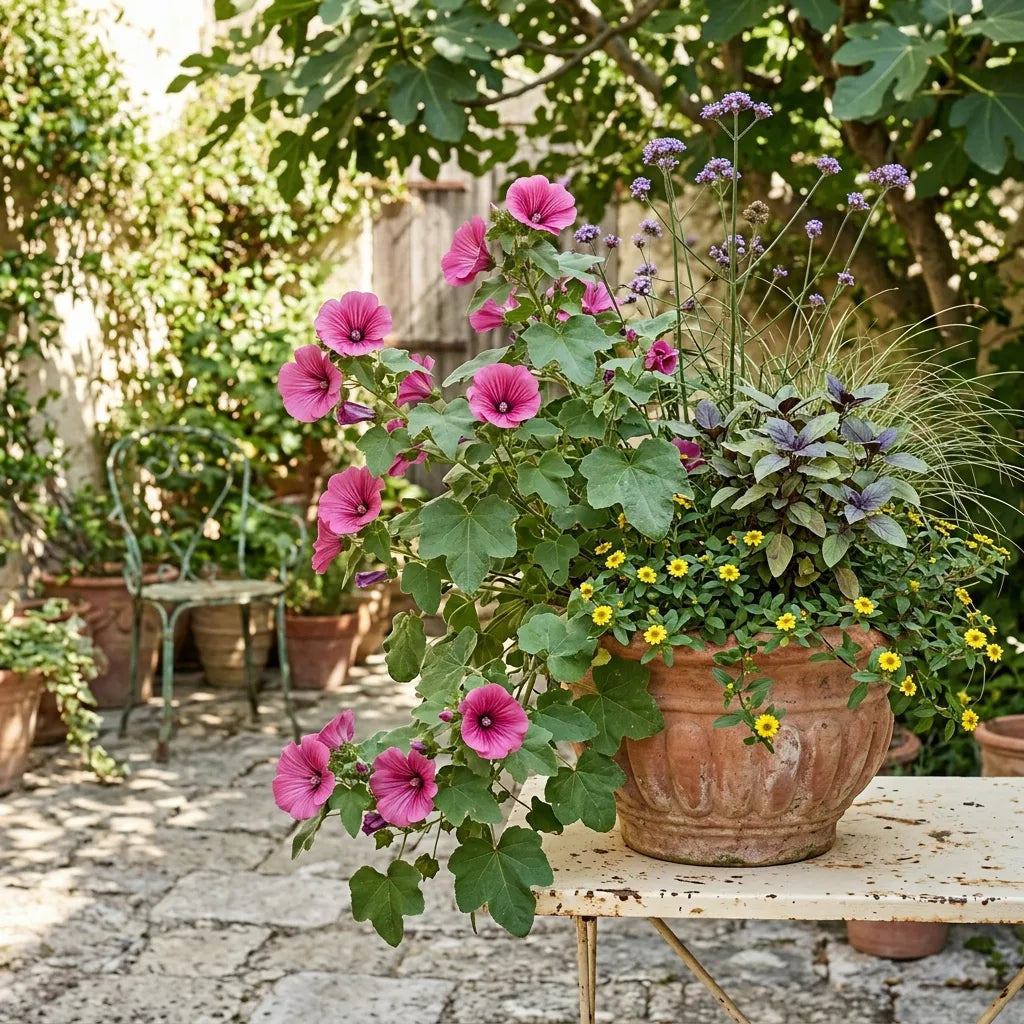
- Çiçek tarhları, bordürler, kır bahçeleri ve çiçekli çayırlar. Uzun sapları sayesinde taze buketlerde mükemmeldir.
Sembolizmi:
Malope, çiçeklerin dilinde sade ve kendiliğinden güzelliği, rustik cazibeyi ve kimi zaman minnettarlığı ifade eder.
Kendi tohumlarınızı hasat edin:
Birkaç çiçeğin baş şeklinde kümelenmiş yuvarlak meyveler oluşturmasına izin verin; ardından meyveler kahverengileşip kuruduğunda, parçalanmadan önce toplayın. Tohumların nasıl saklanacağını görün.
Kaliteye Bağlılığımız: SemiSauvage - Permaculture olarak tohumlarımızı, yaşayan dünyaya saygıyı temel alarak yetiştiriyor ve seçiyoruz. Auvergne Volkanları yakınlarında yer alan işletmemizde, yeniden üretilebilen ve hibrit olmayan, çimlenme oranları test edilmiş, özenle ayıklanıp paketlenmiş ve hiçbir kimyasal işleme tabi tutulmamış çeşitleri seçiyoruz. İnancımız şu: Bahçıvanlara, kendilerine gerçekten ait olan tohumları her yıl yeniden ekme kapasitesini geri kazandırmak.
Yazlık çiçek tarhlarınıza romantik ve doğal bir dokunuş katın.