Solanum melongena “White Egg”
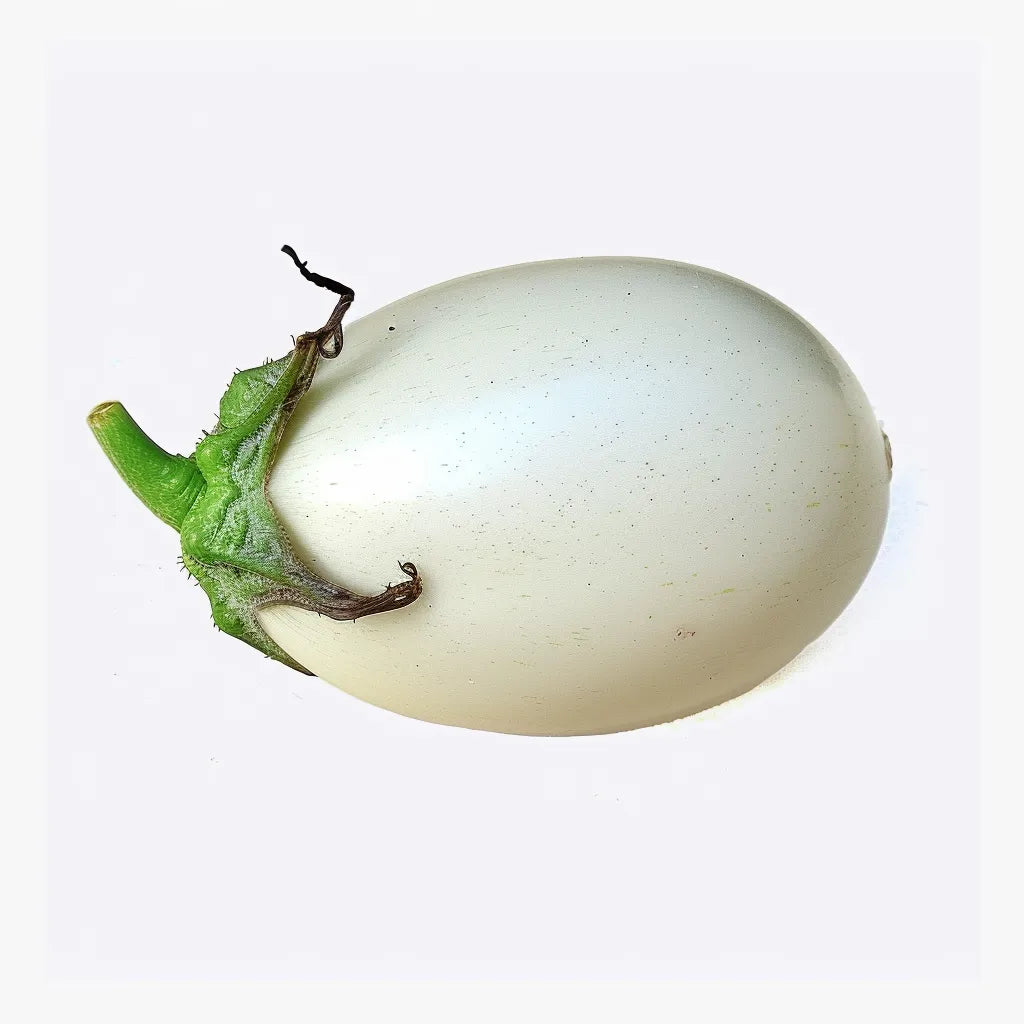
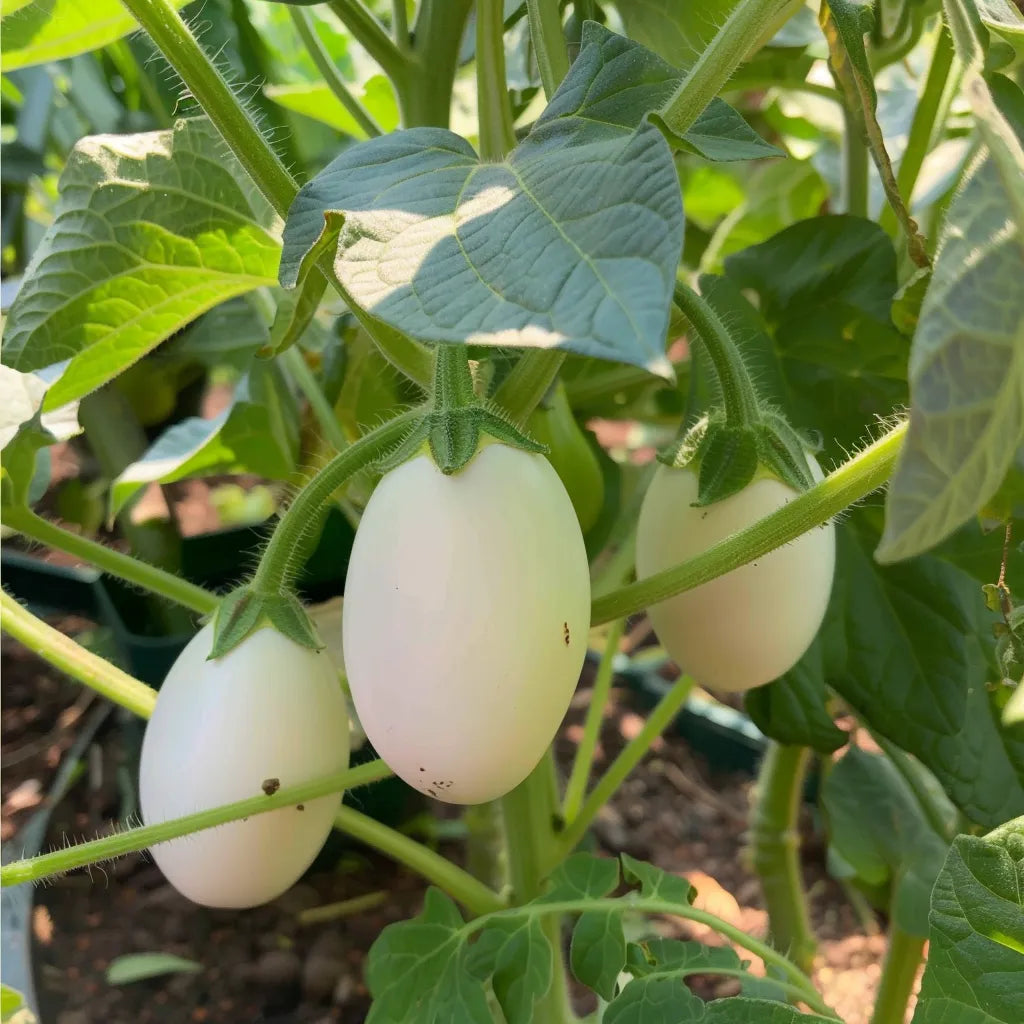
White Egg eggplant, egg eggplant, white oval eggplant: it explains all by itself why English speakers call the vegetable eggplant — its oval, white fruits are strikingly similar to hen’s eggs. An old variety that has become rare, it offers silky flesh and a mild flavor, distinctly less bitter than black eggplants.
Characteristics:
-
Egg shape and color: small, oval, pure-white fruits that are highly decorative on the plant.
-
Silky flesh: mild, barely bitter flavor, with no need for salting to draw out the bitterness.
-
Rare variety: almost disappeared from seed catalogs, it deserves to be brought back into cultivation.
-
Suitable for growing in pots: perfectly adapted to patios and balconies.
Precautions:
- Like all nightshades, its foliage and immature fruits contain solanine and must not be eaten. Only well-formed fruits are edible, and they must always be cooked.
- Frost-tender and sensitive to cold: it suffers as soon as nighttime temperatures drop below 12 °C.
Sowing advice:
-
Exposure: warm, sunny, and sheltered.
-
Soil: rich in humus, moist, deep, and well drained. This is an extremely hungry plant: a generous application of well-rotted compost is crucial for fruit production.
-
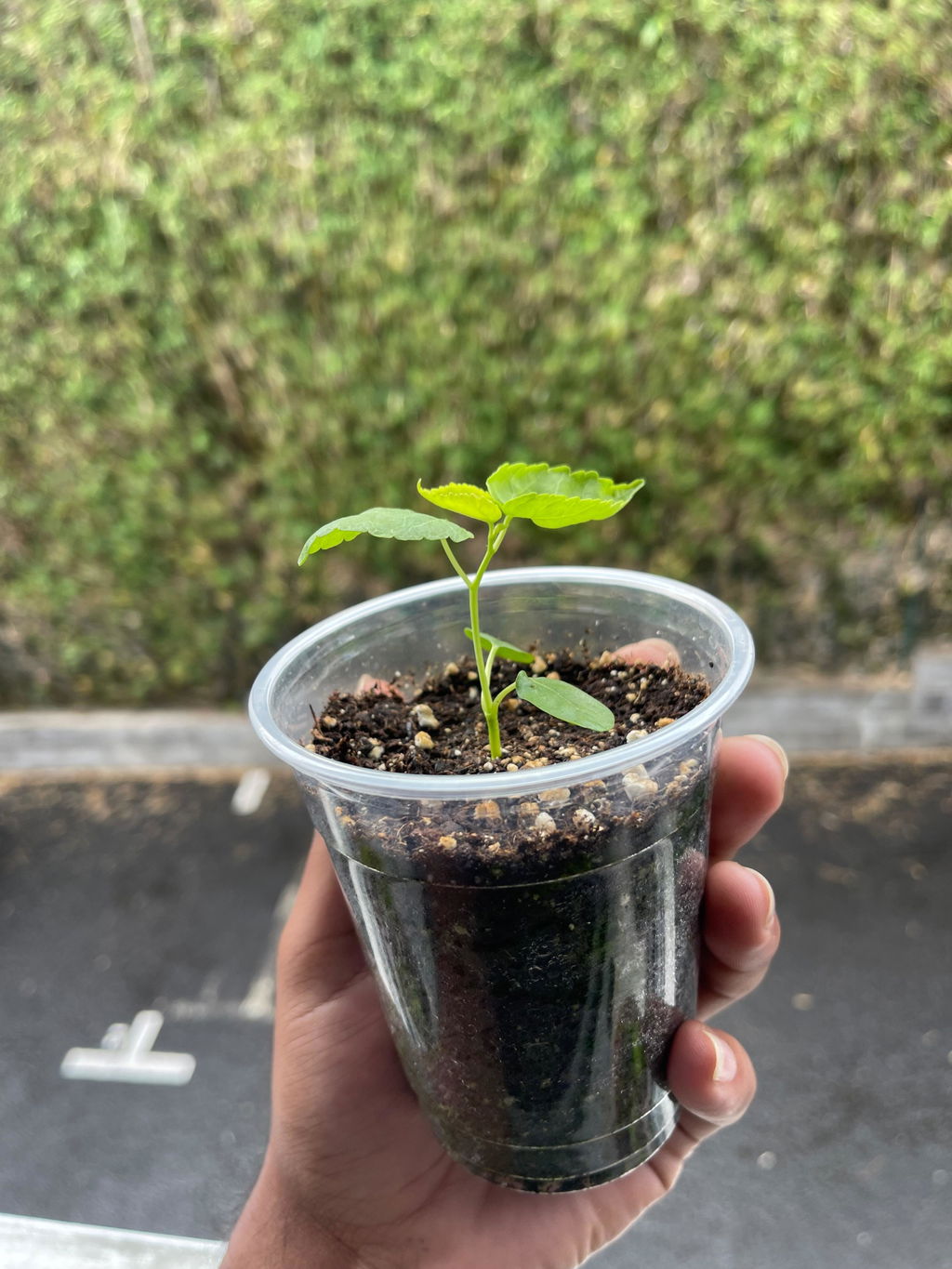
Method: sow in spring, from February onward indoors, at 24-26 °C — a critical point, as eggplant germinates poorly below 20 °C and is far more demanding than tomatoes. See how to sow seeds.
Planting advice:
- Transplant after the frosts into a sunny, warm spot, spacing plants 60 cm apart and providing a stake.
Care advice:
- Keep the soil moist but well drained, watering at the base without wetting the foliage. Mulch generously.
- In our climates, limit the plant to 5 or 6 fruits by pinching out the stem above the last one.
Harvesting advice:
- Harvest when the skin is taut and shiny. As soon as it turns yellow or becomes dull, the fruit is overripe: its flesh becomes bitter and full of hard seeds.
Beneficial combinations:
Benefits for biodiversity:
- Its purple flowers require buzz pollination: only bumblebees, which can vibrate their muscles at high frequency, are capable of it. Welcoming them directly improves your harvest.
- Bringing an almost extinct variety like this one back into cultivation is a concrete way to help preserve crop diversity.
Uses:
- Roasted or stuffed — its size makes perfect individual portions — grilled, made into caviar, or used in curry. Always cooked, never raw.
Harvesting your own seeds:
Leave one fruit on the plant well beyond the eating stage, until it turns yellow and wrinkles. Then remove the seeds, rinse them, and dry them. Since eggplant is predominantly self-pollinating, cross-pollination remains limited. See how to save your seeds.
Commitment to Quality: at SemiSauvage - Permaculture, we grow and select our seeds with respect for all living things as our guiding principle. Based near the Auvergne Volcanoes, we choose open-pollinated, non-hybrid varieties, test them for germination rates, and carefully sort and package them without any chemical treatment. Our conviction: to give gardeners back the ability to resow, year after year, seeds that truly belong to them.
The eggplant that gave the vegetable its English name, almost extinct and in need of saving.