Koelreuteria paniculata
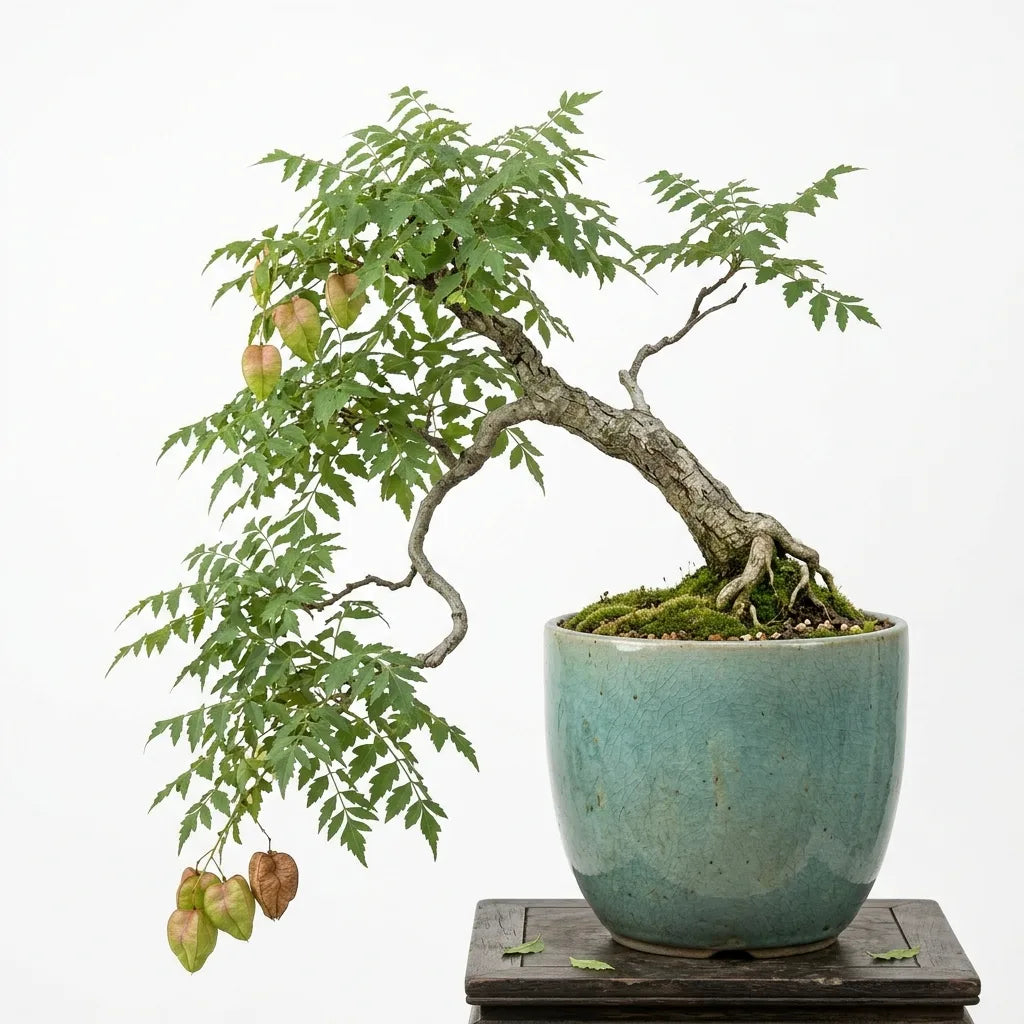
Sabun ağacı, fener ağacı, altın yağmuru ağacı, koelreuteria: Çin kökenli bu ağaç, iki gösterisini özetleyen iki ad taşır. Yazın, sarı salkımlardan oluşan bir “altın yağmuru” tepe tacını kaplar; sonbaharda bu çiçeklerin yerini, önce pembe sonra kahverengiye dönen ve ağaçta uzun süre kalan kâğıt fener biçimli meyveler alır.
Özellikleri:
-
Sarı yaz çiçeklenmesi: Çok az ağacın çiçek açtığı bir dönemde, temmuz-ağustos aylarında dik duran büyük salkımlar oluşturur.
-
Fener biçimli meyveler: Kışa kadar kalan, yarı saydam, şişkin ve son derece dekoratif kapsüller.
-
Küçük bahçeler için ağaç: 6 ila 8 metre boylanır; küresel tepe tacı yaşlandıkça yayvanlaşır, kabuğu düzgün ve gridir.
-
Dikkat çekici uzun ömür: Yavaş ama düzenli büyür; 200 yıla kadar yaşayabilir.
Dikkat edilmesi gerekenler:
- Kabuğunda ve meyvelerinde bulunan saponinler bunları tüketime uygunsuz hâle getirir. Asya'daki geleneksel kullanımı gıda amaçlı değil, ev işlerinde — adını aldığı doğal sabun yapımında — kullanımdır.
- İlkbaharda geç uyanır: onu ölü sanmayın; diğer ağaçlardan yalnızca daha geç sürgün verir.
Tohum ekimi önerileri:
-
Işık: Kesinlikle tam güneş — sıcak yazlar en bol çiçeklenmeyi sağlar.
-
Toprak: Sıkı ya da çok geçirgen, kireçli ve daha çok kuru toprak. Yerleştikten sonra zorlu topraklara ve kuraklığa dikkate değer ölçüde dayanır; ancak suya doymuş veya asitli toprakları sevmez. Gübreleme gerekmez.
-
Yöntem: Siyah tohumlarının kabuğu çok serttir. Tohumları törpüyle hafifçe çizin veya 24 saat ılık suda bekletin; ardından 2 ila 3 aylık bir soğuk katlama uygulayın. Daha sonra ilkbaharda derin bir saksıya ekin.
Dikim önerileri:
- Genç fidanı, kazık kökünü korumak için derin bir saksıda, kalıcı yerine erkenden şaşırtın. Yuvarlak görünümü ve ölçülü büyümesi onu küçük bahçeler ve kent avluları için ideal kılar.
- Bonsai yapımına da uygundur — tohumdan bonsai oluşturma rehberimize bakın.
Bakım önerileri:
- İlk iki yıl düzenli sulayın; ardından ağaç kendi kendine yeterli hâle gelir. Kış sonunda asgari düzeyde budayın.
Yararlı eşlikçiler:
Biyoçeşitlilik açısından değeri:
- Yaz ortasındaki çiçeklenmesi, çoğu ağacın çiçeklenmesini tamamladığı ve tozlayıcılar için kaynakların azaldığı bir dönemi doldurur: en kurak mevsimde değerli bir nektar kaynağıdır.
- Kuru fenerleri kışın küçük böceklere barınak sağlar; hafif yaprakları ise ışığın geçmesine izin vererek alt tabakada çiçekli bitkilerin yetişmesine olanak tanır.
- Kuraklığa ve sıkışmış topraklara dayanıklılığı, onu giderek ısınan kentler için geleceğin ağaçlarından biri yapar.
Kullanım:
- Tek başına, sıra hâlinde veya küçük bahçelerde süs ağacı olarak kullanılır; yaz çiçeklenmesi, dekoratif meyveleri ve altın sarısı sonbahar yapraklarıyla üç yönlü değer taşır. Fenerleri kuru buketlerde kullanılabilir.
Sembolizmi:
Çin'de sabun ağacı, son derece ayrıntılı bir protokol hiyerarşisine göre bilginlerin mezarlarına dikilen ağaçlar arasında yer alırdı. Uzun ömrü, kalıcılığın ve aktarımın sembolü olmasını sağlar.
Kendi tohumlarınızı toplamak:
Sonbaharda kuru fenerleri açın: her birinin içinde inci gibi yuvarlak ve sert üç siyah tohum bulunur. Kazıma ve kış katlamasından önce tohumları kurutun. Tohumlarınızı saklama rehberimize bakın.
Kalite Taahhüdü: SemiSauvage - Permaculture olarak tohumlarımızı, yaşayan dünyaya saygıyı temel ilkemiz kabul ederek yetiştiriyor ve seçiyoruz. Auvergne Volkanları'nın yakınında yer alan işletmemizde, yeniden üretilebilen ve hibrit olmayan çeşitleri seçiyor; çimlenme oranlarını test ediyor, tohumları özenle ayıklayıp paketliyor ve hiçbir kimyasal işlem uygulamıyoruz. İnancımız şu: bahçıvanlara, gerçekten kendilerine ait olan tohumları yıl be yıl yeniden ekme kapasitesini kazandırmak.
Diğerleri çiçeklenmesini tamamladığında çiçek açan bir ağaç: sabun ağacını bahçenize ekleyin.