Laurus nobilis
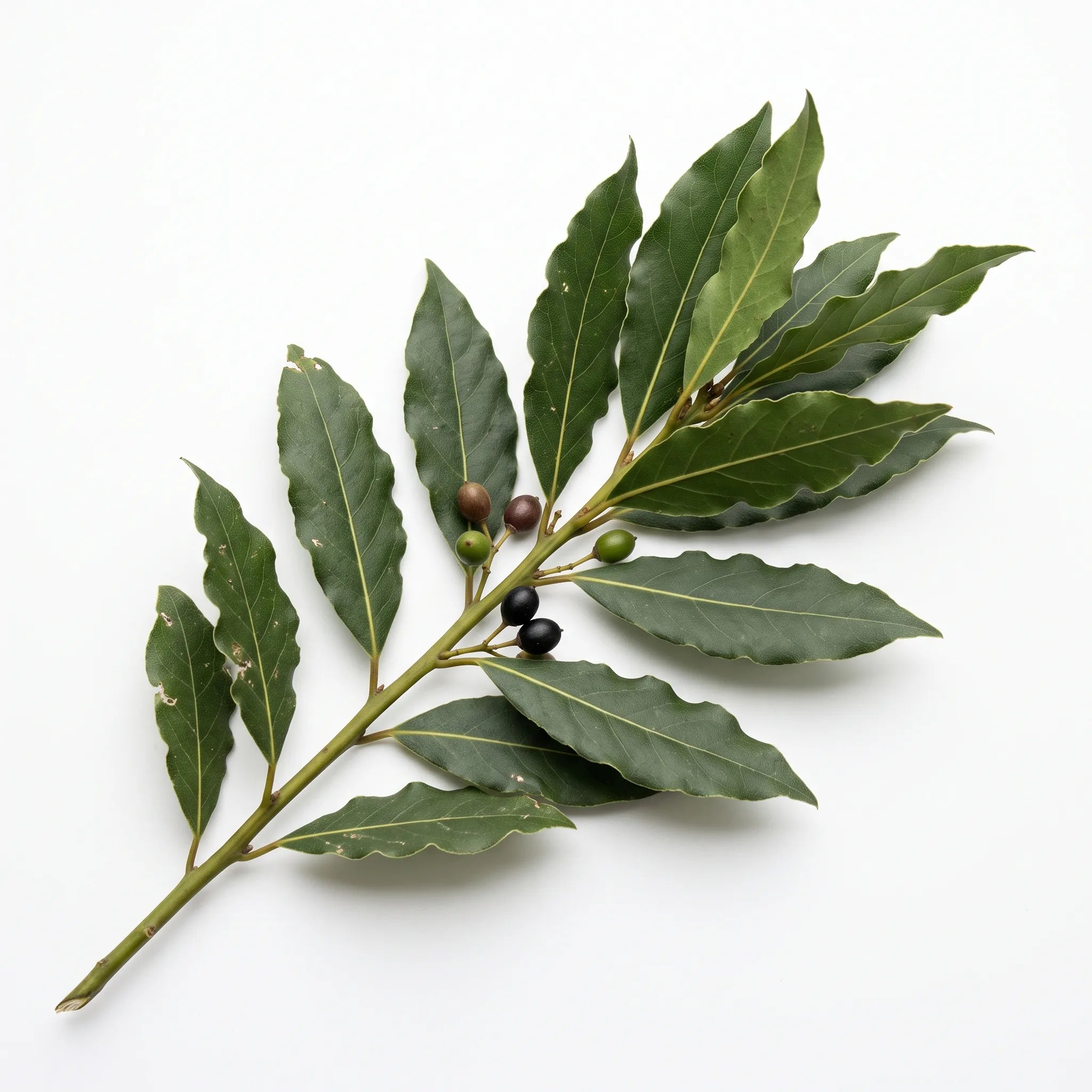
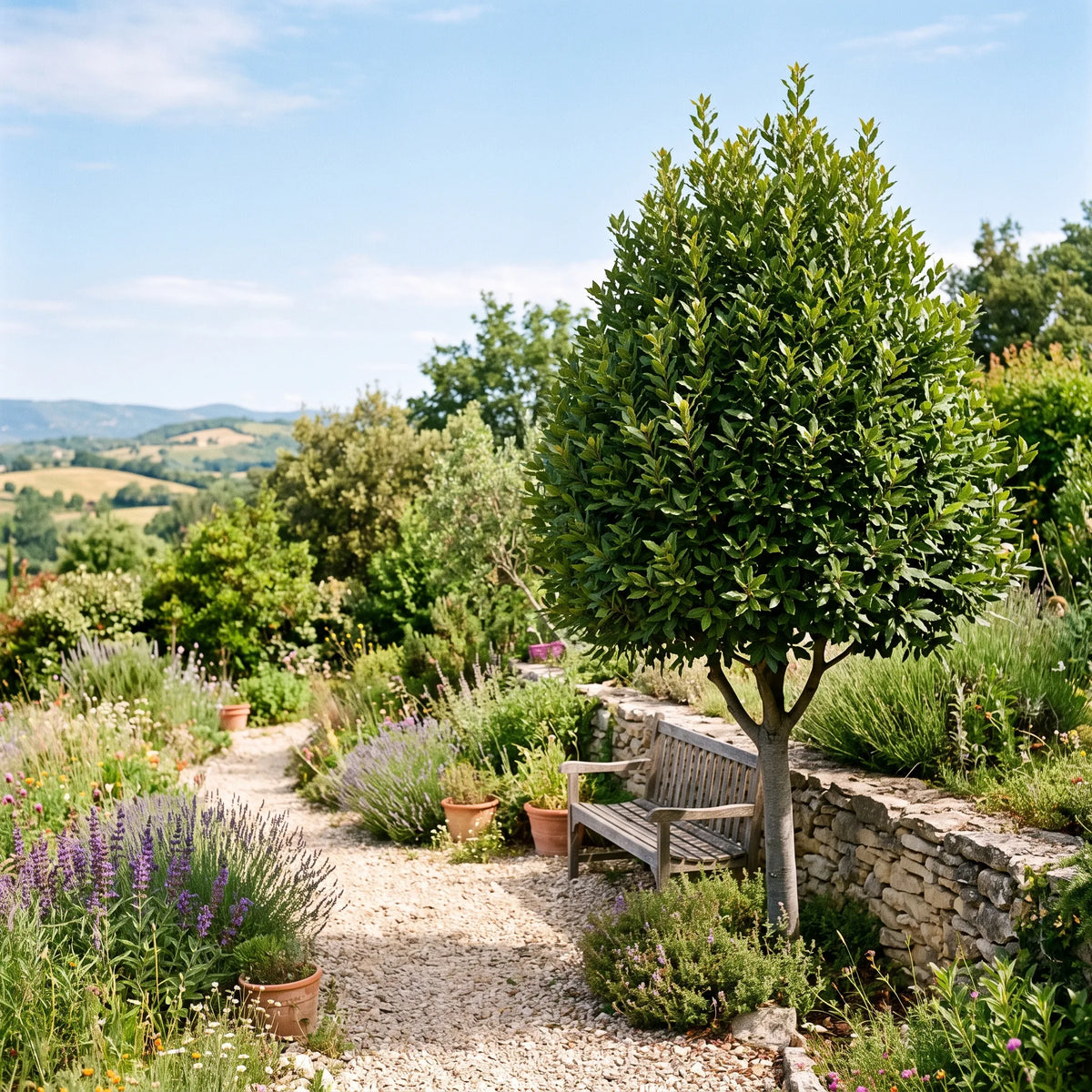
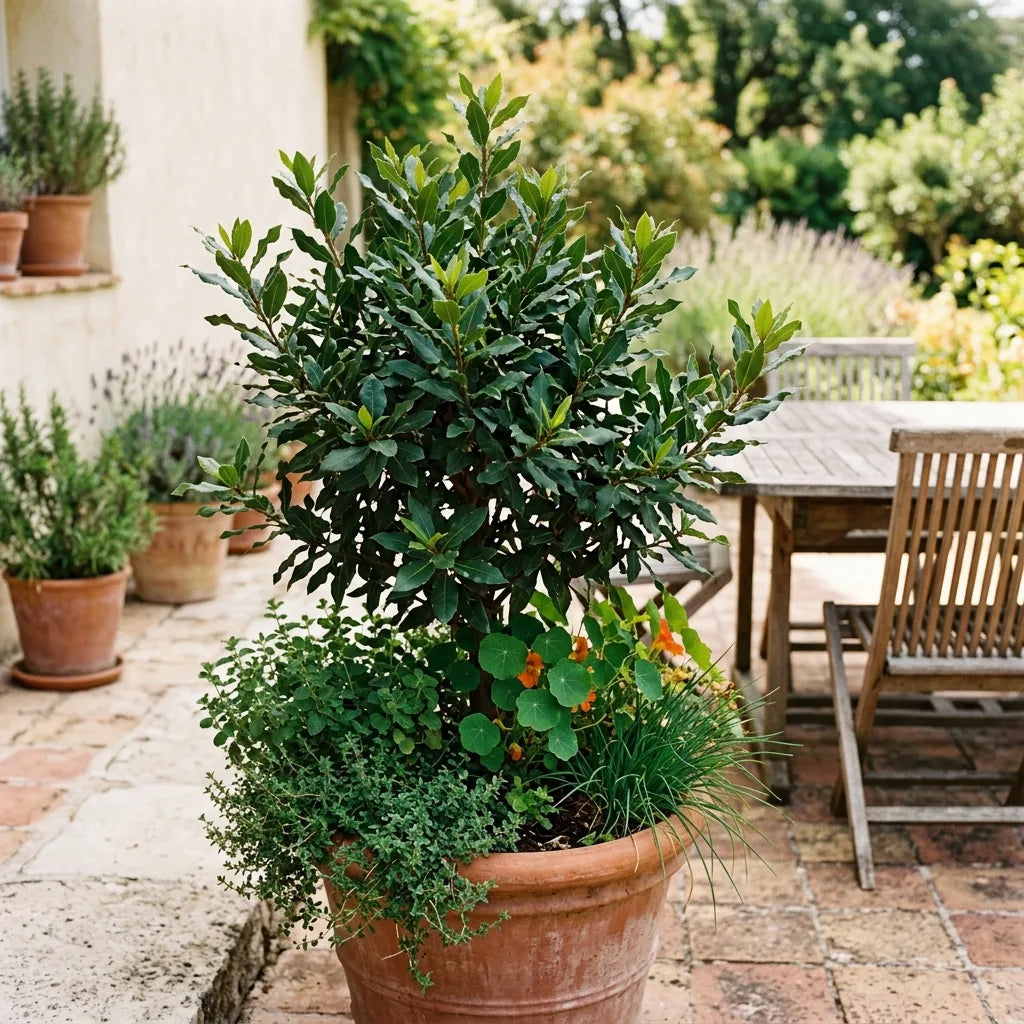
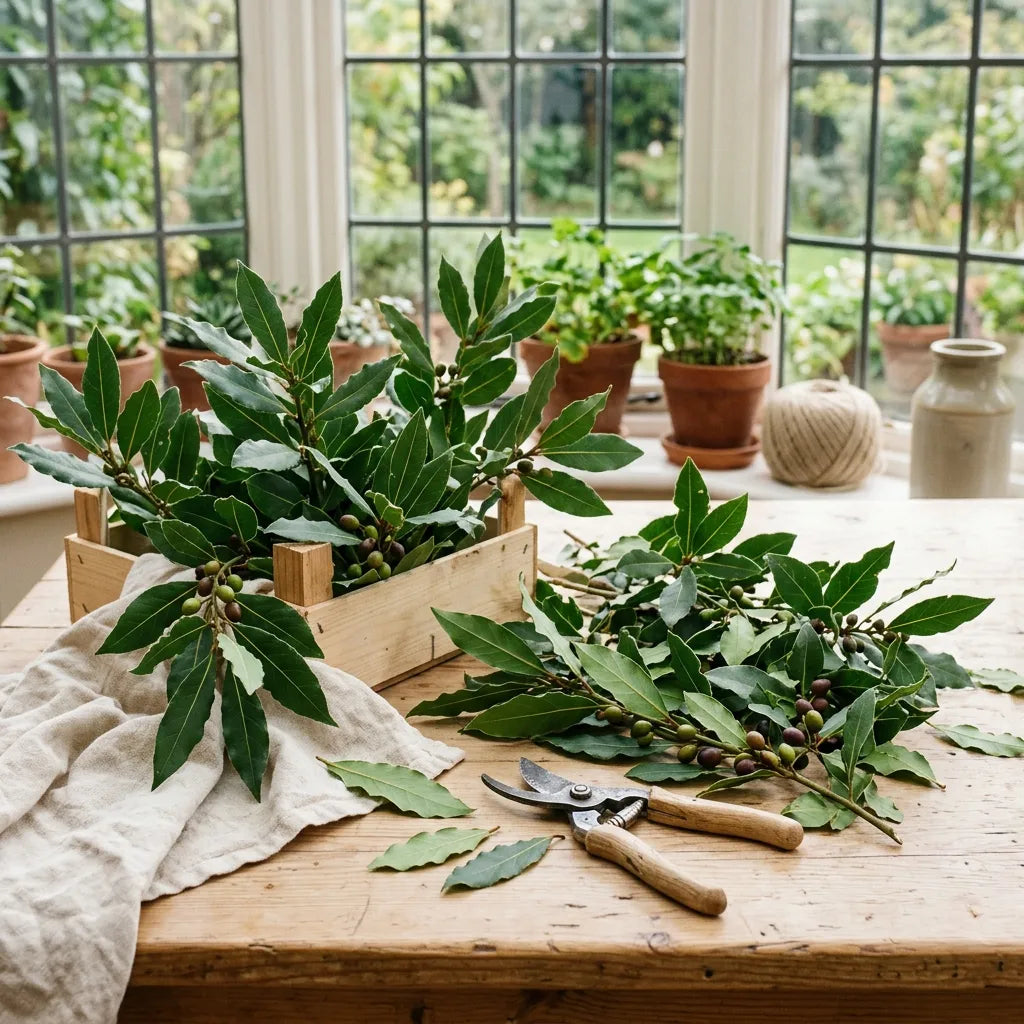
Bay laurel, sweet bay, Apollo's laurel, true laurel: this is the laurel used for crowns in ancient Greece, and the only one of all the garden “laurels” that is edible. An evergreen shrub with three uses — culinary, ornamental, and medicinal — it can reach several metres in height or remain trimmed into a ball in a pot.
Characteristics:
-
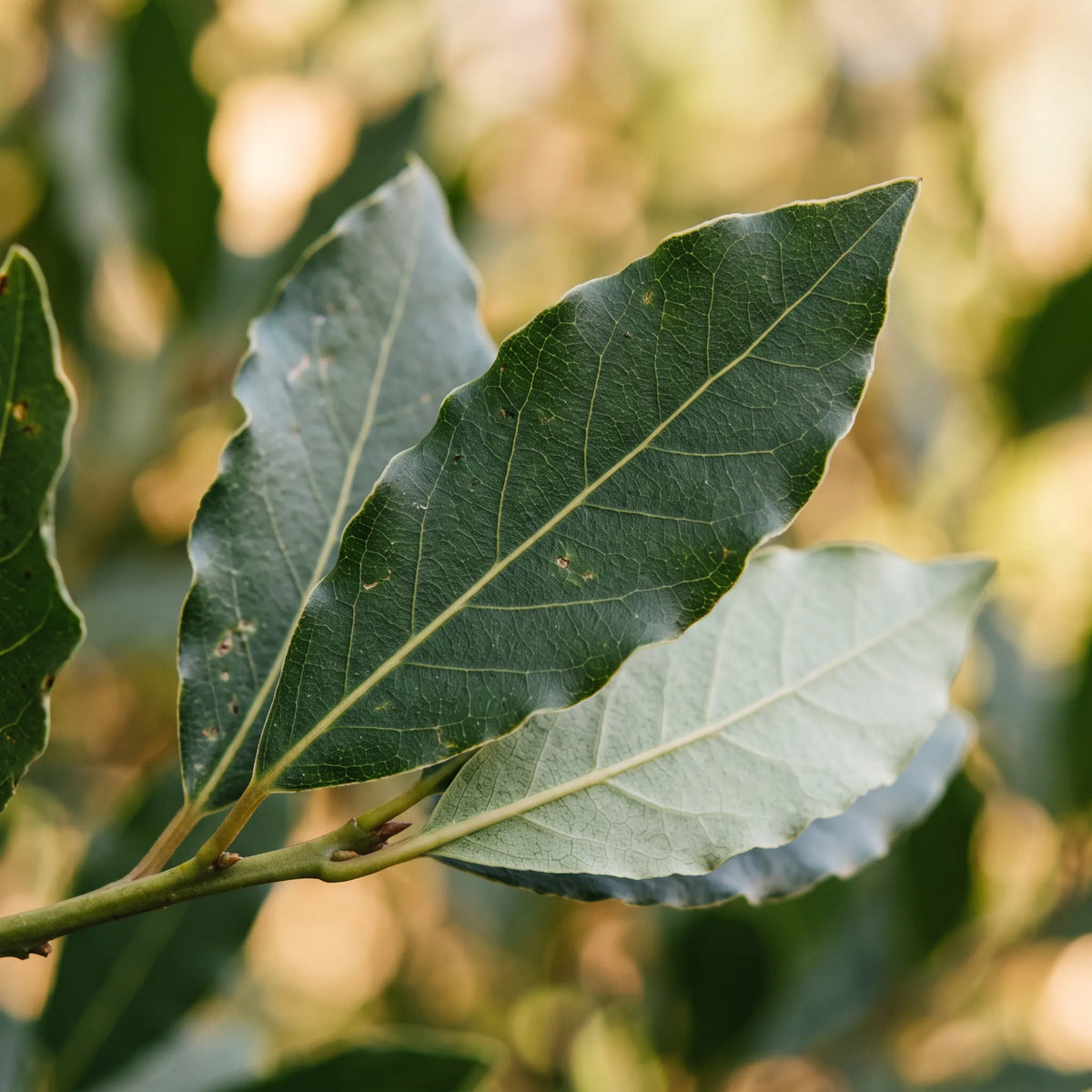
Evergreen foliage: dark green, lance-shaped, leathery leaves, harvested all year round.
-
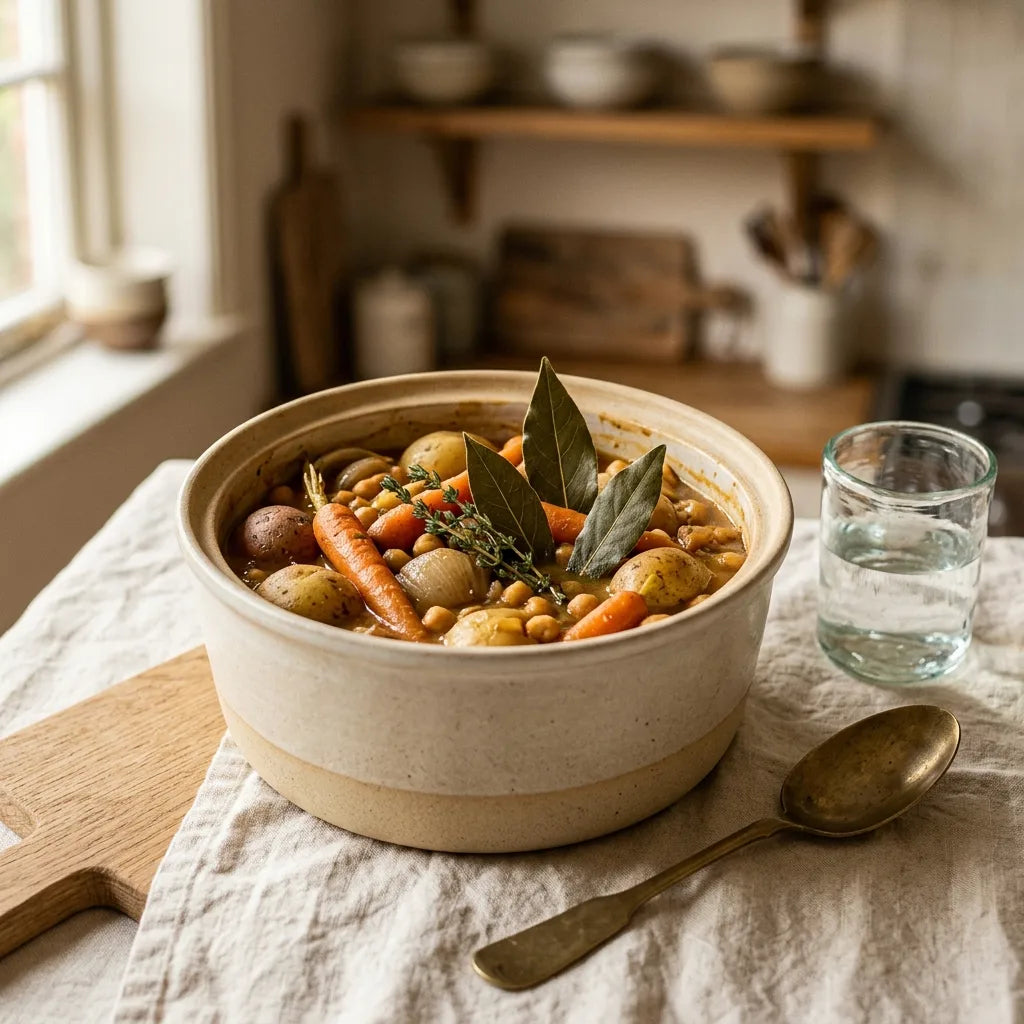
Unmatched aroma: the bay leaf in bouquet garni, indispensable in slow-cooked dishes.
-
Can be pruned as desired: as a hedge, topiary, ball, or free-growing shrub.
-
Long-lived: a well-established plant can live for several decades.
Precautions — read carefully:
-
Never confuse bay laurel with its toxic namesakes. Oleander (Nerium oleander) and cherry laurel (Prunus laurocerasus), both very common in hedges, are dangerous — only Laurus nobilis is edible. The telltale sign: crush the leaf between your fingers, and bay laurel immediately releases its characteristic culinary fragrance. The others do not.
- Its black berries should not be eaten.
- Always remove the leaves from the dish before serving: they are tough and can cause injury if swallowed.
Sowing advice:
-
Exposure: sunny to partially shaded, sheltered from cold, drying winds.
-
Soil: ordinary, deep, and well drained. It tolerates chalky soil and drought once established, but dislikes waterlogged conditions in winter.
-
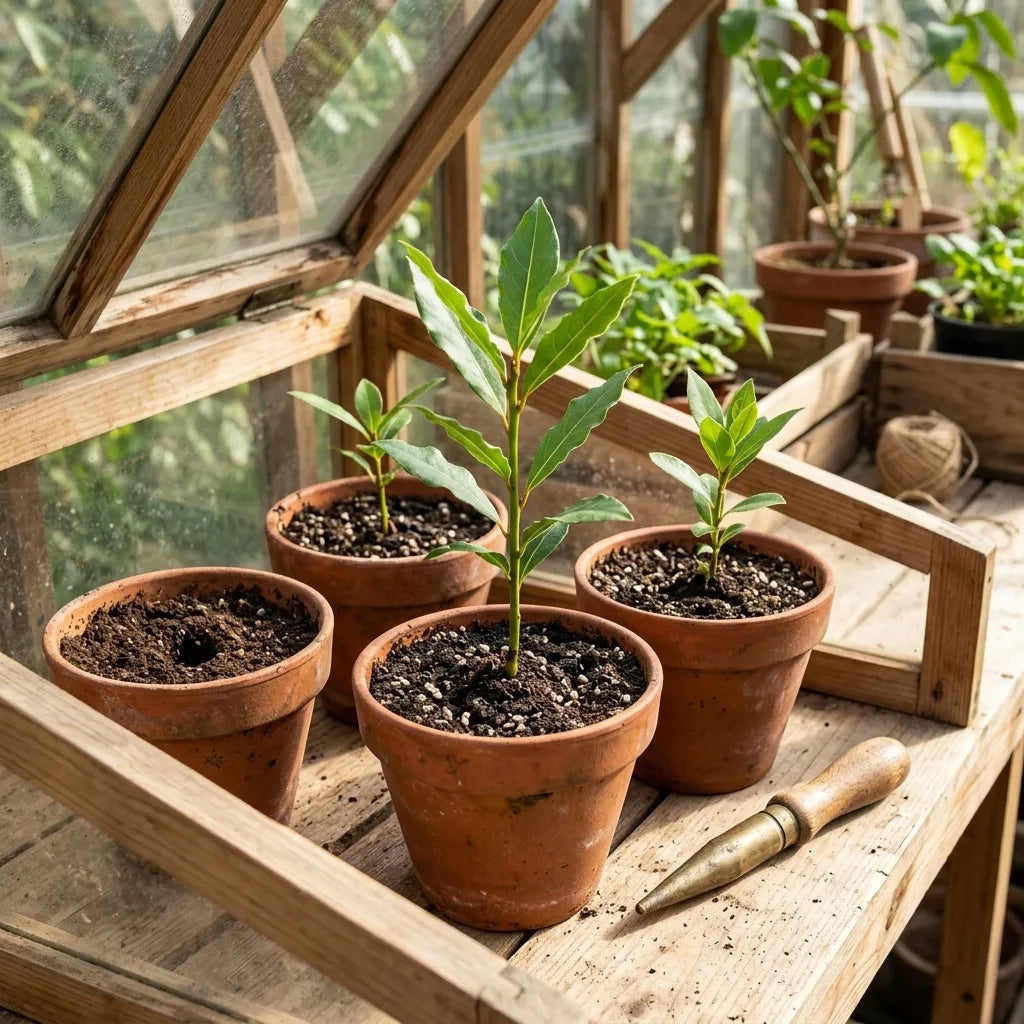
Method: the seeds require cold stratification to optimize germination. Then sow them in a seed tray or directly in the ground, covering with black plastic until emergence: darkness is necessary for germination. Keep the substrate moist but not excessively wet. Be patient — emergence can take several months.
Planting advice:
- Transplant into the ground in mild regions, or into a large pot elsewhere — it tolerates temperatures down to approximately -10 °C, but young plants are more fragile and benefit from being brought indoors during their first winters.
Care advice:
- Water during the first year, then only in cases of severe drought. Mulch around the base in winter in cold regions.
- Prune in spring to give it the desired shape. Unlike many Mediterranean shrubs, it regrows very well from old wood.
Harvesting advice:
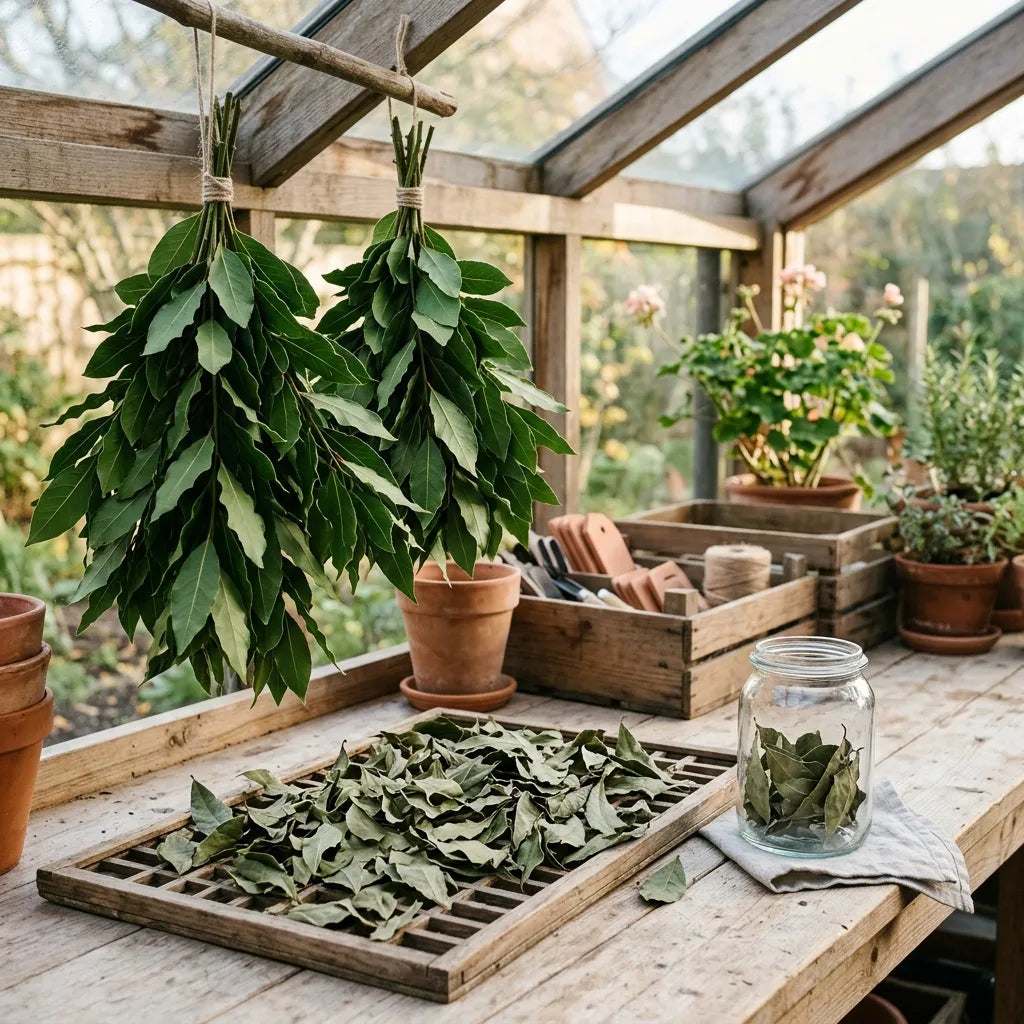
- Pick the leaves as needed throughout the year. Tip: dried leaves are more fragrant than fresh ones, whose bitterness is more pronounced. Dry them flat, in the shade, for a few days.
Beneficial pairings:
Benefits for biodiversity:
- Its dense, evergreen foliage provides winter shelter and nesting sites for birds, when deciduous shrubs are bare.
- Its small pale yellow spring flowers are visited by bees, and its black berries feed blackbirds and thrushes in autumn.
Uses:
- Leaves in bouquet garni, court-bouillons, slow-cooked dishes, marinades, and preserves. One or two leaves are enough, as their aroma is strong.
- A traditional medicinal plant, used in herbal medicine since Antiquity. See our medicinal plants to sow.
Symbolism:
A tree sacred to Apollo, it crowned poets and victors in Antiquity — hence the words “laureate” and “baccalaureate.” The expression “to rest on one's laurels” still preserves this association.
Harvesting your own seeds:
Bay laurel is dioecious, so only female plants bear berries, and a male plant must be nearby. Harvest the fully black berries in autumn, remove the pulp, and sow them promptly: their germination capacity declines quickly. See how to store your seeds.
Commitment to Quality: at SemiSauvage - Permaculture, we grow and select our seeds with respect for living organisms as our guiding principle. Based near the Volcanoes of Auvergne, we choose reproducible, non-hybrid varieties, test them for germination rates, and carefully sort and package them without any chemical treatment. Our conviction: to give gardeners back the ability to resow, year after year, seeds that truly belong to them.
The tree of poets, and the indispensable leaf for your slow-cooked dishes.