Althaea officinalis
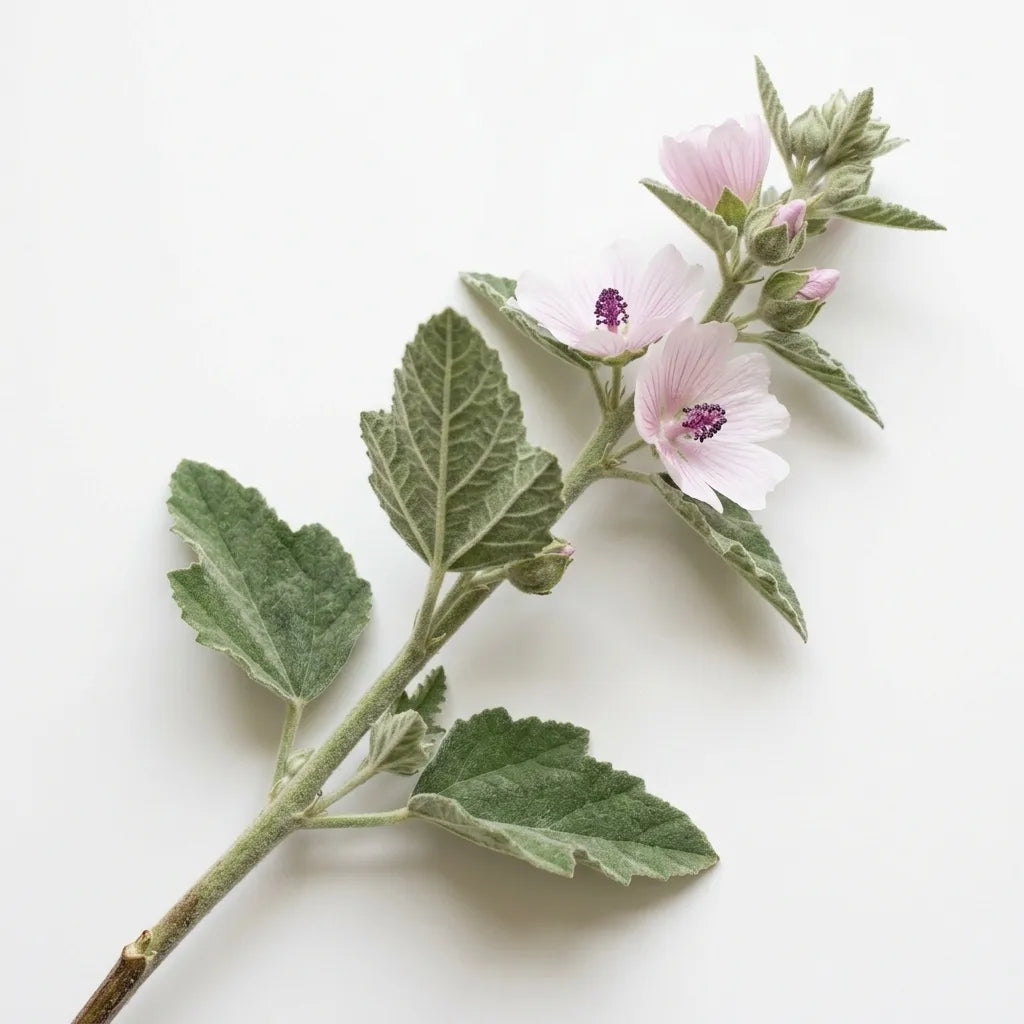
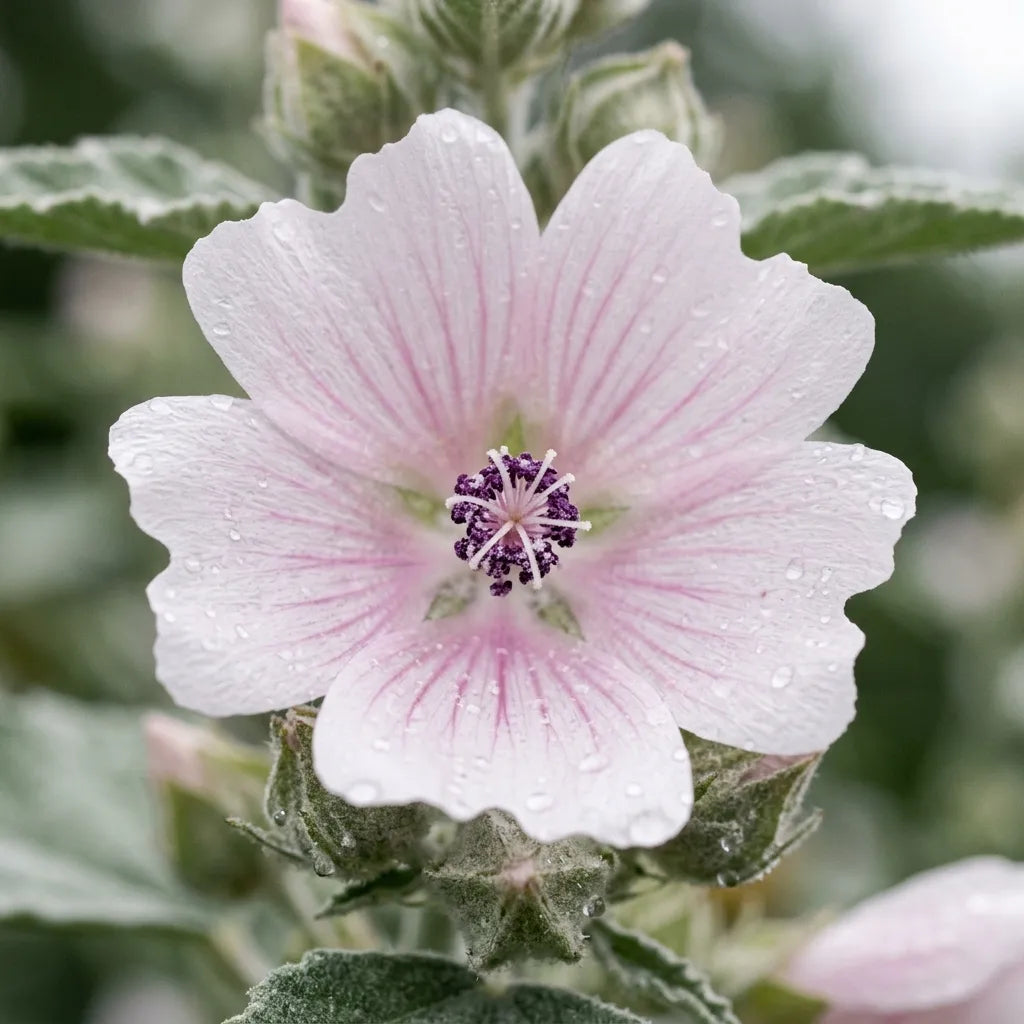
Marshmallow, white mallow, althea, St. James's bumblebee: it was indeed the root of this plant that was once used to make marshmallow, the soft confection whose name it retained even though industrial recipes have not contained it for a long time. A beautiful perennial of damp areas, with velvety foliage and delicate pale pink flowers.
Characteristics:
-
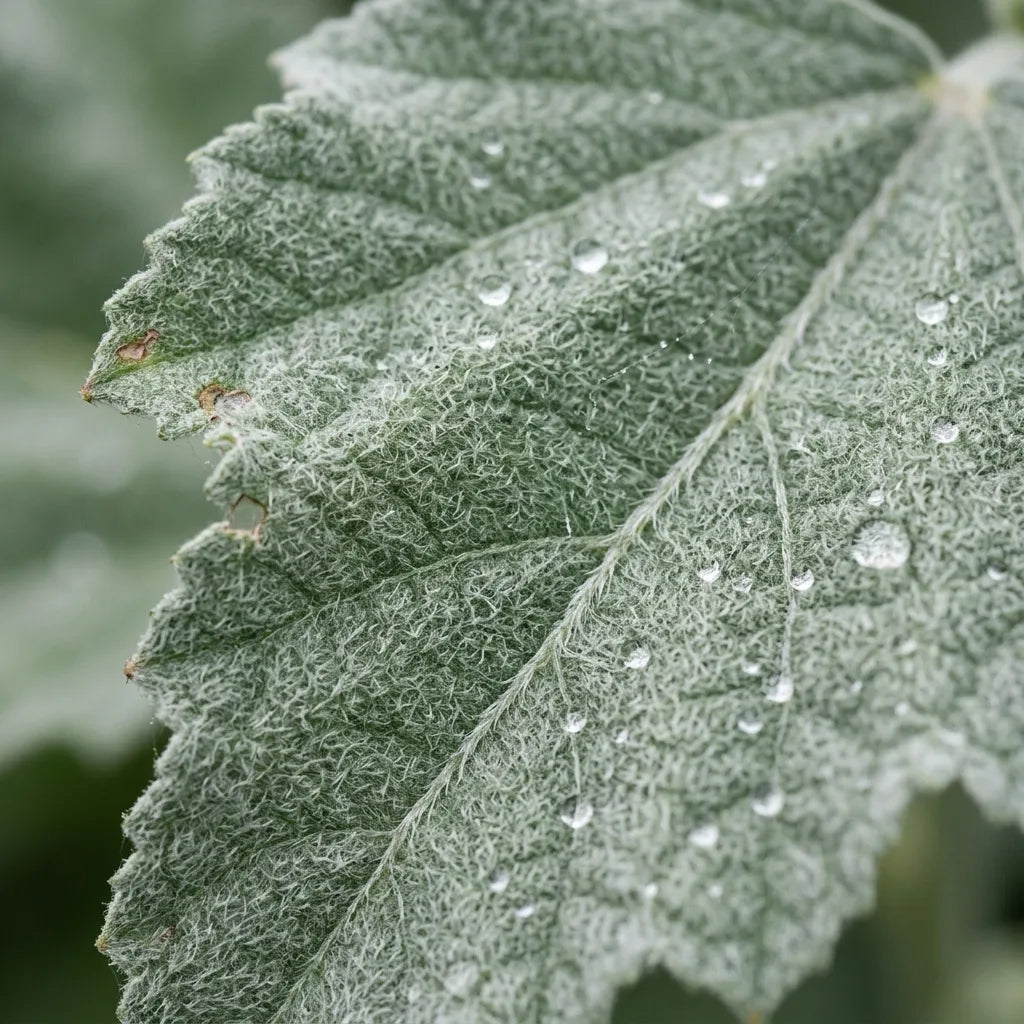
Velvety foliage: gray-green leaves covered with a characteristic soft down, easily recognizable.
-
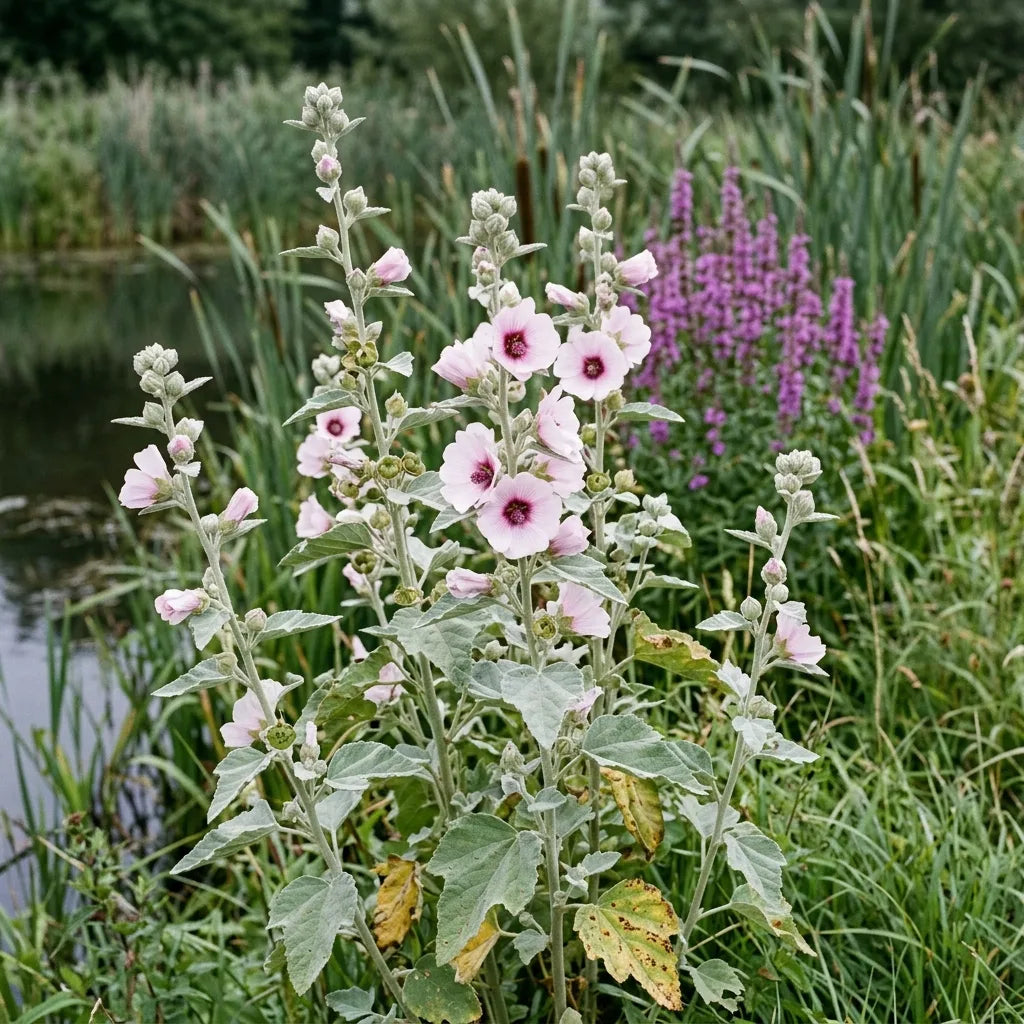
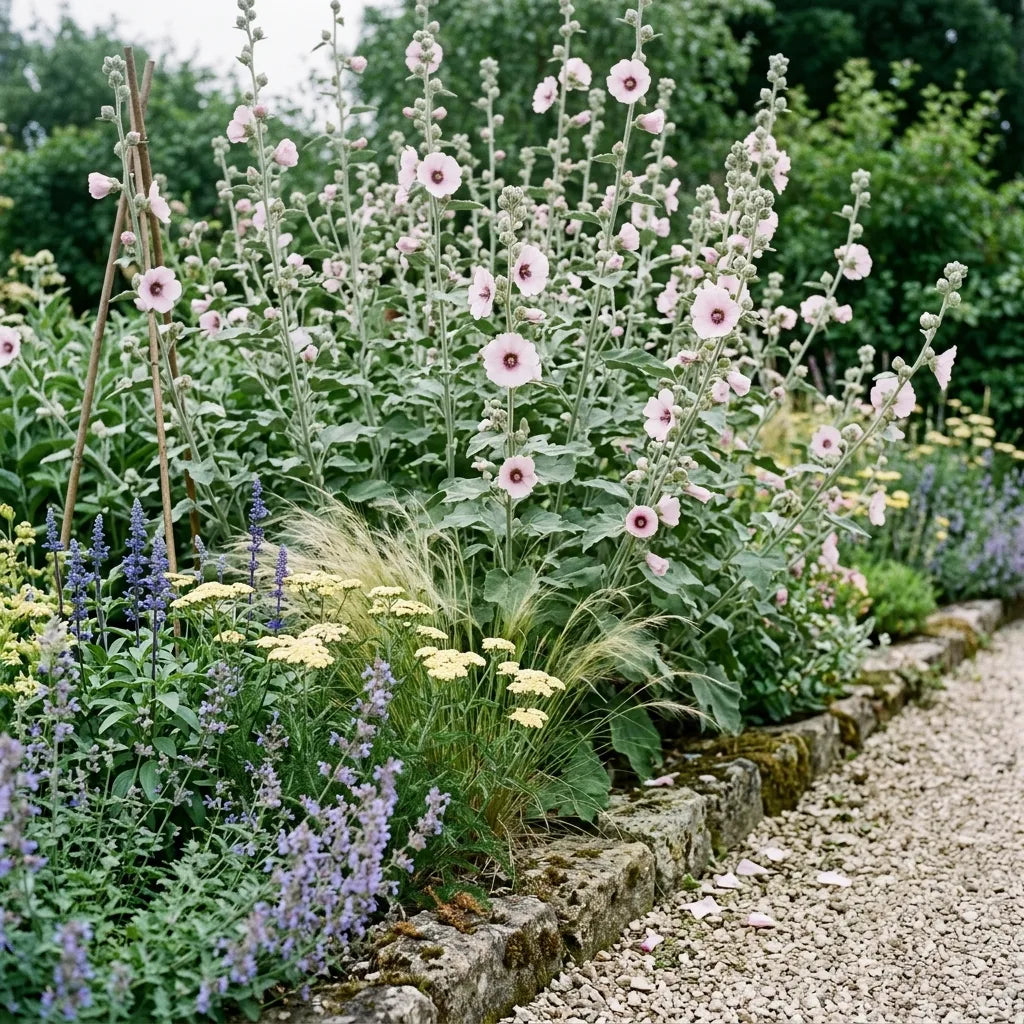
Tall perennial: upright stems reaching 1.50 m, bearing pale pink flowers from July to September.
-
Plant of cool environments: naturally found in Europe's damp meadows, marshes, and salt marshes.
Sowing advice:
-
Exposure: full sun to partial shade.
-
Soil: deep, rich, and above all cool to moist — this is the decisive factor. Unlike most plants in this catalog, it thrives in heavy soils that retain water and even tolerates slightly saline soils. It withstands frost well provided the soil is well drained in winter.
-
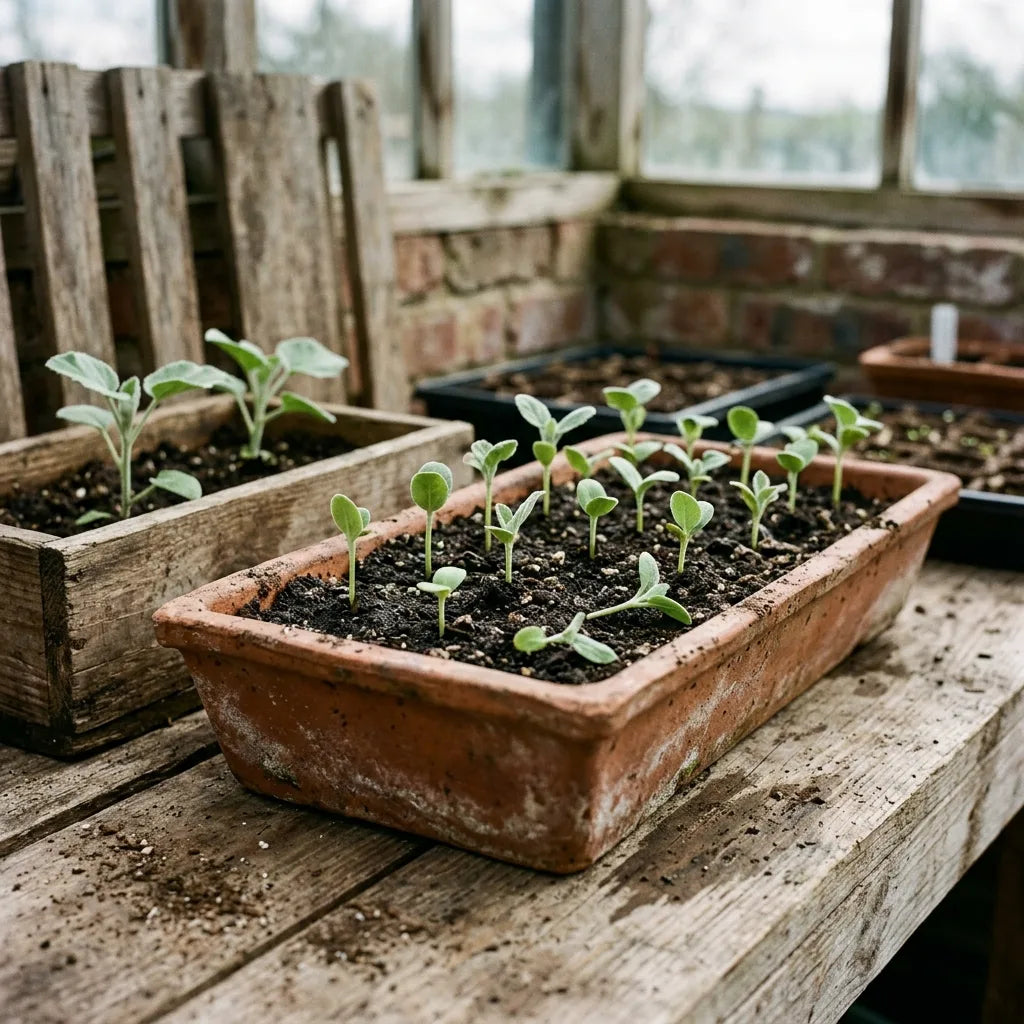
Method: cold stratification significantly improves germination. Then sow in spring, in pots or directly in the ground, lightly covering the seeds.
Planting advice:
- Plant it beside a pond, in a low area of the garden, or in the coolest part of the vegetable garden, spacing plants 60 cm apart.
Care advice:
- Water generously in summer and mulch to retain moisture. Cut back the dry stems at the end of winter.
Harvesting advice:
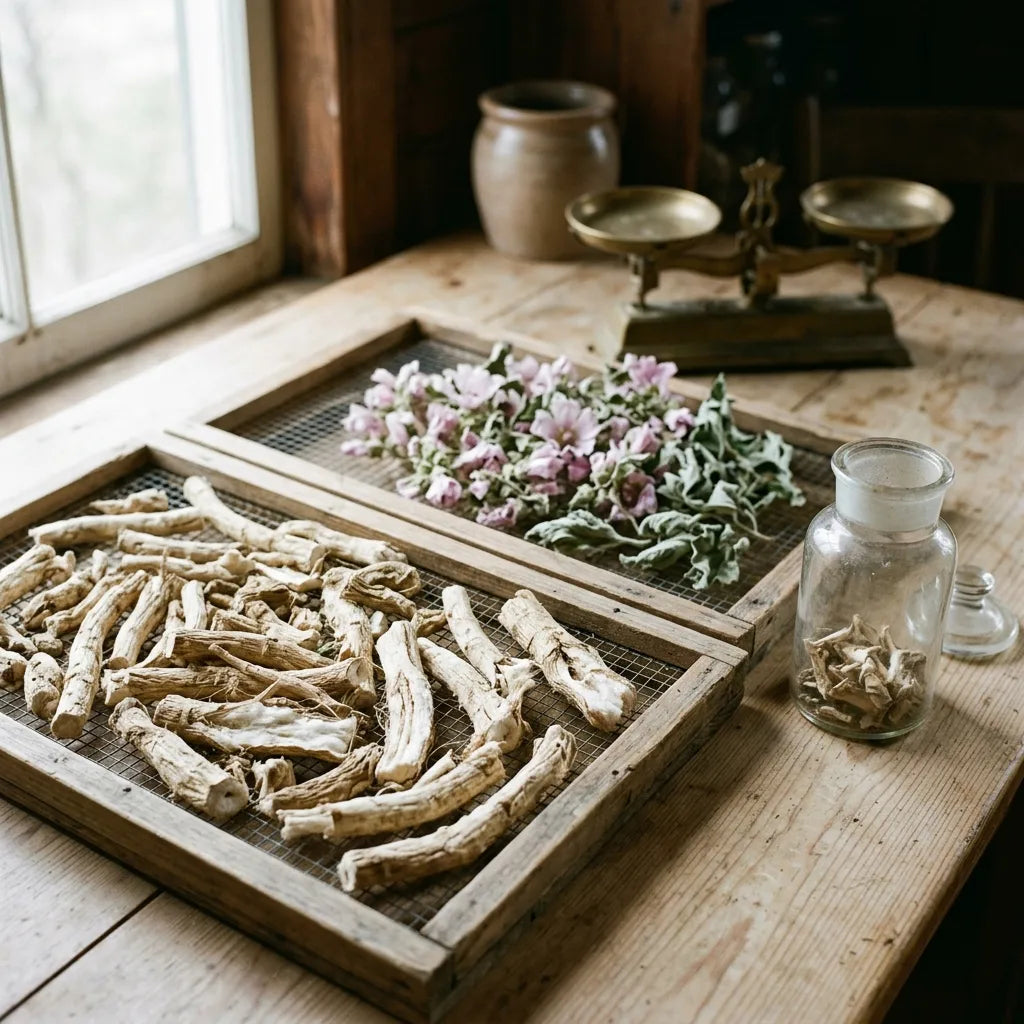
- Harvest the roots in the autumn of the second or third year, when they are well developed. Pick the flowers and young leaves as needed throughout summer.
Beneficial pairings:
- It shares the marsh hibiscus's need for moisture and makes a beautiful pondside display when planted with it. It also pairs well with royal mallow, its close cousin.
Benefits for biodiversity:
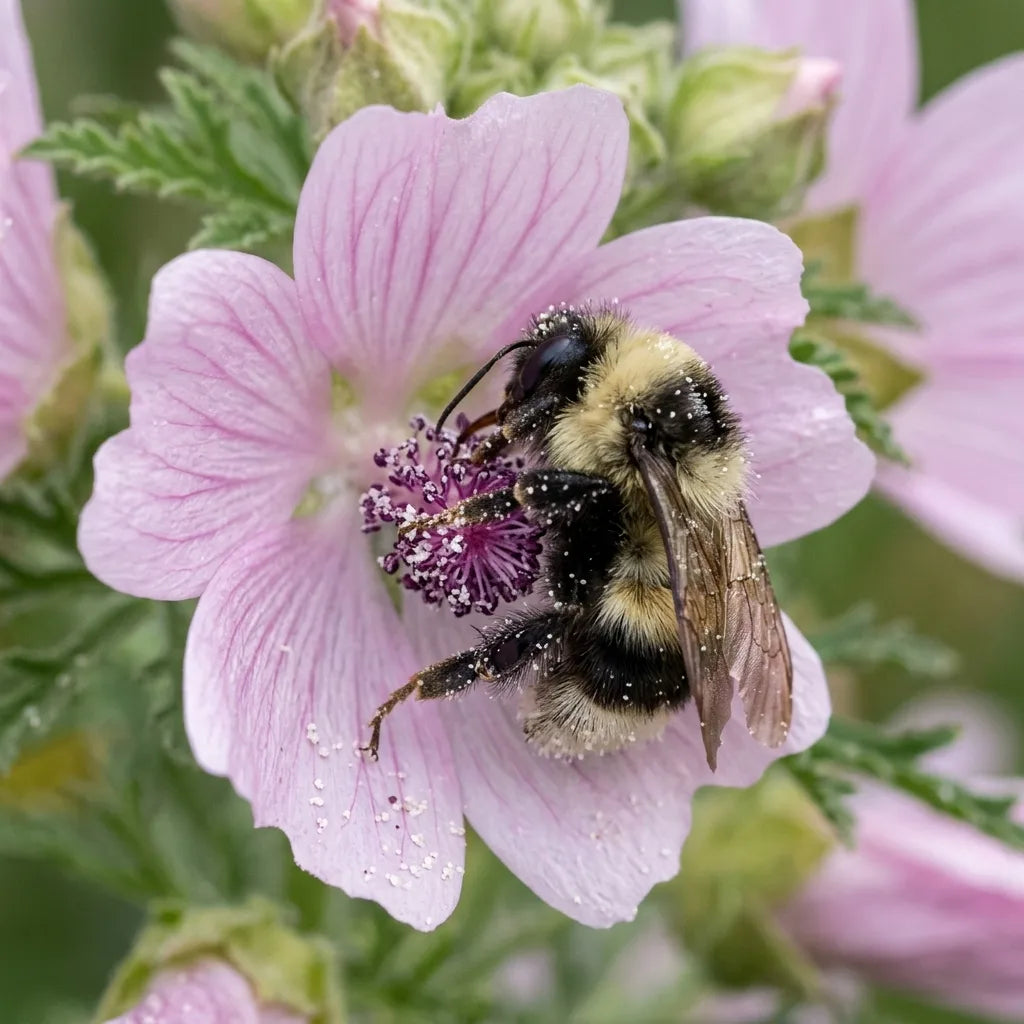
- Its flowers are highly attractive to pollinators and draw bees and bumblebees in midsummer.
- Like all mallows, it is a host plant for butterfly caterpillars, especially painted ladies.
- When planted beside a pond, it helps vegetate the banks and provide habitat for aquatic wildlife.
Uses:
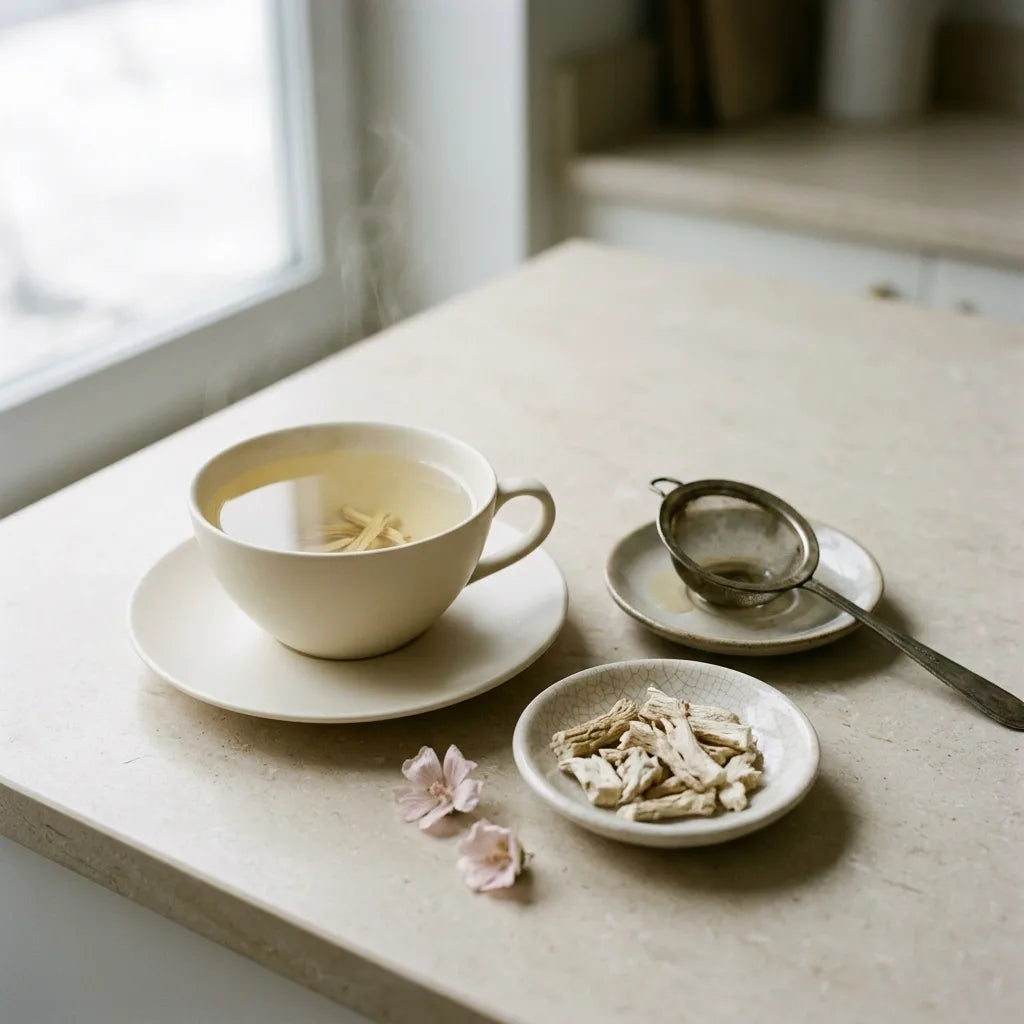
- The leaves, flowers, and roots are edible. Its roots are particularly rich in mucilage, making them useful for naturally thickening sauces and other preparations. See our edible flowers.
- A major traditional medicinal plant in European herbal medicine, used since Antiquity. See our medicinal plants to sow.
Harvesting your own seeds:
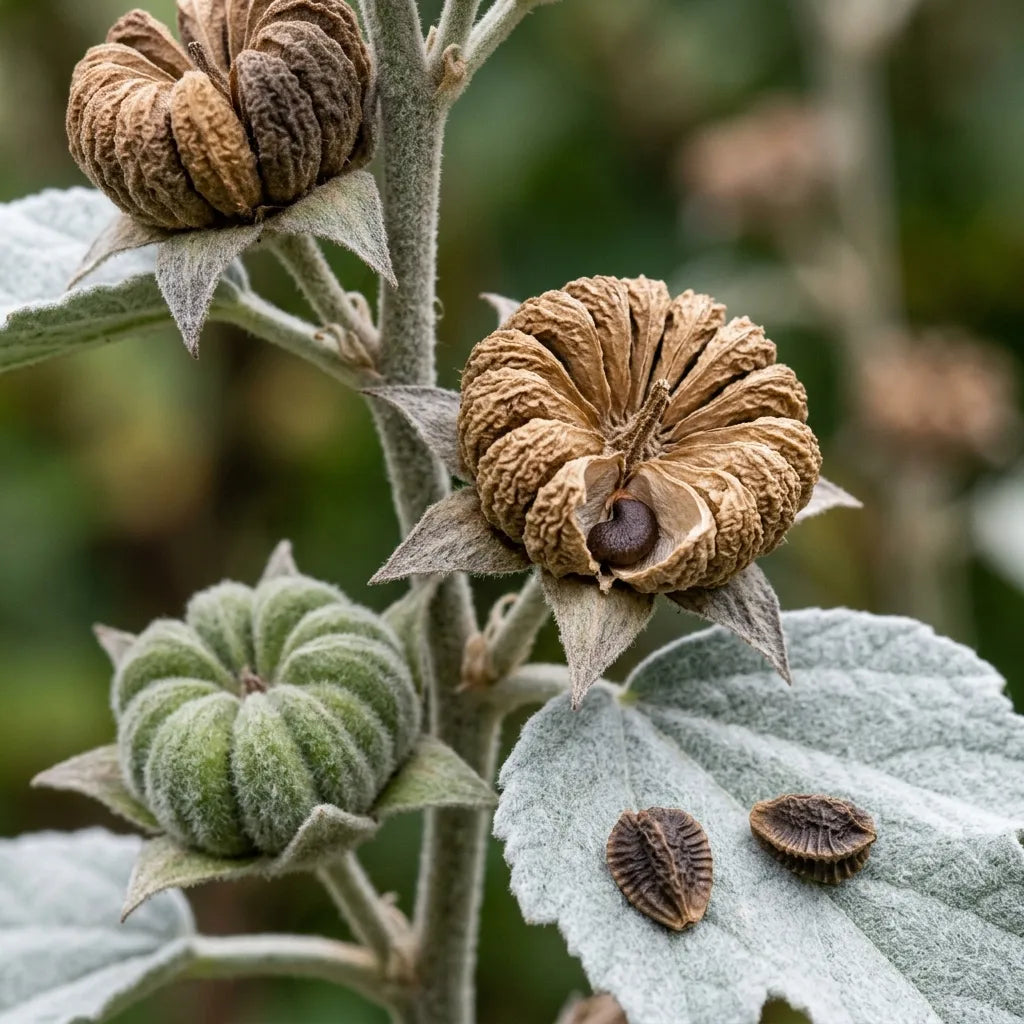
Leave a few flowers to develop their small, wheel-shaped fruits, then harvest them once they are brown and dry: each one separates into segments containing a seed. See saving your seeds.
Our Commitment to Quality: at SemiSauvage - Permaculture, we grow and select our seeds with respect for all living things as our guiding principle. Based near the Auvergne volcanoes, we choose open-pollinated, non-hybrid varieties, test them for germination rates, and carefully sort and package them without any chemical treatment. Our belief is that gardeners should regain the ability to resow, year after year, seeds that truly belong to them.
Add a touch of tradition to your garden with these marshmallow seeds.