Euonymus europaeus
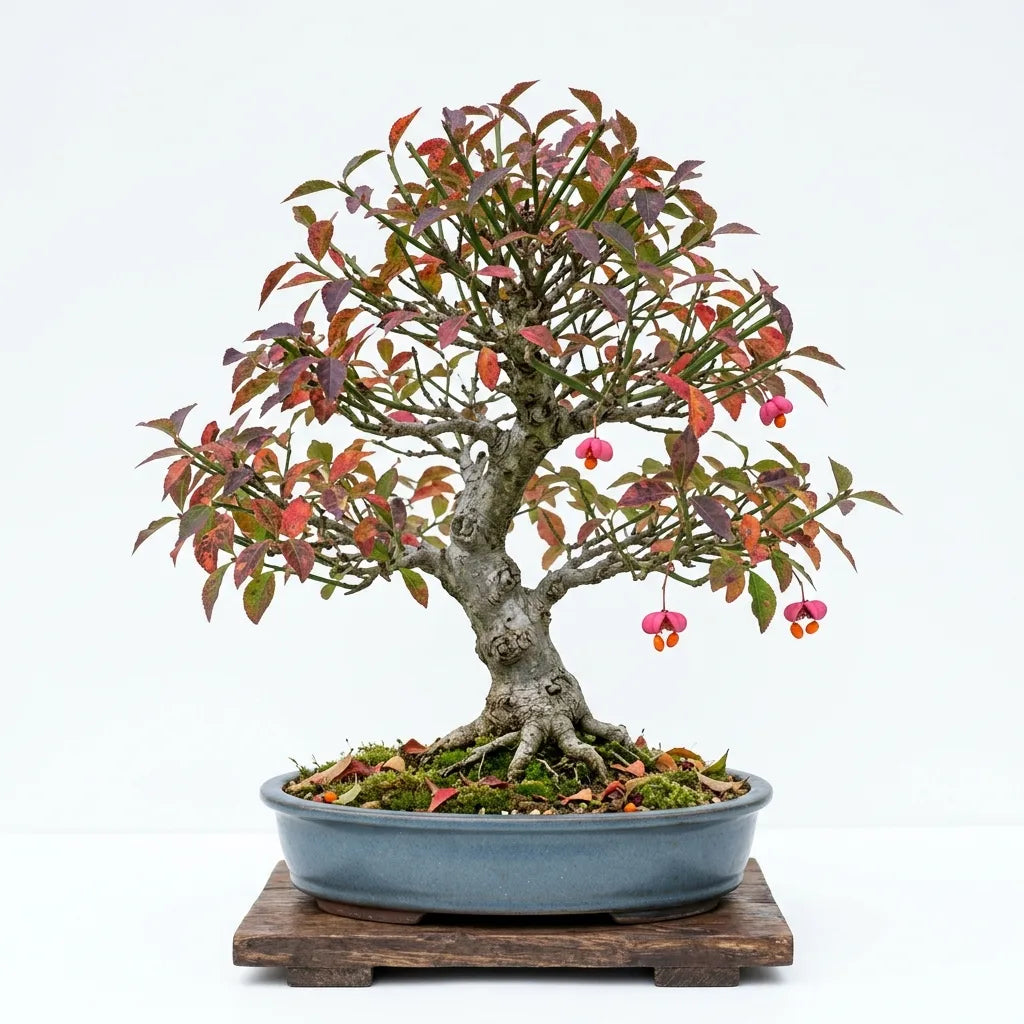
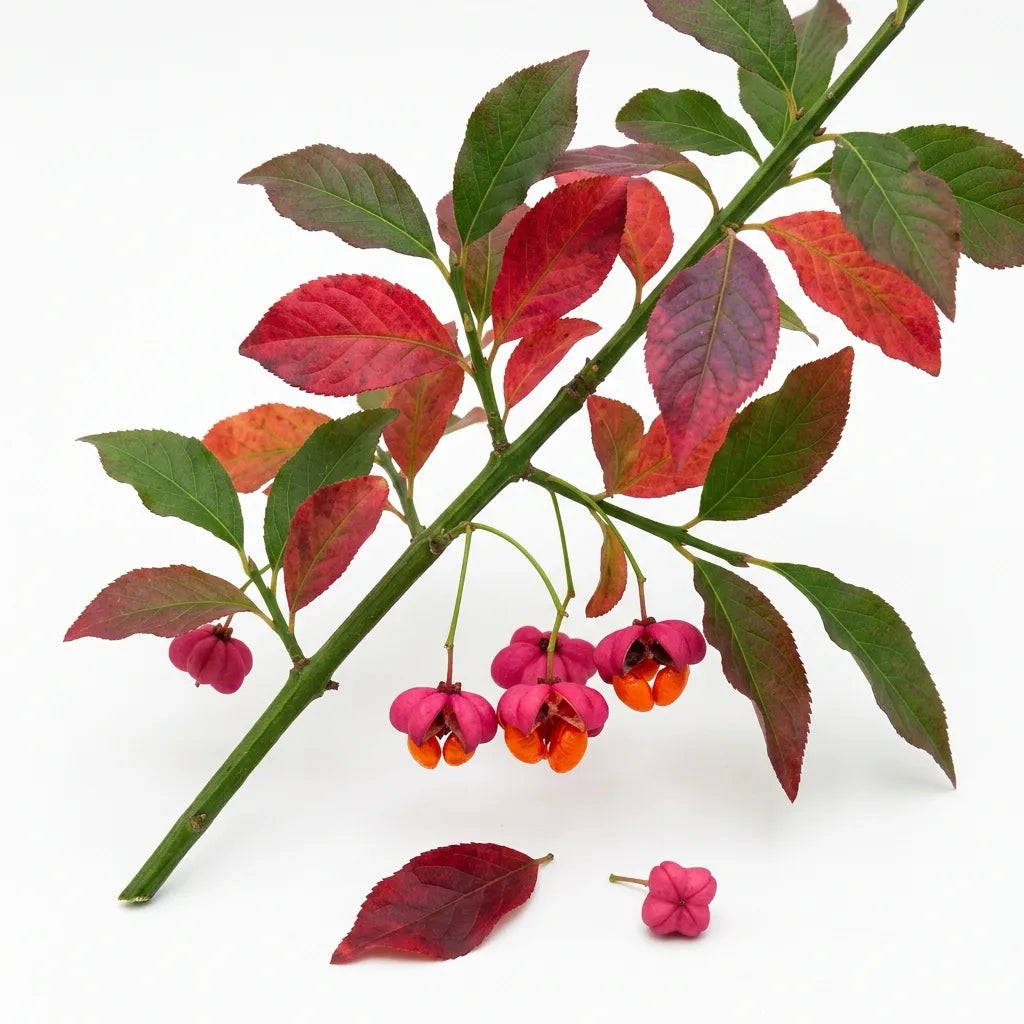
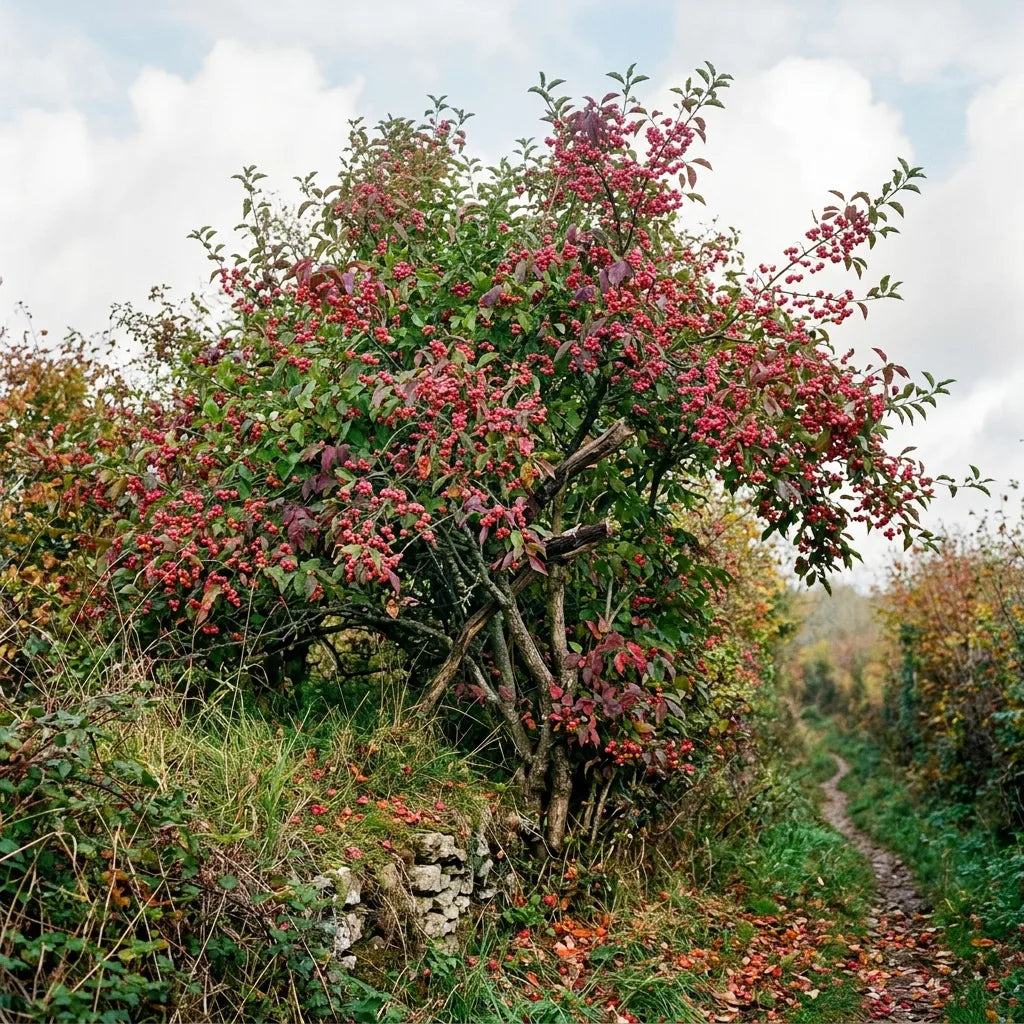
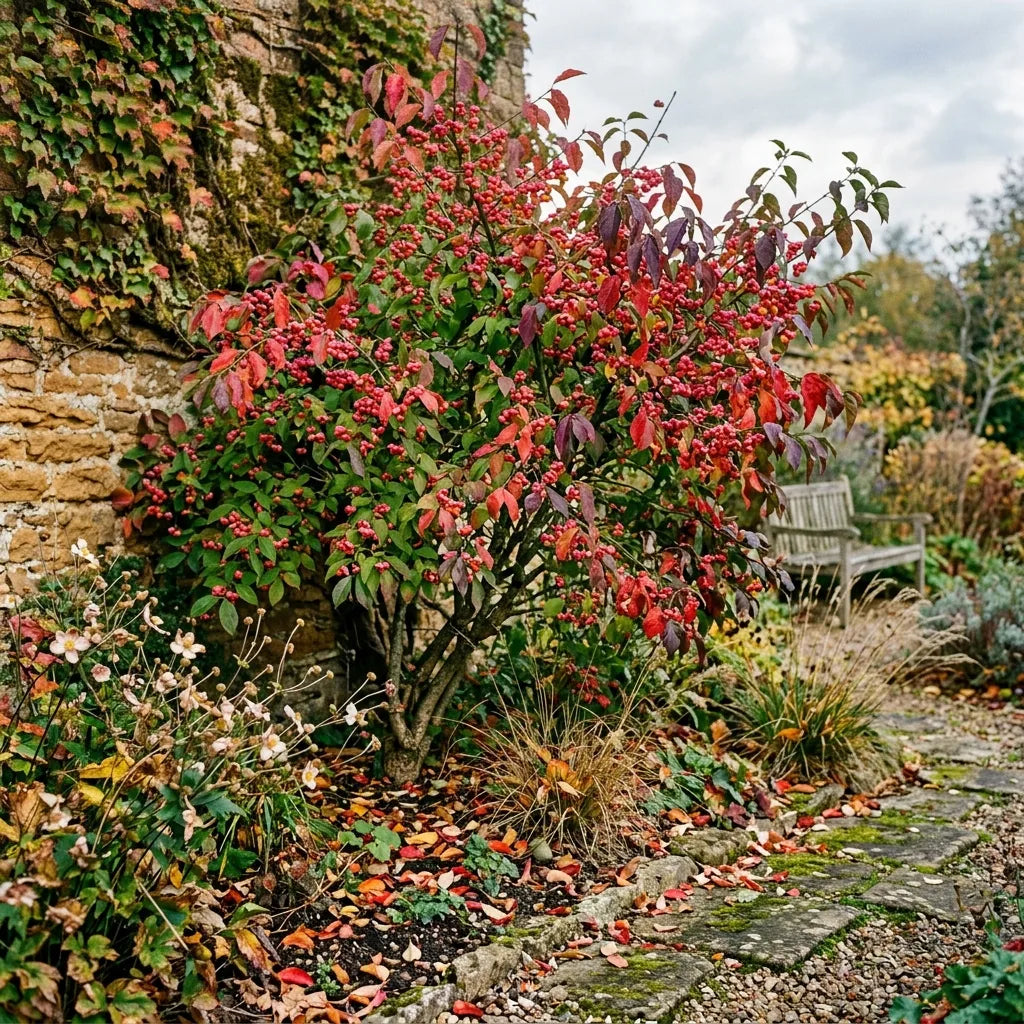
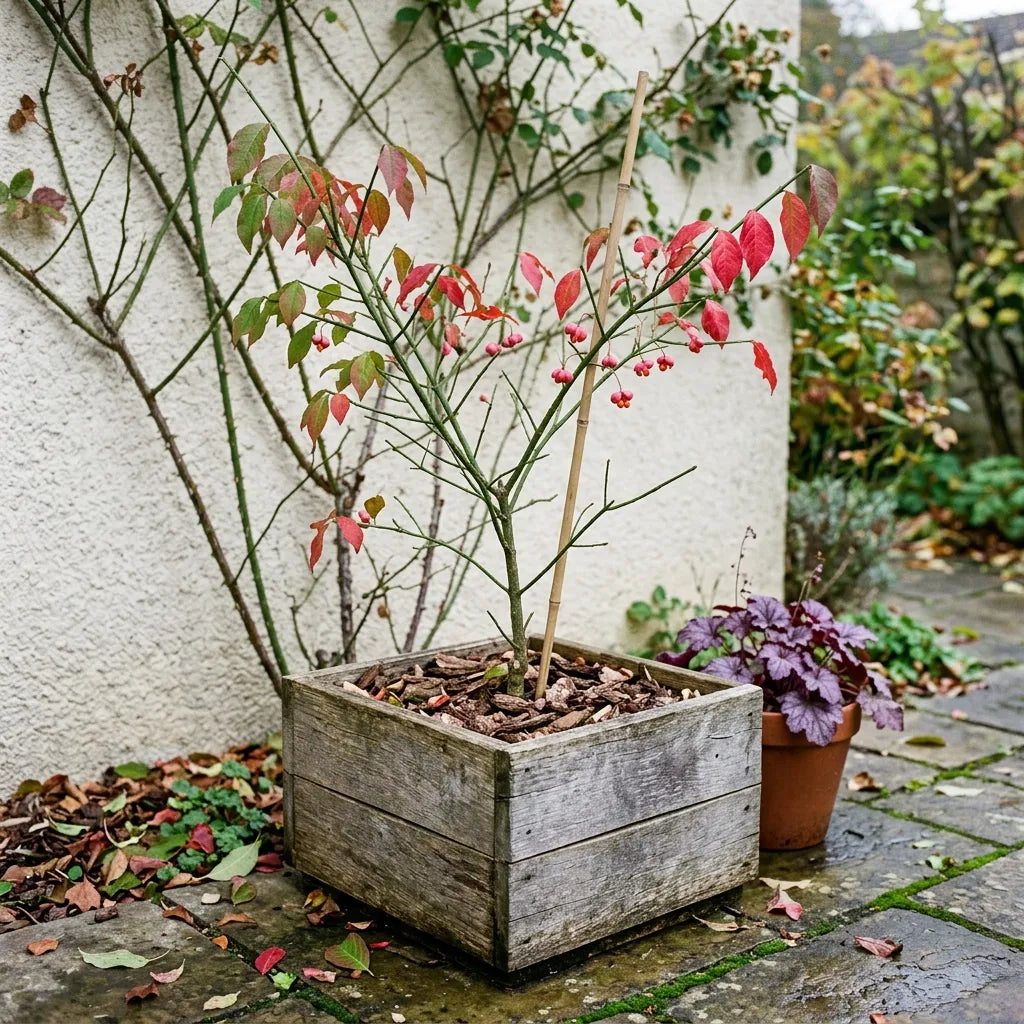
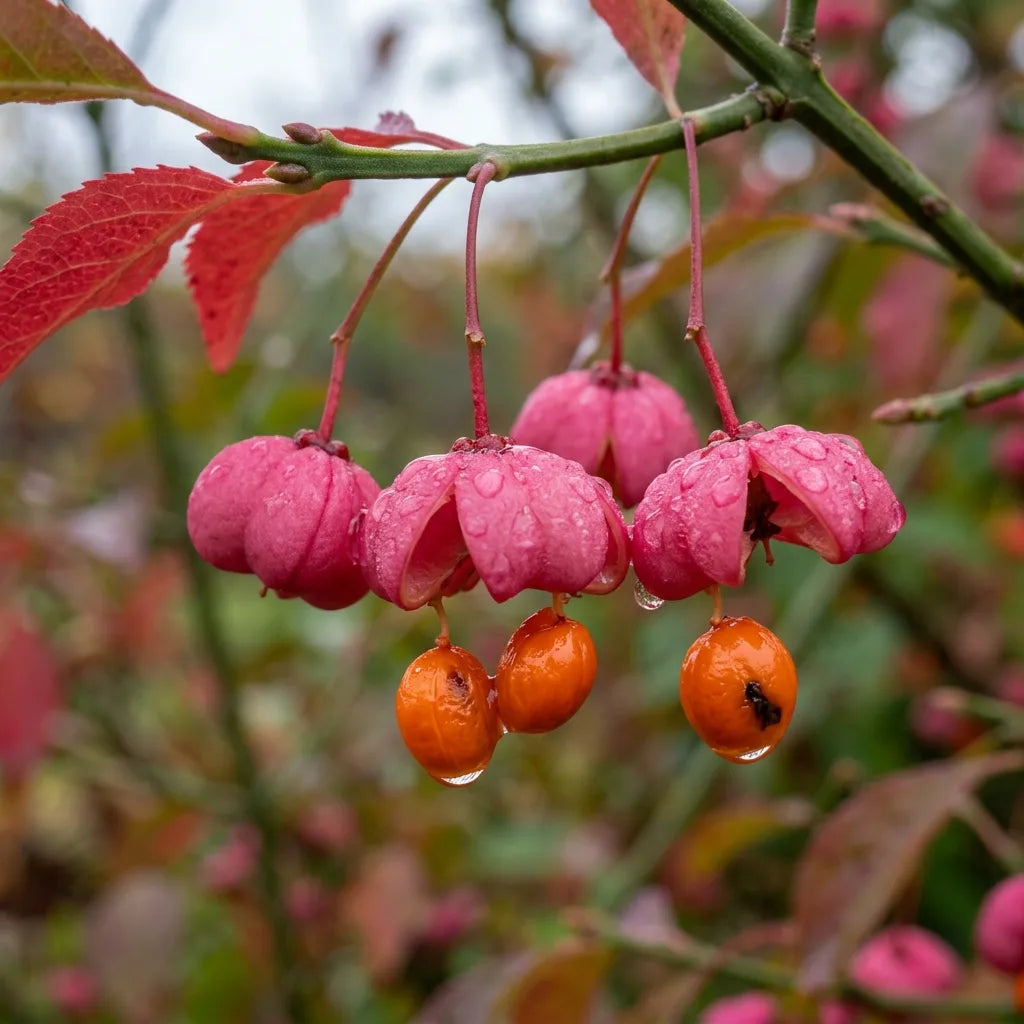
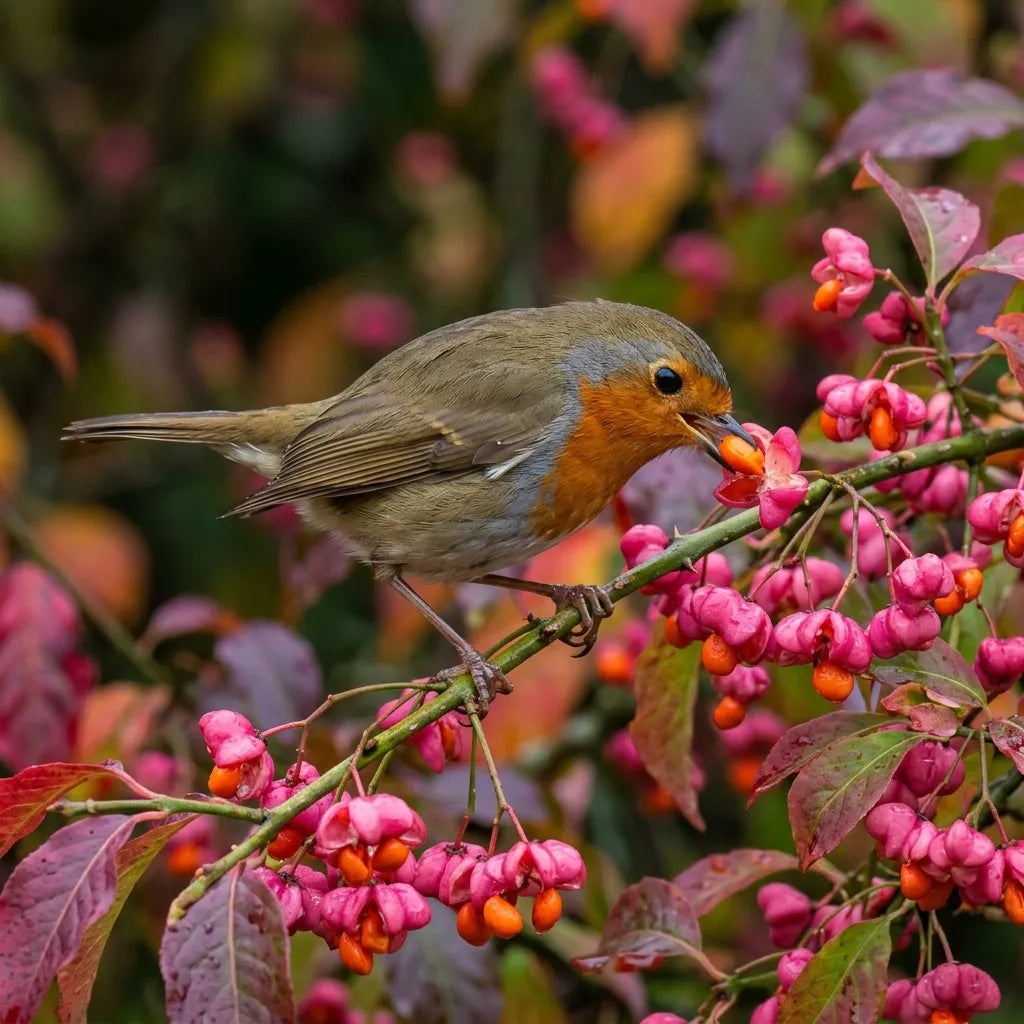
European spindle, bishop's cap, priest's cap, square wood, larding wood: in autumn, this native shrub offers one of the finest displays in our hedgerows — pink, four-lobed capsules, exactly the shape of an ecclesiastical skullcap, which open to reveal bright orange seeds. The pink-and-orange contrast is striking, and its foliage turns red at the same time.
Characteristics:
-
Spectacular fruit: bright pink capsules opening to reveal orange seeds, from September to November.
-
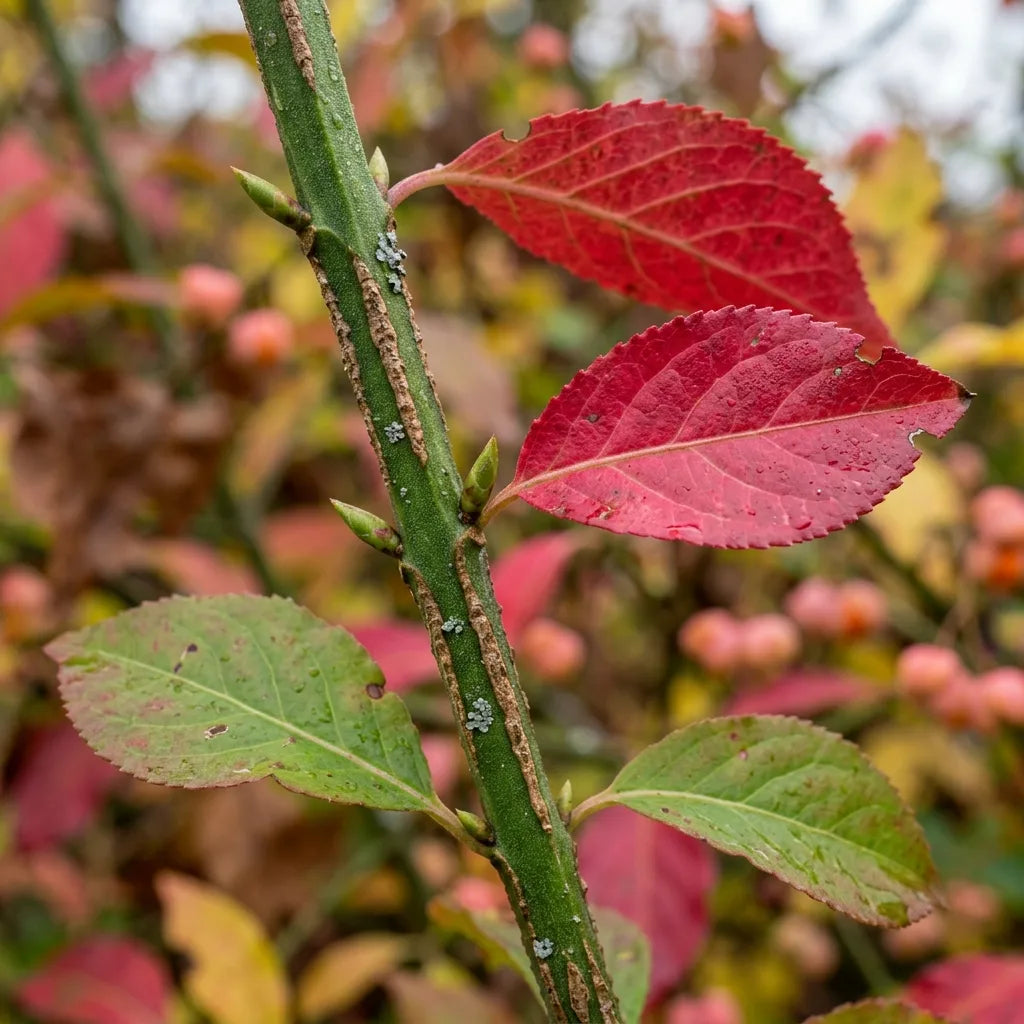
Autumn foliage: it bursts into scarlet red during the same period.
-
Native shrub: 3 to 5 metres tall, perfectly adapted to our climate and wildlife.
-
Square-section branches: hence its name “square wood,” an easy-to-recognize feature.
Precautions:
-
All parts of the plant are toxic if ingested, especially the fruit. Their bright colours are very attractive to children: do not plant it in a garden used by young children, or clearly explain the danger to them.
- Clearly label your seed packets and keep them out of reach.
Sowing advice:
-
Exposure: partial shade to full sun.
-
Soil: ordinary, well-drained, calcareous or neutral. This is a very undemanding woodland-edge shrub that tolerates both dry and moist soils. No fertiliser is needed.
-
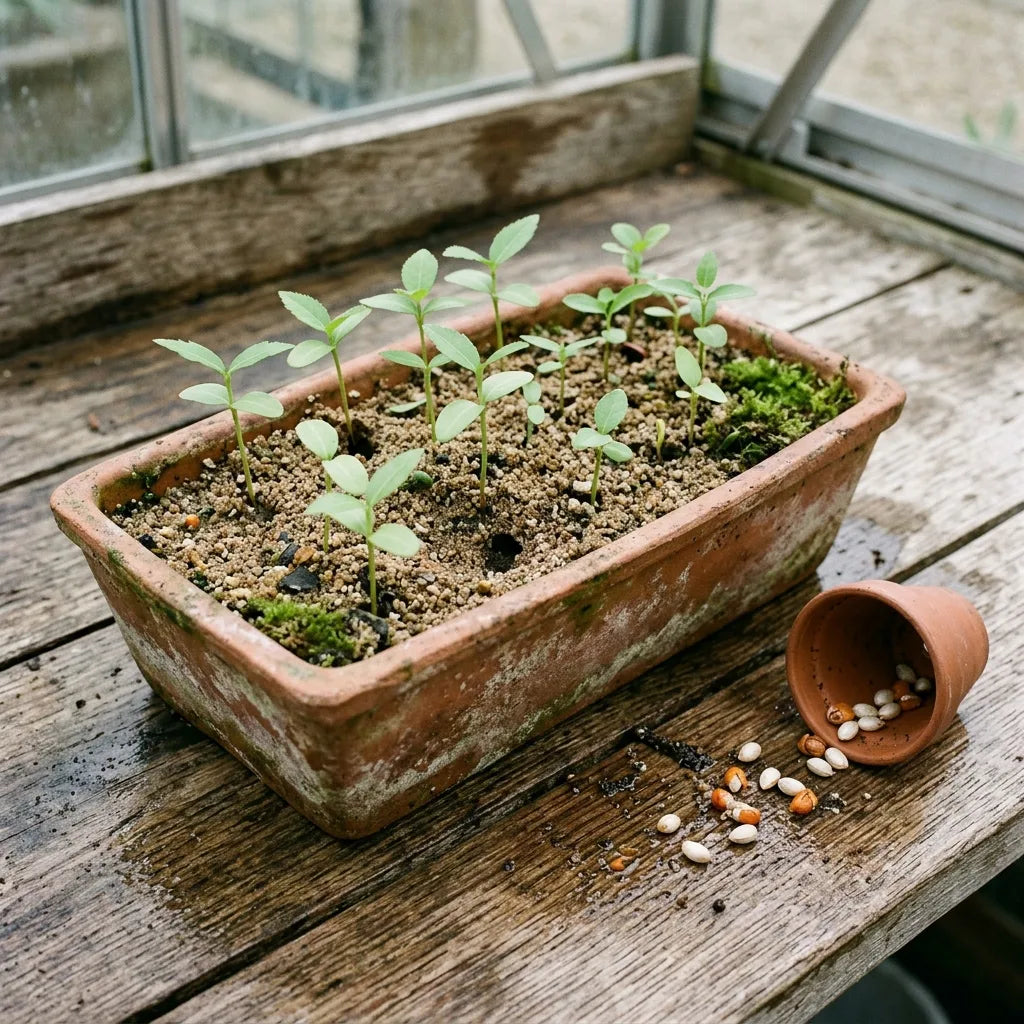
Method: 2 to 3 months of cold stratification is essential. The simplest method is to sow directly outdoors in autumn and let winter do the work. Alternatively, place the seeds in damp sand in the refrigerator, then sow in spring.
Planting advice:
- Transplant into a native hedge (1 m spacing) or a natural border. Growth is slow during the first few years, so be patient.
Care advice:
- It tolerates light pruning and difficult weather conditions well. Once established, it is very hardy and requires no further care.
Beneficial combinations:
Benefits for biodiversity:
- As a native species, it plays a far greater ecological role than exotic shrubs: its fruit, toxic to humans, is eaten by robins and warblers, which disperse its seeds.
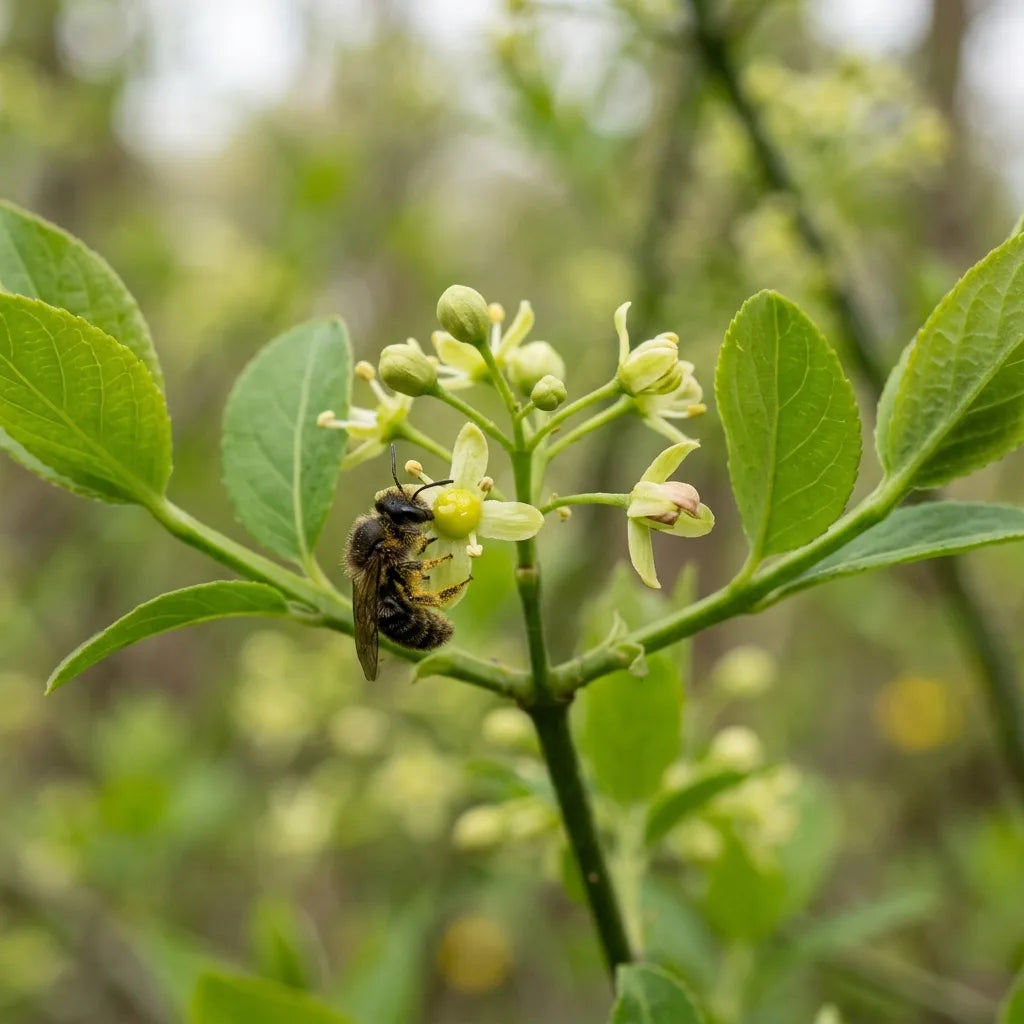
- Its discreet flowers are heavily visited by small insects, and it serves as a host plant for several butterflies.
- Fun fact: it hosts a specialist aphid that massively attracts ladybirds and hoverflies — it therefore acts as a relay plant for beneficial garden insects.
Uses:
- Native hedges, natural borders, and diversified reforestation projects. Strictly ornamental and ecological.
Symbolism:
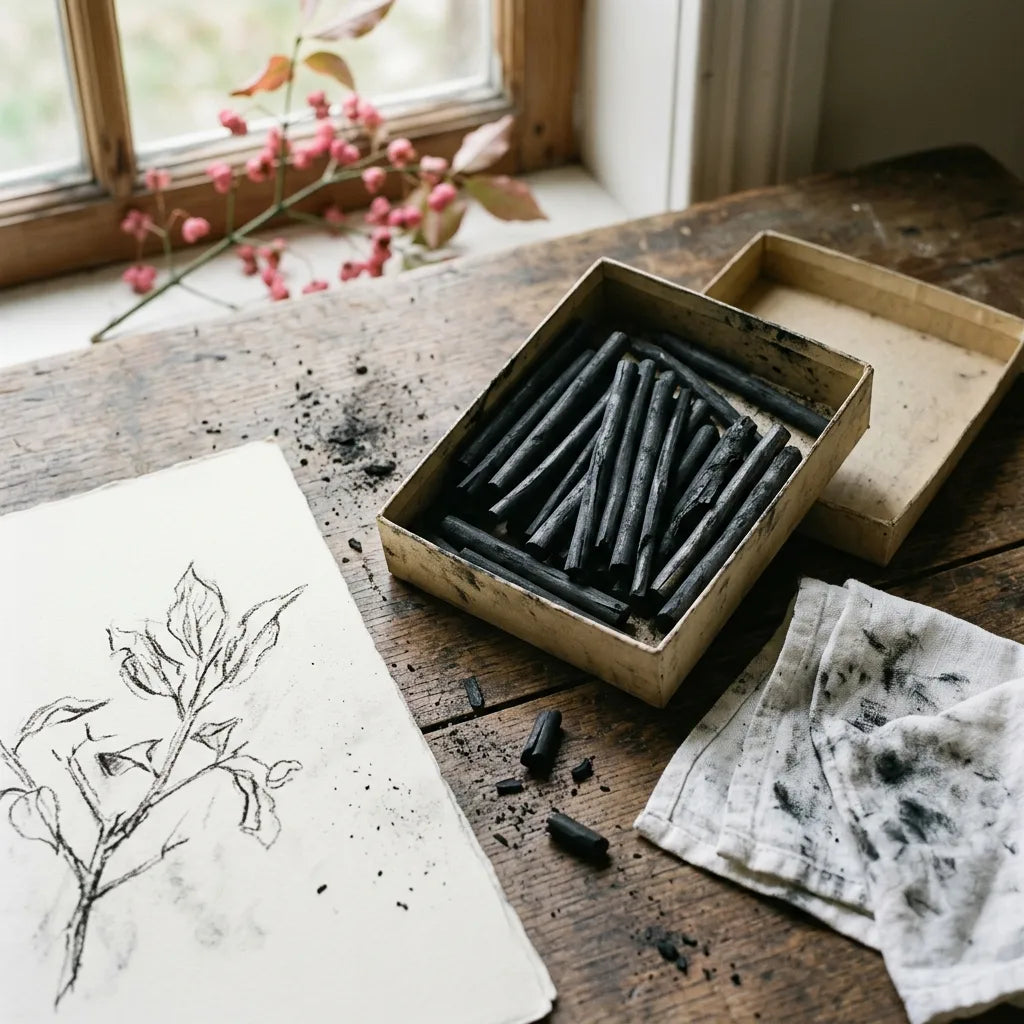
Spindle symbolises resilience and creativity: its soft, charred wood produces the famous charcoal sticks used by artists, a practice dating back to prehistoric times.
Harvesting your own seeds:
Harvest the capsules when they open — wearing gloves —, extract the orange seeds, and remove their fleshy aril by rubbing them in a little water. Dry them before winter stratification. See storing your seeds.
Commitment to Quality: at SemiSauvage - Permaculture, we grow and select our seeds with respect for living things as our guiding principle. Based near the Auvergne Volcanoes, we choose reproducible, non-hybrid varieties, tested for their germination rate, carefully sorted and packaged, without any chemical treatment. Our conviction: to give gardeners back the ability to resow, year after year, seeds that truly belong to them.
Plant a valuable native shrub that puts on a spectacular display in autumn.