Fragaria vesca
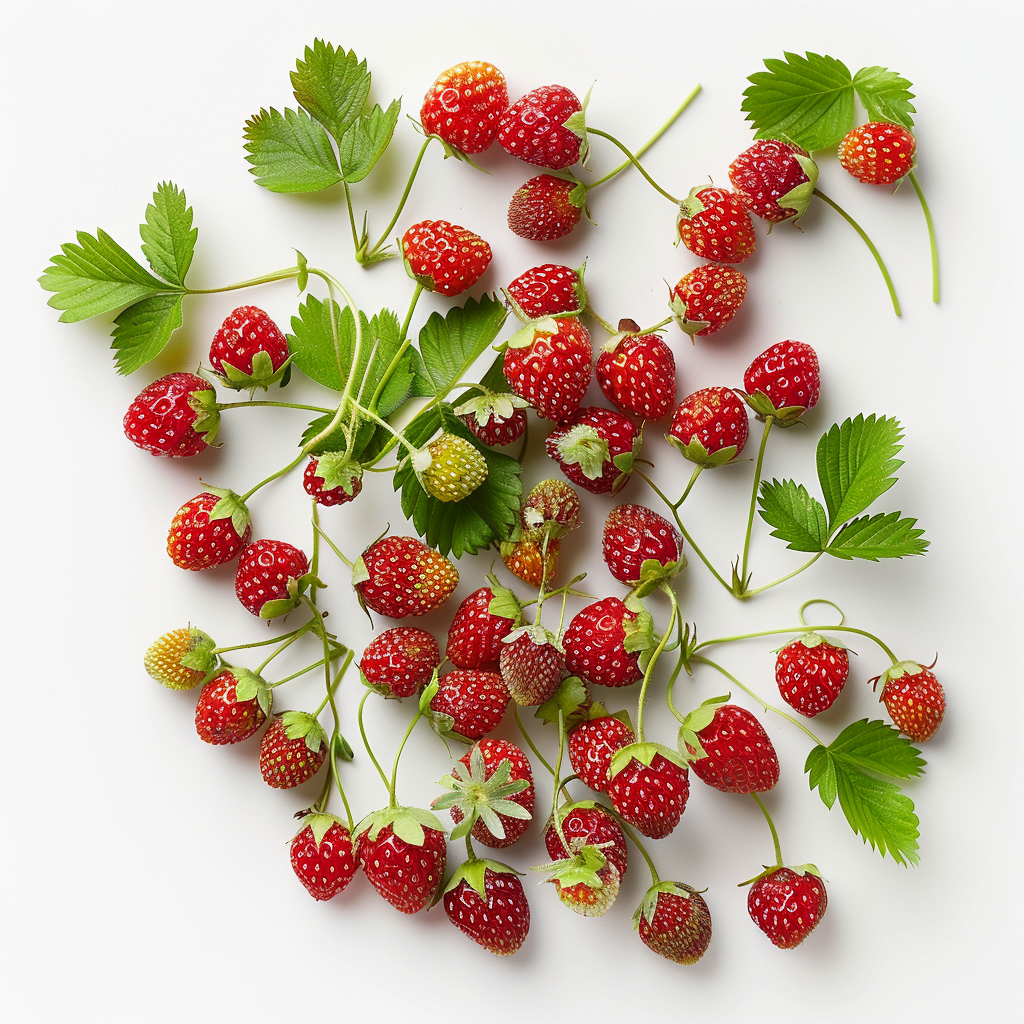
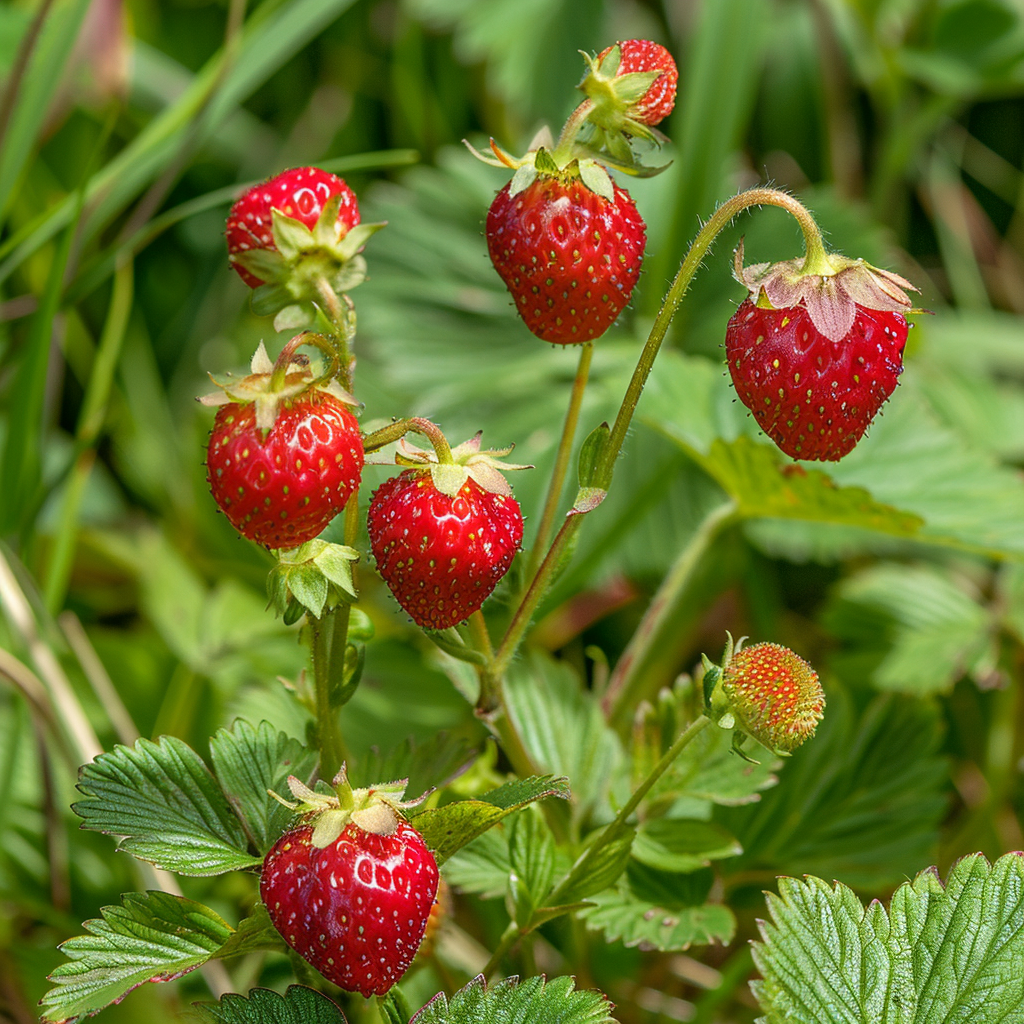
Wild strawberry, woodland strawberry, alpine strawberry, capron: tiny and incomparable. This is the strawberry once gathered at the edge of the forest, the one whose single fruit perfumes an entire mouthful — and which the larger, more productive modern varieties have never managed to match in flavor.
Characteristics:
-
Small, highly fragrant fruits: the taste of strawberry at its most concentrated.
-
Ever-bearing: it produces in successive waves from June until the first frosts.
-
Very hardy: it tolerates -15 to -20 °C, but starts growing again early and is susceptible to late frosts affecting its flowers.
-
Excellent ground cover: along borders, in light woodland, in containers, or even on a windowsill.
Sowing advice:
-
Exposure: partial shade — it is a woodland plant; harsh full sun causes it to suffer and dries out its shallow roots.
-
Soil: rich in humus, slightly acidic to neutral, moist and well drained. Avoid chalky soils, which cause its foliage to turn yellow, and waterlogged ground. Clay slopes that are steep enough not to retain water suit it very well.
-
Method: cold stratification for 3 to 4 weeks significantly improves germination. Then sow in a seed tray in spring and do not cover the seeds: they need light to germinate. Simply press them against the substrate and keep it moist. See how to sow your seeds.
Planting advice:
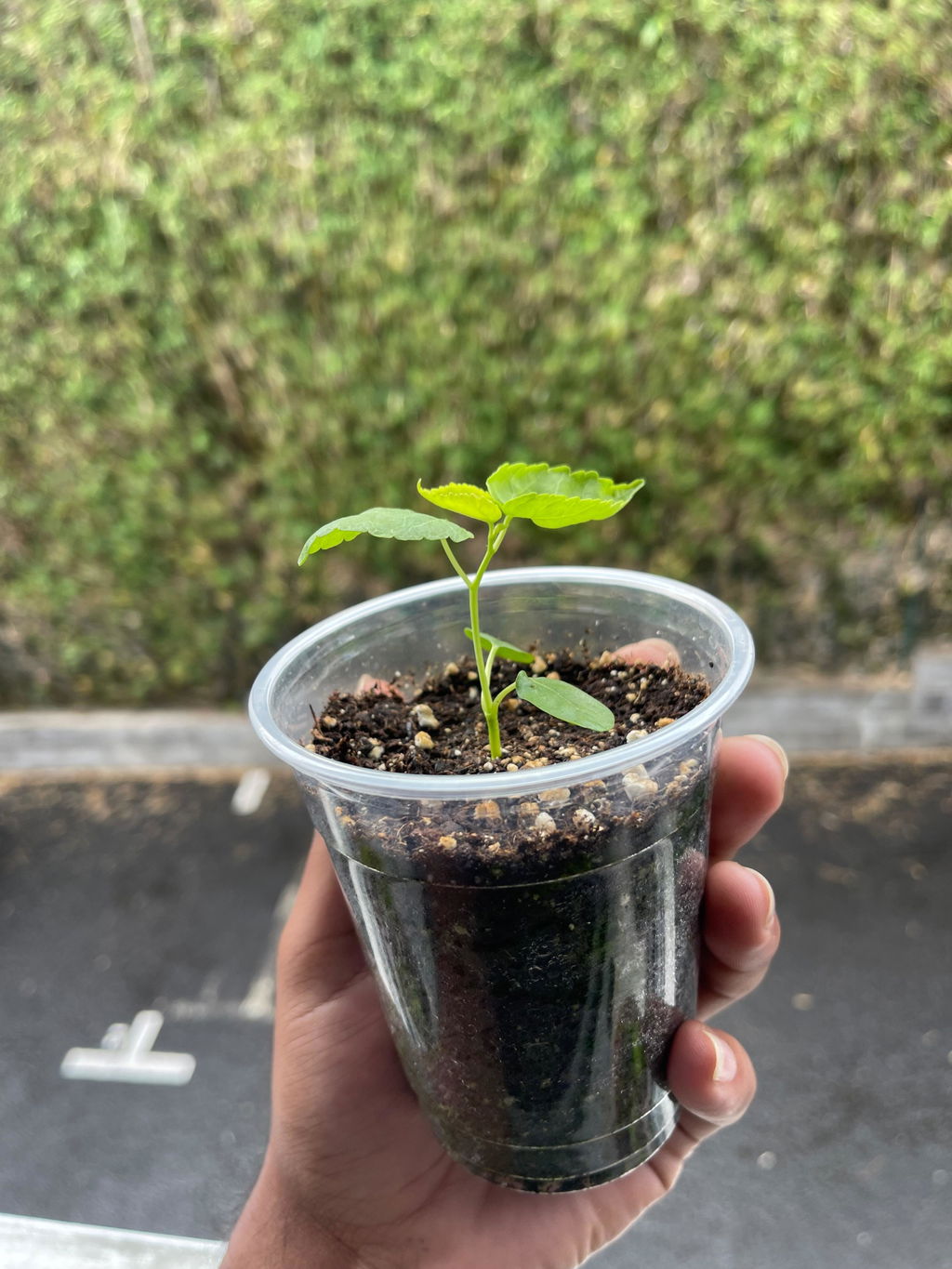
- Transplant at the 3–4-leaf stage, spacing plants 25 to 30 cm apart. Never bury the crown of the plant — the central bud from which the leaves emerge: if buried, it rots, and this is the most common cause of failure.
- Mulch as soon as you plant: its roots are shallow, and mulch keeps the fruits clean.
Care advice:
- Keep the soil moist without waterlogging it, especially in summer.
- Unlike cultivated strawberries, wild strawberries produce few or no runners: they spread mainly by self-seeding around themselves, making them a natural and long-lasting ground cover.
- Divide the clumps every 3 to 4 years to rejuvenate them.
Harvesting advice:
- Pick the fruits when they are fully red and soft, preferably in the morning, by pinching the stem rather than pulling on the fruit, which can be crushed.
- They keep hardly at all: this is the price of their delicacy, so consume them the same day.
Beneficial companions:
Benefits for biodiversity:
- Its small white flowers, produced over a very long period, provide a regular food source for solitary bees and hoverflies.
- Its dense carpet shelters ground beetles and other beneficial insects close to the soil, while its fruits feed blackbirds and small mammals.
Uses:
- Fresh, on a tart, as jam, or as a coulis. A few wild strawberries are enough to perfume an entire preparation.
- Its leaves dry well for herbal tea, a traditional use.
Harvesting your own seeds:
Crush a few fully ripe fruits onto absorbent paper, allow them to dry completely, then rub them to detach the achenes — the small yellow grains on the surface of the fruit, which are the actual seeds. Store in a cool, dry place until stratification. See how to store your seeds.
Our Commitment to Quality: at SemiSauvage - Permaculture, we grow and select our seeds with respect for living things as our guiding principle. Based near the Auvergne Volcanoes, we choose open-pollinated, non-hybrid varieties, tested for their germination rate, carefully sorted and packaged, with no chemical treatment. Our belief: to give gardeners back the ability to sow, year after year, seeds that truly belong to them.
Tiny and incomparable: the strawberry whose single fruit perfumes everything.