

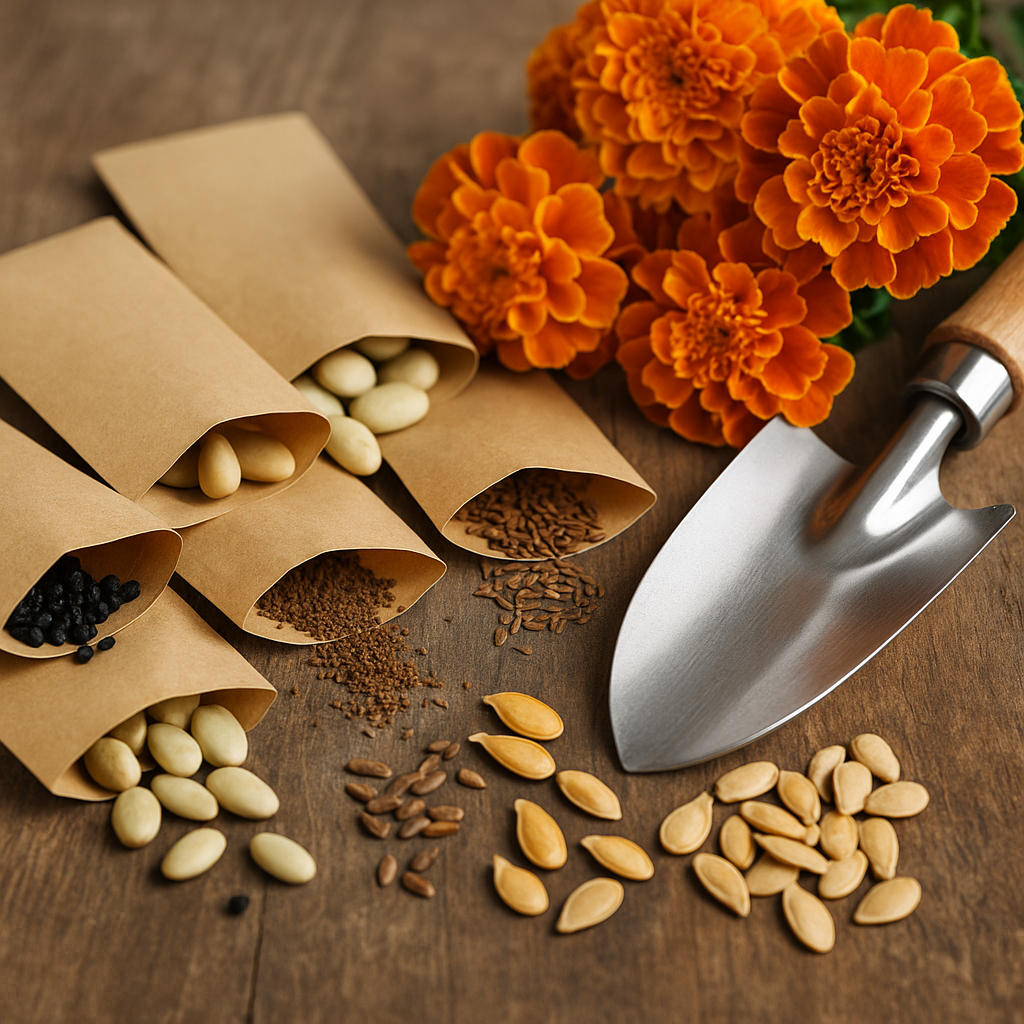
People speak of “heirloom seeds” even though the term has no regulatory definition. In common usage, it refers to varieties that predate industrial breeding, stabilized through generations of gardeners and farmers who resowed them every year. Many bear the name of a village, valley, region, or the person who selected them — this is often the first clue to their origin.
Their value is not nostalgic. It lies in three very concrete things: they can be resown, they adapt, and they offer a diversity of flavors and shapes that the commercial system has largely abandoned.
What defines an heirloom variety
Three characteristics, two of which are often confused.
- It is stable — its characteristics are passed faithfully from one generation to the next. This is the result of patient selection, sometimes over centuries, in which the seeds from the best plants were kept each year.
- It retains internal variability — unlike a pure line, the individuals of an heirloom variety are not identical. This residual heterogeneity is what allows it to evolve, not a flaw in the selection process.
- It was selected under real-world conditions — in gardens, without systematic irrigation or chemical protection, by people who ate it. The criteria were therefore flavor, hardiness, and suitability for storage, not transportability or uniform size.
The details of the categories — open-pollinated variety, hybrid, F1 — are explained in What is the difference between F1, hybrid, and reproducible seeds?.
Beware of commercial labels: “heirloom variety” is not a protected designation. What really matters is “reproducible” or “population variety”. A vegetable with a retro appearance may very well be a recent selection that cannot be resown.
Four reasons to grow them
1. Adaptation to your garden
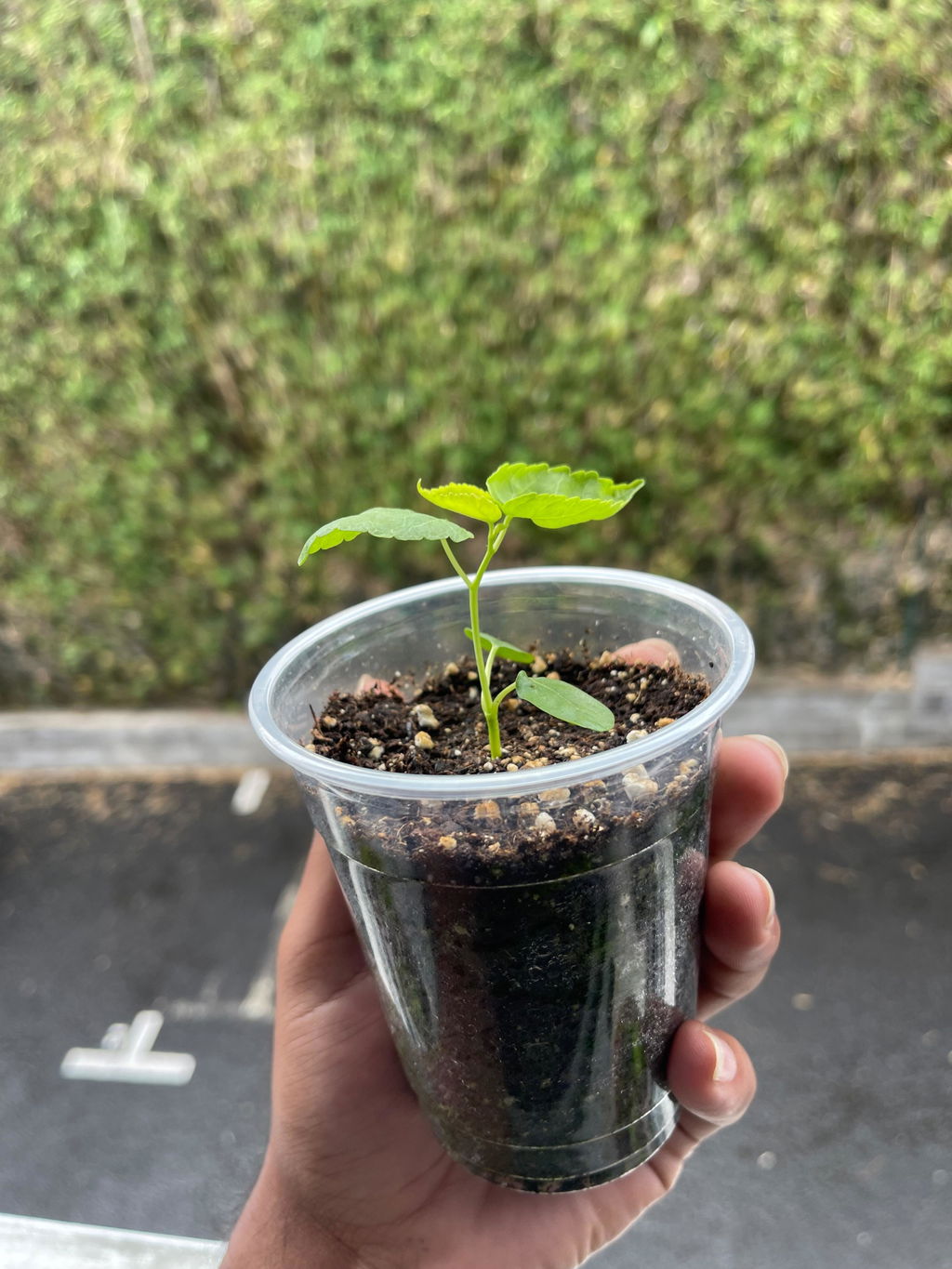
This is the strongest and least visible argument in the first year. Resown each season in the same place, a population variety undergoes natural selection: the plants that best withstand your soil, climate, and watering routine are the ones that produce the most viable seeds. After three or four cycles, you are growing a strain that exists nowhere else, adapted to your land.
This mechanism is particularly important in an unstable climate: a variety that adapts year after year is better than one that remains fixed, however high-performing it may be initially.
2. Hardiness
Selected without support systems, many heirloom varieties need less: less water, less nitrogen, fewer interventions. They are often less productive under optimal conditions, and significantly more reliable under average conditions — which matches the reality of a family vegetable garden, where you may sometimes go on vacation in the middle of summer.
For many of them, they also have a more developed root system, a direct consequence of selection without permanent irrigation.
3. Flavor and diversity
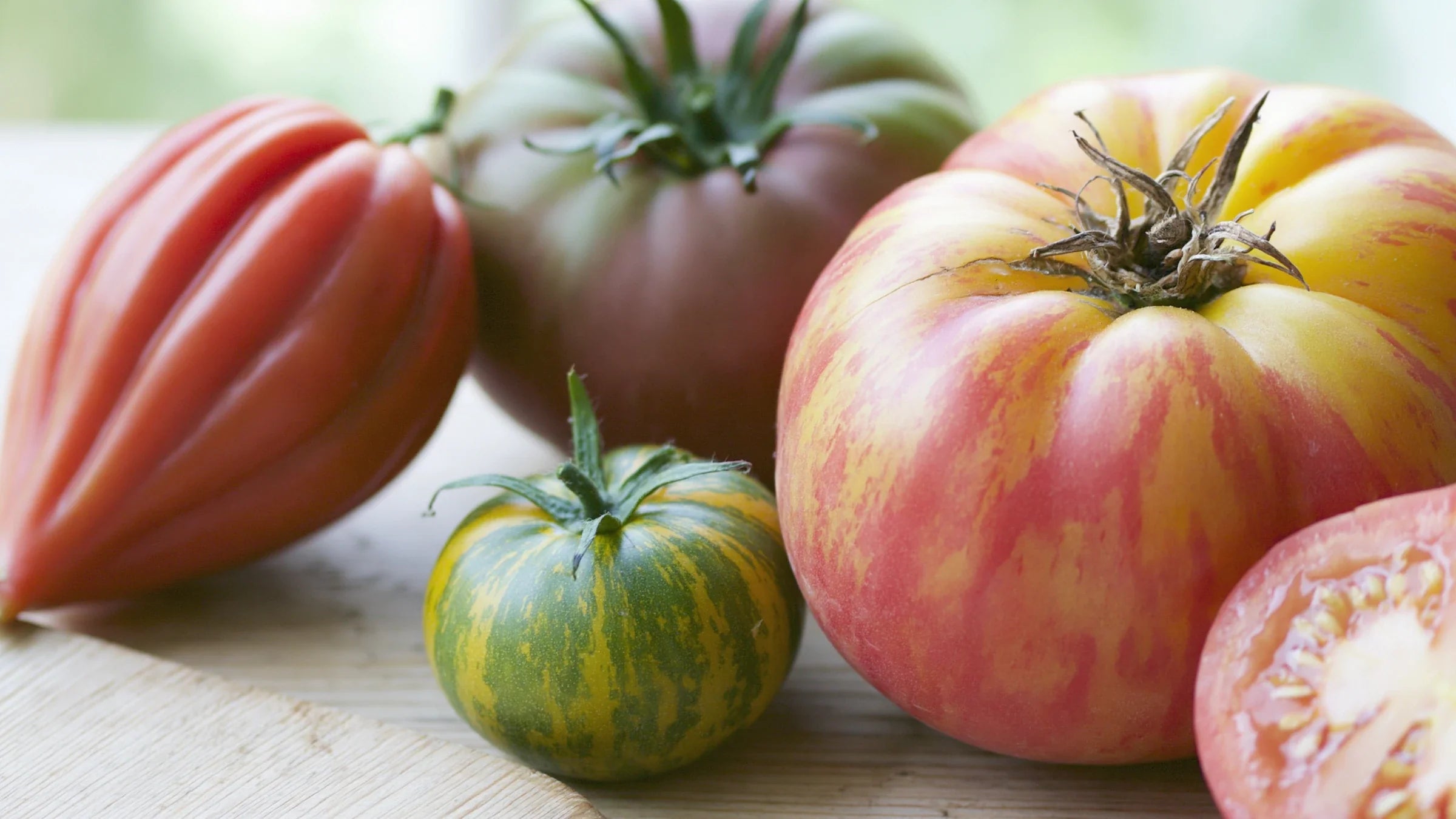
That is what strikes you first. A Black Krim tomato, a Chioggia beetroot with pink-and-white spiral flesh, a Musquée de Provence squash: these are shapes, colors, and flavors that have never had to pass the test of transport and grading.
A few examples from our heirloom varieties collection:
- Black Krim Tomato — deep, slightly salty flavor, with good heat and drought tolerance.
- Pineapple Tomato — large yellow-and-red marbled fruits, low in acidity, best reserved for hot summers because the growing cycle is long.
- Chioggia Beetroot — the flesh reveals concentric rings when cut, spectacular when eaten raw in thin slices.
- Green Zebra Tomato — striped green and yellow, with a tangy flavor, whose ripeness is judged by touch rather than color.
- Marmande Tomato and Saint-Pierre — the two reliable staples of the French vegetable garden, hardy and consistent.
- Aji Charapita Chili Pepper — tiny and highly fragrant, for those looking for the impossible to find.
See also Rare and unusual seeds to grow at home.
4. Self-sufficiency
A packet of heritage seeds is a one-time purchase, not a subscription. Saving your own seeds requires a little method but no equipment—a glass jar, kraft paper, and a dry place are enough. See How to save your seeds from one year to the next.
What they preserve on a larger scale
The number of vegetable varieties actually being grown fell sharply during the 20the century, as production became concentrated on a small number of types meeting distribution requirements: uniform size, concentrated ripening, and resistance to transport and cold-storage preservation. Many local varieties disappeared from commercial catalogs because there was no market large enough to support them.
They survive only thanks to those who continue to save and resow their seeds: gardeners, seed associations, regional conservatories, and seed-sharing networks. This conservation is not only about heritage—a narrow genetic base is poorly equipped to withstand change, whether new diseases or repeated droughts. The diversity preserved in gardens provides a reserve for adaptation, and it cannot be rebuilt once lost.
Heritage varieties also directly benefit wildlife: blooms are more spread out over time, and the flowers are often more accessible to pollinators than those of some modern cultivars, where the flower has been neglected in favor of the fruit. See our pollinator-friendly plants.
How to grow them successfully
They are no more difficult, but they are managed a little differently from modern cultivars.
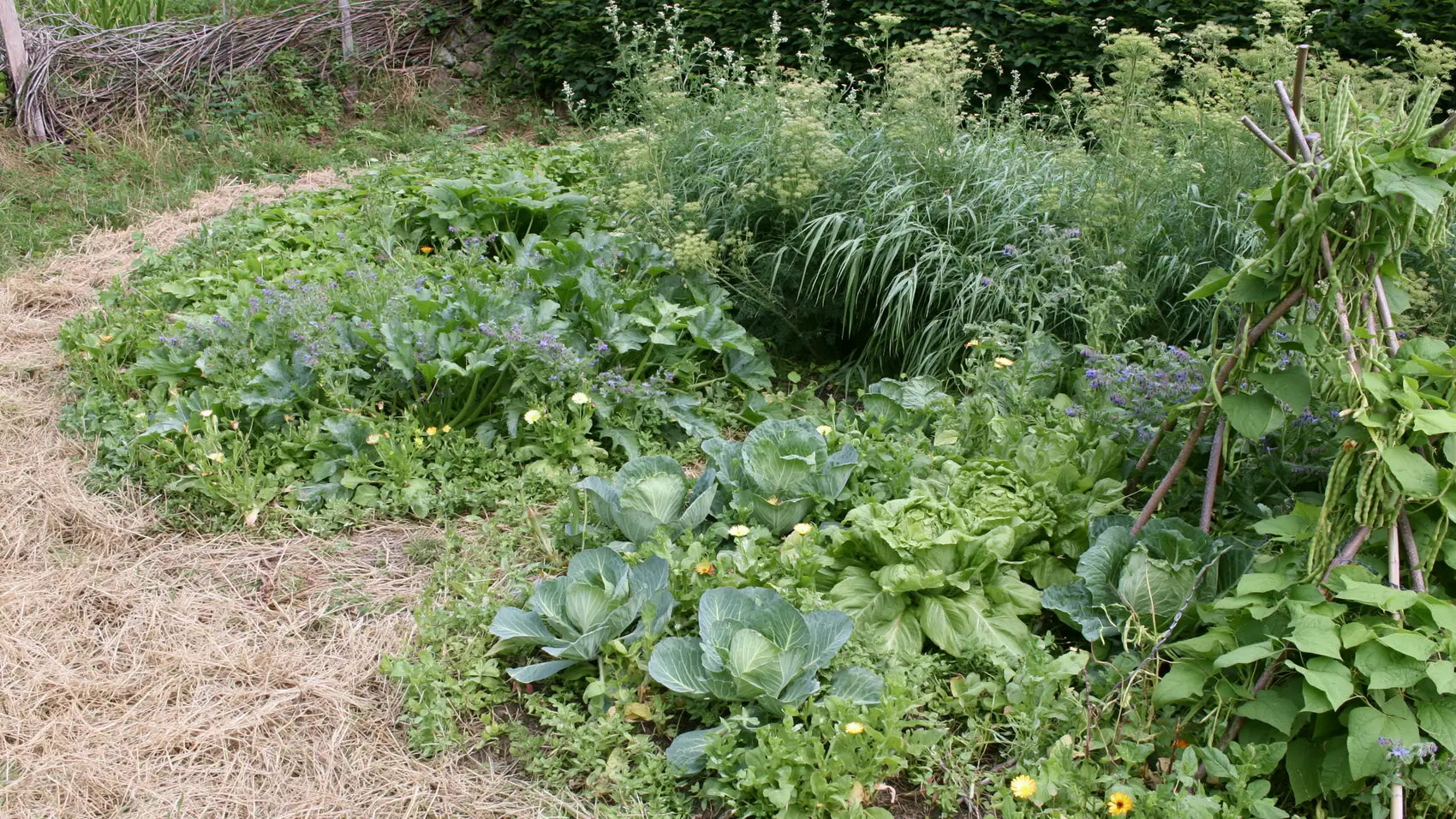
- Embrace heterogeneity. The fruits will not all be the same size or ripen at the same time. This is an advantage in a home garden: the harvest is spread over several weeks instead of everything arriving within ten days.
- Do not over-fertilize. Many heirloom varieties respond poorly to excess nitrogen: lush foliage, few fruits, and increased susceptibility to disease. Some mature compost added at planting is sufficient.
- Allow plenty of space. They are often more vigorous and larger than compact modern selections—allow for 20 to 30% more space than the usual guidelines indicate.
- Choose according to your region. A variety selected in Provence will not behave the same way in Brittany. Start with widely available varieties, then refine your selection with more local varieties once you have gained some experience.
- Grow several. Three tomato varieties rather than just one: this is the best insurance against a bad year, and the best way to discover which one suits your garden.
- Write down what you observe. This is the foundation of selection: when choosing a plant to save for seed, choose the one that served you best, not the one closest to the path.
Where to start
A logical order for a first year:
- Two or three heirloom tomatoes of different types—a salad tomato, a cooking tomato, and a cherry tomato. This is the species where the difference in taste is most obvious, and the easiest to grow from saved seed. See Heirloom tomato seeds.
- A lettuce and a bean—self-pollinating as well, with a short cycle and very easy seed harvesting.
- A beet or a squash for the following year—cross-pollinating, so seed harvesting is more technical, but growing them is simple.
In a single season, you will have enough seeds to grow three species again without buying anything else, and enough experience to judge for yourself.
Frequently asked questions
Are heirloom varieties less productive?
Under optimal conditions—fertilized soil, irrigation, and crop protection—often yes. Under average conditions, the gap narrows considerably, and sometimes the opposite is true. The comparison only makes sense under the conditions in which you actually grow, not those of a trial station.
Are they more susceptible to diseases?
It varies, and generalizations in either direction should be avoided. Modern breeding programs often incorporate targeted resistance to specific pathogens, highly effective as long as they are not overcome. Heirlooms rely on general tolerance and diversity: if you grow three varieties instead of one, you never lose everything.
Can they be sold or exchanged?
The sale of seeds to home gardeners is regulated but permitted in France and the European Union. We explain the framework in detail in Selling seeds in France and Europe. Exchanges between individuals, on the other hand, are freely practiced — seed swaps, library seed libraries, and local networks.
Which varieties should I start with?
With self-pollinating species, for which seed saving is simple: tomatoes, beans, peas, lettuce. A well-chosen heirloom tomato produces a satisfactory harvest in the first year and true-to-type seeds for the next.
Does heirloom mean organic?
No, these are two independent criteria. An heirloom variety can be conventionally produced, and an F1 variety can be certified organic. See Organic vs. conventional seeds.
What if I don't have enough space for selection?
It's not necessary. Simply resowing each year the seeds from the plant that performed best is enough to start the adaptation process. Formal selection, with population sizes and isolation, is only for those who want to create or maintain a variety for others.
Key takeaways
Growing heirloom varieties isn't about preserving heritage: it's about choosing plants that reseed themselves, adapt to your garden, and whose diversity is your best insurance against bad years. The flavor is a bonus — but not a minor one.
To learn more
- What is the difference between F1, hybrid, and open-pollinated seeds?
- Heirloom tomato seeds: varieties, sowing, care
- How to store your seeds from one year to the next
- Rare and unusual seeds to grow at home
Discover our collection of heirloom varieties — all open-pollinated, ready to harvest and reseed from one year to the next.

コメントを残す
このサイトはhCaptchaによって保護されており、hCaptchaプライバシーポリシーおよび利用規約が適用されます。