

Tässä artikkelissa 7
Luonnonmukaisella puutarhanhoidolla on oma sanastonsa, ja se lannistaa usein aloittelijat: lukee ”BRF”, ”ristipölytteinen”, ”kuorettuminen” tai ”hügelkultur” ilman, että mikään selittää, mistä on kyse. Nämä sanat eivät kuitenkaan ole turhaa ammattikieltä: jokainen niistä tarkoittaa täsmällistä ilmiötä, joka vaikuttaa johonkin puutarhassa.
Tässä on viisikymmentä alakohtiin ryhmiteltyä termiä, joista jokaiselle annetaan määritelmä ja ennen kaikkea se, mitä se käytännössä tarkoittaa.
Maaperä ja sen eliöstö
- Maalaatuisuus — hiekan, hiesun ja saven osuus maassa. Sitä ei käytännössä voi muuttaa: sen kanssa on elettävä.
- Rakenne — tapa, jolla nämä hiukkaset liittyvät yhteen muruiksi. Toisin kuin maalaji, se riippuu täysin viljelykäytännöistäsi.
- Muru — maahiukkanen, jonka maan eliöstön eritteet ovat liimanneet yhteen. Sen esiintyminen on paras terveen maan merkki.
- Kuorettuminen — sadepisaroiden iskun seurauksena pinnalle muodostuva vettä läpäisemätön kuori. Hiesumaiden vitsaus; ainoa torjuntakeino on olla jättämättä maata koskaan paljaaksi.
- Kyntöantura — jyrsimen työskentelysyvyyden alapuolelle muodostuva tiivistynyt kerros. Vesi ja juuret eivät enää läpäise sitä.
- Kuivunut — maasta, joka on menettänyt ylimääräisen vetensä ja jota voi muokata tiivistämättä sitä. Testi: puristettu kourallinen ei päästä vettä ja murenee, kun käsi avataan.
- Humus — orgaanisen aineksen vakaa osa, hajoamisen lopputulos. Se pidättää vettä ja ravinteita kuin sieni.
- Mineralisoituminen — mikro-organismien aikaansaama orgaanisen aineksen muuttuminen kasveille käyttökelpoisiksi ravinteiksi.
- Juuristovyöhyke — juuria ympäröivät muutamat millimetrit maata, jossa mikrobielämä on tiheimmillään.
- Juurieritteet — juurten vapauttamia sokereita ja happoja tämän eliöyhteisön ravinnoksi. Kasvi kasvattaa kirjaimellisesti omaa mikrobiomiaan.
- Mykorritsa — sienen ja kasvin juurten välinen symbioosi: sokereita vastineeksi vedestä ja kivennäisaineista. Syvä maanmuokkaus tuhoaa sen.
- Sienirihmasto — sieniyksilön muodostava rihmaverkosto. Se, mitä kutsumme ”sieneksi”, on vain sen itiöemä.
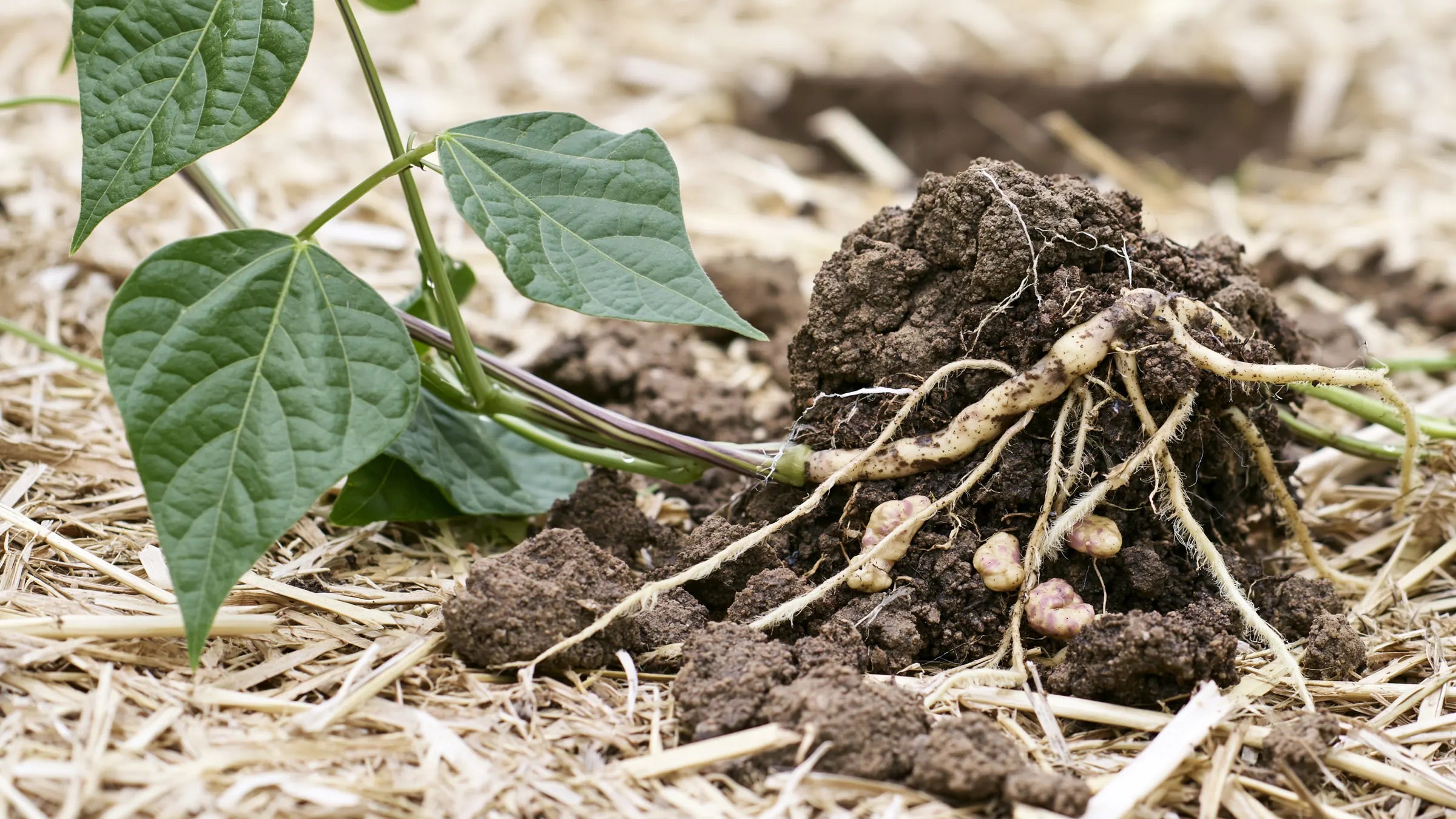
- Juurinystyrä — palkokasvien juurissa oleva pieni pullistuma, jossa elää typpeä sitovia bakteereja.
- Madonlantakasa — kastemadon uloste, joka on huomattavasti ympäröivää maata ravinteikkaampaa.
- C/N-suhde — aineksen hiilen ja typen suhde. Se säätelee hajoamisnopeutta ja selittää useimmat epäonnistuneet kompostit.
- Typpinälkä — maaperän mikro-organismien liikaa hiiltä sisältävää ainesta hajottaessaan väliaikaisesti sitoma typpi. Oire: vaalea lehdistö, kasvun pysähtyminen.
- Maanparannusaine — maan rakennetta parantava lisäys (komposti, lanta). Se on erotettava lannoitteesta, joka tuo kasveille suoraan hyödynnettäviä ravinteita.
- Bioindikaattorikasvi — luonnonvarainen kasvi, jonka runsas esiintyminen kertoo maan tilasta: nokkonen kertoo typestä, peltokorte liiallisesta märkyydestä ja piharatamo tiivistymisestä.
Näitä käsitteitä käsitellään tarkemmin artikkeleissa Elävän maan perusteet ja Erilaiset maalajit.
Siemenet
- Vakiintunut lajike (tai populaatiolajike) — vakaa lajike, jonka siemenistä kasvaa samanlainen kasvi. Tämä mahdollistaa siementen uudelleenkylvön.
- F1-hybridi — kahden puhtaan linjan risteytyksestä syntyvä ensimmäinen sukupolvi. Elinvoimainen ja yhdenmukainen, mutta sen ominaisuudet eivät säily luotettavasti uudelleenkylvössä.
- Segregaatio — ominaisuuksien satunnainen uudelleenjakautuminen toisessa sukupolvessa (F2). Siksi F1-hybridien uudelleenkylvö antaa ennakoimattomia tuloksia.
- Itsepölytteinen — laji, joka pölyttää itsensä: tomaatti, papu, herne, salaatti. Tahattomat risteytykset ovat harvinaisia, joten siementen kerääminen on helppoa.
- Ristipölytteinen — laji, joka tarvitsee ristipölytyksen: kurpitsat, kaalit, porkkanat. Vaatii riittävän suuren kasvimäärän ja lajikkeiden eristämisen.
- Siemenkasvi — kasvi tai kasvit, jotka jätetään tarkoituksella tuottamaan siemeniä. Niiden valinta määrittää tulevien satojen laadun.
- Paikallinen siemen — viljelijän itsensä lisäystämä siemen, joka on usein valittu paikallisiin oloihin.
- Stratifiointi — kylmäkäsittely, jota tarvitaan joidenkin siementen, erityisesti puiden ja monivuotisten kasvien siementen, lepotilan purkamiseksi.
- Arifiointi — kovan siemenkuoren tarkoituksellinen kuluttaminen veden pääsyn mahdollistamiseksi.
- Siemenkuori — siemenen suojaava kuori.
- Sirkkalehdet — ensimmäiset, pyöreät lehdet, jotka kehittyvät itse siemenestä. Seuraavat ovat «varsinaisia lehtiä», ja siinä vaiheessa taimet koulitaan.
- Hentovartisuus — varsien epänormaali venyminen valon puutteen vuoksi. Liian aikaisin kylvettyjen taimien tyypillinen ongelma.
- Karaistuminen — taimien asteittainen totuttaminen ulko-olosuhteisiin ennen lopullista istutusta.
- Vernalisaatio — joidenkin kaksivuotisten kasvien kylmän tarve kukinnan käynnistämiseksi seuraavana vuonna.
- Taimipolte — sienitauti, joka saa taimet lakastumaan tyveltä. Kylmä ja vettynyt kasvualusta edistää sitä.
Katso Mitä eroa on F1-siemenillä, hybrideillä ja lisättävillä lajikkeilla? ja Miten säilyttää siemeniä.
Tekniikat
- Kate (tai mulch) — maan orgaaninen peite. Se vähentää haihtumista, rajoittaa rikkakasveja ja ravitsee hajotessaan maan eliöstöä.
- BRF — haketettu oksapuu: lehtipuiden nuorten oksien haketta. Erinomainen maan pinnalla, mutta maahan sekoitettuna aiheuttaa typenpuutetta.
- Peittäminen — läpinäkymätön peite, kuten pressu tai pahvi, jolla kasvillisuus tukahdutetaan ilman rikkakasvien torjunta-aineita.
- Grelinette — piikkihaarukka, jossa on kaksoisvarsi ja joka kuohkeuttaa maan kääntämättä maakerroksia.
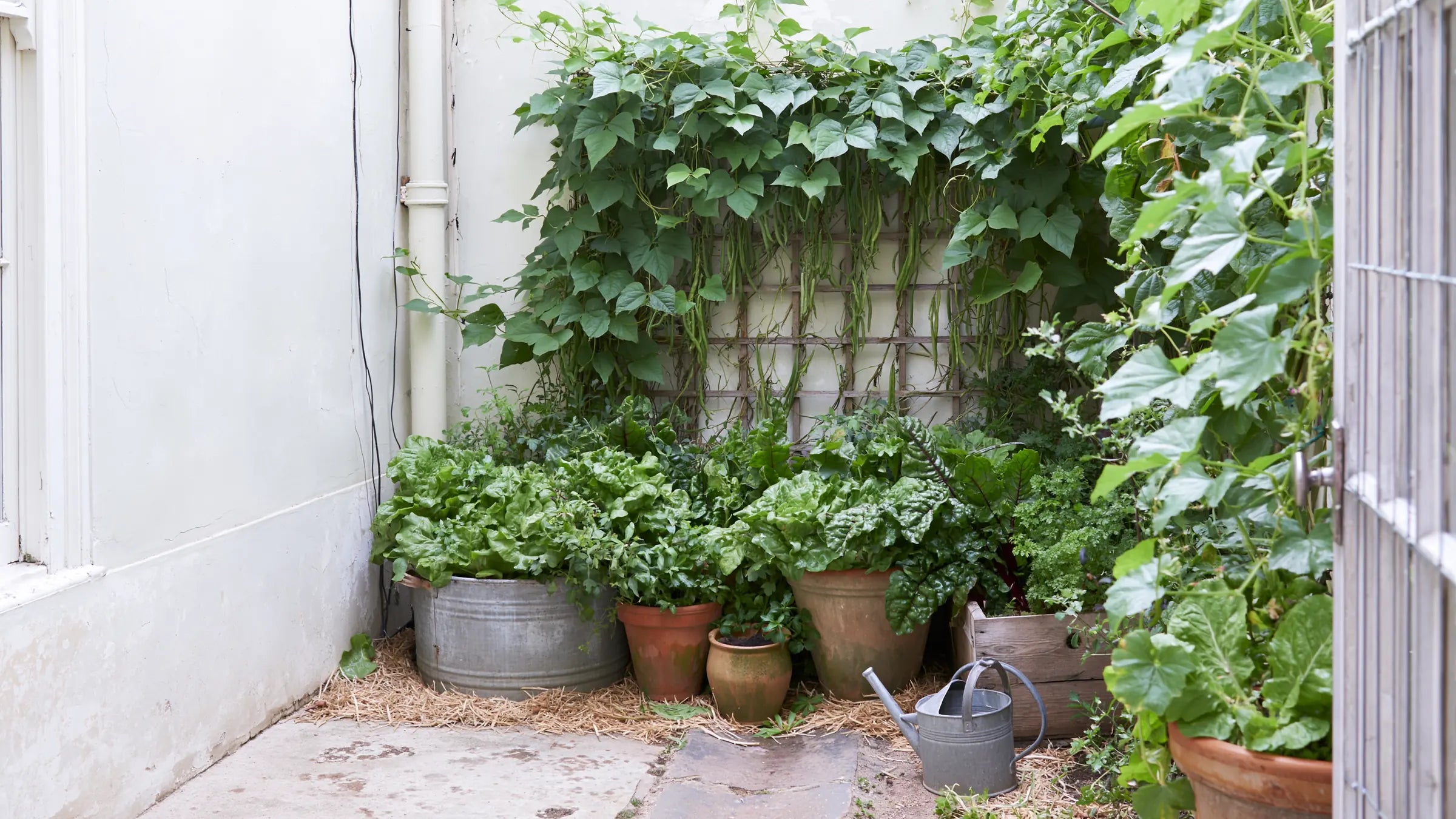
- Kohopenkki — kohotettu kasvupenkki, usein puuytiminen. Se kuivattaa ja lämmittää; on olemassa myös maahan kaivettu versio, joka puolestaan pidättää vettä.
- Hügelkultur — saksankielinen termi, joka tarkoittaa täsmällisesti puuytimistä kohopenkkiä.
- Lasagneviljely — kasvualusta, joka rakennetaan vuorottelevista ruskean ja vihreän aineksen kerroksista ilman puuta.
- Viherlannoitus — kasvi, joka kylvetään maan hyväksi eikä sadonkorjuuta varten: se peittää ja muokkaa maan rakennetta, sitoo typpeä tai kerää nitraatteja.
- Nitraatteja sitova kerääjäkasvusto — kasvusto, joka sitoo liukoisen typen ennen kuin sateet huuhtovat sen pois.
- Viljelykierto — kasviheimojen vuorottelu samalla kasvulohkolla vuodesta toiseen.
- Välikasvusto — kahden pääkasvin väliin sijoitettu lyhyen kasvukauden viljelykasvi.
- Jaksokylvö — saman lajin porrastetut kylvöt sadonkorjuun jaksottamiseksi.
- Harvennus — liian tiheässä kasvavien taimien poistaminen, jotta muille jää tilaa.
- Kouliminen — nuoren taimen siirtäminen astiasta toiseen tai avomaalle.
- Vesiverso — lehden hankaan, erityisesti tomaatilla, kasvava verso.
- Viskaus — siementen erottaminen roskista ilman avulla.
- Pastörointi — kasvualustan maltillinen kuumentaminen kilpailijoiden hävittämiseksi ilman täydellistä sterilointia.
Luonnon monimuotoisuus
- Hyötyeliö — kasvintuhoojia säätelevä eliö: leppäkerttu, kukkakärpänen, harsokorento, maakiitäjäinen, siili. Aikuiset yksilöt käyttävät usein ravinnokseen mettä, joten kukkia tarvitaan.
- Kasvintuhooja — viljelykasveja käyttävä eliö. Käsite on suhteellinen: kasvintuhoojien liikamäärä kertoo ennen kaikkea säätelijöiden puutteesta.
- Rikkakasvi — tietyssä paikassa ei-toivottuna kasvava luonnonvarainen kasvi. Termillä ”rikkaruoho” ei ole kasvitieteellistä merkitystä.
- Kumppanikasvi — viljelykasvin yhteyteen istutettu kasvi, joka suojaa sitä tai edistää sen kasvua.
- Ansakasvi — suojattavaa viljelykasvia houkuttelevampi laji, joka uhrataan tarkoituksella. Krassi kirvoja vastaan.
- Allelopatia — kasvin erittämät aineet estävät muiden kasvien kasvua. Todistettu tapaus: saksanpähkinä ja sen jugloni.
- Melliferinen — kasvi, joka tuottaa runsaasti mettä ja siitepölyä ja houkuttelee pölyttäjiä sekä hyötyeliöitä.
- Ristipölytys — hedelmöittyminen toisen yksilön siitepölyllä. Tämä on hallittava, kun kerää omat siemenet.
Katso Kasvimaan parhaat vihannesyhdistelmät.
Permakulttuurinen suunnittelu
- Suunnittelu — paikan kokonaisvaltainen suunnittelu ennen toteutusta. Se on permakulttuurin ydin, joka usein virheellisesti pelkistetään tekniikoiksi.
- Vyöhykejako — tilan järjestäminen kulkukertojen tiheyden mukaan: eniten huomiota vaativat asiat sijoitetaan lähimmäksi.
- Kasvillisuuskerros — kasvillisuuden taso. Kerroksellinen järjestelmä hyödyntää samalla pinta-alalla useita tilavuuksia.
- Reunavaikutus — kahden elinympäristön välinen reuna-alue on kumpaakin rikkaampi ja tuottavampi. Siksi mutkittelevat reunat ovat hyödyllisiä.
- Metsäpuutarha — syötävä järjestelmä, joka jäljittelee metsän kerroksellista rakennetta ja jossa sienet sekä monivuotiset kasvit ovat hallitsevia.
- Mikroilmasto — paikalliset olosuhteet, jotka poikkeavat yleisestä ilmastosta: etelänpuoleinen seinä, hallanarka painanne tai pensasaidan suoja.
- Lämpömassa — lämpöä varastoiva ja sitä luovuttava elementti: seinä, kivi tai vesialue.
- Suljettu kierto — kierto, jossa yhden elementin tuotos toimii toisen panoksena. Keittiöjätteestä tulee kompostia, josta tulee satoa.
Katso Permakulttuurin perusteet ja Suunnittelu vyöhykkeiden ja valoisuuden mukaan.
Viisi yleistä sekaannusta
- Maanparannusaine ja lannoite — toinen parantaa maata pitkällä aikavälillä, toinen ravitsee kasvia välittömästi. Komposti on maanparannusaine, ei lannoite.
- Hybridi ja F1 — kaikki F1-lajikkeet ovat hybridejä, mutta hybridisoitumista tapahtuu luonnostaan eikä siinä ole mitään ongelmallista.
- Tekstuuri ja rakenne — ensimmäistä ei voi muuttaa, toinen riippuu täysin sinusta.
- Permakulttuuri ja luonnonmukainen maatalous — toinen on suunnittelumenetelmä, toinen sääntelyyn perustuva tuotanto-ohjeisto.
- Sieni ja sienirihmasto — se, mitä korjaamme talteen, on vain lisääntymiselin; eliö elää kasvualustassa.
Tärkeää muistaa
Tämä sanasto ei ole puutarhanhoitoa edeltävä ylitettävä este, vaan se rakentuu puutarhaa hoitaessa. Opettele ensin muutama käytäntöön vaikuttava termi — rakenne, kate, viljelykierto, itsepölytteinen, typenpuute — ja loput tulevat kuin itsestään.
Aiheeseen syvemmälle
- Miten perustaa permakulttuurinen kasvimaa? Kattava opas
- Miten valita välineet luonnonmukaisen kasvimaan perustamiseen?
- Kylvökalenteri kuukausi kuukaudelta
- Kompostointi: maan ravitseminen luontoa jäljittelemällä
Siirtyminen teoriasta käytäntöön: vihannestarhan siemenemme ja aloittelijoille tarkoitetut pakkauksemme.

Jätä kommentti
Tämä sivu on suojattu hCaptcha-tunnistuksella, ja hCaptchan tietosuojakäytäntöjä ja käyttöehtoja sovelletaan.