Ligustrum japonicum
Japanese privet, broad-leaved privet: unlike our common privets, which lose their leaves, this one stays green all year round, with thick, glossy foliage that is almost waxy. It is one of the few shrubs able to withstand both repeated severe pruning and urban pollution, which has made it the quintessential city hedge.
Characteristics:
-
Glossy evergreen foliage: broad, shiny dark green leaves, dense all year round.
-
Vigorous shrub: 3 to 5 metres tall, it regrows vigorously after every pruning.
-
Pollinator-friendly flowering: fragrant white panicles in spring, followed by decorative black berries.
Precautions:
-
The black berries are not edible and cause digestive problems if ingested. Keep them out of reach of young children, who may be attracted by their appearance as small fruits.
- It self-seeds easily thanks to birds that disperse its berries: monitor spontaneous seedlings if you do not want it to spread.
Sowing advice:
-
Exposure: full sun to partial shade; it adapts well to both.
-
Soil: light, well-drained, neutral to calcareous. This is a remarkably tolerant shrub that accepts ordinary soils as well as compacted urban soils. No special fertilisation is required.
-
Method: 2 to 3 months of cold stratification is necessary: its seeds need cool conditions to break dormancy. Then sow in spring or autumn, in a seed tray or pot in a bright sheltered place. Germination may be slow, so be patient.
Planting advice:
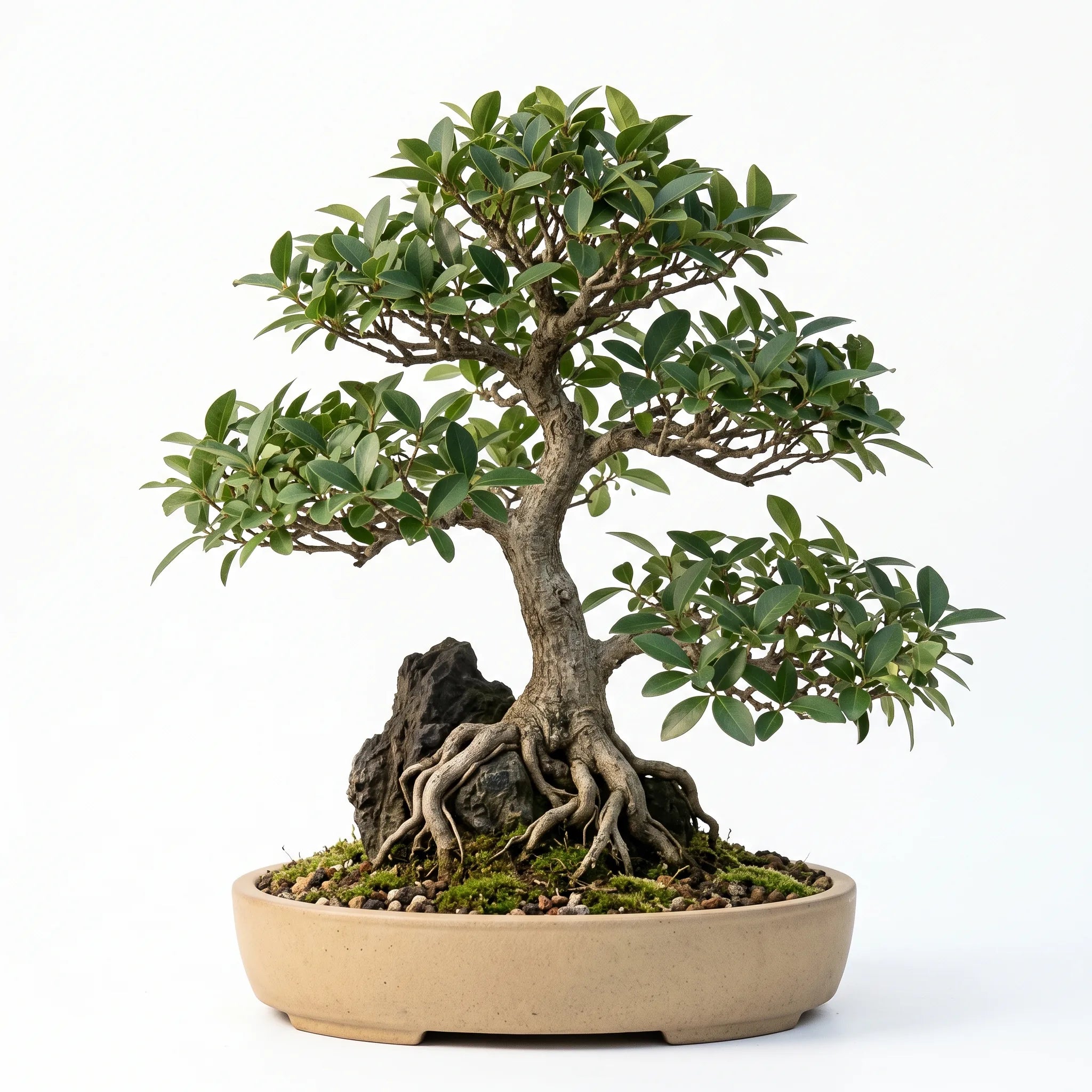
- Plant in a hedge, spacing plants 60 cm to 1 m apart depending on the desired density, or grow as a specimen plant. It is also very well suited to bonsai — see our guide creating a bonsai from a seed.
Care advice:
- Water regularly at the beginning of growth, then much less frequently once the plant is established.
- Prune once or twice a year for a neat hedge. Tip: let it flower before the first pruning, as its flowers are valuable to bees.
Beneficial combinations:
Benefits for biodiversity:
- Its evergreen, dense foliage provides winter shelter and nesting sites highly valued by birds, where deciduous hedges are bare.
- Its spring flowering is highly attractive to pollinators and hums with bees.
- Its berries, toxic to us, feed blackbirds and thrushes in winter.
Uses:
- Evergreen hedges, plant screens, specimens pruned into balls or cones, and bonsai. A classic of city gardens because of its resistance to pollution.
Symbolism:
Privet is associated with protection and the boundary between spaces because of its millennia-old use as a hedge. Its ability to regrow after any pruning also makes it a symbol of resilience.
Harvesting your own seeds:
Harvest the completely black berries in autumn — wearing gloves —, crush them in a little water and rinse to separate the seeds from the pulp. Dry them before winter stratification. See storing your seeds.
Commitment to Quality: at SemiSauvage - Permaculture, we grow and select our seeds with respect for living things as our guiding principle. Based near the Volcanoes of Auvergne, we choose reproducible, non-hybrid varieties, tested for their germination rate, carefully sorted and packaged, with no chemical treatment. Our belief: to give gardeners back the ability to resow, year after year, seeds that truly belong to them.
Sale reserved for amateur gardeners seeking quality and authenticity.