Prunus armeniaca
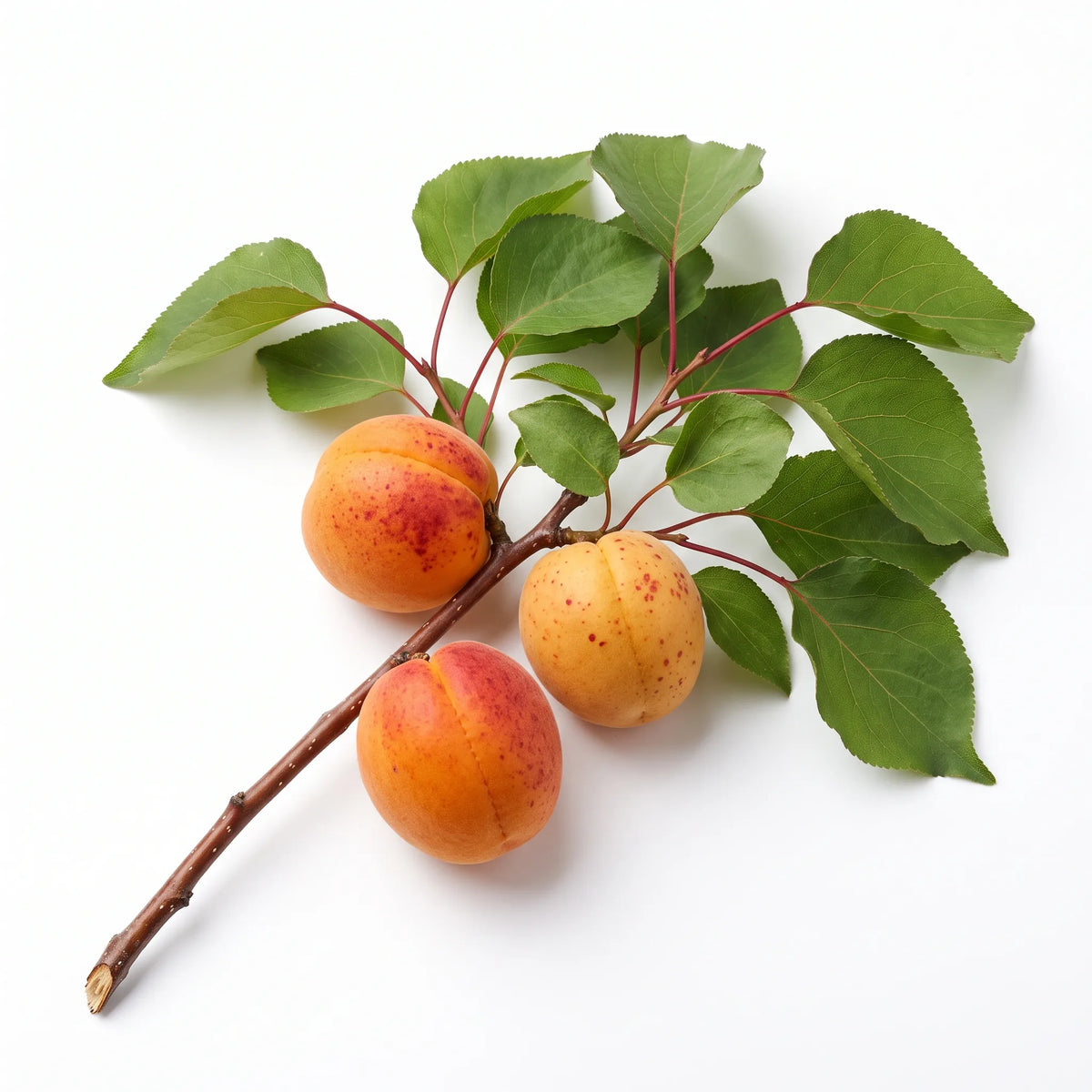
Common apricot, tree with golden fruit: its species name, armeniaca, reflects an old mistake by botanists, who believed it originated in Armenia—it actually comes from Central Asia, where it has been cultivated for more than four thousand years. Its pinkish-white blossom, one of the earliest in the orchard, heralds spring before all other fruit trees.
Characteristics:
-
Medium-sized fruit tree: 3 to 6 metres, easy to incorporate into a garden.
-
Very early flowering: white to pinkish flowers from February to March, before the leaves appear.
-
Golden fruit: apricots with juicy, sweet flesh in midsummer.
Precautions:
- These seeds are intended for sowing, not for consumption: the kernel inside the stone naturally contains amygdalin and must not be eaten. Keep it out of the reach of children.
- Its very early flowering makes it vulnerable to late frosts, which can destroy the harvest: plant it in a sheltered spot, never at the bottom of a valley where cold air collects.
Sowing advice:
-
Position: sunny and sheltered from cold winds, ideally planted against a south-facing wall in cool regions.
-
Soil: light, deep, well drained and slightly alkaline. It dislikes heavy, clayey, waterlogged soil, where its roots quickly suffocate. Never plant it in a hollow where water collects.
-
Method: 2 to 3 months of cold stratification is essential (in the refrigerator in damp sand, or naturally outdoors over winter). Then sow in spring or autumn, directly in the ground. Allow 1 to 3 months for germination after stratification.
Planting advice:
- Allow 4 to 5 metres around the tree for its mature growth.
- A seed-grown tree produces fruit that can vary, sometimes differing from the parent—this is the adventure of growing from seed, whereas nurseries graft trees to reproduce a variety identically.
Care advice:
- Water moderately, especially during the first few years and in dry periods.
- Prune after harvesting rather than in winter: apricot trees heal poorly and are susceptible to wood diseases through fresh wounds during wet seasons.
Harvest advice:
- Pick the fruit when it is well coloured and slightly soft to the touch: apricots do not really continue to ripen once picked too green.
Beneficial pairings:
- Excellent company for Mediterranean aromatic plants along the edges, such as true lavender or common sage, which attract pollinators to the foot of the tree.
Benefits for biodiversity:
- Its ultra-early flowering provides one of the year's very first sources of nectar and pollen, at a time when bees are emerging from winter dormancy and have very little to forage on.
- Its fallen fruit feeds birds and insects at the end of summer.
Uses:
- Delicious fresh, in jam, dried or in pastries. The tree also has considerable ornamental value thanks to its early flowering.
Symbolism:
In several cultures, the apricot tree symbolises gentleness, fertility and light. In China, the “apricot grove” traditionally refers to the place where Confucius taught, associating it with knowledge and the passing on of learning.
Harvesting your own seeds:
Collect the stones from your finest fully ripe fruit, remove all the pulp, let them dry for a few days, then store them in a cool, dry place until winter stratification. See storing your seeds.
Commitment to Quality: at SemiSauvage - Permaculture, we grow and select our seeds with respect for all living things as our guiding principle. Based near the Auvergne Volcanoes, we choose open-pollinated, non-hybrid varieties, test them for germination rates, and carefully sort and package them without any chemical treatment. Our belief: to give gardeners back the ability to sow, year after year, seeds that truly belong to them.
Sales reserved for amateur gardeners seeking quality and authenticity.