Brassica rapa var. pekinensis “Granaat”
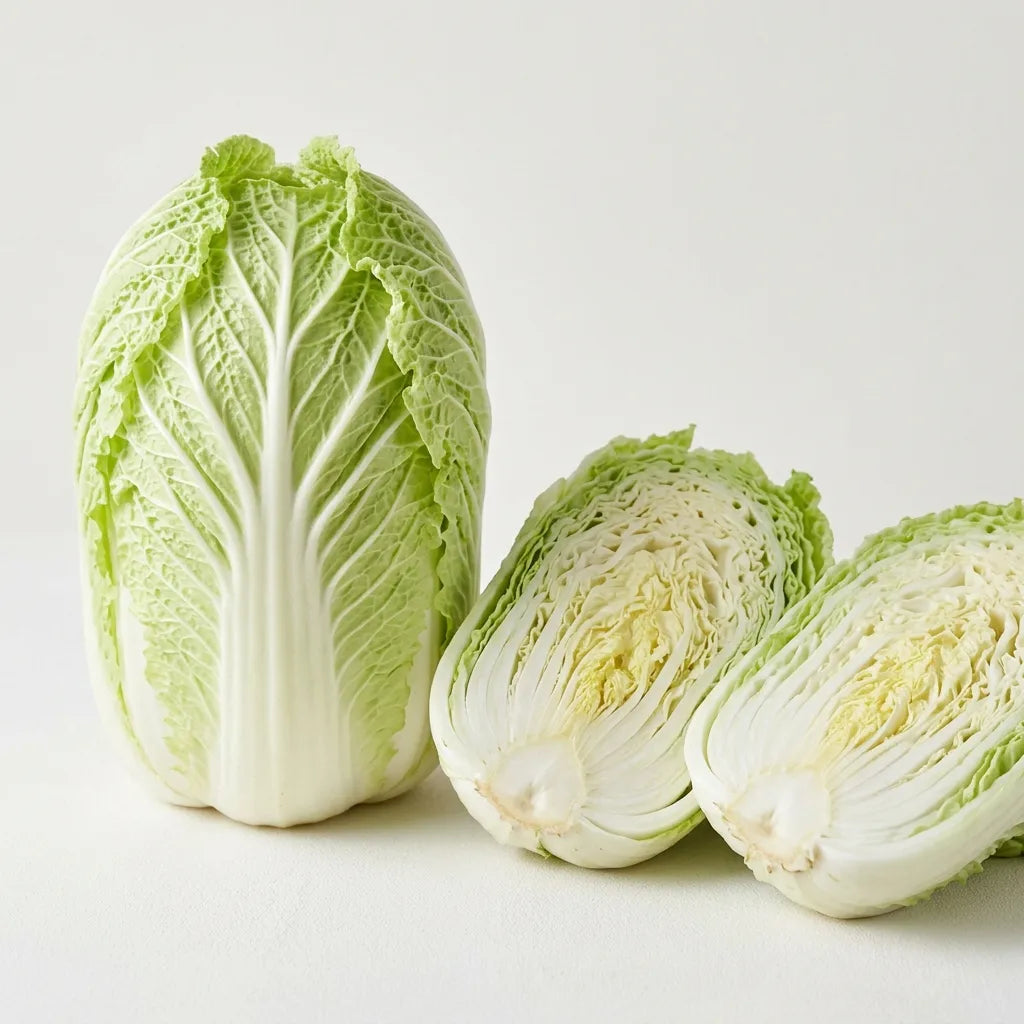
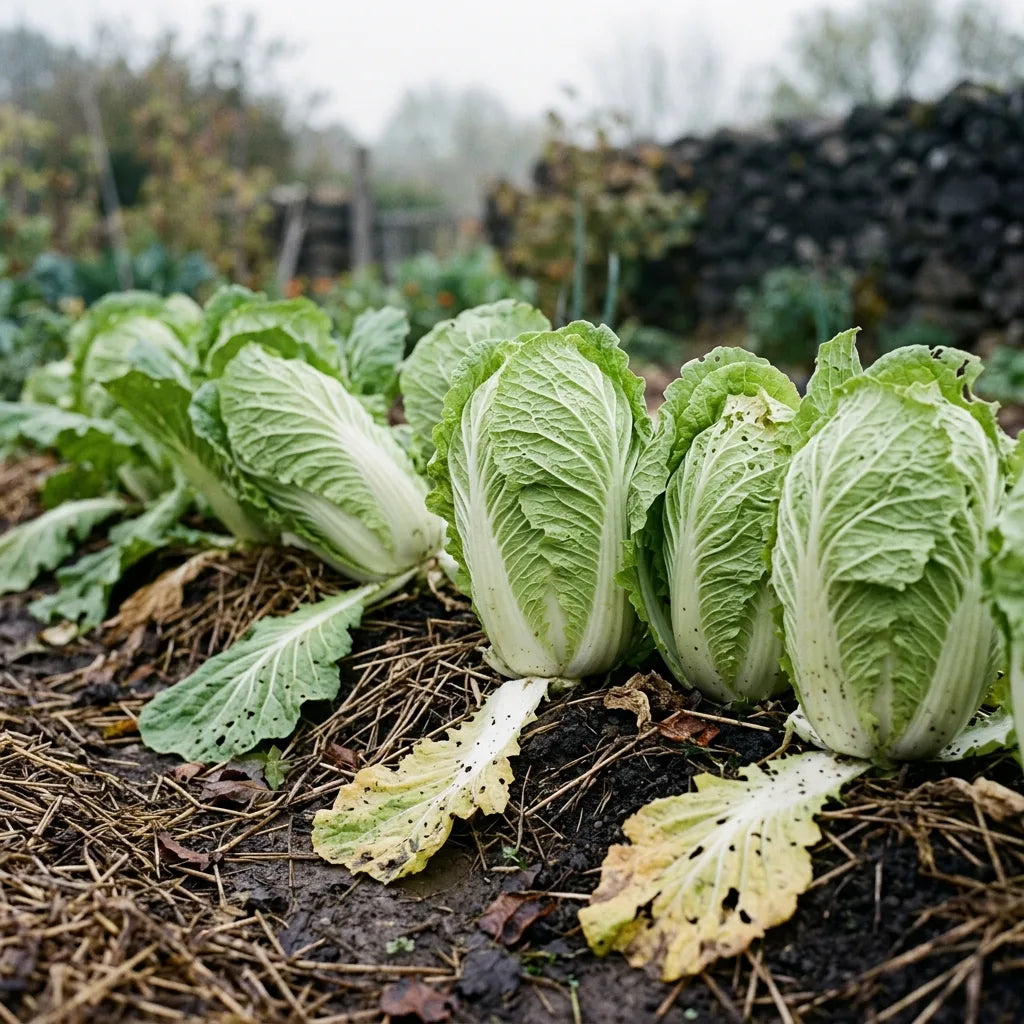
Granaat Pé-Tsaï Chinese cabbage, Chinese cabbage, napa cabbage, celestial cabbage: be careful not to treat it like a European cabbage. It belongs to another species (Brassica rapa, the species that includes turnips), and its cultivation follows the opposite rule: sow it in late summer, not spring. Its tender, sweet, crunchy leaves form an elongated head in just eight to ten weeks.
Characteristics:
-
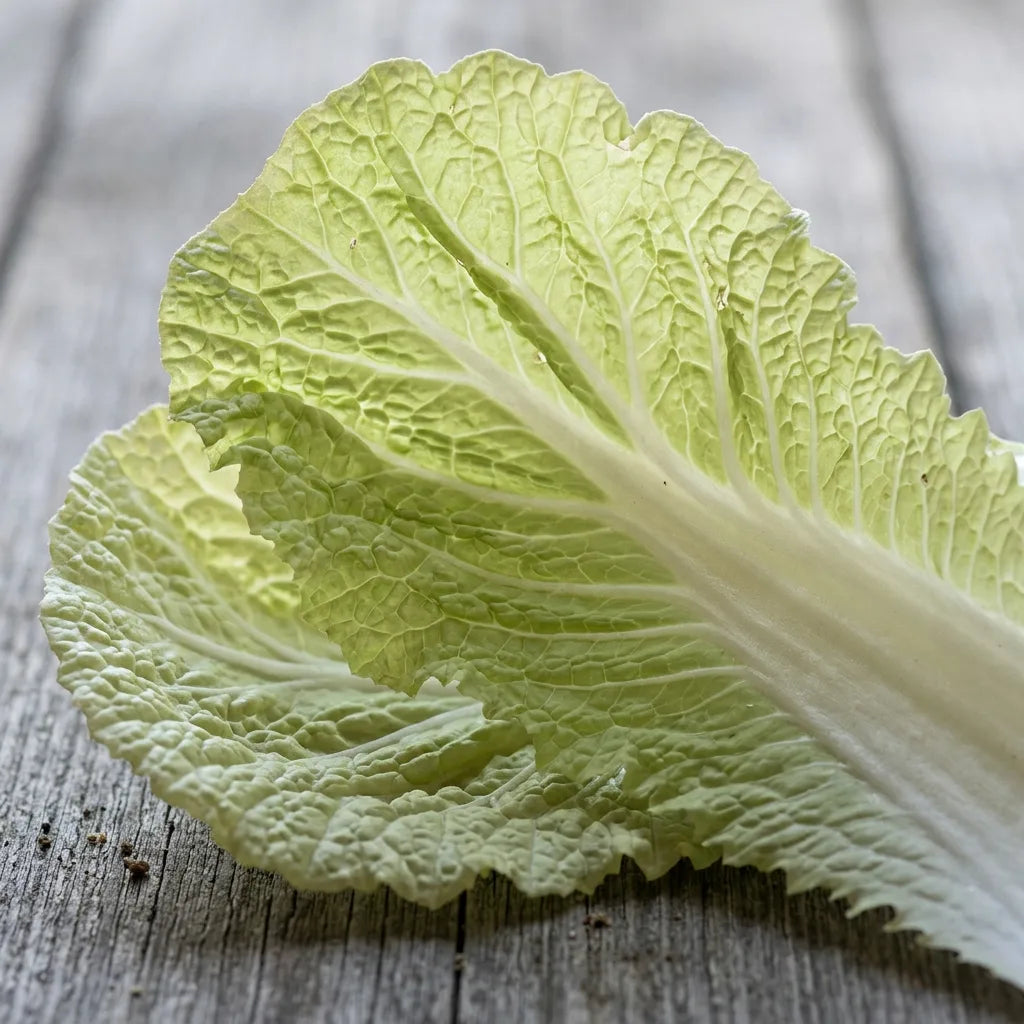
Elongated, compact head: tender leaves with broad, crunchy white ribs.
-
Very early: the Granaat selection is one of the fastest, ideal from late summer through autumn.
-
Resistant to bolting: its greatest asset in temperate climates.
-
Mild flavor: without the bitterness or sulfurous taste of traditional headed cabbages.
Sowing advice:
-
Position: full sun to partial shade.
-
Soil: cool, humus-rich, well-drained, and slightly acidic to neutral, enriched with well-rotted compost. Avoid growing it where another brassica has grown in previous years.
-
Method: sow from March to September, in a nursery bed or directly in the ground depending on the season, at a depth of 1 cm. July–August sowing is the safest: when sown in spring, it tends to bolt before heading, even this bolting-resistant variety. See how to sow seeds.
Planting advice:
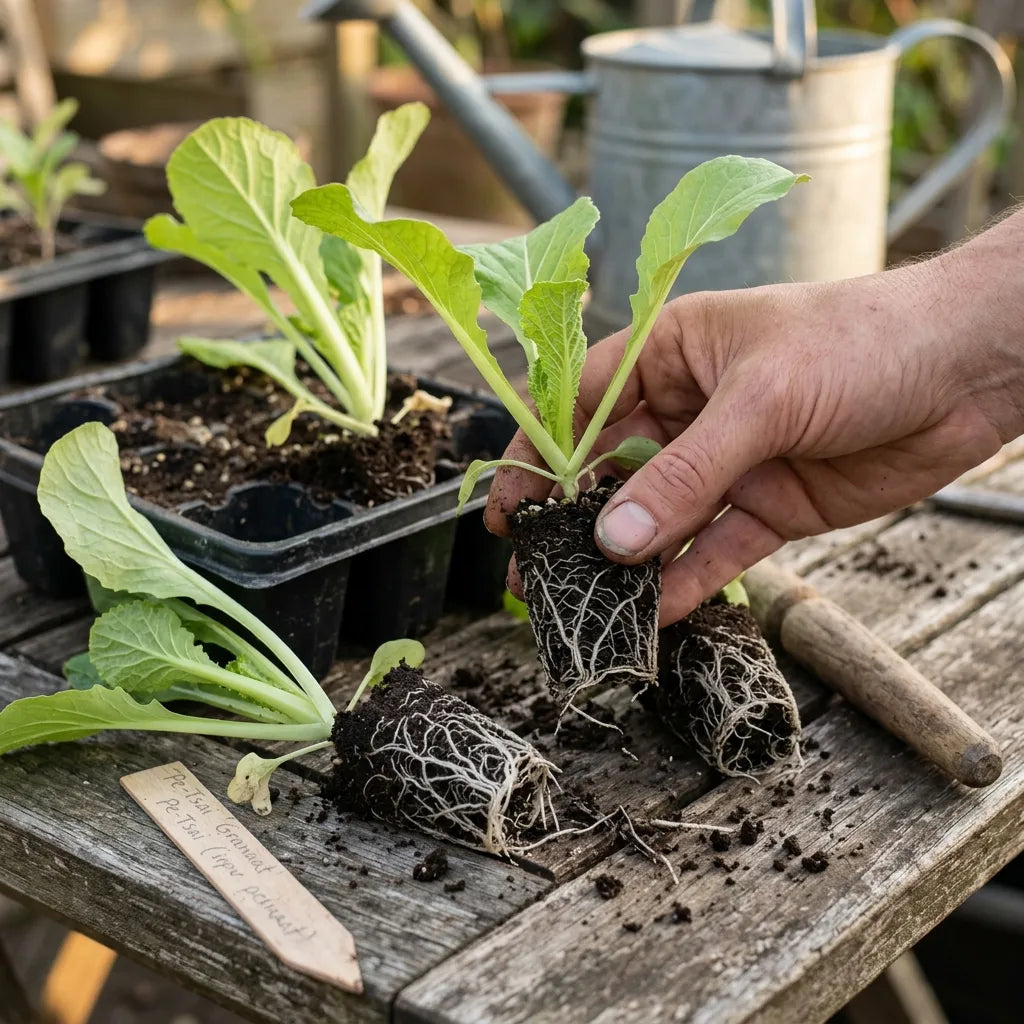
- Transplant at the 4- to 5-leaf stage, spacing plants 40 cm apart. Handle gently: it does not tolerate damaged roots well.
Care advice:
- Water regularly and generously: this is essential for good head formation. A lack of water immediately causes bolting.
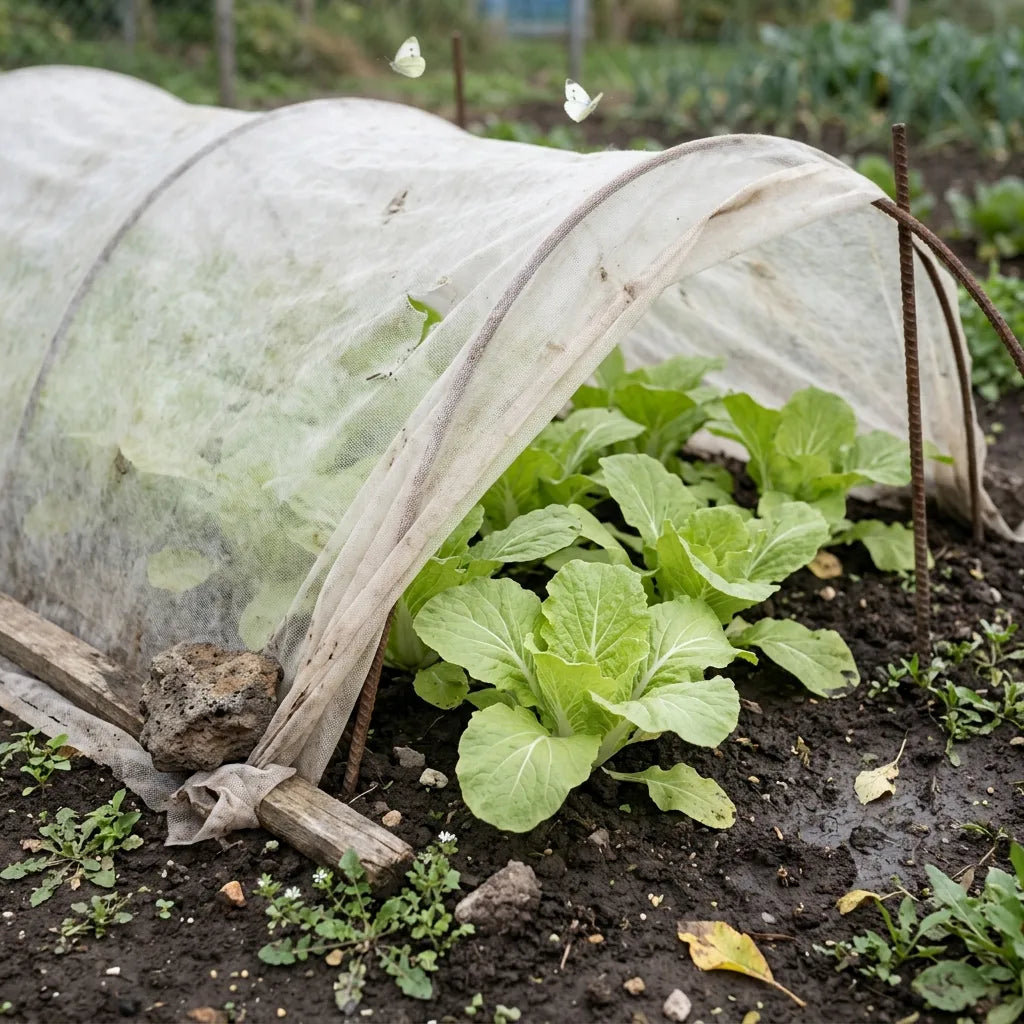
- Mulch around the base. Insect mesh helps limit flea beetles and cabbage white butterflies without treatment.
Harvesting advice:
- Harvest when the head feels firm, before severe frosts—it is less hardy than European cabbages. Cut it at ground level.
- It keeps for several weeks in a cool place, wrapped in a cloth.
Beneficial companions:
Benefits for biodiversity:
- Sown in late summer, it makes useful use of cleared beds and maintains plant cover in the latter part of the season, protecting the soil.
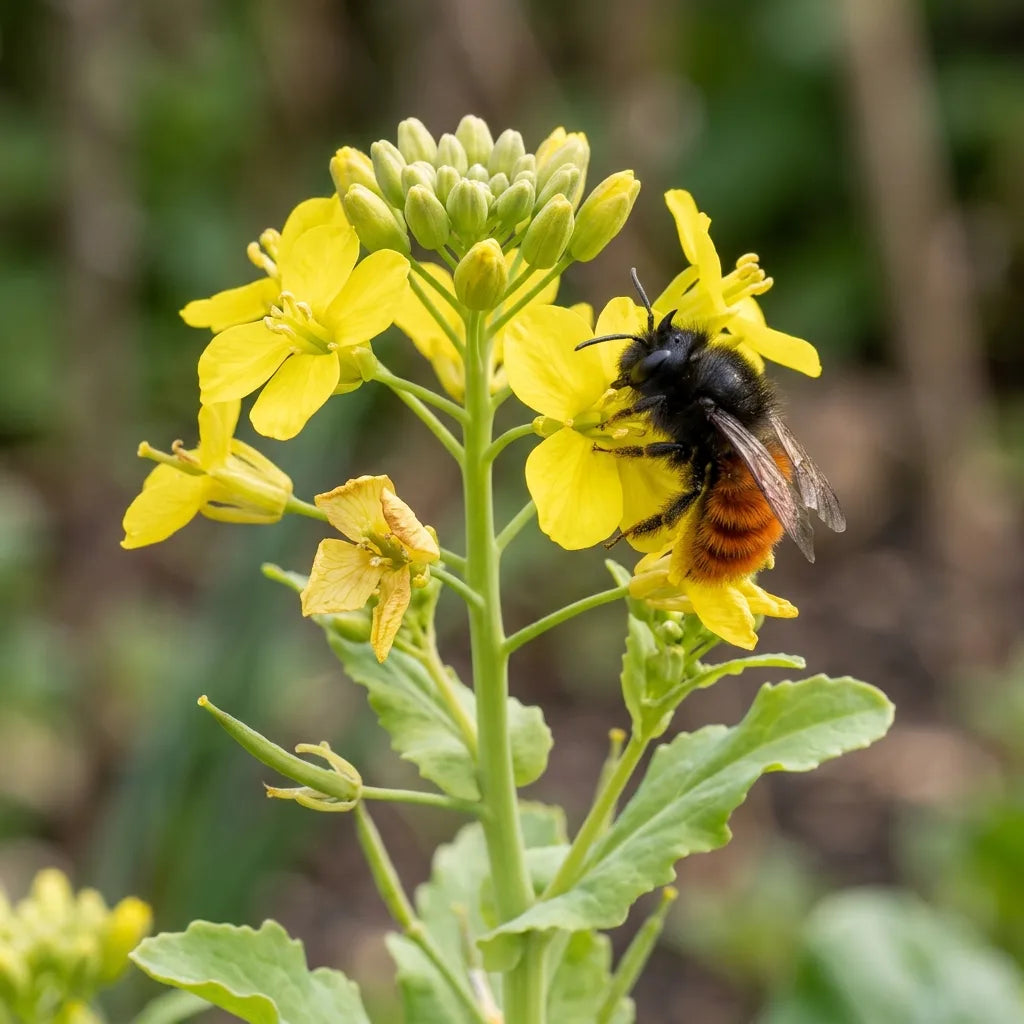
- If left to bolt, it produces highly nectar-rich yellow flower clusters, valuable in spring.
Uses:
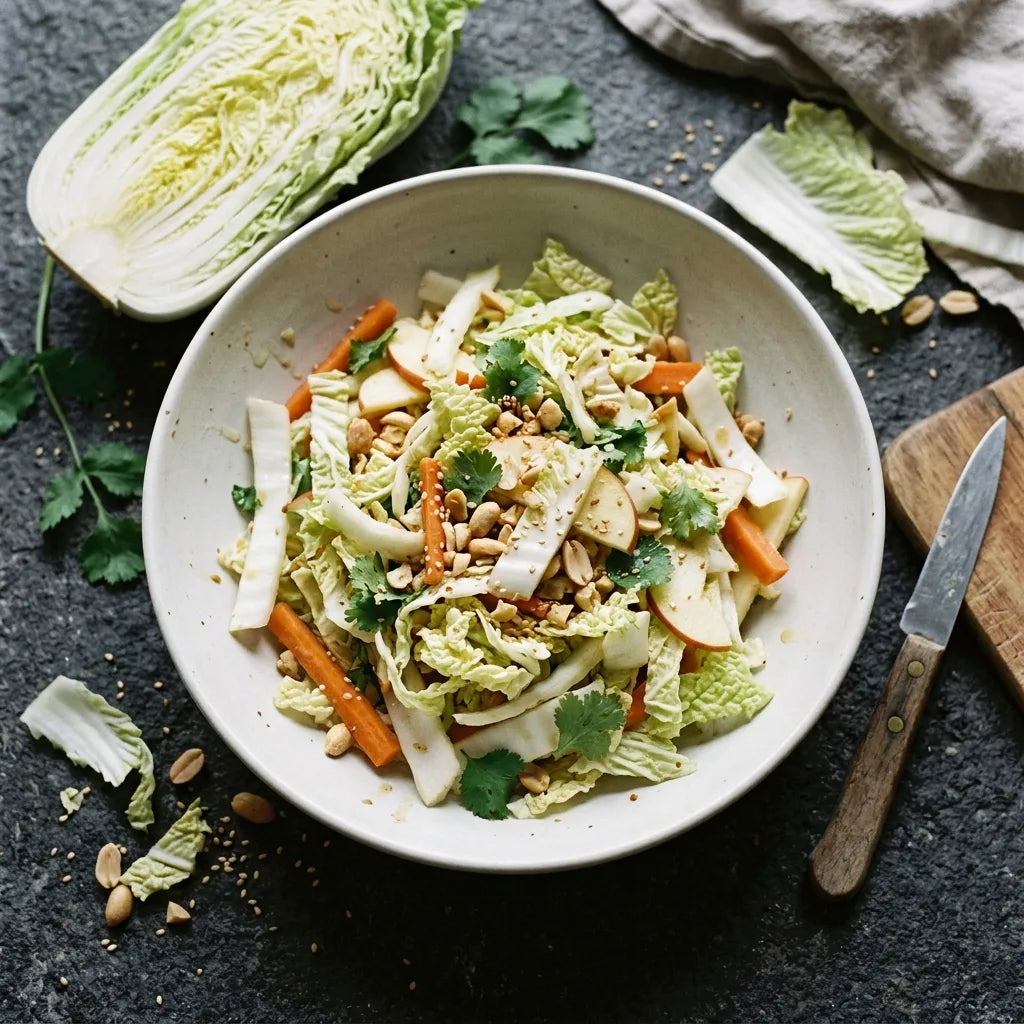
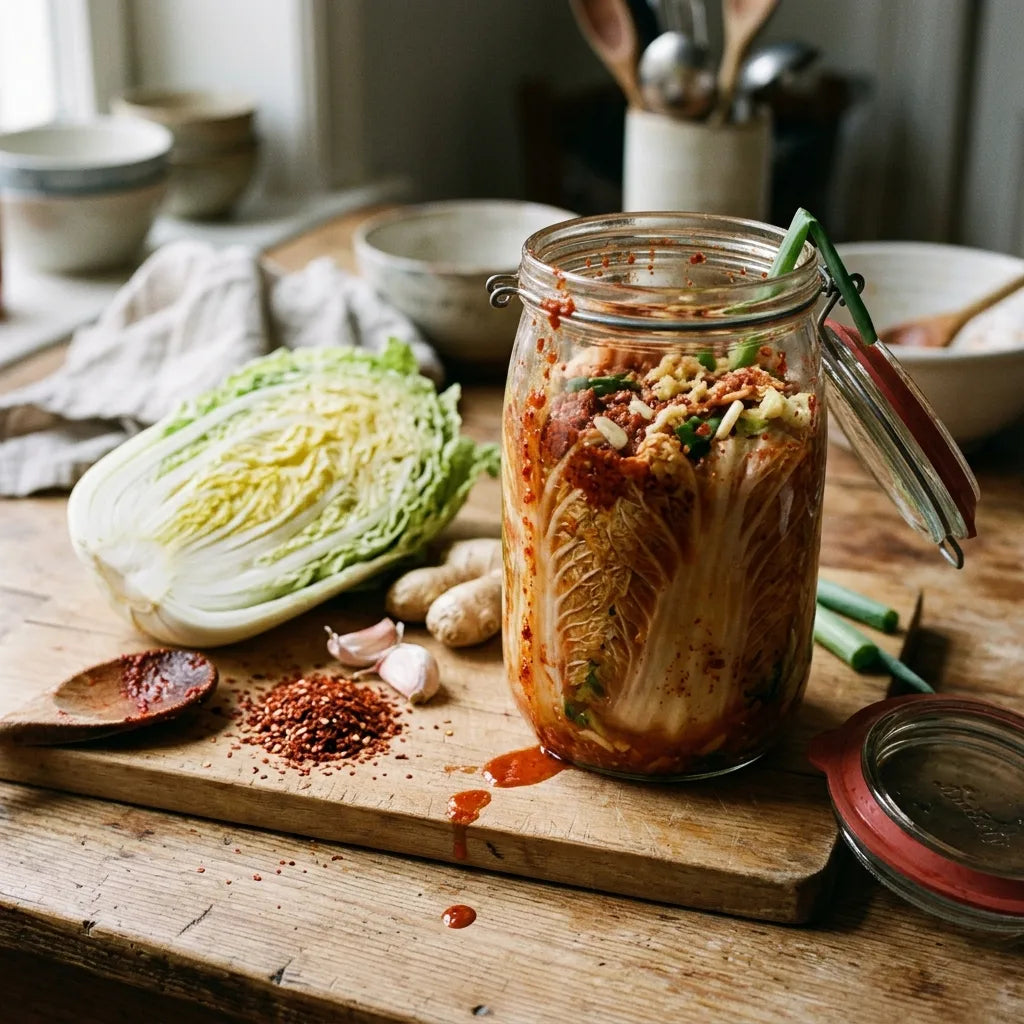
- Raw in salads, stir-fried in a wok, in soup, stuffed, or lacto-fermented into kimchi—it is the traditional cabbage used in this Korean preparation. It pairs very well with ginger, garlic, coriander, and soy sauce.
Symbolism:
In China, Chinese cabbage symbolizes prosperity and abundance—its name, bai cai, resembles an expression meaning “a hundred riches,” which has made it a frequent motif in jade sculptures.
Harvesting your own seeds:
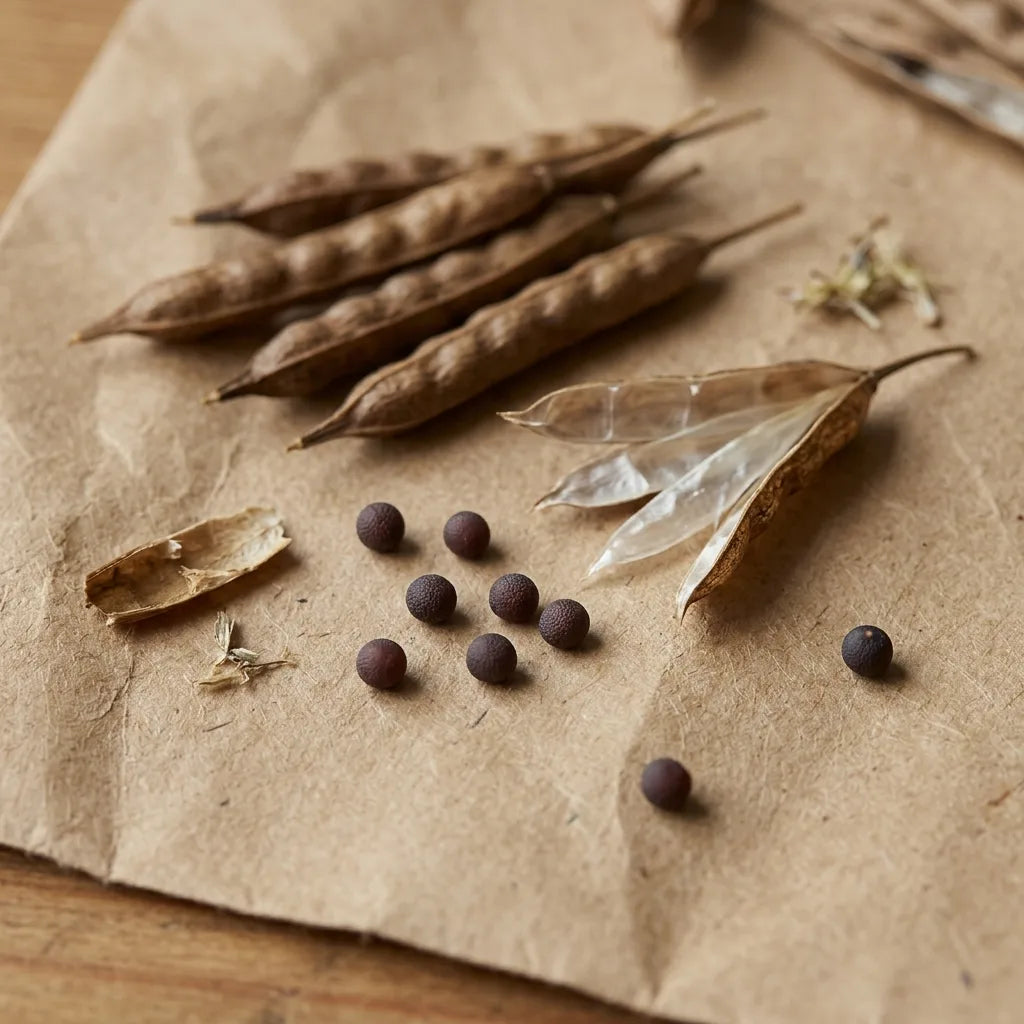
Let one plant flower the following spring, then harvest the brown, dry seed pods. Good news: as a member of Brassica rapa, it does not cross with European cabbages—but it does cross with turnips. See how to save your seeds.
Commitment to Quality: at SemiSauvage - Permaculture, we grow and select our seeds with respect for living things as our guiding principle. Based near the Auvergne Volcanoes, we choose open-pollinated, non-hybrid varieties, tested for their germination rate, carefully sorted and packaged, with no chemical treatment. Our conviction: to give gardeners back the ability to reseed, year after year, with seeds that truly belong to them.
The kimchi cabbage, tender and quick to grow.