Myrtus communis
Common myrtle, true myrtle, lagui herb, nerte: this is the shrub of ancient crowns, consecrated to Venus and forever associated with love and marriage. In Corsica and Sardinia, its black berries are used to make an iconic liqueur. Evergreen foliage, fragrant white flowers, aromatic berries: everything about it evokes the Mediterranean.
Characteristics:
-
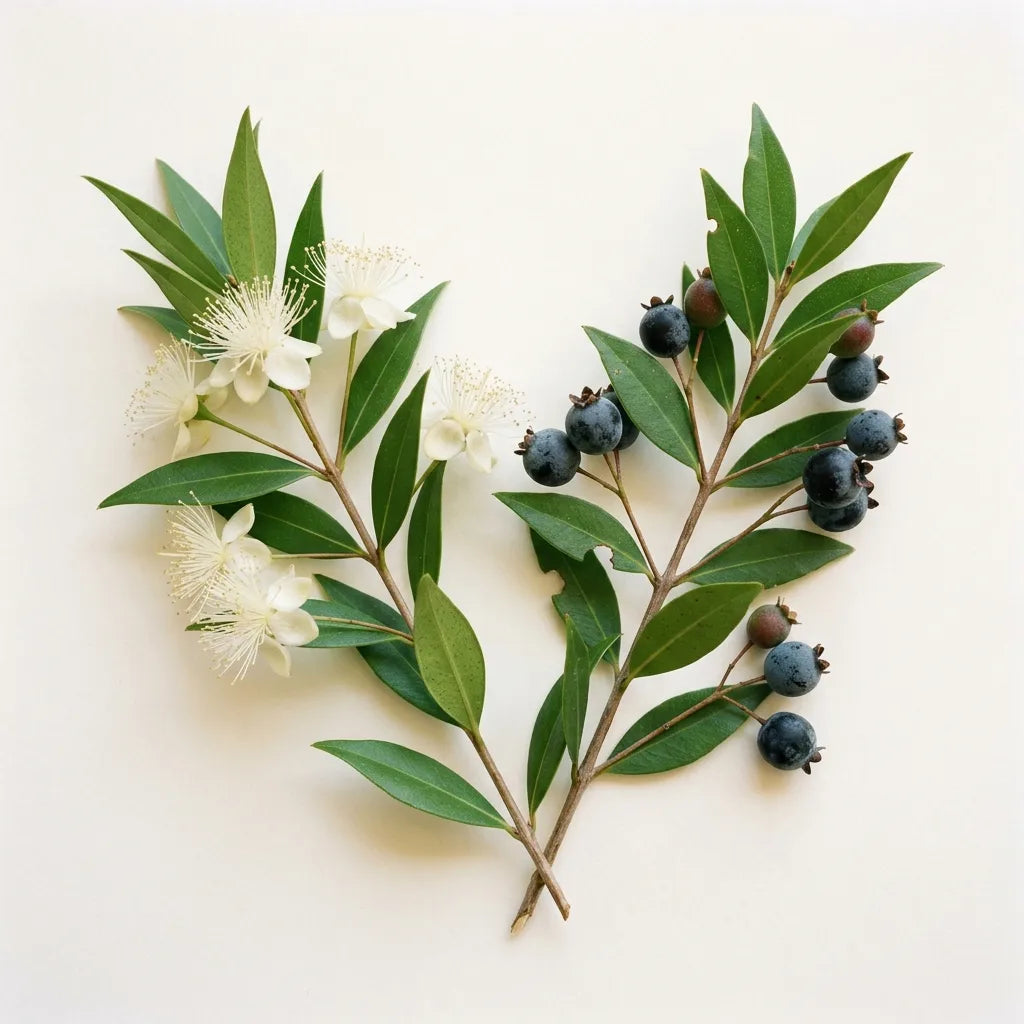
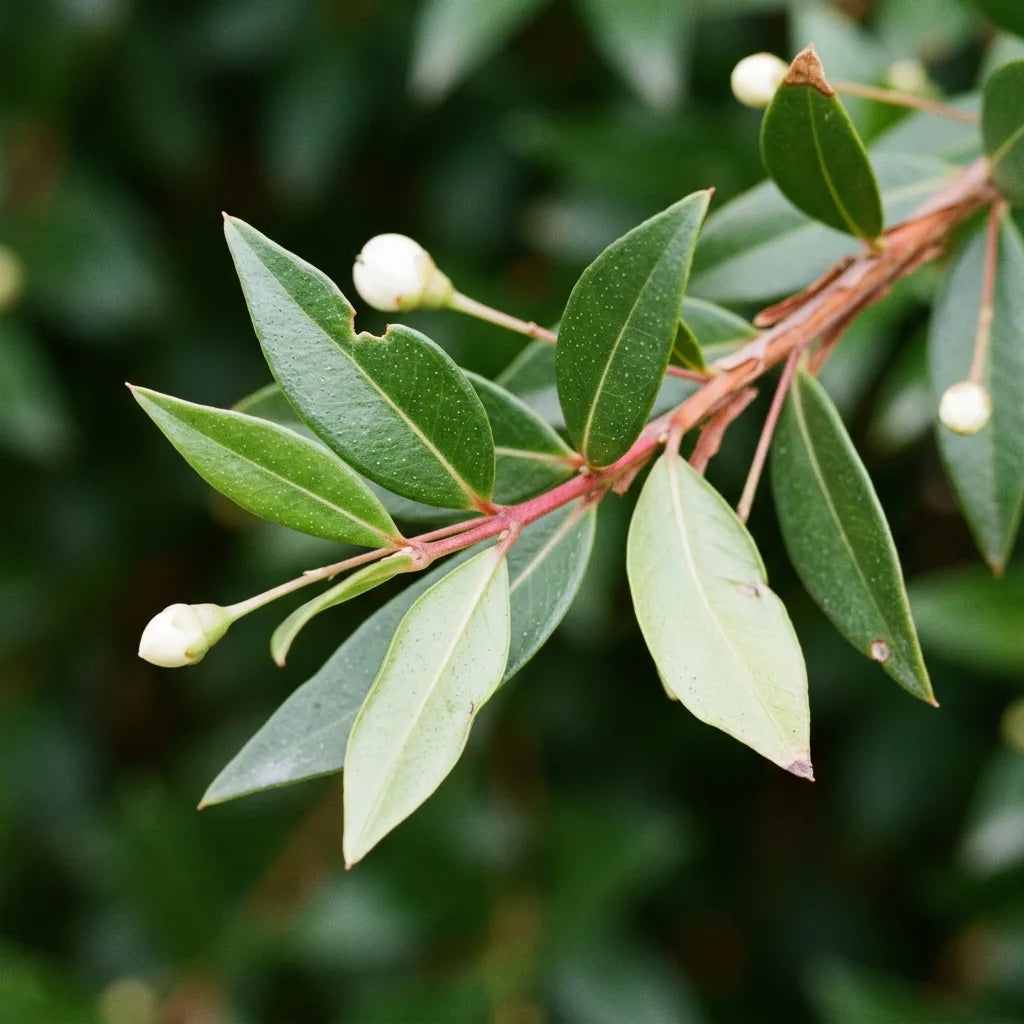
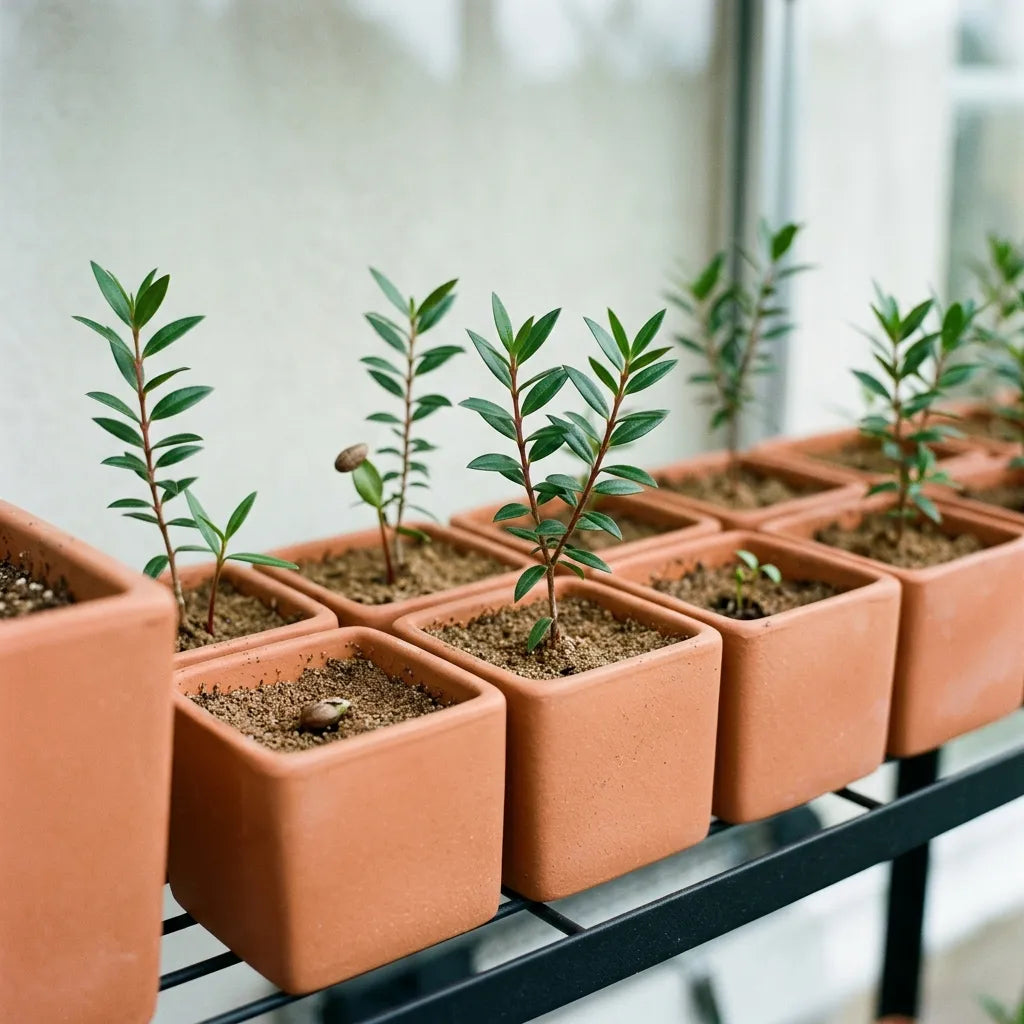
Evergreen foliage: small, glossy dark green leaves that are highly fragrant when crushed.
-
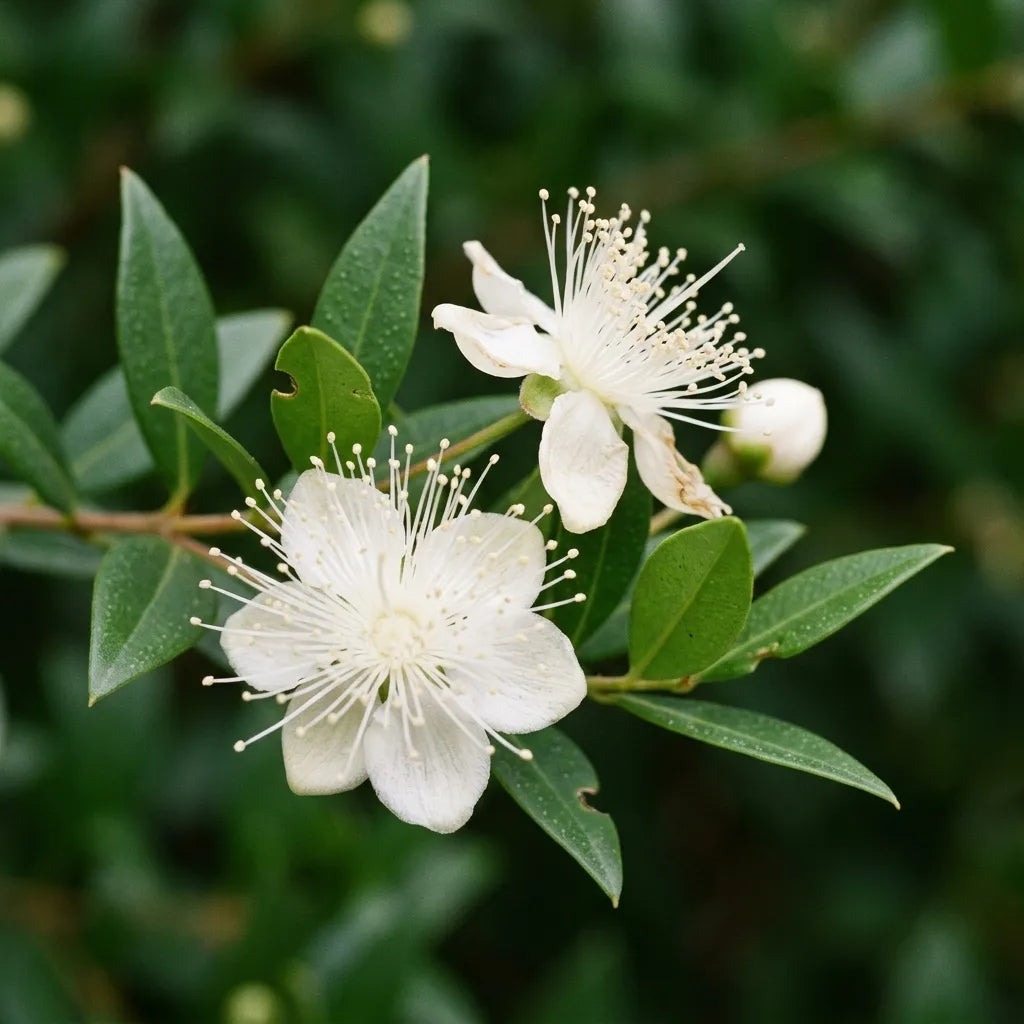
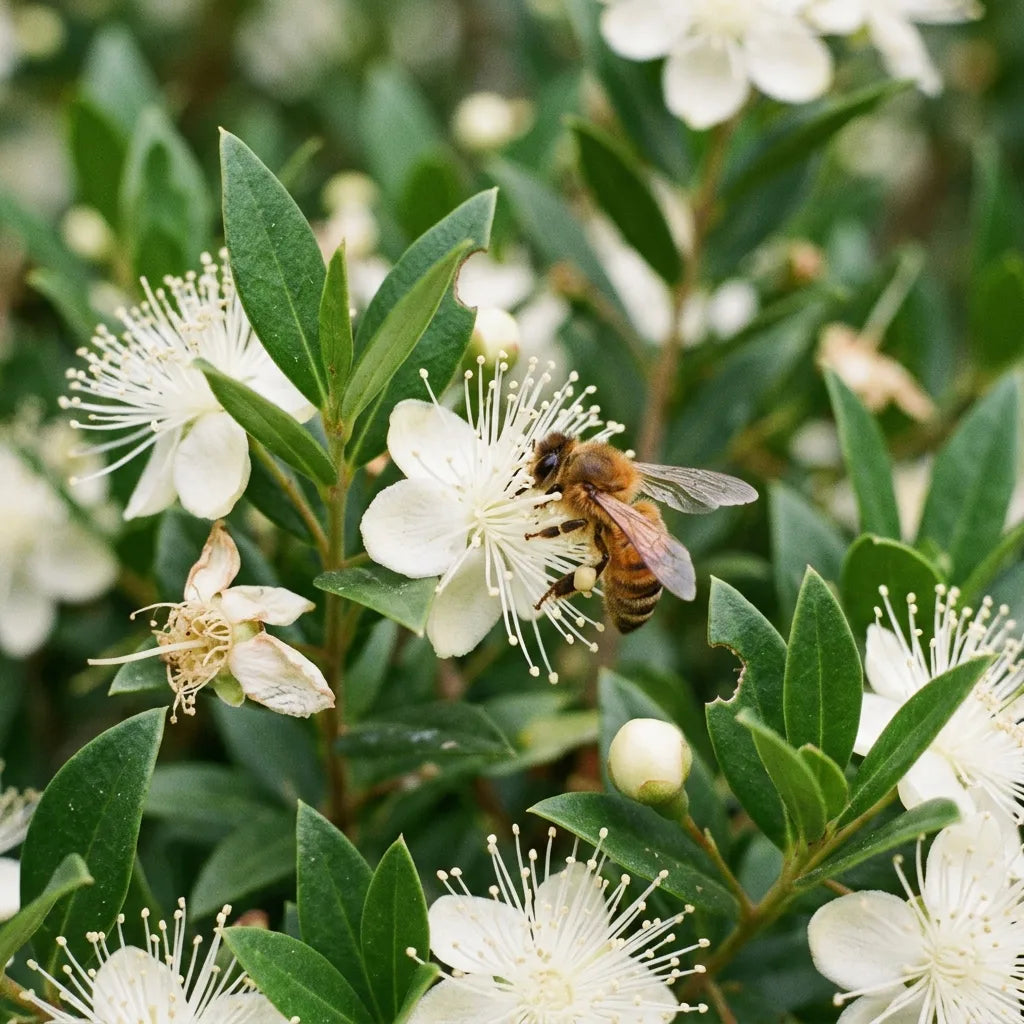
Fragrant white flowers: star-shaped flowers with numerous stamens, in June and July.
-
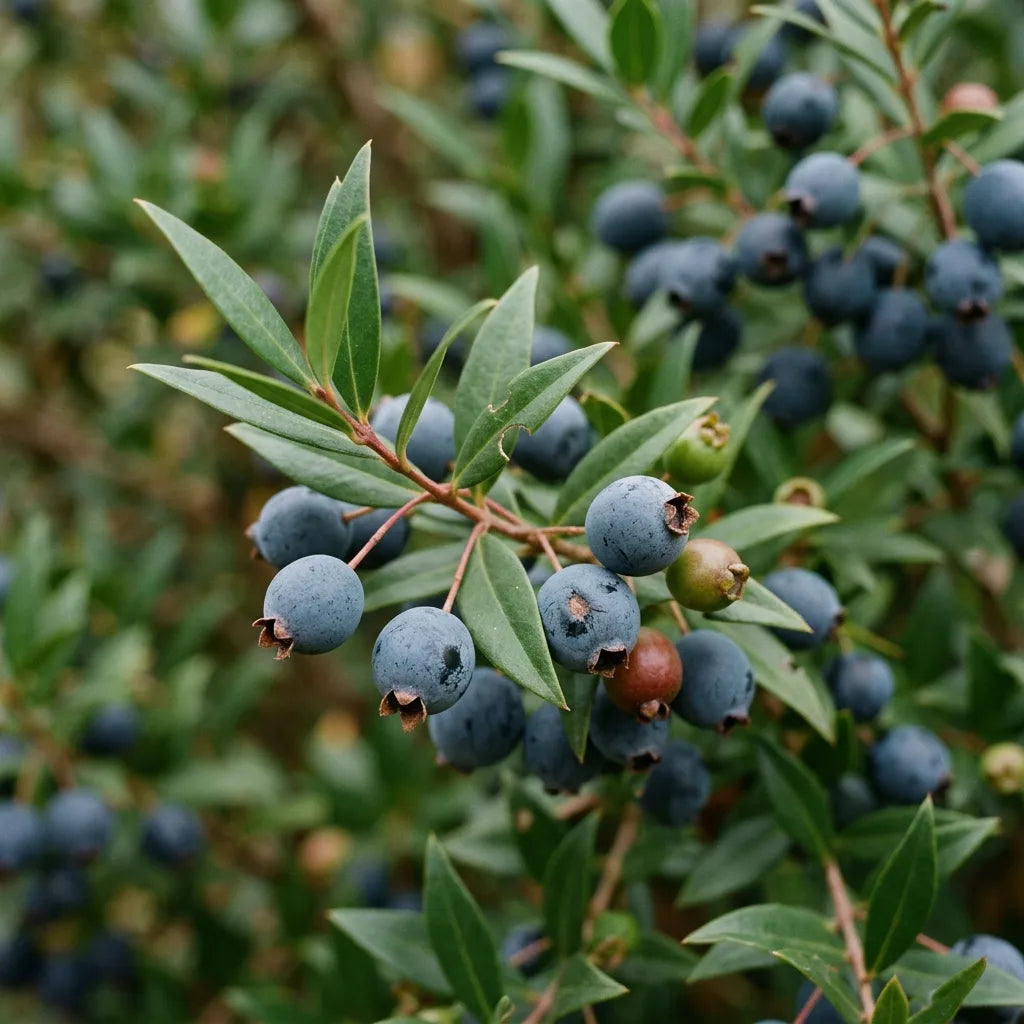
Aromatic berries: blue-black in autumn, they flavor cured meats and liqueurs.
-
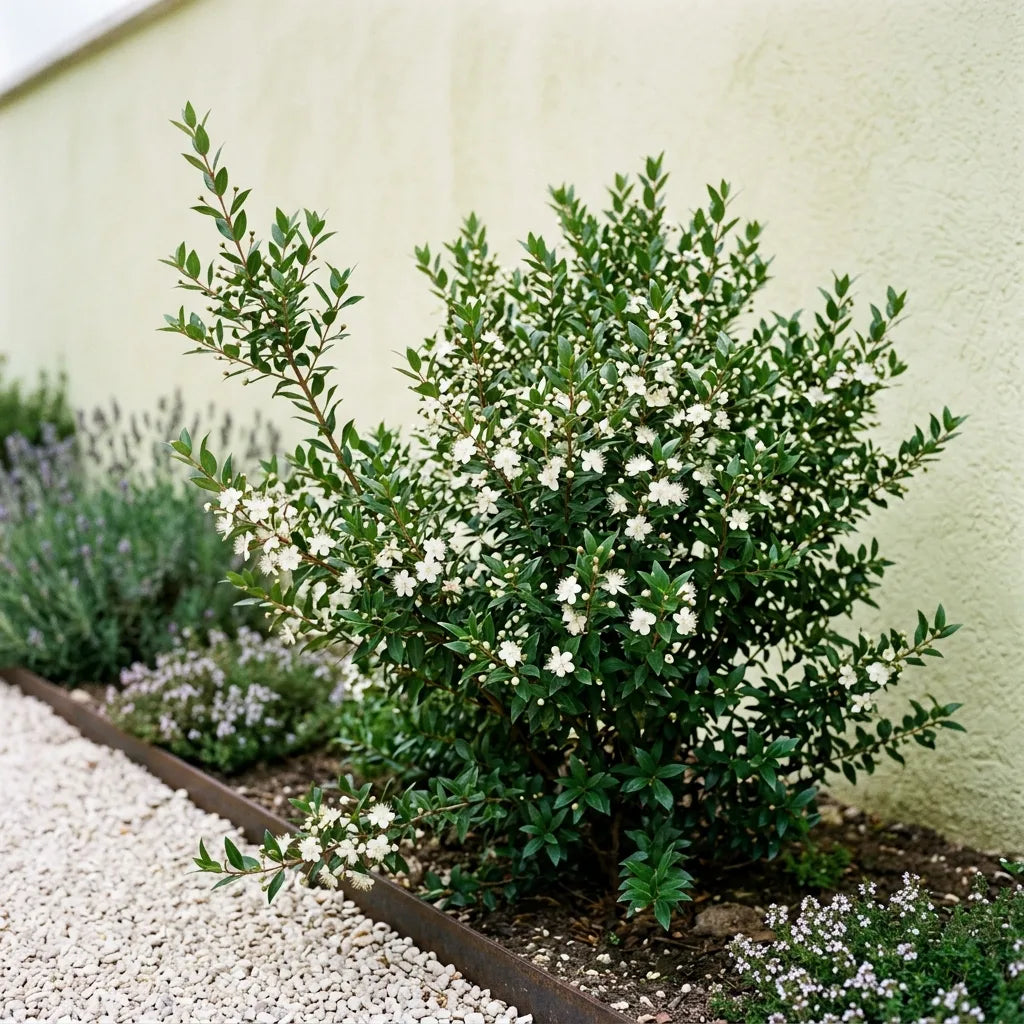
Low maintenance: rarely affected by disease, it responds well to pruning and tolerates drought.
Precautions:
- Moderately hardy: it tolerates temperatures down to -10 °C provided the soil is dry. It is the combination of cold and moisture that kills it. In cold regions, grow it in a pot so it can be brought indoors for the winter.
Sowing advice:
-
Exposure: sunny, warm, and sheltered from cold winds.
-
Soil: light and preferably somewhat moist, but above all very well drained. It adapts to various soils, including poor and stony soils, but stagnant winter moisture is fatal.
-
Method: sow indoors or under cover during winter, or directly in place in early spring, at a depth of 1 cm. Soaking the seeds for 24 hours in lukewarm water improves germination, which is often slow and irregular—allow one to two months. See how to sow seeds.
Planting advice:
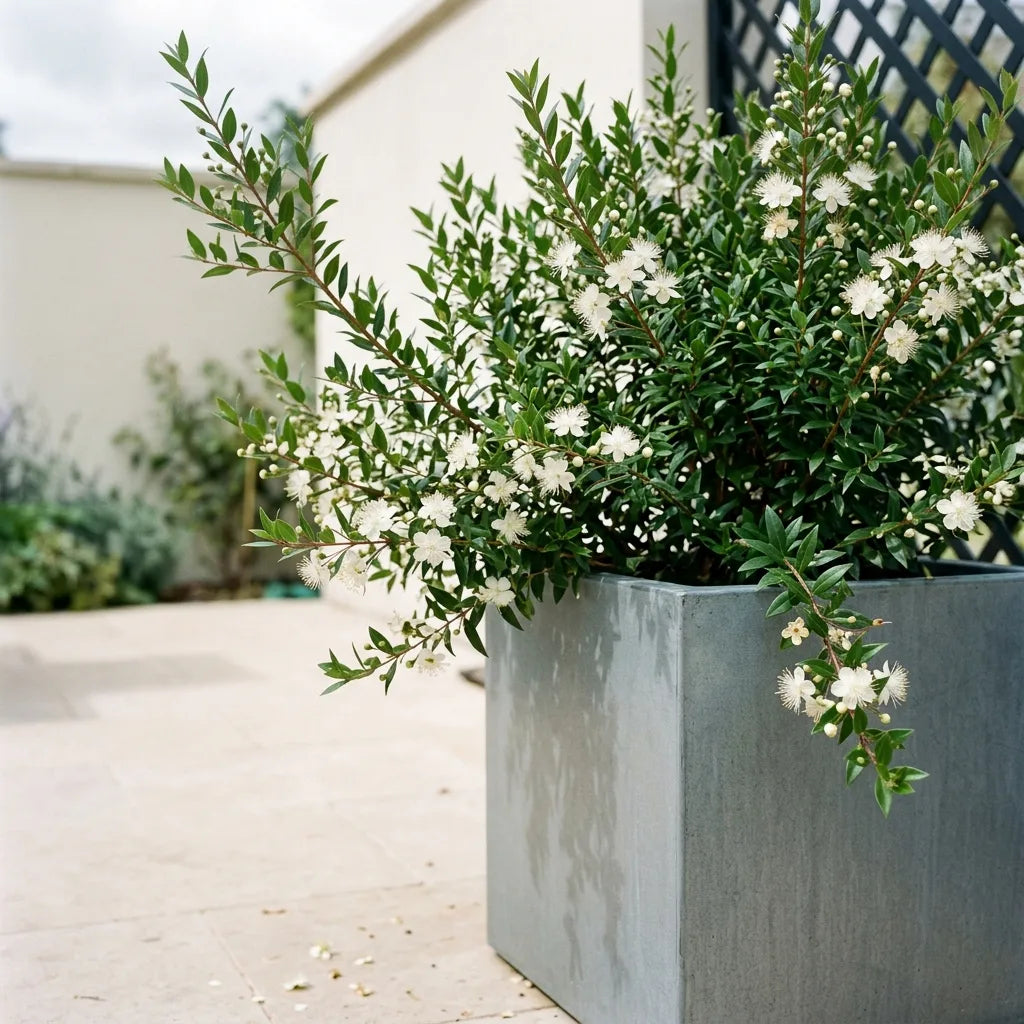
- Transplant into the ground in mild regions, or into a pot at least 40 cm wide for a terrace or balcony. It grows very well in containers.
Care advice:
- Water during the first few years, then only during severe drought. In pots, water more regularly.
- Prune after flowering to make it denser—it is very well suited to low hedges and topiary.
Harvesting advice:
- Pick the leaves throughout the year as needed.
- Harvest the berries when they are fully black and soft in autumn, after the first light frosts have softened their bitterness.
Beneficial pairings:
Benefits for biodiversity:
- Its white flowers, with numerous stamens, are rich in pollen and attract large numbers of bees and hoverflies in midsummer.
- Its berries feed blackbirds and thrushes in autumn, while its evergreen foliage provides winter shelter for birds where deciduous shrubs stand bare.
Uses:
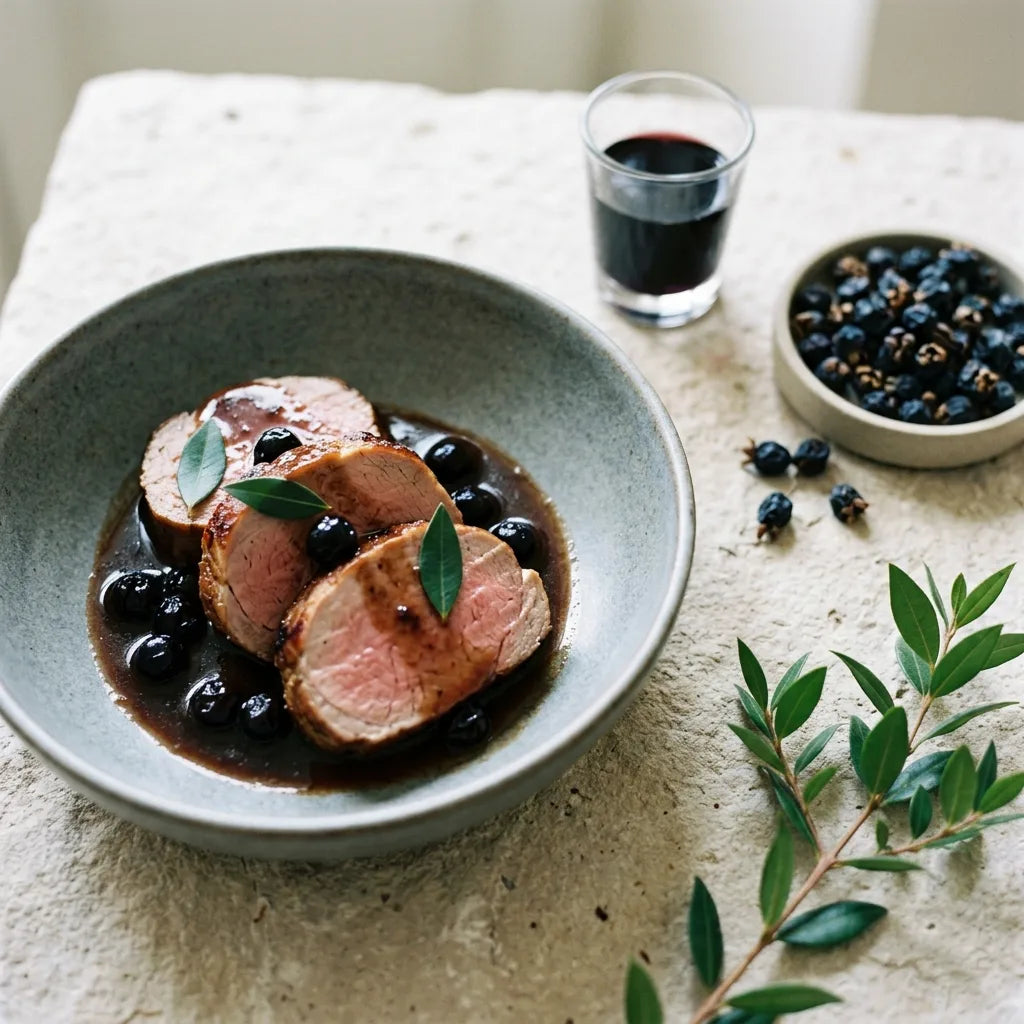
- The leaves and berries flavor cured meats, marinades, sauces, and grilled dishes—in Corsica and Sardinia, the berries are used to make the famous myrtle liqueur. Its flowering branches make beautiful, fragrant bouquets.
- A traditional medicinal plant, used in Mediterranean herbal medicine since Antiquity. See our medicinal plants to sow.
Symbolism:
Consecrated to Venus, myrtle symbolizes love and fidelity. Its branches have traditionally been included in bridal bouquets in Europe, a custom popularized by Queen Victoria and still perpetuated by the British royal family.
Harvesting your own seeds:
Crush fully ripe berries in a little water, rinse to separate the seeds from the pulp, then dry them. Sow them promptly, as their germination capacity decreases over time. See how to store your seeds.
Commitment to Quality: at SemiSauvage - Permaculture, we grow and select our seeds with respect for all living things as our guiding principle. Based near the Auvergne Volcanoes, we choose open-pollinated, non-hybrid varieties, tested for their germination rates, carefully sorted and packaged, with no chemical treatment. Our belief: to restore gardeners’ ability to resow, year after year, seeds that truly belong to them.
All the fragrance of the Mediterranean in an evergreen shrub.