Cydonia oblonga
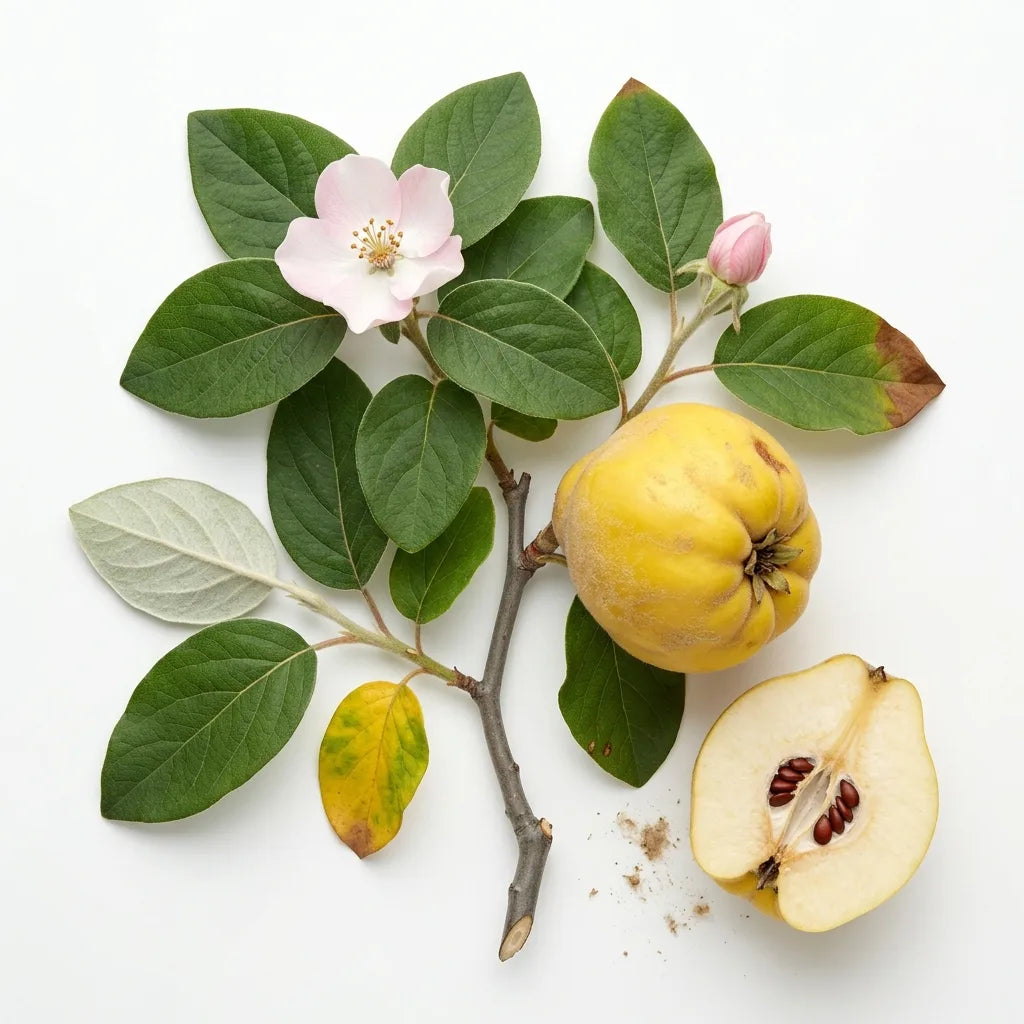
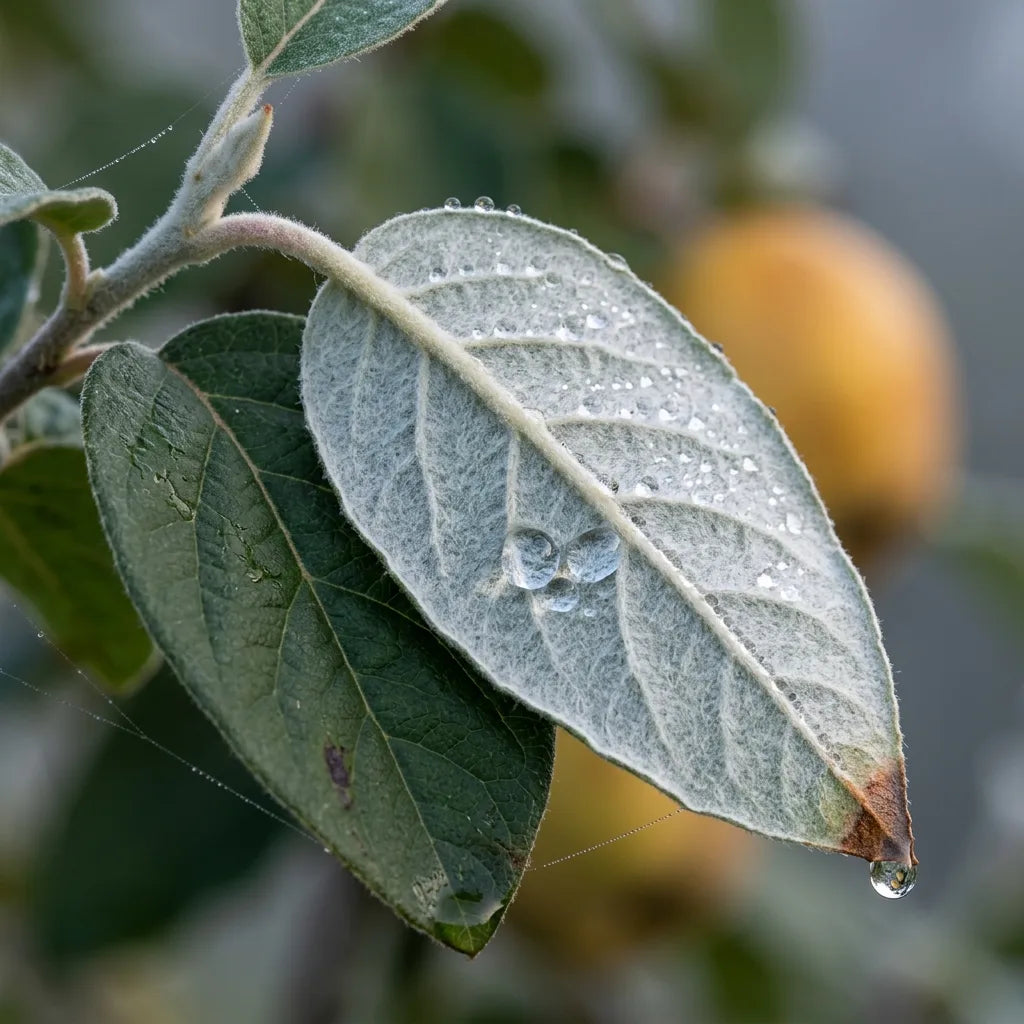
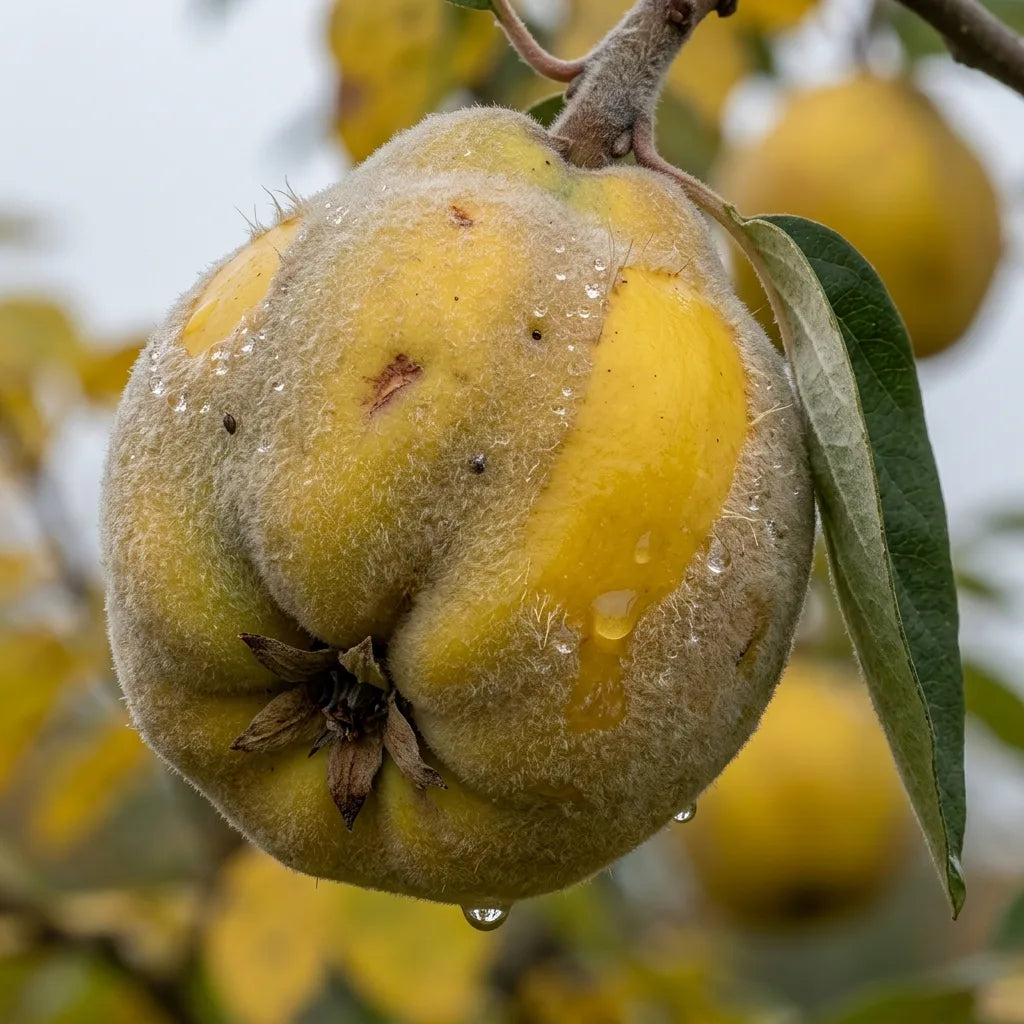
Quince tree, quince apple tree, apple of Cydon: its golden, downy fruits, quinces, were nicknamed “golden apples” in Antiquity — some believe that the golden apples from the Garden of the Hesperides were actually quinces. Inedible raw, they become, once cooked, one of the most fragrant flavors in the orchard.
Characteristics:
-
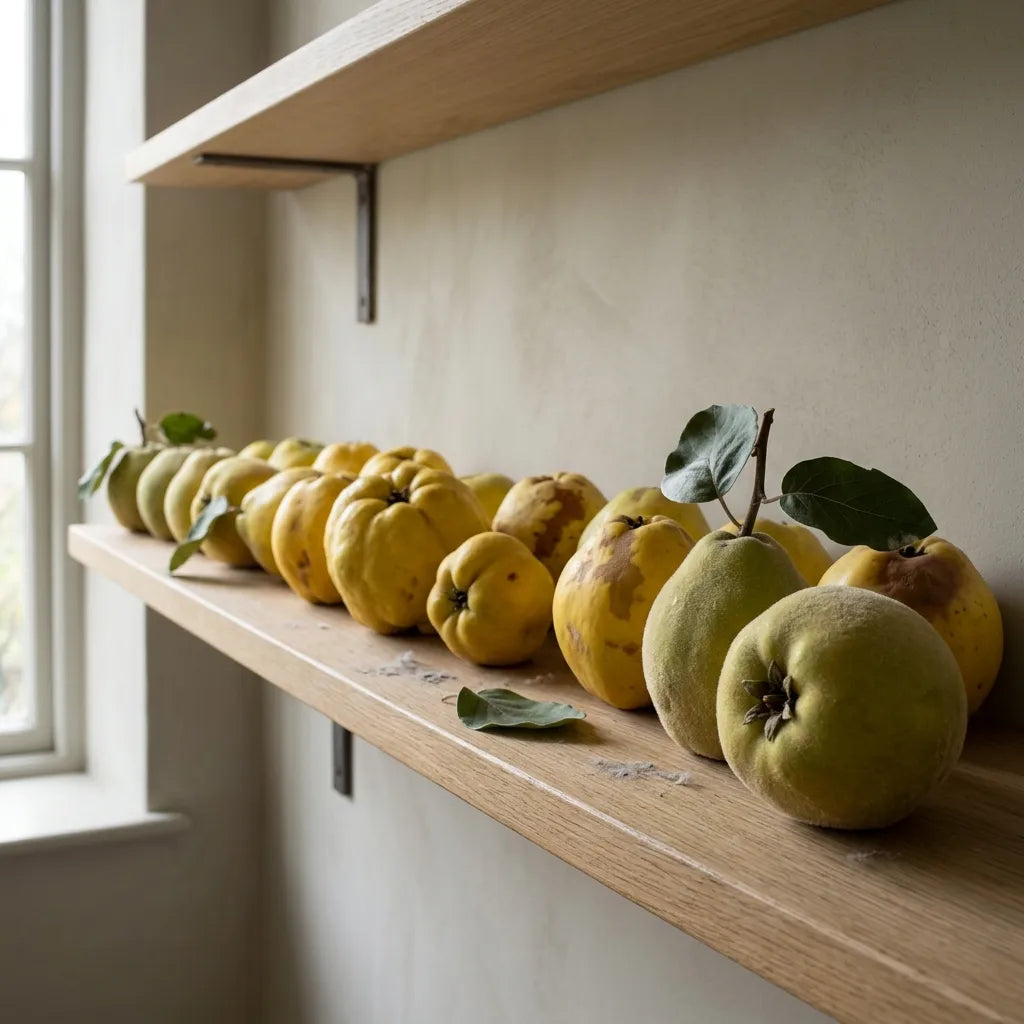
Highly fragrant fruits: a single quince placed in a room will perfume it for days.
-
Easy-to-grow small tree: vigorous and hardy, it grows in all climates and on almost all types of soil.
-
Very hardy: it tolerates temperatures down to -25 °C without protection.
-
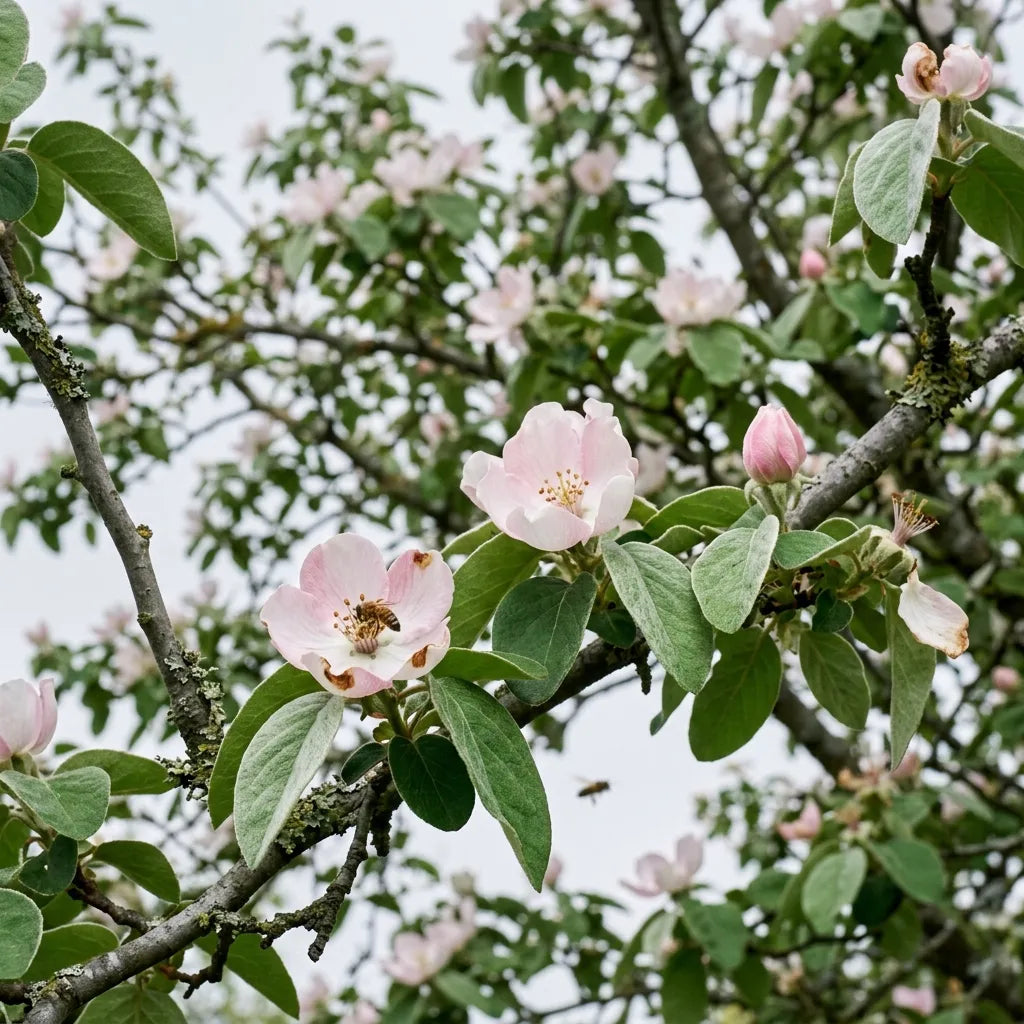
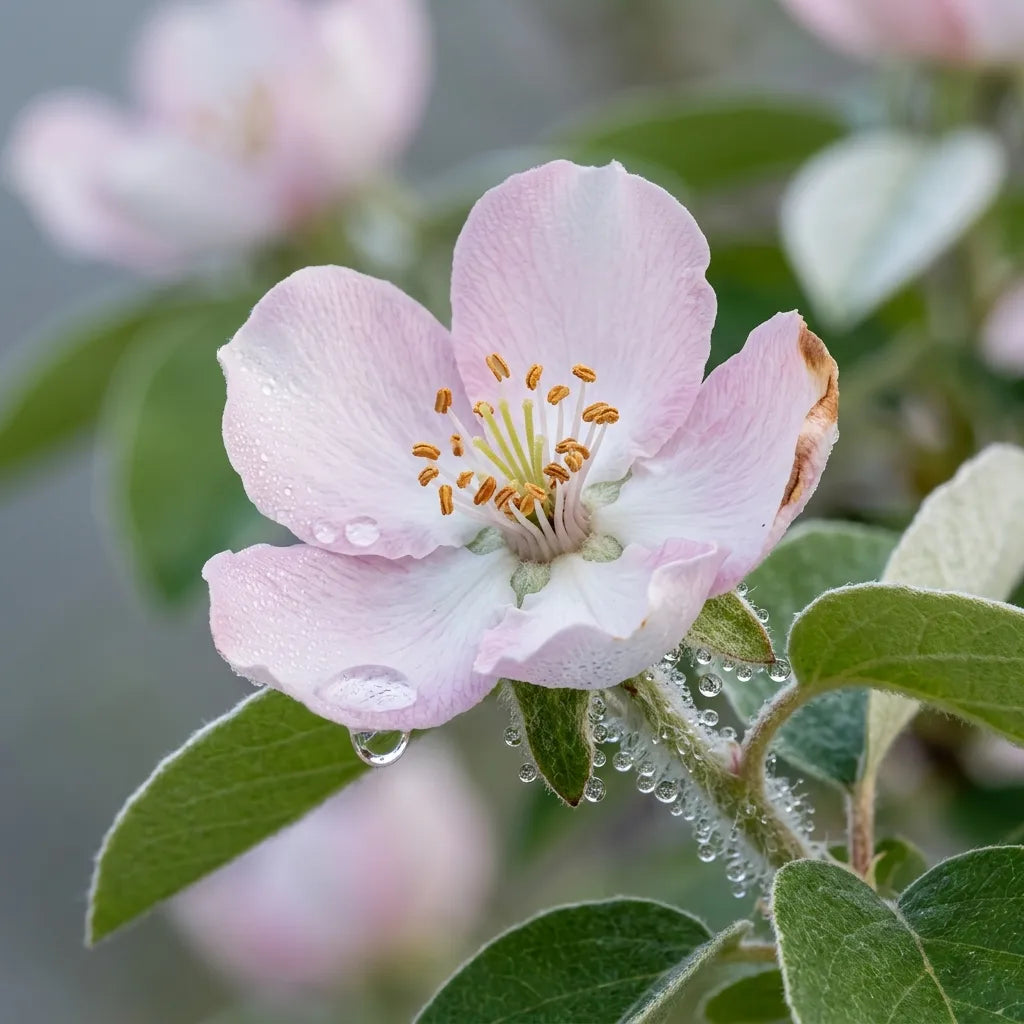
Ornamental flowering: large, solitary pale pink flowers in spring, highly decorative.
Good to know:
-
Quinces should never be eaten raw: their flesh is hard, astringent, and inedible as it is. Cooking is what brings out their full fragrance and softens them.
- The seeds should not be eaten either: like those of all pome fruits in this family, they contain compounds best avoided.
Sowing advice:
-
Position: preferably full sun; it tolerates partial shade.
-
Soil: deep, cool, and well-drained, even clay soil — it is one of the few fruit trees that tolerates heavy, damp soil well. However, it dislikes very chalky soils, which cause its foliage to turn yellow.
-
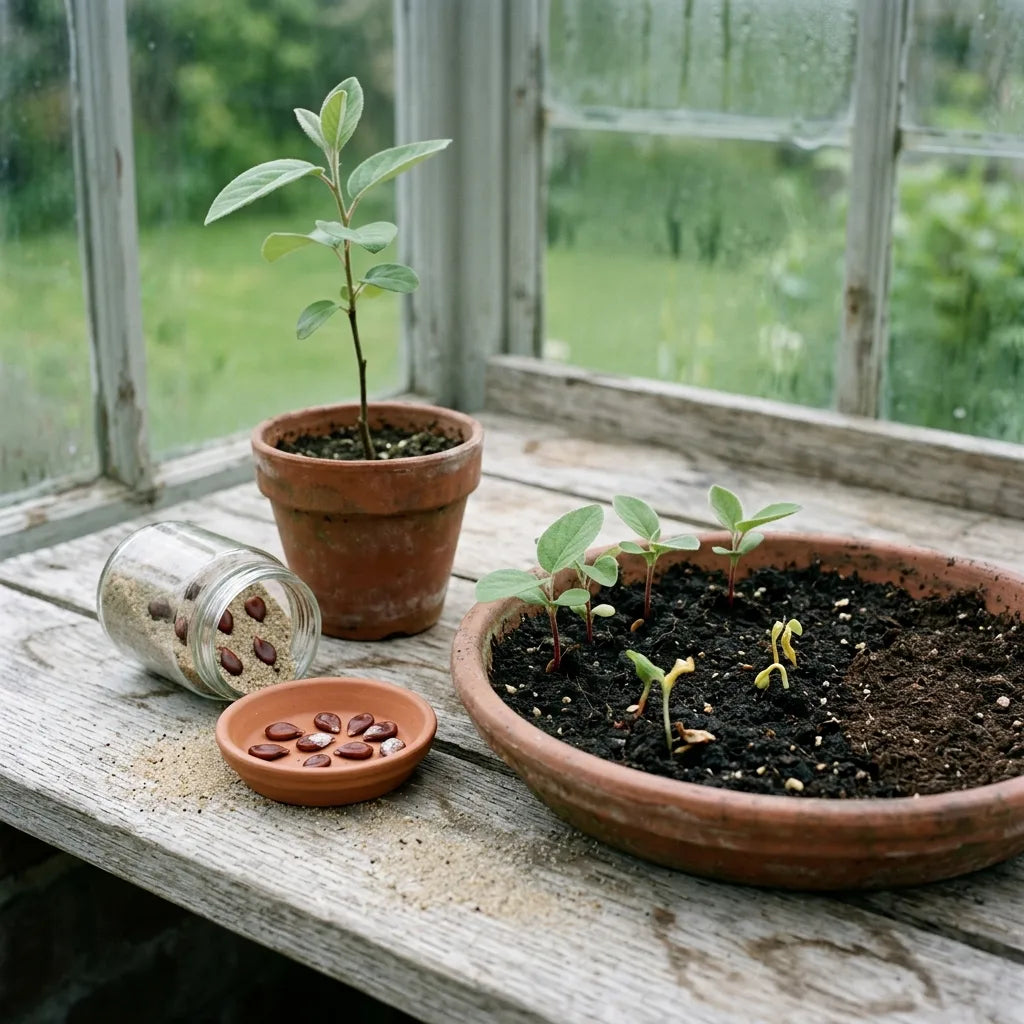
Method: cold stratification for 2 to 3 months is necessary to break dormancy. Then sow in spring, in a deep pot or directly in the ground, at a depth of 1 cm. See how to sow your seeds.
Planting advice:
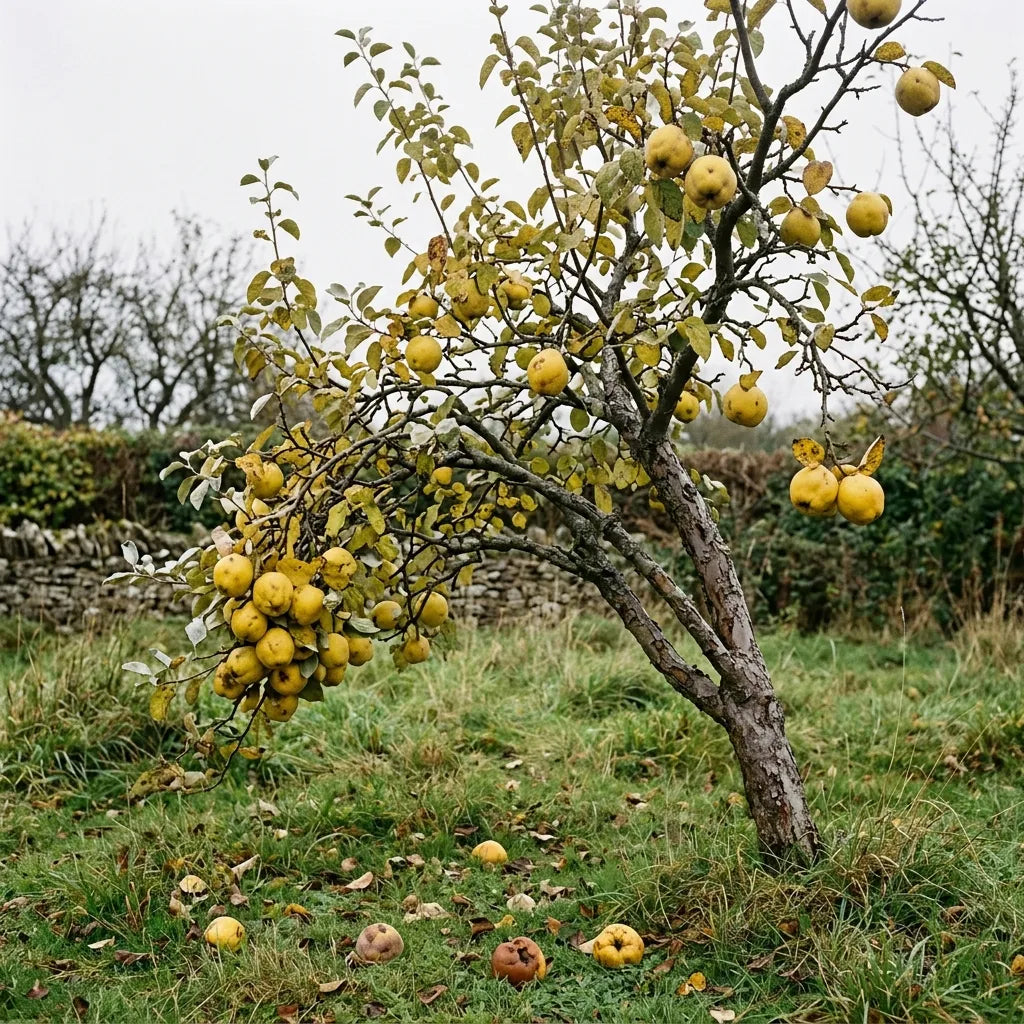
- Transplant with 4 to 5 meters of clearance. It can also be grown in a large pot on a terrace.
- Seed-grown trees produce variable fruit — that is the adventure of propagation from seed. Note: the quince tree is also the traditional rootstock for pear trees, making it doubly useful for anyone who wants to graft.
Care advice:
- Water regularly during the first few years. After that, the tree becomes highly self-sufficient.
- Prune lightly at the end of winter to open up the center: it fruits on the previous year’s branches.
Harvesting advice:
- Harvest late, in October–November, when the fruits change from green to golden yellow and their down disappears when rubbed. Handle them carefully: they bruise very easily.
- They keep for several weeks in a cool, well-ventilated place, perfuming the entire room.
Beneficial companions:
Benefits for biodiversity:
- Its generous spring flowering is highly attractive to bees and bumblebees.
- Its fallen fruit feeds birds and insects in autumn, while its canopy provides shelter for nesting birds.
Uses:
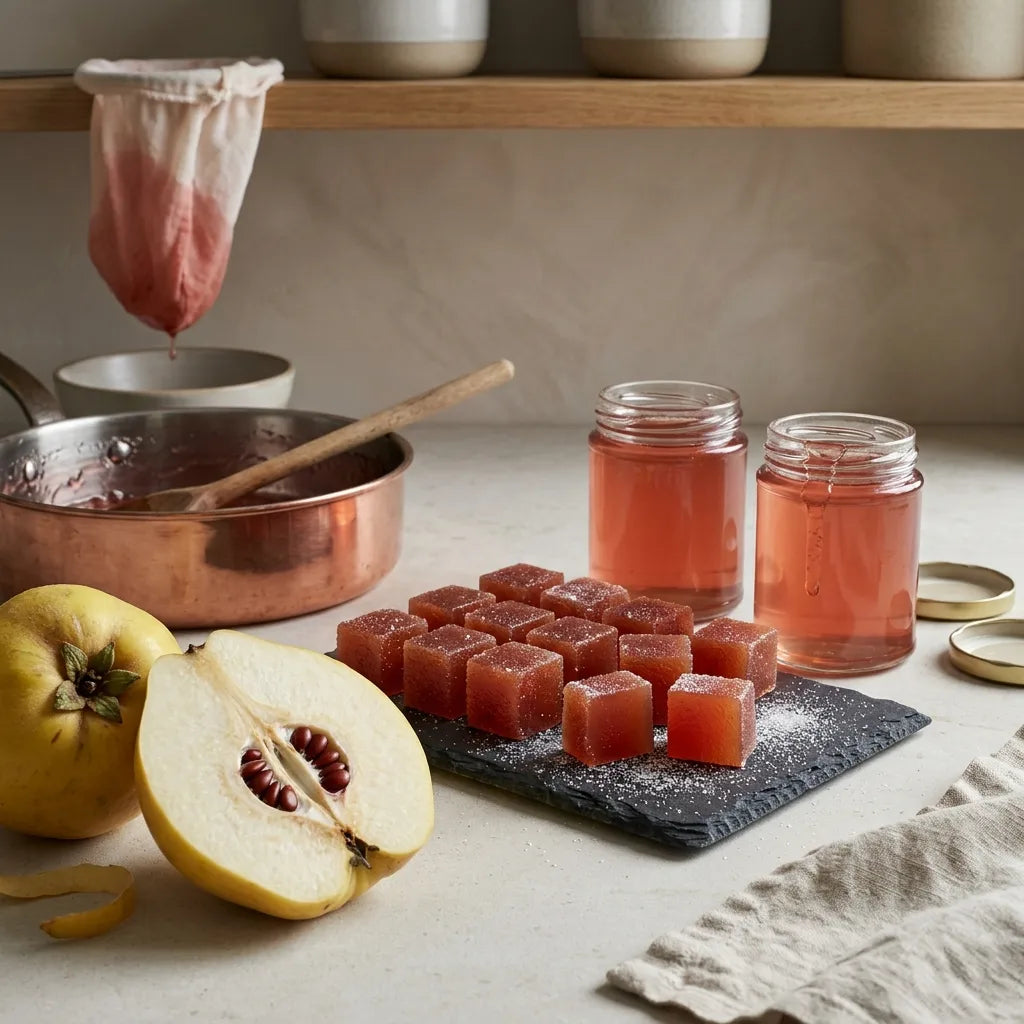
- Quinces can be made into jams, jellies (their naturally high pectin content allows them to set without additions), fruit pastes, or cooked with savory dishes in the Eastern style — lamb tagine with quinces is the best-known example.
- Its fragrant, blond-veined wood is prized by cabinetmakers for marquetry and by luthiers.
Symbolism:
Dedicated to Aphrodite by the Greeks, the quince was the fruit of marriage: young brides would take a bite before entering the bridal chamber. It symbolizes love, fertility, and marital happiness.
Harvesting your own seeds:
Take the seeds from a fully ripe quince, remove all the pulp, and dry them for a few days, then store them in a cool, dry place until winter stratification. See how to store your seeds.
Commitment to Quality: at SemiSauvage - Permaculture, we grow and select our seeds with respect for living things as our guiding principle. Based near the Auvergne Volcanoes, we choose reproducible, non-hybrid varieties, tested for their germination rate, carefully sorted and packaged, with no chemical treatment. Our belief: to give gardeners back the ability to resow, year after year, seeds that truly belong to them.
The fruit that perfumes the whole house, and the rootstock for pear trees.