Albizia julibrissin
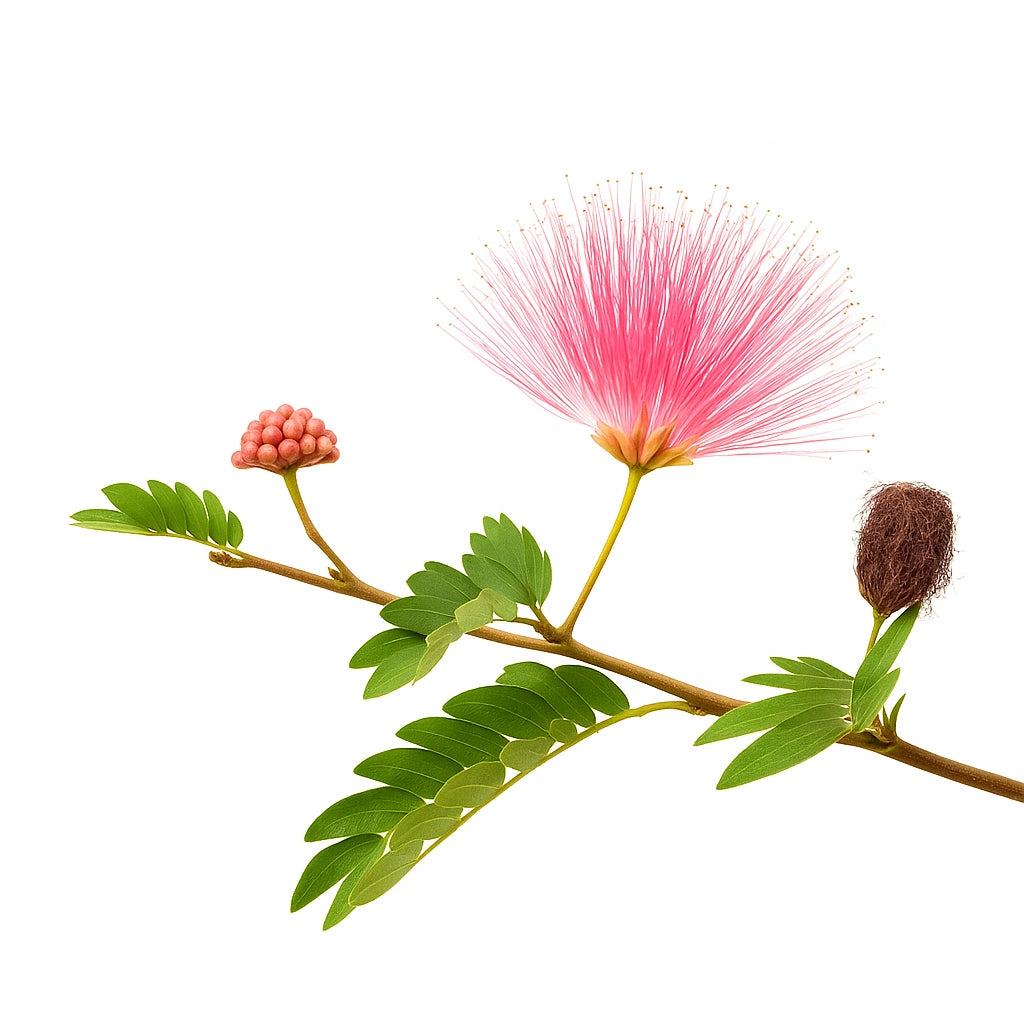
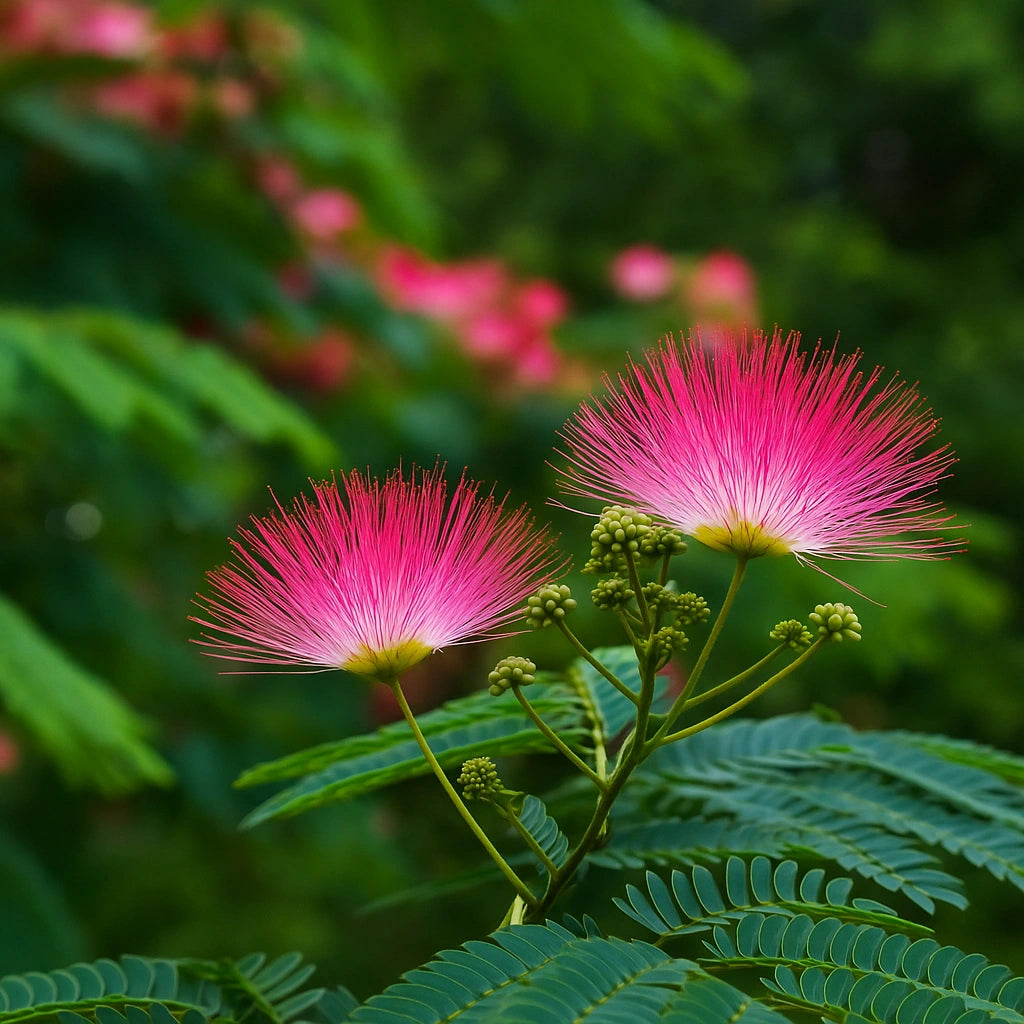
Silk tree, Constantinople acacia, night mimosa, silk tree: this last nickname comes from its pompom-like flowers, made up of long, silky pink stamens that look as though they were embroidered with thread. Its fern-like foliage folds up every evening and in overcast weather, a plant sleep movement that gives it its other name.
Characteristics:
-
Umbrella-shaped form: small deciduous tree reaching 5 to 10 metres, with a very elegant, spreading silhouette that provides light shade.
-
Summer flowering: silky, fragrant pink pompoms from June to August, highly attractive to bees.
-
Sensitive foliage: finely divided like a fern's, it closes at night.
Sowing advice:
-
Position: full sun, in a warm location sheltered from cold winds.
-
Soil: light, sandy or stony, and above all very well drained. It tolerates poor, chalky soils, but dislikes heavy soil and stagnant winter moisture. No fertilisation: it is a legume and produces its own nitrogen.
-
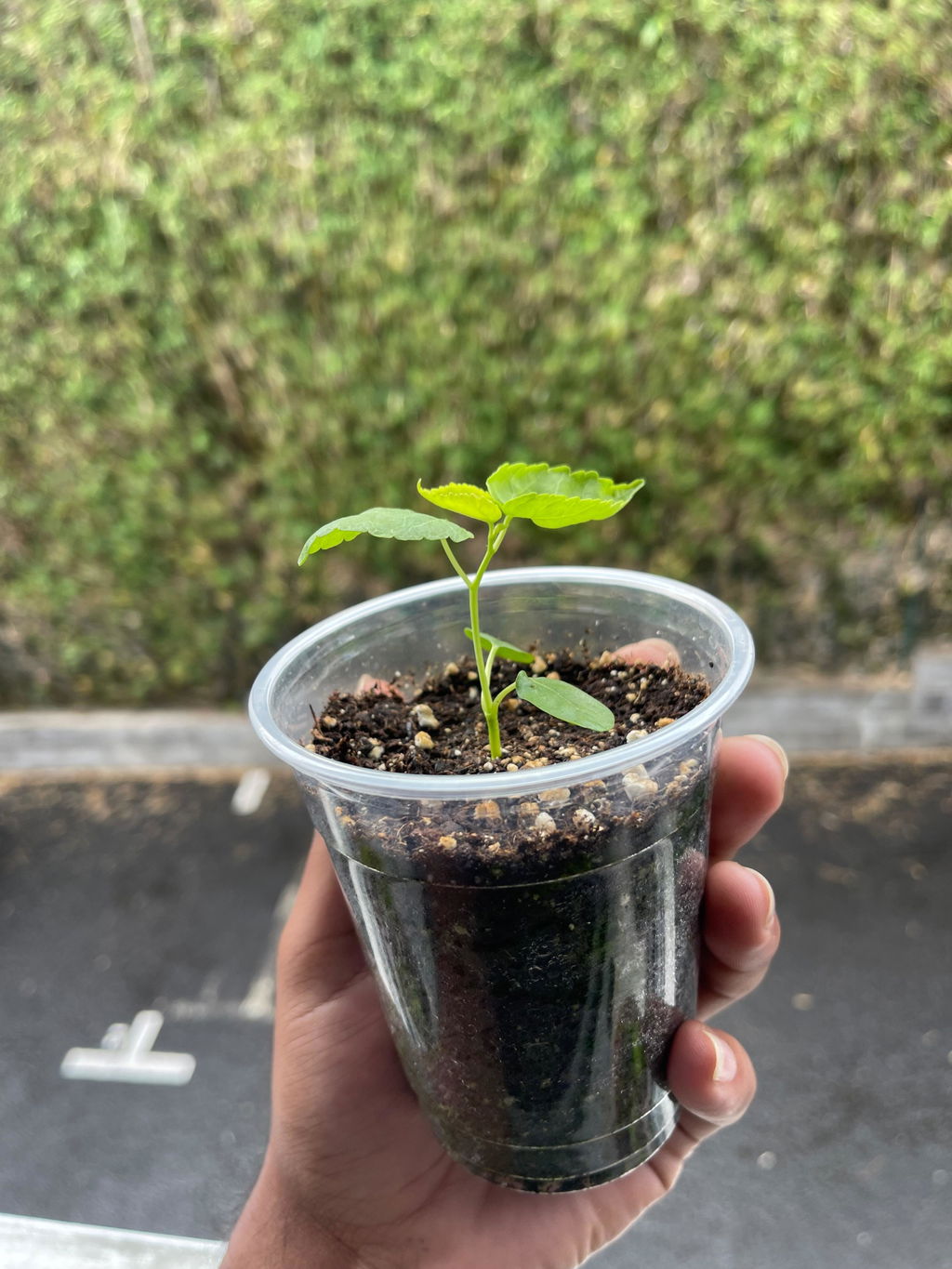
Method: its seed coat is very hard. Soak the seeds for 24 hours in lukewarm water, or apply cold stratification for 4 to 6 weeks. Then sow in spring in light, well-draining potting soil, in bright light.
Planting advice:
- Plant out in the ground after the last frosts, in a sunny permanent position: it does not tolerate late transplanting well.
- Allow for its mature spread, as its crown often grows wider than it is tall.
Care advice:
- Water moderately, spacing out watering once the plant is established: it becomes highly drought-resistant. Hardy down to -12 °C once well established, it needs protection during its first winters.
Beneficial combinations:
Benefits for biodiversity:
- Its summer flowering is a magnet for pollinators: bees, bumblebees and butterflies flock to it throughout the summer, during a season when resources are becoming scarce.
- As a legume, it fixes atmospheric nitrogen and naturally enriches the soil around it — see the basics of living soil.
Uses:
- Primarily ornamental: as a standalone tree, in rows or as a central feature. Its light shade allows plants to be grown beneath it, unlike trees with dense canopies.
Symbolism:
Albizia symbolises joy, the pleasures of life and the awakening of the senses. In some Asian cultures, it is associated with rest and serenity — in China, its name literally means “tree of marital happiness”.
Harvesting your own seeds:
After flowering, the tree produces long, flat pods that turn brown in autumn. Harvest them once dry, open them and store the seeds in a dry place: their hard seed coats ensure very long storage. See storing your seeds.
Commitment to Quality: at SemiSauvage - Permaculture, we grow and select our seeds with respect for all living things as our guiding principle. Based near the Auvergne Volcanoes, we choose reproducible, non-hybrid varieties, tested for their germination rate, carefully sorted and packaged, without any chemical treatment. Our conviction: to give gardeners back the ability to resow, year after year, seeds that truly belong to them.
Sales reserved for amateur gardeners seeking quality and authenticity.