Taxodium distichum
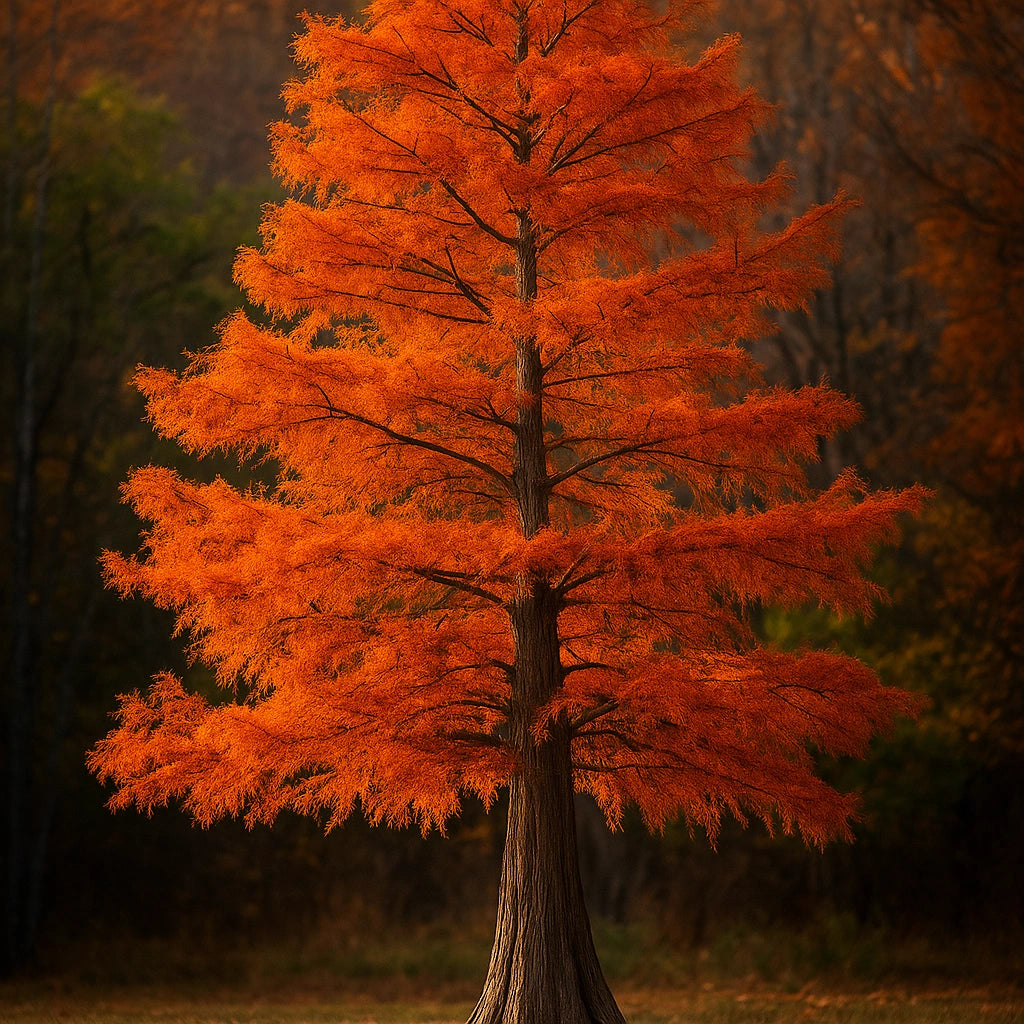
Bald cypress, swamp cypress, pond cypress, taxodium: this giant of the Louisiana bayous is one of the very few conifers to lose its needles in winter—hence its nickname, “bald.” Its most spectacular feature is its pneumatophores, those knee-shaped aerial roots that emerge from the water around the trunk, allowing it to breathe in waterlogged conditions.
Characteristics:
-
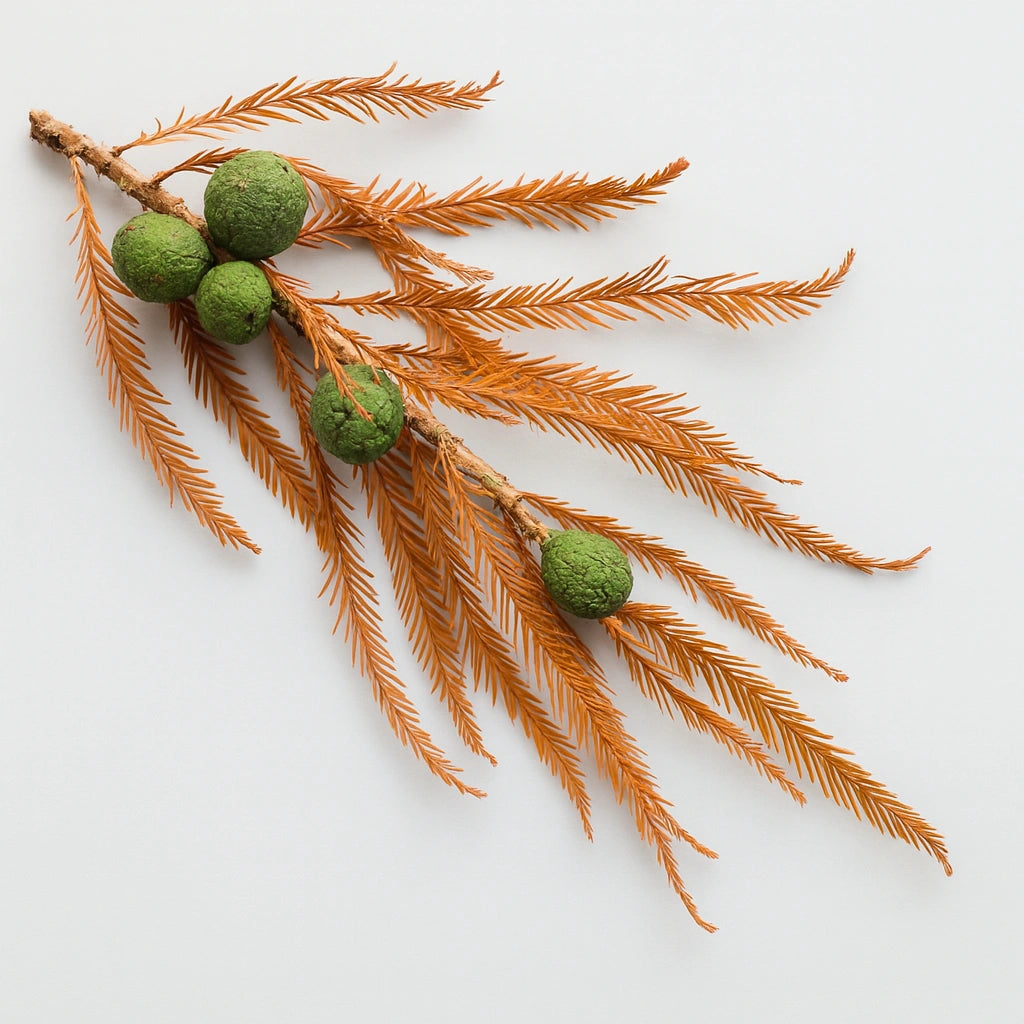
Deciduous conifer: finely divided, light green foliage in spring, turning a dazzling coppery russet in autumn before falling.
-
Large size: it easily exceeds 20 meters with age, but its moderate growth gives you plenty of time to plan ahead.
-
Unique tolerance of water: it is one of the few trees able to grow with its roots in water, in waterlogged soil, or even while submerged.
Sowing advice:
-
Position: full sun to partial shade.
-
Soil: acidic to neutral, deep and moist—this is the decisive factor; it declines in calcareous soil, where its foliage turns yellow. However, it perfectly tolerates flood-prone areas and heavy soils that most trees reject, making it the ideal solution for a damp corner of the garden.
-
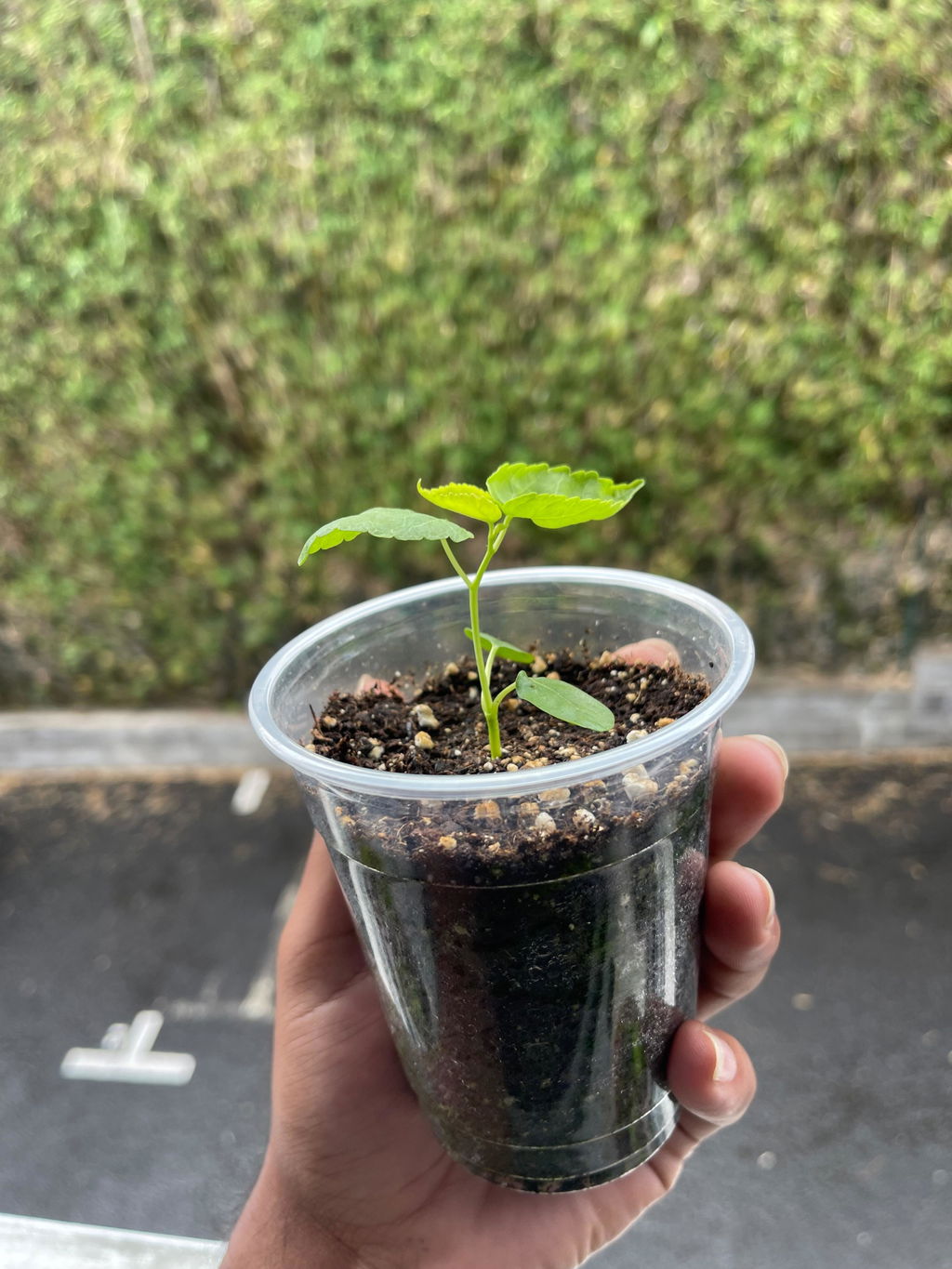
Method: apply cold stratification for 2 to 3 months (in the refrigerator, in damp sand). Then sow in spring in a pot under cover or directly in the ground, 1 cm deep, at 20–25 °C. Soaking the seeds beforehand for 24 to 48 hours encourages germination.
Planting advice:
- Plant it as a specimen or along the edge of a pond or other body of water, allowing for its eventual spread. It also tolerates container growing for bonsai training.
Care advice:
- Water regularly, especially during germination and the first few years: this is not a tree for dry soil.
- No pruning is necessary; it naturally forms a regular cone. For bonsai training, see our guide creating a bonsai from a seed.
Beneficial combinations:
- It naturally grows alongside other wetland plants such as black alder, purple loosestrife, and marsh iris, and pairs well with marsh hibiscus along the edge of a pond.
Benefits for biodiversity:
- Its crown provides shelter and food for many birds, which enjoy its small cones.
- Along the edge of a pond or lake, it stabilizes the banks and creates a cool, shady area favorable to aquatic wildlife.
- Its ability to thrive in waterlogged soil makes it a valuable ally for improving the ecological value of wet areas on a property.
Uses:
- Ornamental as a specimen or near water, used in agroforestry for its tolerance of difficult soils, and highly appreciated by bonsai enthusiasts for its sculptural forms. Its wood is renowned for being rot-resistant.
Symbolism:
A symbol of resilience and adaptability, the Louisiana cypress evokes the deep, mysterious landscapes of the swamps of the American South. Some specimens in North Carolina are more than 2,500 years old, making them among the oldest living trees in North America.
Harvesting your own seeds:
Harvest the round cones in autumn, before they disintegrate, then let them dry to release the angular seeds. Resow them after stratification, as for the initial sowing. See storing your seeds.
Commitment to Quality: at SemiSauvage - Permaculture, we grow and select our seeds with respect for all living things as our guiding principle. Based near the Auvergne Volcanoes, we choose reproducible, non-hybrid varieties, tested for their germination rate, carefully sorted and packaged, with no chemical treatment. Our conviction: to give gardeners back the ability to resow, year after year, seeds that truly belong to them.
Sales reserved for home gardeners seeking quality and authenticity.