Ononis spinosa
Dikenli geven, öküzdurduran, öküz-durduran: En anlamlı lakabı, geçmişteki tarım dünyasından gelir — kökleri o kadar derin ve inatçıdır ki sabanı kelimenin tam anlamıyla engeller, çift sürülürken öküzlerin durmasına neden olur. Küçük ve gösterişsiz bir çok yıllık bitkidir; ancak köklenmesi son derece güçlüdür.
Özellikleri:
-
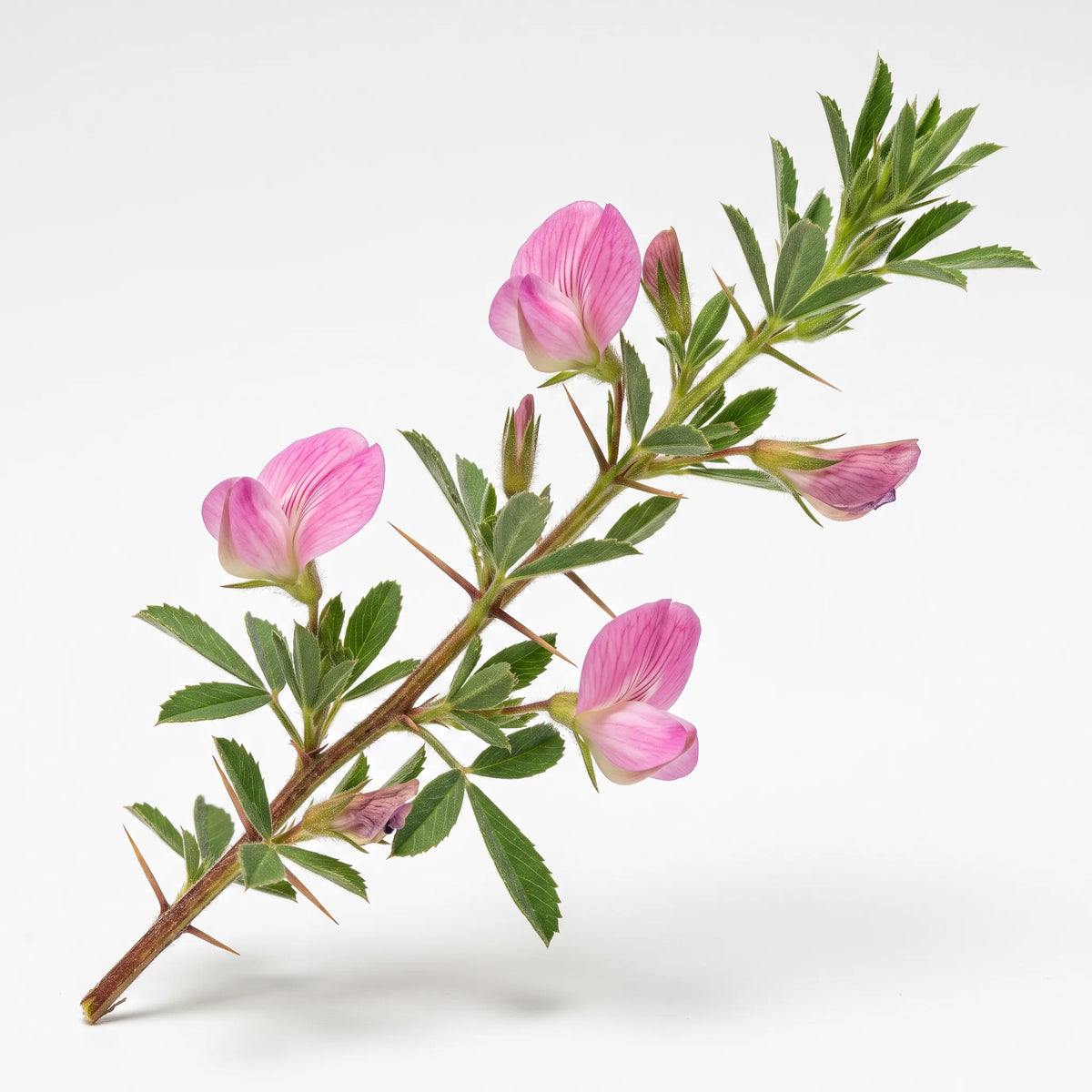
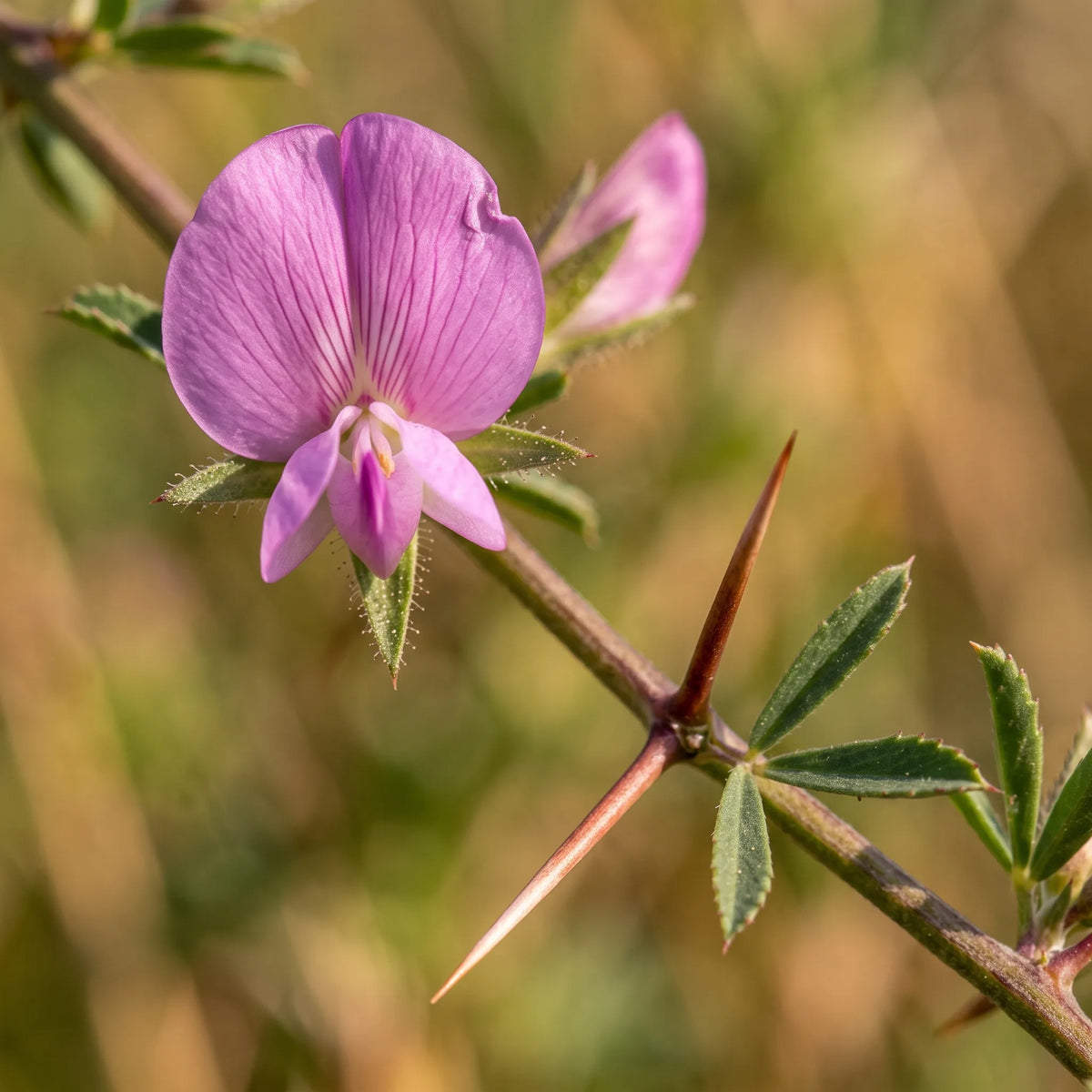
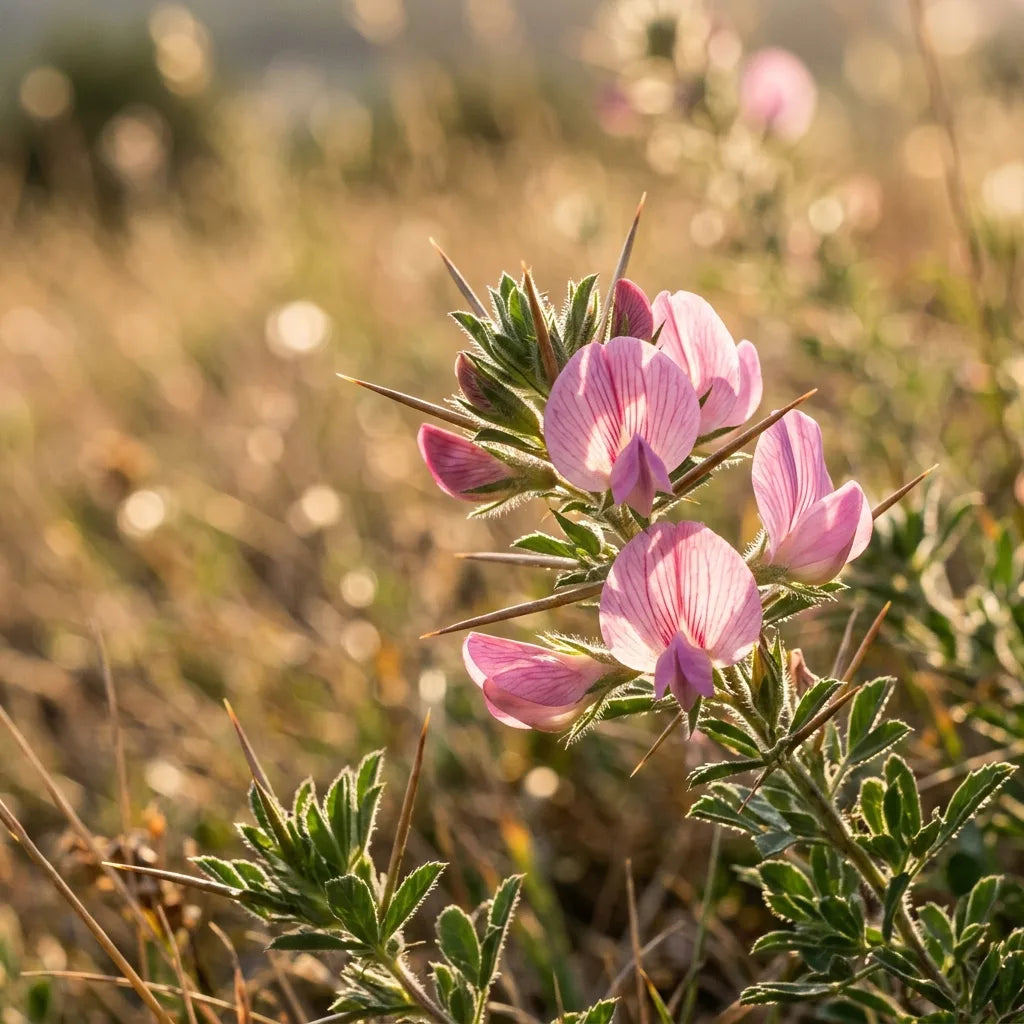
Damarları pembe küçük çiçekler: Hazirandan eylüle kadar mor çizgili pembe, kelebek biçimli çiçek taçları açar.
-
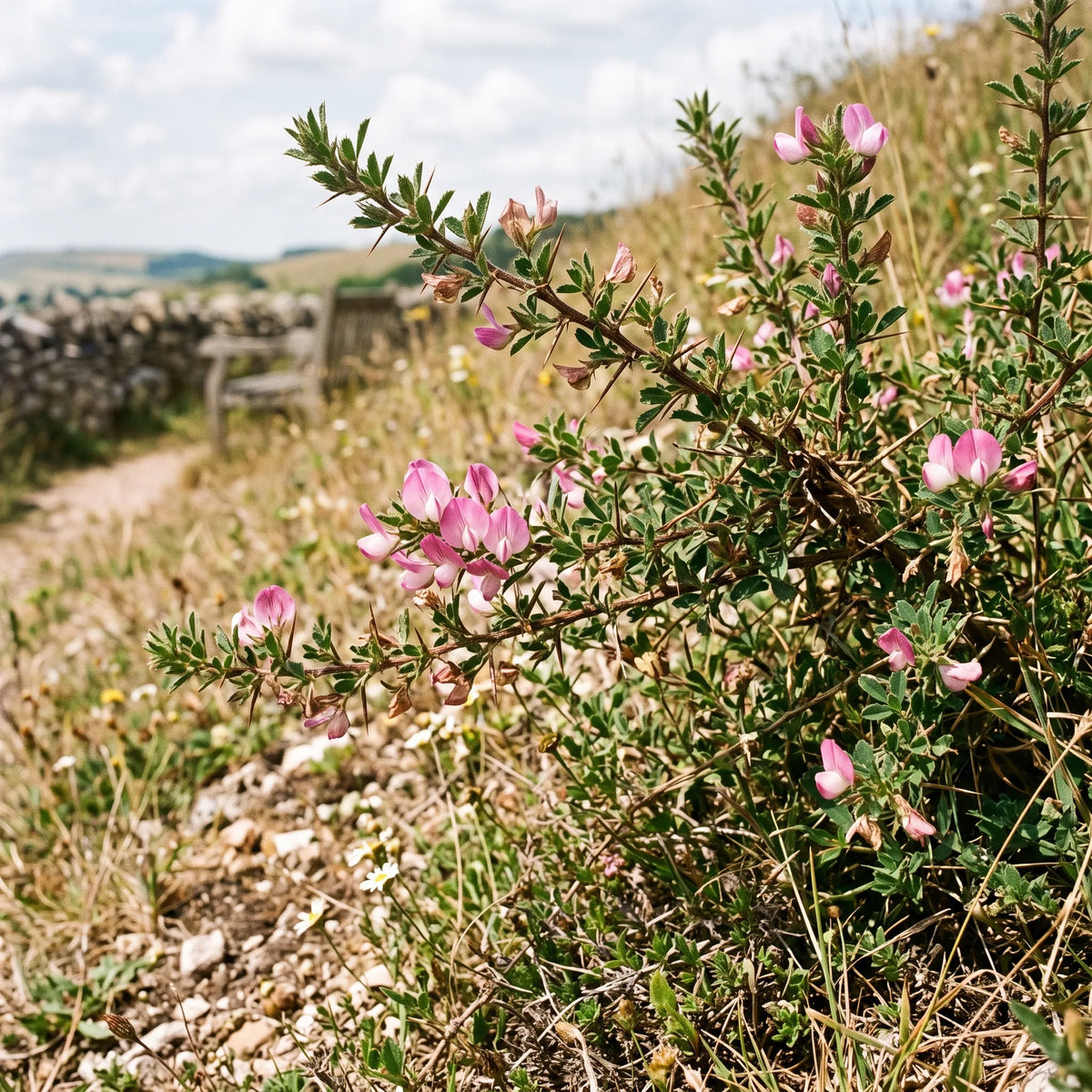
Dikenli görünüm: Dikenlerle donanmış gövdeleri, 30 ila 60 cm yüksekliğinde alçak bir küme oluşturur.
-
Olağanüstü köklenme: Kökleri çok derine iner; bu da bitkiyi yok edilmesi zor hâle getirir ve toprağı tutmak için değerli kılar.
-
Çok dayanıklı: -20 °C'ye kadar.
Önlemler:
- Gövdelerinde keskin dikenler bulunur: Bitkiyi tutarken veya yakınında yabani ot temizlerken eldiven giyin.
Ekim önerileri:
-
Konum: Tam güneş.
-
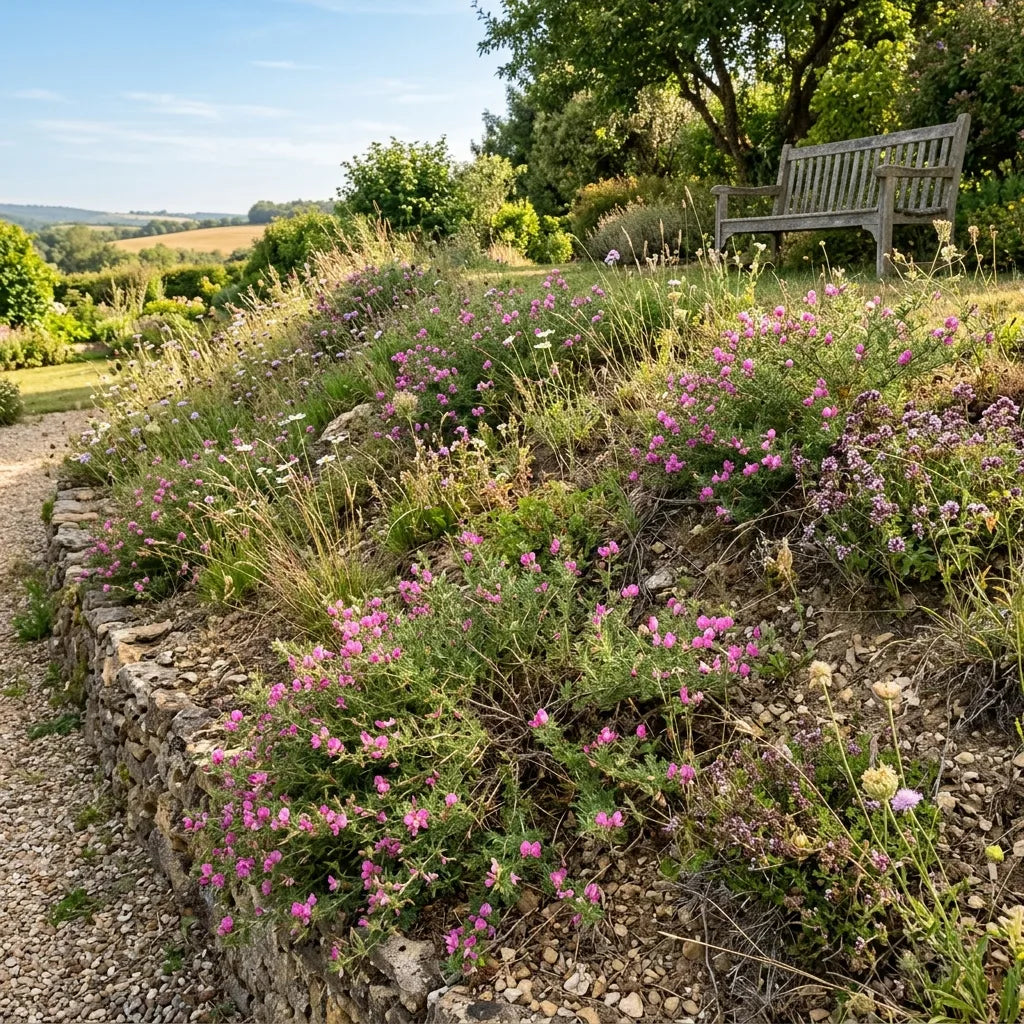
Toprak: Hafif, kuru, kumlu veya taşlı, orta derecede kireçli ve iyi drene olan toprak. Baklagil olduğu için kendi azotunu bağlar ve herhangi bir takviyeye ihtiyaç duymaz. Çok az bitkinin tutunabildiği kuru çayırlarda ve güneşli yamaçlarda gelişir.
-
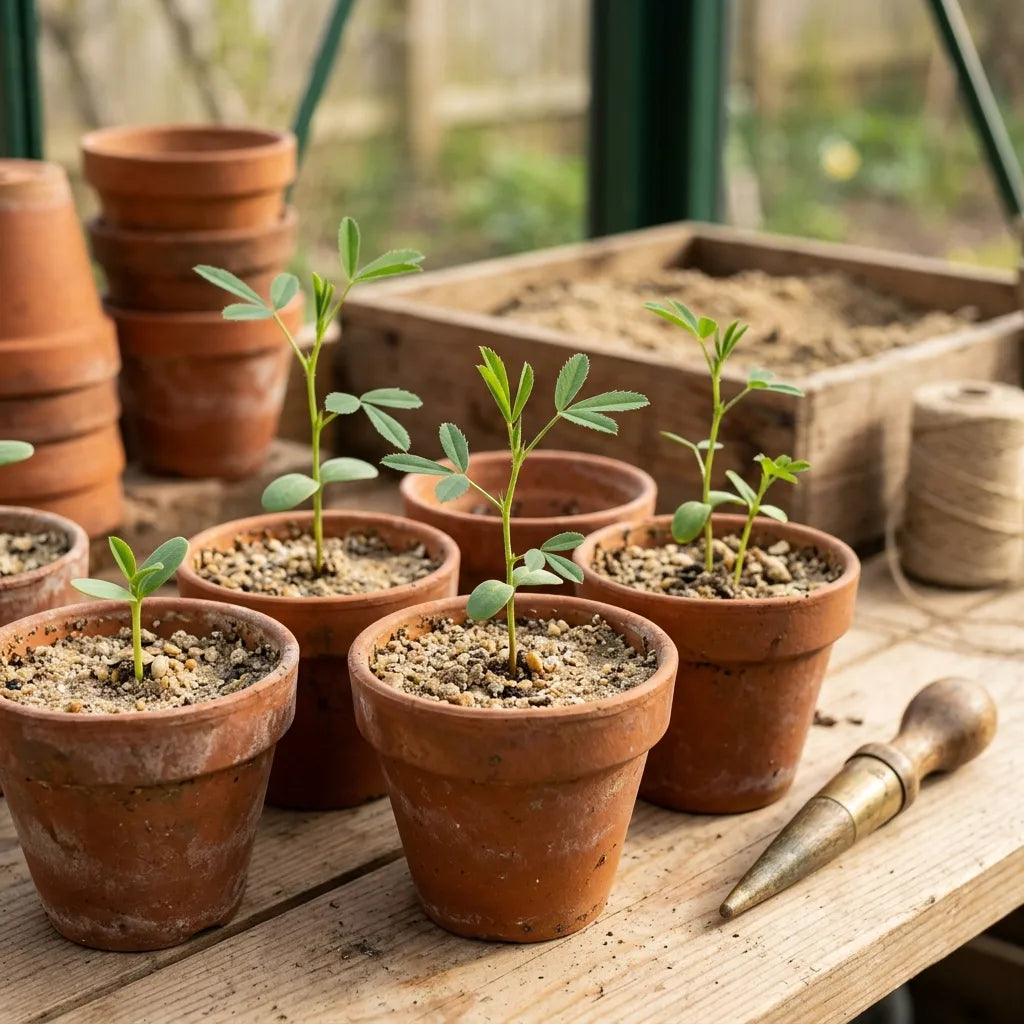
Yöntem: 4 ila 6 haftalık bir soğuk katlama önerilir (buzdolabında nemli kum içinde). Ardından ilkbahar veya sonbaharda derin bir fide saksısına ya da doğrudan yerine ekin. Sabırlı olun: Çimlenme yavaştır ve 3 ila 5 hafta sürer.
Dikim önerileri:
- Kazık kökü nedeniyle daha sonra nakledilemeyeceğinden, gençken derin bir fide saksısıyla birlikte kalıcı yerine dikin.
Bakım önerileri:
- Yerleştikten sonra hiçbir bakım gerekmez. Sulama veya budama istemez; yıllarca kendi başının çaresine bakar.
Faydalı eşleştirmeler:
Biyoçeşitlilik açısından önemi:
- Çiçekleri arılar ve özellikle kapalı çiçek taçlarını açacak kadar güçlü olan bombus arıları tarafından ziyaret edilir.
- Başta mavi kelebekler olmak üzere çeşitli kelebeklerin tırtılları için konukçu bitkidir.
- Derin kökleri, hafif toprakları ve eğimli arazileri dikkat çekici biçimde sabitlerken onları azotla da zenginleştirir.
Kullanım:
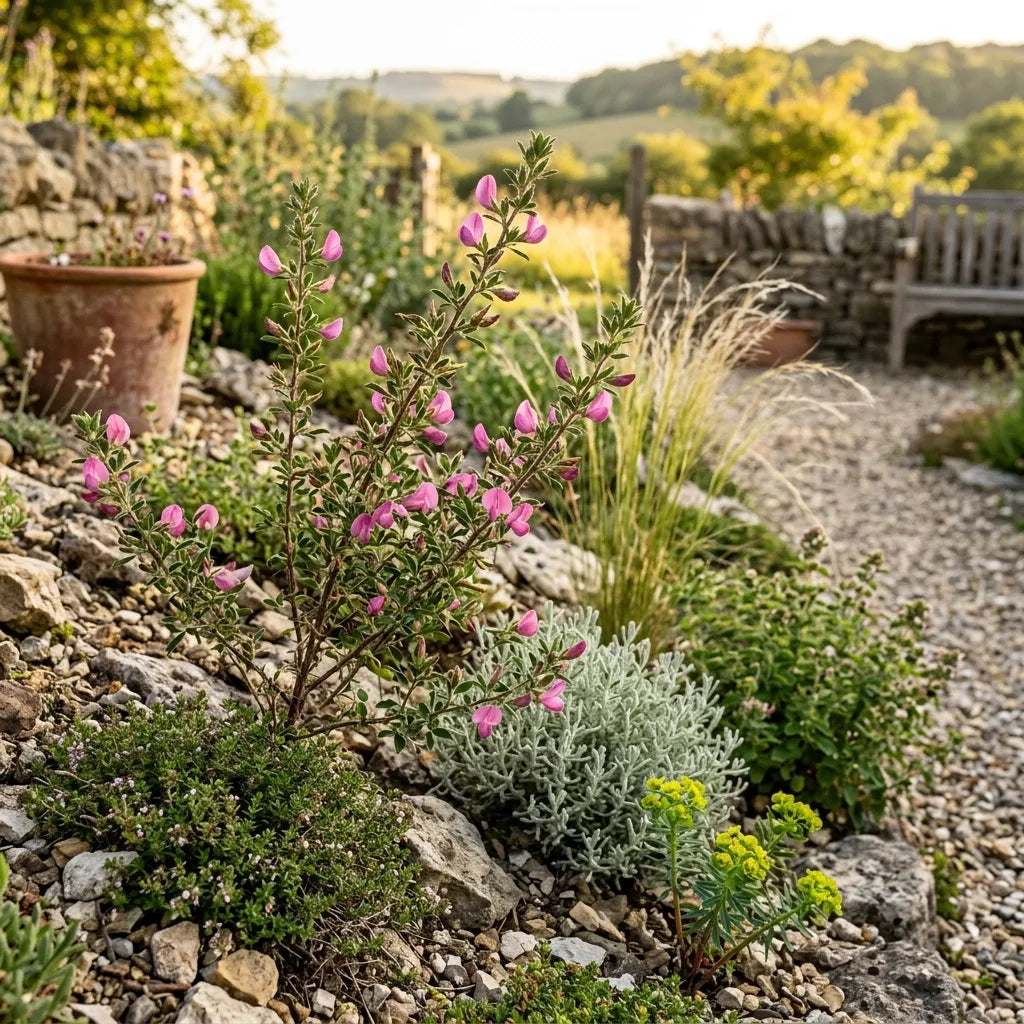
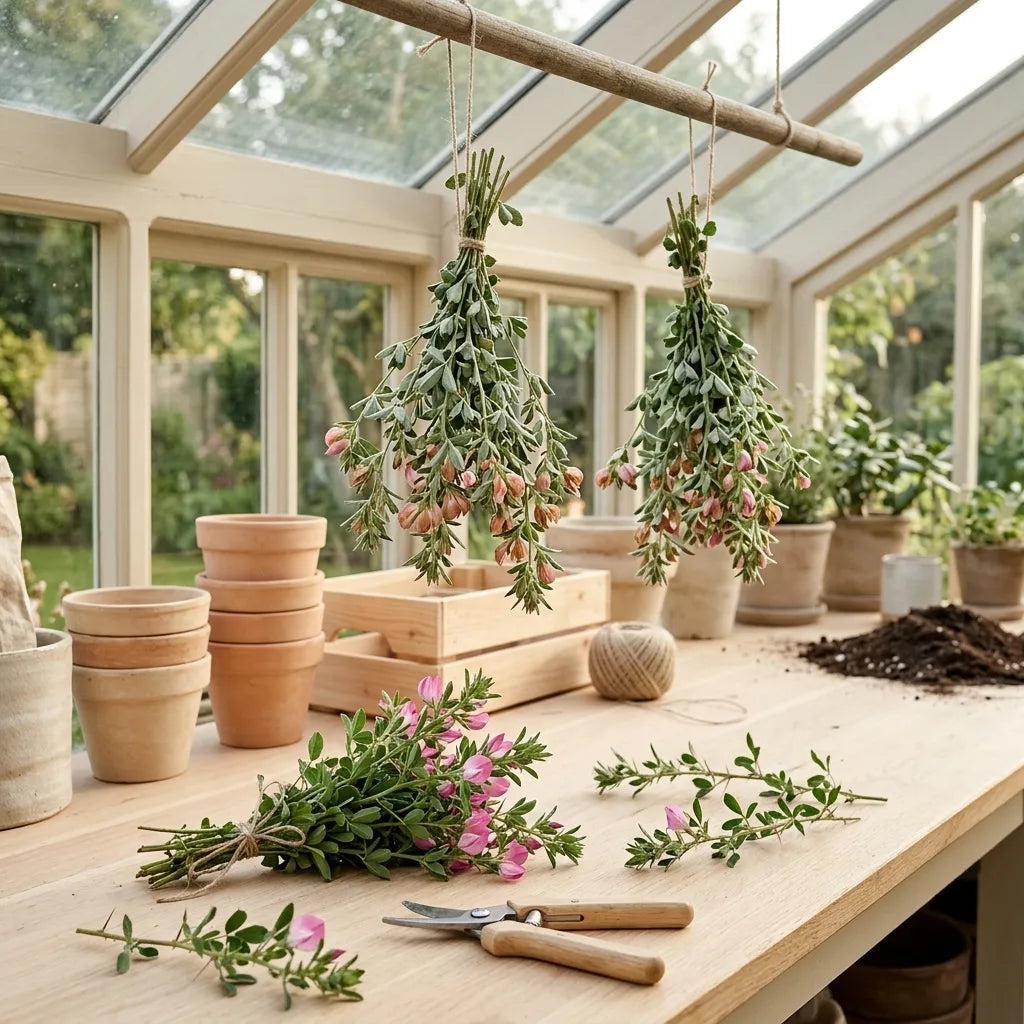
- Doğal çayırlar, kuru kaya bahçeleri, sabitlenmesi gereken yamaçlar ve şifalı bitki bahçelerinin kenarları. Geleneksel bir şifalı bitkidir. Ekilebilecek şifalı bitkilerimize göz atın.
Sembolizmi:
Savunma dikenleri ve sabanları durduran inatçı kökleri nedeniyle direnişin ve korunmanın sembolüdür — boyun eğmeyen bir bitki.
Kendi tohumlarınızı toplamak:
Birkaç çiçeğin küçük baklalar oluşturmasına izin verin, ardından baklalar açılmadan önce — eldiven kullanarak — kahverengileşip kuruduklarında toplayın. Tohumlarınızı saklama rehberimize bakın.
Kalite Taahhüdü: SemiSauvage - Permaculture olarak tohumlarımızı canlılara saygıyı temel alarak yetiştiriyor ve seçiyoruz. Auvergne Volkanları yakınında yer alan işletmemizde, yeniden üretilebilen ve hibrit olmayan, çimlenme oranları test edilmiş, özenle ayıklanıp paketlenmiş, hiçbir kimyasal işlem görmemiş çeşitleri seçiyoruz. İnancımız şu: Bahçıvanlara, her yıl gerçekten kendilerine ait tohumları yeniden ekme imkânını geri kazandırmak.
Sabanları durduran bu bitkiyi ekin ve yamaçlarınızı kalıcı olarak sabitleyin.