Thuja plicata
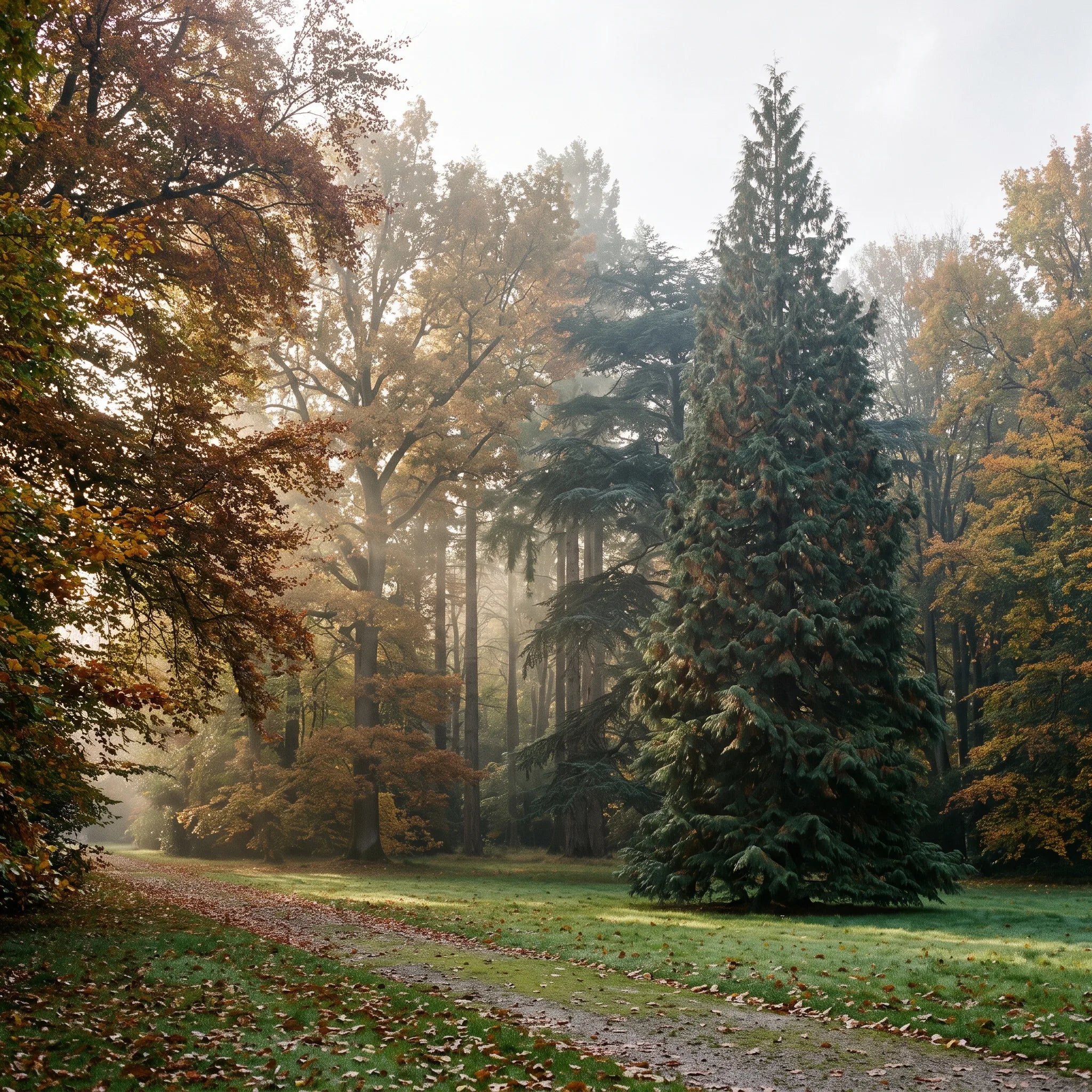
Dev sekoya, batı dev sekoyası, batı kırmızı sediri (gerçek sedirlerle karıştırılmamalıdır), Lobb sediri: Bu ağaç, Kuzey Amerika'nın Pasifik kıyısındaki halkların “yaşam ağacı”dır. Bu halklar ondan tek parça kanolar, uzun evler, totem direkleri, halatlar ve ağaç kabuğundan dokunmuş giysiler dahil her şeyi yapardı. Çürümeye dayanıklı odunu, ağacın bu merkezi konumunu açıklıyordu.
Özellikleri:
-
Hızlı büyüme: Ilıman iklimde yılda 30 ila 60 cm; uygun koşullarda 50 metreye kadar büyür.
-
Yapraklarını dökmeyen yapraklar: Yoğun, parlak yeşil pullar; elle ovuşturulduğunda hoş bir balsam kokusu yayar.
-
Çürümeye dayanıklı odun: İşlem görmeden doğal olarak çürümeye karşı dayanıklıdır; dış mekân marangozluğunda çok değerlidir.
-
Çok dayanıklıdır: -25 °C'ye kadar dayanır.
Önlemler:
- Yaprakları yenilebilir değildir ve uzun süreli temasta tahrişe neden olabilir: Büyük çit budamaları sırasında eldiven takın.
- Ergin boyutunu ve büyüme hızını önceden hesaba katın: Çit olarak kullanıldığında kontrol altında kalması için her yıl düzenli budama gerekir.
Ekim önerileri:
-
Konum: Tam güneşten yarı gölgeye kadar.
-
Toprak: Hafif, iyi drene olan, tercihen asidik ila nötr ve özellikle nemini koruyan toprak. Pasifik'in yağışlı ormanlarından gelir ve atmosferik nemi sever. Yerleştikten sonra kuraklığa iyi dayanır; ancak ilk yıllarda çok kurak yazlardan zarar görür.
-
Yöntem: 30 ila 60 günlük bir soğuk katlama gerekir. Ardından ilkbahar veya sonbaharda, saksıya ya da fidanlığa, yüzeye veya yalnızca hafifçe gömerek ekin.
Dikim önerileri:
- Tam güneşe veya yarı gölgeye şaşırtın. Çit olarak 80 cm ila 1 m aralık bırakın; tek başına yetiştirilecekse geniş bir alan ayırın.
Bakım önerileri:
- İlk yıl düzenli sulayın; ardından kuraklığa karşı çok dayanıklı hâle gelir.
- Sık bir çit elde etmek için yılda bir veya iki kez budayın. Yaşlı ve çıplak oduna asla kesim yapmayın: Porsuktan farklı olarak yeniden sürmez.
Faydalı eşlikçiler:
- Tabanında, hafif gölgeyi ve serinliği seven orman altı bitkileri iyi gelişir: eğrelti otları, fundalar veya mor yüksük otu.
Biyoçeşitlilik açısından değeri:
- Çok yoğun ve yaprak dökmeyen yaprakları, yaprak döken çitlerin çıplak kaldığı dönemlerde kuşlara kışın barınak ve tercih ettikleri yuvalama alanları sunar.
- Rüzgâr kırıcı olarak, arkasındaki tüm bahçeye fayda sağlayan korunaklı bir mikroiklim oluşturur.
Kullanım:
- Yaprak dökmeyen çitler, bitkisel perdeler, rüzgâr kırıcılar veya tek başına dikim. Çürümeye dayanıklı, hafif ve hoş kokulu odunu; dış cephe kaplamaları, teraslar ve dış mekân mobilyaları için aranır.
Sembolik anlamı:
Kuzeybatı Amerika'nın yerli halklarının kutsal ağacı olan ve bu halklar tarafından kelimenin tam anlamıyla “yaşam ağacı” olarak adlandırılan bu ağaç; korumayı, arınmayı ve dayanıklılığı simgeler.
Kendi tohumlarınızı toplamak:
Küçük, dik duran kozalakları sonbaharda kahverengiye döndüklerinde, açılmadan önce toplayın; ardından sıcak bir yerde kurumaya bırakın: Pulları kendiliğinden aralanır ve kanatlı tohumları serbest bırakır. Tohumlarınızı saklama bölümüne bakın.
Kalite taahhüdümüz: SemiSauvage - Permaculture olarak tohumlarımızı, yaşamı korumayı temel ilke edinerek yetiştiriyor ve seçiyoruz. Auvergne Yanardağları'nın yakınında faaliyet gösteriyor; çoğaltılabilir ve hibrit olmayan, çimlenme oranları test edilmiş, özenle ayıklanıp paketlenmiş ve hiçbir kimyasal işlem uygulanmamış çeşitleri seçiyoruz. İnancımız şu: Bahçıvanlara, her yıl kendilerine gerçekten ait olan tohumları yeniden ekme imkânını geri vermek.
Satış, kalite ve özgünlük arayan amatör bahçıvanlarla sınırlıdır.