Capsicum frutescens
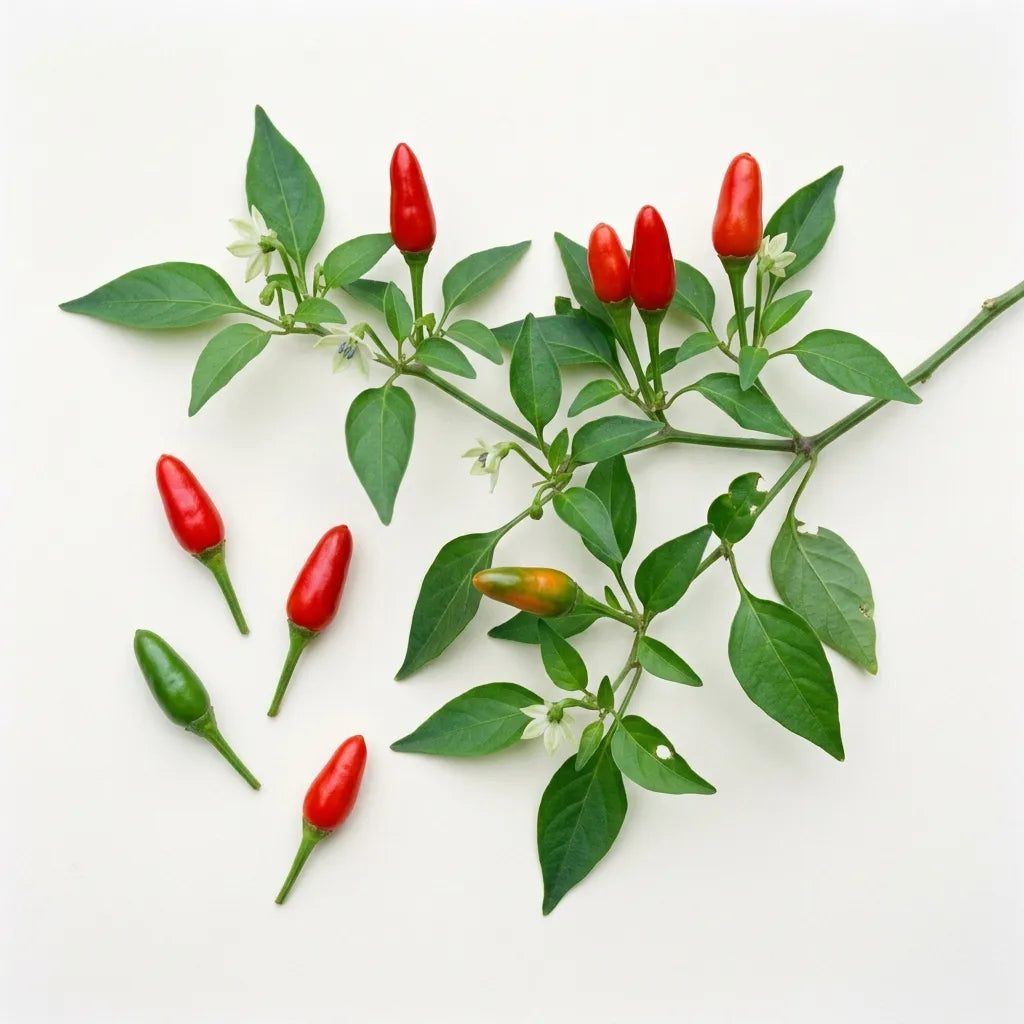
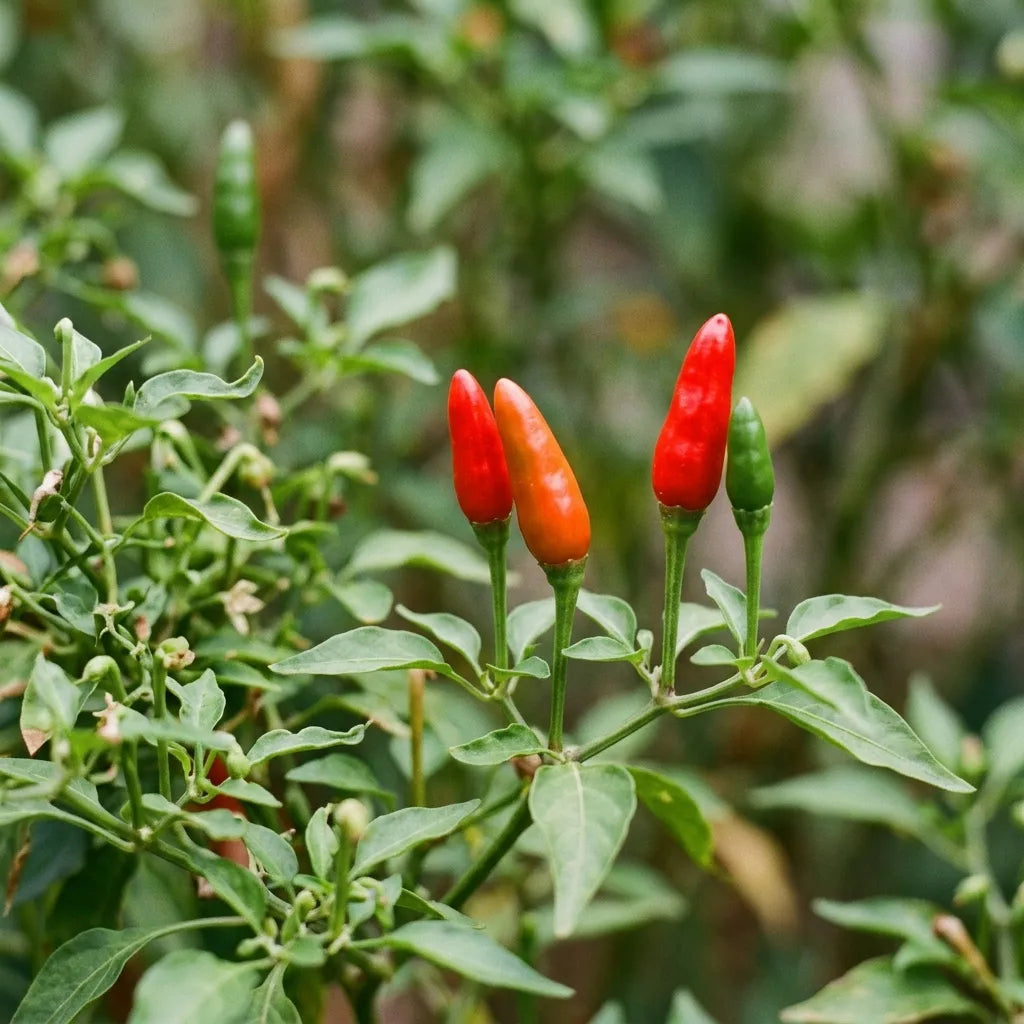
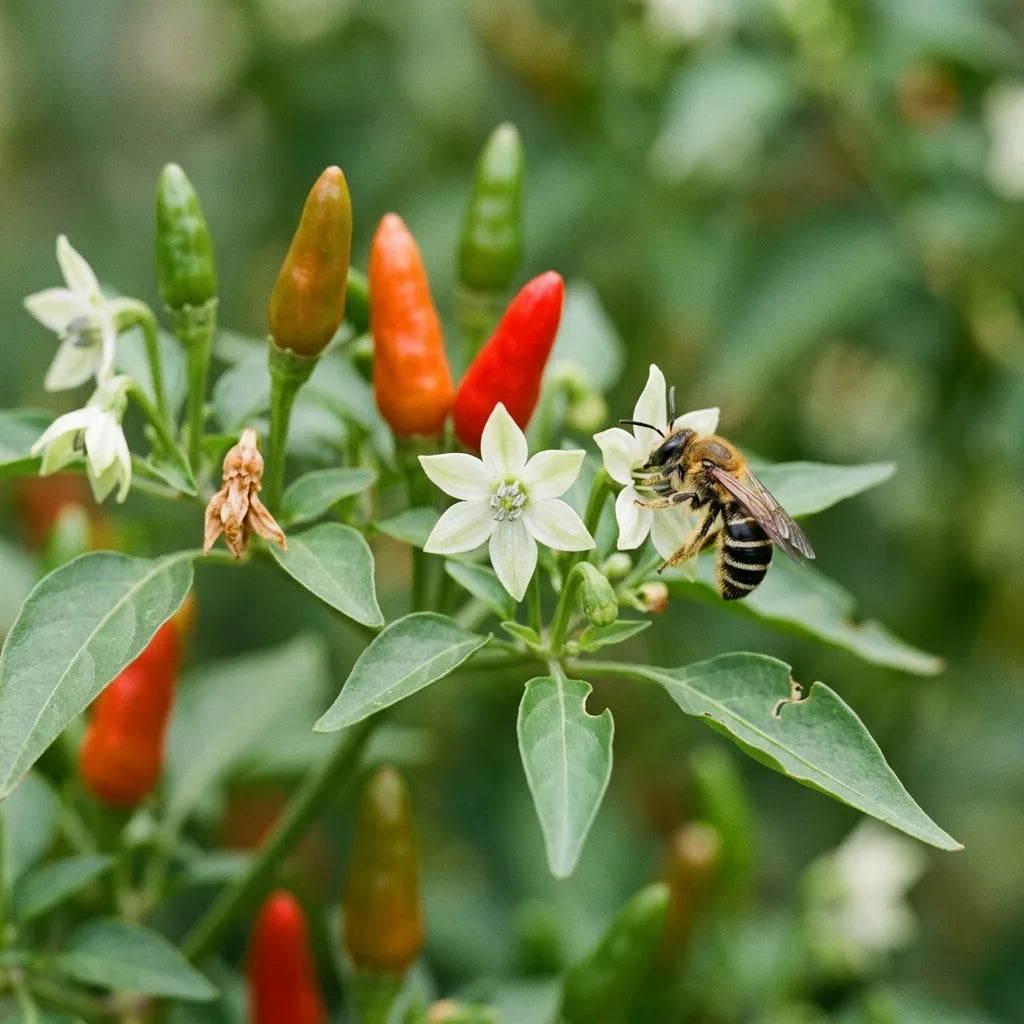
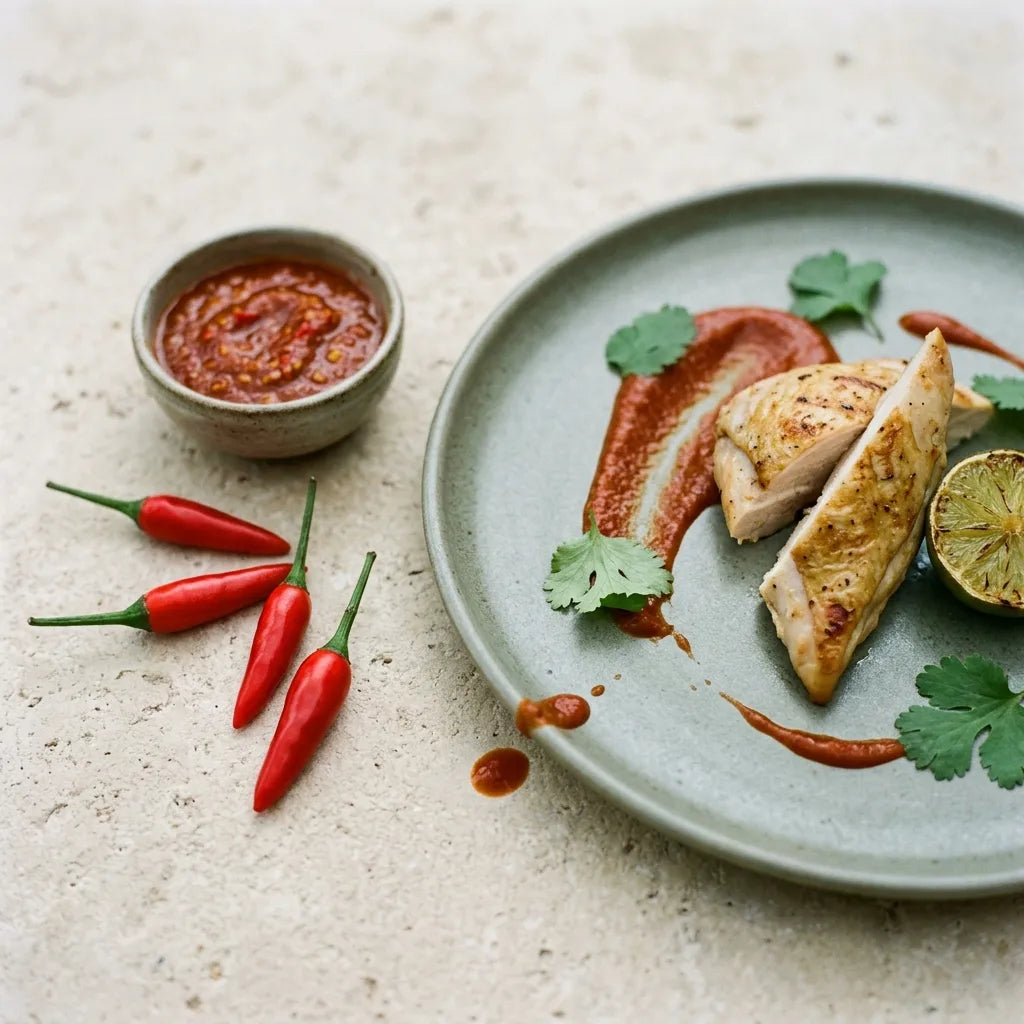
Kuş biberi, pili-pili, martin biberi, malagueta: küçük ama etkisi güçlüdür; Afrika ve Asya soslarında kullanılan, tabasconun yakın akrabası olan biberdir. Yalnızca 2–3 cm uzunluğundaki meyveleri, yaprakların üzerinde dikey olarak yükselir — sarkık meyveli tüm biberlerden ilk bakışta ayırt edilmesini sağlayan, kolay tanınır bir gelişim biçimidir.
Özellikleri:
-
Çok güçlü: 50.000–100.000 Scoville birimi; belirgin ve anında hissedilen bir acılık.
-
Dik duran küçük meyveler: 2–3 cm uzunluğunda, yukarı doğru bakan; yeşilden parlak kırmızıya dönüşen meyveler.
-
Son derece verimli: Tek bir bitki aynı anda onlarca meyve taşır.
-
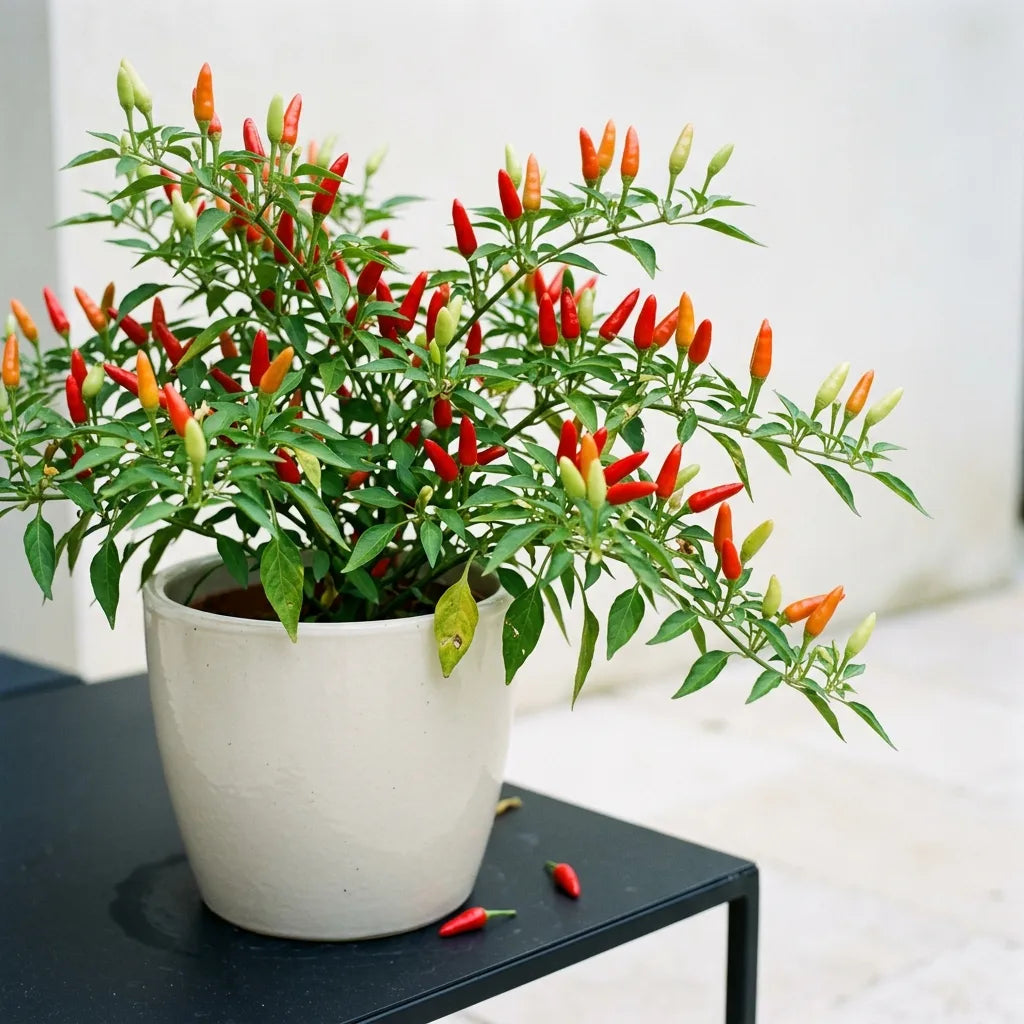
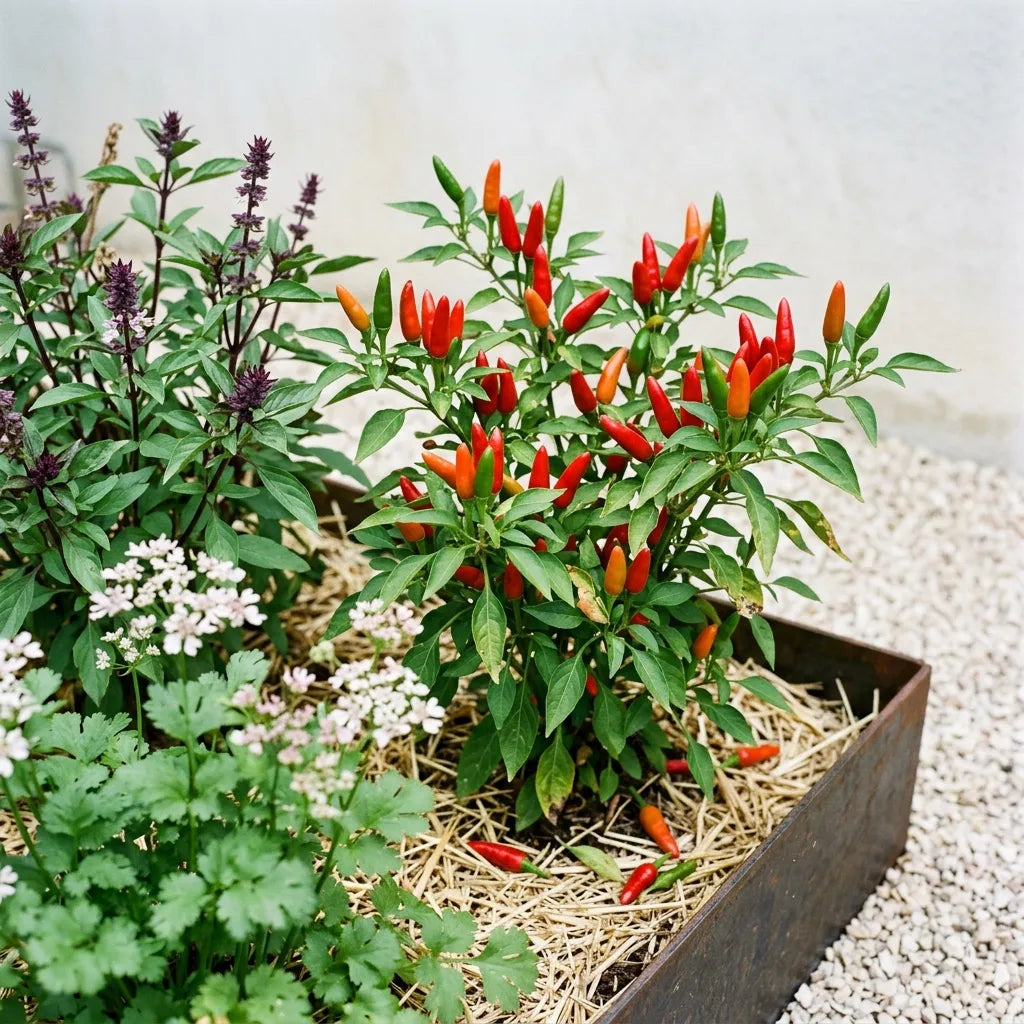
Çok dekoratif: Dik duran renkli meyveleri, onu saksıda yetiştirmek için güzel bir bitki hâline getirir.
Önlemler — dikkatle okuyun:
-
Meyvelere dokunurken eldiven takın, ister taze ister kurutulmuş olsun. Kapsaisin cilde yapışır ve suyla yıkamaya dirençlidir: Daha sonra gözlerle temas etmesi çok ağrılı yanıklara neden olur.
- Ellerinizi yalnızca suyla değil, sabun ve yağ kullanarak yıkayın — kapsaisin yağda çözünür.
- Ölçülü kullanın: Tek bir meyve, bir yemeğin tamamına yeterli acılığı verebilir. Meyveleri ve tohumları çocukların erişemeyeceği yerde tutun.
- Ağızda yanma olması durumunda süt için veya süt ürünü tüketin: Su, kapsaisini yalnızca yayar.
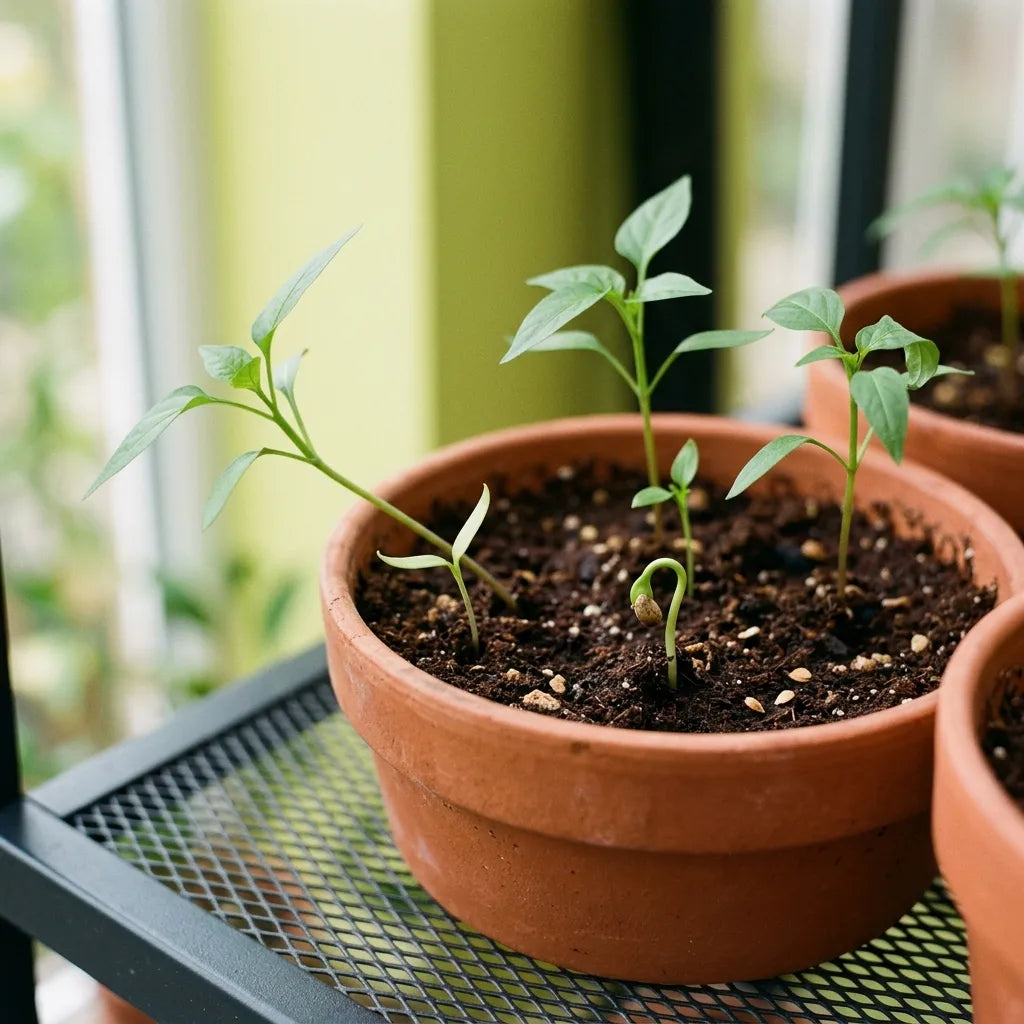
Tohum ekimi önerileri:
-
Konum: Tam güneş ve bol sıcaklık. Serin bölgelerde saksıda, korunaklı bir yerde veya serada yetiştirmeyi tercih edin.
-
Toprak: Kompostla zenginleştirilmiş, besin açısından zengin, gevşek, nemli ve iyi drene olan toprak. Su birikmesine karşı hassastır.
-
Yöntem: Şubat-mart aylarından itibaren korunaklı bir yerde, en az 25 °C'de ekin: 20 °C'nin altında çimlenme gerçekleşmez. 2–3 hafta bekleyin. Tohumların nasıl ekileceğine bakın.
Dikim önerileri:
- Geceler 12 °C'nin üzerine çıktığında şaşırtın ve bitkiler arasında 40–50 cm mesafe bırakın. Domatesin aksine, gövdeyi toprağa gömmeyin: Toprak altında kalan kök boğazı çürür.
Bakım önerileri:
- Düzenli olarak, aşırıya kaçmadan kök bölgesinden sulayın. Toprağın nemini korumak için malçlayın.
- Saksıyı donlardan önce içeri alın: Biber çok yıllıktır ve kış bahçesinde art arda birkaç yıl ürün verebilir.
Hasat önerileri:
- Eldiven kullanarak hasat edin; daha yeşil ve doğrudan bir acılık için yeşilken, daha karmaşık ve hafif tatlı bir aroma için kırmızı renkteyken toplayın.
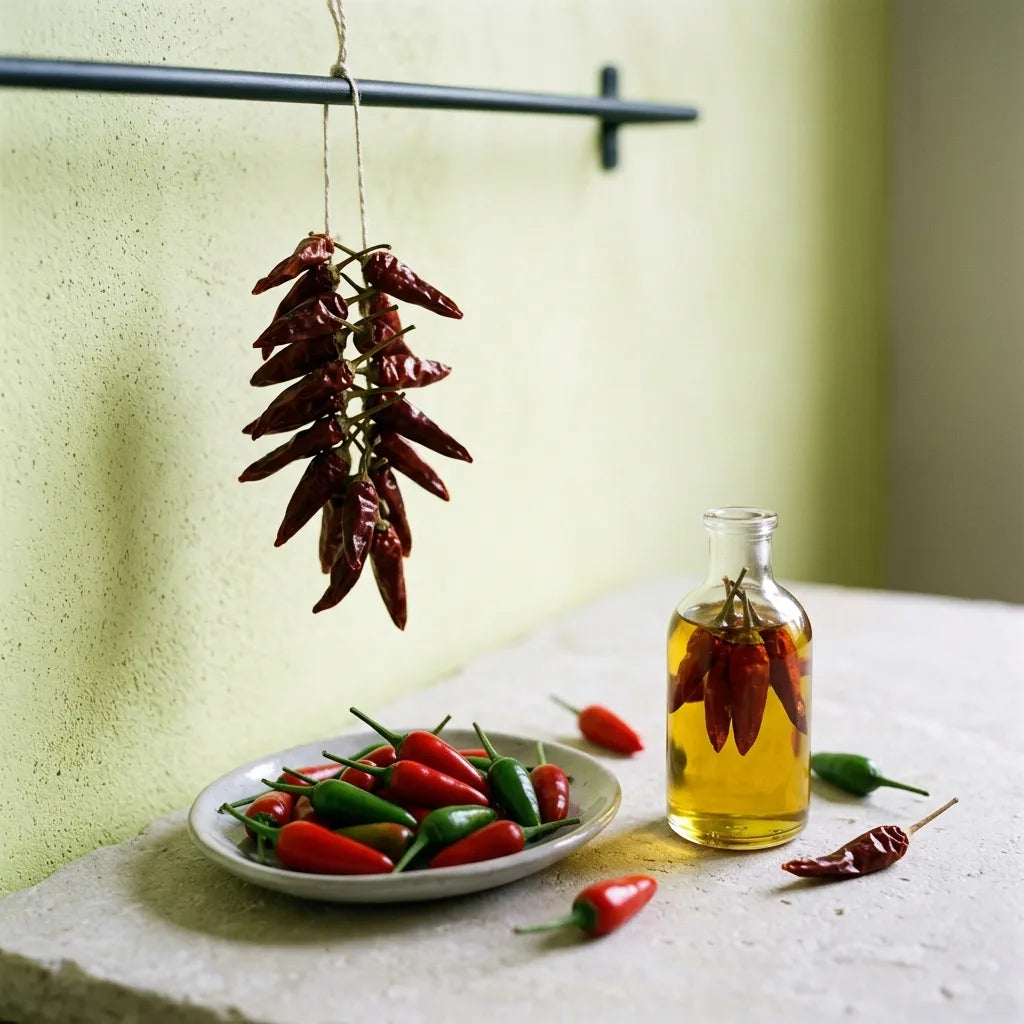
- Çok iyi kururlar: İpe dizilip asıldıklarında yıllarca saklanabilirler.
Faydalı bitki birliktelikleri:
Biyoçeşitlilik açısından önemi:
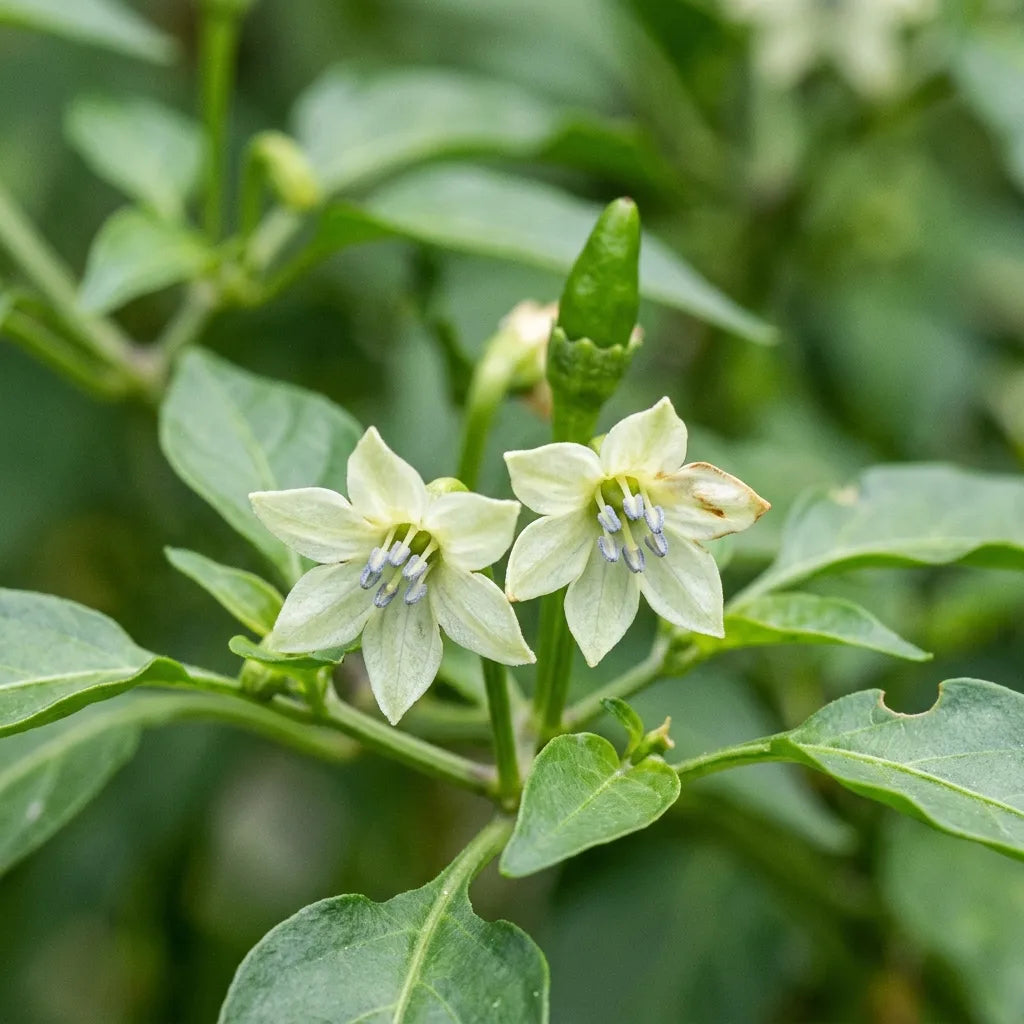
- Küçük yeşilimsi beyaz çiçekleri, yaz boyunca bal arıları, yalnız arılar ve bombus arıları tarafından ziyaret edilir.
- Korunaklı bir yerde çok yıllık olarak yetişebilir ve art arda birkaç yıl ürün verebilir: İyi bakılan tek bir bitki, her ilkbaharda yeniden başlamaya gerek kalmadan bir ailenin ihtiyacını fazlasıyla karşılar.
Kullanımı:
- Afrika'nın pili-pili soslarının, Tay körilerinin ve Karayip çeşnilerinin temel malzemesidir. Taze, kurutulmuş, toz hâlinde veya yağda bekletilerek kullanılır. Genellikle dört kişilik bir yemek için tek bir meyve yeterlidir.
Kendi tohumlarınızı hasat edin:
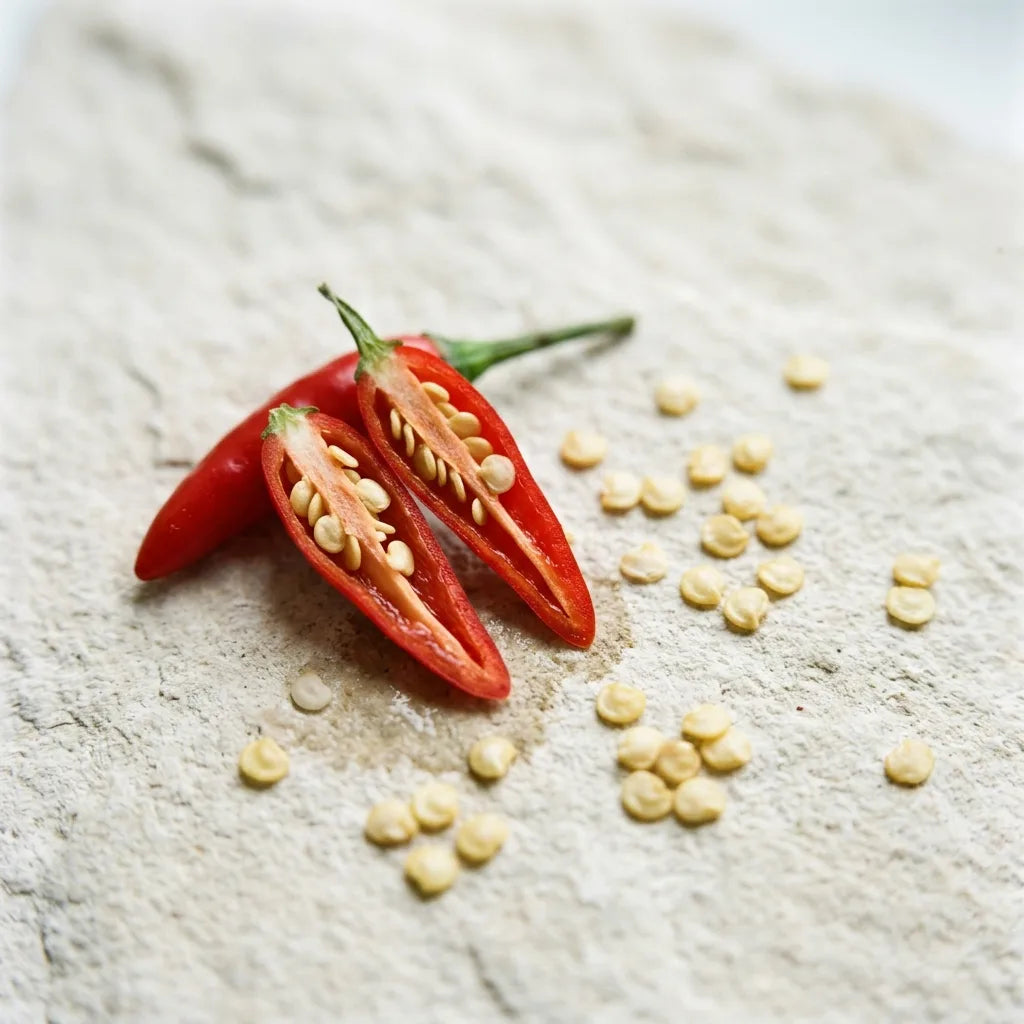
İyice olgunlaşmış bir meyveyi eldiven kullanarak açın, tohumları çıkarın, durulayın ve düz bir zeminde kurutun. Dikkat: Biberler kolayca çaprazlanır; Birden fazla çeşit yetiştiriyorsanız tohumluk bitkilerinizi birbirinden izole edin. Tohum poşetini açıkça etiketleyin. Tohumlarınızı nasıl saklayacağınızı öğrenin.
Kaliteye bağlılığımız: SemiSauvage - Permaculture olarak tohumlarımızı canlılara saygıyı temel alarak yetiştiriyor ve seçiyoruz. Auvergne Volkanları yakınında faaliyet gösteriyor; yeniden üretilebilen ve hibrit olmayan, çimlenme oranları test edilmiş çeşitleri seçiyor, tohumları özenle ayıklayıp paketliyor ve hiçbir kimyasal işlem uygulamıyoruz. İnancımız şu: Bahçıvanlara, her yıl gerçekten kendilerine ait olan tohumları yeniden ekme imkânını geri vermek.
Boyu küçük, gücü büyük: Dünyanın soslarında kullanılan biber.