Platycodon grandiflorus
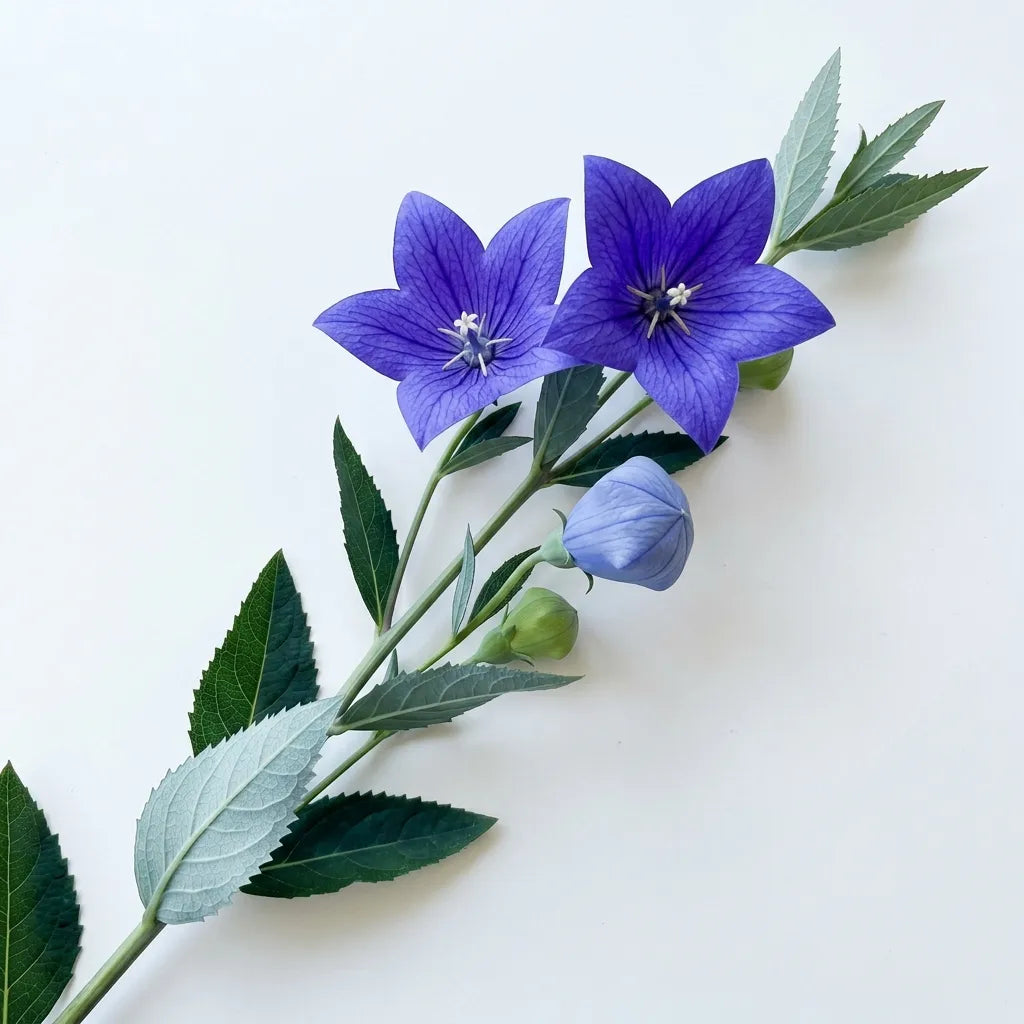
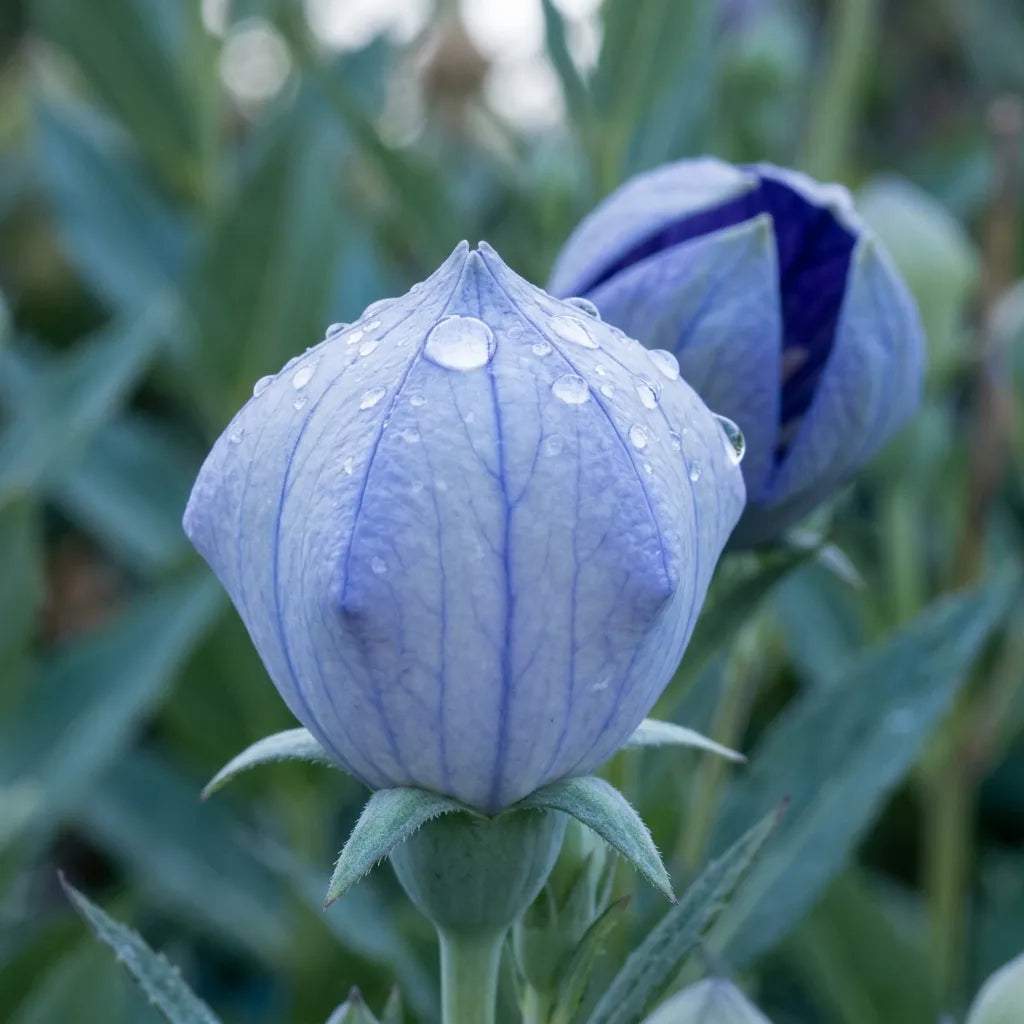
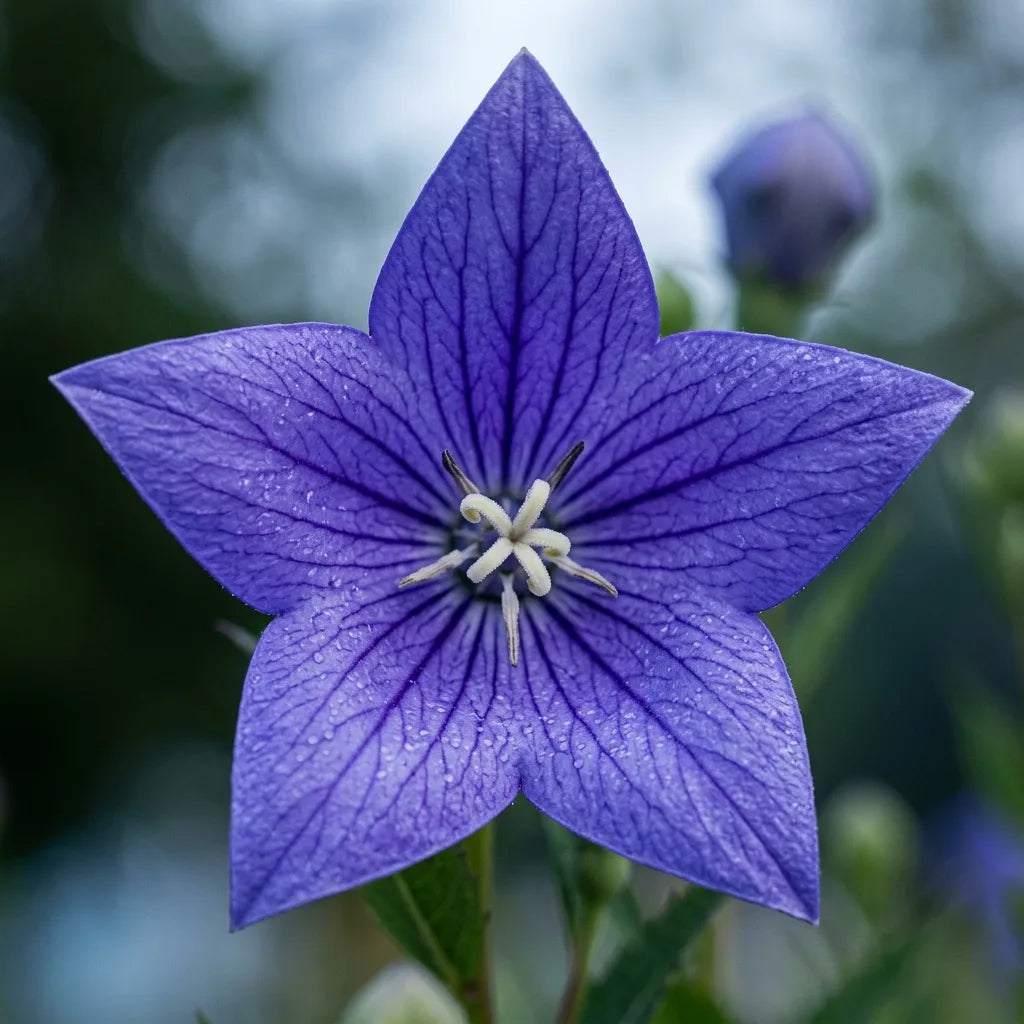
Platycodon, balon çiçeği, Çin çanı, büyük çiçekli çan çiçeği: “balon çiçeği” lakabı, hem küçükleri hem de büyükleri büyüleyen bir olaydan gelir — açılmadan önce her tomurcuk mavi bir sıcak hava balonu gibi havayla şişer, ardından bir anda beş sivri uçlu geniş bir yıldıza dönüşür. Gösteriyi hiçbir şekilde kaçırmamak için sık geçilen bir yere dikilecek bir bitki.
Özellikleri:
-
Balon tomurcuklar: Açılmadan önce şişer, ardından yoğun mavi renkte geniş yıldızlara dönüşür.
-
Renkli yapraklar: Koyu mavimsi yeşil renkte, oval ve dişli yaprakları oldukça dekoratiftir.
-
Uzun ömürlü çok yıllık: Yerleştikten sonra uzun yıllar boyunca güvenilir biçimde yeniden çıkar.
Ekim önerileri:
-
Konum: Güneşli veya hafif yarı gölge.
-
Toprak: Hafif, derin, nemli ve iyi drene olan; tercihen nötr ila hafif asidik. Belirleyici nokta: Etli kökü ağır ve kışın suya doygun toprakta çürür — başarısızlığın başlıca nedeni budur. Killi toprakta tümsek üzerine veya saksıya dikin.
-
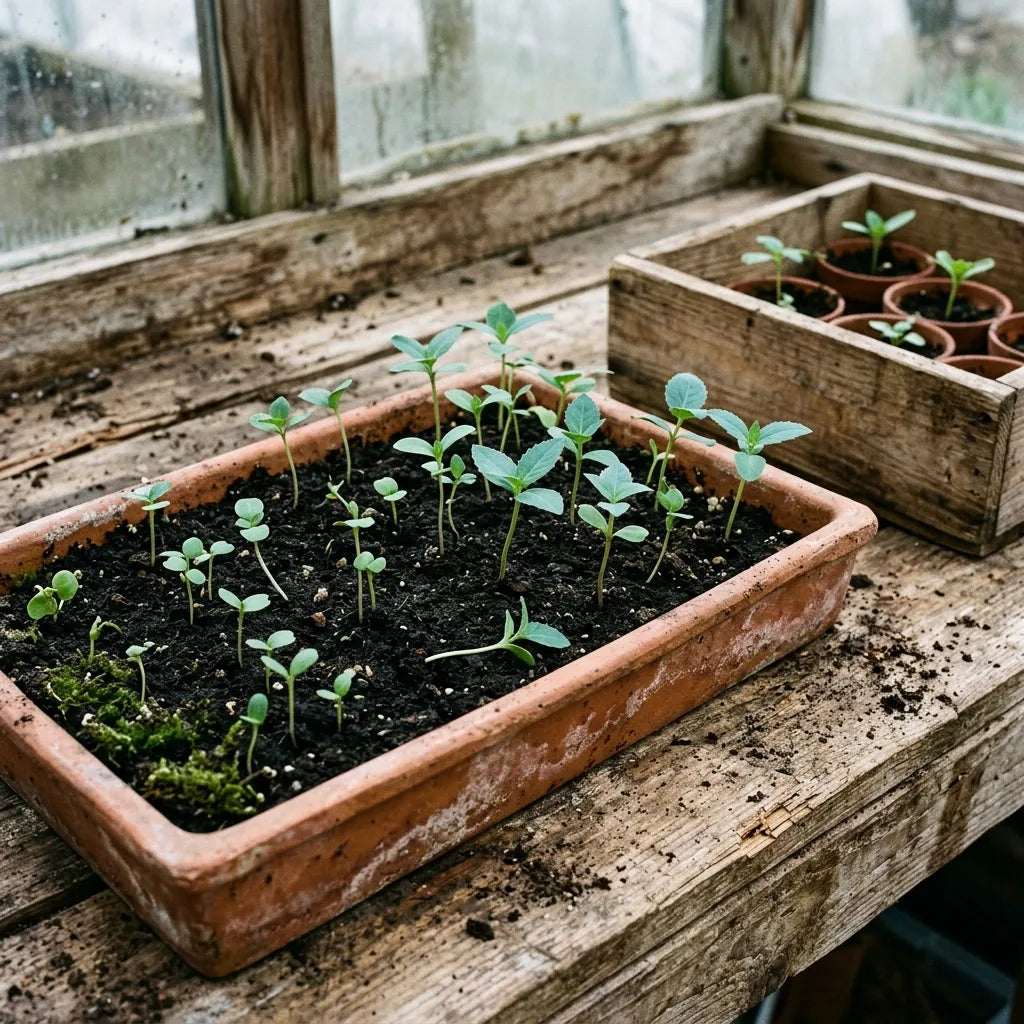
Yöntem: İlkbaharda, tohumların ışığa ihtiyacı olduğundan yüzeye veya üzeri yalnızca hafifçe örtülü şekilde, 15-20 °C'de ekin. Kısa süreli soğuk uygulaması çimlenmenin daha eş zamanlı olmasını sağlar. Sabırlı olun: Çiçeklenme çoğunlukla ikinci yılda gerçekleşir. Tohumlarınızı nasıl ekeceğinizi görün.
Dikim önerileri:
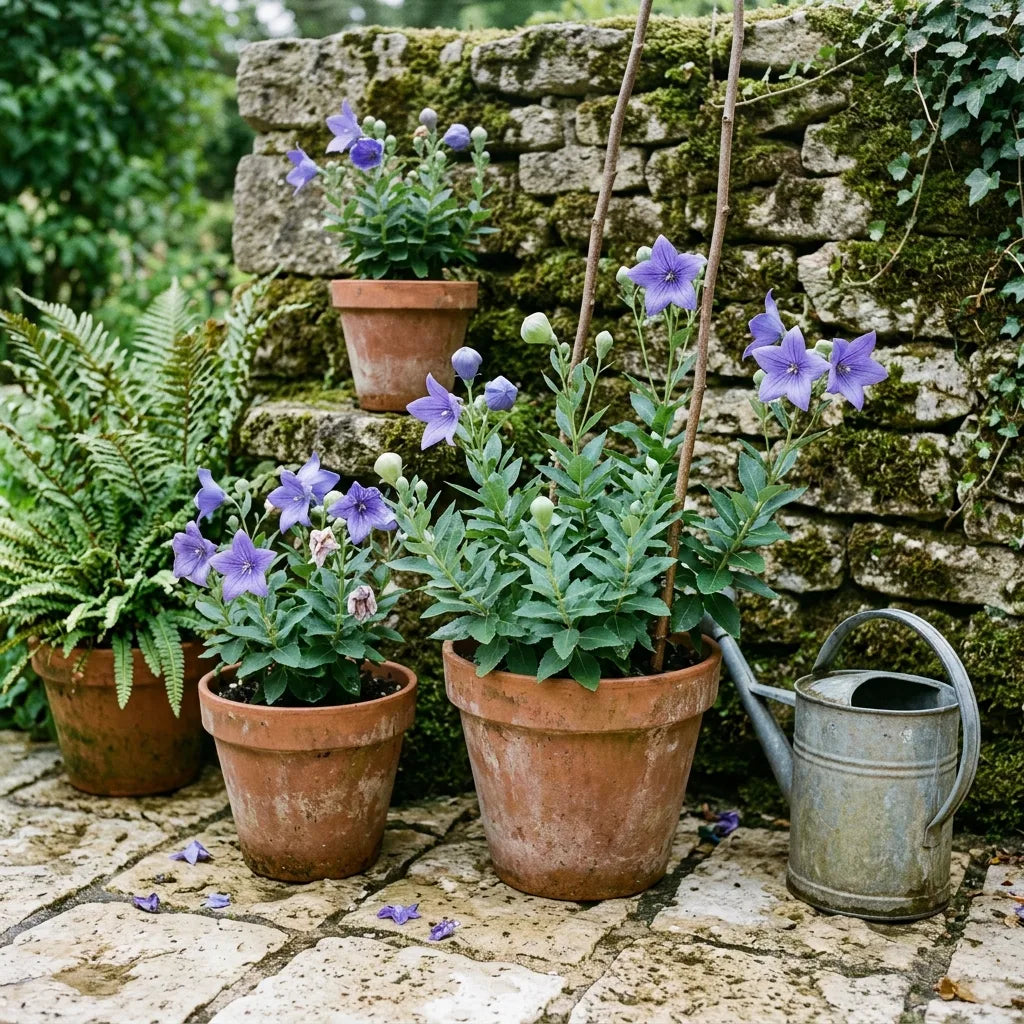
- Genç fideleri 30 cm aralıklarla kalıcı yerlerine şaşırtın: Etli kazık kökü sonradan rahatsız edilmesine çok kötü dayanır. Saksı veya çiçeklikte de çok iyi yetişir.
Bakım önerileri:
- Orta düzeyde sulayın. Ertesi yıl bol çiçeklenmeyi teşvik etmek için bitkiyi sonbaharda tabandan yaklaşık 10 cm yukarıdan kesin.
- Yerini işaretleyin: İlkbaharda çok geç yeniden gelişir ve yanlışlıkla kazmadan önce çoğu zaman kaybedildiği düşünülür.
Faydalı eşleşmeler:
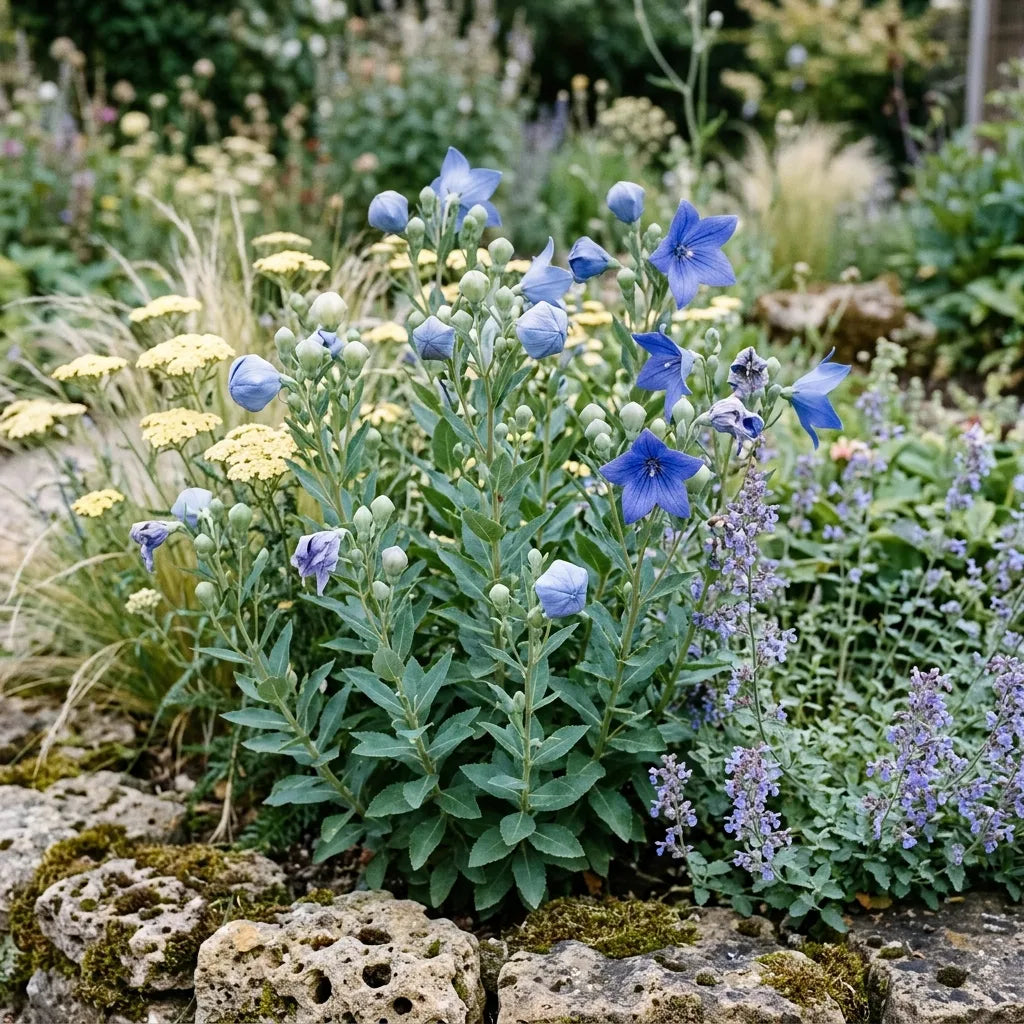
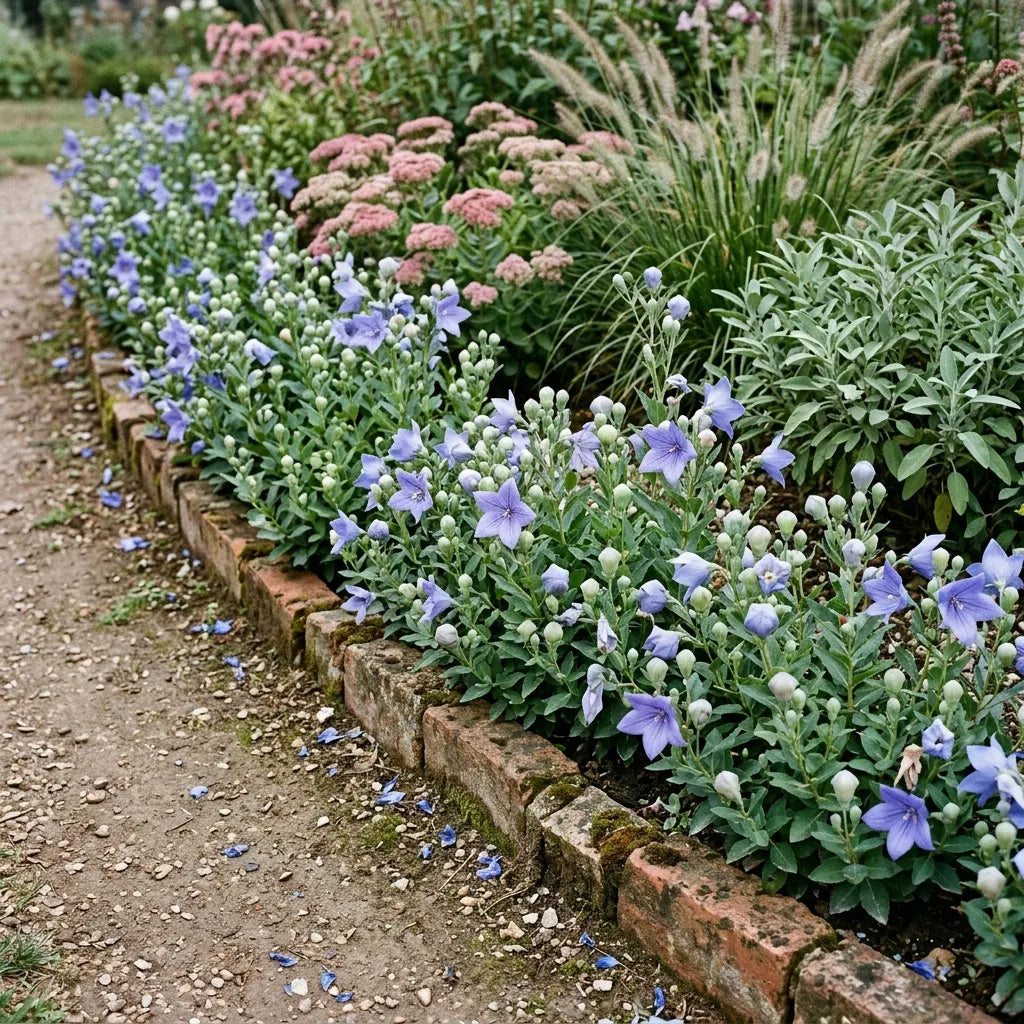
- Koyu mavisi, akrabası olan çan çiçeği ile uyum sağlar veya çok yıllık bitkilerden oluşan bir bordürde gaillardianın sıcak tonlarıyla kontrast oluşturur.
Biyoçeşitliliğe katkısı:
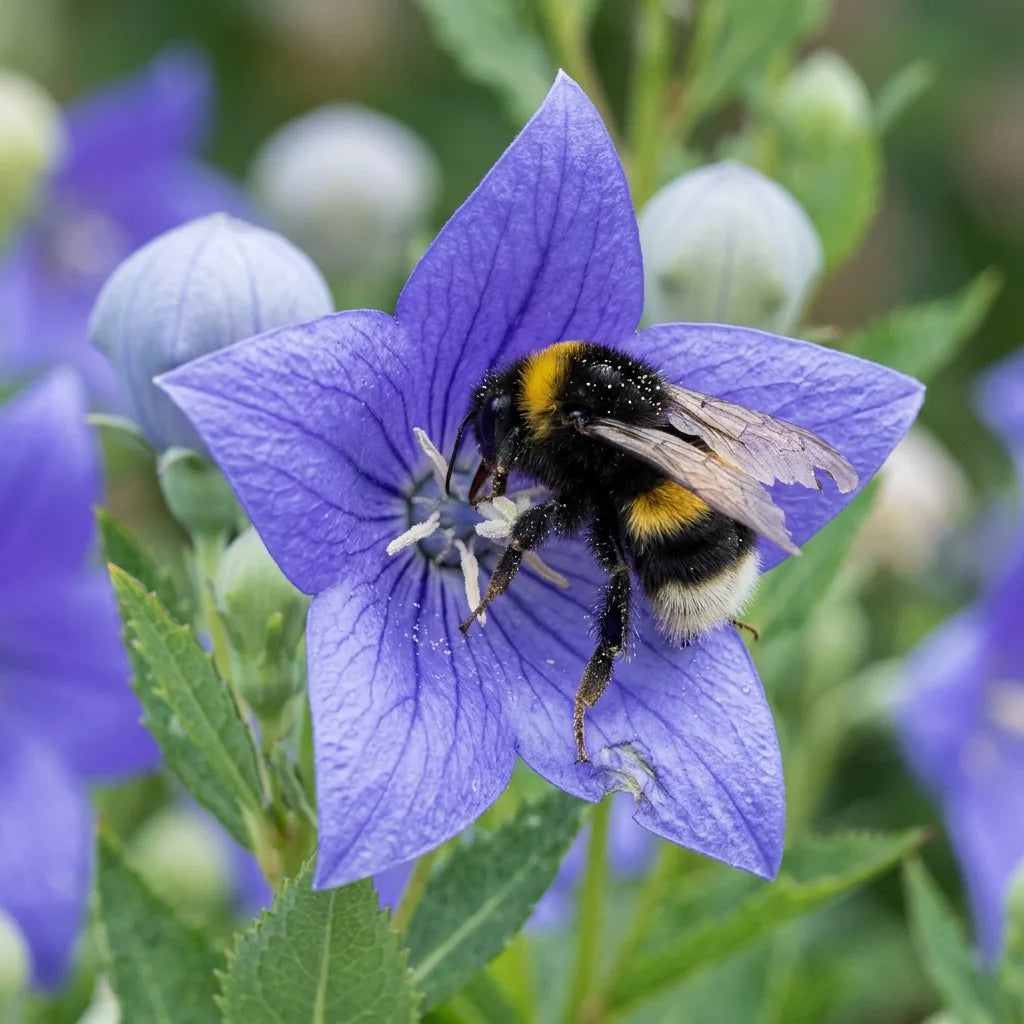
- Açık geniş taç yaprakları, uzun süren yaz dönemi boyunca arılar ve yaban arıları için kolayca erişilebilir polen sunar.
- Geç çiçeklenmesi, sezon sonunda bahçedeki kaynakları uzatır.
Kullanım:
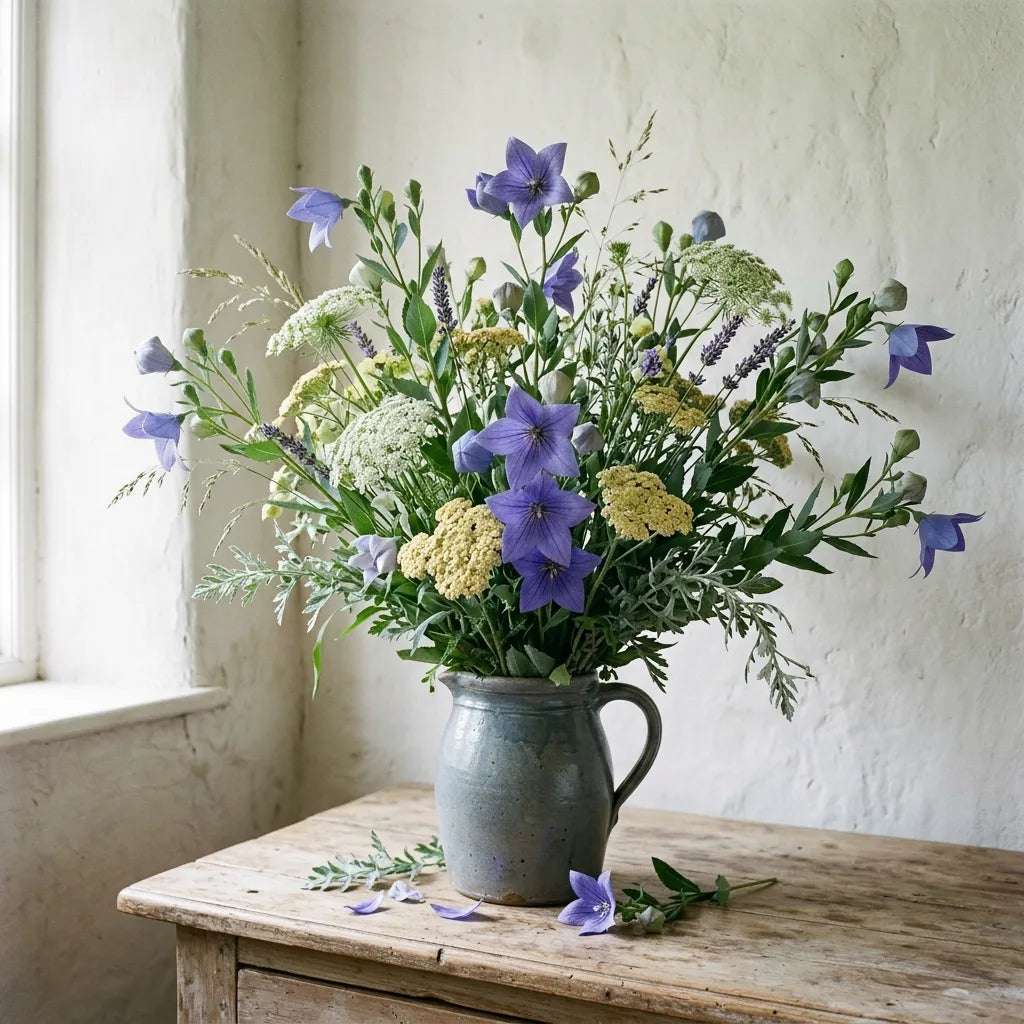
- Çok yıllık bitki bordürleri, kenarlar, kaya bahçeleri, saksılar ve çiçeklikler. Kesilen sapın ucunu dağlamak koşuluyla çiçekleri vazoda uzun süre dayanır.
- doraji adı verilen kökü, geleneksel bir Kore sebzesidir ve bitki Doğu Asya'da yüzyıllardır kullanılmaktadır. Ekilecek şifalı bitkilerimizi görün.
Kendi tohumlarınızı hasat edin:
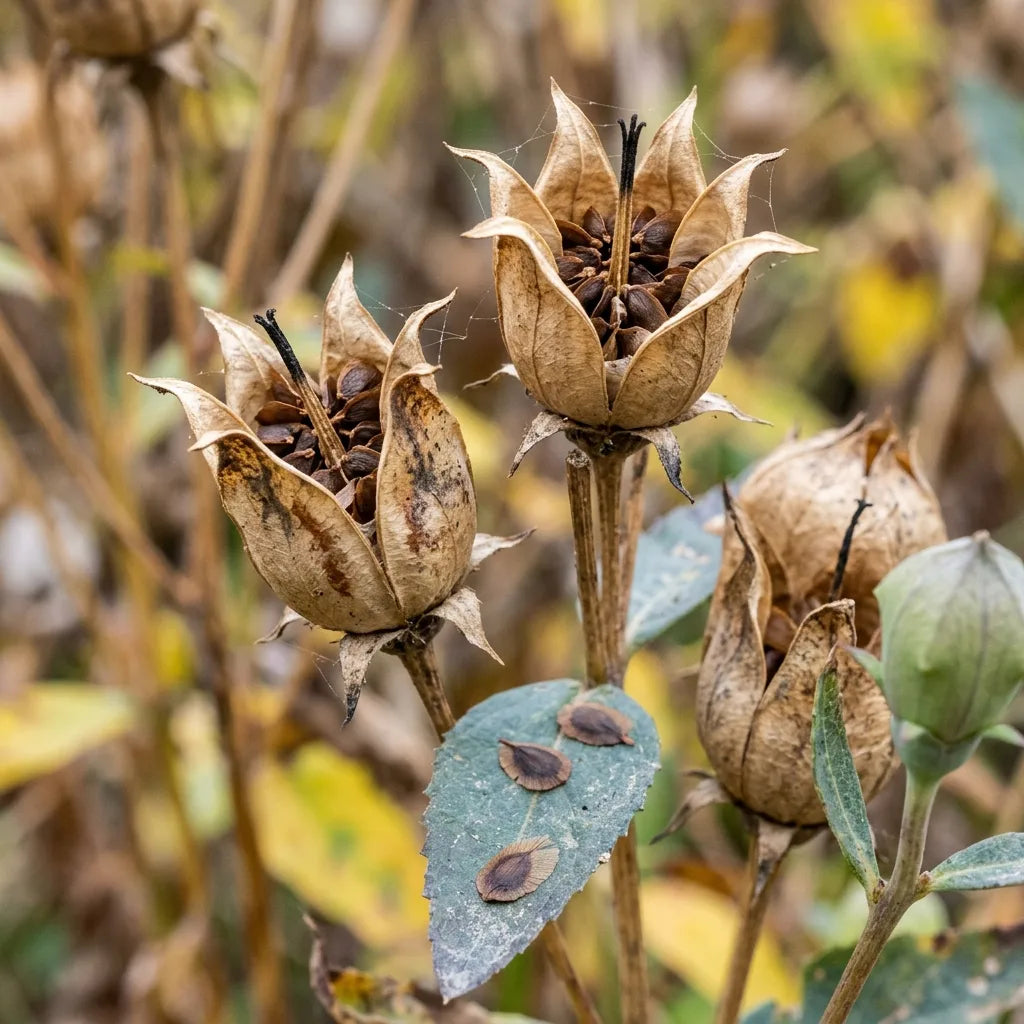
Birkaç çiçeğin dik duran kapsüller oluşturmasına izin verin, ardından kapsüller kahverengileşip kuruduğunda, tepelerinde açılmadan önce toplayın. Bir kabın üzerinde ters çevirin. Tohumlarınızı nasıl saklayacağınızı görün.
Kalite Taahhüdümüz: SemiSauvage - Permaculture'da tohumlarımızı canlıya saygıyı temel alarak yetiştiriyor ve seçiyoruz. Auvergne Yanardağları'nın yakınında faaliyet gösteriyor, yeniden üretilebilen ve hibrit olmayan; çimlenme oranları test edilmiş, özenle ayıklanıp paketlenmiş ve hiçbir kimyasal işlem uygulanmamış çeşitleri seçiyoruz. İnancımız şu: Bahçıvanların, her yıl gerçekten kendilerine ait olan tohumları yeniden ekme kapasitesini geri kazanmalarını sağlamak.
Balon tomurcukların mavi yıldızlara dönüşme gösterisini kendinize armağan edin.