Aquilegia vulgaris
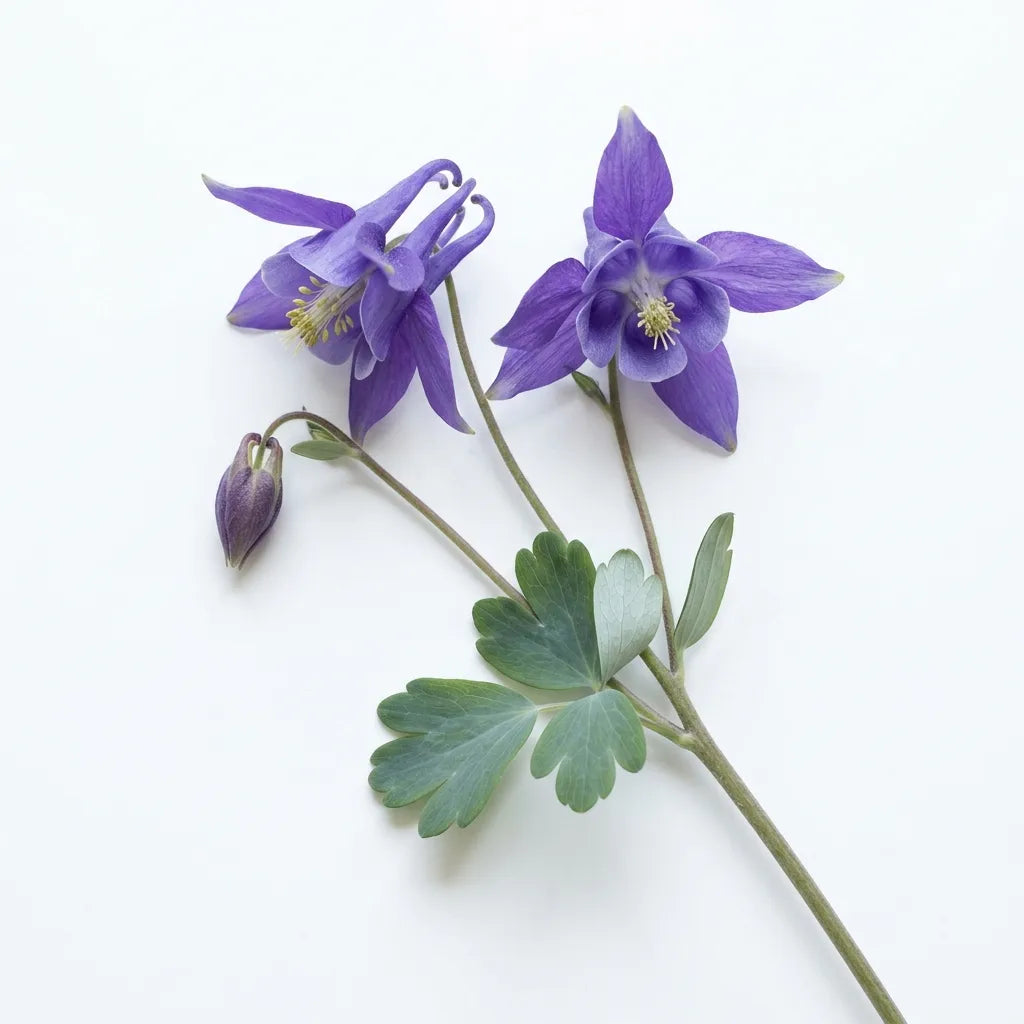
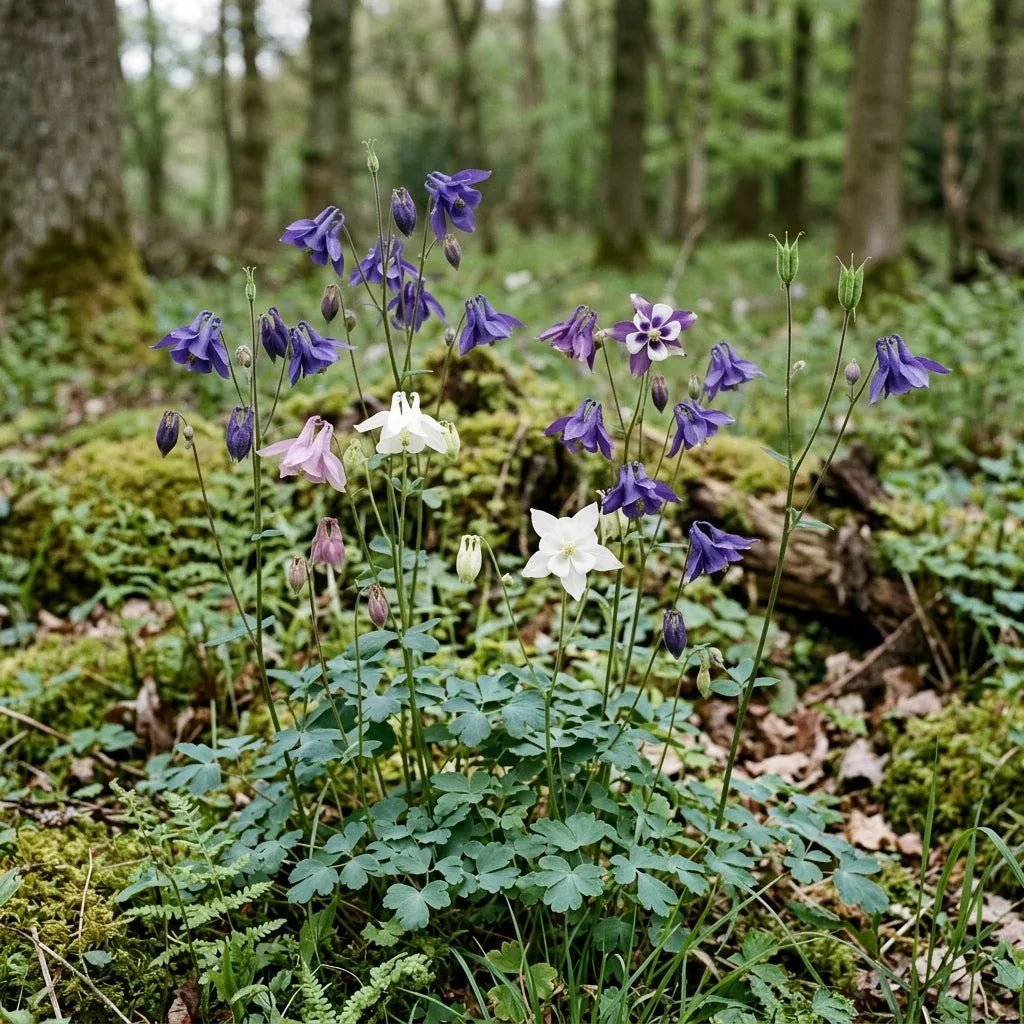
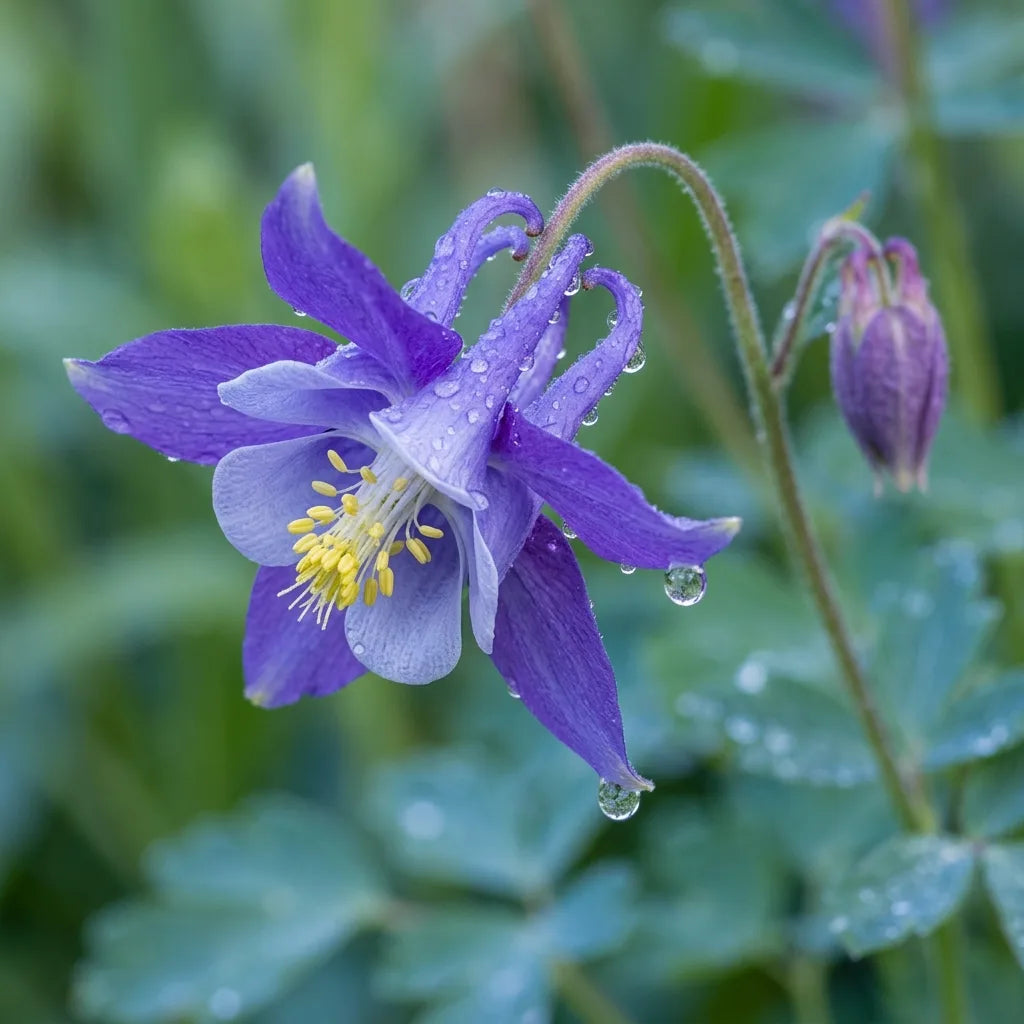
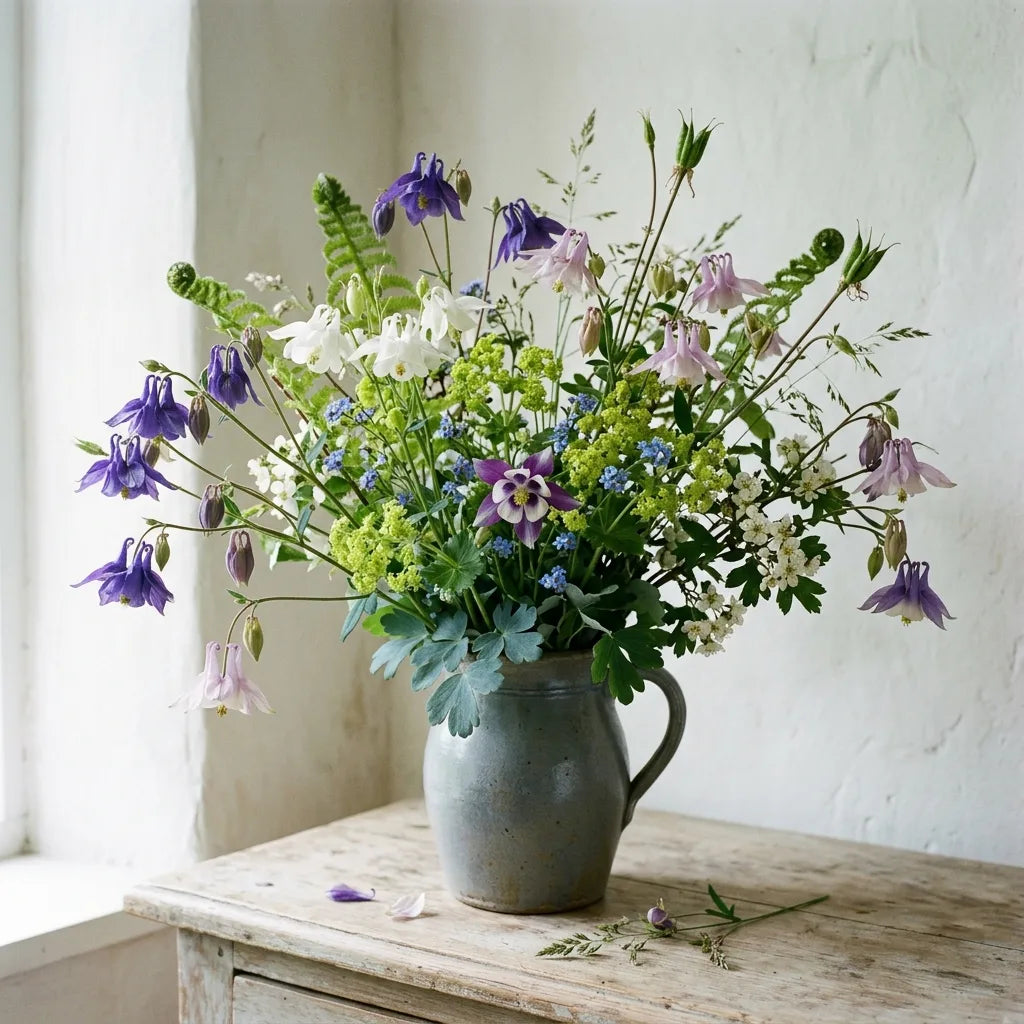
Bahçe hasekiküpesi, Meryem Ana'nın eldiveni, büyükanne şapkası, güvercin çiçeği: Bu son ad, güvercin anlamına gelen Latince columba sözcüğünden gelir — çiçeğin yandan görünüşündeki kıvrık beş mahmuz, birlikte su içen bir kuş halkasını andırır. Kendi kendine tohumlanan ve serbestçe melezlenen, her yıl yeni renkler sunan tam bir papaz bahçesi bitkisidir.
Özellikleri:
-
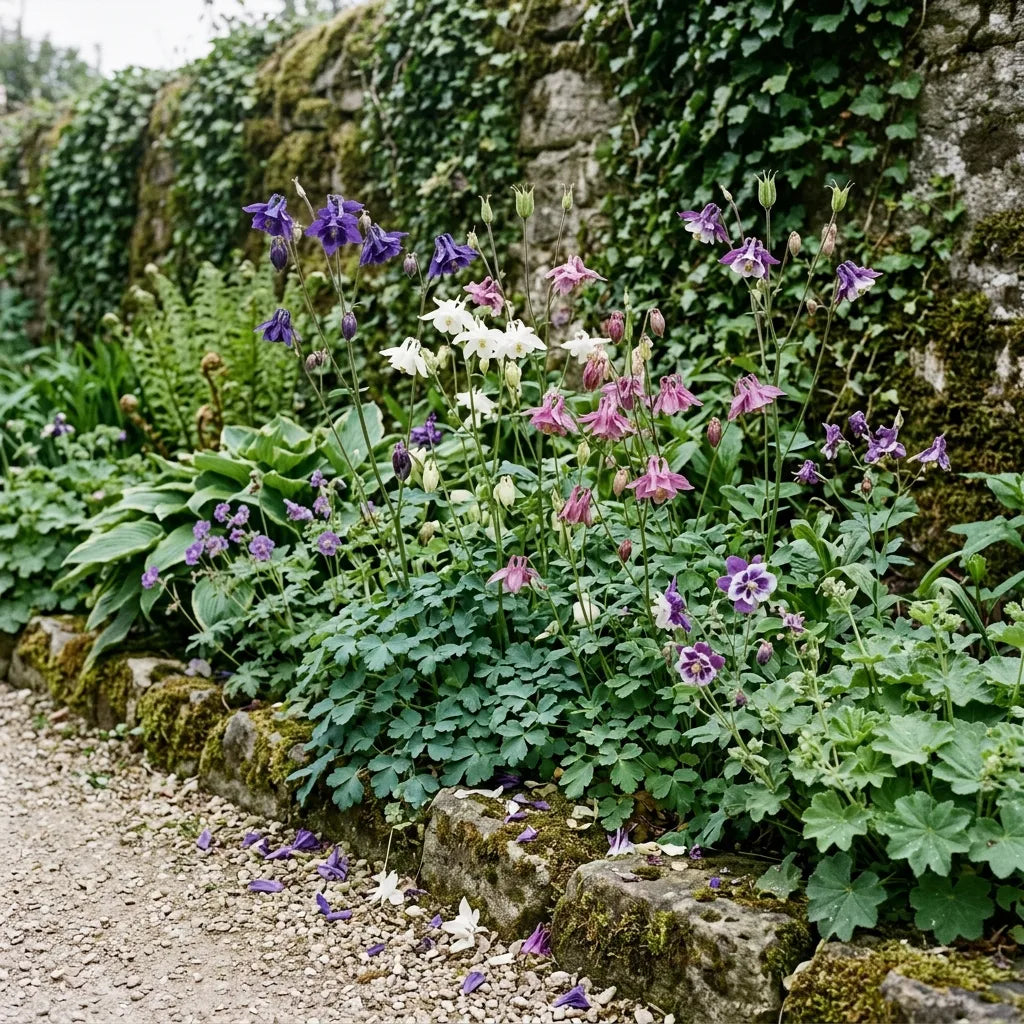
Mahmuzlu çiçekler: mayıs-haziran ayları arasında mavi, mor, leylak, pembe veya beyaz renkte, eşsiz bir görünüme sahiptir.
-
Geniş çeşitlilik: kendiliğinden melezlenir ve yıllar geçtikçe sürekli yenilenen renkler sunar.
-
Çok dayanıklı çok yıllık bitki: sert kışları koruma olmadan geçirir.
Önlemler:
- Bitkinin tüm kısımları, özellikle de tohumları, yutulduğunda zehirlidir. Tüketmeyin ve çocukların ve evcil hayvanların ulaşamayacağı yerde tutun.
Ekim önerileri:
-
Işık: tam güneş veya hafif gölge; sıcak bölgelerde yarı gölge daha uygundur.
-
Toprak: nemli, nispeten zengin ve özellikle iyi drene olan toprak. Humusça zengin, yazın asla kurumayan orman kenarı topraklarını sever; ancak kışın suyun birikmesinden hoşlanmaz. Kompost ilavesinden fayda görür.
-
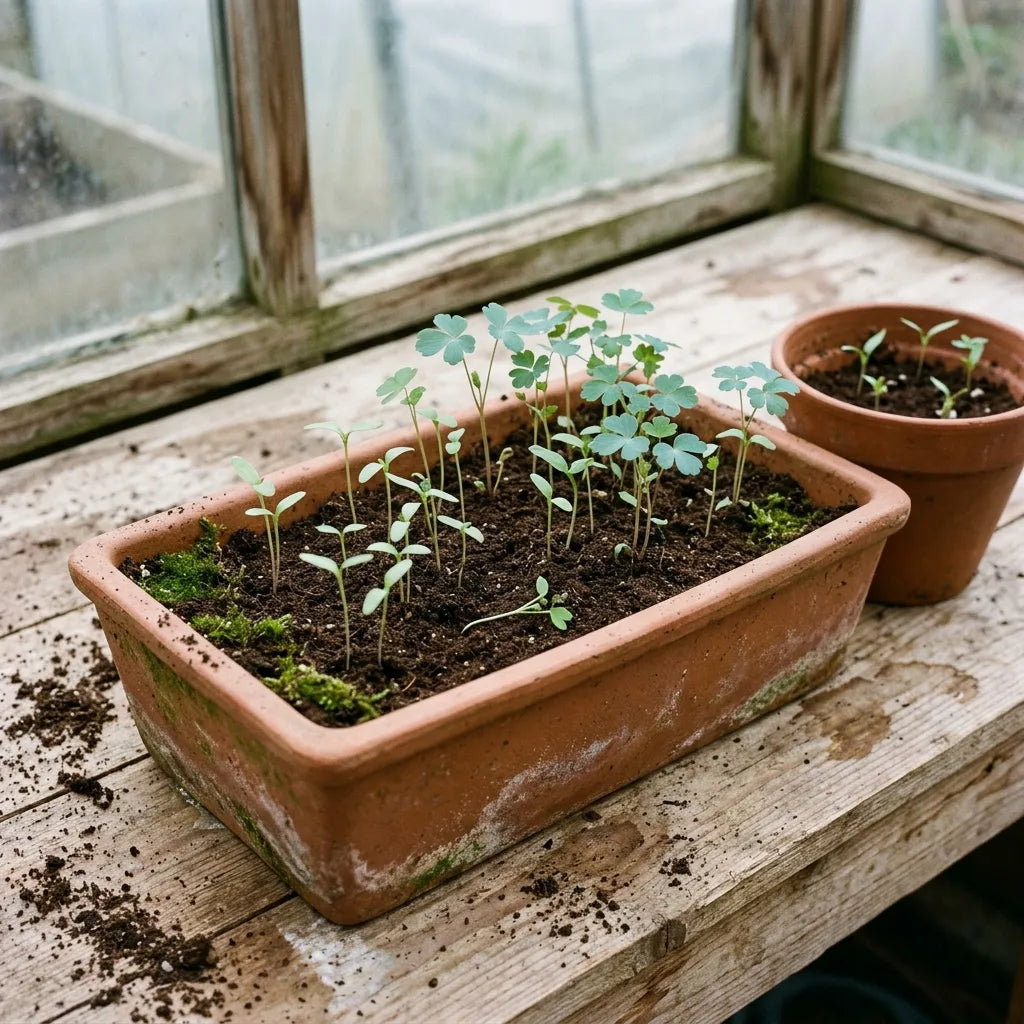
Yöntem: soğuk katlama çimlenmeyi belirgin biçimde iyileştirir. Ardından ilkbaharda, tohumların ışığa ihtiyaç duyması nedeniyle yüzeye veya üzeri yalnızca hafifçe örtülecek şekilde ekin. Sabırlı olun: çiçeklenme genellikle ikinci yılda gerçekleşir.
Dikim önerileri:
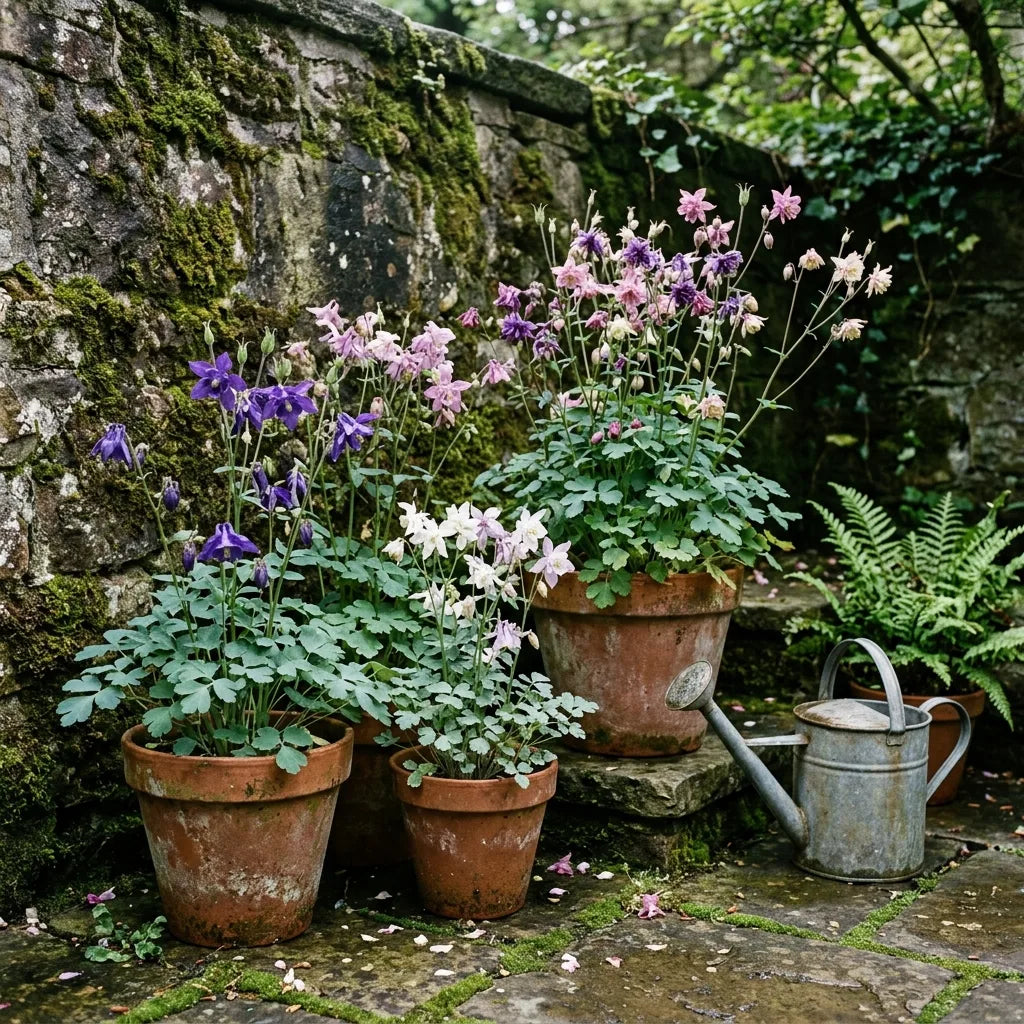
- Genç fideleri çiçek tarhına, kaya bahçesine, bordüre veya balkon saksısına, aralarında 30 cm mesafe bırakarak şaşırtın: kazık kökü geç yapılan dikimden olumsuz etkilenir.
Bakım önerileri:
- Düzenli fakat ölçülü sulayın; toprağı suya boğmadan nemli tutun.
- Yeni yapraklar elde etmek için çiçeklenme sonrasında budayın veya kendiliğinden tohumlanması için birkaç çiçek sapının tohuma kalkmasına izin verin.
Yararlı eşlikçiler:
- Yarı gölgeyi seven diğer çok yıllık bitkilerle, örneğin papalık parası ve unutma beni ile iyi uyum sağlar; bu bitkilerle ilkbahar çiçeklenmesini ve serinlik ihtiyacını paylaşır.
Biyoçeşitlilik açısından önemi:
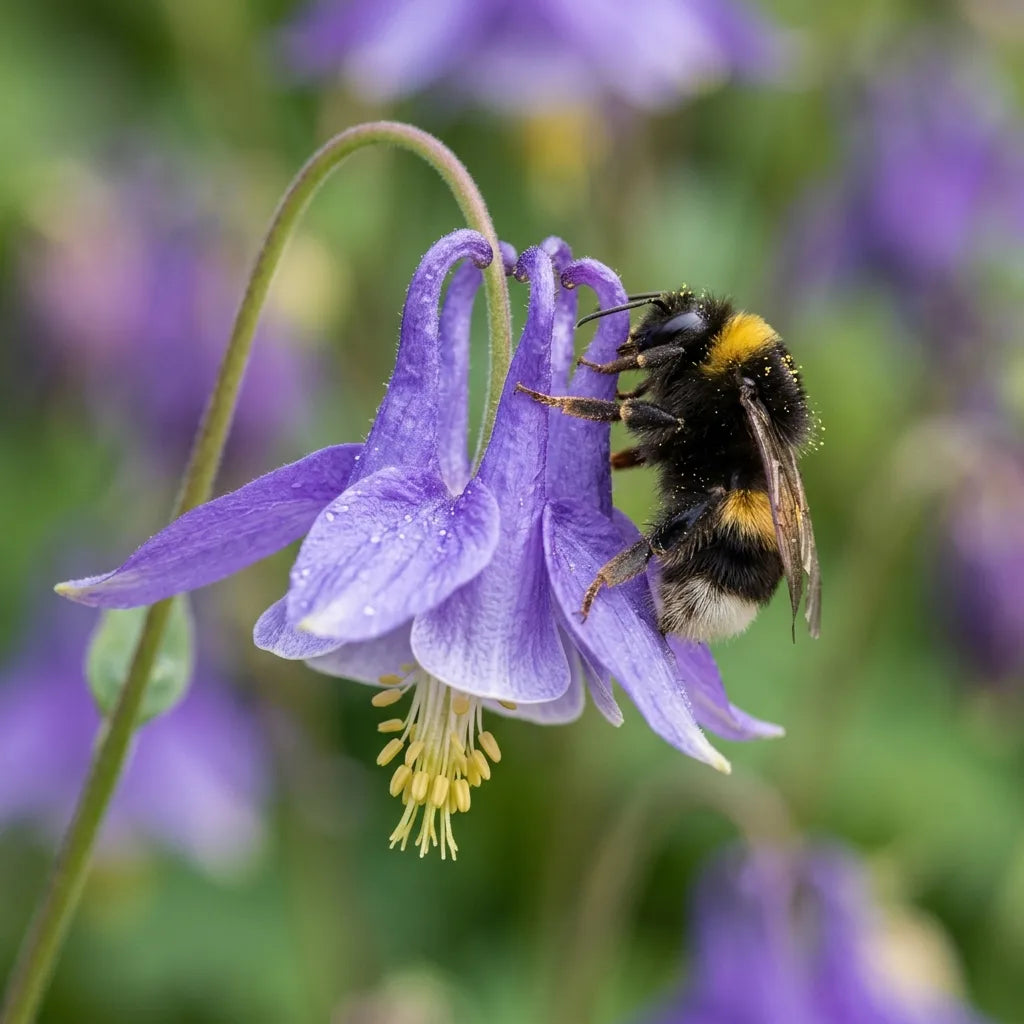
- Uzun nektarlı mahmuzları, uzun dilli böceklere uygundur: en sık ziyaret edenler bombus arılarıdır. Bazıları, mahmuzu kısa bulduğu için nektarı çalmak üzere tabanından deler — bahçede gözlemlenebilen bir davranıştır.
- İlkbahardaki çiçeklenmesi, besin kaynaklarının hâlâ sınırlı olduğu bir döneme denk gelir.
Kullanımı:
- Yalnızca süs amaçlıdır: çiçek tarhları, kaya bahçeleri, bordürler, balkon saksıları ve kır bahçeleri. Çiçekleri buketlerde uzun süre dayanır.
Sembolizmi:
Orta Çağ bahçelerinin çiçeği olan hasekiküpesi, çok sayıda duvar halısı ve tezhipli el yazmasında görülür. Güvercin biçimindeki beş mahmuzu, ona zengin bir manevi sembolizm kazandırmıştır.
Kendi tohumlarınızı toplamak:
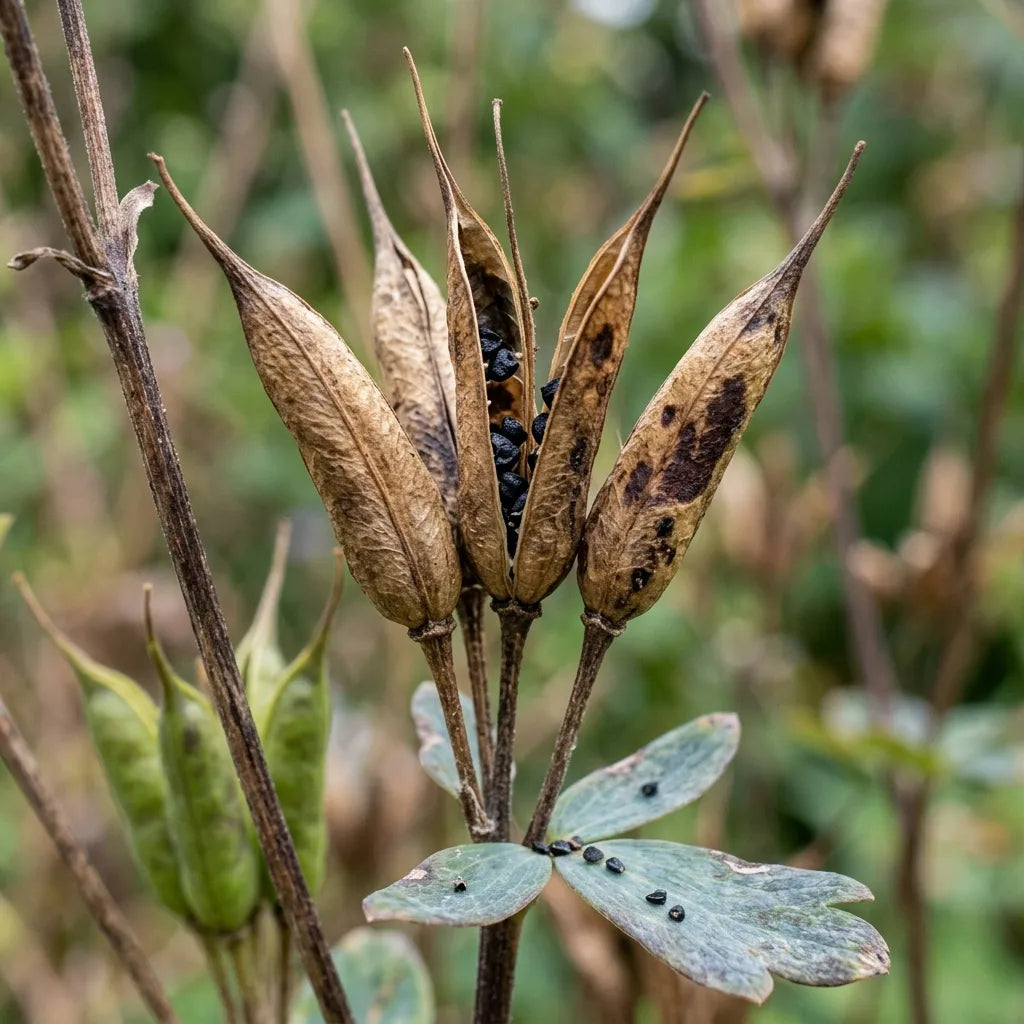
Birkaç çiçeğin dik duran meyve kapsüllerini oluşturmasına izin verin; ardından kapsüller kahverengileşir kahverengileşmez ve tepe kısmından açılmadan önce toplayın. Dikkat: hasekiküpeleri kendi aralarında çok kolay melezlenir; bu nedenle ekimleriniz sürpriz renkler verecektir, bu da onların tüm cazibesinin bir parçasıdır. Tohumlarınızı saklama bölümüne bakın.
Kalite Taahhüdü: SemiSauvage - Permaculture olarak tohumlarımızı, canlılara saygıyı temel ilke edinerek yetiştiriyor ve seçiyoruz. Auvergne Volkanları yakınında kurulu işletmemizde, yeniden üretilebilen ve hibrit olmayan, çimlenme oranları test edilmiş, özenle ayıklanıp paketlenmiş ve hiçbir kimyasal işlem uygulanmamış çeşitleri seçiyoruz. İnancımız şu: Bahçıvanlara, her yıl gerçekten kendilerine ait olan tohumları yeniden ekme becerisini kazandırmak.
Bu bahçe hasekiküpesi tohumlarıyla bahçenize eski zamanların büyüsünden bir dokunuş katın.