Humulus lupulus
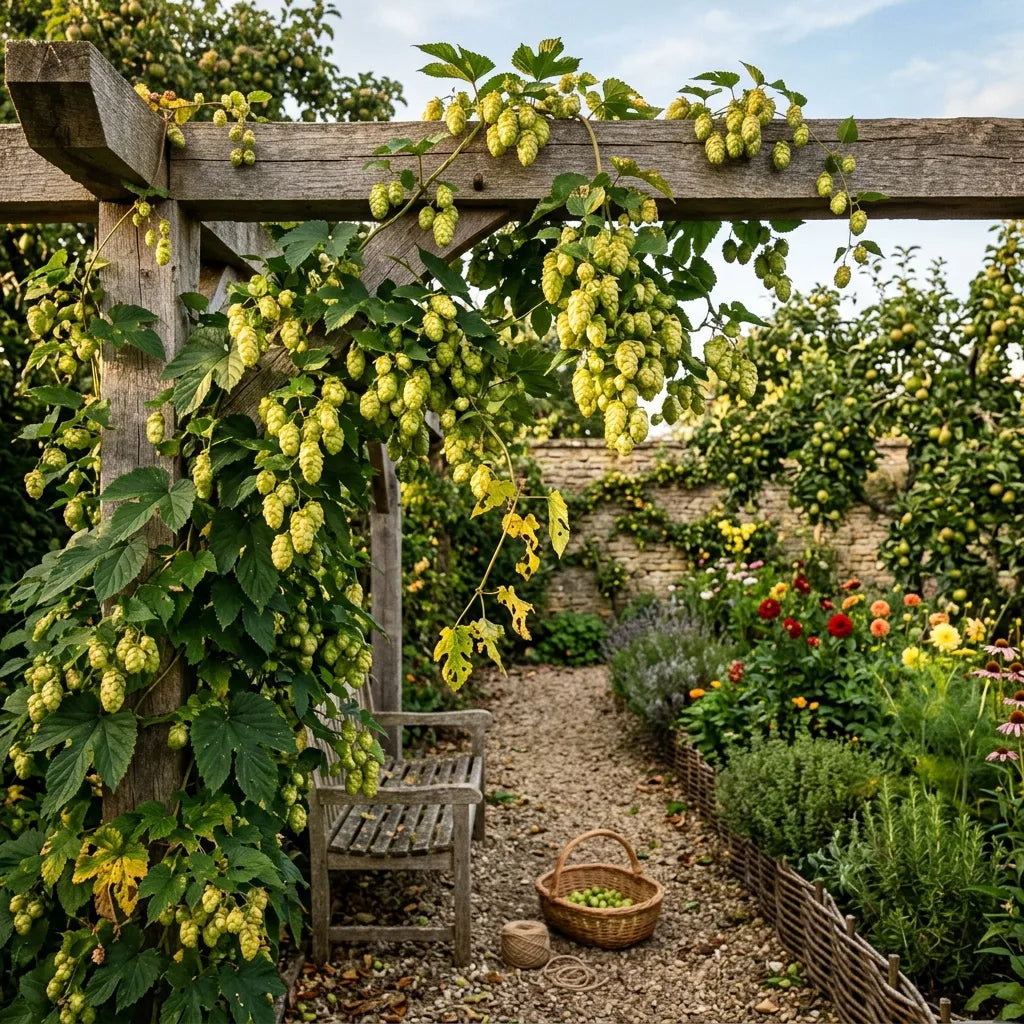
Kuzey asması, yılan otu, şeytan ağacı: şerbetçiotu, kullanım alanları kadar çok takma ad da kazanmıştır. Bu çok yıllık sarmaşık, tek bir mevsimde 6 metreden fazla tırmanabilir; ılıman bitkiler âlemindeki en göz alıcı büyümelerden biridir — bir pergolayı birkaç hafta içinde kaplamaya yeter, üstelik birayı düşünmeye başlamadan önce.
Özellikler:
-
Güçlü tırmanıcı: kıvrılarak uzayan gövdeleri desteklerine kendiliğinden sarılır ve ilkbaharda olağanüstü hızlı büyür.
-
Kalıcı köklü çok yıllık: toprak üstü kısmı kışın kurur, ancak kök gövdesi her ilkbaharda onlarca yıl boyunca yeniden ve daha güçlü sürer.
-
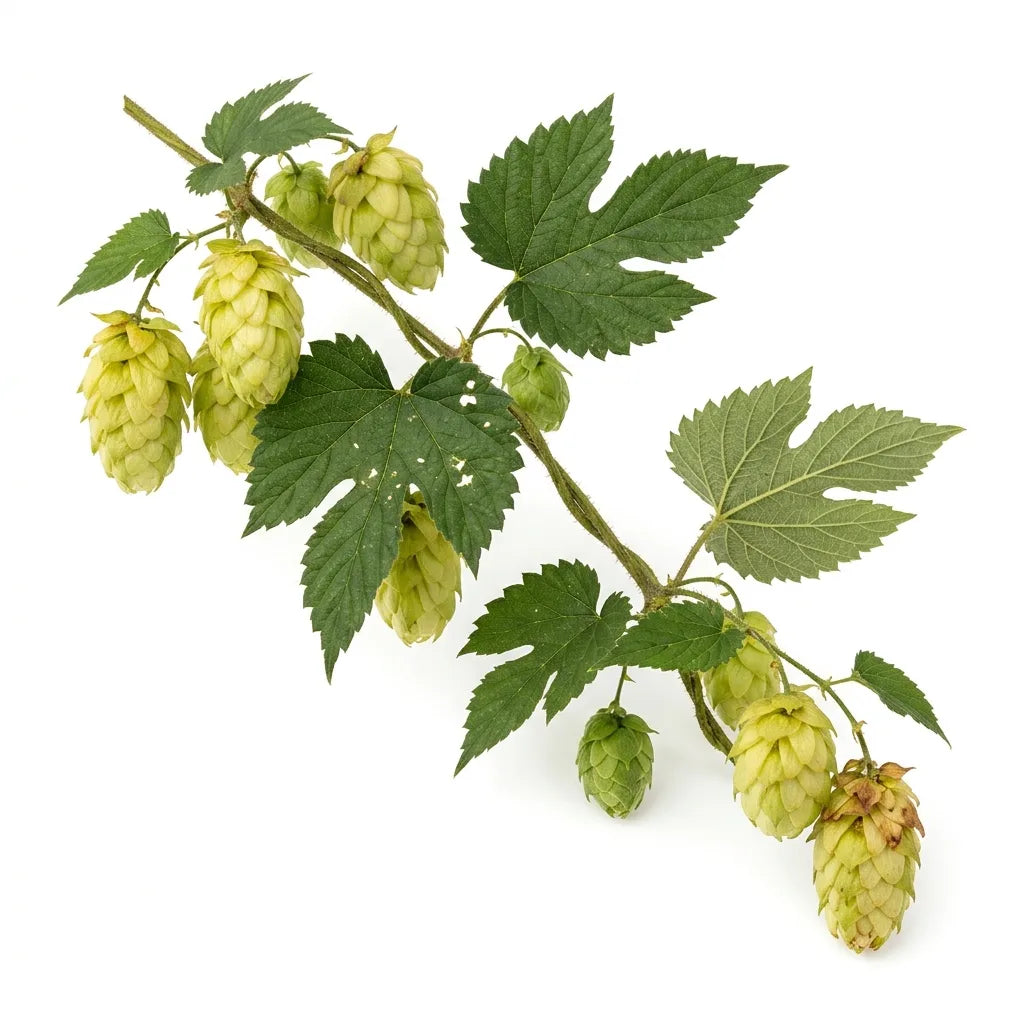
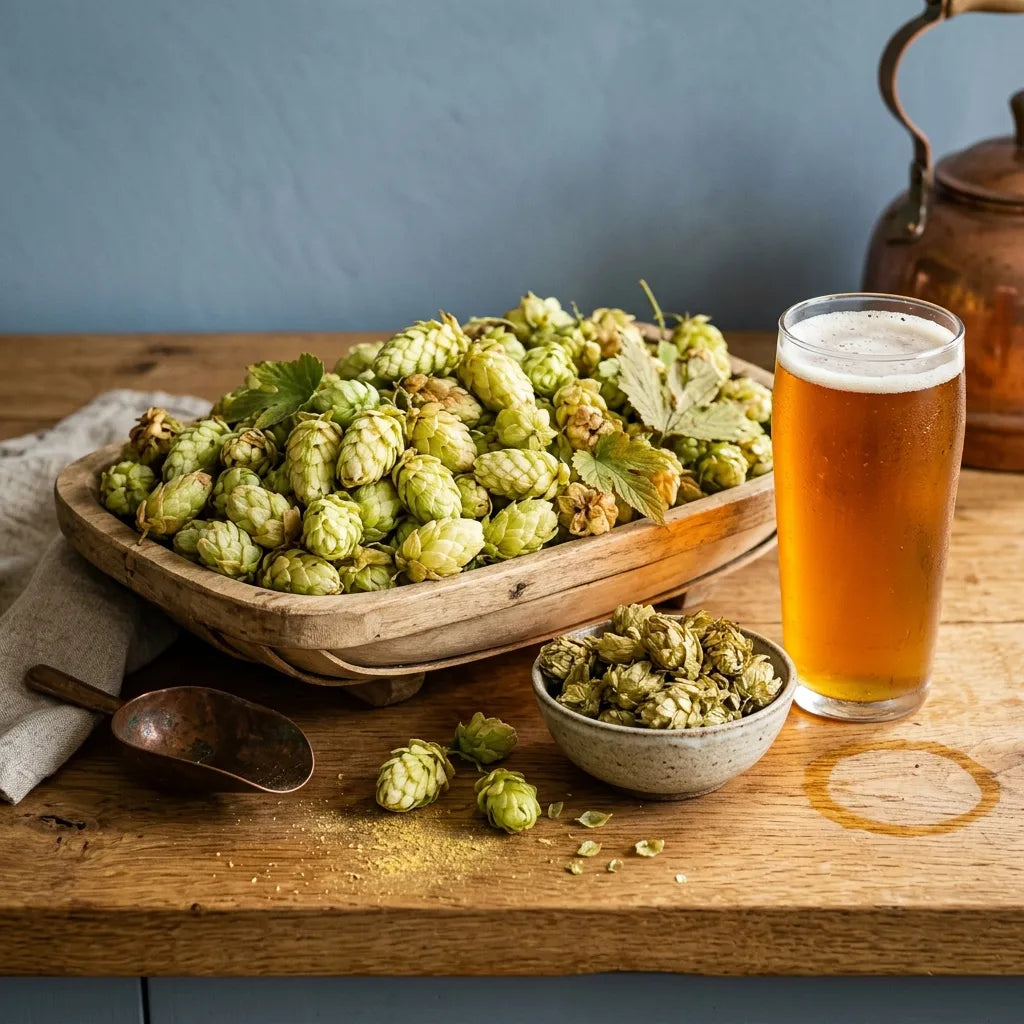
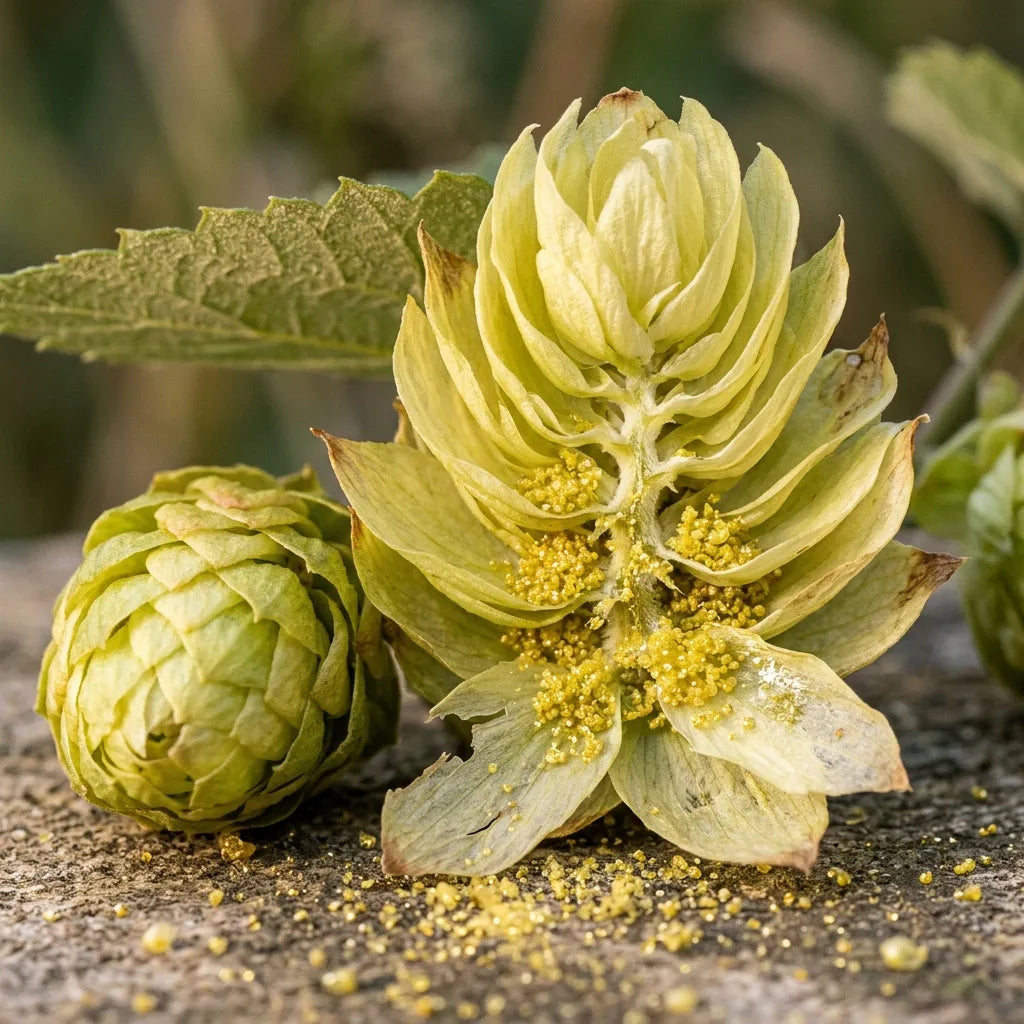
Kokulu kozalaklar: yaz aylarında yalnızca dişi bitkiler bira üretiminde kullanılan kokulu kozalakları oluşturur.
Ekim önerileri:
-
Konum: güneşli ile yarı gölge arası; tıpkı akasma gibi kökü gölgede, üst kısmı güneşte olmalıdır.
-
Toprak: zengin, derin, nemli ve iyi drene olan toprak. Bu bitki besin ve suya düşkündür: dikimde kompost eklemek ve toprağın tamamen kurumamasını sağlamak belirleyicidir. Çok fakir veya aşırı sıcak toprakları iyi tolere etmez.
-
Yöntem: tohumların dormansisini kırmak için 1 ila 2 aylık soğuk katlama gerekir. Ardından korunaklı bir yerde viyollere ekin ve sonraki ilkbaharda şaşırtın.
Dikim önerileri:
- Sağlam ve yüksek bir desteğin (pergola, gerilmiş tel, kafes) dibine dikin: kozalaklarla ağırlaşan gövdeler sezon sonunda oldukça ağır olur.
- Tohumdan yetiştirmenin rastgele erkek veya dişi bitkiler verdiğini unutmayın: kozalakları yalnızca dişi bitkiler üretir.
Bakım önerileri:
- Yazın düzenli sulayın ve kalın malç serin. Kuru gövdeleri kış sonunda toprak seviyesinden kesin: kök gövdesi kendiliğinden yeniden sürer.
Hasat önerileri:
- Kozalakları yaz sonunda, kâğıtsı bir dokuya bürünüp dokununca hafifçe yapışkan hâle geldiklerinde toplayın; ardından gölgede hızla kurutun.
Biyoçeşitlilik açısından değeri:
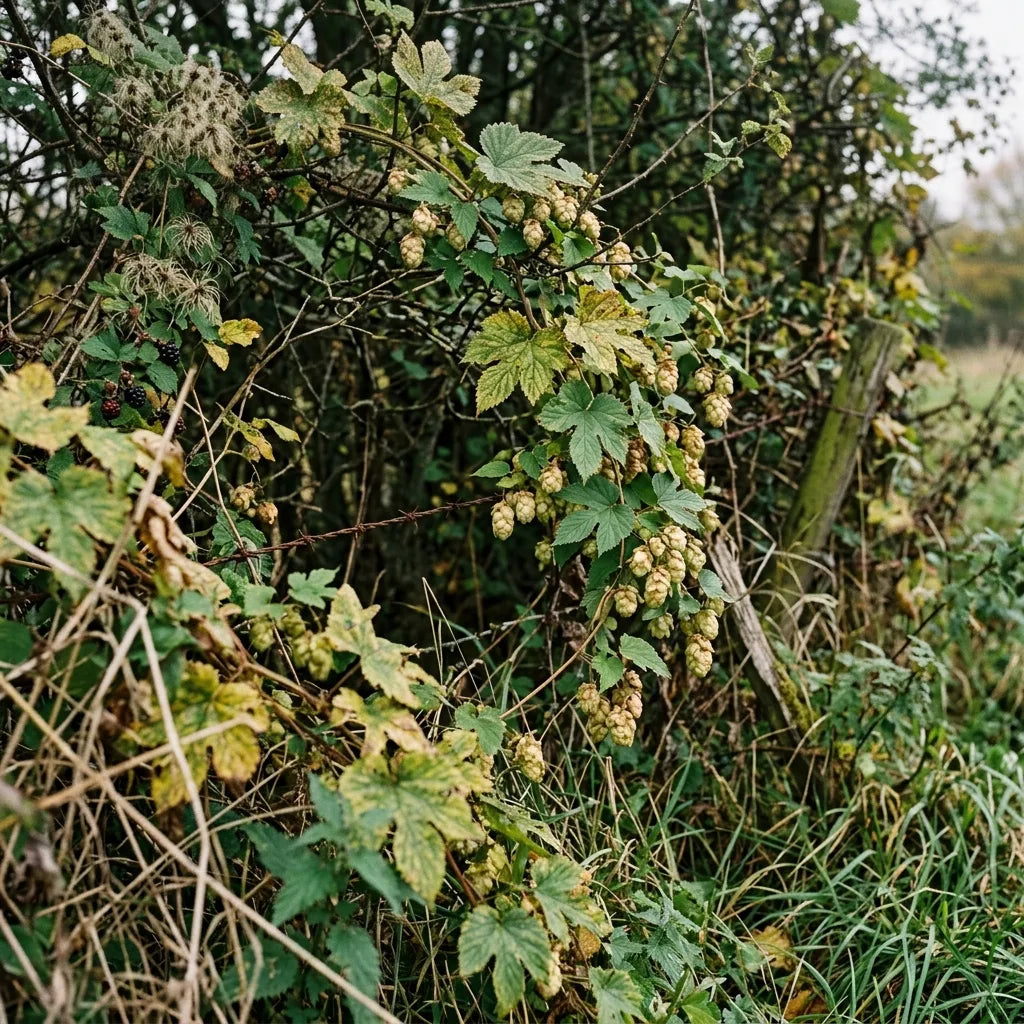
- Yoğun yaprakları kuşlara barınak ve yuvalama alanı, pek çok böceğe de sığınak sağlar.
- Robert-le-diable ve Vulcain kelebekleri de dâhil olmak üzere, yumurtlamak için gelen birçok kelebek tırtılına konaklık eder.
Kullanım:
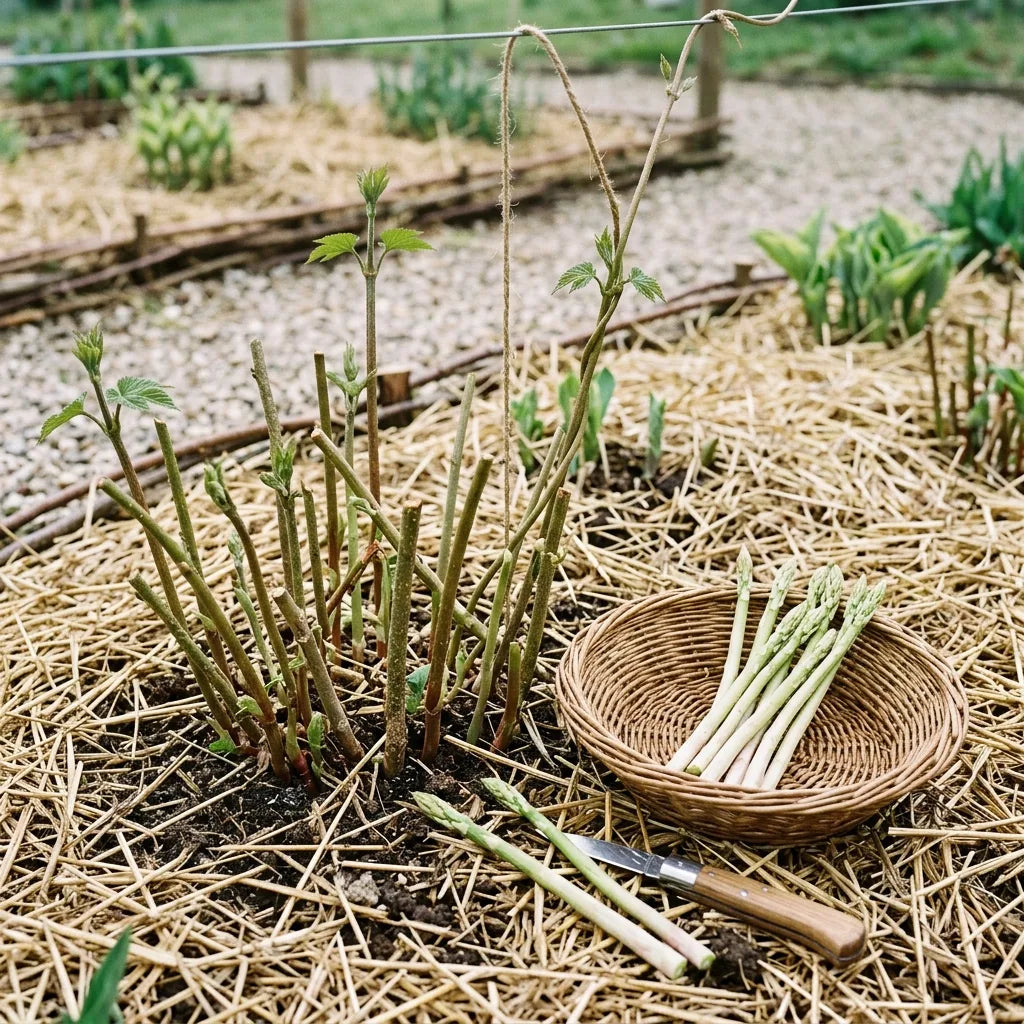
- Bira üretiminde kozalaklar, biranın karakteristik acılığını ve aromalarını sağlar. Şerbetçiotu filizi olarak adlandırılan genç ilkbahar sürgünleri de kuşkonmaz gibi tüketilebilir.
Kendi tohumlarınızı hasat edin:
Birkaç kozalağın bitki üzerinde tamamen olgunlaşıp kahverengileşmesini bekleyin, ardından küçük yuvarlak tohumları serbest bırakmak için kozalakları ufalayın. Unutmayın: tohumla çoğaltma, bira üreticilerinin çeşitlerini genellikle rizom çelikleriyle çoğalttığı yöntemden farklı olarak, çeşitli özelliklerde bitkiler verir. Bkz. tohumlarınızı saklayın.
Kalite Taahhüdü: SemiSauvage - Permaculture olarak tohumlarımızı, canlılara saygıyı temel alarak yetiştiriyor ve seçiyoruz. Auvergne Volkanları yakınlarında faaliyet gösteriyor; çoğaltılabilir ve hibrit olmayan çeşitleri tercih ediyor, çimlenme oranlarını test ediyor, tohumları hiçbir kimyasal işlem uygulamadan özenle ayıklayıp paketliyoruz. İnancımız şu: bahçıvanlara, her yıl kendilerine gerçekten ait tohumları yeniden ekme becerisini geri kazandırmak.
Bu tırmanıcı şerbetçiotu tohumlarıyla bahçenize doğallık ve özgünlük katın.