Alcea rosea var. nigra
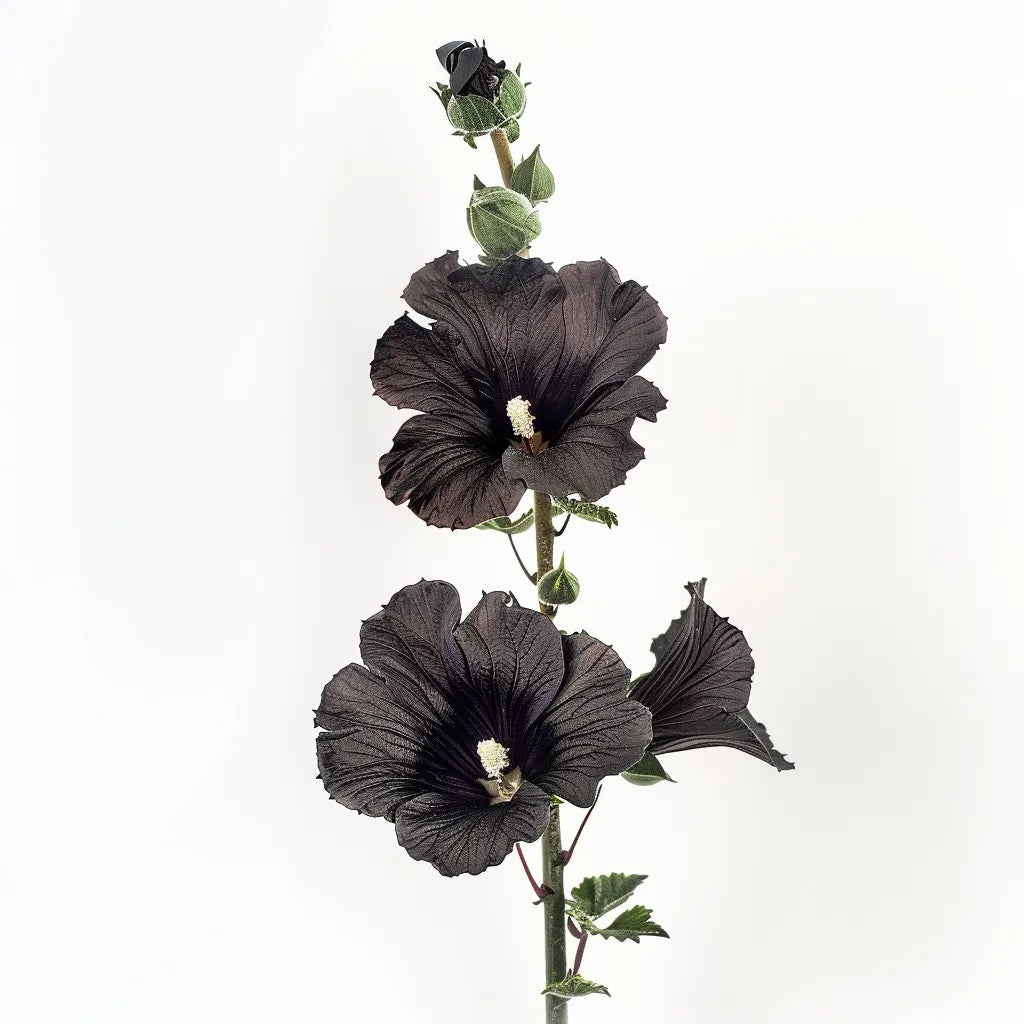
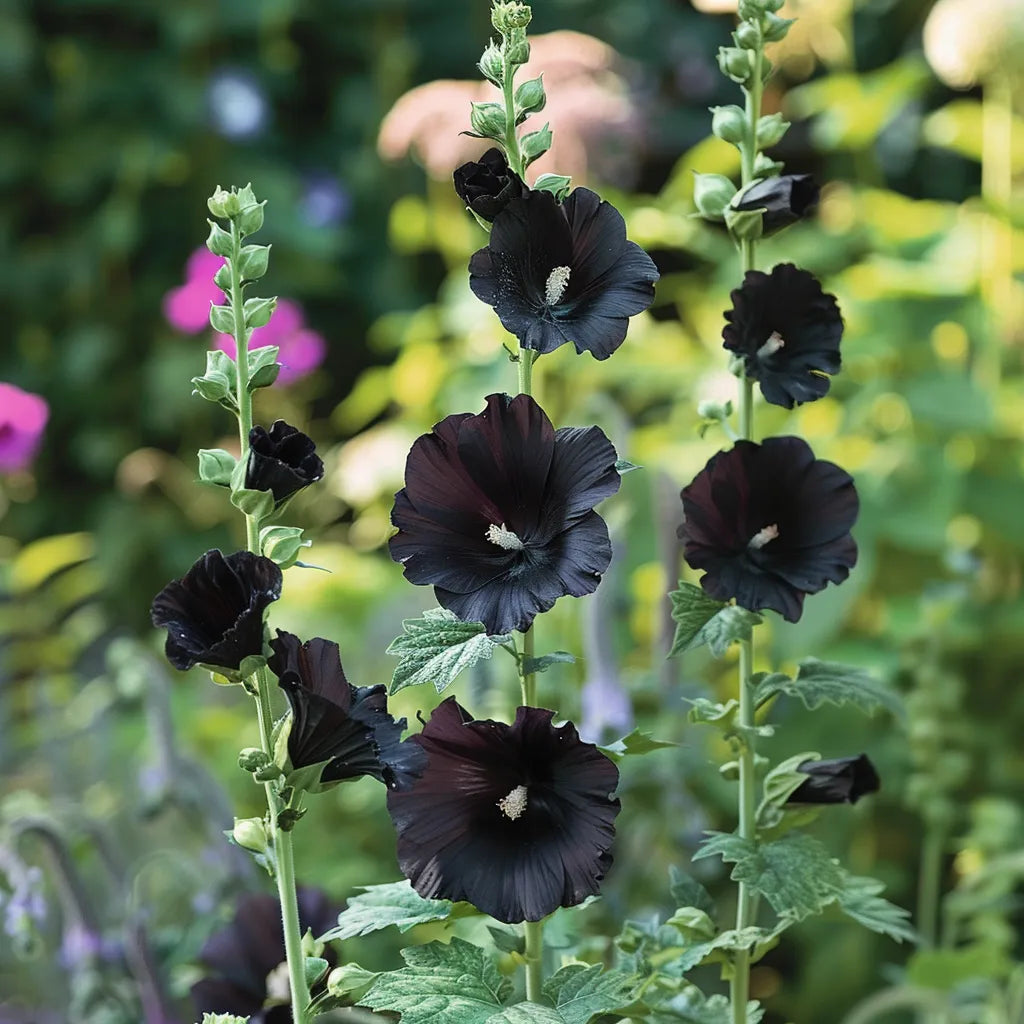
Black hollyhock, fig-leaf hollyhock, black mallow: this spectacular variety is not actually black, but such a deep purple that it appears unfathomable, especially when backlit. Cultivated since the 17th century, it was then a collector’s curiosity; today, it is one of the most sought-after flowers for creating so-called “gothic” gardens.
Characteristics:
-
Rare color: large single or double flowers measuring 5 to 10 cm, with a velvety purple-black color found nowhere else in the garden.
-
Majestic silhouette: upright, hairy stems often exceeding 2 meters, covered with rough leaves.
-
Very hardy: it survives winter without protection in most regions.
Sowing advice:
-
Position: sunny, ideally planted against a light-colored wall that will highlight the flowers’ dark purple color and protect them from the wind.
-
Soil: ordinary, deep, and well drained. It tolerates lime and poor soils, but dislikes stagnant moisture in winter, which causes the crown to rot.
-
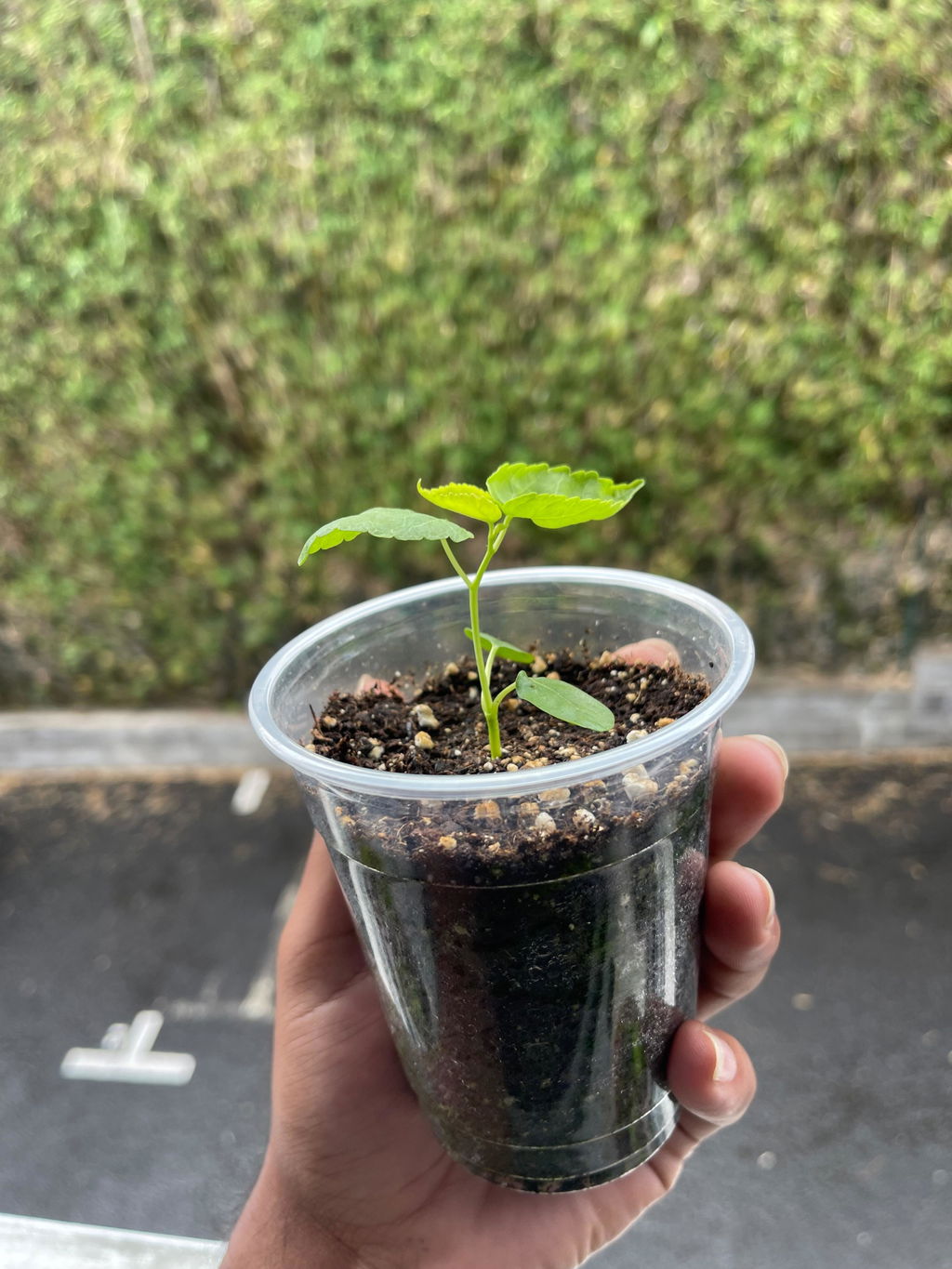
Method: the seeds require cold stratification. Then sow directly outdoors in spring, as its long taproot does not tolerate transplanting well.
Care advice:
- Stake the tallest stems in windy locations. Water during dry periods, without excess.
- Cut back after flowering, or leave a few flower spikes to go to seed for natural reseeding.
Beneficial combinations:
- Its deep purple creates a striking contrast with the classic hollyhock in light shades, or with white and silver flowers.
Benefits for biodiversity:
- Its flowers, especially in their single form, are rich in pollen and heavily visited by bees and bumblebees throughout the summer.
- Like all mallows, it is a host plant for certain butterfly caterpillars, notably the painted lady. See combining flowers with the vegetable garden.
Uses:
- The flowers are edible, raw in salads or dried to flavor an infusion—the dark petals add an attractive color to the liquid. See our edible flowers.
- Traditionally used as a natural dye for fabrics and preparations.
Harvesting your own seeds:
Leave the small wheel-shaped seed capsules to dry on the stem, then remove the seeds by hand. Warning: hollyhocks cross easily with one another, so isolate this plant from light-colored varieties if you want to preserve the pure black color. See saving your seeds.
Commitment to Quality: at SemiSauvage - Permaculture, we grow and select our seeds with respect for all living things as our guiding principle. Based near the Auvergne Volcanoes, we choose reproducible, non-hybrid varieties, test them for germination rates, and carefully sort and package them without any chemical treatment. Our belief: to give gardeners back the ability to resow, year after year, seeds that truly belong to them.
A touch of mystery and rare elegance for your garden with these black hollyhock seeds.