Solanum lycopersicum
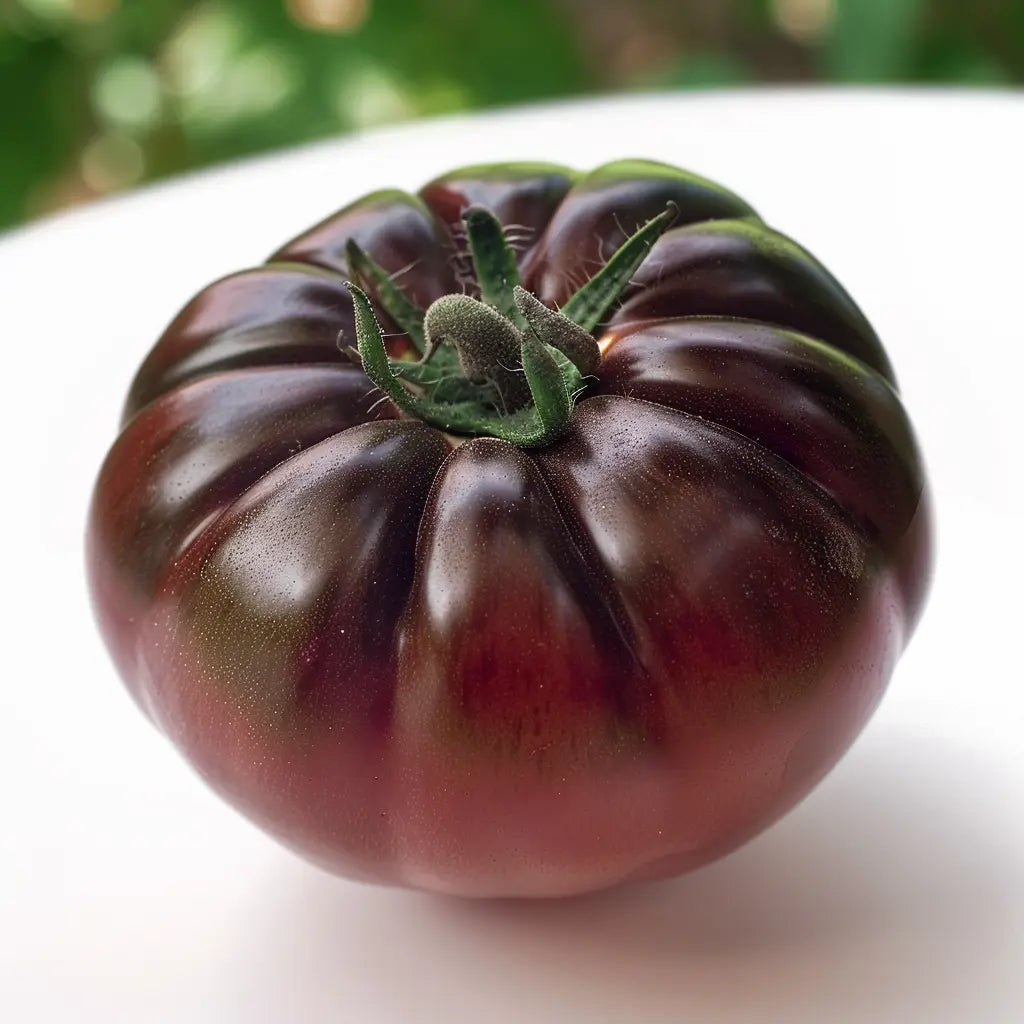
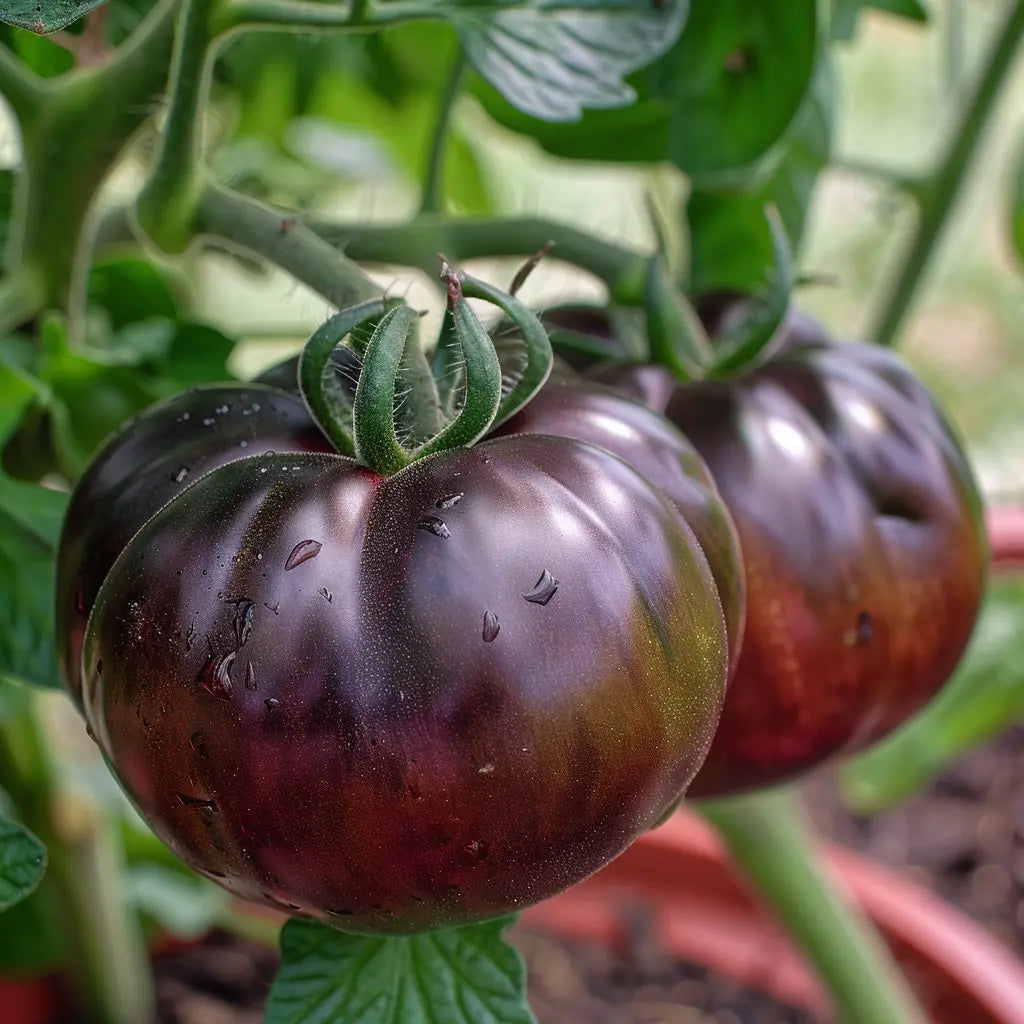
Black Krim tomato, Black Krim, Russian black tomato: originating from the shores of the Black Sea, this heirloom variety owes its dark color to a green pigment that persists in the flesh while the red develops. The result is purplish flesh that is almost black around the shoulders, with an unusually rich flavor that is slightly salty and very sweet.
Characteristics:
-
Unique color: purplish flesh turning black in a hot, sunny climate.
-
Exceptional flavor: very sweet and complex, often ranked among the best heirloom tomatoes.
-
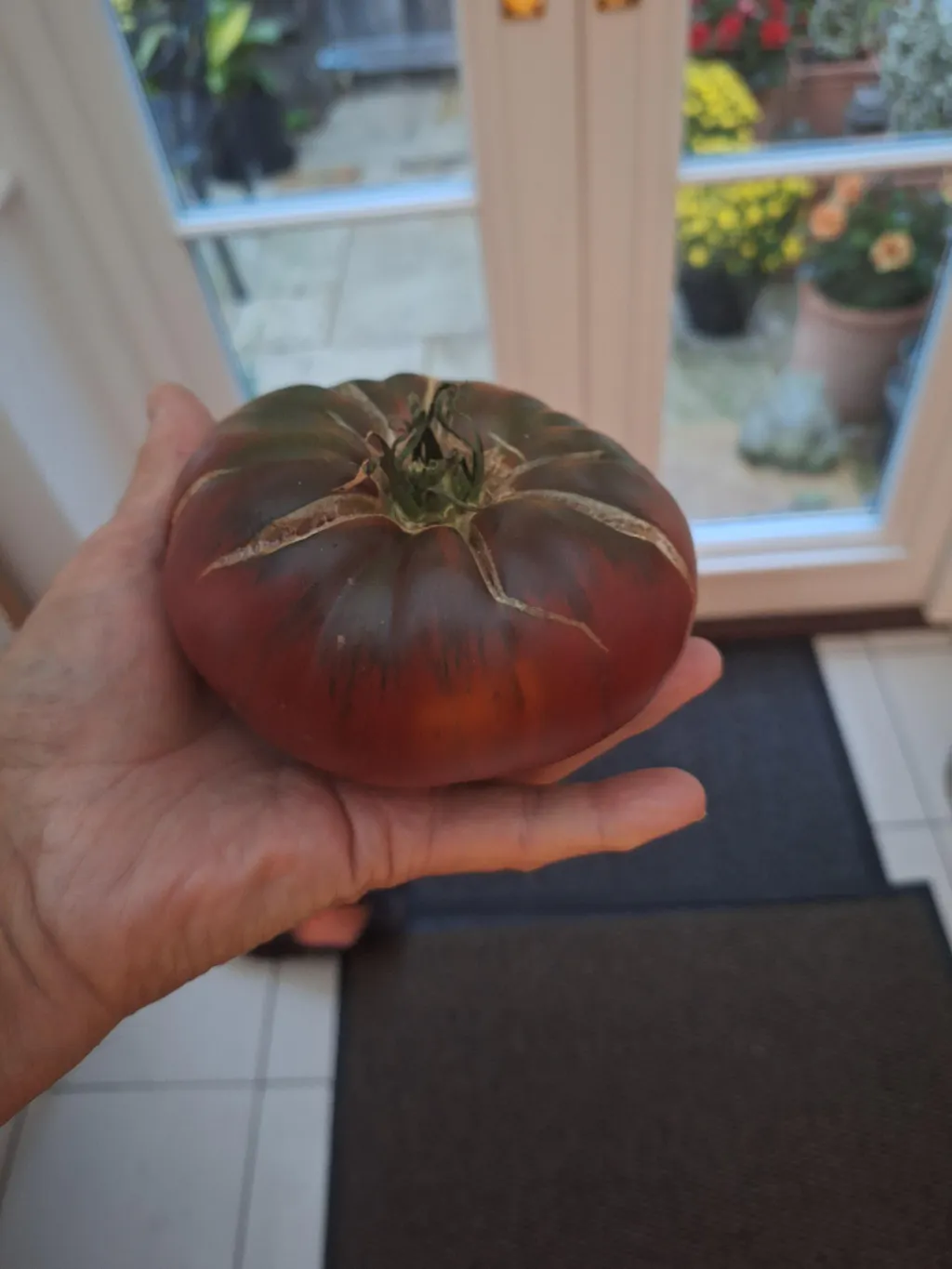
Large fruit: commonly 120 to 150 g, up to 500 g on the first fruits.
-
Reproducible heirloom variety: you can save and resow your own seeds year after year.
Sowing advice:
-
Exposure: full sun and warmth — this is what develops its characteristic dark color. In the shade, it remains reddish and loses its appeal.
-
Soil: deep, rich, loose, and well-drained. Tomatoes are heavy feeders: a generous addition of well-rotted compost genuinely benefits them.
-
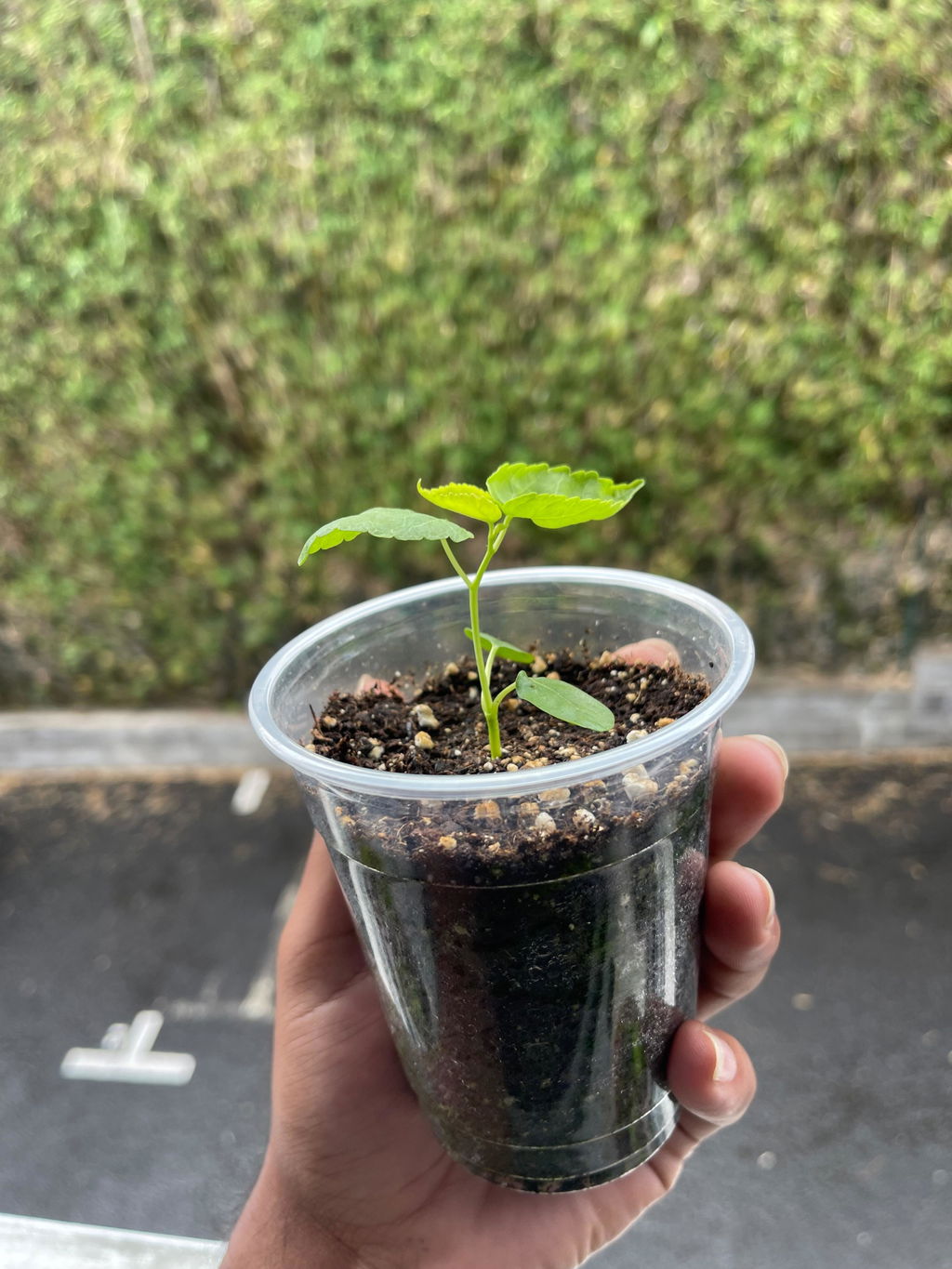
Method: sow from February to April under cover, at 20 °C minimum — below this temperature, the seeds will not germinate. Cover with 5 mm of soil and keep moist. Transplant into pots at the two-true-leaf stage. See how to sow seeds.
Planting advice:
- Transplant into the ground after the last frosts, spacing plants 60 to 80 cm apart.
-
The step that makes all the difference: bury the stem up to the first leaves, or even lay it slightly on its side. Tomatoes produce roots along the entire buried section, resulting in a much more vigorous and drought-resistant plant.
- Install the support at planting time so you do not damage the roots later.
Care advice:
-
Always water at the base, never over the foliage, preferably in the morning: water on the leaves provides an entry point for blight. Apply a thick mulch to prevent soil splashes.
- Water regularly and steadily: alternating drought and watering causes the fruits to split.
- Remove suckers — the shoots that emerge in the leaf axils — to direct the plant’s sap toward the fruits.
- Do not grow tomatoes in the same place two years in a row: follow a three- to four-year rotation.
Harvesting advice:
- Color alone is not enough to judge ripeness in this variety: rely on touch—the fruit should yield slightly under your finger—and on the color of the shoulders, which turn brown.
- Store at room temperature, never in the refrigerator, which destroys its aromas.
Beneficial companions:
Benefits for biodiversity:
- Its yellow flowers are pollinated by vibration: only bumblebees, which can vibrate their wing muscles at the right frequency, can fully exploit them. Welcoming bumblebees directly improves your harvest.
- Growing reproducible heirloom varieties helps preserve cultivated diversity. See our heirloom tomatoes to sow.
Uses:
- Raw in a salad with a simple drizzle of olive oil — this is when it is at its best — or stuffed. Its juicy flesh makes it less suitable for sauces than for eating raw.
Saving your own seeds:
Take the pulp from a beautiful, fully ripe fruit and let it ferment for two to three days in a little water — this step breaks down the gelatinous coating that inhibits germination — then rinse it: the healthy seeds will sink to the bottom. Dry them flat. Since tomatoes are self-pollinating, cross-pollination is rare. See how to save your seeds.
Commitment to Quality: at SemiSauvage - Permaculture, we grow and select our seeds with respect for all living things as our guiding principle. Based near the Auvergne Volcanoes, we choose reproducible, non-hybrid varieties, test them for germination rates, and carefully sort and package them without any chemical treatment. Our conviction: to give gardeners back the ability to resow, year after year, seeds that truly belong to them.
One of the most flavorful heirloom tomatoes, best enjoyed raw.