Solanum lycopersicum
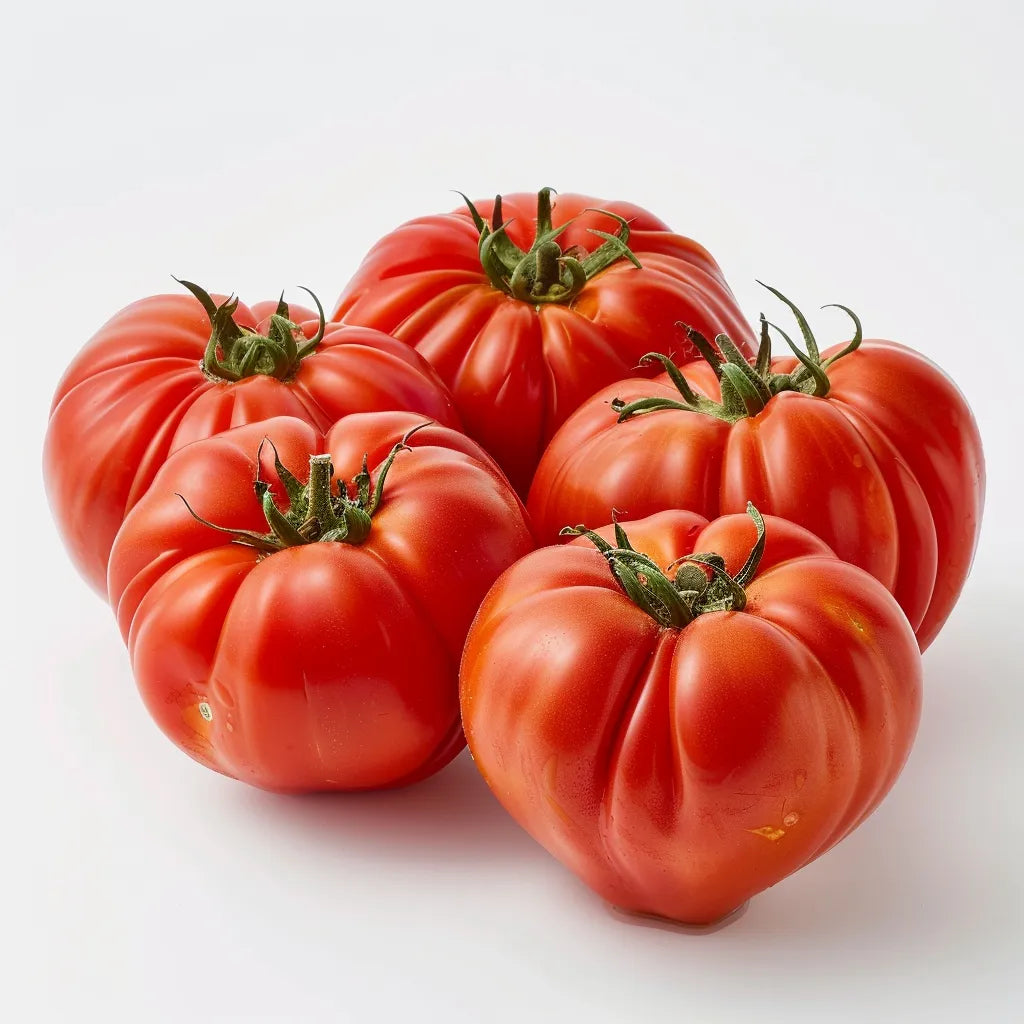
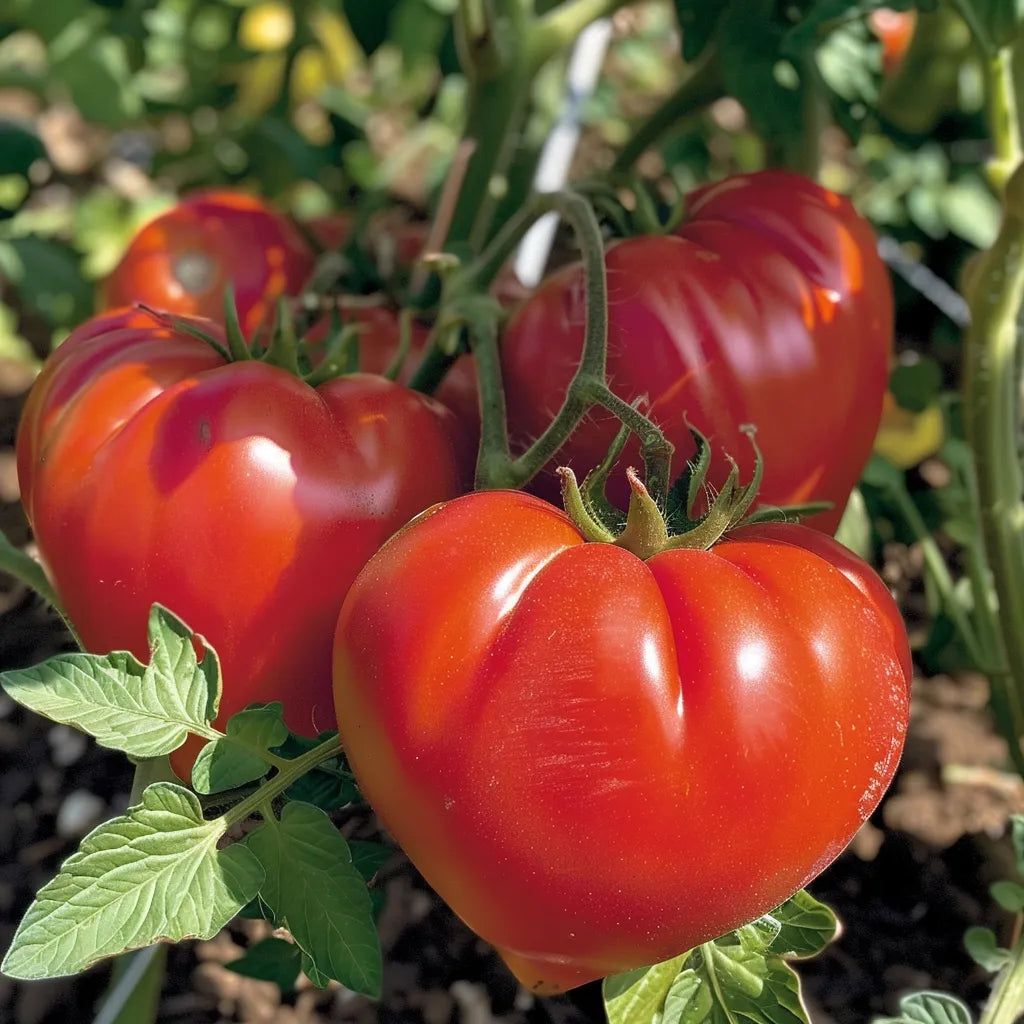
Cœur de Bœuf, Cuor di Bue, Oxheart Tomato: the true Cœur de Bœuf has nothing to do with the large ribbed tomatoes sold under this name in supermarkets, which are modern hybrids. The original has a distinctive pointed heart shape, dense flesh with almost no seeds, and a flavor few varieties can match.
Characteristics:
-
Heart-shaped: pointed at the bottom, it looks unlike any other tomato.
-
Dense, meaty flesh: few seeds, little juice, lots of substance — ideal for slicing.
-
Large fruit: commonly 500 to 600 g, sometimes more.
-
Reproducible heirloom variety: you can sow your own seeds again each year.
Sowing advice:
-
Exposure: full sun and warmth are essential to bring fruits of this size to maturity.
-
Soil: deep, rich, loose, and well-drained. This large-fruited variety is particularly demanding: a generous supply of well-rotted compost is crucial.
-
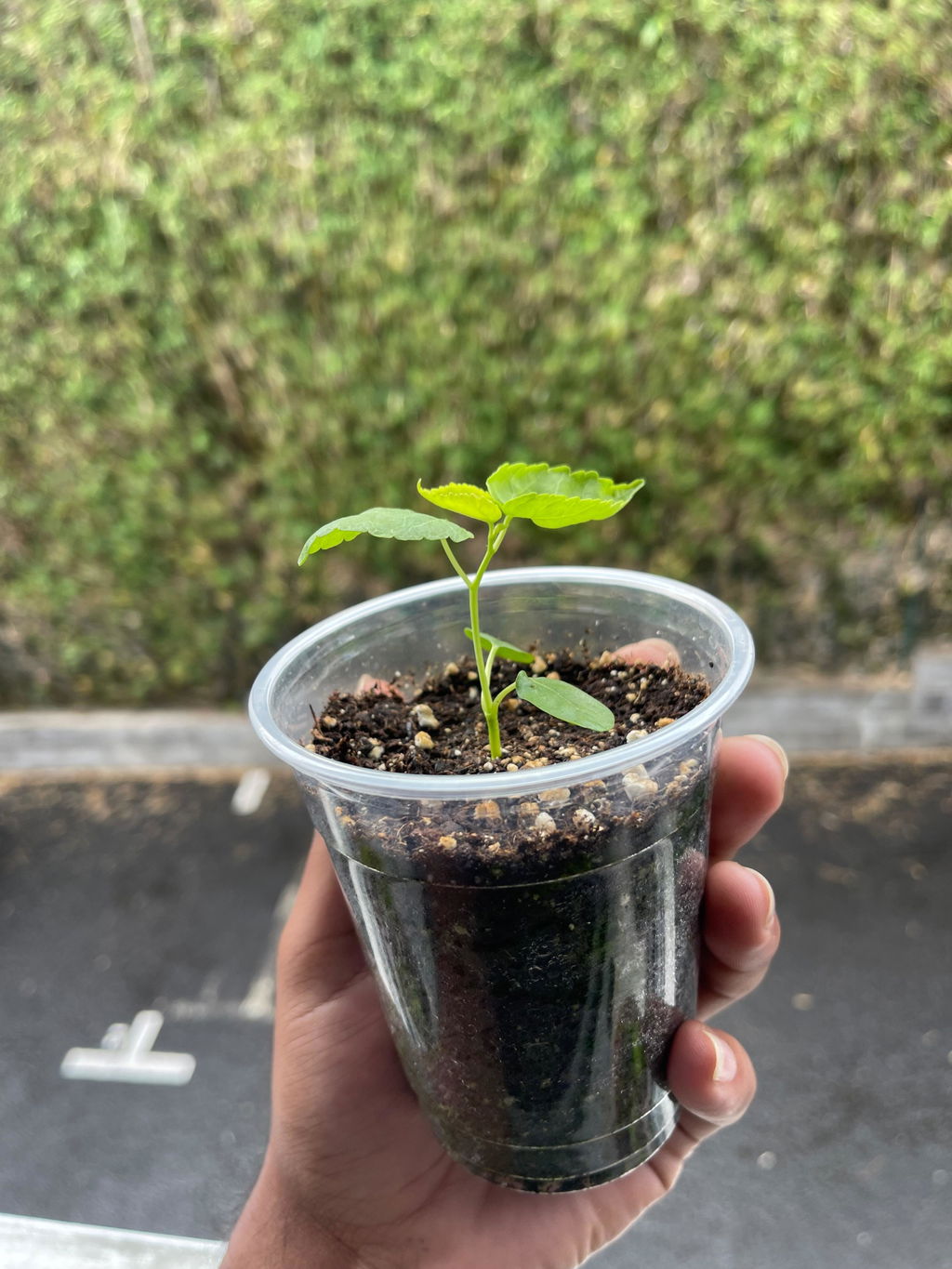
Method: sow from February to April under cover, at a minimum of 20 °C — below this temperature, the seeds will not germinate. Cover with 5 mm of soil and keep moist. Transplant into pots when the seedlings have two true leaves. See how to sow seeds.
Planting advice:
- Transplant after the last frosts, spacing plants 80 cm apart: this is a vigorous variety that needs room.
-
The step that makes all the difference: bury the stem up to the first leaves. Tomatoes produce roots along the entire buried section, resulting in a significantly more vigorous plant — particularly useful for supporting large fruit.
- Install a sturdy stake at planting time: the fruit is heavy and will break poorly supported stems.
Care advice:
-
Always water at the base, never over the foliage, preferably in the morning: water on the leaves provides an entry point for blight. Apply a thick mulch.
- Water regularly and evenly. With large-fruited varieties, irregular watering causes fruit splitting and blossom-end rot — the black patch beneath the fruit.
- Remove suckers, and limit the plant to 4 or 5 trusses: it is better to have a few large, fully ripe fruits than many that fail to develop.
- A three- to four-year crop rotation is essential.
Harvesting advice:
- Harvest when the fruit is fully colored and yields slightly under your finger. Store at room temperature, never in the refrigerator.
Beneficial companion plants:
Benefits for biodiversity:
- Its flowers are pollinated by vibration: only bumblebees can fully exploit them. Welcoming bumblebees directly improves your harvest, especially with large-fruited varieties.
- Growing reproducible heirloom varieties helps preserve cultivated diversity. See our heirloom tomatoes to sow.
Uses:
- In thick slices with a drizzle of olive oil — its dense flesh is perfect for this —, stuffed, in juice, or in gazpacho. Its low water content also makes it an excellent cooking tomato.
Saving your own seeds:
Take the pulp from a beautiful, fully ripe fruit and let it ferment for two to three days in a little water — this step breaks down the gelatinous coating that inhibits germination — then rinse it: the healthy seeds will sink to the bottom. Dry them flat. See how to store your seeds.
Commitment to Quality: at SemiSauvage - Permaculture, we grow and select our seeds with respect for living organisms as our guiding principle. Based near the Auvergne Volcanoes, we choose reproducible, non-hybrid varieties, test them for germination rates, and carefully sort and package them without any chemical treatment. Our belief is that gardeners should regain the ability to resow, year after year, seeds that truly belong to them.
The true Cœur de Bœuf, the one you can no longer find in stores.