Solanum lycopersicum
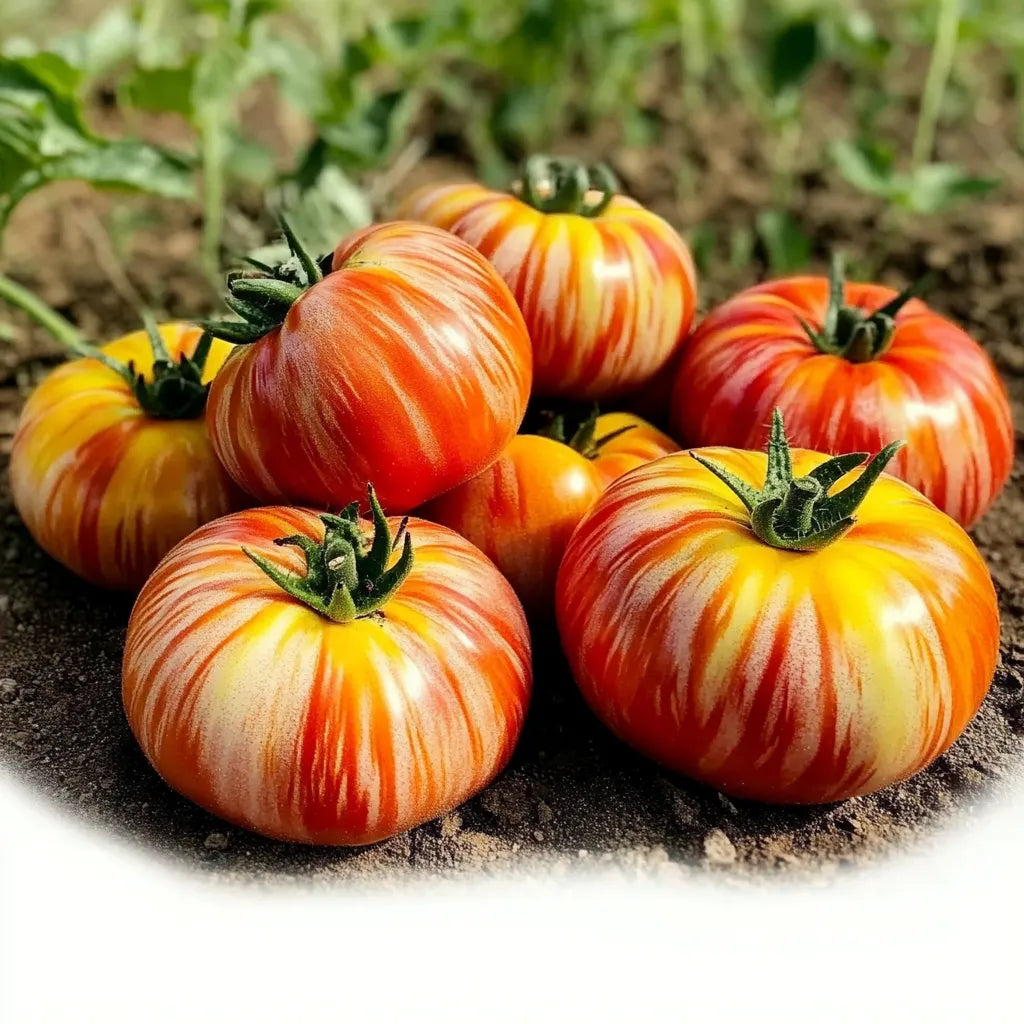
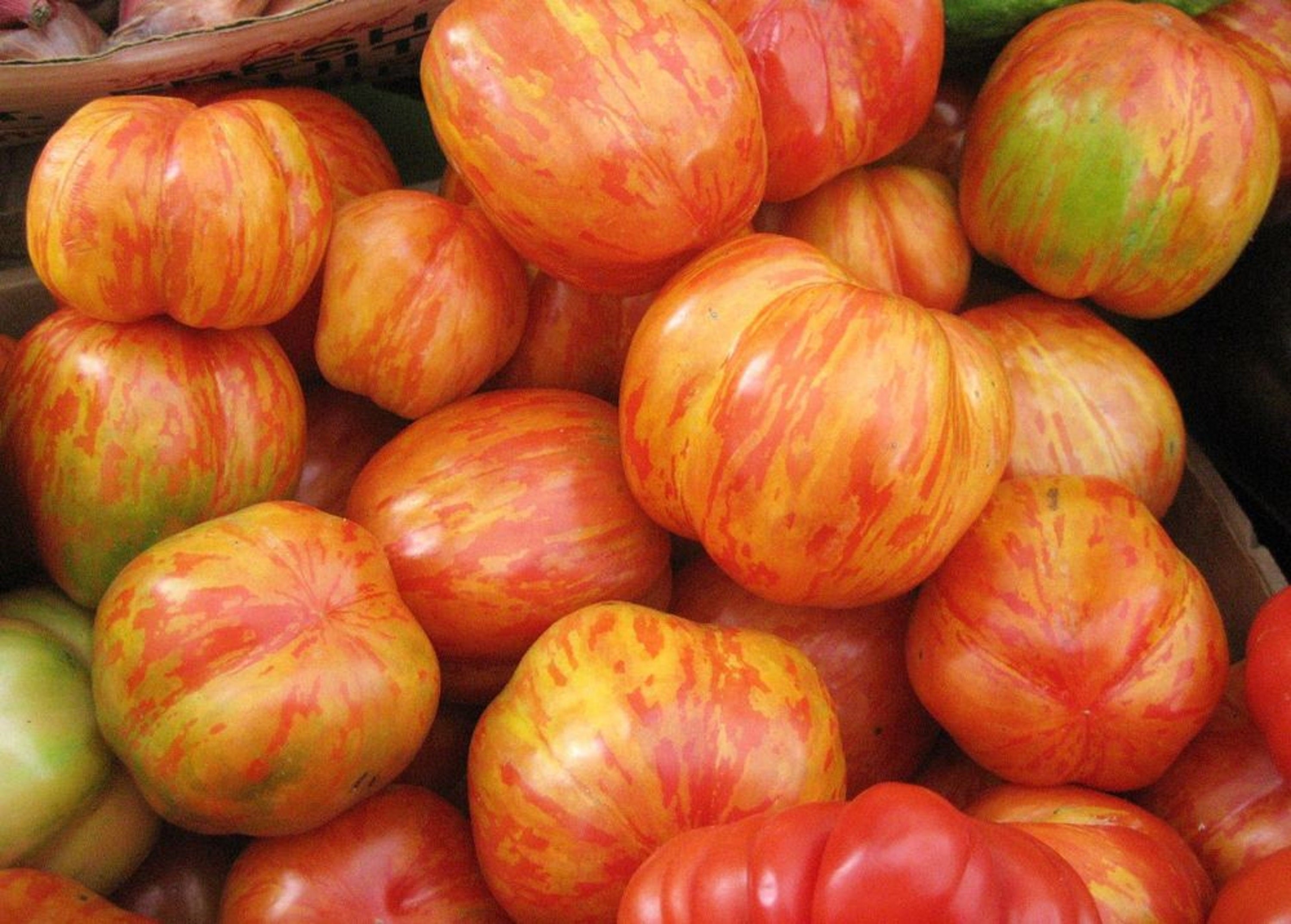
Tigerella tomato, Mr Stripey, striped tomato: developed in England in the 1950s, it is instantly recognizable by its stripes. Its orange-red fruits are streaked with golden yellow, a pattern that becomes more pronounced as the fruit ripens and makes it impossible to mistake in a basket.
Characteristics:
-
Striped fruits: orange-red striped with yellow, highly decorative, 4 to 6 cm.
-
Early: one of the first to produce, approximately two months after planting out.
-
Juicy flesh: full-flavoured and slightly tart, very refreshing.
-
Hardy: performs well in cool climates, which is rare among unusual tomatoes.
Sowing advice:
-
Position: full sun and warmth.
-
Soil: rich, loose and well-drained, enriched with well-rotted compost.
-
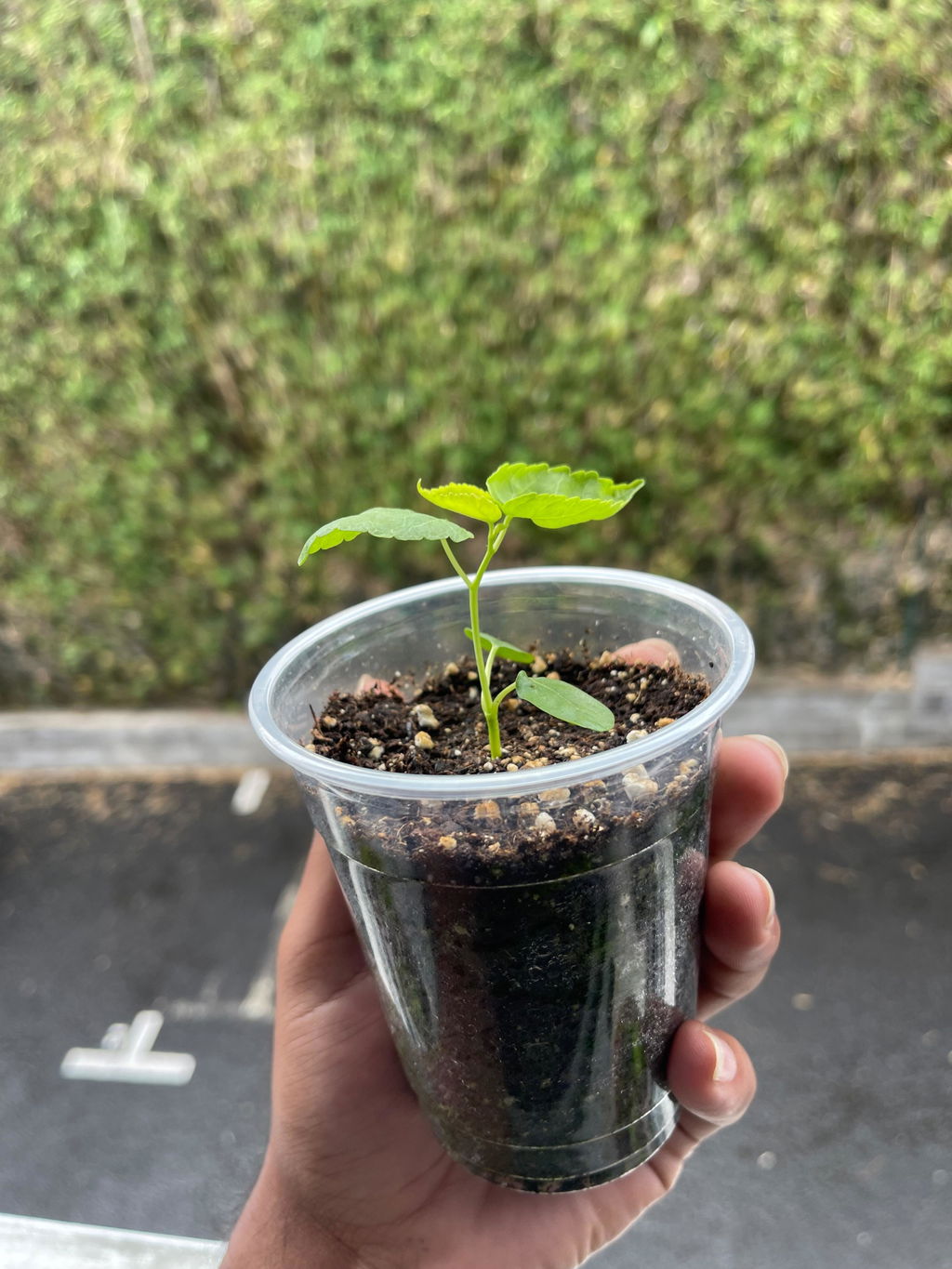
Method: sow mainly from March to April under cover, at a minimum of 20 °C — below this temperature, the seeds will not germinate. Cover with 5 mm of soil. Transplant into pots at the two-true-leaf stage. See how to sow seeds.
Planting advice:
- Transplant after the last frosts, spacing plants 60 cm apart. Bury the stem up to the first leaves: tomatoes produce roots along the entire buried section, resulting in a more vigorous plant.
- This is an indeterminate variety: provide a sturdy support from planting time.
Care advice:
-
Always water at the base, never over the foliage, preferably in the morning: water on the leaves provides an entry point for blight. Mulch thickly.
- Water regularly and evenly to prevent the fruits from splitting.
- Remove suckers to concentrate the sap on the fruits and speed up the harvest.
- Rotate crops every three to four years.
Harvest advice:
- With this variety, colour alone does not tell the whole story: the fruit is ripe when the orange background is well developed and it yields slightly under your finger. The yellow stripes remain visible when ripe; this is not a sign of immaturity.
- Store at room temperature, never in the refrigerator.
Beneficial companions:
Benefits for biodiversity:
- Its flowers are pollinated by vibration: only bumblebees make full use of them. Welcoming them directly improves your harvest.
- As a seed-saving variety, growing it contributes to preserving cultivated diversity. See our heritage tomatoes to sow.
Uses:
- Raw in salads, where its striped slices create the full visual effect, in carpaccio, or simply halved with a drizzle of oil. Its earliness makes it the first tomato of the season.
Saving your own seeds:
Scoop out the pulp from a beautiful, fully ripe fruit and let it ferment for two to three days in a little water — this step destroys the gelatinous coating that inhibits germination — then rinse: the healthy seeds will sink to the bottom. Dry them flat. See how to store your seeds.
Commitment to Quality: at SemiSauvage - Permaculture, we grow and select our seeds with respect for all living things as our guiding principle. Based near the Auvergne Volcanoes, we choose reproducible, non-hybrid varieties, tested for their germination rate, carefully sorted and packaged, without any chemical treatment. Our conviction: to give gardeners back the ability to resow, year after year, seeds that truly belong to them.
Early striped tomatoes that are impossible to mistake.