Capsicum chinense
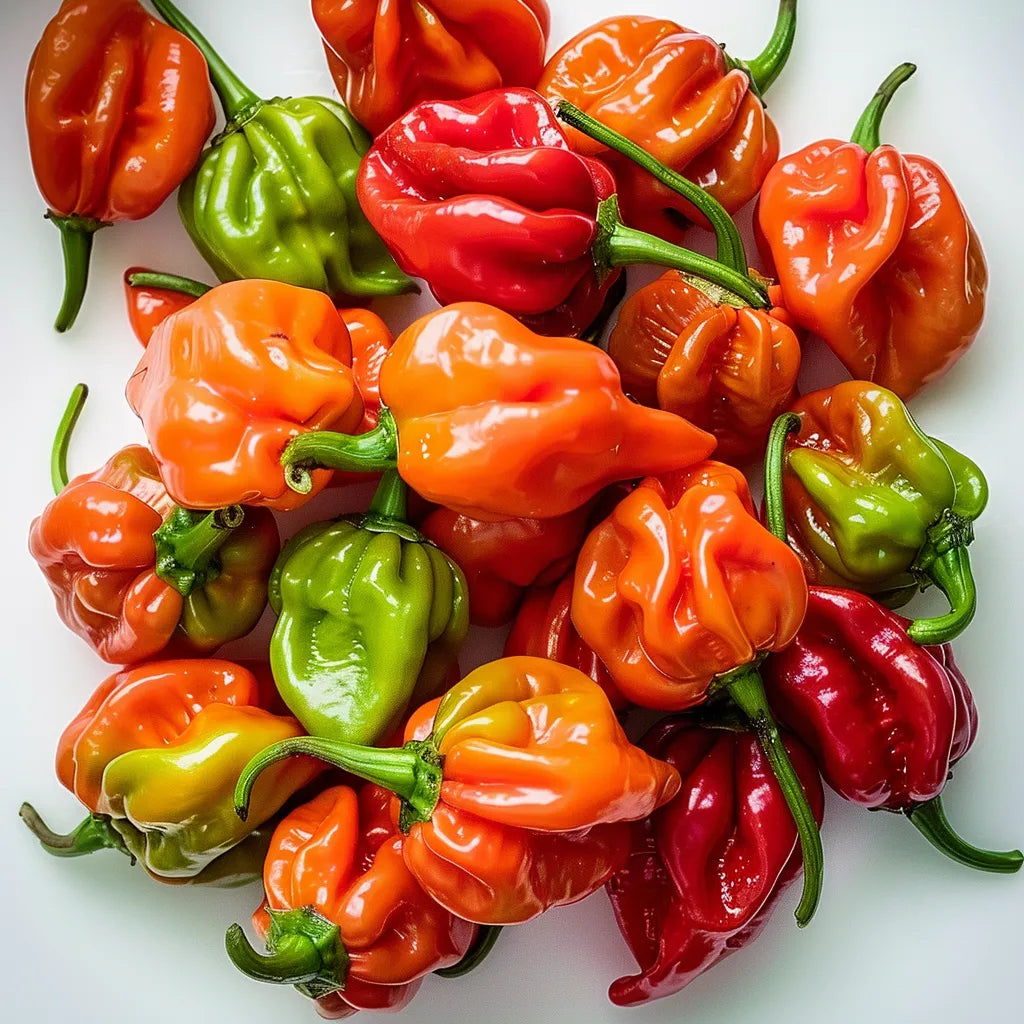
West Indian pepper, habanero, bonda man Jacques pepper, lantern pepper: despite its species name, Capsicum chinense does not come from China but from the West Indies and the Amazon basin—an attribution error made by an 18th-century botanist. It is one of the hottest species in the world, but also one of the most aromatic, with fruity apricot notes that its heat never completely masks.
Characteristics:
-
Extremely hot: 100,000 to 350,000 Scoville units, depending on the fruits and growing conditions.
-
Aromatic above all: its fruity notes clearly distinguish it from peppers that are merely hot.
-
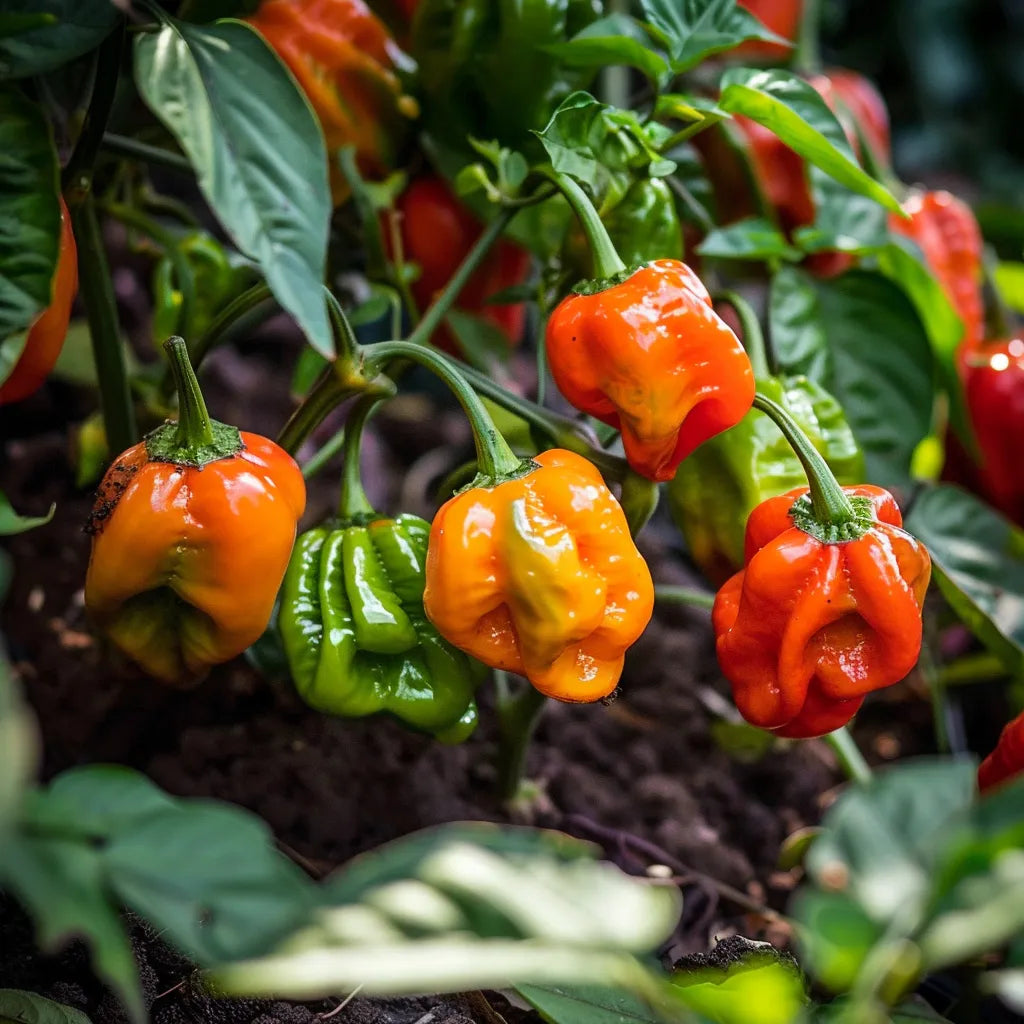
Distinctive shape: round, bumpy, lantern-shaped fruits that change from green to yellow, then orange and red.
-
Very productive: a single well-tended plant is more than enough for a household for the entire year.
Precautions — read carefully:
-
Wear gloves when handling the fruits, whether fresh or dried. Capsaicin clings to the skin and cannot be removed by simply washing with water: subsequent contact with the eyes or mucous membranes can cause very painful burns, sometimes several hours later.
- Never cut these peppers in a poorly ventilated room: the vapors strongly irritate the respiratory tract and eyes.
- Wash your hands with soap and oil rather than water alone—capsaicin is fat-soluble.
- Keep fruits and seeds out of children’s reach. If your mouth burns, drink milk or eat a dairy product: water only spreads the capsaicin around.
Sowing advice:
-
Exposure: full sun and plenty of heat—this is essential for good production. North of the Loire, growing under glass or in a pot that can be brought indoors is strongly preferable.
-
Soil: rich, loose, moist and well-drained, enriched with compost. It is just as sensitive to stagnant water as it is to drying out.
-
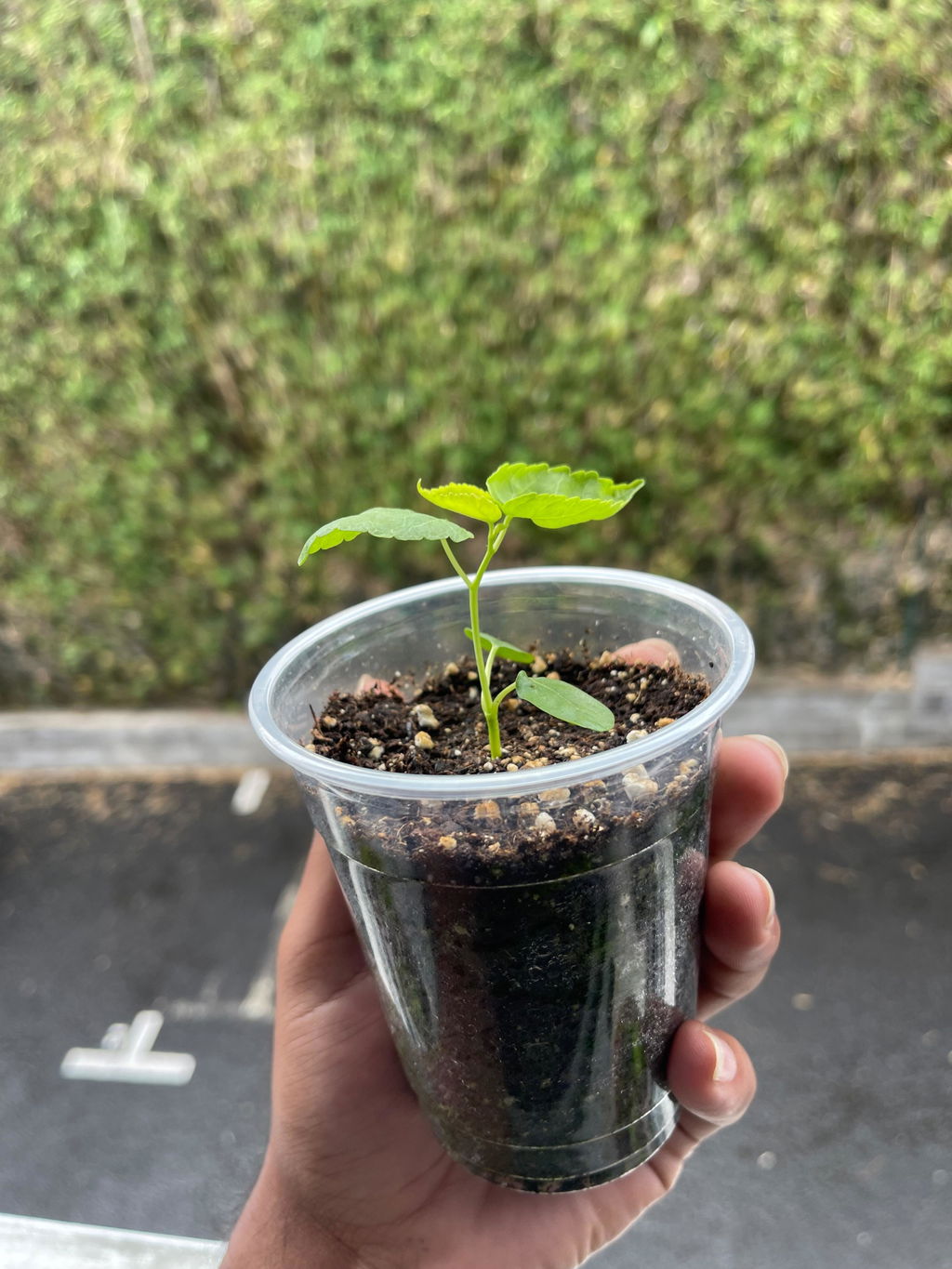
Method: Capsicum chinense germinates slowly. Sow from January to February in a heated greenhouse or indoors, at 25-28 °C: below 20 °C, germination fails. Allow 2 to 4 weeks, sometimes longer. See how to sow your seeds.
Planting advice:
- Transplant only when nighttime temperatures exceed 12 °C, spacing plants 50 cm apart. Unlike tomatoes, do not bury the stem: peppers do not form adventitious roots, and a buried crown will rot.
- Protect young plants from strong winds, which can break their brittle stems.
Care advice:
- Water regularly at the base, without overwatering or allowing the soil to dry out. Mulch.
- Tip: slight water stress at the end of the growing season increases capsaicin content—useful if you are seeking maximum heat.
- Bring the pot indoors before frost: the pepper is perennial and can spend several winters in a conservatory, producing again from the following spring.
Harvesting advice:
- Harvest with gloves when the fruits have reached their final color: their flavor is richest at full maturity. They can be dried, frozen or preserved in vinegar.
Beneficial companion plants:
Benefits for biodiversity:
- Its white flowers are visited by bees and bumblebees throughout the summer.
- Interesting fact: capsaicin does not affect birds, which do not possess the relevant receptor. This is a plant strategy—to deter mammals, which crush the seeds, while favoring birds, which disperse them intact.
Uses:
- An essential ingredient in West Indian and Caribbean cuisine: accras, fish court-bouillons, rougails and chien sauces. A small amount is enough—its aroma spreads far beyond its heat.
Harvesting your own seeds:
Open a fully ripe fruit while wearing gloves, remove the seeds, rinse them and dry them flat. Be aware that peppers cross-pollinate easily between varieties grown side by side: isolate your seed plants. Clearly label the packet. See how to store your seeds.
Commitment to Quality: at SemiSauvage - Permaculture, we grow and select our seeds with respect for living things as our guiding principle. Based near the Auvergne Volcanoes, we choose open-pollinated, non-hybrid varieties, tested for their germination rate, sorted and carefully packaged, without any chemical treatment. Our conviction: to give gardeners back the ability to resow, year after year, seeds that truly belong to them.
The heat of the West Indies, with an apricot fragrance to match.