Cedrus atlantica
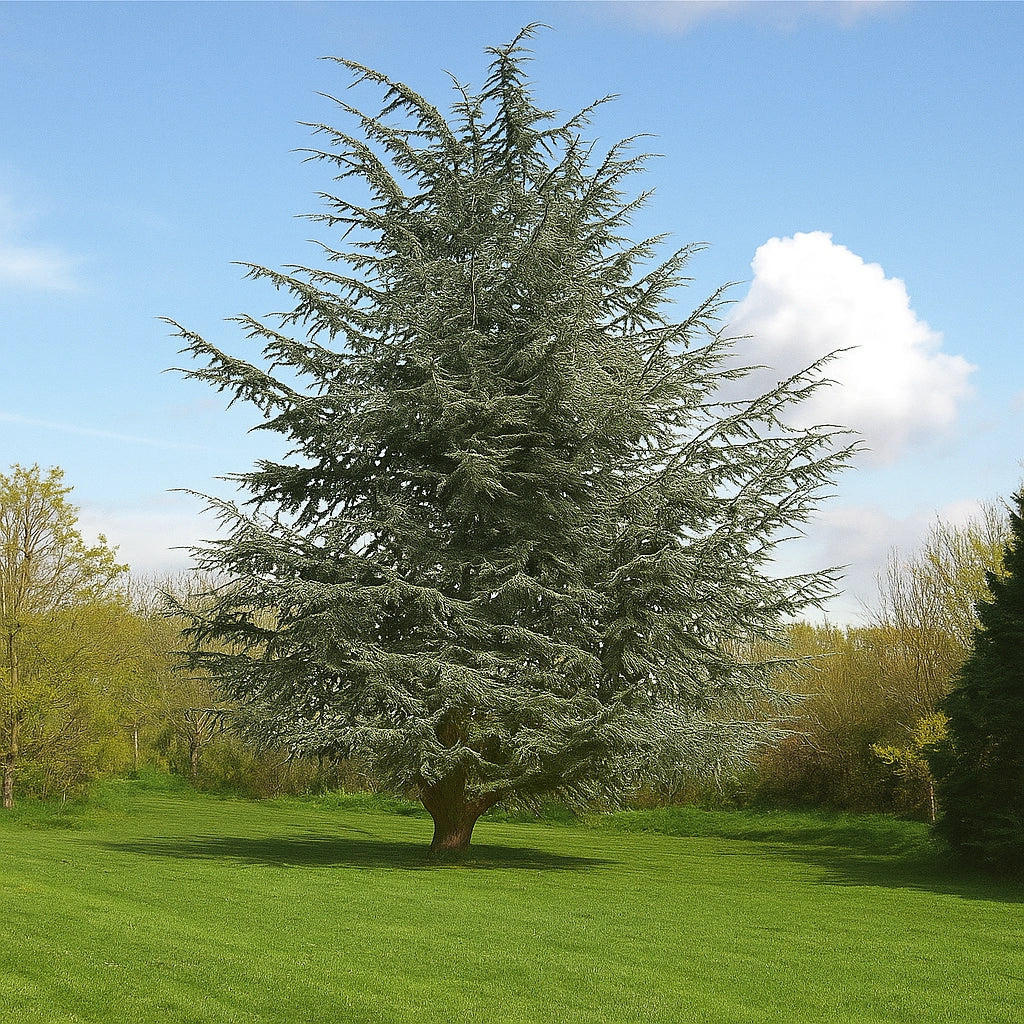
Atlas cedar, silver cedar, blue cedar: native to the Atlas Mountains in Morocco, this majestic conifer develops with age a tiered silhouette of broad horizontal layers, unique among the trees in our parks. A cedar planted today will live through several centuries—it is a tree one never plants entirely for oneself.
Characteristics:
-
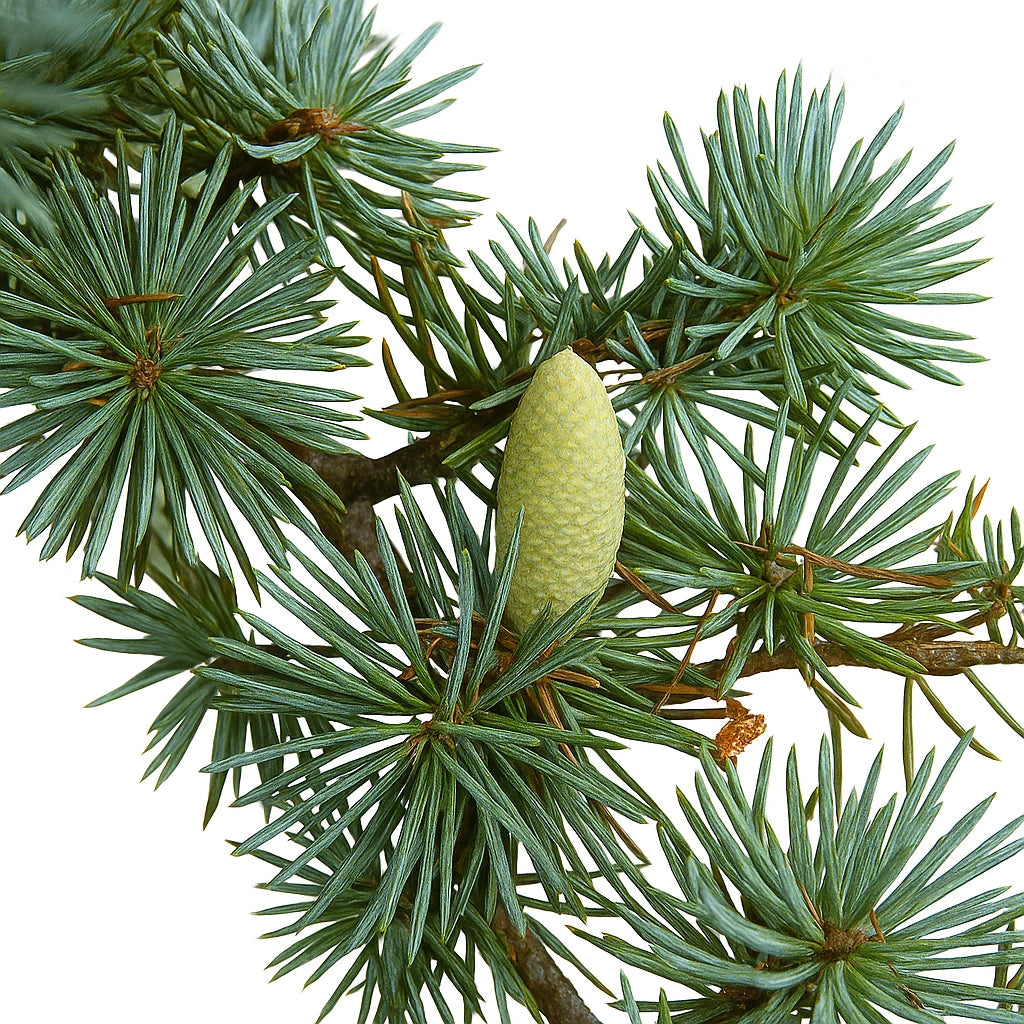
Bluish evergreen foliage: needles grouped in rosettes, with a very distinctive silvery blue-green color.
-
Majestic form: 30 to 40 meters tall at maturity, with slow and steady growth.
-
Very hardy: it withstands temperatures down to -20 °C and adapts to temperate climates as well as dry summers.
Precautions:
- Plan for its mature spread: this is not a tree for a small garden. Allow at least 10 meters of clearance, and keep it away from buildings and pipelines. In a confined space, consider training it as a bonsai.
Sowing advice:
-
Exposure: full sun.
-
Soil: deep, light, and above all well-drained, even poor or rocky. It tolerates alkaline soil and summer drought once established, but absolutely dislikes heavy, waterlogged soil. No fertilization is necessary.
-
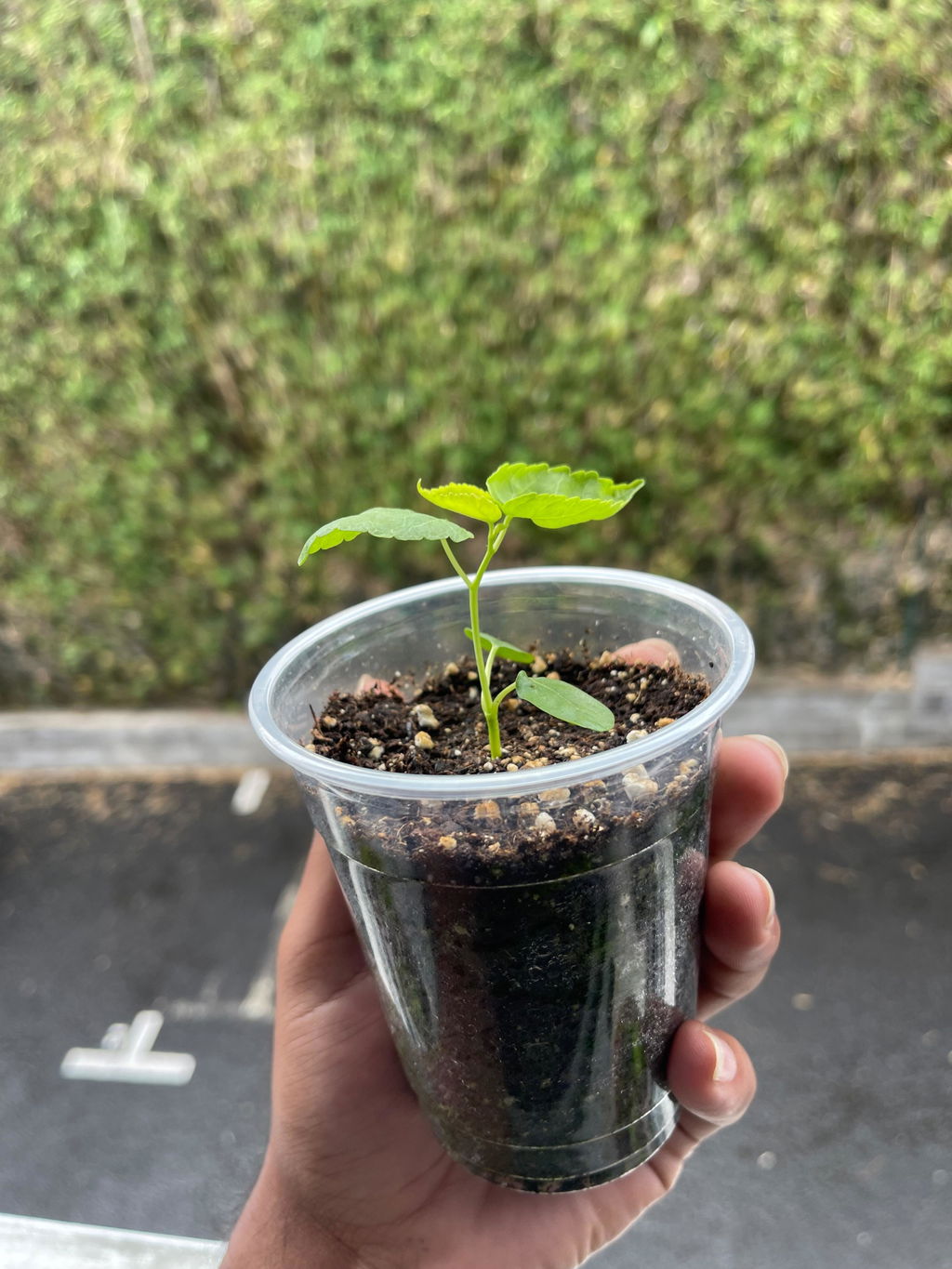
Method: the seeds require cold stratification for 4 to 6 weeks to break dormancy. Then sow them in a pot in a light, well-drained growing medium, about 1 cm deep, in spring or autumn. Keep moist without excess: germination is slow and takes place over several weeks.
Planting advice:
- Transplant into the ground the following autumn, in full sun and well-drained soil. As conifers quickly develop a taproot, use deep pots.
- It is remarkably well suited to bonsai—see our guide creating a bonsai from a seed.
Care advice:
- Water regularly during the first two or three years; afterward, the tree becomes completely self-sufficient. No pruning is necessary.
Beneficial pairings:
Benefits for biodiversity:
- Its tiered branches and evergreen foliage provide shelter and food for many birds year-round, especially in winter.
- Its winged seeds feed squirrels and crossbills.
- It is a key species for reforesting dry slopes, where it provides lasting soil stabilization.
Uses:
- An iconic ornamental tree for parks and large gardens, planted as a solitary specimen. Its fragrant, rot-resistant wood, renowned for its resistance to insects, is prized in woodworking.
Symbolism:
A sacred tree in many traditions, the cedar evokes wisdom, stability, and spirituality. It appears on the flag of Lebanon and was used to build temples in antiquity.
Harvesting your own seeds:
The cedar's upright cones disintegrate on the tree when mature, releasing their scales and winged seeds. Harvest an entire cone before it falls apart and let it dry in a warm place. See storing your seeds.
Commitment to Quality: at SemiSauvage - Permaculture, we grow and select our seeds with respect for all living things as our guiding principle. Based near the Auvergne Volcanoes, we choose open-pollinated, non-hybrid varieties, tested for their germination rate, carefully sorted and packaged, with no chemical treatment. Our conviction: to give gardeners back the ability to resow, year after year, seeds that truly belong to them.
Sales reserved for home gardeners seeking quality and authenticity.