Arctium lappa
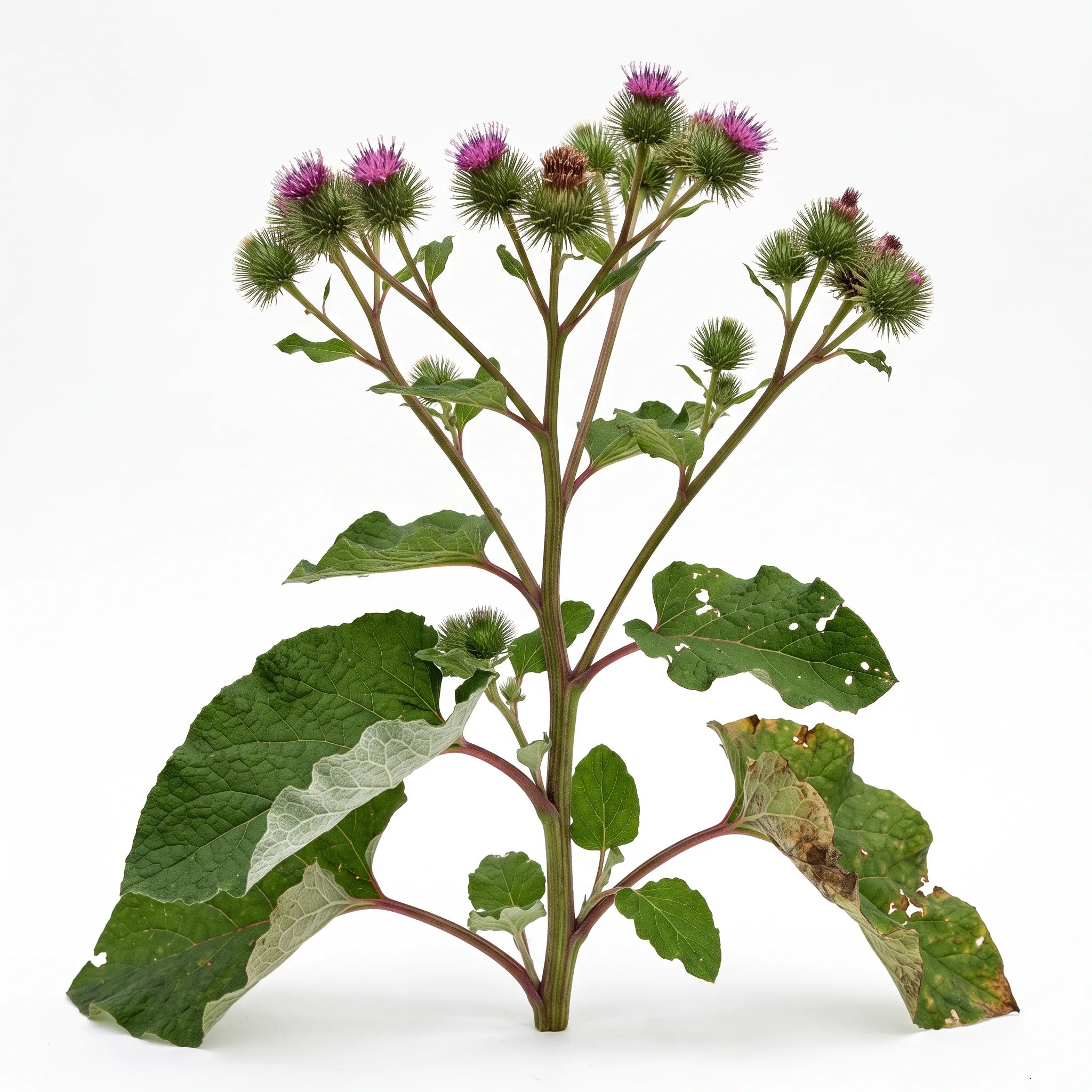
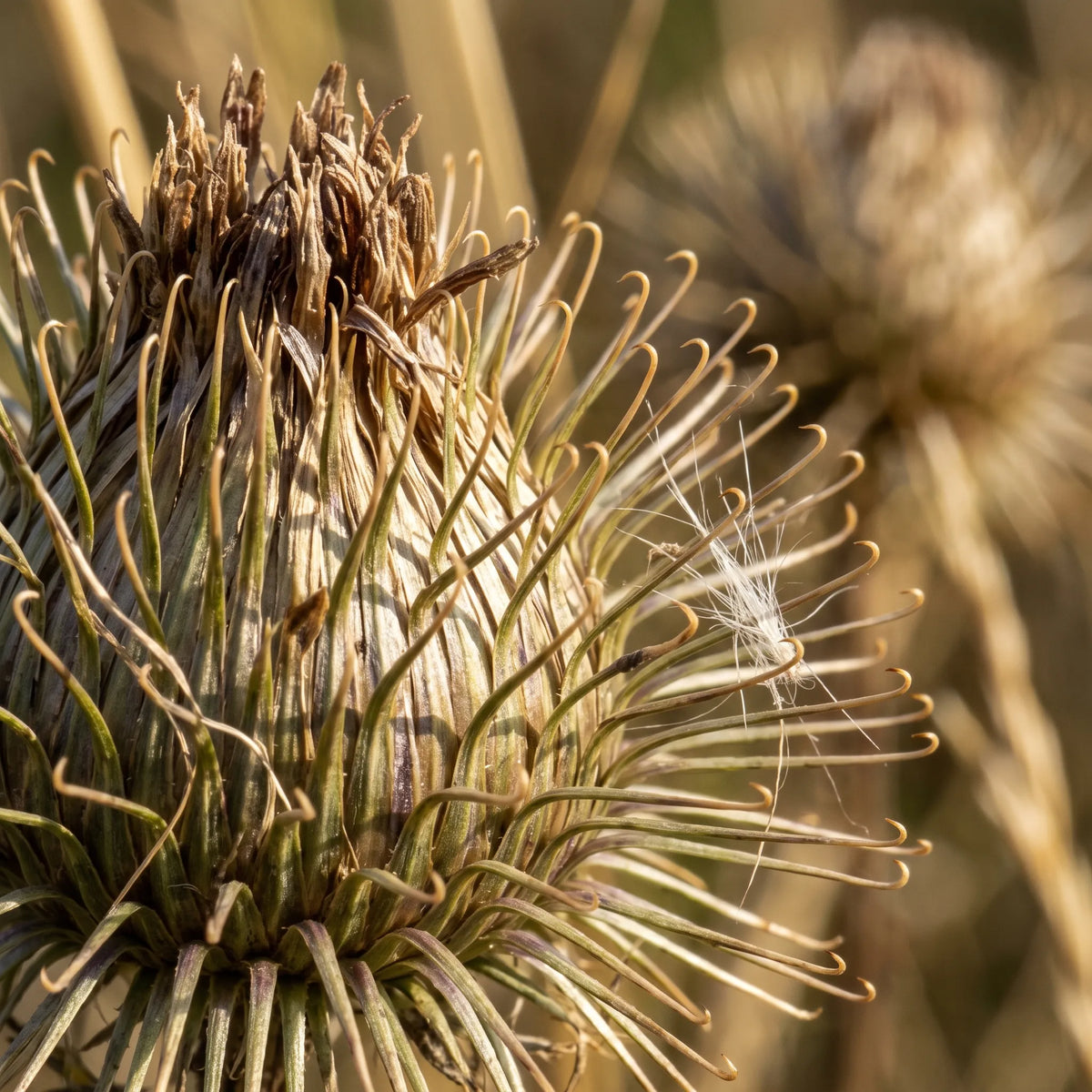
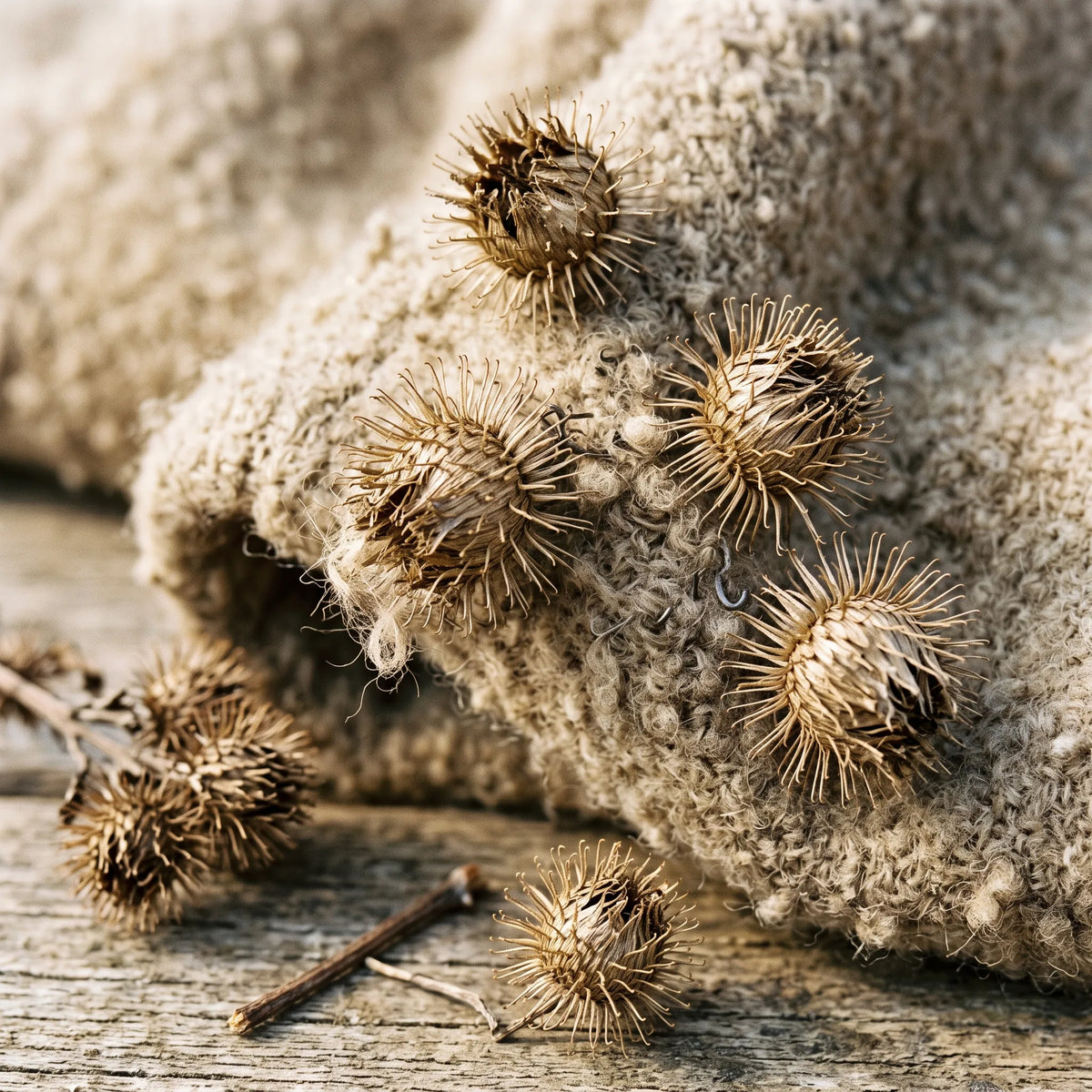
Greater burdock, beggar's buttons, cocklebur, elephant's ear: its hooked flower heads, which cling to clothing and animal fur, inspired Swiss engineer George de Mestral in 1941 to invent what became universally known as Velcro. In the garden, it is also an heirloom root vegetable, highly valued in Japan, where it is called gobo.
Characteristics:
-
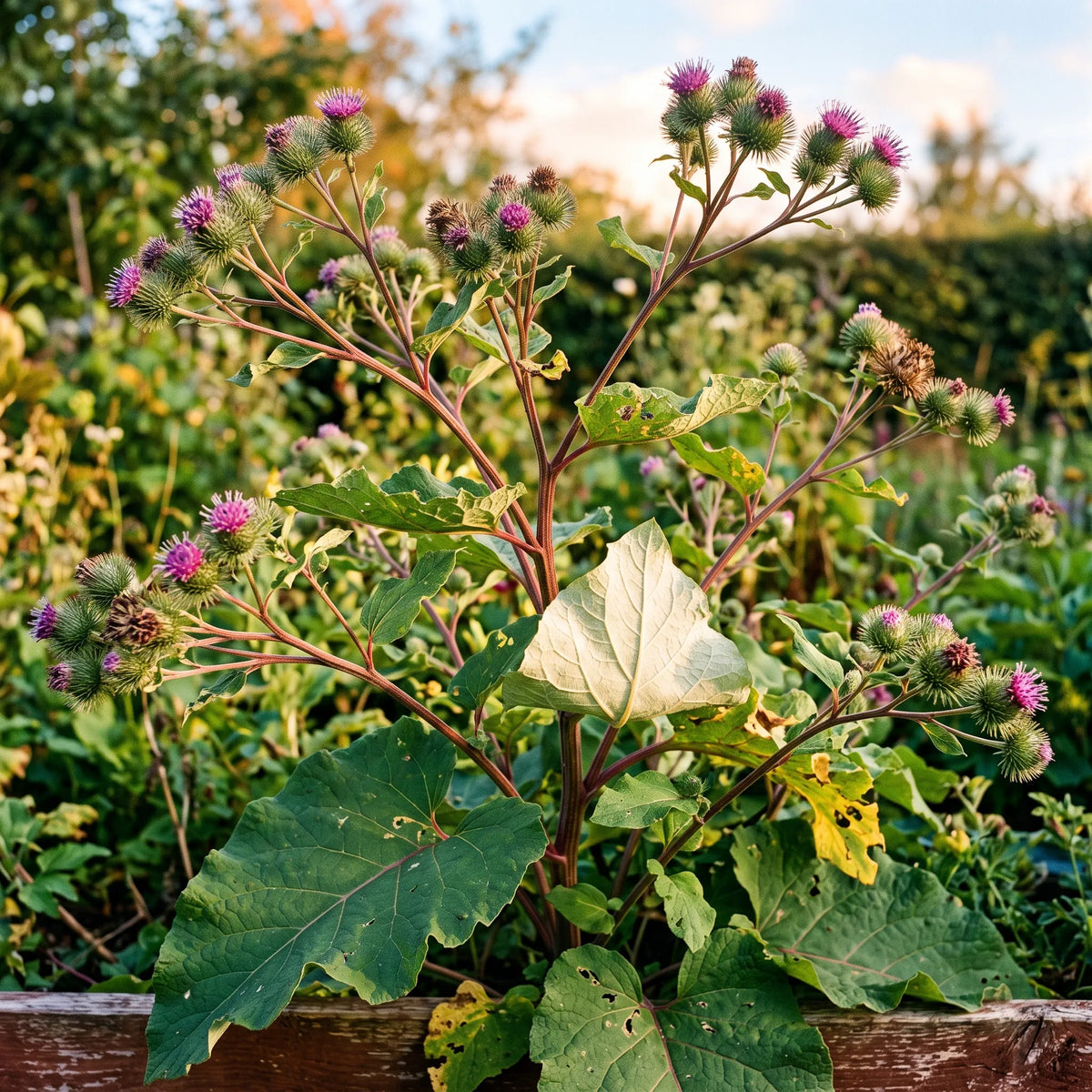
Imposing plant: enormous heart-shaped leaves and flowering stems that can exceed 1.50 m in the second year.
-
Hooked flower heads: pink-purple flowers in summer, followed by the famous clinging “cockleburs.”
-
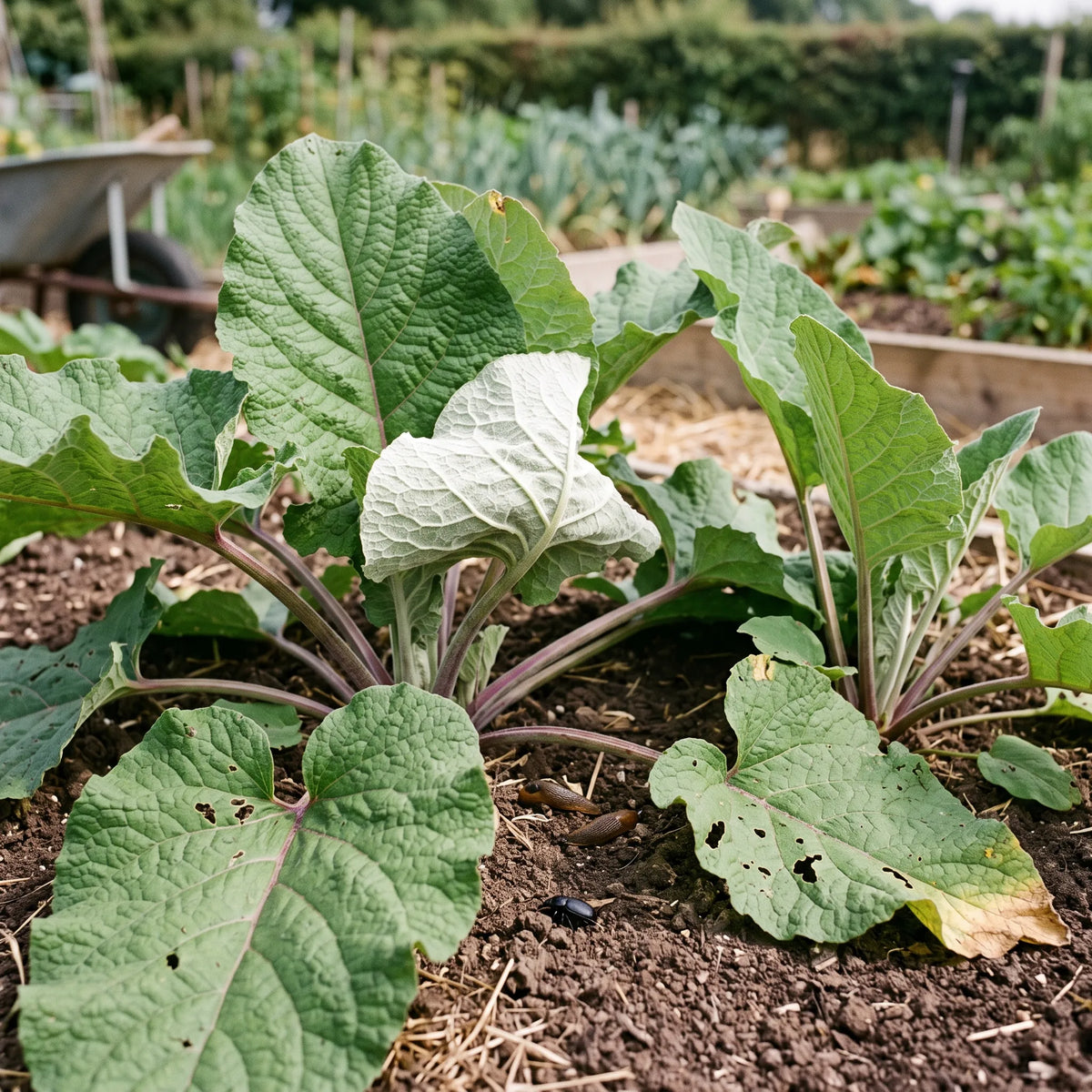
Biennial: it forms a rosette in the first year, then flowers and sets seed in the second.
Precautions:
- Its hooked flower heads cling tenaciously to clothing and especially to animal fur: cut them off before maturity if you have a dog or cat, where they form difficult-to-remove tangles.
- It self-seeds abundantly through this method of dispersal: mow before it sets seed to control its spread.
Sowing advice:
-
Exposure: full sun to partial shade.
-
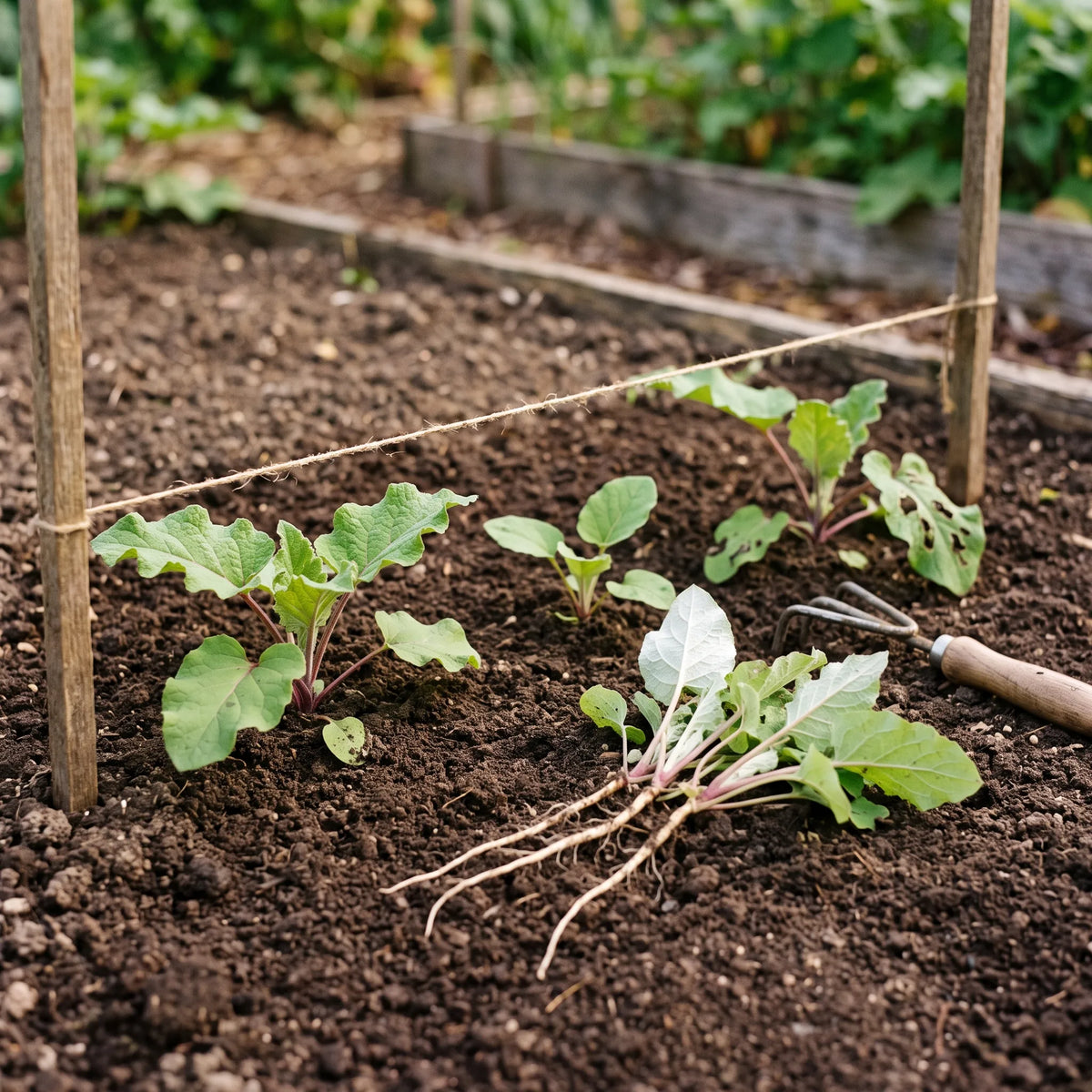
Soil: deep, loose, moist and rich — essential if you are growing it for the root: it grows down more than 60 cm and develops well only in deeply worked soil. Avoid stony or compacted soils, which produce forked roots that are difficult to pull up.
-
Method: sow from March to June or in September, in a nursery or directly in place, 1–2 cm deep. Direct sowing is preferable, as its taproot does not tolerate transplanting well. See how to sow your seeds.
Care advice:
- Thin to 40 cm spacing: the plant becomes large. Water during dry periods to prevent the root from becoming fibrous.
Harvesting advice:
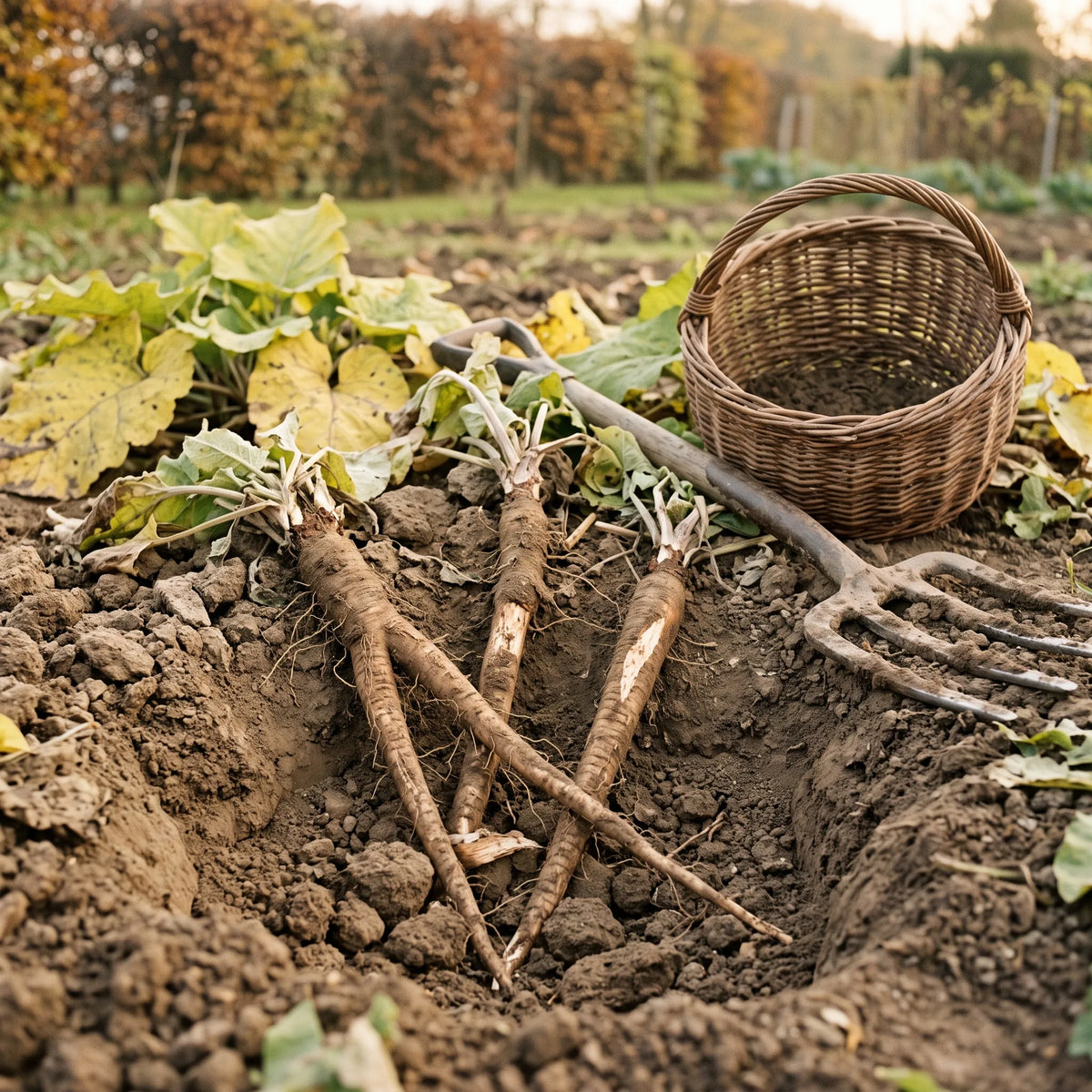
- Harvest the roots in the autumn of the first year, before the plant flowers: afterward, they become woody and inedible. Dig deeply, as they grow far down.
- Pick the young leaves in spring and the flowering stems before the buds open.
Beneficial associations:
Benefits for biodiversity:
- Its flower heads are highly attractive to pollinators and draw bees, bumblebees and butterflies in midsummer.
- Its seeds feed goldfinches, which come to extract them from the dry heads in autumn and winter.
- Its enormous leaves provide welcome shelter for slugs and ground beetles at soil level — useful as a slug trap near the vegetable garden.
Uses:
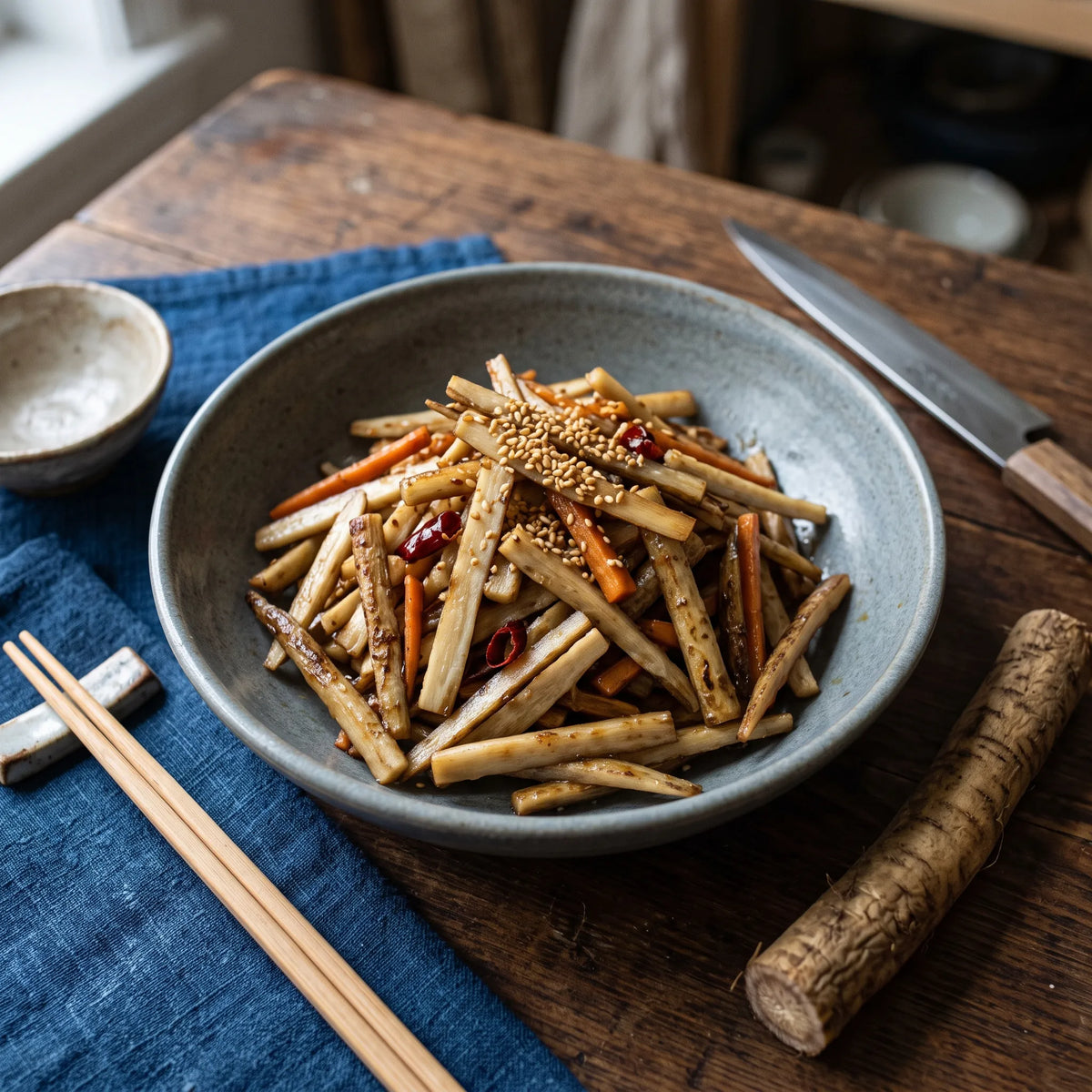
- The root, with a flavor similar to artichoke, is eaten cooked Japanese-style (gobo); the young leaves are eaten raw in salads or cooked like spinach; the peeled flowering stem is prepared like an artichoke heart.
- A major traditional medicinal plant in European herbal medicine. See our medicinal plants to sow.
Harvesting your own seeds:
Leave a few flower heads to turn brown and dry completely on the plant, then open them — wearing gloves, as the hooks are prickly — to extract the elongated seeds. See how to save your seeds.
Commitment to Quality: at SemiSauvage - Permaculture, we grow and select our seeds with respect for all living things as our guiding principle. Based near the Auvergne Volcanoes, we choose open-pollinated, non-hybrid varieties, test them for germination rates, and carefully sort and package them without any chemical treatment. Our belief is that gardeners should regain the ability to resow, year after year, seeds that truly belong to them.
Grow a forgotten root vegetable and a true botanical curiosity with these greater burdock seeds.