Mentha pulegium
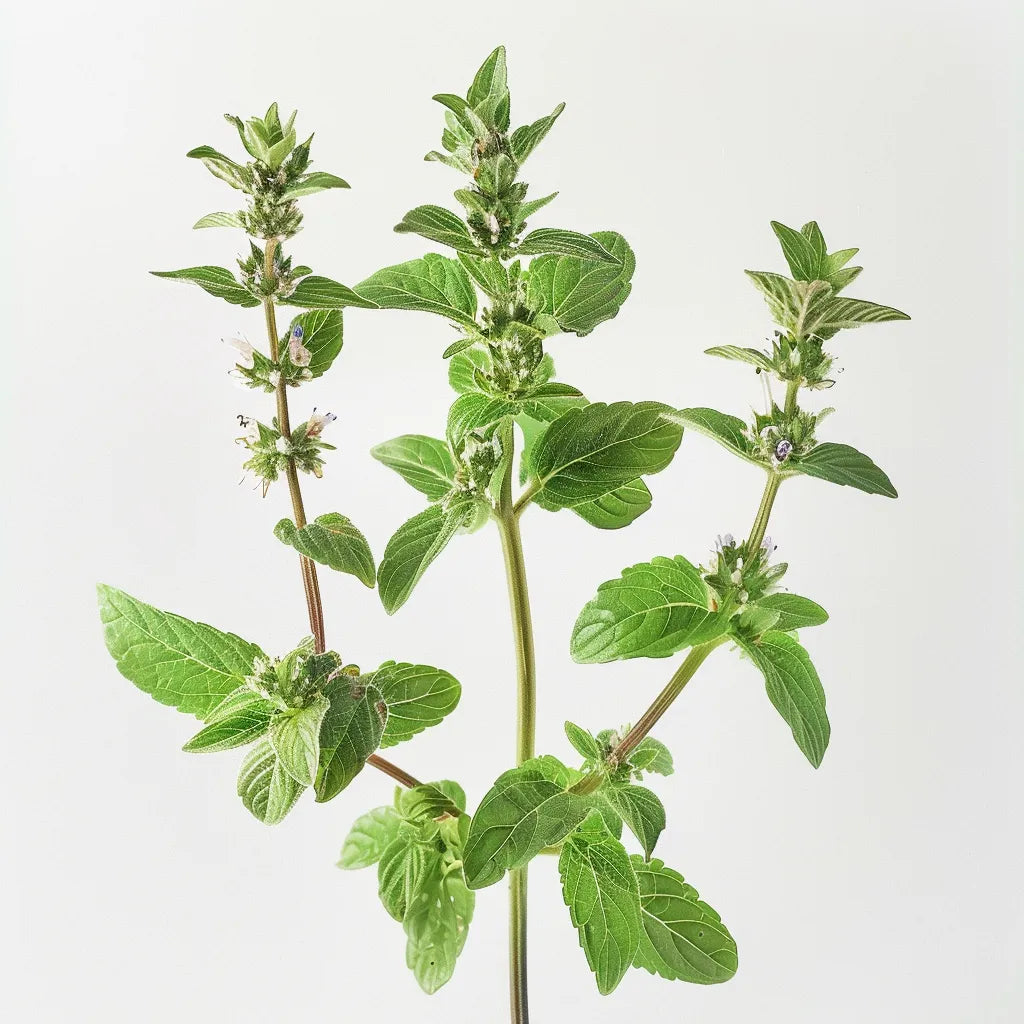
Pennyroyal, fleabane, flea herb, Virginia dittany: its nickname “flea herb” comes from a very old use—its leaves were used to stuff bedding to keep parasites away. This creeping mint has a powerful aroma, sharper and more penetrating than that of culinary mints, and forms a fragrant carpet wherever the soil stays cool.
Characteristics:
-
Creeping habit: it covers the ground with trailing stems that root as they grow.
-
Powerful aroma: distinctly stronger and more camphoraceous than spearmint.
-
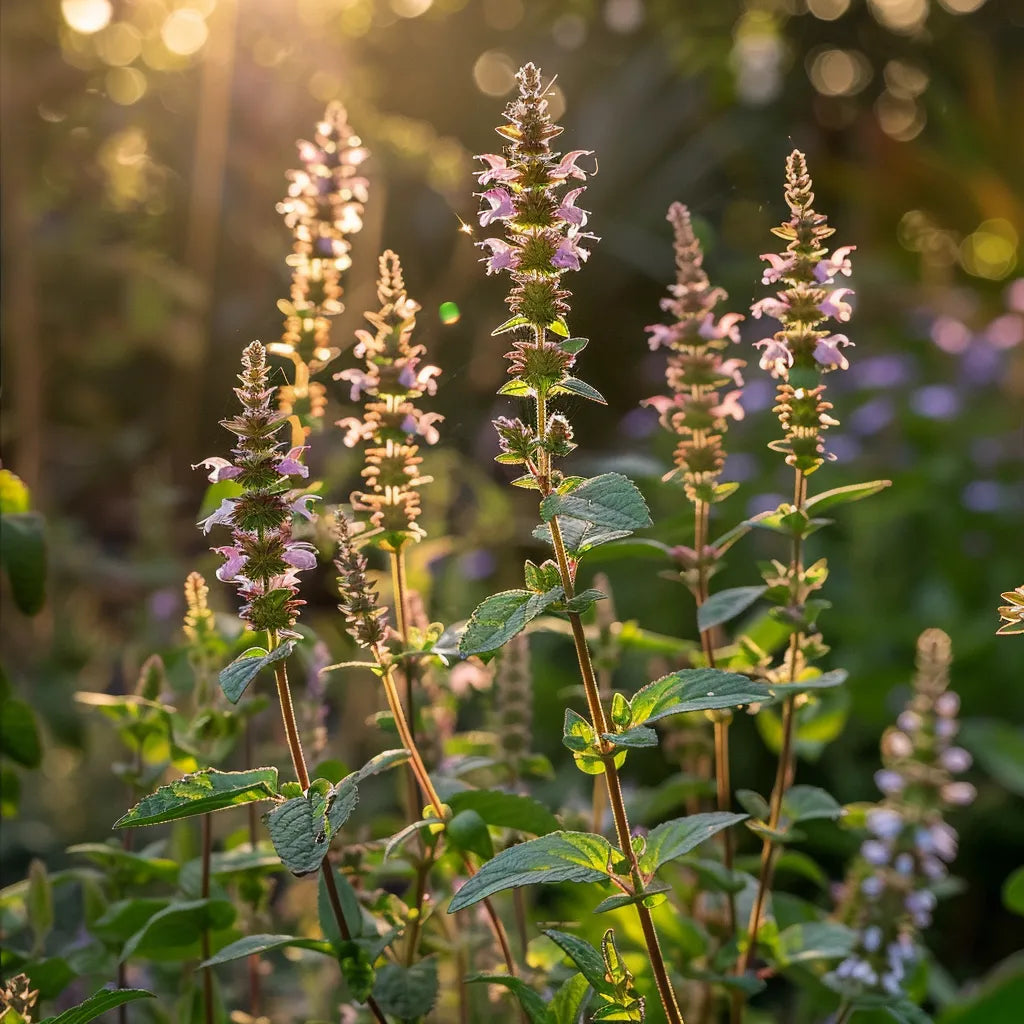
Flowering in clusters: small lilac flowers grouped in tiers along the stems, highly attractive to bees.
-
Hardy perennial: it regrows every spring and spreads on its own.
Precautions — please read carefully:
-
This is not a culinary mint. Pennyroyal is rich in pulegone, a compound that clearly distinguishes it from edible mints. It should not be consumed as an infusion or herbal tea like spearmint or peppermint, and its essential oil must be completely avoided for household use.
-
Absolutely not recommended for pregnant or breastfeeding women, or for children.
- Grow it as an ornamental, ground-cover and repellent plant, not as a culinary herb. If you are looking for a mint for cooking, choose spearmint or peppermint instead.
- Like all mints, it is spreading and invasive: its runners colonize an area quickly. Grow it in a container, or contain it with an underground barrier.
Sowing advice:
-
Exposure: full sun to partial shade.
-
Soil: rich in organic matter and, above all, cool to moist—this is the decisive factor. In the wild, it grows beside ponds and in depressions that remain damp. Soil that dries out completely in summer will not suit it.
-
Method: cold stratification significantly improves germination. Then sow on the surface without covering: these tiny seeds need light. Keep moist until germination. See how to sow your seeds.
Planting advice:
- Transplant with 30 cm spacing, or plant it directly in a deep container. It is well suited to the edges of a pond or a damp area of the garden.
Care advice:
- Water regularly; it does not tolerate prolonged drought. Mulch around the base.
- Cut back the clump after flowering to make it denser, and monitor its spread.
Beneficial combinations:
- Its powerful scent makes it a traditional repellent against several insects. Planted along an edge or in a container near a terrace, it serves this purpose without invading cultivated areas. See our repellent plants.
Benefits for biodiversity:
- Its late-summer flowering is extremely attractive to bees and comes at a time when food resources are becoming scarce: bees, bumblebees and butterflies flock to it.
- Its dense carpet shelters soil microfauna and protects cool areas from drying out.
- It is a species of wetland habitats in decline in France: growing it helps support its conservation.
Uses:
- Fragrant ground cover, pond edging and repellent plant in containers. Its dried flowering tops have traditionally been used to fill sachets placed in wardrobes.
- Traditional medicinal plant, reserved for professional use. See our medicinal plants to sow.
Harvesting your own seeds:
Let a few flower clusters dry completely on the plant, then rub them over a container: the seeds are extremely fine. However, dividing the clump or taking runner cuttings is easier, as mint propagates readily on its own. See saving your seeds.
Commitment to Quality: at SemiSauvage - Permaculture, we grow and select our seeds with respect for all living things as our guiding principle. Based near the Volcanoes of Auvergne, we choose open-pollinated, non-hybrid varieties, test them for germination rates, and carefully sort and package them without any chemical treatment. Our conviction: to give gardeners back the ability to resow, year after year, seeds that truly belong to them.
A fragrant carpet for the cool corners of the garden, and a magnet for pollinators in late summer.